Neuroprotection
Discover neuroprotection as a vital aspect of cognitive enhancement, including how it works, its evidence base, and practical applications.

Explore the concept of neuroprotection within cognitive enhancement, focusing on its mechanisms, evidence, practical applications, and safety considerations.
What It Is
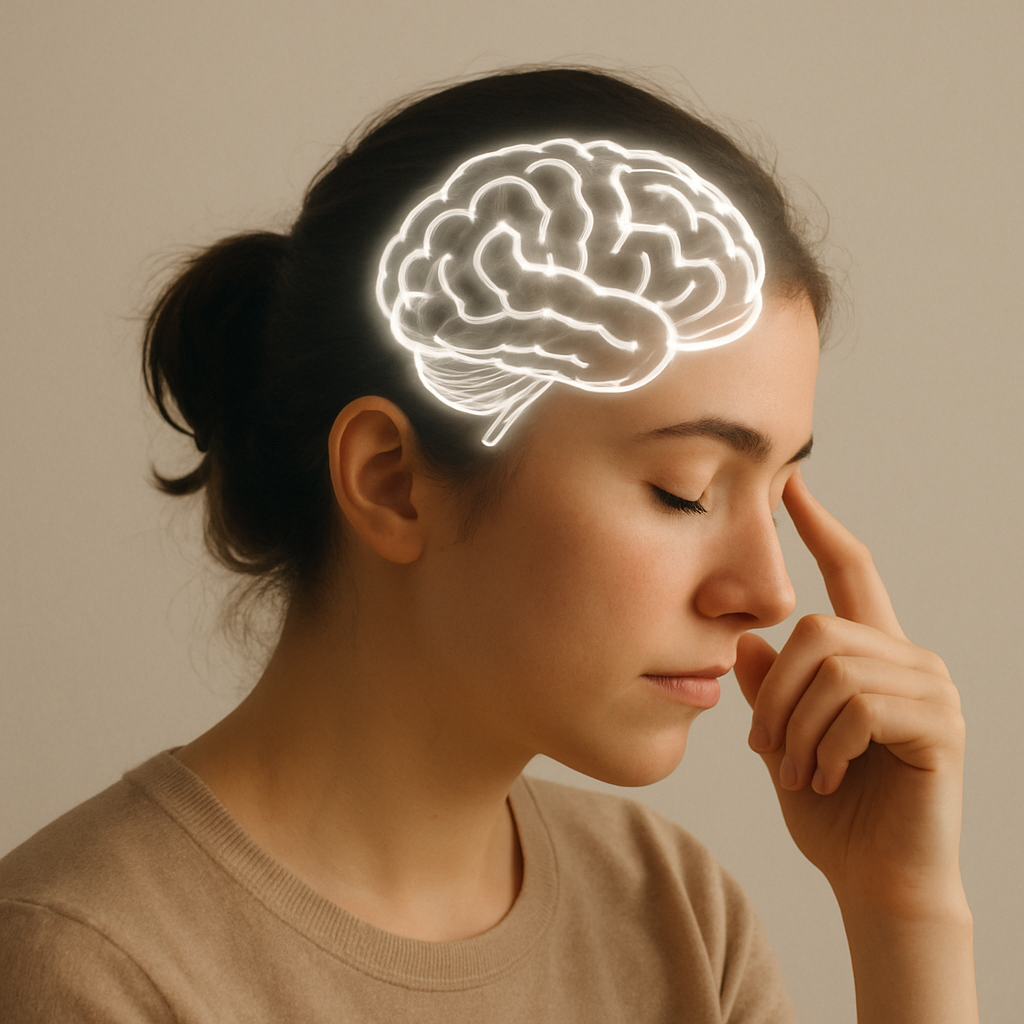
Neuroprotection refers to the mechanisms and strategies that aim to preserve neuronal structure and function in the face of injury or degeneration. This concept is crucial within the field of cognitive enhancement, as it seeks to maintain and improve brain health, thereby supporting cognitive functions such as memory, learning, and executive function. Neuroprotective strategies may include lifestyle modifications, dietary interventions, and specific supplements or medications that are thought to safeguard neural integrity.
At its core, neuroprotection involves defending neurons from various forms of damage, including oxidative stress, inflammation, and excitotoxicity. By mitigating these harmful processes, neuroprotective agents potentially enhance cognitive performance and delay cognitive decline associated with aging and neurological diseases.
Mechanism / How It Works
The mechanisms underlying neuroprotection are multifaceted and can vary depending on the specific agents or strategies employed. Common mechanisms include:
- Antioxidant Action: Many neuroprotective compounds possess antioxidant properties, which help to neutralize free radicals that can damage neuronal cells.
- Anti-inflammatory Effects: Reducing inflammation in the brain is crucial for protecting neurons, as chronic inflammation is linked to neurodegenerative diseases.
- Enhancing Neurotrophic Factors: Certain substances can stimulate the production of neurotrophic factors, which support the growth and survival of neurons.
- Regulating Calcium Homeostasis: Some neuroprotective agents help to maintain calcium balance within neurons, preventing excitotoxicity that can lead to cell death.
These mechanisms collectively contribute to the preservation of cognitive function and may enhance the brain's resilience to stressors.
Evidence Summary
The evidence surrounding neuroprotection is varied, ranging from preliminary studies to more robust clinical trials. Some of the most notable findings include:
- Preliminary Evidence: Numerous animal studies have indicated that certain antioxidants and anti-inflammatory compounds can protect neurons from damage, suggesting potential benefits for cognitive enhancement.
- Clinical Trials: Some clinical trials have explored the effects of specific neuroprotective agents, such as omega-3 fatty acids and curcumin, on cognitive function in humans. While results are promising, they often vary in terms of efficacy and consistency.
- Conflicting Evidence: Despite some positive findings, other studies have reported mixed results, with certain neuroprotective agents showing little to no effect on cognitive performance.
Overall, while there is a growing body of evidence supporting neuroprotection as a viable strategy for enhancing cognitive function, more research is needed to establish definitive conclusions.
Practical Application
Integrating neuroprotective strategies into daily life can be approached through various protocols:
- Dietary Choices: Incorporating foods rich in antioxidants, such as berries, leafy greens, and nuts, can support neuroprotection.
- Supplements: Consideration of supplements like omega-3 fatty acids, curcumin, and certain vitamins may offer neuroprotective benefits, though it is essential to consult with a healthcare provider.
- Physical Activity: Regular exercise has been shown to promote neurogenesis and enhance brain health.
- Mental Stimulation: Engaging in cognitive activities, such as puzzles and learning new skills, can also support neuroprotection.
Common pitfalls include reliance on supplements without addressing lifestyle factors, such as diet and exercise, which are also critical for brain health.
Relevant Biomarkers & Tracking
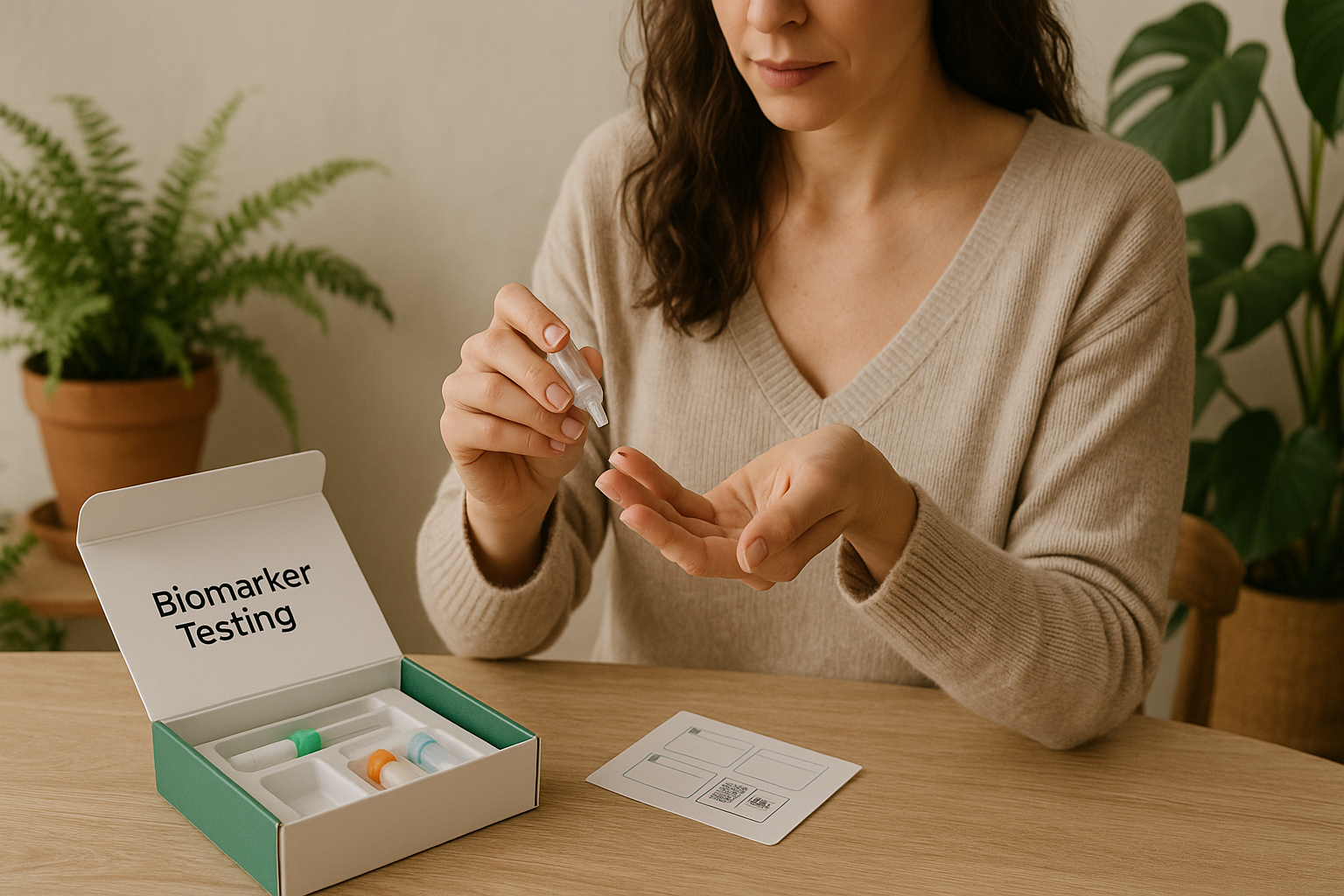
Monitoring neuroprotection can involve various biomarkers, including:
- Brain-Derived Neurotrophic Factor (BDNF): Levels of BDNF can indicate neuroprotective effects and neurogenesis.
- Oxidative Stress Markers: Measuring markers of oxidative stress can help assess the effectiveness of antioxidant interventions.
- Inflammatory Cytokines: Tracking levels of inflammatory markers can provide insight into neuroinflammation status.
Utilizing these biomarkers can help individuals gauge the effectiveness of their neuroprotective strategies.
Body Systems Supported
Neuroprotection primarily supports the central nervous system but can also influence other body systems, including:
- Endocrine System: Hormonal balance can affect neuroinflammation and overall brain health.
- Cardiovascular System: Cardiovascular health is closely linked to brain health, as good circulation is necessary for delivering nutrients and oxygen to neurons.
- Immune System: A well-functioning immune system is vital for reducing inflammation and protecting neuronal health.
Common Goals
Individuals pursuing neuroprotection often have specific goals in mind, such as:
- Enhancing memory and learning abilities.
- Reducing the risk of neurodegenerative diseases.
- Improving overall cognitive function and mental clarity.
- Supporting brain recovery after injury or stress.
Safety, Contraindications & Edge Cases
While many neuroprotective strategies are considered safe, it is essential to be aware of potential contraindications:
- Allergic Reactions: Some supplements may cause allergic reactions in sensitive individuals.
- Medication Interactions: Certain neuroprotective agents can interact with medications, necessitating consultation with a healthcare provider.
- Underlying Health Conditions: Individuals with specific health conditions should proceed with caution when implementing new supplements or dietary changes.
Being mindful of these factors can help ensure safe integration of neuroprotective strategies.
Pairs Well With
Neuroprotection can be complemented by various ancient or natural practices, including:
- Mindfulness and Meditation: These practices can reduce stress and promote mental clarity, enhancing cognitive function.
- Herbal Remedies: Adaptogens like ashwagandha and ginseng may support cognitive health and resilience.
- Traditional Diets: Diets such as the Mediterranean diet, rich in anti-inflammatory foods, can synergize with neuroprotective strategies.
FAQs (5)
- What are common neuroprotective agents? Common neuroprotective agents include omega-3 fatty acids, curcumin, resveratrol, and antioxidants.
- Can lifestyle changes enhance neuroprotection? Yes, dietary choices, exercise, and mental stimulation are all effective lifestyle changes that can enhance neuroprotection.
- Is neuroprotection beneficial for everyone? Neuroprotection can benefit individuals of all ages, particularly those concerned about cognitive decline.
- How long does it take to see benefits from neuroprotective strategies? Benefits can vary; some may experience improvements in cognitive function within weeks, while others may take longer.
- Are there any risks associated with neuroprotective supplements? Potential risks include allergic reactions and interactions with medications, making it essential to consult a healthcare provider.
Frequently asked
What are common neuroprotective agents?
Common neuroprotective agents include omega-3 fatty acids, curcumin, resveratrol, and antioxidants.
Can lifestyle changes enhance neuroprotection?
Yes, dietary choices, exercise, and mental stimulation are all effective lifestyle changes that can enhance neuroprotection.
Is neuroprotection beneficial for everyone?
Neuroprotection can benefit individuals of all ages, particularly those concerned about cognitive decline.
How long does it take to see benefits from neuroprotective strategies?
Benefits can vary; some may experience improvements in cognitive function within weeks, while others may take longer.
Are there any risks associated with neuroprotective supplements?
Potential risks include allergic reactions and interactions with medications, making it essential to consult a healthcare provider.