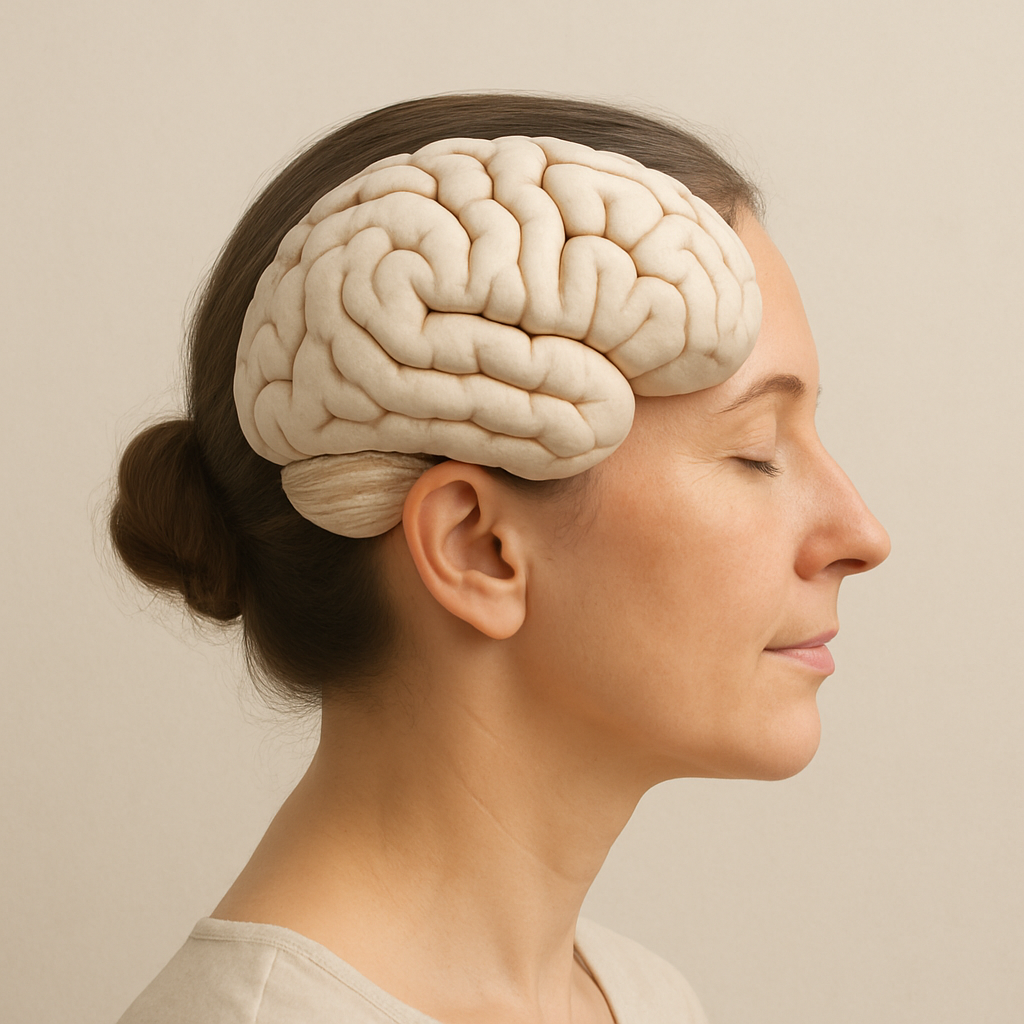
Sleep Cognition
Delve into the connection between sleep and cognition, examining its mechanisms, evidence, practical applications, and more.

Explore the intricate relationship between sleep and cognitive function, focusing on how sleep influences memory, learning, and overall cognitive enhancement.
What It Is
Sleep cognition refers to the complex interplay between sleep quality and cognitive processes such as memory, learning, and decision-making. It encompasses how sleep influences our ability to think clearly, solve problems, and retain information. Adequate sleep is crucial for optimal cognitive functioning, as it allows the brain to consolidate memories and refresh neural pathways.
The significance of sleep cognition extends beyond mere rest; it is a vital component of overall cognitive health. Research indicates that both the quantity and quality of sleep can profoundly affect mental performance, emotional regulation, and even creativity. Understanding sleep cognition helps in recognizing the importance of sleep hygiene and its role in enhancing cognitive abilities.
Mechanism / How It Works
Sleep plays a vital role in cognitive processes through various mechanisms. During sleep, particularly in the REM (Rapid Eye Movement) phase, the brain undergoes processes that are essential for memory consolidation. This phase allows the brain to organize and store information gathered throughout the day, transforming short-term memories into long-term ones.
Additionally, sleep helps clear metabolic waste products from the brain, which can accumulate during waking hours. This cleansing process is crucial for maintaining neural health and preventing cognitive decline. Furthermore, different sleep stages contribute uniquely to cognitive functions, with deep sleep being particularly important for problem-solving and learning.
Evidence Summary
The research surrounding sleep cognition is extensive but still evolving. Numerous studies indicate that insufficient sleep can lead to cognitive impairments, including decreased attention, poor memory, and impaired judgment. For instance, a study published in the journal "Sleep" found that sleep deprivation negatively impacts cognitive performance in tasks requiring attention and memory.
However, while there is a strong consensus on the negative effects of sleep deprivation, findings regarding optimal sleep duration and its direct correlation with cognitive enhancement can be conflicting. Some studies suggest that more sleep does not necessarily equate to better cognitive performance, highlighting individual variability in sleep needs. The evidence increasingly points toward the quality of sleep, rather than just quantity, as a critical factor in cognitive health.
Practical Application
To harness the benefits of sleep cognition, individuals can adopt several practical strategies. Establishing a consistent sleep schedule, creating a conducive sleep environment, and practicing relaxation techniques can significantly improve sleep quality. Here are some protocols for daily integration:
- Maintain a regular sleep-wake cycle by going to bed and waking up at the same time daily.
- Create a bedtime routine that includes winding down activities, such as reading or meditative practices.
- Limit exposure to screens and blue light at least one hour before bed to enhance melatonin production.
- Avoid caffeine and heavy meals close to bedtime.
Common pitfalls include irregular sleep patterns, reliance on sleep aids without consulting a healthcare professional, and neglecting the importance of a sleep-friendly environment.
Relevant Biomarkers & Tracking
Tracking sleep quality and its impact on cognitive function can be achieved through various biomarkers. Polysomnography is a comprehensive method used in clinical settings to measure brain waves, oxygen levels, heart rate, and breathing during sleep. However, for everyday tracking, wearable devices that monitor sleep duration and quality are increasingly popular.
Commonly monitored indicators include:
- Sleep duration
- Sleep efficiency (the ratio of time spent asleep to the time spent in bed)
- Sleep stages (REM, light, deep)
- Resting heart rate
These biomarkers can provide insights into how sleep patterns correlate with cognitive performance, enabling individuals to make informed adjustments to their sleep hygiene practices.
Body Systems Supported
Sleep cognition primarily supports the neurological and cognitive systems. Adequate sleep is essential for optimal brain function and health. Furthermore, it also influences other body systems, including:
- The endocrine system, regulating hormones that affect mood and stress.
- The immune system, where sleep is crucial for repair and recovery.
- The cardiovascular system, with sleep playing a role in heart health and blood pressure regulation.
Common Goals
Individuals aiming to enhance their cognitive function through sleep may have several common goals, including:
- Improving memory retention and recall.
- Enhancing problem-solving and critical thinking skills.
- Increasing overall mental clarity and focus.
- Reducing cognitive fatigue and improving resilience to stress.
Safety, Contraindications & Edge Cases
While focusing on sleep cognition, it is essential to recognize potential safety concerns and contraindications. Individuals with sleep disorders, such as insomnia or sleep apnea, should consult healthcare professionals for tailored interventions. Additionally, reliance on over-the-counter sleep aids without guidance can lead to dependency or adverse effects.
Edge cases may include those who have atypical sleep needs due to factors like age, lifestyle, or underlying health conditions. Personalized approaches are vital for optimizing sleep and cognitive outcomes.
Pairs Well With
Exploring the relationship between sleep cognition and ancient or natural counterparts can provide further insights into cognitive enhancement. Practices such as:
- Meditation and mindfulness, which promote relaxation and improve sleep quality.
- Herbal remedies like valerian root or chamomile, known for their calming effects.
- Regular physical activity, which can enhance sleep quality and cognitive function.
These practices can complement sleep hygiene efforts and contribute to overall cognitive wellness.
FAQs (5)
- What is the ideal amount of sleep for cognitive enhancement?
While the recommended amount varies by individual, most adults benefit from 7-9 hours of quality sleep per night. - How does sleep affect memory?
Sleep plays a crucial role in consolidating memories, transforming short-term memories into long-term information during different sleep stages. - Can napping improve cognitive function?
Short naps can enhance alertness and cognitive performance, but long or irregular naps may disrupt nighttime sleep. - What are some signs of poor sleep quality?
Signs include difficulty falling asleep, frequent awakenings, daytime fatigue, and trouble concentrating. - Is it possible to improve sleep quality?
Yes, adopting healthy sleep hygiene practices, such as maintaining a regular sleep schedule and creating a relaxing bedtime routine, can significantly improve sleep quality.
Frequently asked
What is the ideal amount of sleep for cognitive enhancement?
While the recommended amount varies by individual, most adults benefit from 7-9 hours of quality sleep per night.
How does sleep affect memory?
Sleep plays a crucial role in consolidating memories, transforming short-term memories into long-term information during different sleep stages.
Can napping improve cognitive function?
Short naps can enhance alertness and cognitive performance, but long or irregular naps may disrupt nighttime sleep.
What are some signs of poor sleep quality?
Signs include difficulty falling asleep, frequent awakenings, daytime fatigue, and trouble concentrating.
Is it possible to improve sleep quality?
Yes, adopting healthy sleep hygiene practices, such as maintaining a regular sleep schedule and creating a relaxing bedtime routine, can significantly improve sleep quality.