Brain Recovery
Discover the essentials of brain recovery, its mechanisms, and practical applications for enhancing cognitive function.

Explore the emerging field of brain recovery within cognitive enhancement. Understand its mechanisms, evidence, practical applications, relevant biomarkers, and safety considerations. Discover how to integrate brain recovery into daily life and achieve common cognitive goals.
What It Is
Brain recovery refers to the process of restoring cognitive function and enhancing brain health after injury, stress, or neurodegenerative conditions. This concept is pivotal in the field of cognitive enhancement, where the focus is on optimizing mental performance and overall brain well-being. Recovery can involve various strategies, including lifestyle modifications, therapeutic interventions, and the use of specific supplements.
The brain is a highly adaptable organ, capable of reorganizing itself through neuroplasticity. This ability allows for recovery from physical damage or cognitive decline, making brain recovery a critical area of study for improving mental acuity and resilience. Effective brain recovery strategies aim to facilitate this natural healing process, thereby promoting enhanced cognitive performance.
Mechanism / How It Works
The brain recovery process involves several mechanisms, including neuroplasticity, neurogenesis, and the modulation of neurotransmitter systems. Neuroplasticity is the brain's ability to reorganize itself by forming new neural connections, which can occur in response to learning, experience, or recovery from injury. Neurogenesis, the generation of new neurons, primarily occurs in the hippocampus and contributes to improved memory and learning capabilities.
Moreover, various interventions can influence brain recovery, such as the use of cognitive training, physical exercise, and nutritional support. These strategies can enhance blood flow to the brain, reduce inflammation, and promote the release of neurotrophic factors that support neuron survival and growth.
Evidence Summary
The evidence surrounding brain recovery is mixed but growing. Preliminary studies indicate that certain lifestyle changes, such as regular exercise and a balanced diet rich in omega-3 fatty acids, may support cognitive recovery. Clinical trials have shown that cognitive training can enhance specific cognitive skills, particularly in older adults or those recovering from brain injuries.
However, some conflicting evidence exists regarding the efficacy of various supplements and therapies marketed for brain recovery. While some studies suggest benefits, others fail to demonstrate significant effects. More rigorous research is needed to establish clear guidelines and recommendations for brain recovery strategies.
Practical Application
Integrating brain recovery practices into daily life can be achieved through various protocols. Key strategies include:
- Physical Exercise: Engage in regular aerobic and strength-training exercises to boost blood flow and neurogenesis.
- Cognitive Training: Participate in brain games and problem-solving activities to enhance cognitive flexibility and memory.
- Nutrition: Adopt a diet rich in antioxidants, healthy fats, and essential nutrients to support brain health.
- Mindfulness and Stress Reduction: Practice meditation, yoga, or breathing exercises to reduce stress and enhance mental clarity.
Common pitfalls include neglecting the importance of sleep, overlooking mental health, and relying solely on supplements without lifestyle changes. A holistic approach is essential for effective brain recovery.
Relevant Biomarkers & Tracking
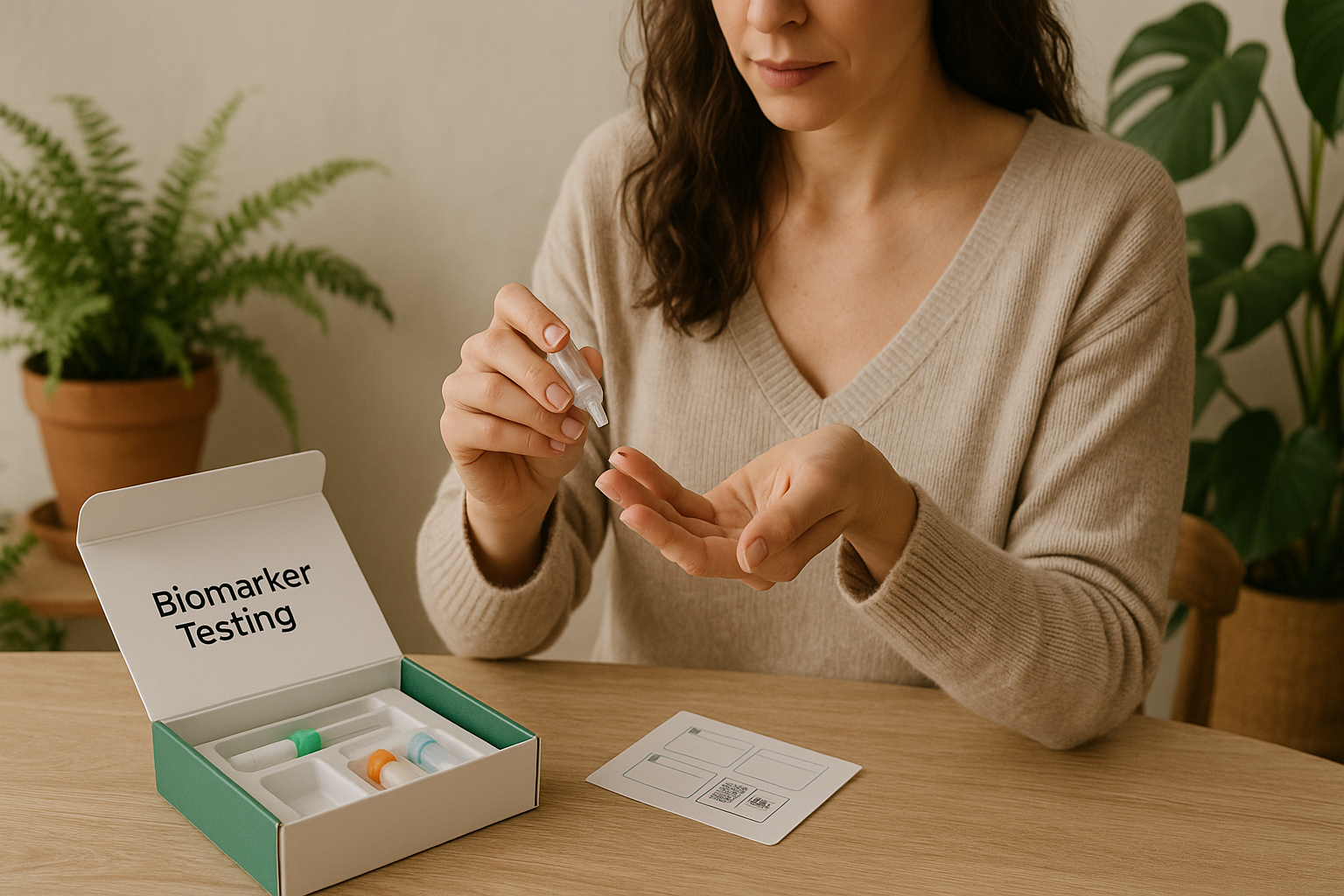
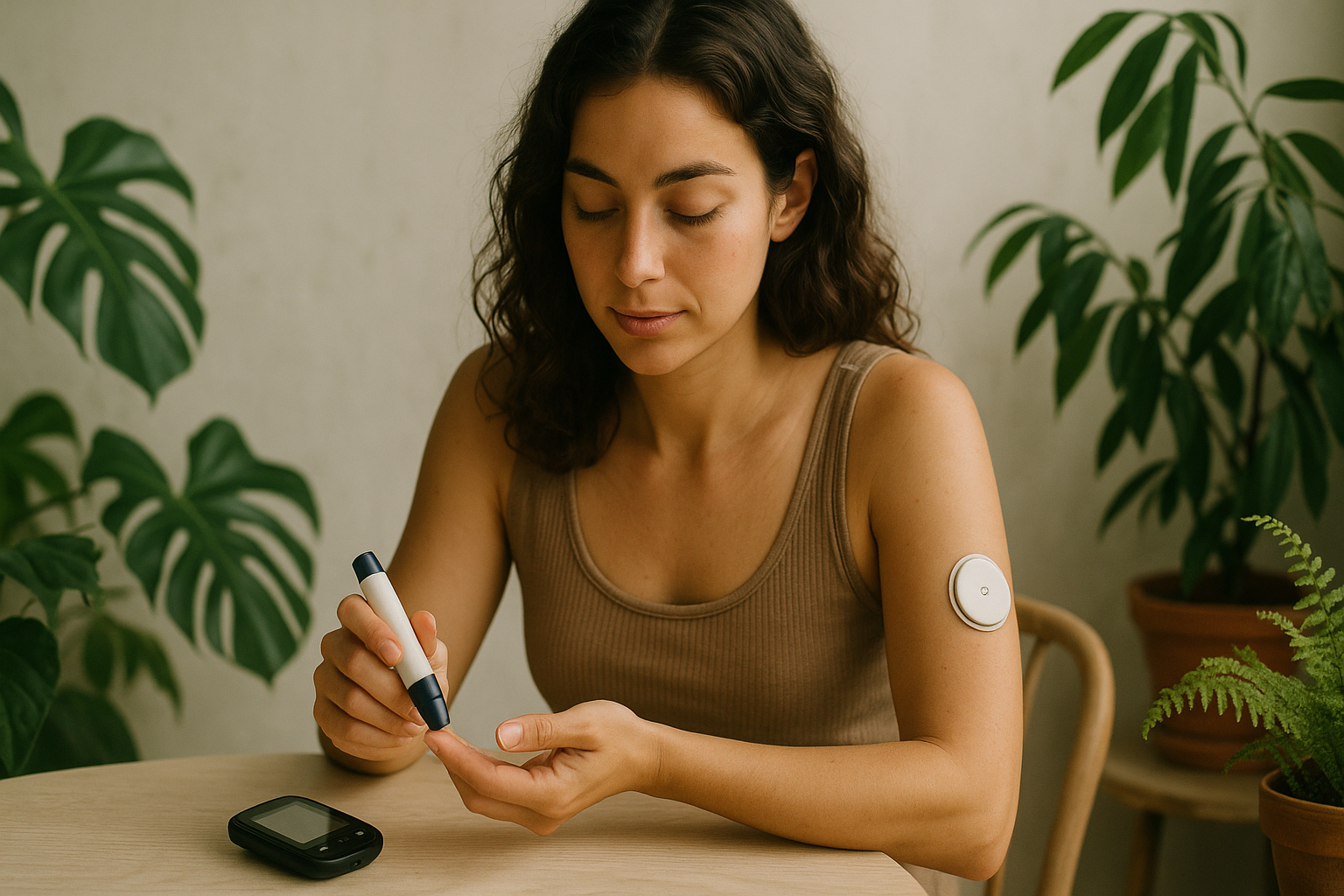
Tracking brain recovery can involve monitoring various biomarkers. Important indicators include:
- Cognitive Performance Tests: Regular assessments of memory, attention, and processing speed.
- Neuroimaging: Techniques such as MRI or PET scans can visualize brain activity and structural changes.
- Inflammatory Markers: Blood tests to measure levels of inflammatory cytokines that may affect cognitive function.
Keeping a journal to track lifestyle changes, cognitive performance, and emotional well-being can also provide insights into the effectiveness of brain recovery strategies.
Body Systems Supported
Brain recovery primarily supports the central nervous system but also has implications for other body systems, including:
- Cardiovascular System: Improved blood flow to the brain enhances overall cardiovascular health.
- Endocrine System: Stress reduction techniques can balance hormones that affect mood and cognitive function.
- Immune System: A healthy diet and regular exercise can support immune function, reducing inflammation that impacts brain health.
Common Goals
Individuals pursuing brain recovery often aim for the following goals:
- Improved Memory: Enhancing short-term and long-term memory capabilities.
- Increased Focus: Boosting attention span and concentration levels.
- Enhanced Learning: Facilitate the acquisition of new skills and knowledge.
- Better Emotional Regulation: Reducing anxiety and improving mood stability.
Safety, Contraindications & Edge Cases
While many brain recovery strategies are safe, some considerations include:
- Exercise: Consult a healthcare provider before starting a new exercise program, especially after an injury.
- Supplements: Some supplements may interact with medications or have contraindications; professional guidance is recommended.
- Therapies: Cognitive training and other therapeutic interventions should be tailored to individual needs.
Monitoring for adverse effects and consulting with healthcare professionals is crucial to ensure safety during the recovery process.
Pairs Well With
Brain recovery practices can be complemented by various ancient and natural counterparts, including:
- Ayurveda: Focus on dietary practices and herbal remedies that support cognitive health.
- Traditional Chinese Medicine: Techniques such as acupuncture and herbal medicine to promote brain harmony.
- Mindfulness Practices: Incorporating ancient meditation techniques to enhance mental clarity and focus.
FAQs (5)
- What are the best exercises for brain recovery? Regular aerobic activities like walking, running, or swimming, combined with strength training, are highly beneficial.
- Can supplements really help with brain recovery? Some supplements may support brain health, but results vary. It's important to consult a healthcare provider.
- How long does it take to see improvements in cognitive function? Improvements can vary widely, but consistency in recovery practices will yield better results over time.
- Are there any risks associated with cognitive training? Generally low-risk, but individuals should choose appropriate exercises and consult professionals if recovering from injury.
- How can I track my brain recovery progress? Use cognitive performance tests, neuroimaging, and journaling to monitor changes in cognitive function and overall well-being.
Frequently asked
What are the best exercises for brain recovery?
Regular aerobic activities like walking, running, or swimming, combined with strength training, are highly beneficial.
Can supplements really help with brain recovery?
Some supplements may support brain health, but results vary. It's important to consult a healthcare provider.
How long does it take to see improvements in cognitive function?
Improvements can vary widely, but consistency in recovery practices will yield better results over time.
Are there any risks associated with cognitive training?
Generally low-risk, but individuals should choose appropriate exercises and consult professionals if recovering from injury.
How can I track my brain recovery progress?
Use cognitive performance tests, neuroimaging, and journaling to monitor changes in cognitive function and overall well-being.