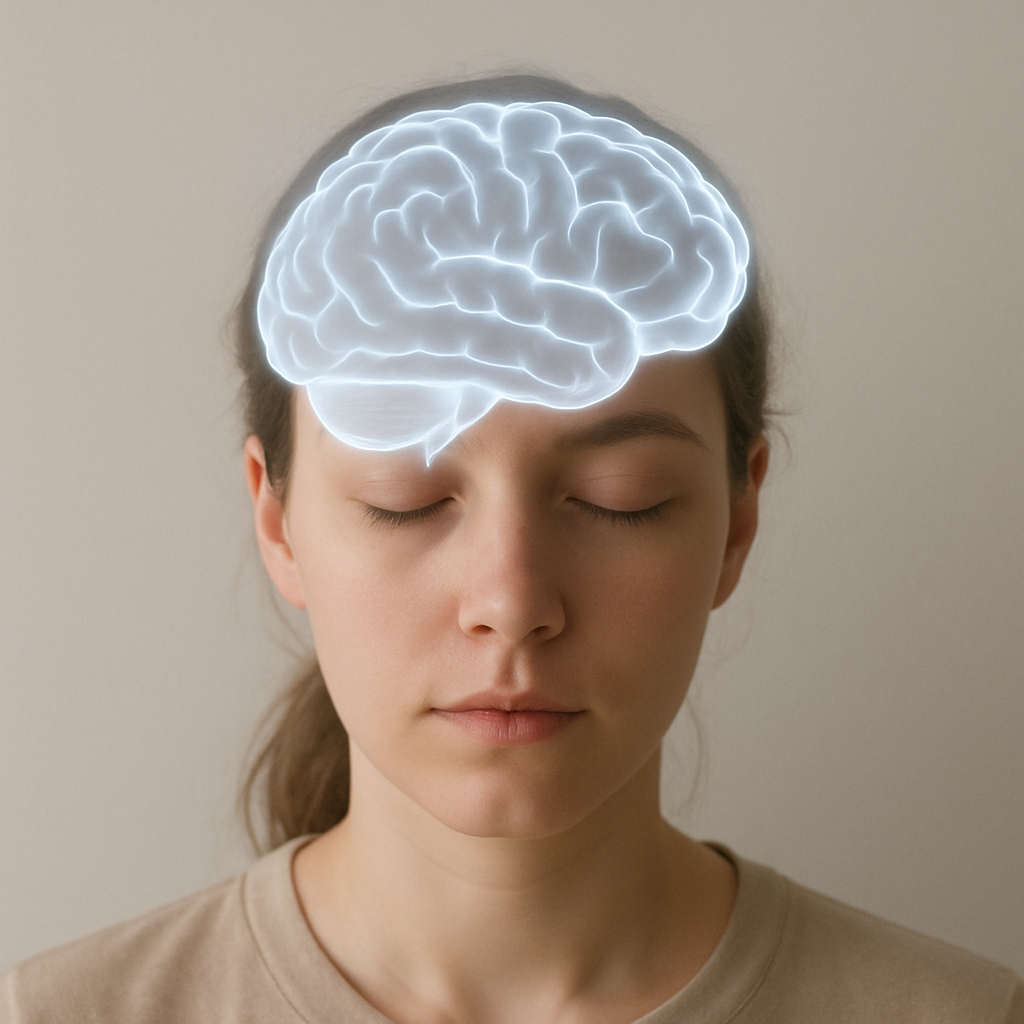
Learning Optimization
Discover how Learning Optimization can enhance your cognitive abilities through evidence-based techniques and practical applications.

Learning Optimization is a key aspect of Cognitive Enhancement, focusing on improving the efficiency and effectiveness of learning processes. It encompasses a variety of techniques, strategies, and tools designed to enhance cognitive functions related to acquiring and processing information.
What It Is
Learning Optimization refers to a set of strategies and techniques aimed at enhancing the efficiency and effectiveness of learning processes. It encompasses a broad spectrum of methods, from time management and study techniques to cognitive training and the use of technology. The goal is to maximize retention, understanding, and application of knowledge.
This concept is rooted in cognitive psychology and neuroscience, which explore how the brain processes information and learns. By applying evidence-based principles, individuals can improve their learning outcomes, making the process more enjoyable and less stressful.
Mechanism / How It Works
Learning Optimization works through various mechanisms that influence cognitive functions. These include enhancing attention, improving memory consolidation, and fostering a growth mindset. Techniques such as spaced repetition, active recall, and interleaved practice help to reinforce learning by taking advantage of how the brain encodes and retrieves information.
Additionally, tools such as mnemonic devices and visualization can aid in memory retention. The integration of technology, such as learning management systems and mobile applications, also plays a significant role in facilitating personalized learning experiences.
Evidence Summary
The evidence supporting Learning Optimization is a mix of preliminary studies, clinical trials, and some conflicting findings. Research indicates that techniques like spaced repetition and active learning significantly enhance knowledge retention compared to passive learning methods. However, the effectiveness of various methods can vary widely among individuals.
While there is promising evidence for specific strategies, more comprehensive studies are needed to establish universal guidelines. It is essential to recognize that what works for one person may not be as effective for another, highlighting the importance of personalized approaches to learning.
Practical Application
Implementing Learning Optimization in daily life involves a variety of strategies. Here are some practical applications:
- Time Management: Allocate specific time blocks for focused study sessions, incorporating breaks to prevent burnout.
- Active Learning: Engage with the material through discussions, teaching others, or applying concepts in real-life scenarios.
- Use of Technology: Leverage apps and online resources for spaced repetition and interactive learning.
- Growth Mindset: Cultivate a mindset that embraces challenges and views failures as opportunities for growth.
Common pitfalls include over-reliance on passive learning methods, inadequate time management, and a lack of reflection on learning processes. To maximize effectiveness, individuals should regularly assess their learning strategies and adjust them as needed.
Relevant Biomarkers & Tracking
Tracking progress in Learning Optimization can involve several biomarkers and metrics, including:
- Cognitive Performance: Assessments of memory recall, problem-solving skills, and critical thinking.
- Engagement Levels: Monitoring how actively involved one is in the learning process, which can be evaluated through self-reports or activity tracking.
- Stress Levels: Using tools to measure stress and its impact on cognitive function, as high stress can hinder learning.
Regular self-assessment and feedback mechanisms can help individuals refine their learning strategies and achieve better outcomes.
Body Systems Supported
Learning Optimization primarily supports the following body systems:
- Nervous System: Enhances cognitive function and neuroplasticity, which is vital for learning and memory.
- Endocrine System: Stress management techniques can regulate hormones that affect cognitive performance.
- Musculoskeletal System: Physical activity, which is often part of learning routines, supports overall brain health.
Common Goals
Individuals seeking Learning Optimization typically aim for:
- Improved memory retention and recall.
- Enhanced problem-solving and critical thinking skills.
- Increased engagement and motivation in learning.
- Effective application of knowledge in practical scenarios.
Safety, Contraindications & Edge Cases
While Learning Optimization techniques are generally safe, there are some considerations to keep in mind:
- Overtraining: Intense study sessions without adequate breaks can lead to cognitive fatigue.
- Stress Management: If learning methods increase anxiety or overwhelm, adjustments should be made.
- Personalization: Not all strategies will work for everyone; it's essential to find what suits individual learning styles and needs.
Pairs Well With
Learning Optimization can be complemented by various ancient or natural counterparts, including:
- Meditation: Enhances focus and reduces stress, supporting cognitive function.
- Herbal Supplements: Adaptogens like Rhodiola and Ginseng may help improve cognitive performance.
- Physical Exercise: Regular physical activity is linked to better cognitive health and learning outcomes.
FAQs (5)
- What is Learning Optimization? It is a set of techniques aimed at enhancing the efficiency and effectiveness of learning processes.
- How can I implement Learning Optimization in my life? By using time management strategies, engaging in active learning, and leveraging technology.
- Are there risks associated with Learning Optimization? Overtraining and stress can be risks if techniques are not applied mindfully.
- What are the best methods for improving memory retention? Techniques like spaced repetition and active recall are highly effective.
- Can Learning Optimization benefit everyone? While many can benefit, effectiveness varies by individual preferences and learning styles.
Frequently asked
What is Learning Optimization?
It is a set of techniques aimed at enhancing the efficiency and effectiveness of learning processes.
How can I implement Learning Optimization in my life?
By using time management strategies, engaging in active learning, and leveraging technology.
Are there risks associated with Learning Optimization?
Overtraining and stress can be risks if techniques are not applied mindfully.
What are the best methods for improving memory retention?
Techniques like spaced repetition and active recall are highly effective.
Can Learning Optimization benefit everyone?
While many can benefit, effectiveness varies by individual preferences and learning styles.