Mood Optimization
A comprehensive guide to mood optimization as a key aspect of cognitive enhancement, covering definitions, mechanisms, evidence, practical applications, and safety.

Explore the realm of mood optimization within cognitive enhancement, detailing mechanisms, evidence, applications, and safety considerations.
What It Is
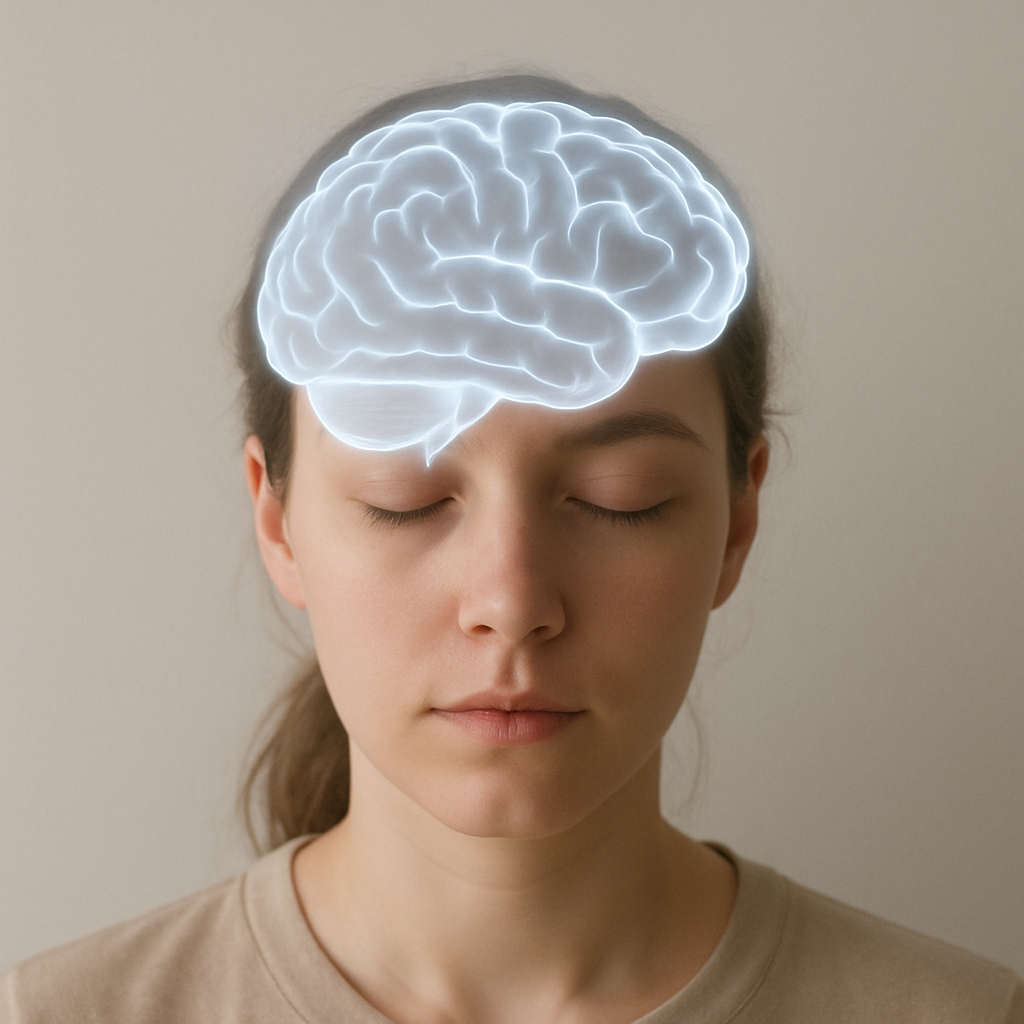
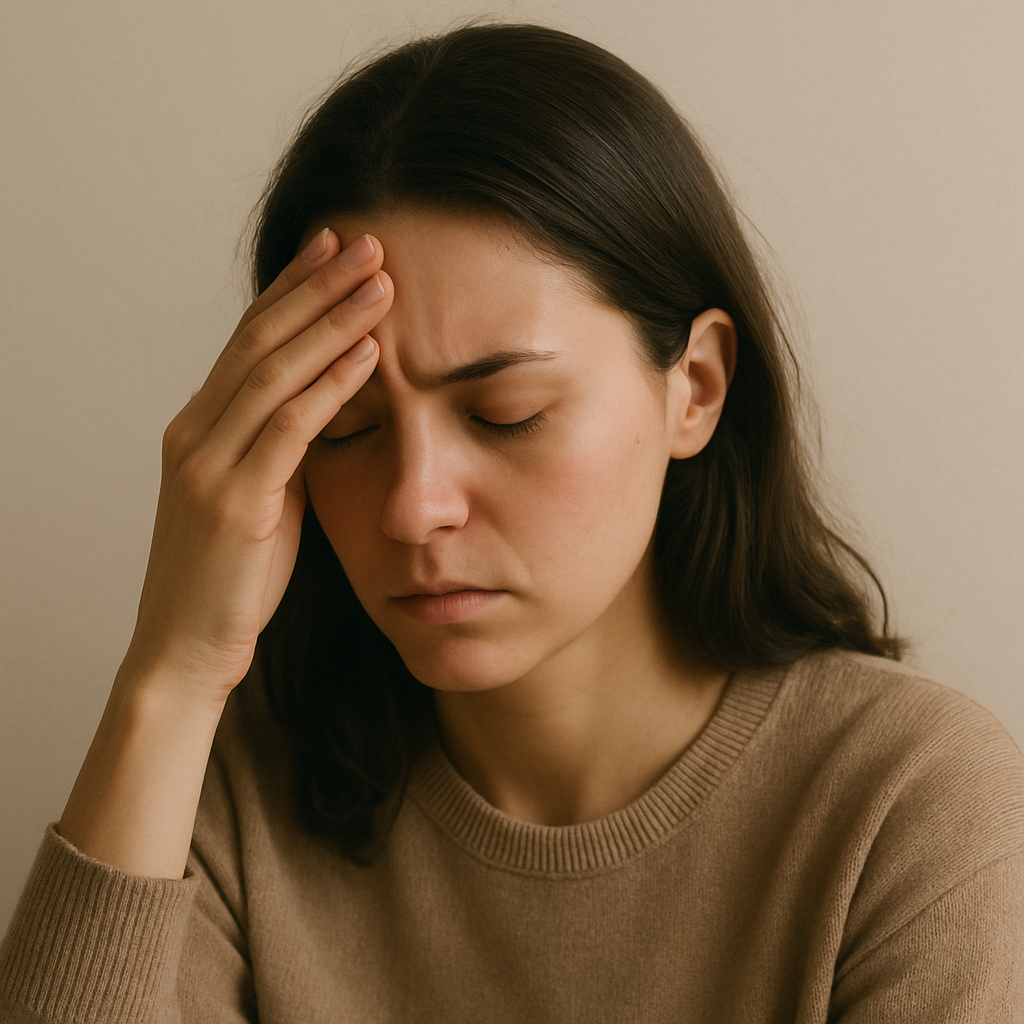
Mood optimization refers to the process of enhancing one's emotional state to improve overall well-being and cognitive function. It encompasses a variety of strategies and interventions that aim to elevate mood, reduce anxiety, and promote positive mental health. Mood optimization is not merely about feeling good; it involves achieving a balanced emotional state that fosters productivity, creativity, and resilience in the face of challenges.
This practice can be approached through various methods, including lifestyle changes, dietary adjustments, mindfulness practices, and the use of supplements or medications. The goal is to create an environment—both internally and externally—that supports a positive mood, which is essential for effective cognitive functioning.
Mechanism / How It Works
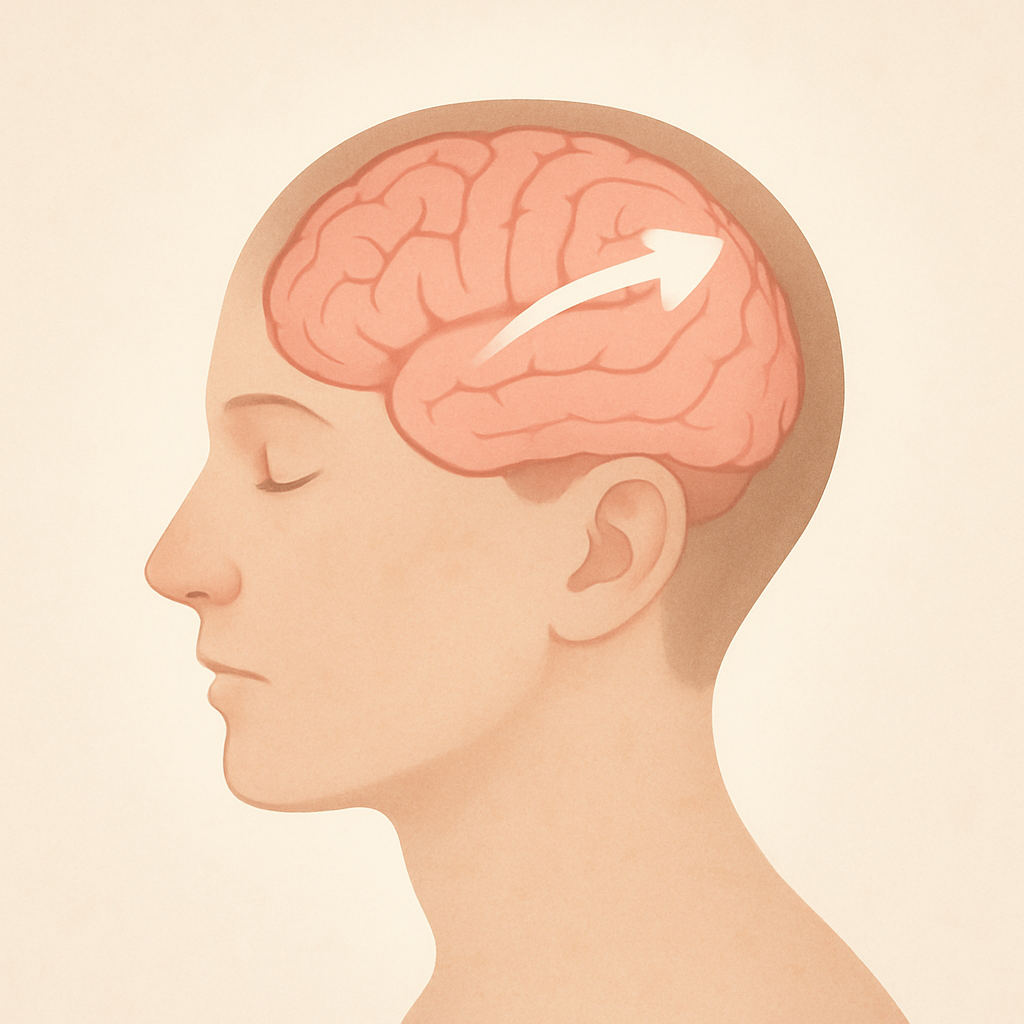
Mood optimization operates through several physiological and psychological mechanisms. Neurotransmitters, such as serotonin, dopamine, and norepinephrine, play a critical role in mood regulation. Enhancing the production or availability of these chemicals can lead to improved emotional states. For instance, increasing serotonin levels through dietary means or exercise can help alleviate feelings of depression and anxiety.
Additionally, the brain's neuroplasticity—the ability to form new neural connections—means that engaging in mood-boosting activities can lead to lasting changes in how we process emotions. Practices like mindfulness, cognitive behavioral therapy (CBT), and physical exercise have been shown to promote positive mood changes by altering brain function and structure.
Evidence Summary
The evidence surrounding mood optimization is varied, encompassing preliminary studies, clinical trials, and conflicting results. Some interventions, such as regular physical activity and mindfulness meditation, have robust support in clinical literature for their efficacy in enhancing mood and reducing symptoms of anxiety and depression.
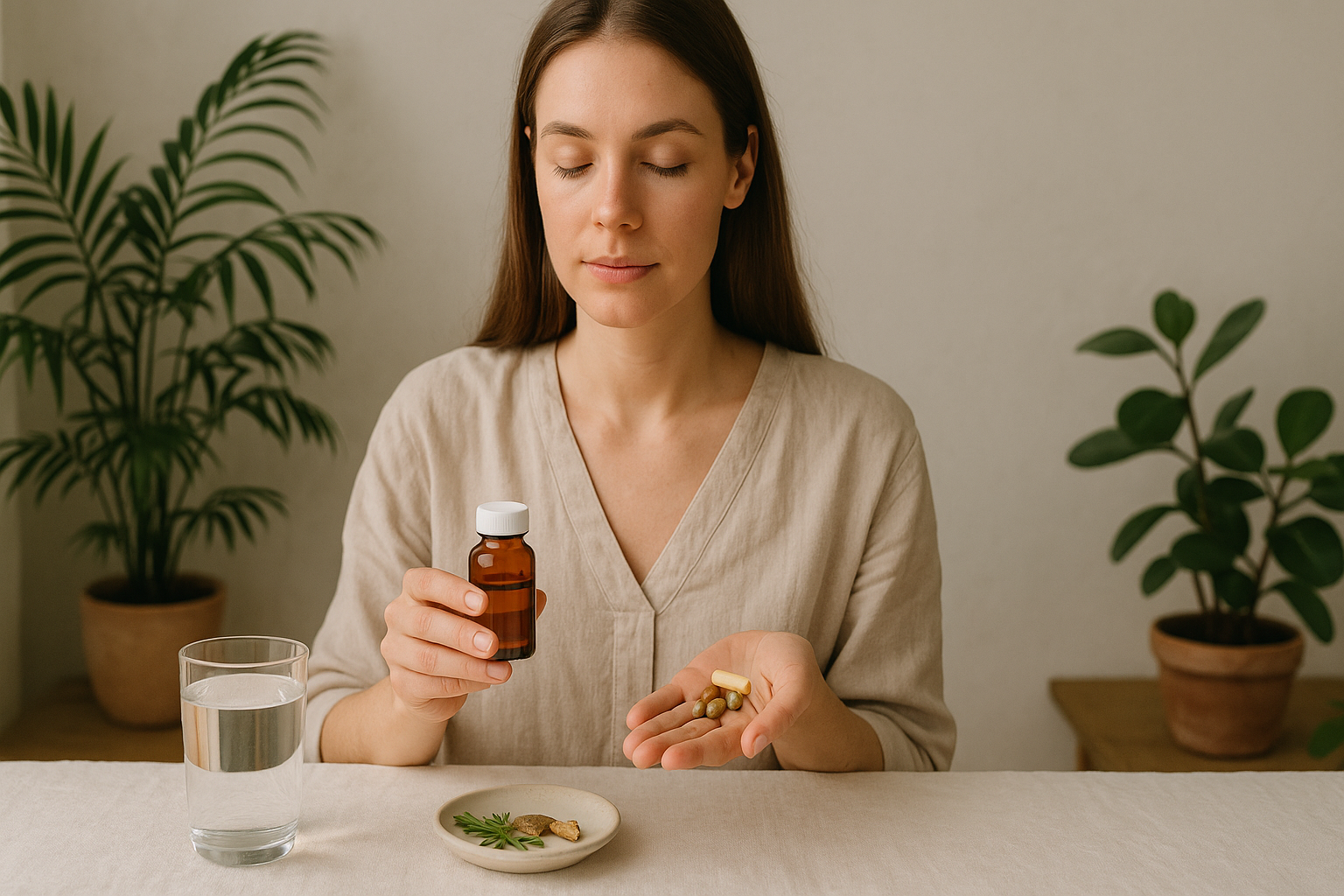
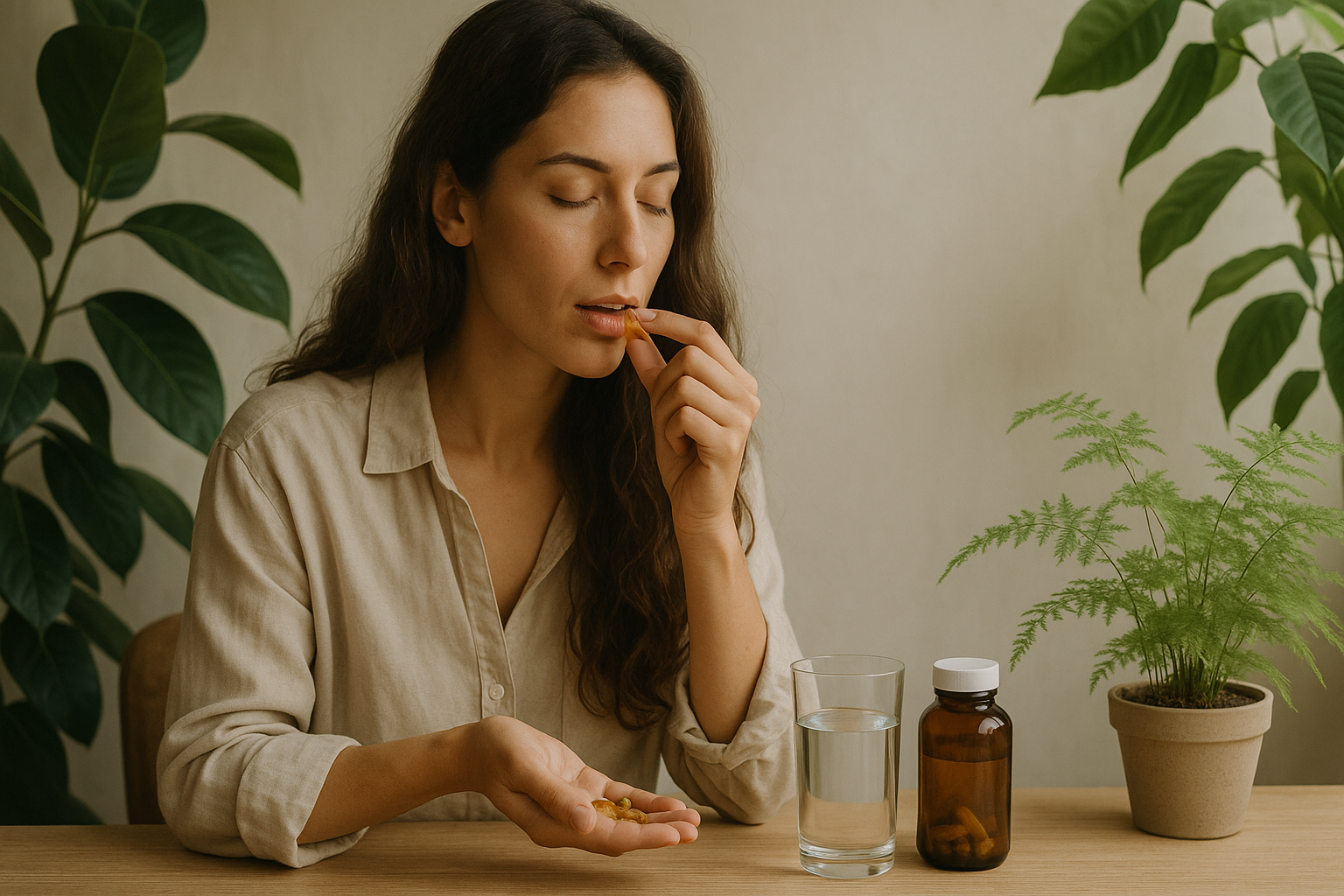
However, other methods, such as certain supplements or nootropics, may show mixed results. While some individuals report significant mood improvements with substances like omega-3 fatty acids or St. John's Wort, rigorous clinical evidence is sometimes lacking. Thus, while many strategies for mood optimization are promising, it is essential to approach them with a critical eye and consider individual variability in response.
Practical Application
Implementing mood optimization strategies into daily life can be straightforward. Here are several effective protocols:
- Regular Exercise: Aim for at least 30 minutes of moderate exercise most days of the week to boost endorphins and serotonin levels.
- Mindfulness and Meditation: Incorporate mindfulness practices into your routine, even if for just 10 minutes daily, to enhance emotional regulation.
- Balanced Diet: Focus on a diet rich in whole foods, including fruits, vegetables, lean proteins, and healthy fats, which support neurotransmitter function.
- Sleep Hygiene: Prioritize quality sleep by maintaining a consistent sleep schedule and creating a restful environment.
- Social Connections: Foster relationships and engage in social activities to build a support network that can enhance mood.
Common pitfalls include neglecting these practices during stressful times, relying solely on supplements without lifestyle changes, and setting unrealistic expectations for mood improvement. It is crucial to adopt a holistic approach for the best results.
Relevant Biomarkers & Tracking
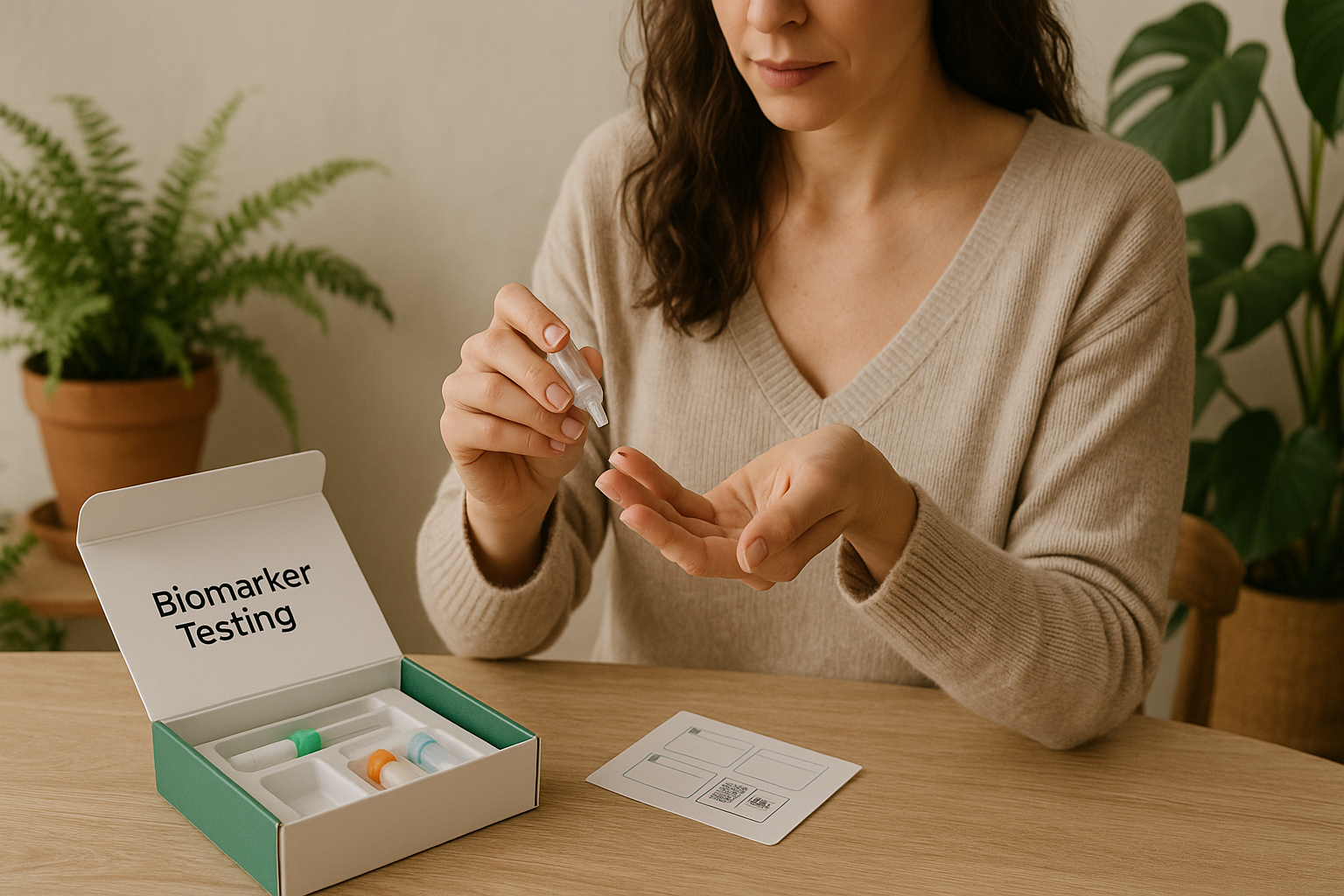
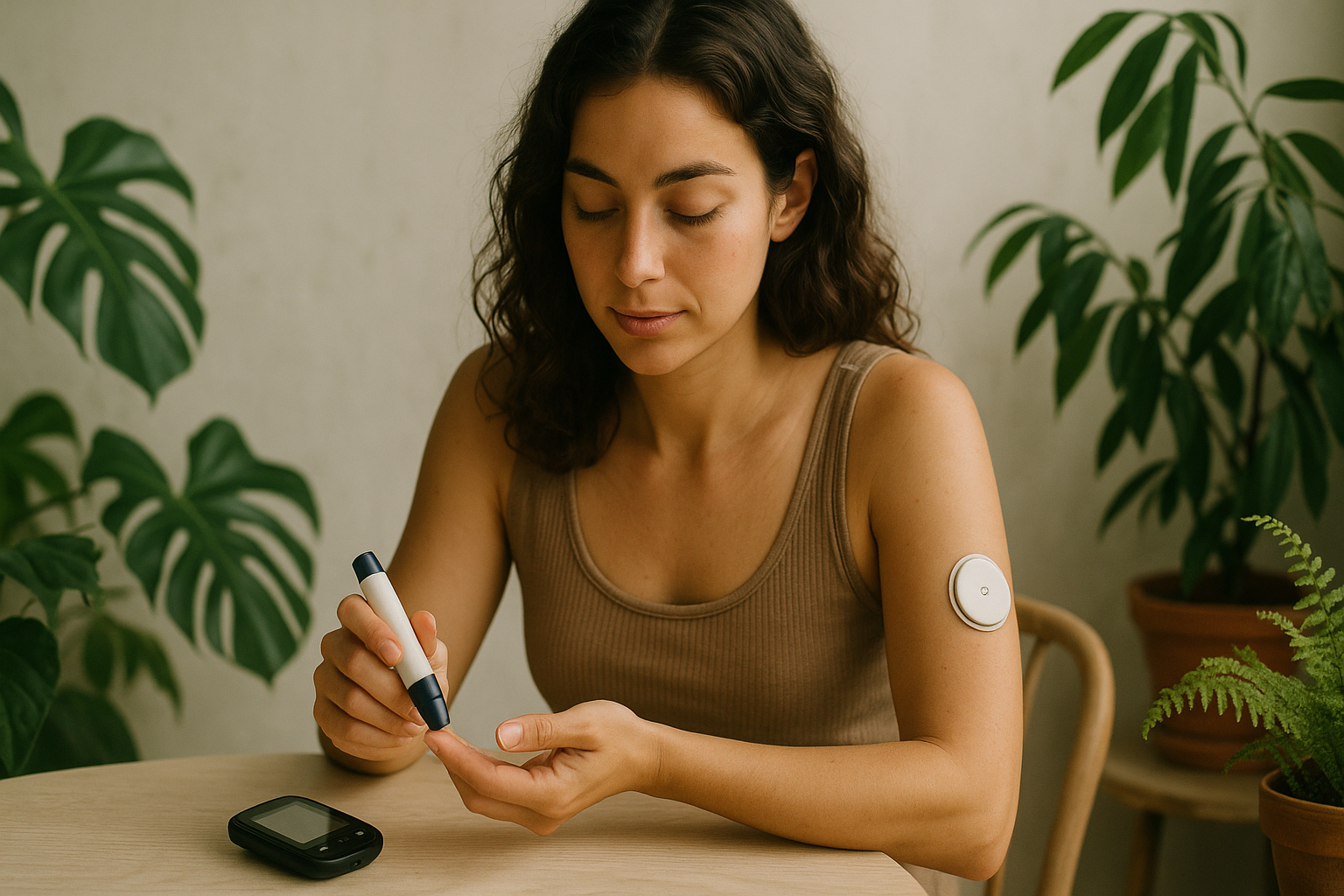
Monitoring biomarkers can provide insight into mood optimization efforts. Key biomarkers include:
- Cortisol: High levels of this stress hormone can correlate with mood disturbances.
- Serotonin: Lower levels may indicate a risk for mood disorders.
- Inflammatory Markers: Chronic inflammation is linked to mood disorders; tracking these levels can be beneficial.
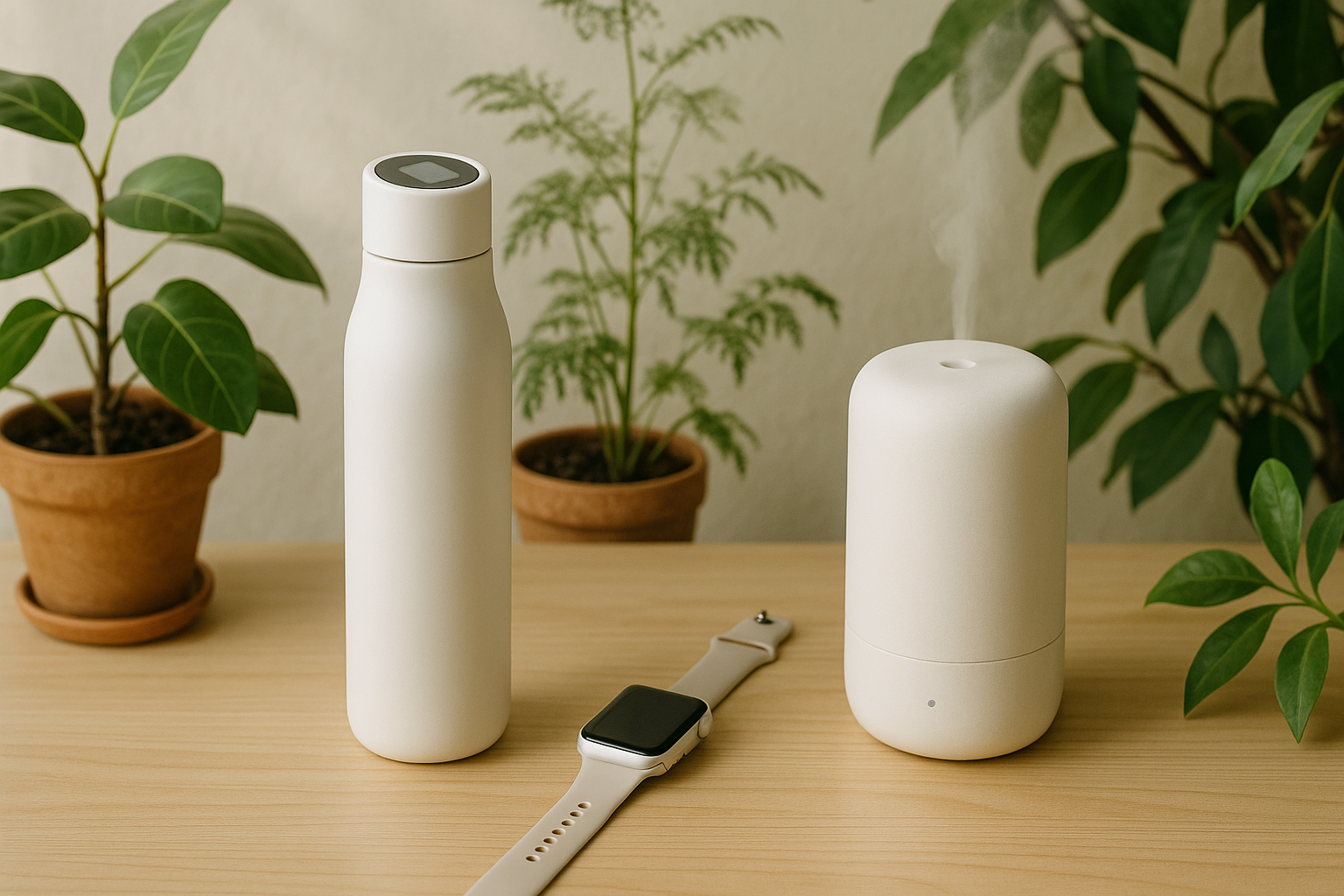
- Sleep Quality Indicators: Using sleep trackers can help assess the impact of sleep on mood.
Keeping a mood diary can also help track daily fluctuations in mood and identify triggers or patterns over time.
Body Systems Supported
Mood optimization primarily supports the following body systems:
- Nervous System: Enhances brain function and emotional regulation.
- Endocrine System: Influences hormone balance, particularly stress hormones.
- Immune System: Chronic stress can impair immune function, thus optimizing mood may indirectly support overall health.
Common Goals
Individuals pursuing mood optimization often seek to achieve the following goals:
- Reduce symptoms of anxiety and depression.
- Enhance overall emotional well-being.
- Improve cognitive function and productivity.
- Foster resilience against stressors.
Safety, Contraindications & Edge Cases
While many mood optimization strategies are safe, certain precautions should be taken:
- Consultation: Individuals with pre-existing mental health conditions should consult a healthcare provider before starting any new regimen.
- Supplement Interactions: Some supplements can interact with medications; it is vital to check compatibility.
- Underlying Conditions: Mood changes can signal underlying health issues, so persistent mood disturbances should be evaluated by a professional.
Edge cases, such as individuals with bipolar disorder, require tailored approaches to avoid mood destabilization.
Pairs Well With
Mood optimization can be complemented by various ancient and natural practices, including:
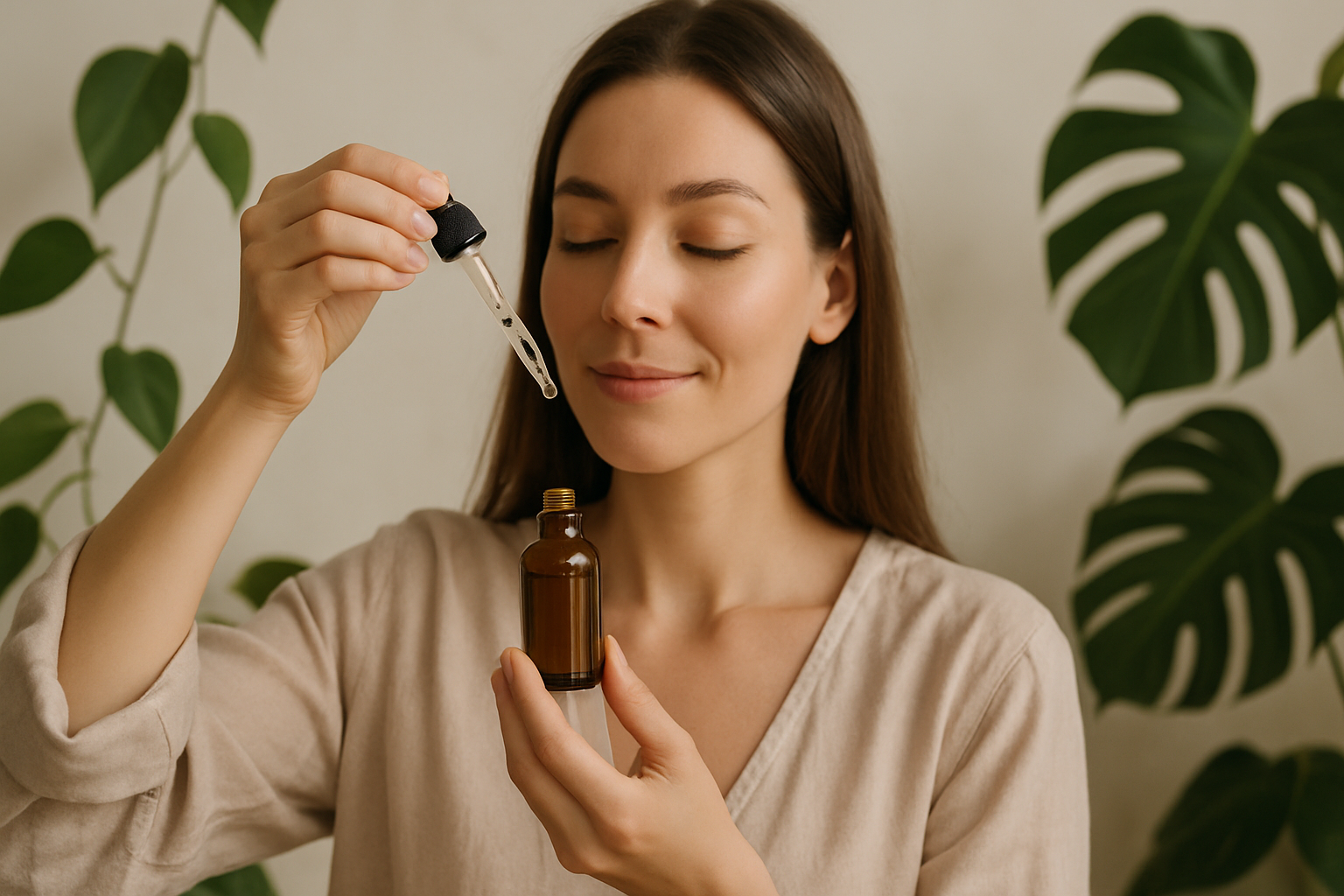
- Aromatherapy: Utilizing essential oils like lavender can promote relaxation and enhance mood.
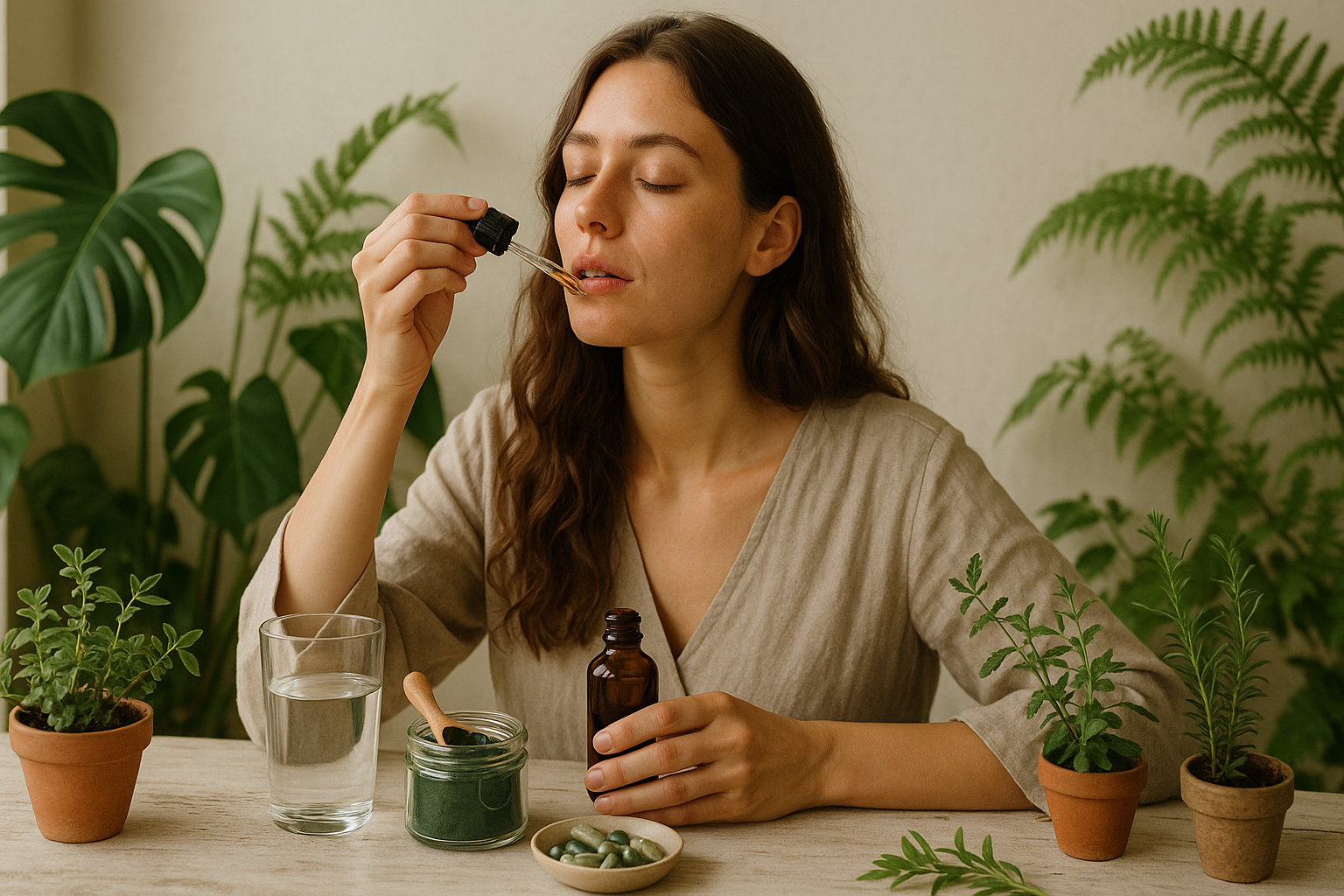
- Herbal Remedies: Adaptogens like ashwagandha and Rhodiola rosea may support stress resilience and mood stabilization.
- Traditional Practices: Yoga and Tai Chi combine physical movement with mindfulness, benefiting both mood and cognitive function.
FAQs (5)
- What are the best natural methods for mood optimization? Regular exercise, a balanced diet, mindfulness practices, and social engagement are effective natural methods.
- Can supplements really help with mood optimization? Some supplements may help, but results can vary; it's important to approach them with caution and seek professional advice.
- How long does it take to see results from mood optimization practices? Results can vary widely; some individuals may notice improvements within weeks, while others may take longer.
- Are there any risks associated with mood optimization? Yes, particularly with supplements and interactions with medications; always consult a healthcare provider first.
- How can I track my mood effectively? Keeping a mood diary or using mobile apps designed for mood tracking can help identify patterns and triggers.
Frequently asked
What are the best natural methods for mood optimization?
Regular exercise, a balanced diet, mindfulness practices, and social engagement are effective natural methods.
Can supplements really help with mood optimization?
Some supplements may help, but results can vary; it's important to approach them with caution and seek professional advice.
How long does it take to see results from mood optimization practices?
Results can vary widely; some individuals may notice improvements within weeks, while others may take longer.
Are there any risks associated with mood optimization?
Yes, particularly with supplements and interactions with medications; always consult a healthcare provider first.
How can I track my mood effectively?
Keeping a mood diary or using mobile apps designed for mood tracking can help identify patterns and triggers.