Mental Energy
Delve into mental energy, a key aspect of cognitive enhancement. Learn its definition, mechanisms, practical applications, and safety considerations.

Explore the concept of mental energy within the framework of cognitive enhancement. Understand its mechanisms, evidence, applications, and safety considerations.
What It Is
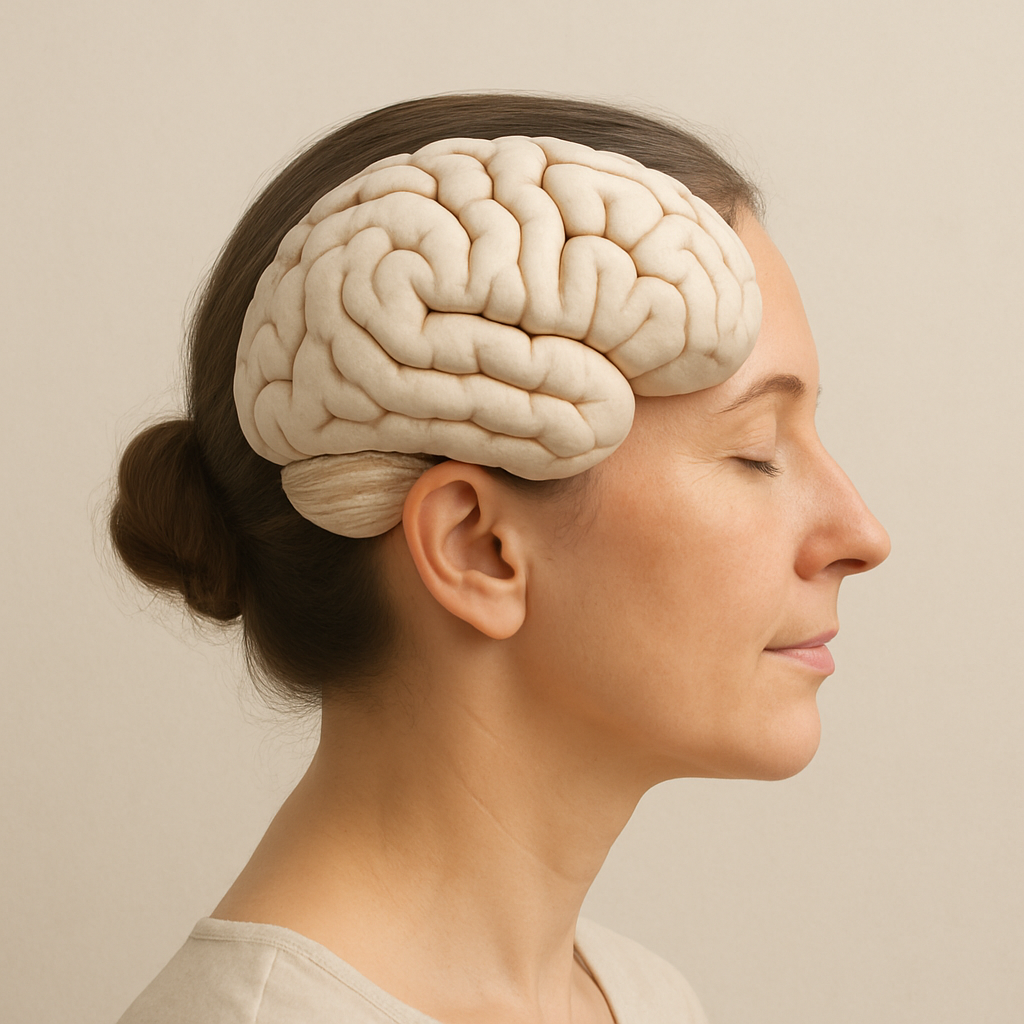
Mental energy refers to the cognitive resources available to an individual, influencing their ability to think, focus, and perform tasks effectively. It encompasses mental alertness, motivation, and overall cognitive stamina. Unlike physical energy, which can often be replenished through rest and nutrition, mental energy can fluctuate throughout the day based on various internal and external factors.
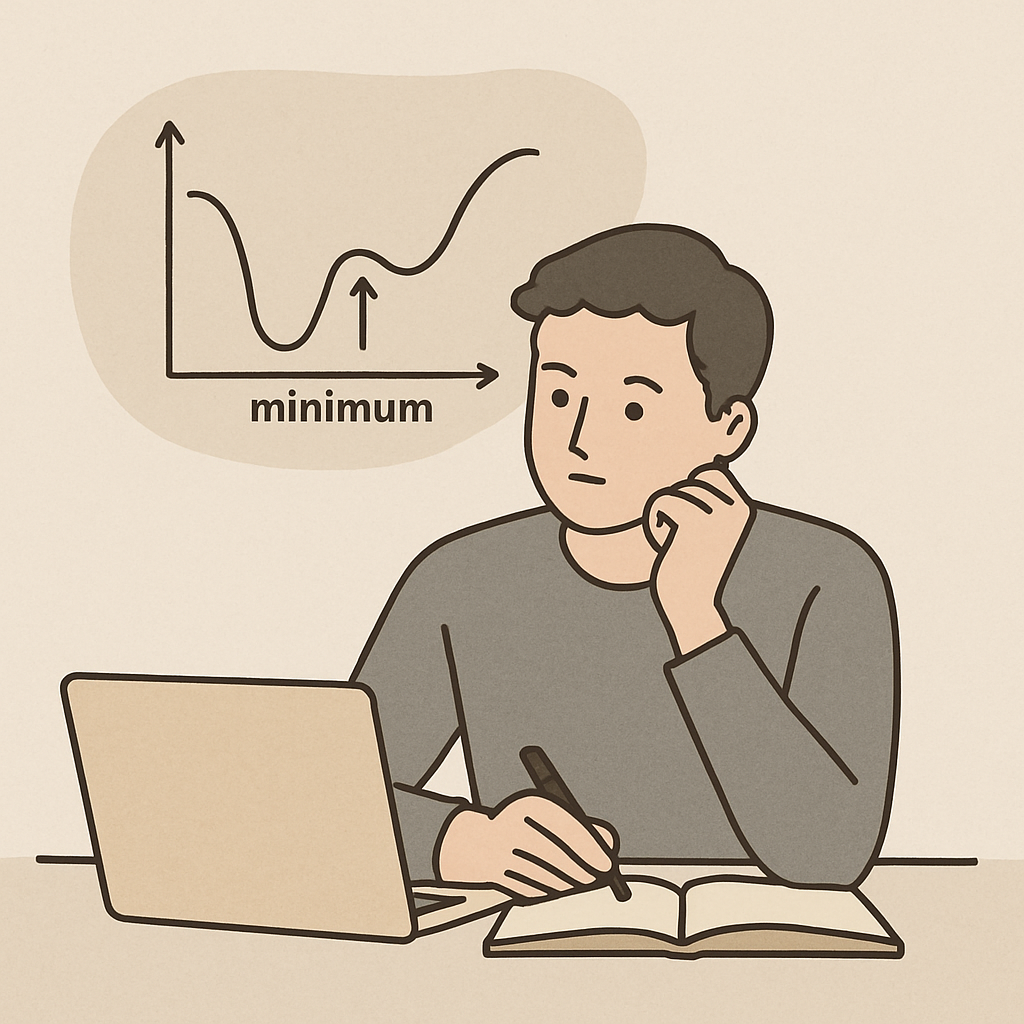
This concept is crucial for those seeking to enhance cognitive performance, as it impacts productivity, creativity, and overall mental well-being. Understanding and improving mental energy can help individuals tackle complex tasks, manage stress, and maintain focus in a world filled with distractions.
Mechanism / How It Works
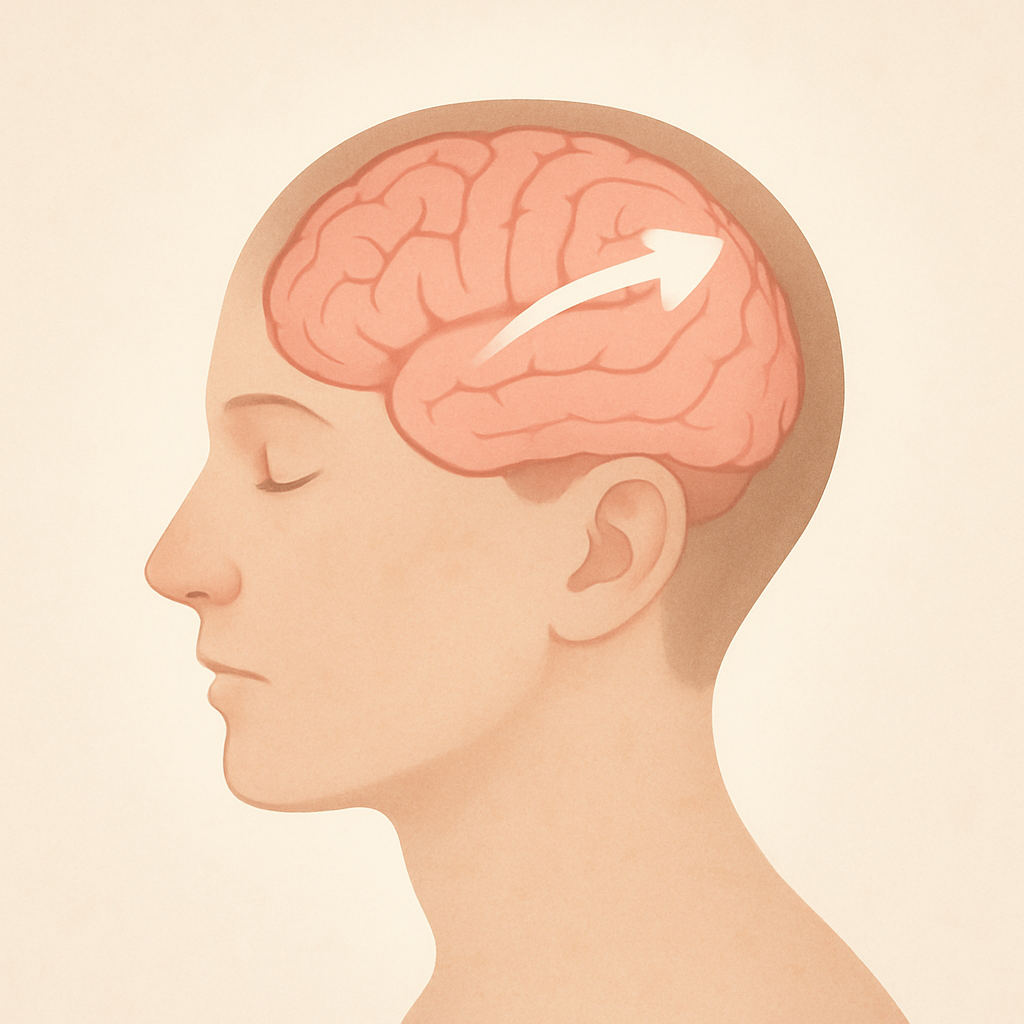
The mechanisms behind mental energy involve a complex interplay of neurotransmitters, hormones, and brain regions. Neurotransmitters such as dopamine, norepinephrine, and acetylcholine play vital roles in regulating mood, attention, and motivation. Additionally, the brain's energy metabolism, particularly the utilization of glucose and oxygen, is crucial for sustaining cognitive functions.
Furthermore, mental energy is affected by sleep quality, nutrition, and physical activity. For instance, sleep deprivation can lead to decreased dopamine levels, which may impair motivation and focus. Conversely, proper nutrition and regular exercise can enhance cognitive function by improving blood flow to the brain and promoting the release of beneficial neurotransmitters.
Evidence Summary
The research surrounding mental energy is still developing, with various studies exploring its implications for cognitive enhancement. Preliminary evidence suggests that certain lifestyle changes, such as improved sleep hygiene and increased physical activity, can lead to significant improvements in mental energy and cognitive performance.
Clinical studies have examined the effects of specific supplements and nootropics on mental energy, yielding mixed results. While some compounds, like caffeine and certain adaptogens, have shown promise in enhancing mental alertness, conflicting findings exist regarding their long-term efficacy and safety. Therefore, it is essential to approach these findings with caution and to recognize the need for further research in this area.
Practical Application
To effectively integrate mental energy enhancement into daily life, consider the following protocols:
- Prioritize Sleep: Aim for 7-9 hours of quality sleep each night to support cognitive function.
- Nutrition: Focus on a balanced diet rich in whole foods, including fruits, vegetables, healthy fats, and lean proteins.
- Physical Activity: Engage in regular exercise to boost blood flow to the brain and improve mood.
- Meditation and Mindfulness: Implement mindfulness practices to reduce stress and enhance focus.
- Limit Distractions: Create a conducive work environment to minimize interruptions.
Common pitfalls include neglecting sleep, relying too heavily on stimulants, and failing to manage stress effectively. A balanced approach is crucial for sustainable mental energy enhancement.
Relevant Biomarkers & Tracking
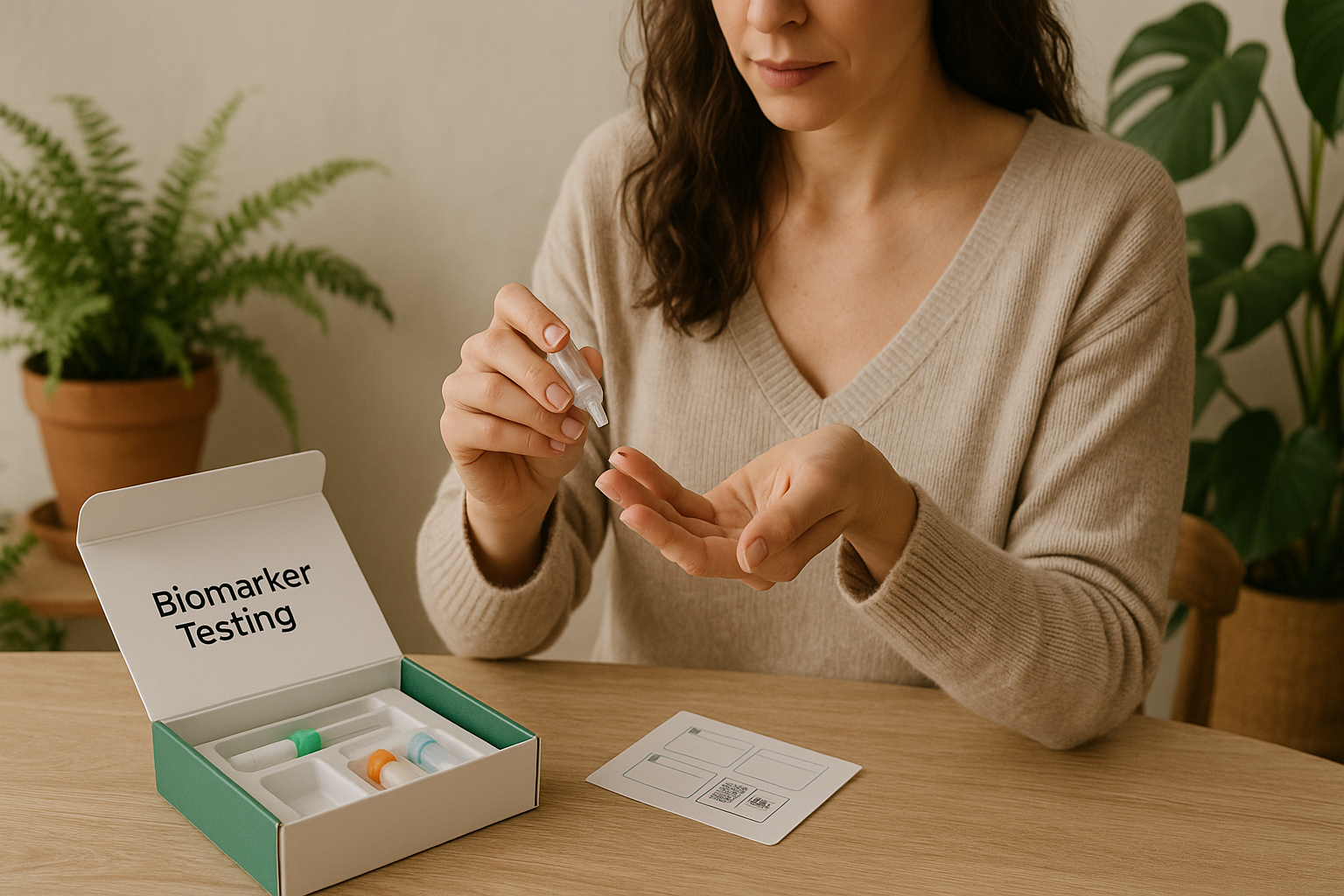
Tracking mental energy can be subjective, but several biomarkers and methods can provide insights into cognitive performance:
- Cognitive Tests: Regularly assess cognitive function with standardized tests.
- Sleep Quality: Monitor sleep patterns using wearable devices or sleep journals.
- Stress Levels: Utilize heart rate variability (HRV) as an indicator of stress and recovery.
- Nutrient Levels: Consider blood tests to evaluate essential nutrients that support cognitive health, such as omega-3 fatty acids and B vitamins.
Body Systems Supported
Mental energy primarily supports the nervous system and cognitive functions. Key systems involved include:
- Central Nervous System: Responsible for processing information and coordinating responses.
- Endocrine System: Regulates hormones that influence mood and energy levels.
- Cardiovascular System: Supplies oxygen and nutrients to the brain, essential for optimal function.
Common Goals
Individuals seeking to enhance their mental energy often have specific goals, such as:
- Improving focus and concentration.
- Enhancing creativity and problem-solving abilities.
- Increasing productivity in work or study.
- Reducing mental fatigue and stress.
- Achieving a better work-life balance.
Safety, Contraindications & Edge Cases
While enhancing mental energy can be beneficial, it is essential to consider safety and potential contraindications:
- Stimulants: Excessive use of caffeine or other stimulants can lead to anxiety, insomnia, and dependence.
- Medical Conditions: Individuals with certain medical conditions (e.g., anxiety disorders, heart issues) should consult a healthcare provider before making significant changes.
- Medications: Some cognitive enhancers may interact with medications, so professional guidance is crucial.
Pairs Well With
Complementary practices from ancient or natural counterparts can enhance mental energy:
- Yoga: Integrates physical movement and mindfulness to improve mental clarity.
- Herbal Remedies: Adaptogens like Rhodiola and Ashwagandha may support stress management and energy levels.
- Aromatherapy: Essential oils such as peppermint and rosemary can invigorate the mind.
FAQs (5)
- What are the signs of low mental energy? Symptoms may include fatigue, difficulty concentrating, and decreased motivation.
- Can diet affect mental energy? Yes, a balanced diet rich in nutrients can significantly impact cognitive function and energy levels.
- How does sleep quality relate to mental energy? Poor sleep can lead to decreased mental energy, affecting focus and cognitive performance.
- Are there supplements that can help enhance mental energy? Some supplements, such as caffeine and certain nootropics, may offer temporary boosts in mental energy, but they should be used cautiously.
- Can physical activity improve mental energy? Yes, regular exercise can enhance blood flow to the brain and improve overall cognitive function.
Frequently asked
What are the signs of low mental energy?
Symptoms may include fatigue, difficulty concentrating, and decreased motivation.
Can diet affect mental energy?
Yes, a balanced diet rich in nutrients can significantly impact cognitive function and energy levels.
How does sleep quality relate to mental energy?
Poor sleep can lead to decreased mental energy, affecting focus and cognitive performance.
Are there supplements that can help enhance mental energy?
Some supplements, such as caffeine and certain nootropics, may offer temporary boosts in mental energy, but they should be used cautiously.
Can physical activity improve mental energy?
Yes, regular exercise can enhance blood flow to the brain and improve overall cognitive function.