Traditional Rituals
A comprehensive guide to Traditional Rituals in Aboriginal Medicine, highlighting its historical context, practices, and safety.
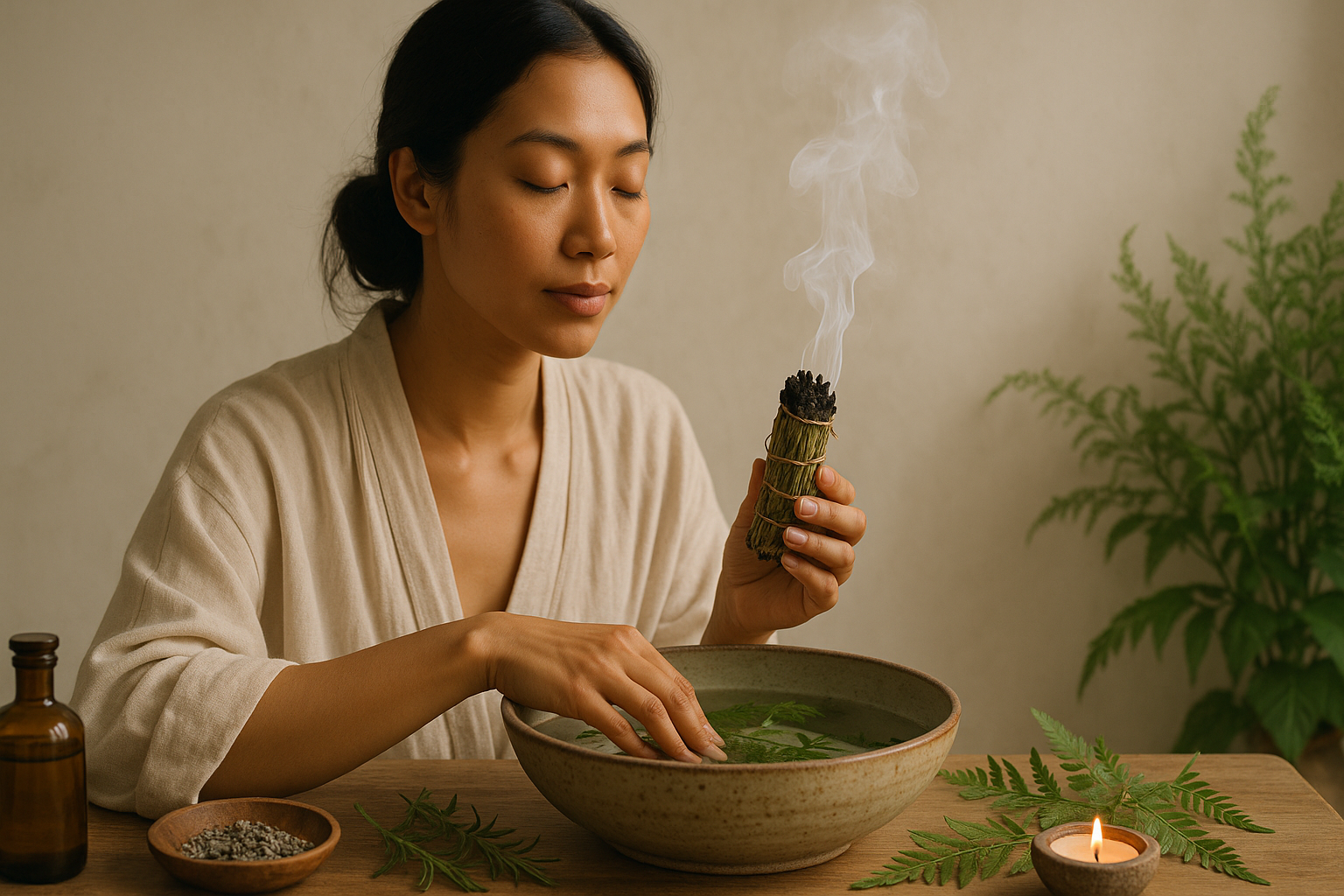
Explore the significance and practice of Traditional Rituals within Aboriginal Medicine, delving into its historical roots, modern implications, and safety considerations.
What It Is
Traditional Rituals are integral to Aboriginal Medicine, encompassing a range of ceremonies and practices that foster connection to the land, community, and spirituality. These rituals often involve storytelling, song, dance, and various symbolic activities that serve to honor ancestors, nature, and the interconnectedness of life. They are deeply embedded in the cultural identity of Aboriginal peoples and are seen as pathways to healing and understanding oneself and one’s place in the universe.
Through Traditional Rituals, individuals engage in practices that have been passed down through generations, creating a bridge between the past and the present. Such rituals often aim to restore balance and harmony within individuals and their communities, recognizing the importance of mental, emotional, and spiritual well-being alongside physical health.
Historical Context Within Aboriginal Medicine
The origins of Traditional Rituals within Aboriginal Medicine date back thousands of years, emerging from the rich cultural tapestry of the diverse Aboriginal nations across Australia. These practices were developed by Indigenous elders and healers who understood the significance of rituals in maintaining health and wellness. As custodians of knowledge, they crafted ceremonies that not only addressed physical ailments but also the emotional and spiritual aspects of life.
Throughout history, these rituals have adapted to the changing environments and challenges faced by Aboriginal peoples, yet they remain rooted in the core principles of respect for nature and community. The continuity of these practices underscores their importance in Aboriginal culture, serving as a means of preserving traditions and fostering a sense of identity and belonging.
How It's Practiced
Practitioners of Traditional Rituals often follow a structured approach that involves several key components:
- Preparation: This may include gathering materials, selecting a sacred space, and inviting participants.
- Ceremonial Activities: Rituals may involve singing, dancing, drumming, and the use of sacred objects.
- Storytelling: Sharing of traditional stories that convey lessons and cultural values.
- Connection to Nature: Engaging with the natural environment, which is seen as a source of wisdom and healing.
- Community Involvement: Encouraging participation from community members to foster a sense of belonging and support.
These elements work together to create an immersive experience that is both personal and communal, reinforcing the values and teachings of Aboriginal culture.
What It Is Traditionally Explored For
Traditional Rituals are traditionally used for various purposes, including:
- Promoting physical health and recovery from illnesses.
- Enhancing mental health and emotional resilience.
- Fostering a sense of spiritual connection and purpose.
- Strengthening community bonds and cultural identity.
- Facilitating rites of passage and transitions in life.
These goals reflect a holistic understanding of health that encompasses the physical, emotional, and spiritual dimensions of an individual’s experience.
What Modern Research Suggests
While Traditional Rituals are grounded in ancient practices, modern research is beginning to uncover their potential benefits. Some studies suggest that participation in community rituals can lead to improved mental health outcomes, such as reduced anxiety and depression. The communal aspects of these rituals may enhance social support, which is crucial for overall well-being.
Additionally, research indicates that engaging with traditional cultural practices can promote a sense of belonging and identity, which are important factors in mental health. However, it is essential to approach these findings with caution, recognizing that the efficacy of Traditional Rituals can vary based on individual and cultural contexts, and more research is needed to fully understand their impact.
Safety, Contraindications & Who Should Skip
While Traditional Rituals are generally considered safe when conducted by qualified practitioners, there are certain considerations to keep in mind:
- Individuals with severe mental health conditions should consult a healthcare professional before participating.
- Those who are sensitive to group settings or have experienced trauma may find some rituals overwhelming.
- It is essential to ensure that the ritual is conducted respectfully and authentically to avoid cultural appropriation.
It is advisable for individuals to engage only in rituals that resonate with their personal beliefs and values.
Pairs Well With (within Aboriginal Medicine and across pillars)
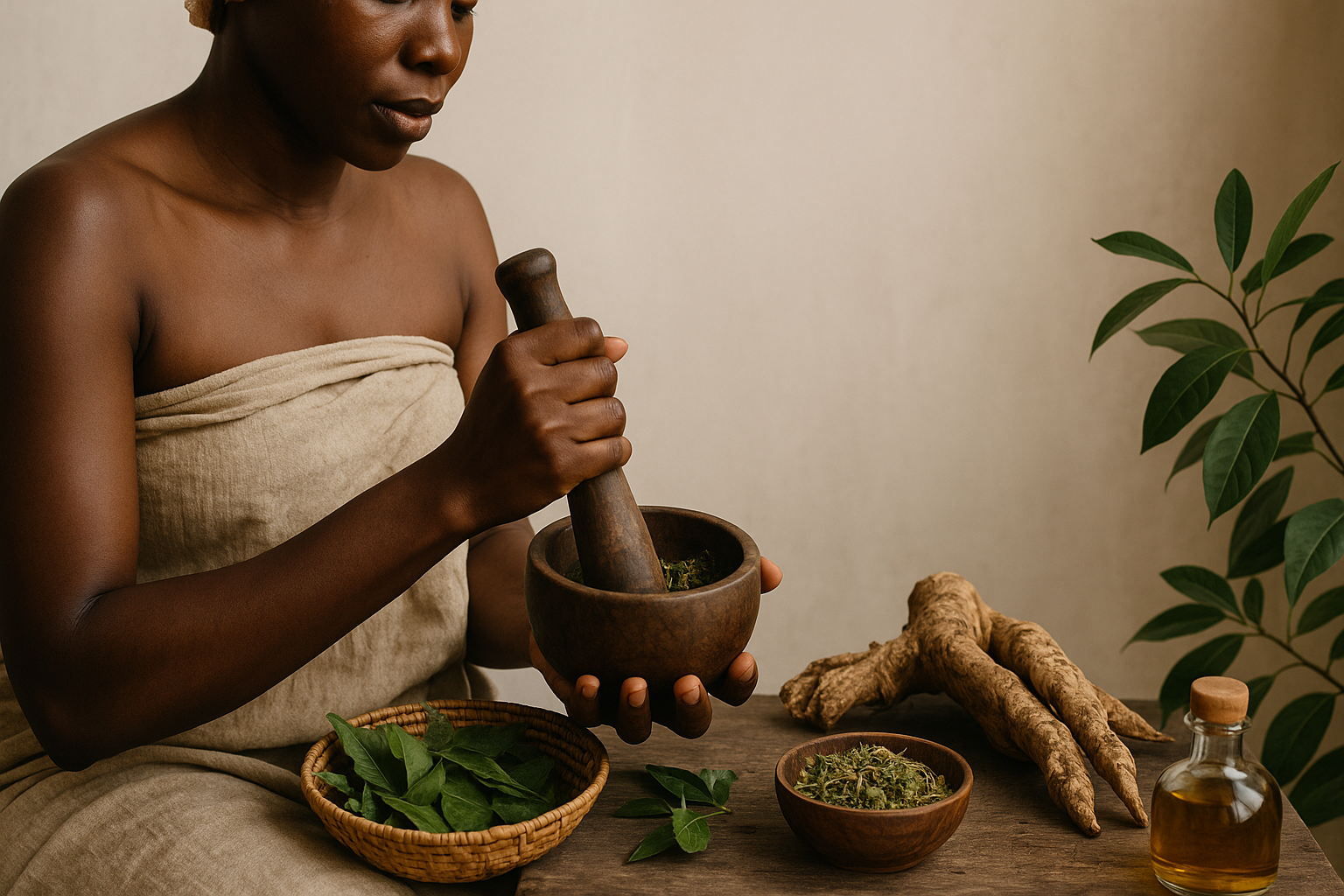
- Herbal Medicine: Use of traditional plants and remedies that complement the healing aspects of rituals.
- Dreamtime Stories: Incorporating storytelling as a means of understanding and healing.
- Song and Dance: Engaging in musical and dance practices that enhance the ritual experience.
- Community Gatherings: Combining rituals with community events to strengthen social bonds.
How to Find a Qualified Practitioner
To find a qualified practitioner of Traditional Rituals, consider the following steps:
- Seek recommendations from trusted community members or organizations.
- Look for practitioners who are recognized by Indigenous communities and possess cultural knowledge.
- Attend community events where rituals may be performed to observe practices.
- Engage with local Aboriginal organizations that provide resources and information on traditional practices.
It is essential to ensure that the practitioner’s approach aligns with respectful and authentic cultural practices.
FAQs
- What are Traditional Rituals? Traditional Rituals are ceremonies and practices within Aboriginal Medicine that foster connection to the land, community, and spirituality.
- Who developed Traditional Rituals? Traditional Rituals were developed by Indigenous elders and healers over thousands of years.
- What are some common goals of Traditional Rituals? Common goals include promoting physical health, enhancing mental well-being, and strengthening community ties.
- Is there scientific research on Traditional Rituals? Yes, some research suggests potential mental health benefits, but caution is advised as more studies are needed.
- How can I find a qualified practitioner? Look for recommendations from community members and engage with local Aboriginal organizations.
Frequently asked
What are Traditional Rituals?
Traditional Rituals are ceremonies and practices within Aboriginal Medicine that foster connection to the land, community, and spirituality.
Who developed Traditional Rituals?
Traditional Rituals were developed by Indigenous elders and healers over thousands of years.
What are some common goals of Traditional Rituals?
Common goals include promoting physical health, enhancing mental well-being, and strengthening community ties.
Is there scientific research on Traditional Rituals?
Yes, some research suggests potential mental health benefits, but caution is advised as more studies are needed.
How can I find a qualified practitioner?
Look for recommendations from community members and engage with local Aboriginal organizations.