Plant Remedies
Delve into the world of Plant Remedies in Aboriginal Medicine, understanding its historical context, practices, traditional uses, and safety considerations.
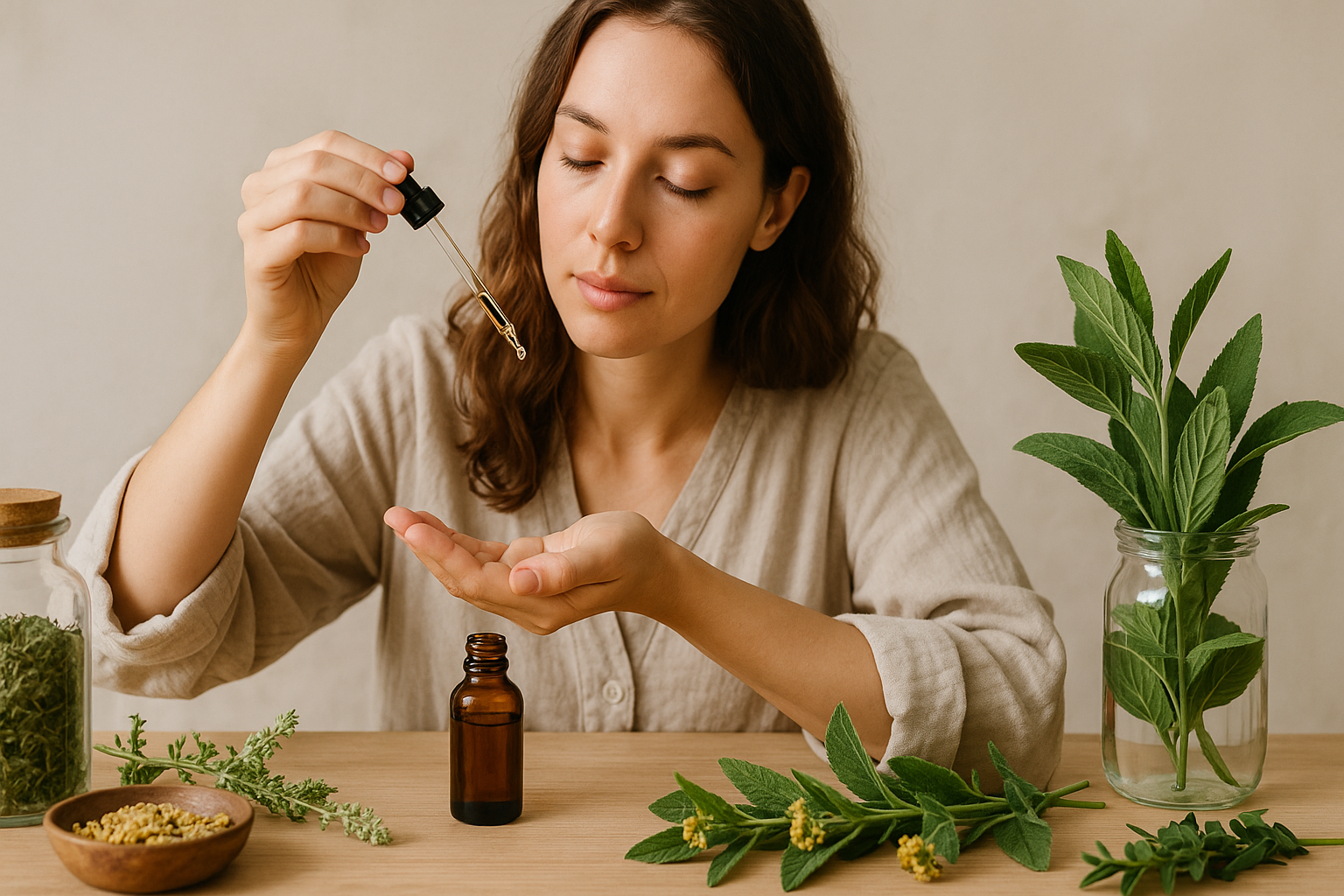
Explore the ancient practice of Plant Remedies in Aboriginal Medicine, its historical roots, methods, traditional uses, modern research insights, safety considerations, and how to find qualified practitioners.
What It Is
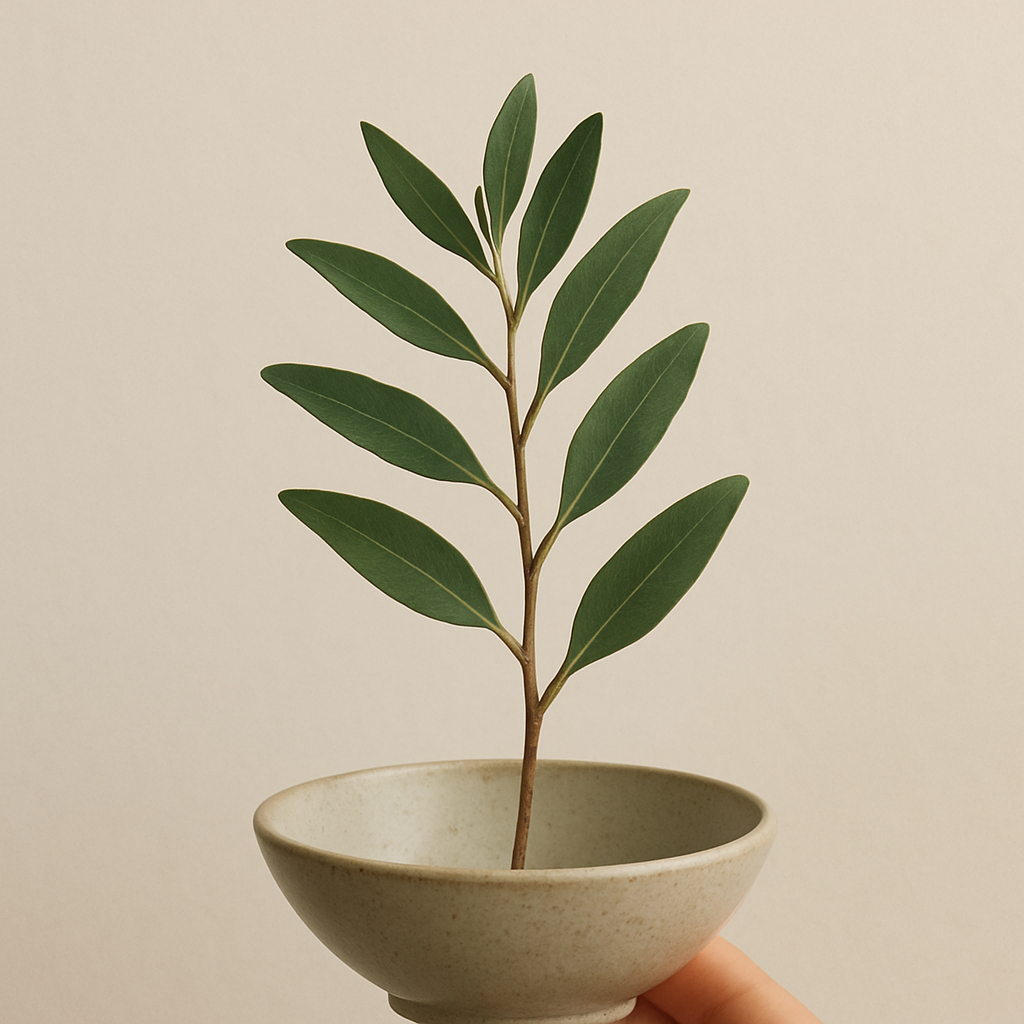
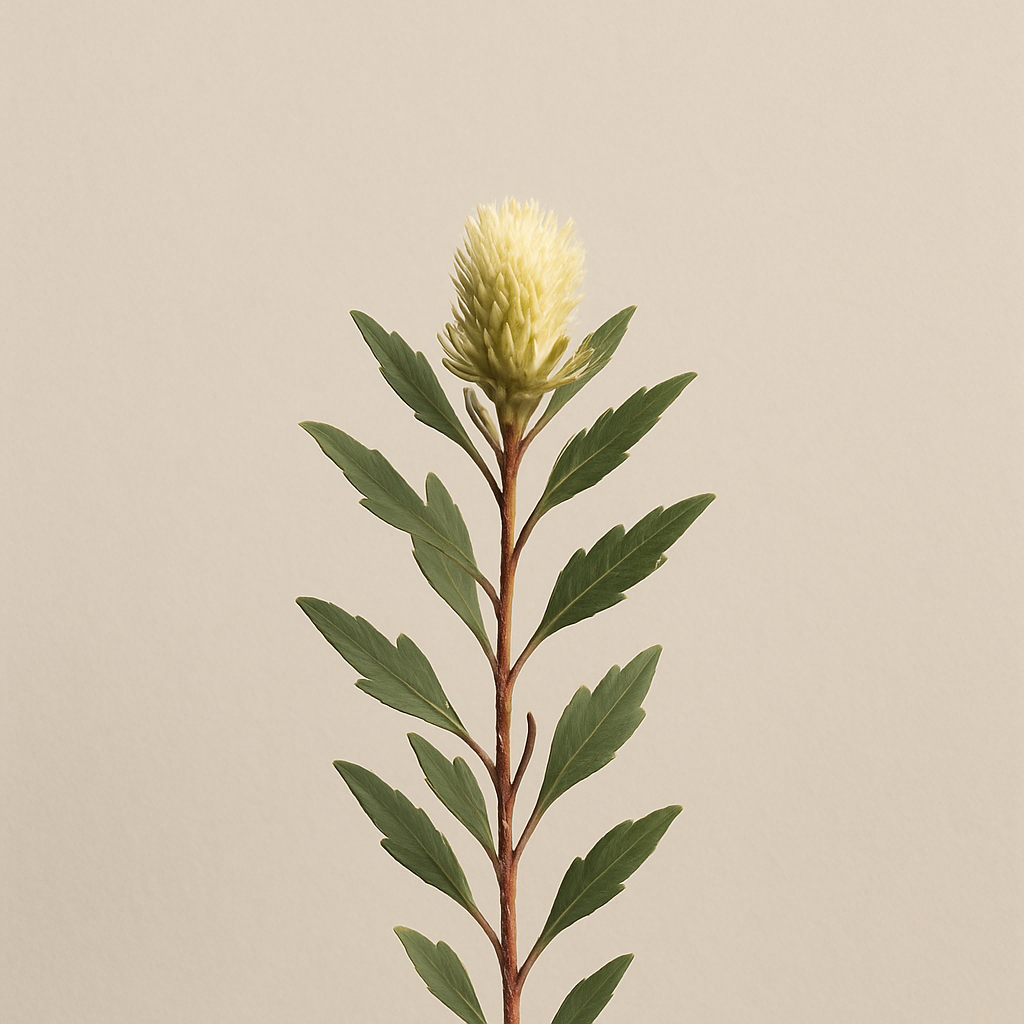
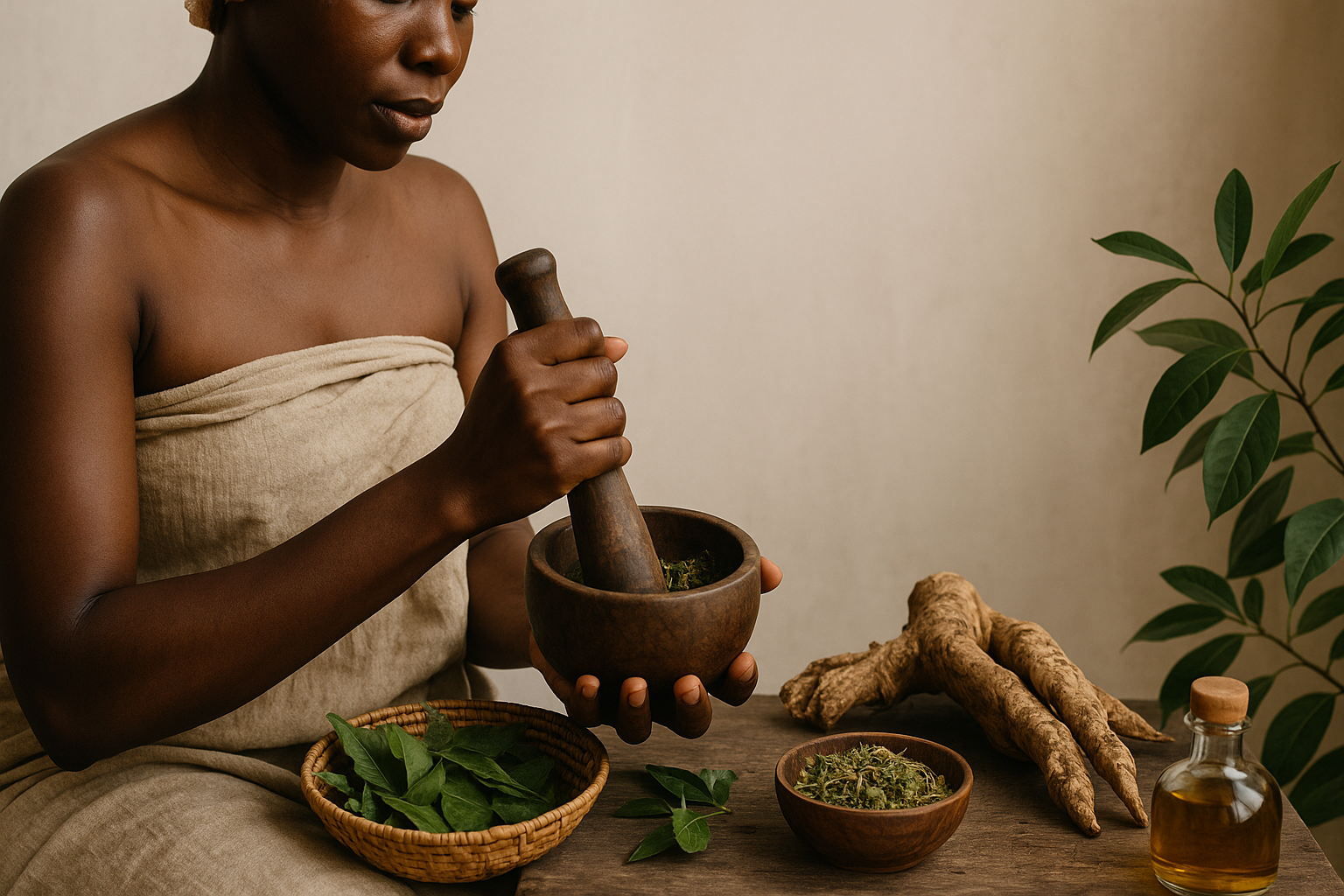
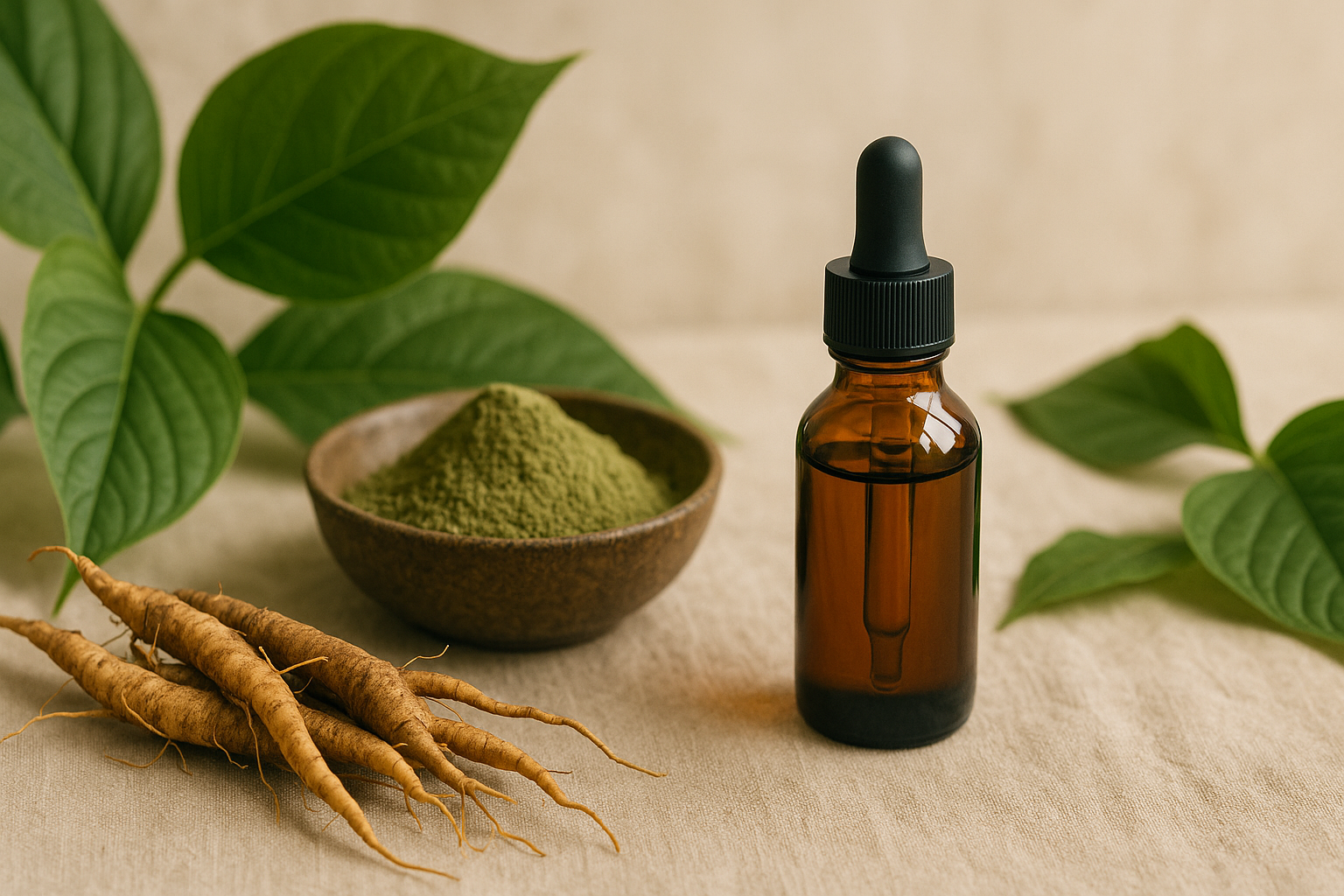
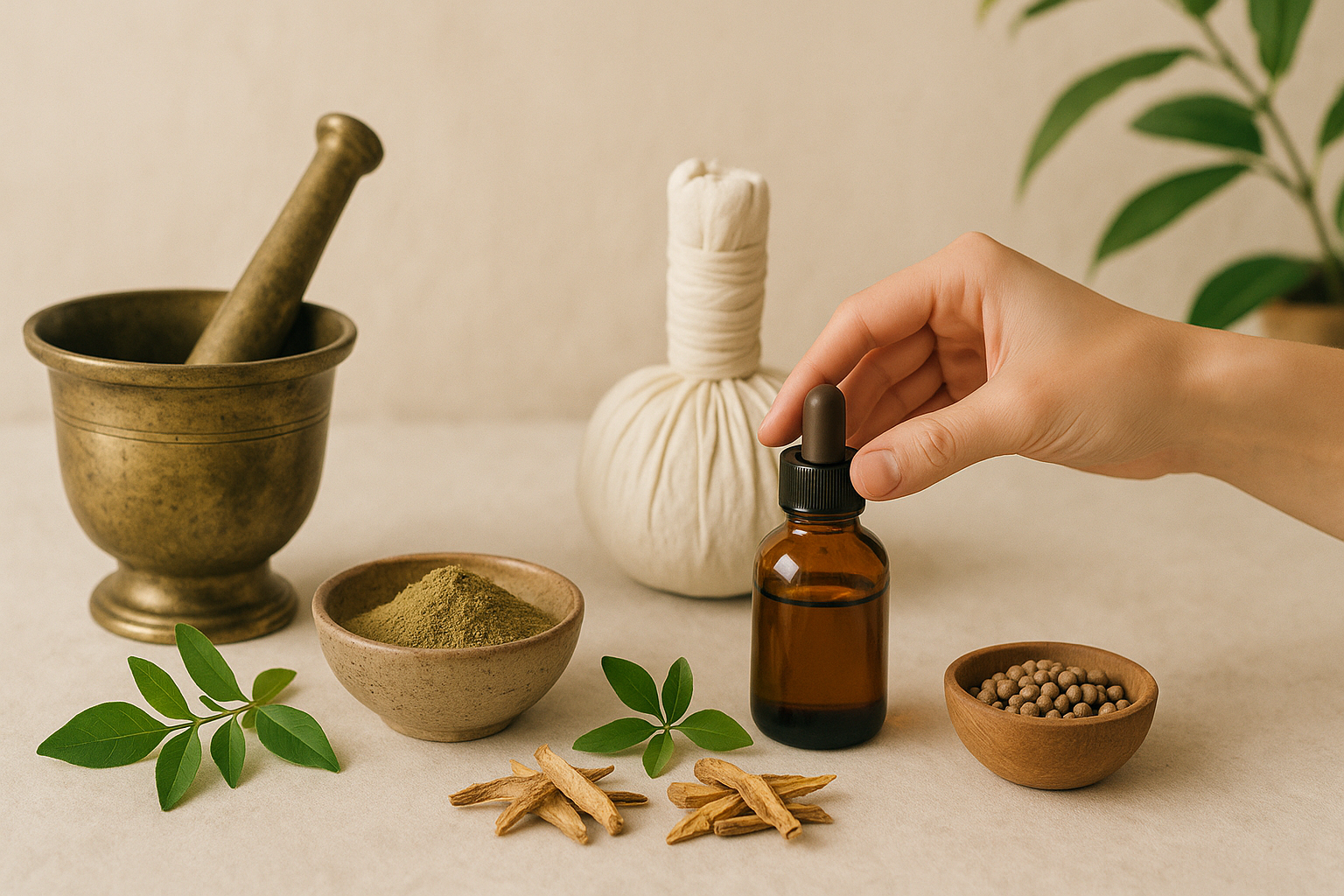
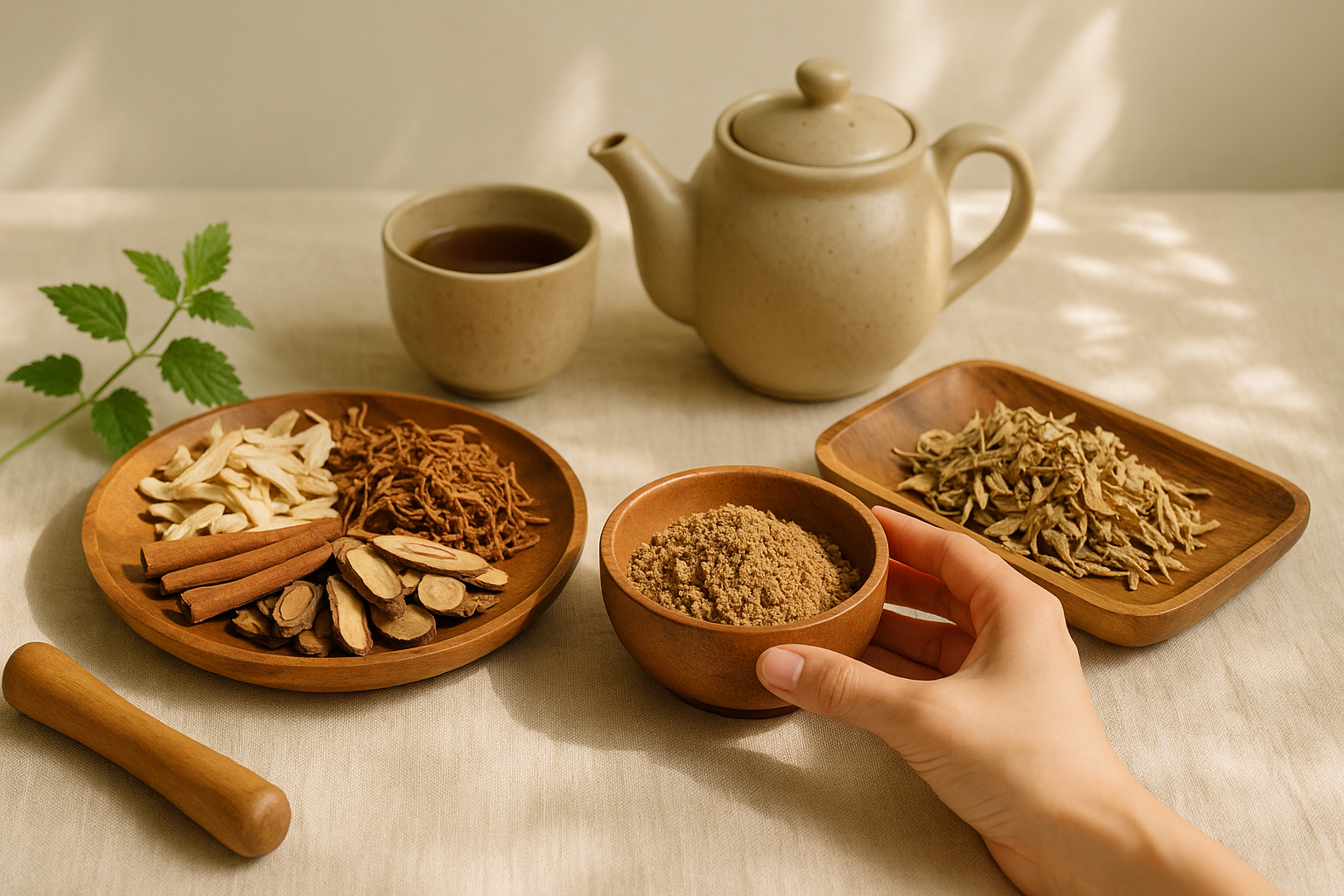
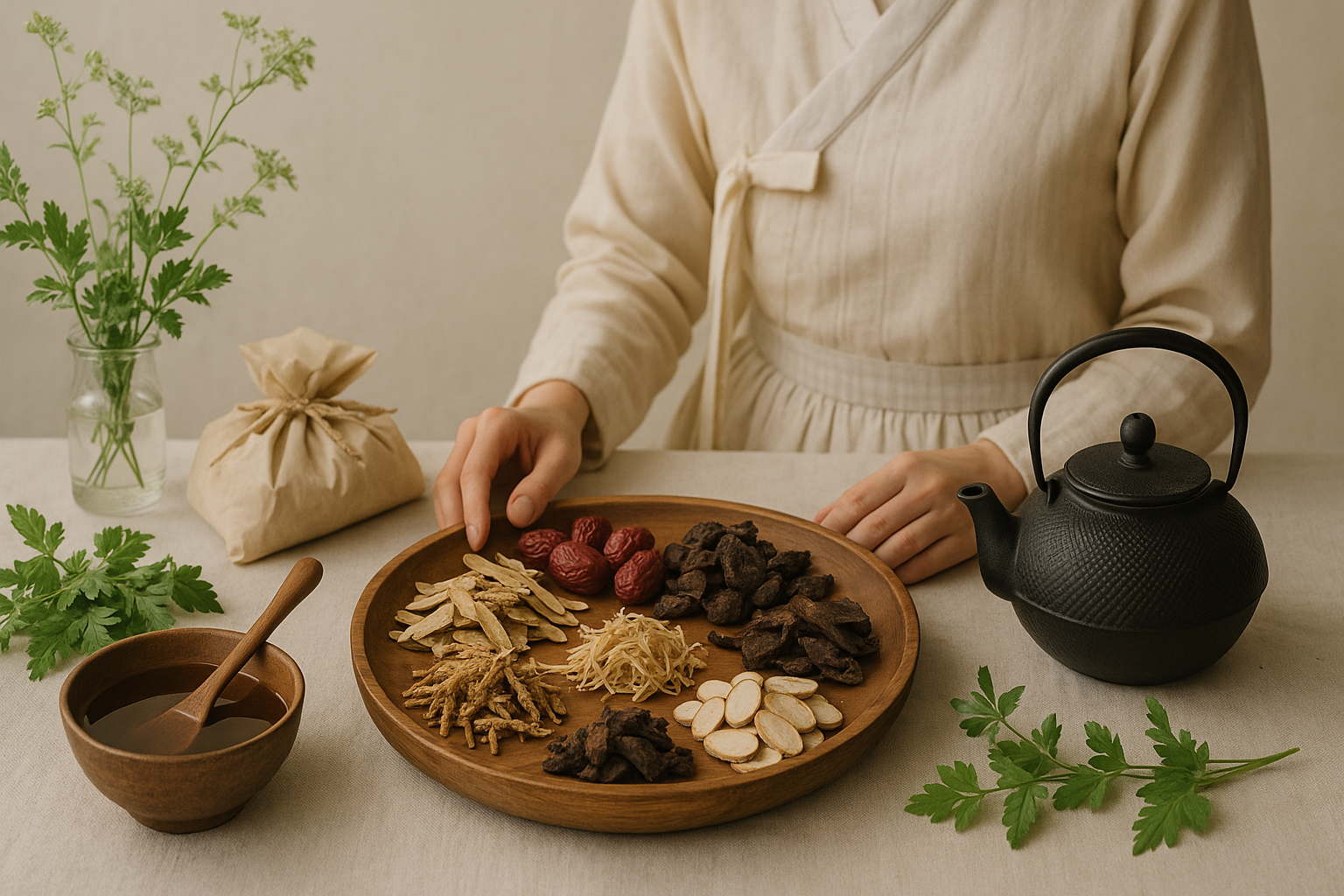
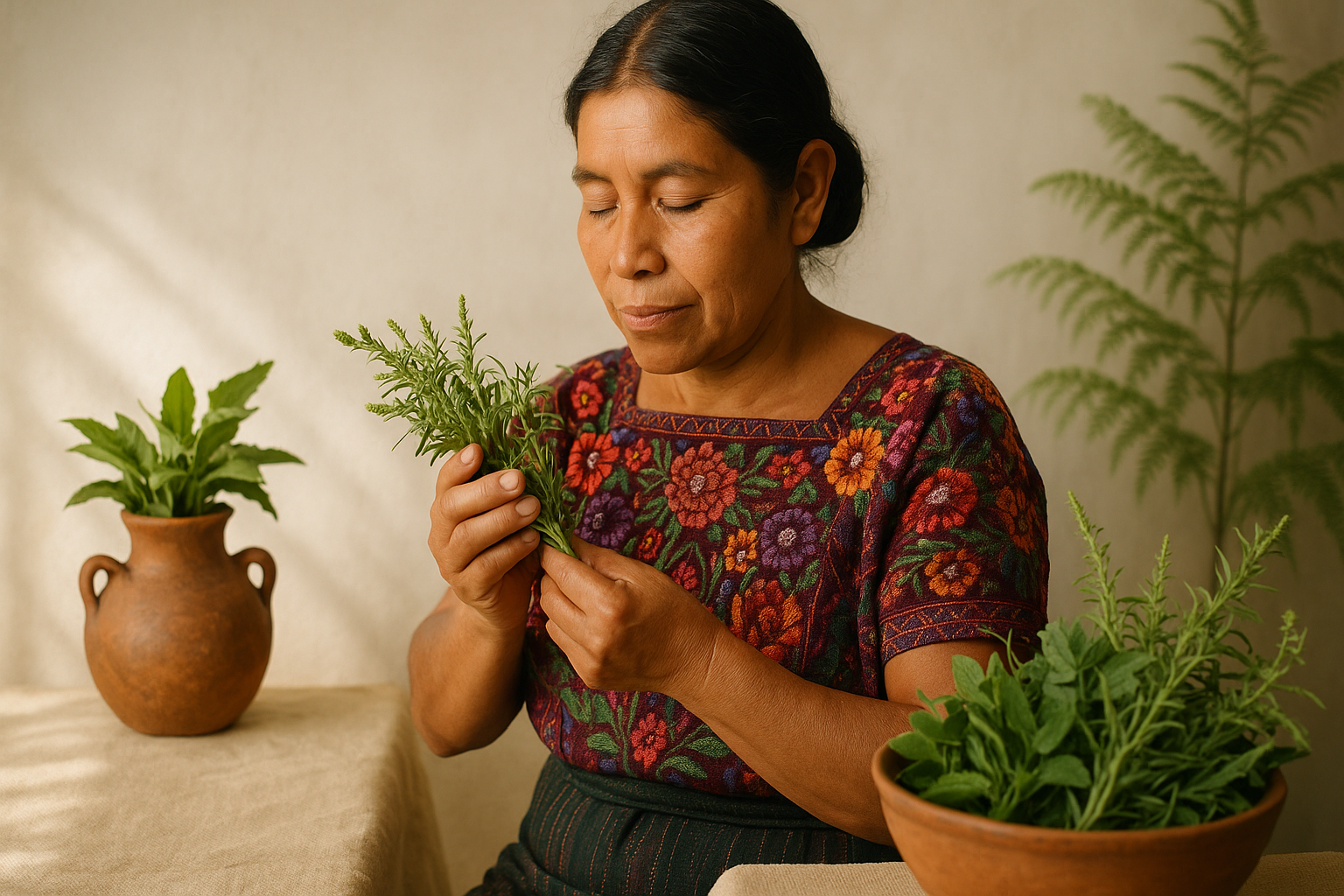
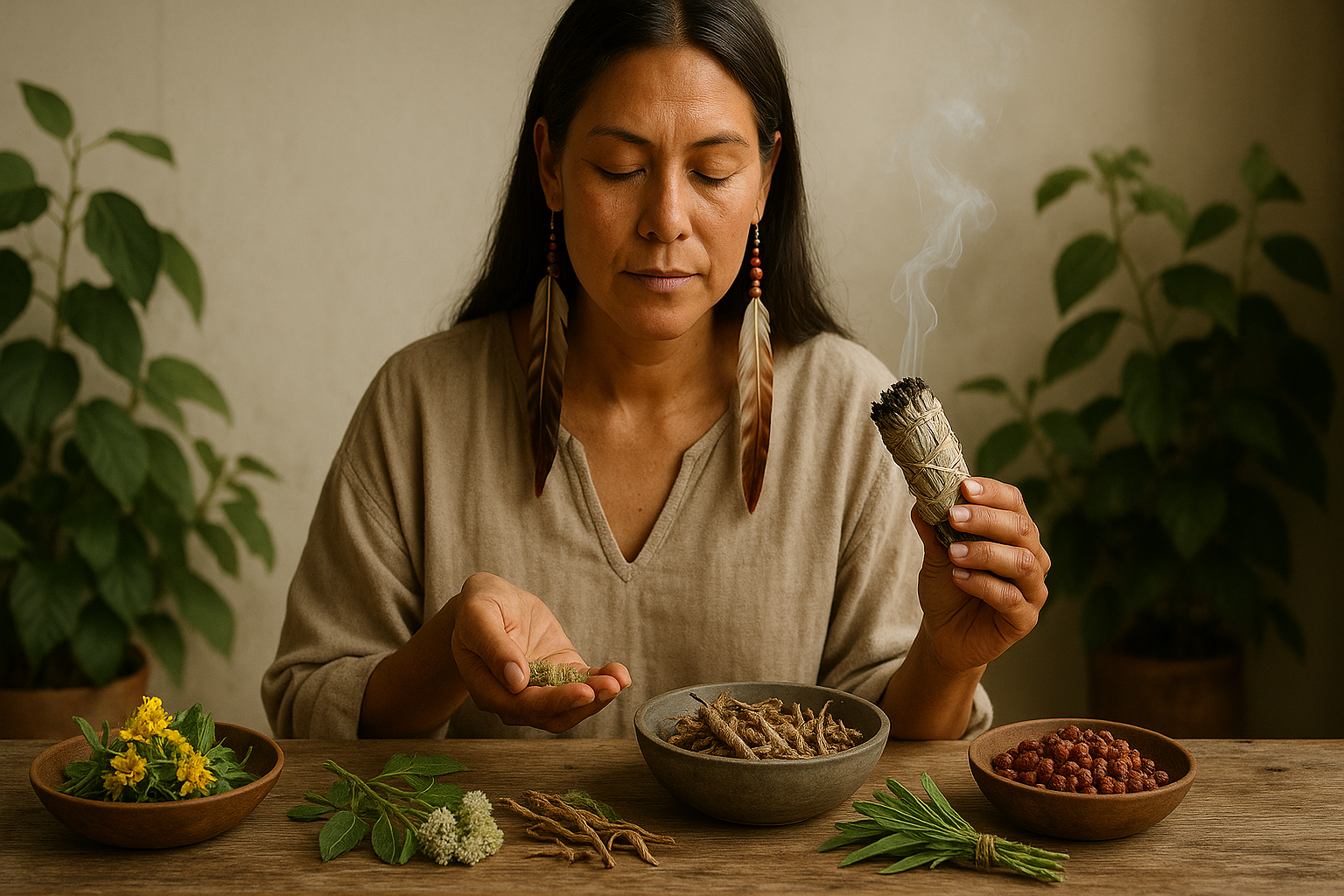
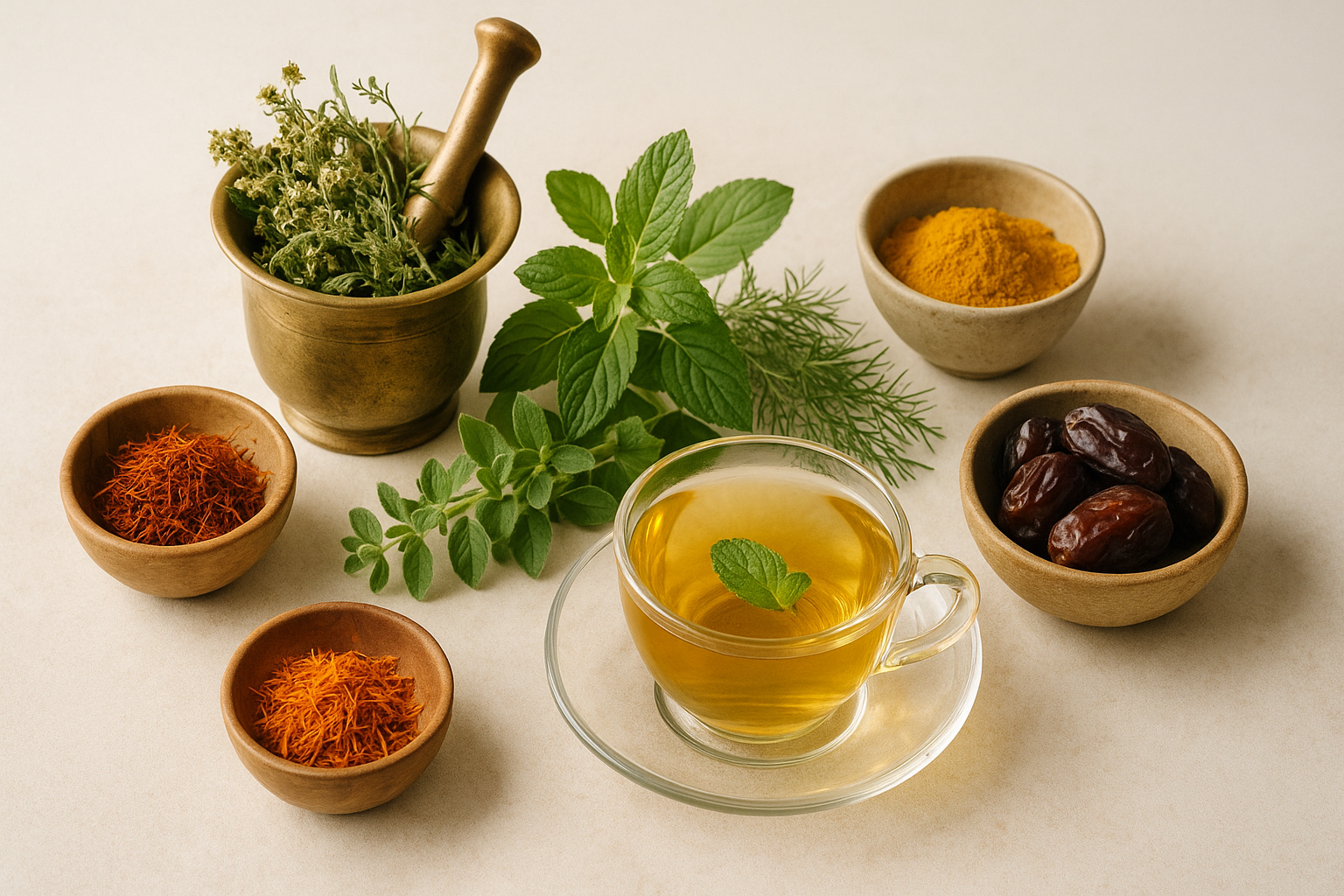
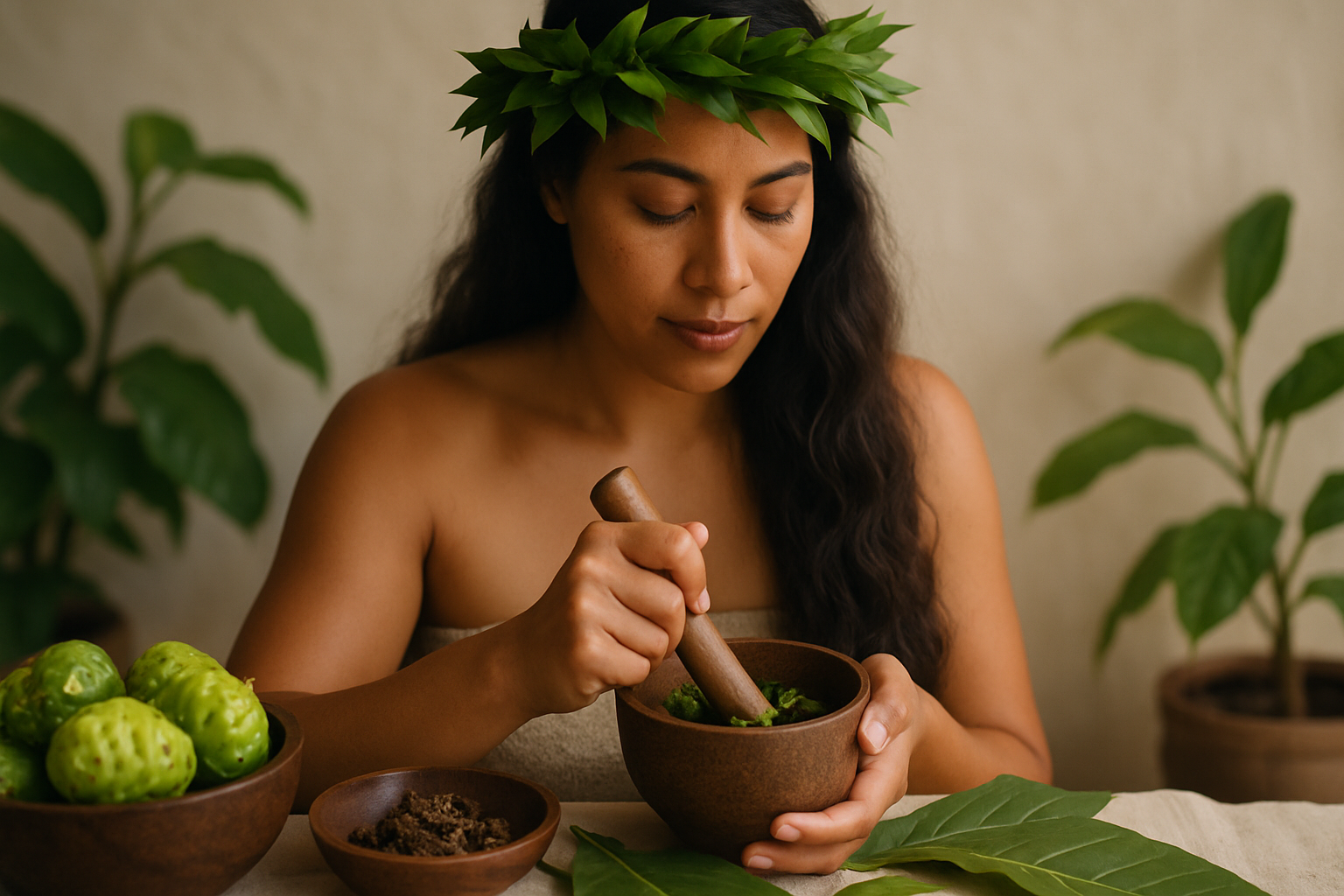
Plant Remedies in Aboriginal Medicine refer to the use of various plants and botanical substances for healing purposes. This practice is deeply rooted in the knowledge and traditions of Aboriginal peoples, who have utilized the natural environment for wellness and spiritual balance for thousands of years. These remedies include herbal teas, poultices, tinctures, and essential oils, derived from native plants that are believed to possess healing properties.
In Aboriginal cultures, the relationship between people and plants is considered sacred. The knowledge of which plants to use, how to prepare them, and when to apply them has been passed down through generations, often through oral traditions. This practice not only focuses on physical ailments but also emphasizes mental, emotional, and spiritual well-being.
Historical Context Within Aboriginal Medicine
The use of Plant Remedies has a long-standing history within Aboriginal Medicine, emerging alongside the formation of Aboriginal cultures themselves. Aboriginal peoples across various regions of Australia have developed their unique systems of medicine, informed by the distinct environments and ecosystems they inhabit. This ancient wisdom has been cultivated over millennia, with extensive knowledge about local flora and its medicinal properties.
Traditionally, elders and medicine people were the custodians of this knowledge, responsible for educating younger generations about the uses of plants in healing practices. The transmission of this knowledge was integral to community health and survival, as it encompassed not only the treatment of illness but also rituals and spiritual practices that connected individuals to their land and heritage.
How It's Practiced
The practice of using Plant Remedies involves several key steps that are often guided by experienced practitioners. Here is a plain language walk-through of the process:
- Assessment: The practitioner begins by understanding the individual's physical, emotional, and spiritual needs.
- Identification: Specific plants are identified based on their traditional uses and the individual's condition.
- Preparation: The plants may be prepared in various forms, such as teas, tinctures, or poultices, depending on the desired effect.
- Application: The prepared remedy is administered, often accompanied by guidance on usage and dosage.
- Follow-up: The practitioner may schedule follow-up visits to assess the effectiveness of the remedy and make adjustments as necessary.
What It Is Traditionally Explored For
While the use of Plant Remedies is grounded in tradition, it is essential to note that these practices are not a substitute for professional medical care. Traditionally, these remedies are explored for a range of concerns, including:
- Digestive issues
- Skin conditions
- Respiratory ailments
- Stress and anxiety management
- Spiritual healing and emotional balance
It is important to approach these remedies with respect and caution, understanding their cultural significance and the holistic approach taken by practitioners.
What Modern Research Suggests
Modern research into Plant Remedies used in Aboriginal Medicine is still developing, but preliminary studies have begun to validate some traditional uses. For example, certain native plants, such as bush tomatoes and Kakadu plums, have been analyzed for their high antioxidant content and potential health benefits. These studies suggest that some Aboriginal plant remedies may have therapeutic properties that align with traditional knowledge.
However, it is crucial to approach these findings with caution. While some efficacy has been observed in laboratory settings, comprehensive clinical studies are necessary to fully understand the safety, dosage, and effectiveness of these remedies in various populations. As such, ongoing research and collaboration with Aboriginal healers are essential to preserve this ancient wisdom while integrating it with modern healthcare practices.
Safety, Contraindications & Who Should Skip
Safety is a paramount concern when considering Plant Remedies. Individuals should be aware of the following:
- Consultation with a healthcare professional is advised before starting any new remedy, especially for individuals with pre-existing conditions or those taking medications.
- Some plants may cause allergic reactions or interact negatively with pharmaceuticals.
- Pregnant or breastfeeding individuals should exercise caution, as certain plants may not be safe during this time.
It is essential to seek guidance from qualified practitioners who can provide tailored advice based on individual health needs.
Pairs Well With (within Aboriginal Medicine and across pillars)
Plant Remedies can complement various other modalities within Aboriginal Medicine, as well as practices from other pillars of wellness. Related modalities and ingredients include:
- Aromatherapy
- Traditional massage techniques
- Dietary practices based on local foods
- Spiritual ceremonies
- Other herbal traditions
How to Find a Qualified Practitioner
Finding a qualified practitioner who specializes in Plant Remedies can enhance the experience and ensure safe practices. Here are some tips for locating one:
- Seek recommendations from trusted sources within your community.
- Look for practitioners who have formal training in Aboriginal Medicine or related fields.
- Verify their credentials and experience in using Plant Remedies.
- Consider their approach to holistic health and how they integrate traditional knowledge with modern understanding.
FAQs
- What are the main benefits of using Plant Remedies? Plant Remedies are traditionally explored for their potential to support physical, emotional, and spiritual well-being.
- Are Plant Remedies safe to use? While many are safe, it is crucial to consult with a qualified practitioner to avoid possible contraindications.
- How do I know which Plant Remedy is right for me? A qualified practitioner can assess your individual needs and recommend appropriate remedies.
- Can Plant Remedies be used alongside conventional medicine? Yes, but always consult with a healthcare professional before combining treatments.
- Where can I learn more about Aboriginal Plant Remedies? Look for resources from reputable organizations, books, and workshops led by knowledgeable practitioners.
Frequently asked
What are the main benefits of using Plant Remedies?
Plant Remedies are traditionally explored for their potential to support physical, emotional, and spiritual well-being.
Are Plant Remedies safe to use?
While many are safe, it is crucial to consult with a qualified practitioner to avoid possible contraindications.
How do I know which Plant Remedy is right for me?
A qualified practitioner can assess your individual needs and recommend appropriate remedies.
Can Plant Remedies be used alongside conventional medicine?
Yes, but always consult with a healthcare professional before combining treatments.
Where can I learn more about Aboriginal Plant Remedies?
Look for resources from reputable organizations, books, and workshops led by knowledgeable practitioners.