Holistic Recovery
Discover the principles, practices, and historical context of Holistic Recovery in Aboriginal Medicine, along with modern insights and safety considerations.
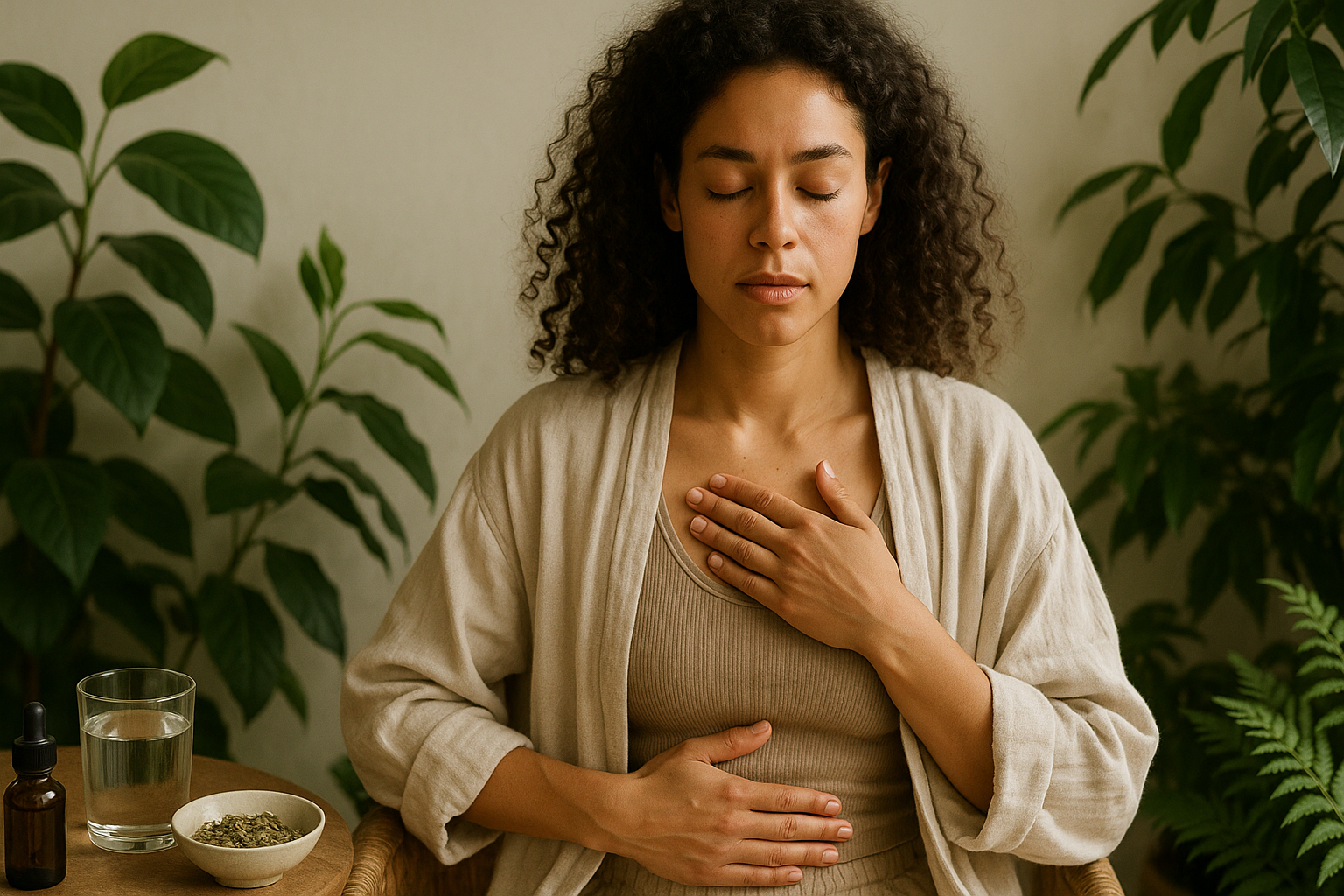
Explore the practice of Holistic Recovery within Aboriginal Medicine, a tradition rooted in ancient wisdom. This practice focuses on the interconnectedness of the mind, body, and spirit, emphasizing balance and healing through traditional methods.
What It Is
Holistic Recovery is a traditional practice within Aboriginal Medicine that emphasizes the interconnectedness of the mind, body, and spirit. This approach recognizes that health is not merely the absence of illness but a state of complete physical, mental, and emotional well-being. The holistic model seeks to restore balance and harmony within individuals, addressing not only physical ailments but also emotional and spiritual needs.
Practitioners of Holistic Recovery employ a variety of techniques and natural remedies, often rooted in ancestral knowledge. These methods aim to facilitate healing by reconnecting individuals with their cultural heritage, the natural world, and their own inner wisdom. Through this comprehensive approach, Holistic Recovery strives to empower individuals to take an active role in their healing journey.
Historical Context Within Aboriginal Medicine
Holistic Recovery has deep roots in Aboriginal Medicine, emerging from the rich traditions of Indigenous peoples across various regions. This practice is believed to have developed over thousands of years, with knowledge passed down through generations via oral traditions. Elders and healers played a pivotal role in preserving the wisdom related to health and healing, often utilizing the land and its resources as part of their treatments.
Throughout history, Aboriginal communities have faced numerous challenges, including colonization and the loss of traditional lands. Despite these adversities, the principles of Holistic Recovery have persisted, adapting to contemporary contexts while remaining grounded in ancient wisdom. Today, there is a renewed interest in these practices, as many seek to reclaim their cultural identity and holistic approaches to health.
How It's Practiced
The practice of Holistic Recovery involves a variety of techniques and rituals that aim to restore balance and promote healing. A typical session may include the following elements:
- Initial Consultation: The practitioner conducts a thorough assessment of the individual’s physical, emotional, and spiritual state.
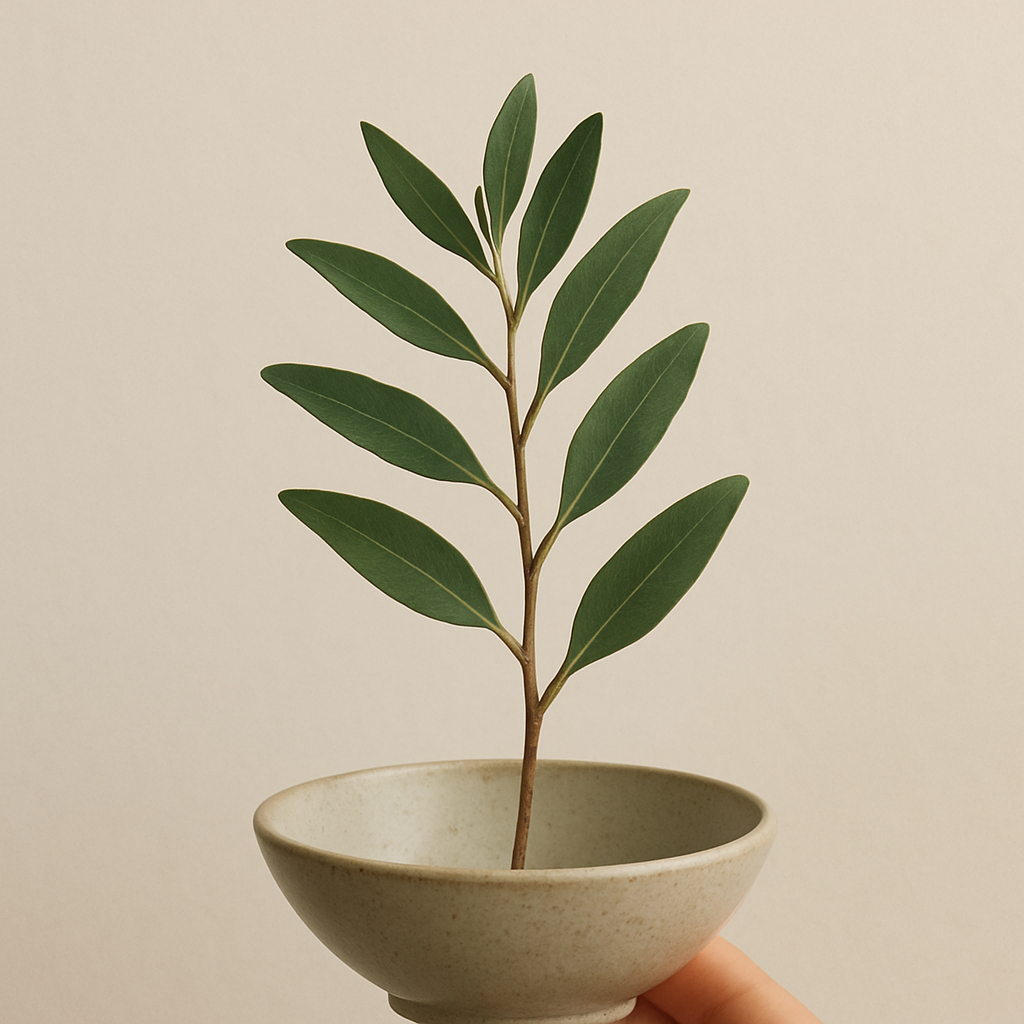
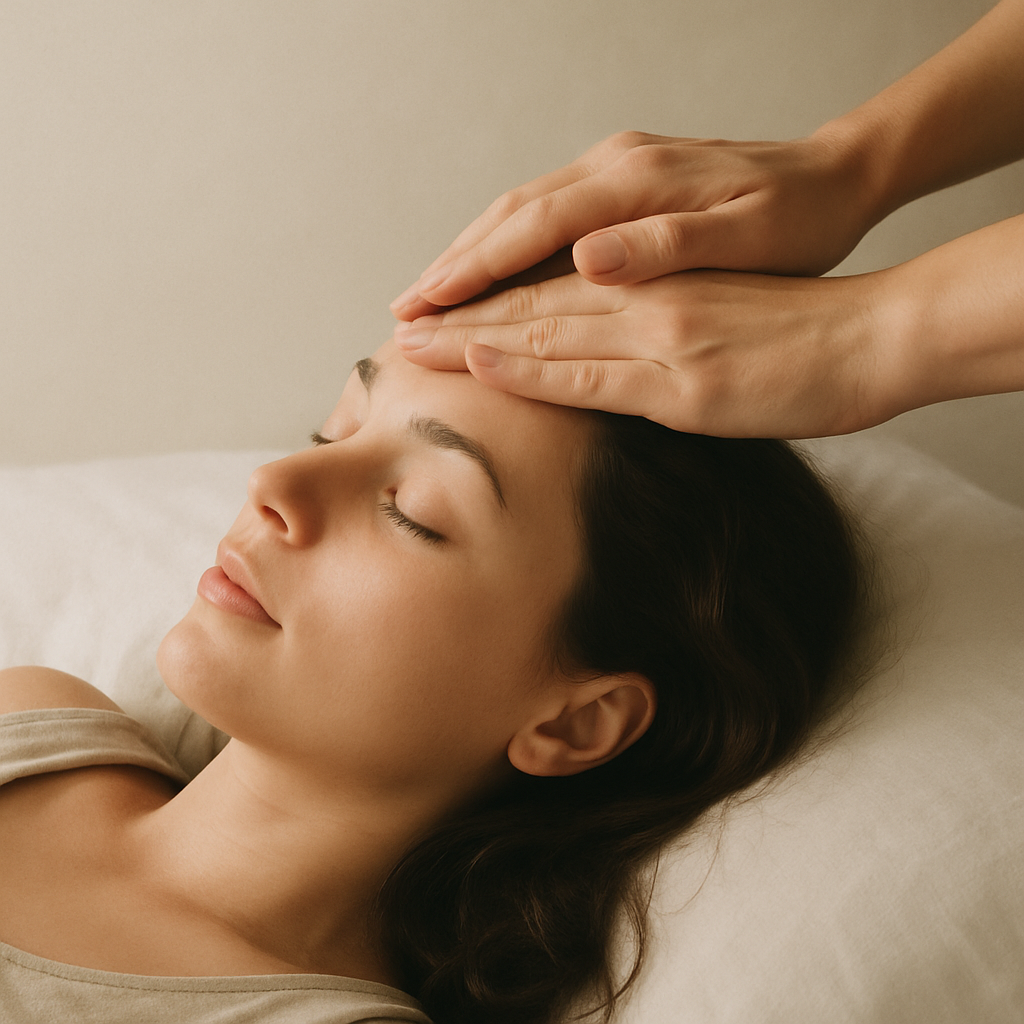
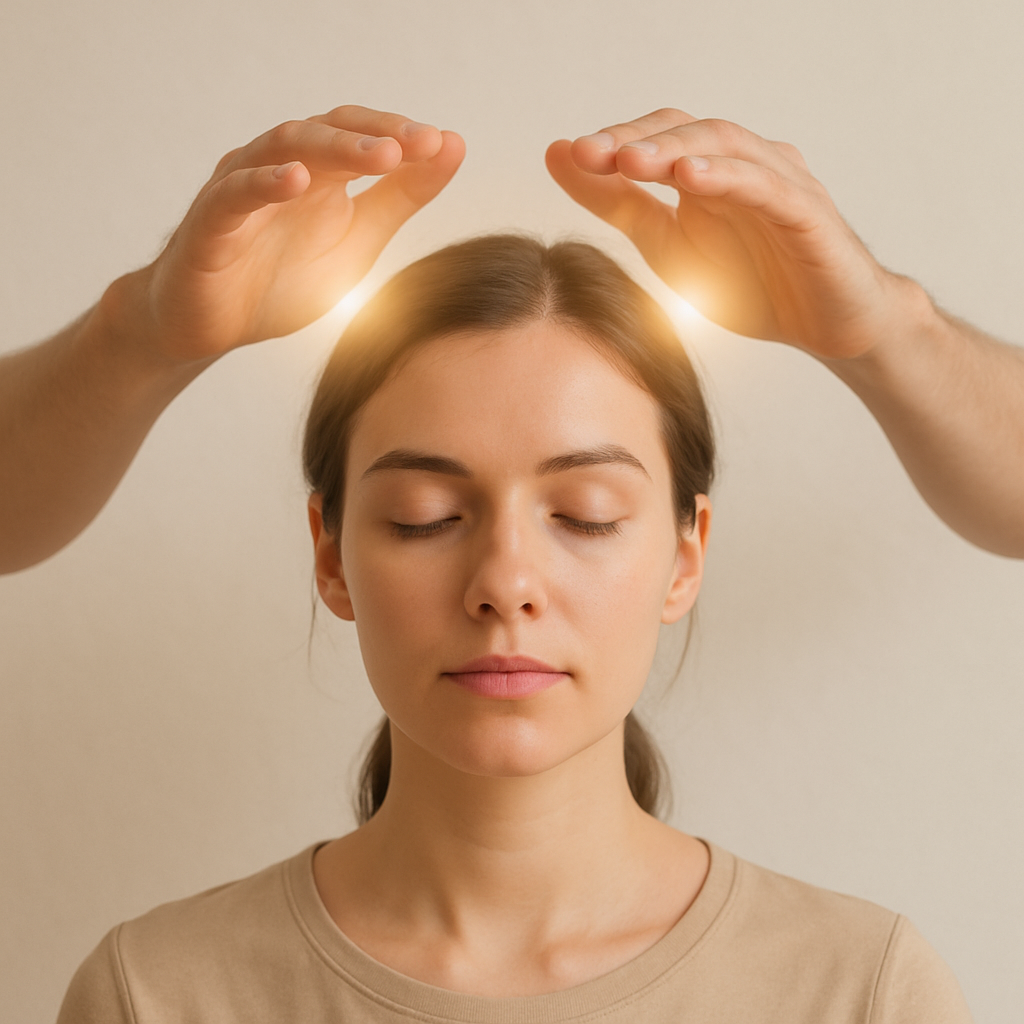
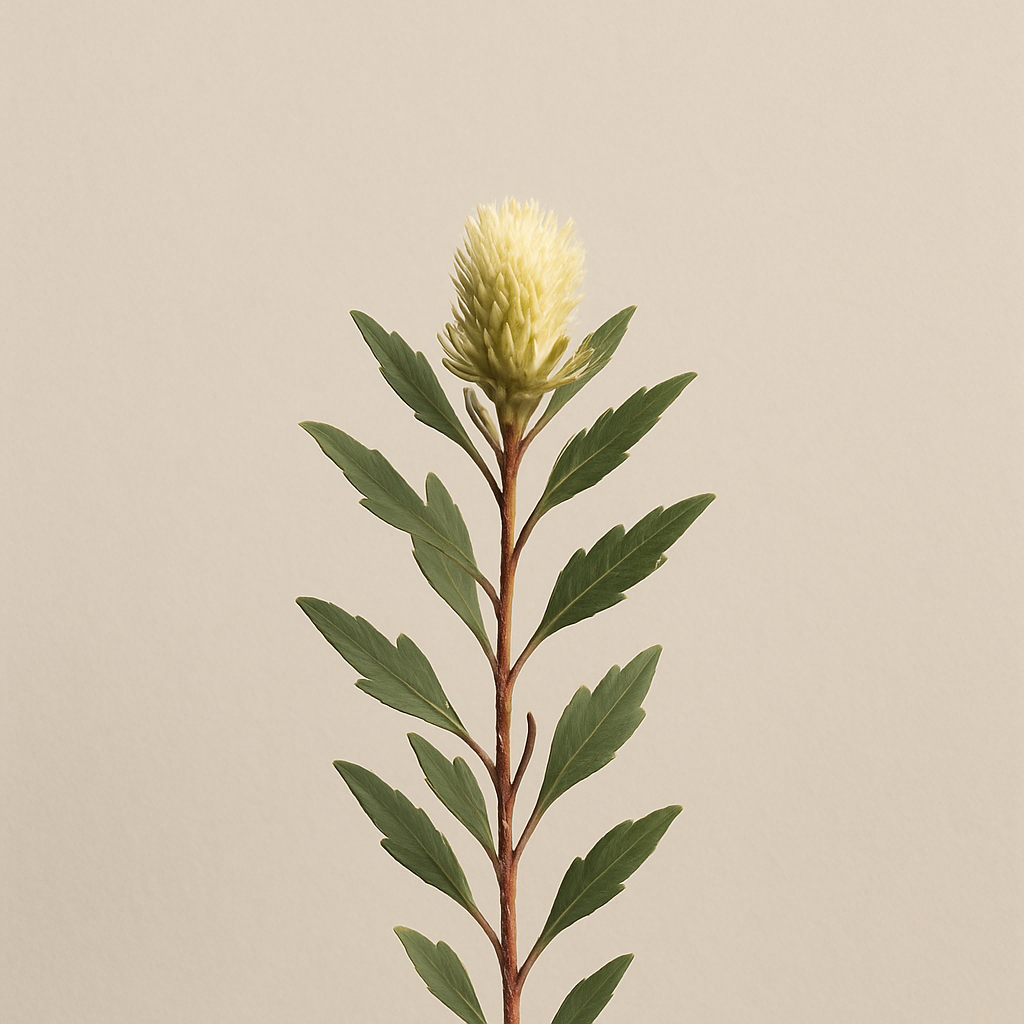
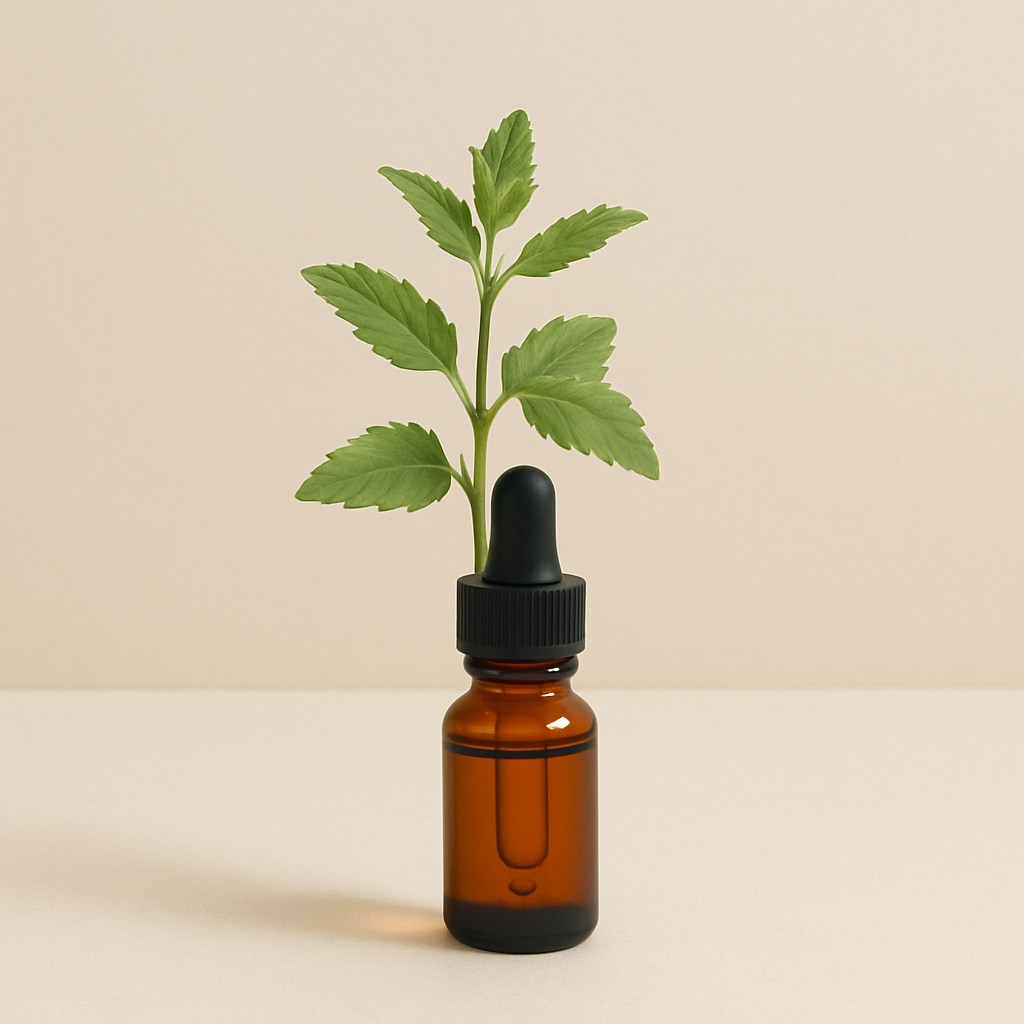
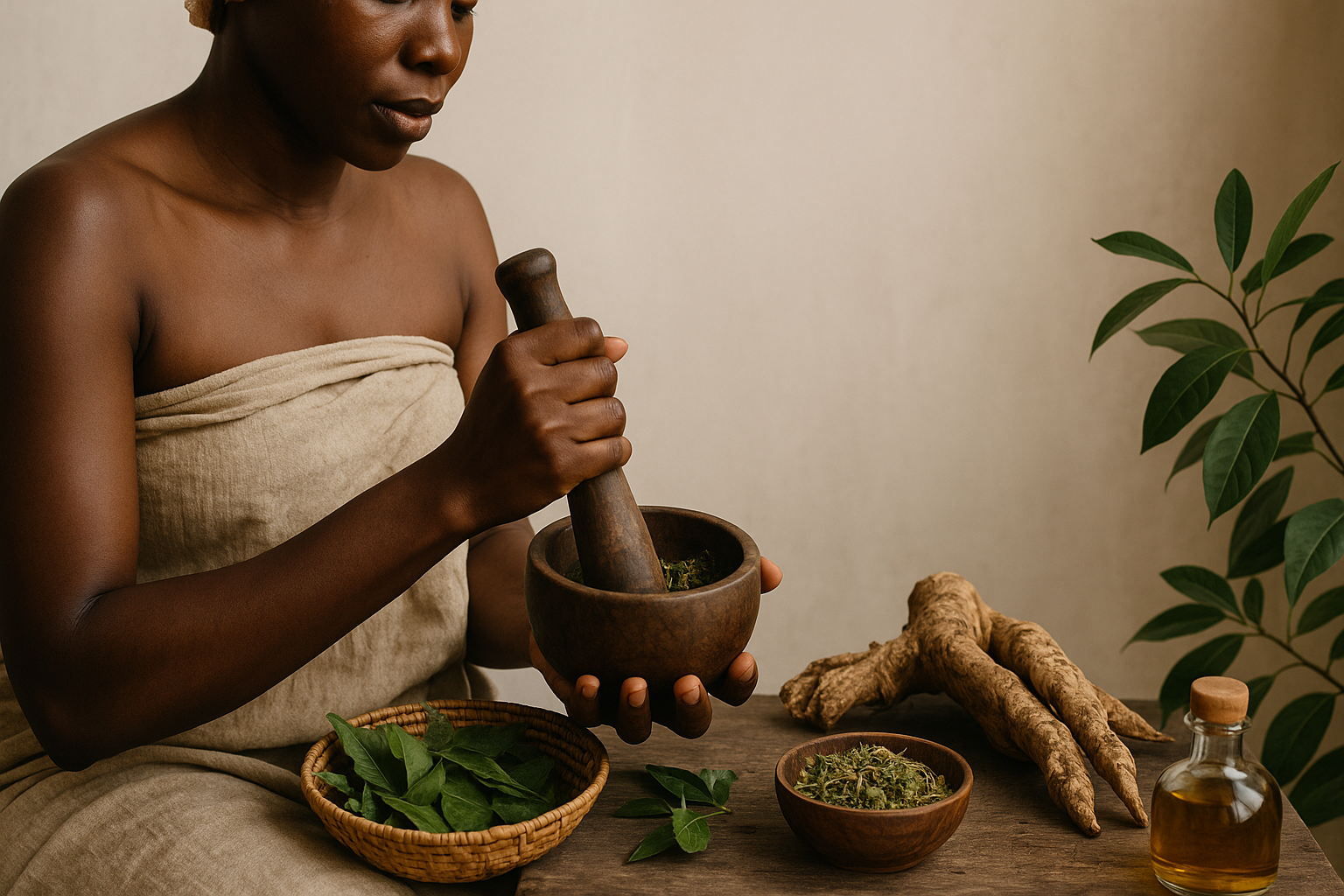
- Traditional Healing Methods: Techniques such as herbal medicine, massage, and energy work may be employed.
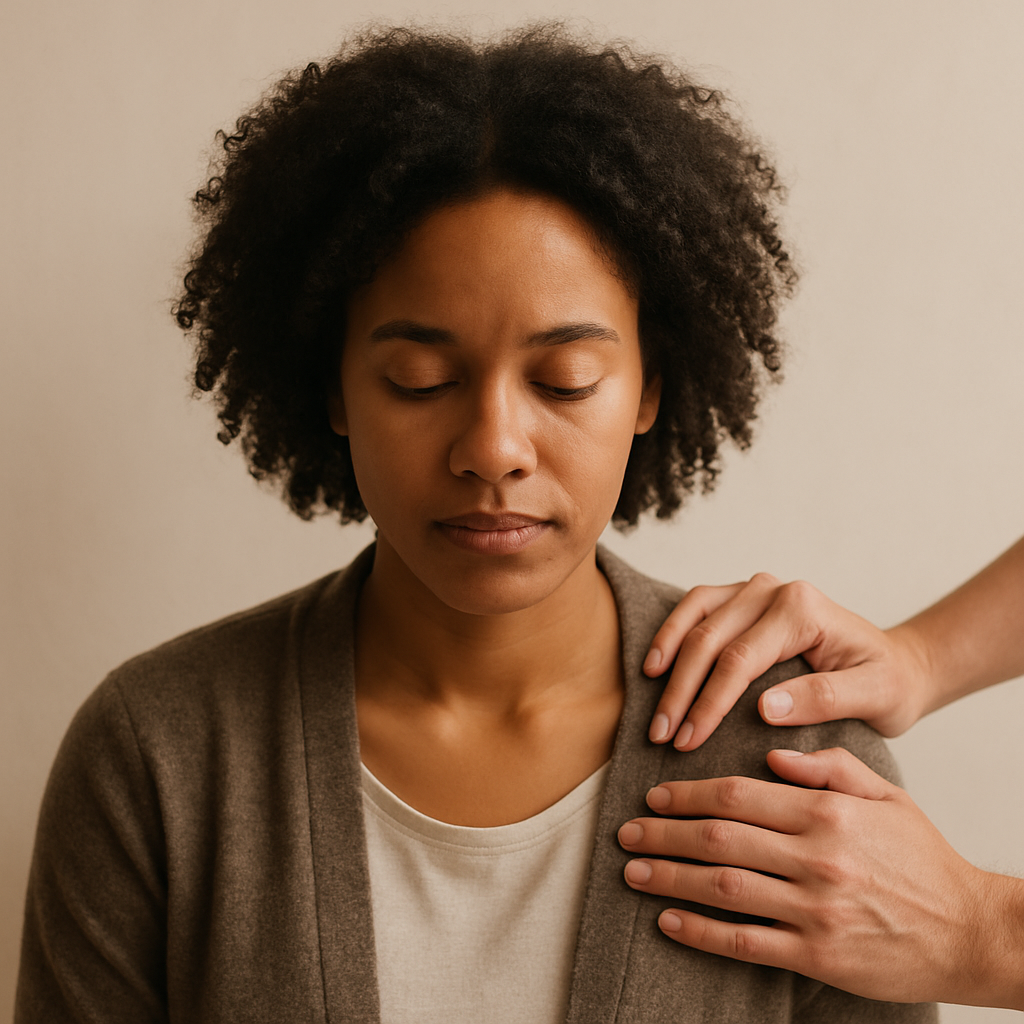
- Cultural Rituals: Participation in ceremonies or rituals that honor the individual’s heritage and foster a sense of community.
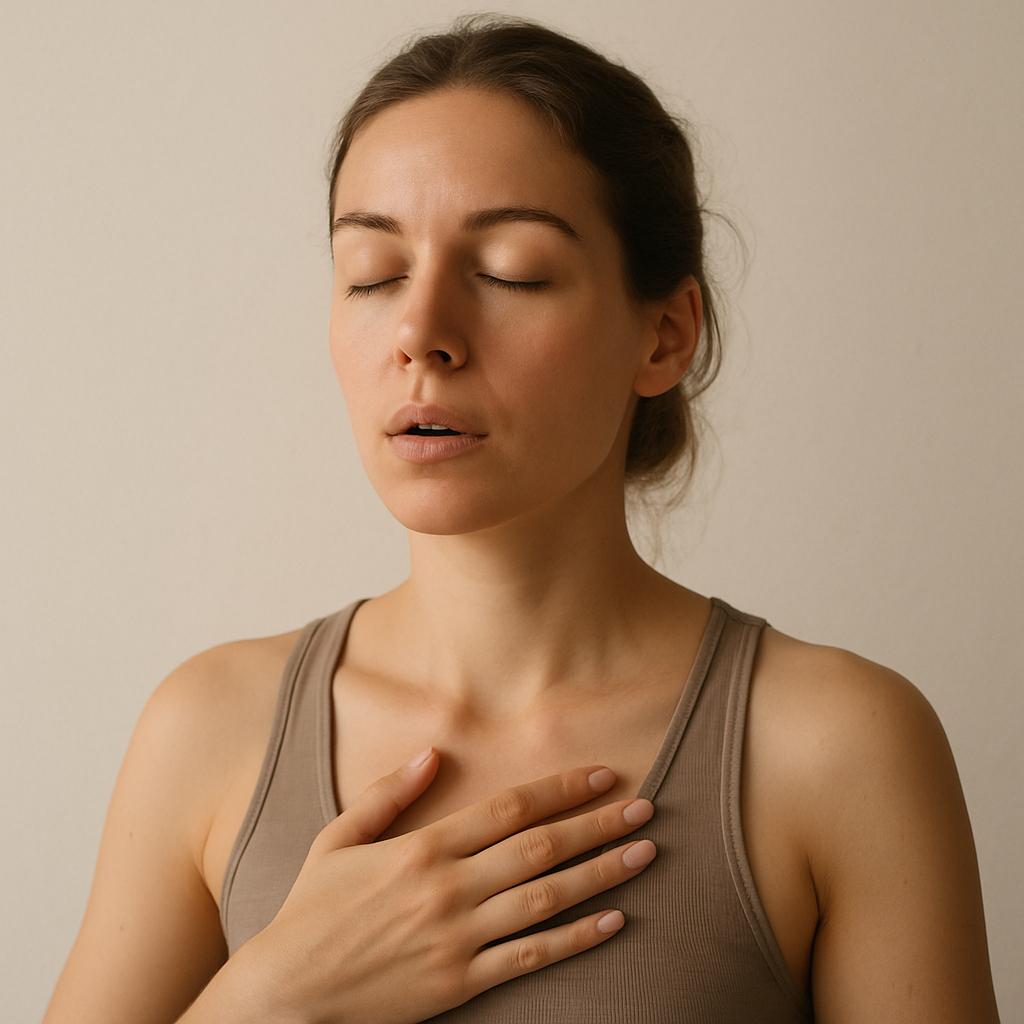
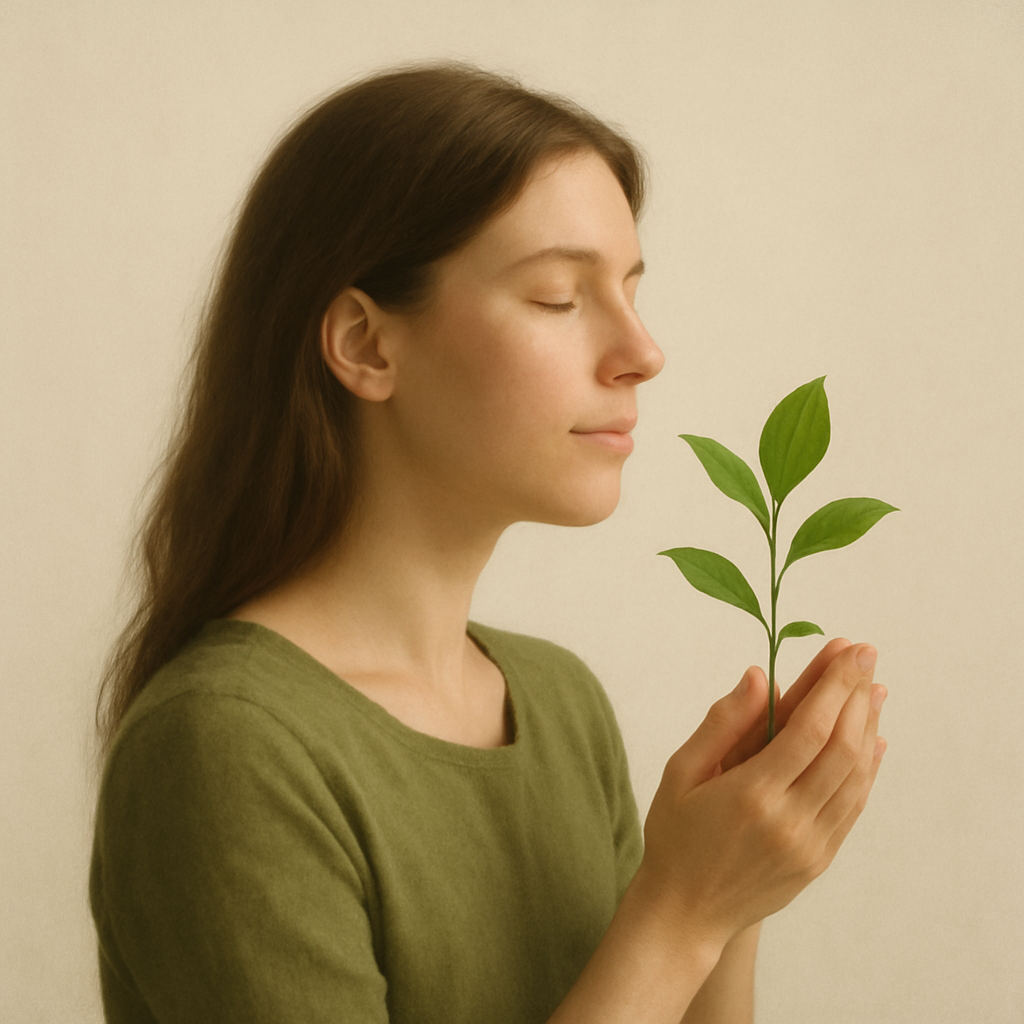
- Personal Empowerment: Encouragement for individuals to engage in self-care practices and connect with nature.
- Follow-Up: Regular check-ins to assess progress and adjust treatment methods as needed.
What It Is Traditionally Explored For
Holistic Recovery is traditionally used for a variety of concerns, including:
- Emotional distress, such as anxiety and depression
- Physical ailments, including chronic pain and digestive issues
- Spiritual disconnection and a sense of loss
- Seeking balance in life and improving overall well-being
- Enhancing resilience and coping mechanisms
These practices aim to address the root causes of discomfort, promoting healing on multiple levels.
What Modern Research Suggests
While traditional practices like Holistic Recovery have been largely based on anecdotal evidence and cultural wisdom, modern research is beginning to explore their efficacy. Preliminary studies suggest that holistic approaches can positively impact mental health, reduce stress, and improve overall quality of life. For example, some research indicates that mindfulness and connection to nature, often integral to holistic practices, can enhance emotional well-being.
However, it is crucial to approach these findings with caution. Much of the available research is still in its early stages, and while promising, more comprehensive studies are needed to establish the effectiveness of specific holistic interventions within Aboriginal Medicine.
Safety, Contraindications & Who Should Skip
While Holistic Recovery can be beneficial for many, it is important to consider safety and contraindications. Individuals with severe medical conditions or those currently undergoing conventional medical treatments should consult with their healthcare provider before engaging in holistic practices. Additionally, those with allergies to specific herbs or natural ingredients should approach herbal remedies with caution.
Generally, individuals who are pregnant, have serious mental health issues, or are taking medications that may interact with herbal treatments should seek guidance and may need to skip certain practices until further evaluation.
Pairs Well With (within Aboriginal Medicine and across pillars)
Holistic Recovery can complement various modalities within Aboriginal Medicine and beyond. Related practices include:
- Spiritual Healing
- Traditional Herbalism
- Energy Healing
- Massage Therapy
- Mindfulness Practices
How to Find a Qualified Practitioner
Finding a qualified practitioner in Holistic Recovery involves researching individuals who are knowledgeable in Aboriginal Medicine and have a strong connection to their cultural heritage. Consider the following steps:
- Seek recommendations from trusted sources or community members.
- Look for practitioners who are recognized by Indigenous health organizations.
- Check for certifications or training in holistic or traditional healing.
- Schedule an initial consultation to discuss your needs and assess compatibility.
FAQs (5)
What is Holistic Recovery?
Holistic Recovery is a practice within Aboriginal Medicine that focuses on healing the mind, body, and spirit through traditional methods.
How does Holistic Recovery differ from conventional medicine?
Holistic Recovery emphasizes the interconnectedness of all aspects of health, while conventional medicine often focuses on treating specific symptoms or illnesses.
Can anyone participate in Holistic Recovery?
While many can benefit, individuals with severe medical conditions should consult their healthcare provider before engaging in holistic practices.
What types of techniques are used in Holistic Recovery?
Techniques can include herbal medicine, energy work, and cultural rituals, among others.
Is there scientific evidence supporting Holistic Recovery?
Preliminary research suggests potential benefits of holistic practices, but more studies are needed for conclusive evidence.
Frequently asked
What is Holistic Recovery?
Holistic Recovery is a practice within Aboriginal Medicine that focuses on healing the mind, body, and spirit through traditional methods.
How does Holistic Recovery differ from conventional medicine?
Holistic Recovery emphasizes the interconnectedness of all aspects of health, while conventional medicine often focuses on treating specific symptoms or illnesses.
Can anyone participate in Holistic Recovery?
While many can benefit, individuals with severe medical conditions should consult their healthcare provider before engaging in holistic practices.
What types of techniques are used in Holistic Recovery?
Techniques can include herbal medicine, energy work, and cultural rituals, among others.
Is there scientific evidence supporting Holistic Recovery?
Preliminary research suggests potential benefits of holistic practices, but more studies are needed for conclusive evidence.