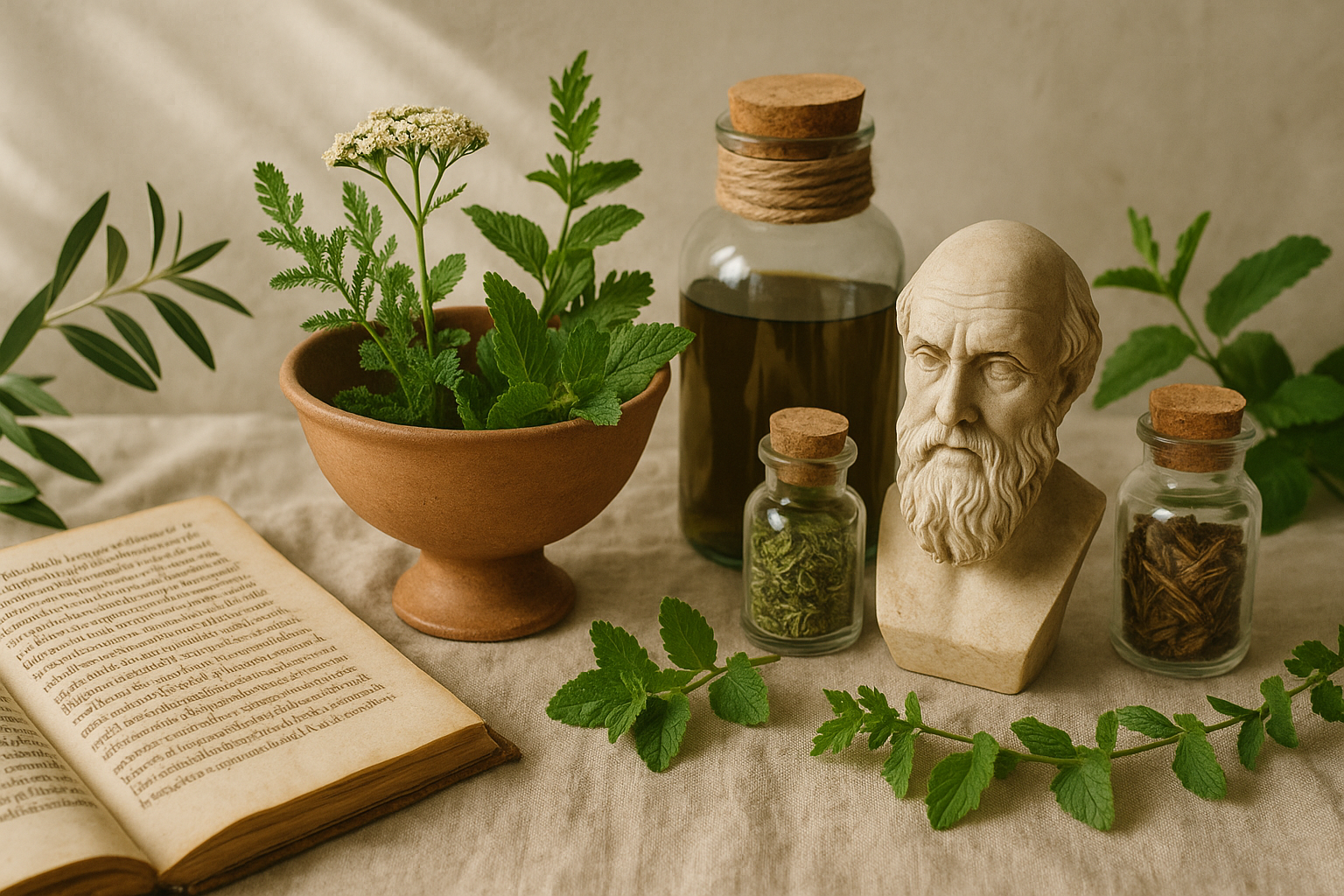
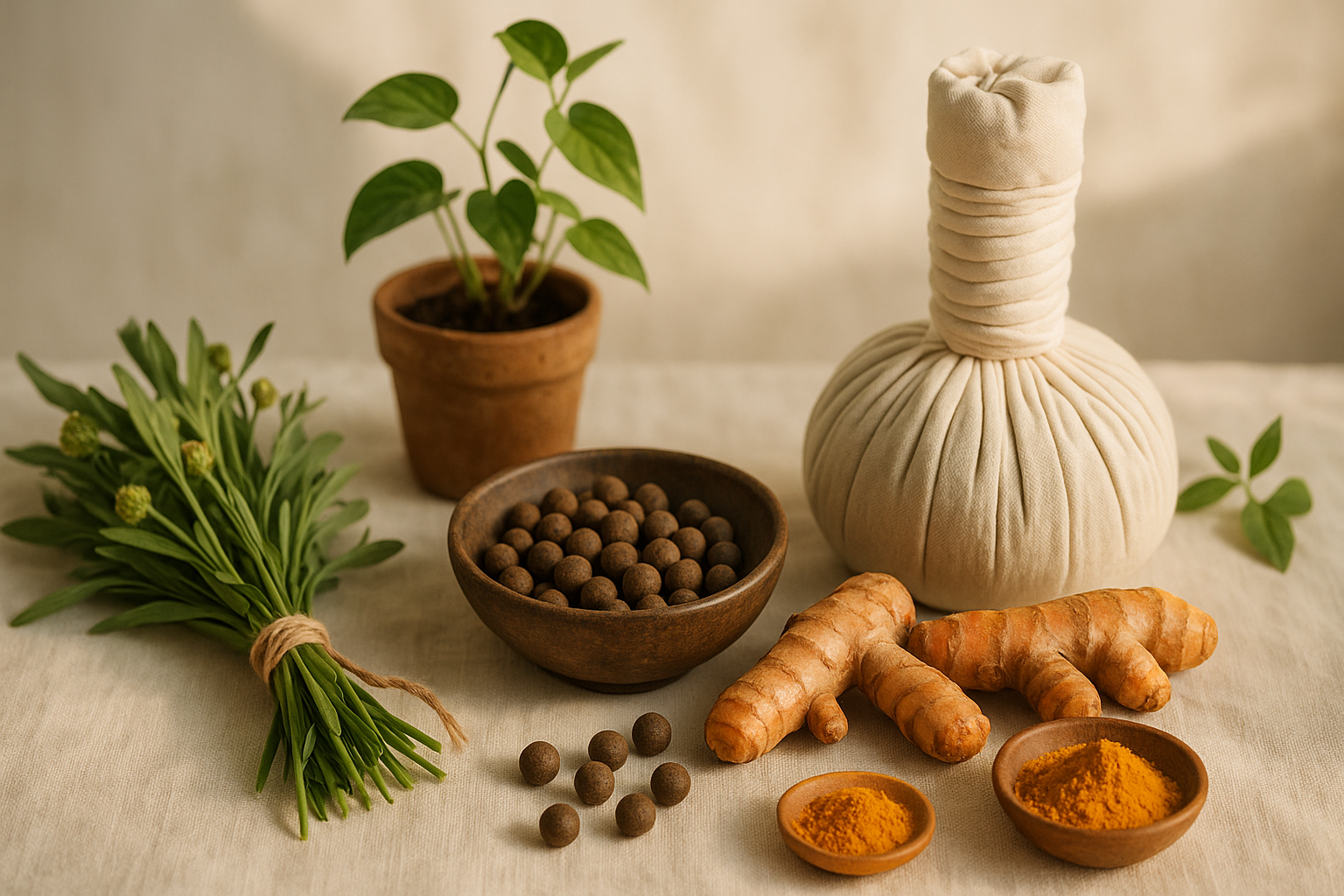
Sacred Land Practices
Discover the significance and practices of Sacred Land Practices in Aboriginal Medicine, including its historical roots and modern relevance.
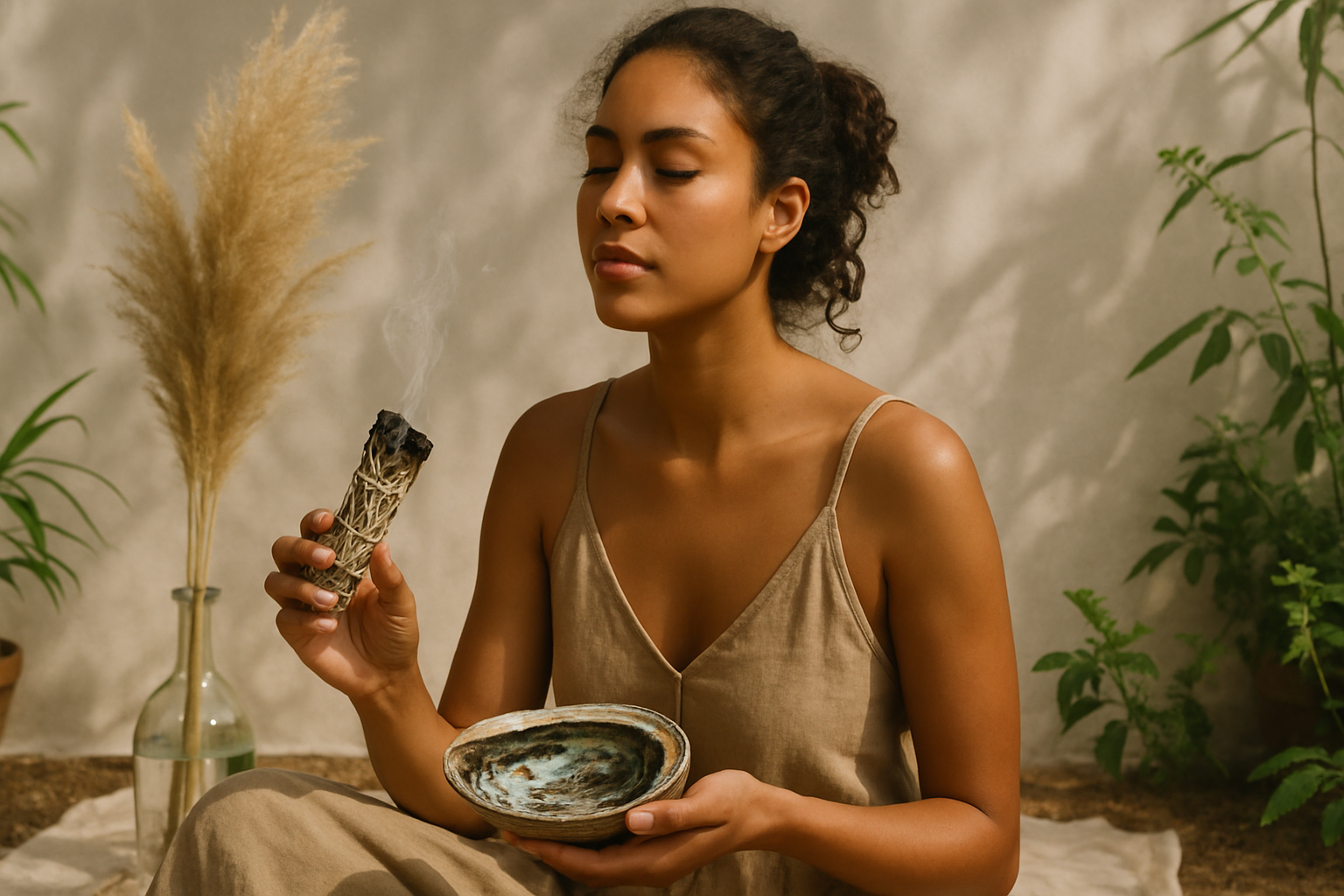
Explore Sacred Land Practices within Aboriginal Medicine, its historical context, modern applications, and safety considerations.
What It Is
Sacred Land Practices refer to the traditional methods employed by Aboriginal cultures to connect with the land, recognizing its inherent spiritual and medicinal properties. These practices encompass a deep understanding of the natural environment, where the land is viewed not just as a resource, but as a living entity imbued with spirit and knowledge. The rituals and ceremonies associated with Sacred Land Practices aim to foster harmony between individuals and their surroundings, promoting healing and well-being.
At the core of these practices is the belief that the land holds wisdom that can guide individuals in their health and spiritual journeys. This connection involves various elements, including storytelling, rituals, and the use of native plants and animals as part of holistic healing. Sacred Land Practices are often performed in specific locations deemed sacred, enhancing the spiritual experience and reinforcing the bond between the people and their ancestral lands.
Historical Context Within Aboriginal Medicine
Sacred Land Practices have been integral to Aboriginal Medicine for thousands of years, emerging from the deep spiritual traditions of Indigenous peoples across Australia. These practices were developed by ancestors who understood the land's cycles, its flora and fauna, and their interdependence. Elders and community leaders played a crucial role in passing down this knowledge through generations, ensuring that the sacred relationship with the land was maintained.
The connection to the land is often reflected in Aboriginal creation stories, which describe the land's spiritual significance and the responsibilities of the community to care for it. As colonial forces disrupted traditional lifestyles, the importance of maintaining these Sacred Land Practices became even more pronounced in the efforts to preserve cultural identity and heritage.
How It's Practiced
Practitioners of Sacred Land Practices engage with the land through various rituals and activities, often tailored to the specific needs of individuals or communities. Here is a general overview of how these practices are typically conducted:
- Connection to Place: Practitioners identify and honor specific sacred sites that resonate with their cultural beliefs.
- Rituals and Ceremonies: These may include storytelling, dance, and music that celebrate the relationship between people and the land.
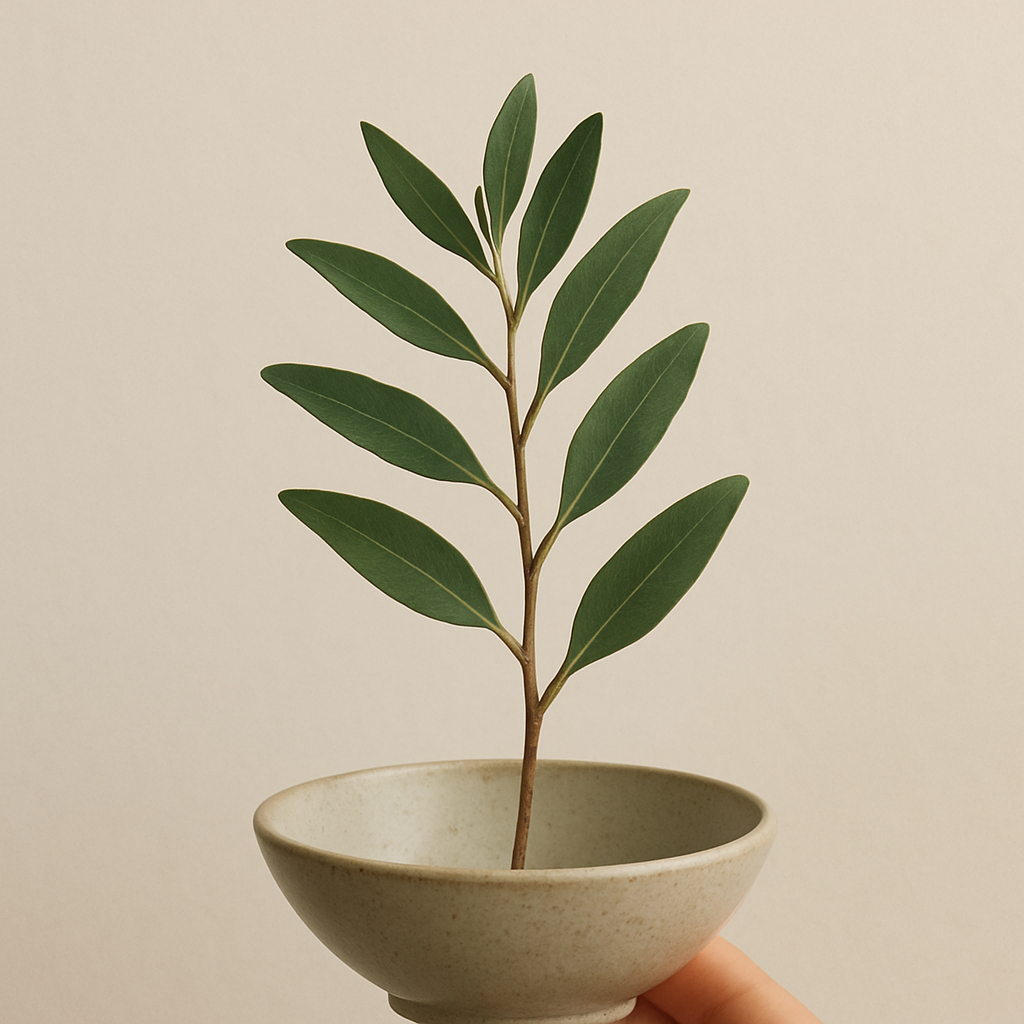
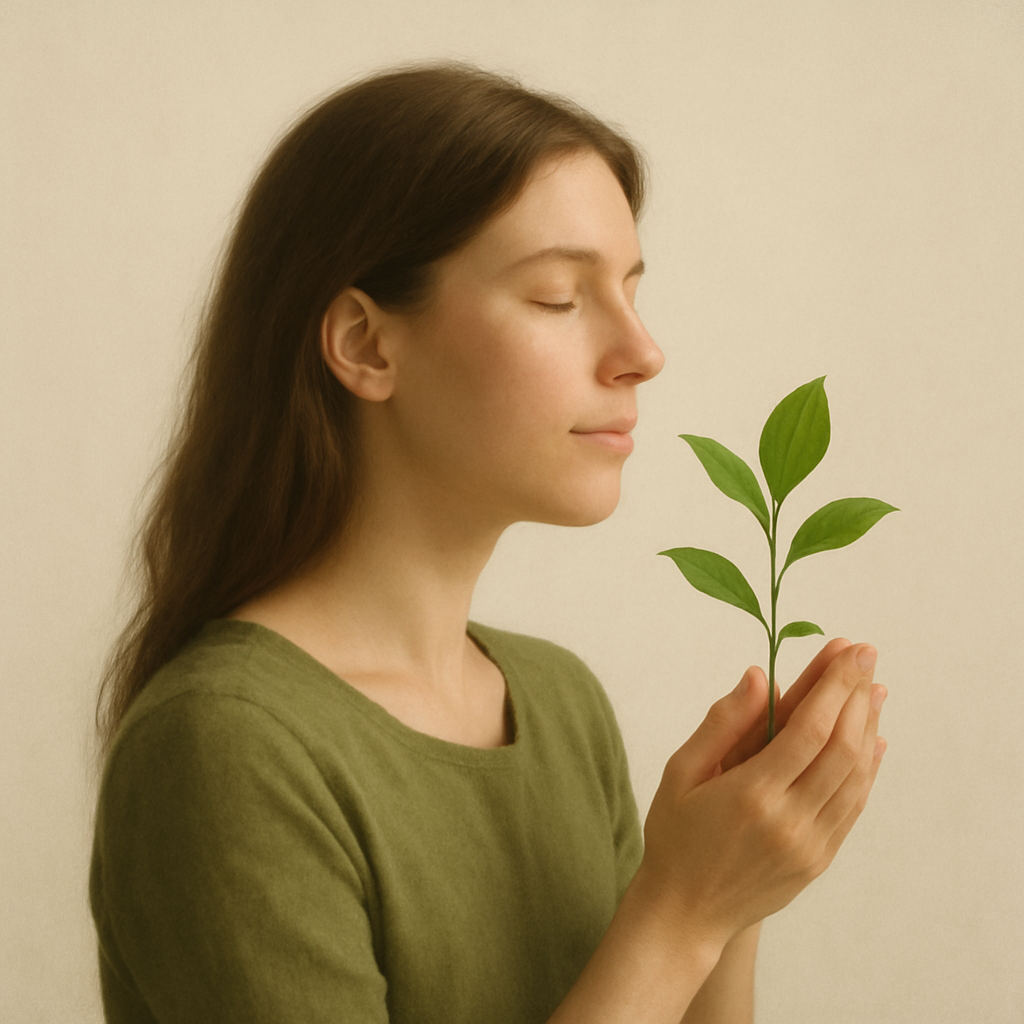
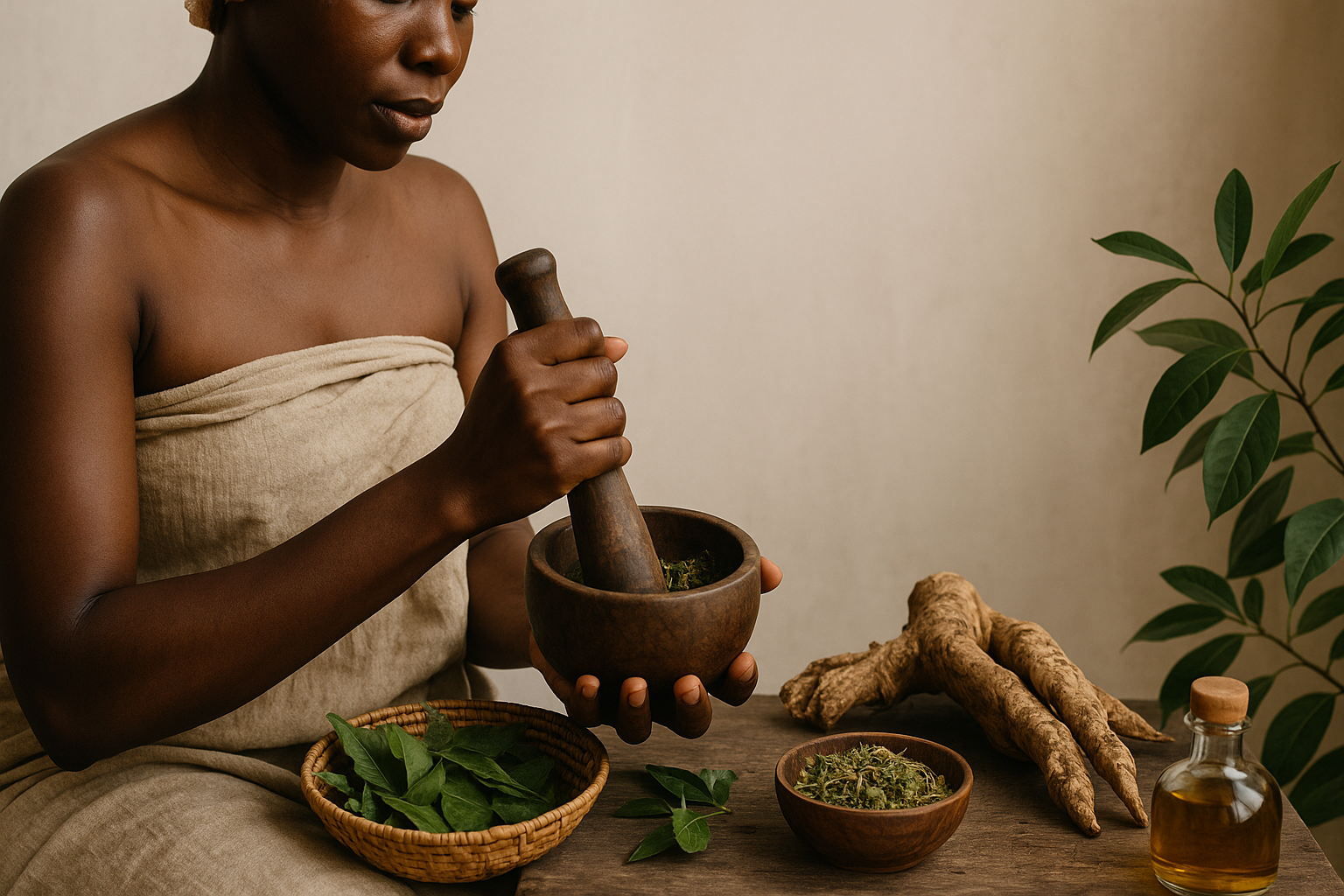
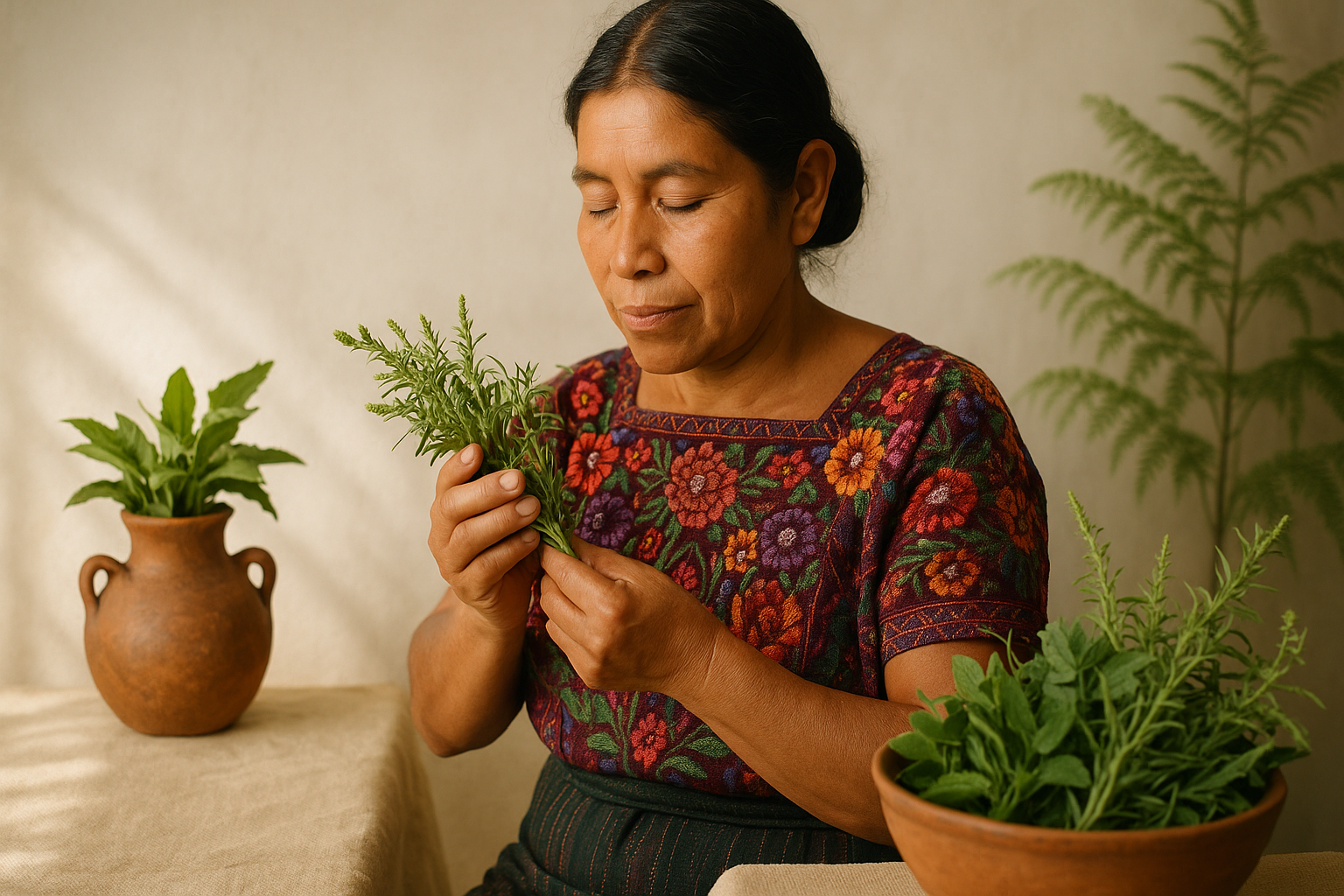
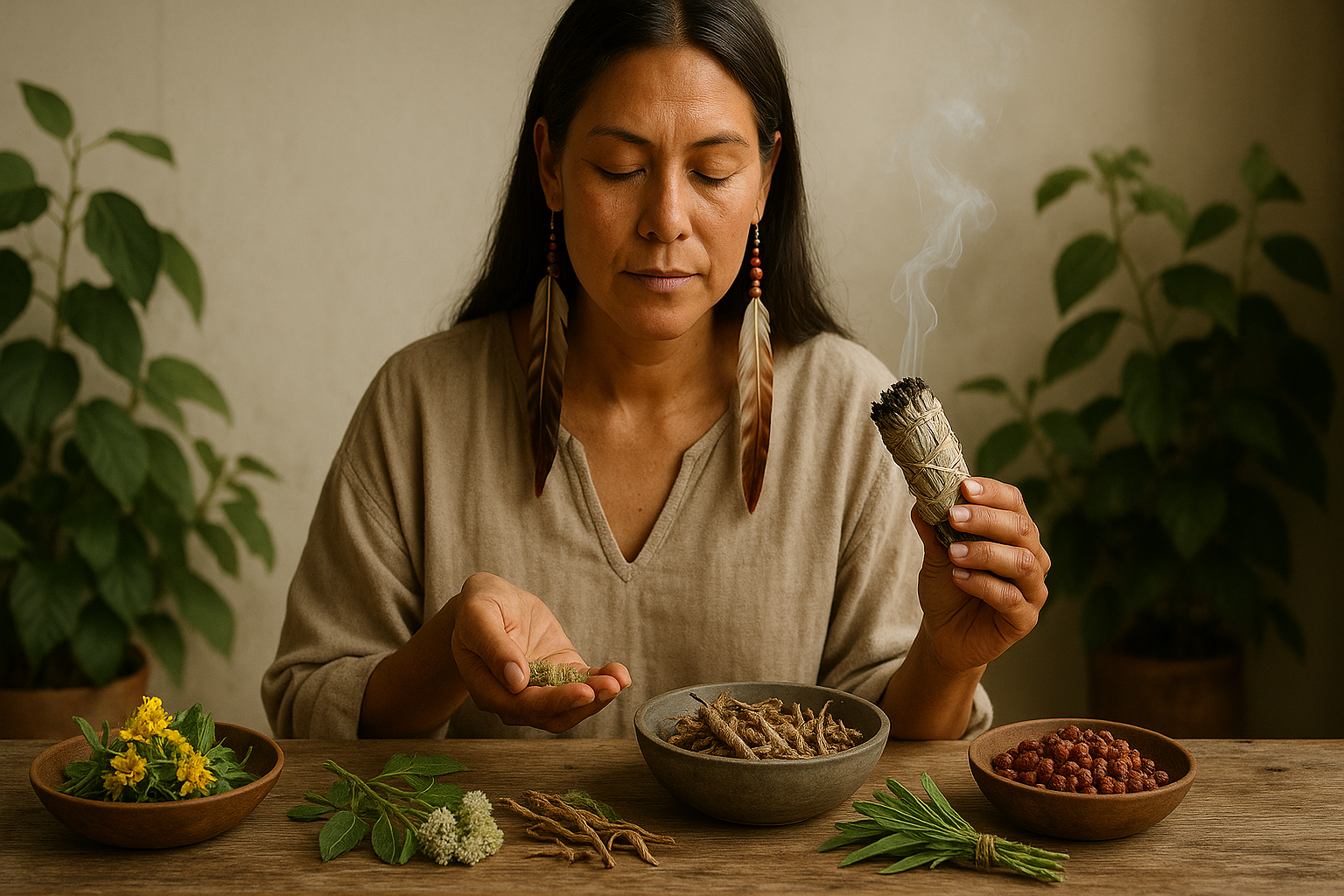
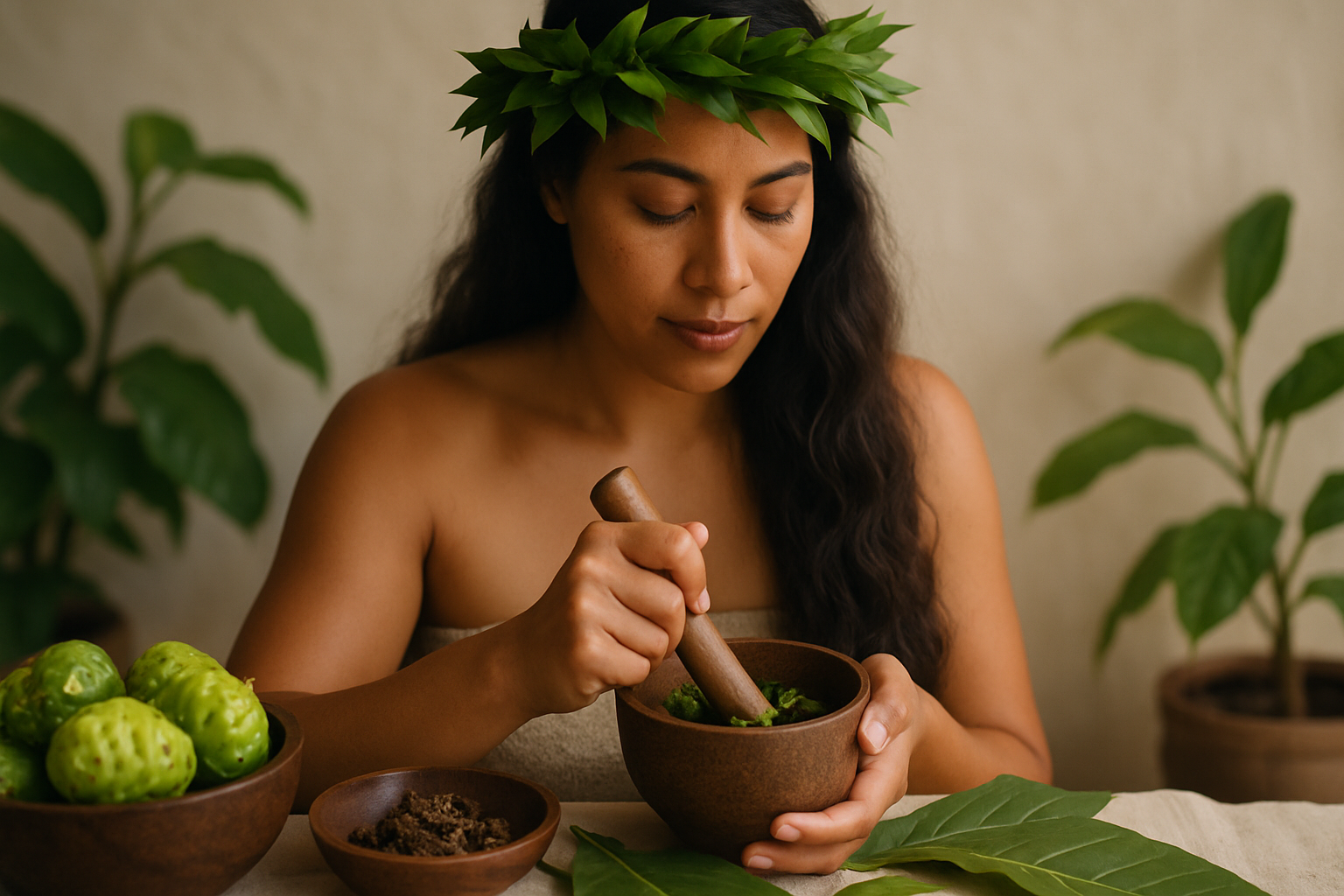
- Use of Native Plants: Practitioners may gather plants for medicinal purposes, using traditional knowledge to prepare remedies.
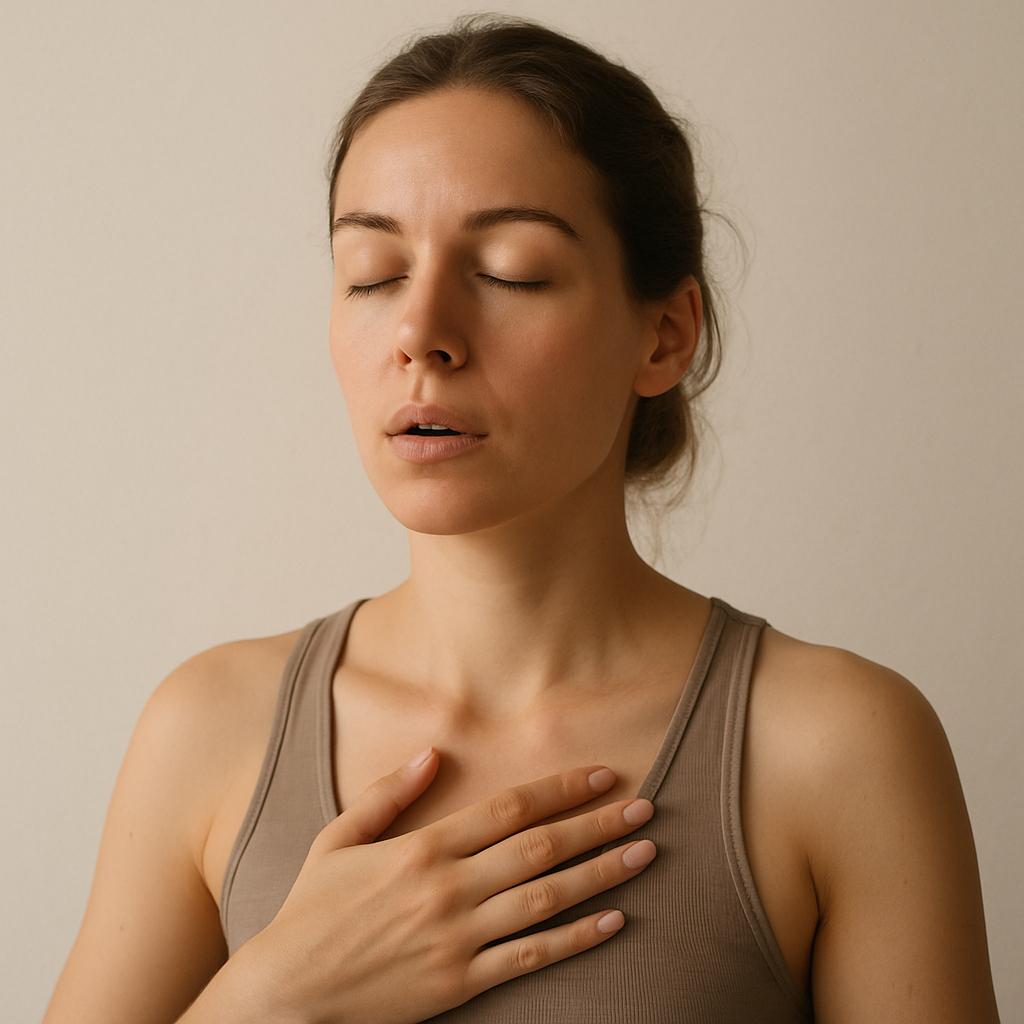
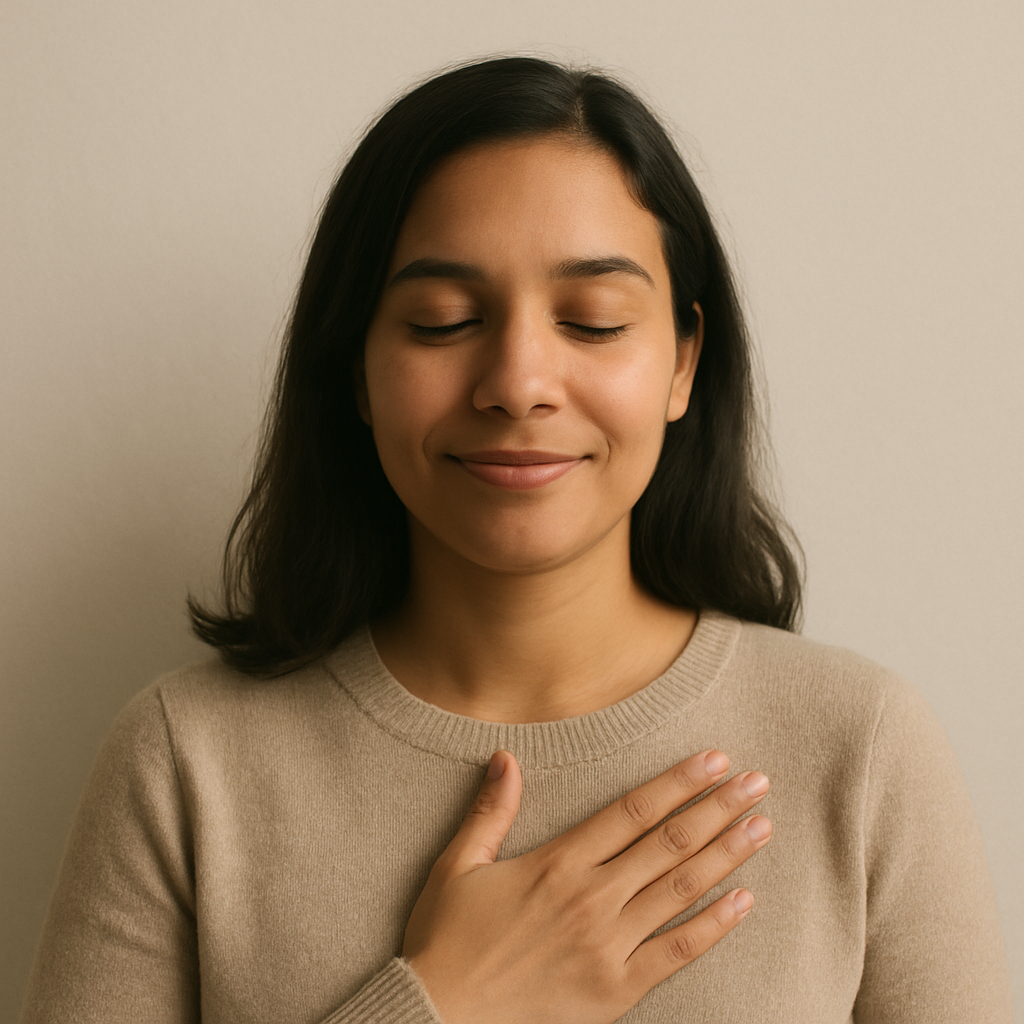
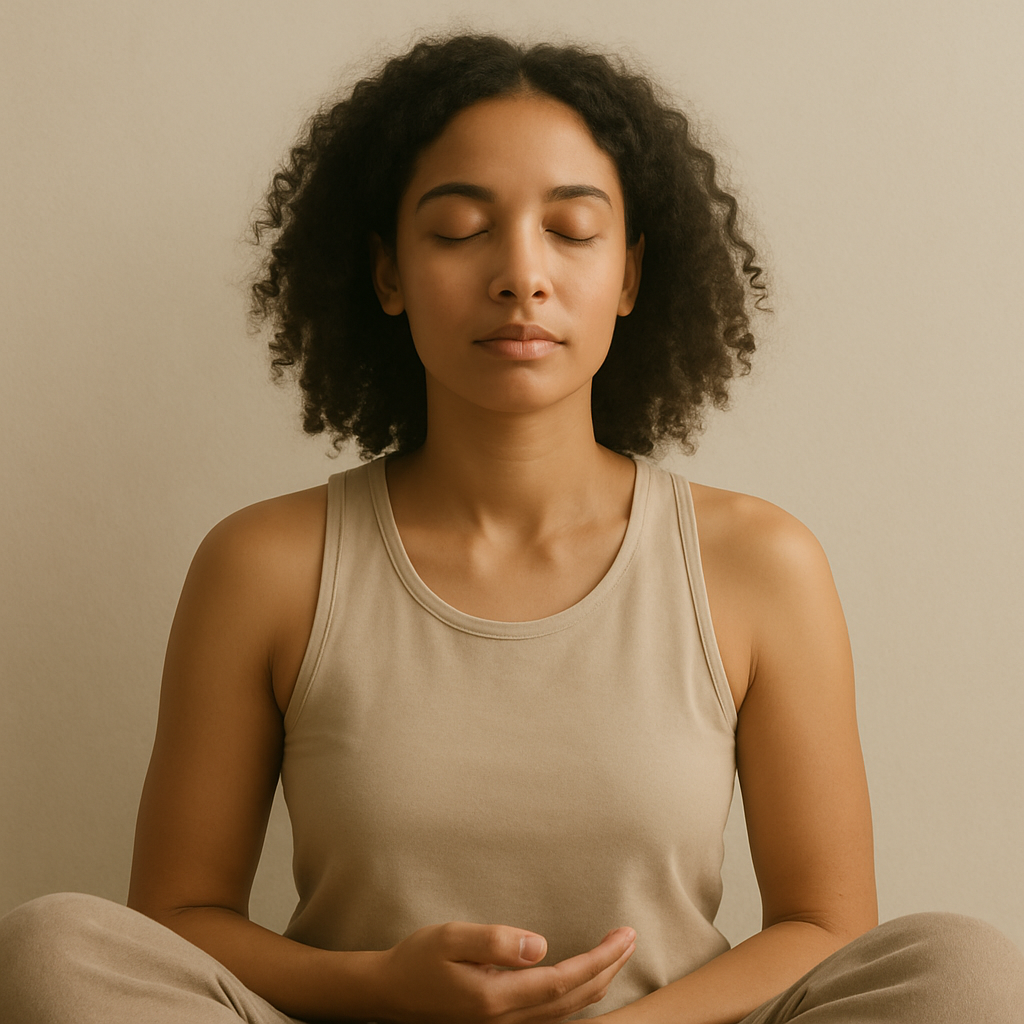
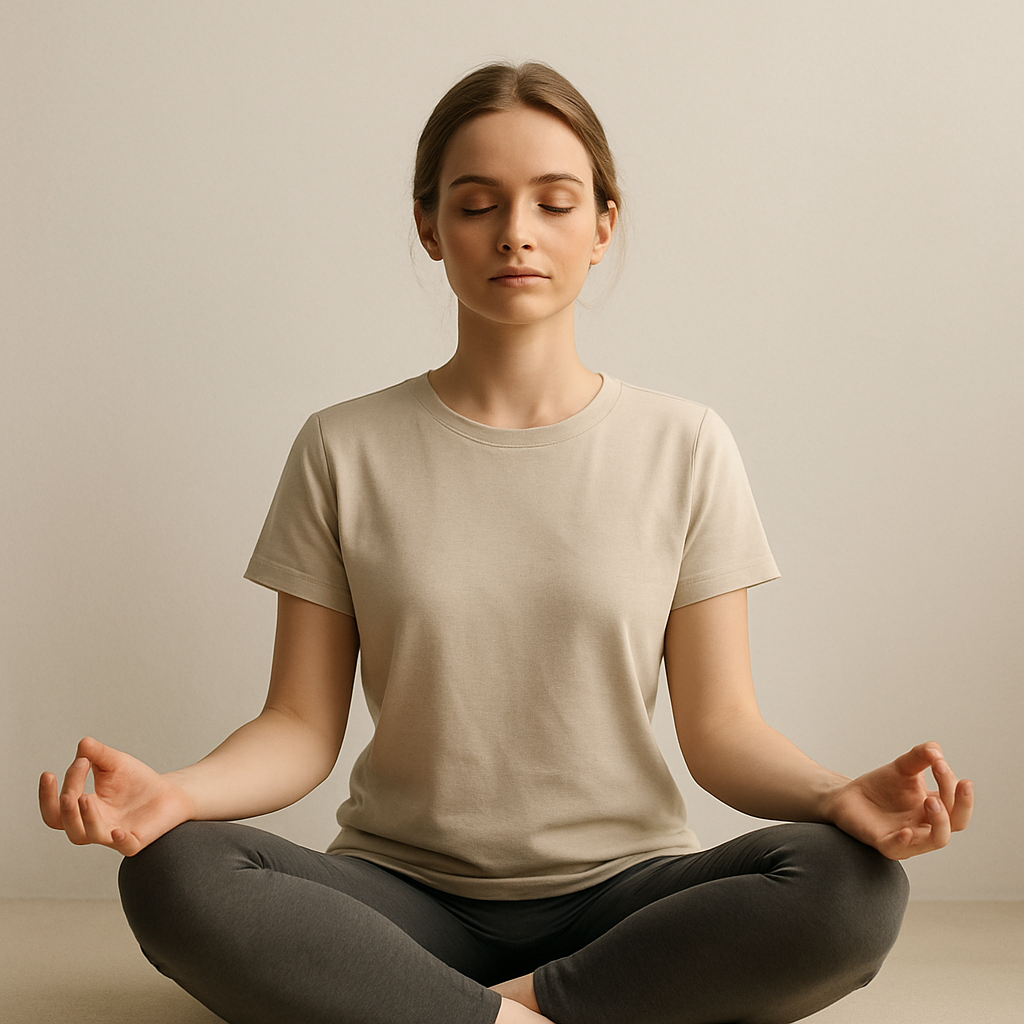
- Mindfulness and Meditation: Individuals may engage in reflective practices while in nature to deepen their connection to the land.
- Community Involvement: Many practices are communal, fostering a sense of belonging and shared responsibility.
What It Is Traditionally Explored For
Sacred Land Practices are traditionally used for various purposes, focused on holistic well-being. Some common goals include:
- Promoting physical health through the use of native plants and herbs.
- Enhancing mental and emotional stability through connection with nature.
- Facilitating spiritual healing and guidance from ancestral spirits.
- Strengthening community bonds and cultural identity.
- Restoring harmony between individuals and their environment.
What Modern Research Suggests
Recent studies have begun to explore the benefits of connecting with nature, aligning with the principles of Sacred Land Practices. Research indicates that spending time in natural settings can lead to decreased stress, improved mood, and enhanced overall well-being. Some preliminary studies suggest that traditional ecological knowledge, as practiced within Aboriginal cultures, can inform contemporary environmental practices, leading to sustainable land management.
While more research is needed to fully understand the implications of Sacred Land Practices on health, early findings support the idea that these practices, which emphasize the interconnectedness of life, can have profound effects on individual and community health. The integration of traditional practices with modern health approaches may offer innovative pathways to wellness.
Safety, Contraindications & Who Should Skip
While Sacred Land Practices are generally considered safe, individuals should approach them with mindfulness and respect. It is advisable for those who:
- Have allergies to specific plants used in rituals to take precautions.
- Are undergoing medical treatments to consult with healthcare providers before engaging in traditional practices.
- Experience severe mental health issues to seek professional guidance before participation.
Individuals should ensure they are in a safe environment during practices, particularly when engaging in outdoor rituals.
Pairs Well With (within Aboriginal Medicine and across pillars)
Sacred Land Practices complement various other modalities within Aboriginal Medicine and can be paired with:
- Plant Medicine: The use of native herbs and plants for healing.
- Dreamtime Healing: Exploring cultural narratives for insight and guidance.
- Spiritual Ceremonies: Engaging in rituals that honor ancestors and spirits.
- Traditional Massage: Utilizing techniques that enhance physical and spiritual well-being.
How to Find a Qualified Practitioner
Finding a qualified practitioner in Sacred Land Practices involves:
- Seeking recommendations from local Indigenous communities or cultural centers.
- Attending workshops or community events focused on Aboriginal cultural practices.
- Researching practitioners who are recognized by Indigenous organizations for their expertise in traditional practices.
- Ensuring that the practitioner has a strong understanding of the spiritual and cultural significance of their work.
FAQs (5)
What are Sacred Land Practices?
Sacred Land Practices are traditional methods used by Aboriginal cultures to connect spiritually and medicinally with the land.
How do these practices impact health?
They are traditionally used to promote physical, mental, and spiritual well-being through a connection with nature.
Can anyone participate in Sacred Land Practices?
While many practices are open to all, individuals should approach them with respect and caution, especially if they have specific health concerns.
What should I look for in a practitioner?
Seek practitioners knowledgeable about Aboriginal culture, recognized by Indigenous organizations, and who demonstrate respect for traditional practices.
Is there scientific evidence supporting these practices?
Preliminary research suggests that connecting with nature can positively affect health, aligning with the principles of Sacred Land Practices.
Frequently asked
What are Sacred Land Practices?
Sacred Land Practices are traditional methods used by Aboriginal cultures to connect spiritually and medicinally with the land.
How do these practices impact health?
They are traditionally used to promote physical, mental, and spiritual well-being through a connection with nature.
Can anyone participate in Sacred Land Practices?
While many practices are open to all, individuals should approach them with respect and caution, especially if they have specific health concerns.
What should I look for in a practitioner?
Seek practitioners knowledgeable about Aboriginal culture, recognized by Indigenous organizations, and who demonstrate respect for traditional practices.
Is there scientific evidence supporting these practices?
Preliminary research suggests that connecting with nature can positively affect health, aligning with the principles of Sacred Land Practices.