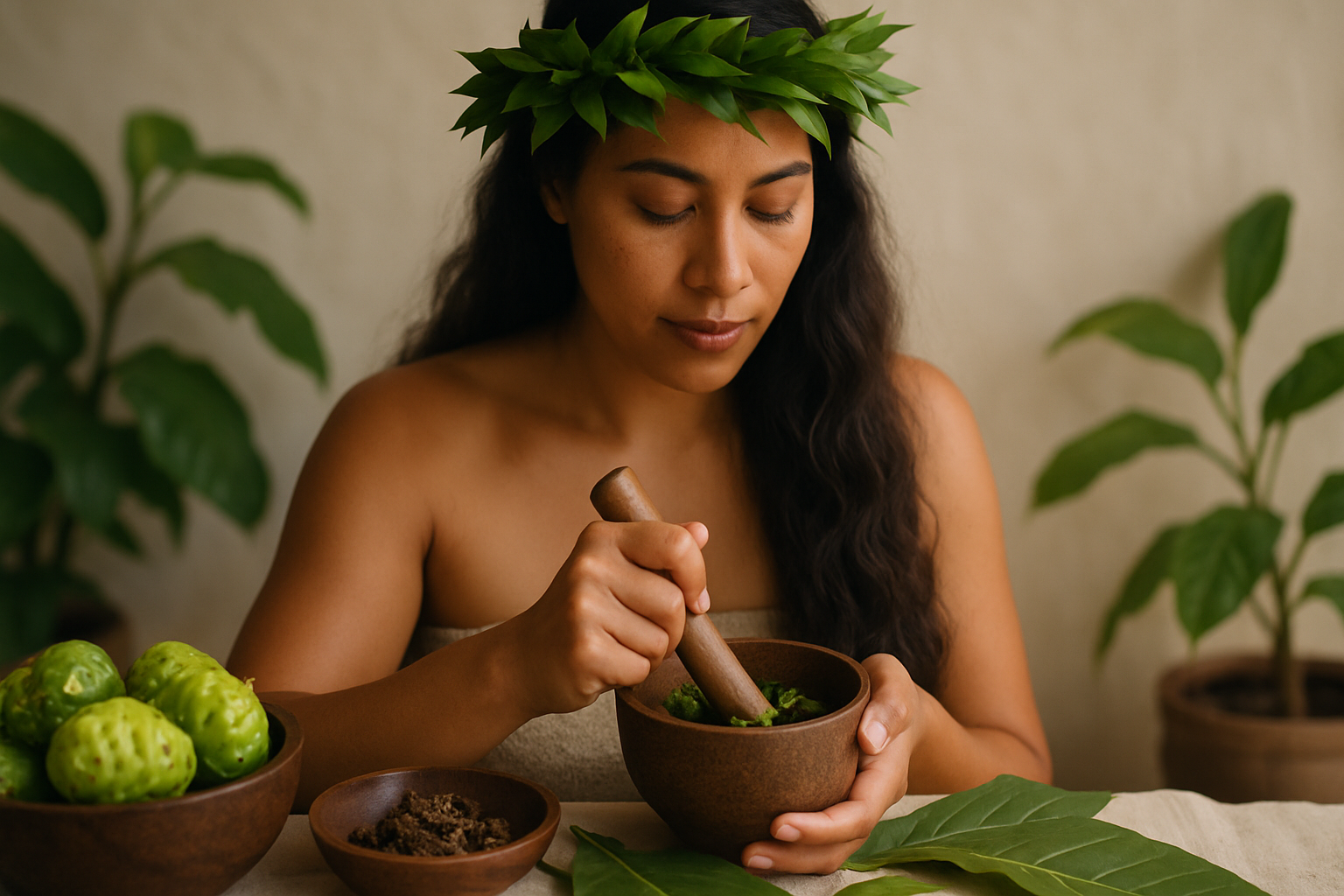
Traditional Nutrition
Dive into the principles of Traditional Nutrition in Aboriginal Medicine, examining its historical roots, practical applications, and contemporary relevance.

Explore Traditional Nutrition within Aboriginal Medicine, a practice rooted in ancient wisdom that emphasizes the connection between food, culture, and health. Discover its historical context, practical applications, and modern research insights.
What It Is
Traditional Nutrition refers to the dietary practices and food philosophies that are integral to Aboriginal Medicine. It encompasses the understanding of food not just as sustenance, but as a vital component of cultural identity, spirituality, and health. This approach emphasizes the consumption of local, seasonal, and traditional foods that have been passed down through generations, which often reflect the unique ecosystems and landscapes of Aboriginal territories.
At its core, Traditional Nutrition is about the relationship between people and their environment. It advocates for a holistic view of health where nutrition is intertwined with physical, emotional, and spiritual well-being. Foods are often selected based on their nutritional properties as well as their cultural significance, which enhances their role in community and family gatherings.
Historical Context Within Aboriginal Medicine
The origins of Traditional Nutrition can be traced back thousands of years to the first Indigenous peoples of Australia and their deep-rooted connections to the land. This practice emerged as a vital part of Aboriginal Medicine, which developed through a rich tapestry of cultural knowledge, spiritual beliefs, and observational learning about the natural world. Elders and traditional healers played a crucial role in the development of these nutritional practices, passing down wisdom about food sources, preparation methods, and the importance of seasonality.
As Aboriginal societies evolved, so too did their dietary practices, influenced by factors such as migration patterns, available resources, and climatic changes. This historical context highlights the adaptability and resilience of Indigenous peoples, as they maintained a profound understanding of their environment and its offerings.
How It's Practiced
The practice of Traditional Nutrition involves several key steps, often guided by experienced practitioners or community elders. Here is a simple walkthrough of how it may be approached:
- Identifying Seasonal Foods: Practitioners observe the natural cycles of the land to determine which foods are in season and abundant.
- Harvesting Techniques: Sustainable harvesting methods are emphasized to ensure the health of ecosystems and future food sources.
- Preparation and Cooking: Traditional cooking methods are employed, often involving communal cooking and sharing meals as a way to strengthen social bonds.
- Education: Knowledge about the nutritional benefits of various foods, along with their cultural significance, is shared within the community.
- Spiritual Practices: Food is often blessed or honored before consumption, reflecting its importance in the community's spiritual life.
What It Is Traditionally Explored For
Traditional Nutrition is often explored for various health-related goals within Aboriginal communities, although it is essential to approach these claims cautiously. Traditionally, it has been used for:
- Enhancing overall well-being and vitality.
- Supporting digestive health through the consumption of fermented and whole foods.
- Boosting immunity with nutrient-rich local plants and animal foods.
- Maintaining cultural identity and connection to heritage through food practices.
- Addressing specific health issues by incorporating traditional remedies alongside dietary changes.
What Modern Research Suggests
Modern research into Traditional Nutrition is still in its early stages, but preliminary studies suggest that many aspects of these dietary practices may have beneficial effects on health. For instance, research has shown that traditional diets, rich in whole foods and low in processed ingredients, can lead to improved metabolic health and reduced risk of chronic diseases.
Additionally, studies exploring the cultural significance of food have highlighted the psychological and social benefits of maintaining traditional eating practices. These findings suggest that reconnecting with traditional foods can enhance mental well-being and strengthen community ties. However, more rigorous scientific research is needed to fully understand the health benefits associated with Traditional Nutrition.
Safety, Contraindications & Who Should Skip
While Traditional Nutrition generally emphasizes wholesome, natural foods, it is important to consider safety and individual health needs. Those with specific dietary restrictions, allergies, or medical conditions should approach Traditional Nutrition with caution and consult with a healthcare professional before making significant dietary changes. Additionally, some traditional foods may not be suitable for everyone due to their unique properties or preparation methods.
Pairs Well With (within Aboriginal Medicine and across pillars)
Traditional Nutrition often complements other modalities within Aboriginal Medicine. Here are some related practices and ingredients:
- Traditional Herbal Medicine
- Spiritual Healing Practices
- Physical Activity and Traditional Games
- Mindfulness and Connection to Nature
- Cultural Storytelling and Education
How to Find a Qualified Practitioner
Finding a qualified practitioner in Traditional Nutrition involves seeking individuals who have a strong understanding of both Aboriginal cultural practices and nutritional knowledge. Here are some tips for finding a practitioner:
- Look for recommendations from local Indigenous communities or organizations.
- Seek practitioners who have formal training in Traditional Medicine as well as experience with community practices.
- Attend workshops or events focused on Aboriginal health and nutrition.
- Engage with local Indigenous health services that may offer Traditional Nutrition consultations.
FAQs (5)
- What is Traditional Nutrition? Traditional Nutrition refers to the dietary practices rooted in Aboriginal culture that emphasize local, seasonal foods and their cultural significance.
- How is Traditional Nutrition practiced? It involves identifying seasonal foods, sustainable harvesting, traditional cooking methods, education, and spiritual practices.
- What are the health benefits of Traditional Nutrition? While traditionally used for various health goals, modern research suggests potential benefits for overall well-being, metabolic health, and community connection.
- Are there any risks associated with Traditional Nutrition? Individuals with specific dietary needs or allergies should consult healthcare professionals before making changes to their diet based on Traditional Nutrition.
- How can I find a Traditional Nutrition practitioner? Seek recommendations from Indigenous communities, attend relevant workshops, and connect with local Indigenous health services.
Frequently asked
What is Traditional Nutrition?
Traditional Nutrition refers to the dietary practices rooted in Aboriginal culture that emphasize local, seasonal foods and their cultural significance.
How is Traditional Nutrition practiced?
It involves identifying seasonal foods, sustainable harvesting, traditional cooking methods, education, and spiritual practices.
What are the health benefits of Traditional Nutrition?
While traditionally used for various health goals, modern research suggests potential benefits for overall well-being, metabolic health, and community connection.
Are there any risks associated with Traditional Nutrition?
Individuals with specific dietary needs or allergies should consult healthcare professionals before making changes to their diet based on Traditional Nutrition.
How can I find a Traditional Nutrition practitioner?
Seek recommendations from Indigenous communities, attend relevant workshops, and connect with local Indigenous health services.