Meditation
Discover the role of meditation in Aboriginal Medicine, its historical roots, traditional uses, and modern insights.
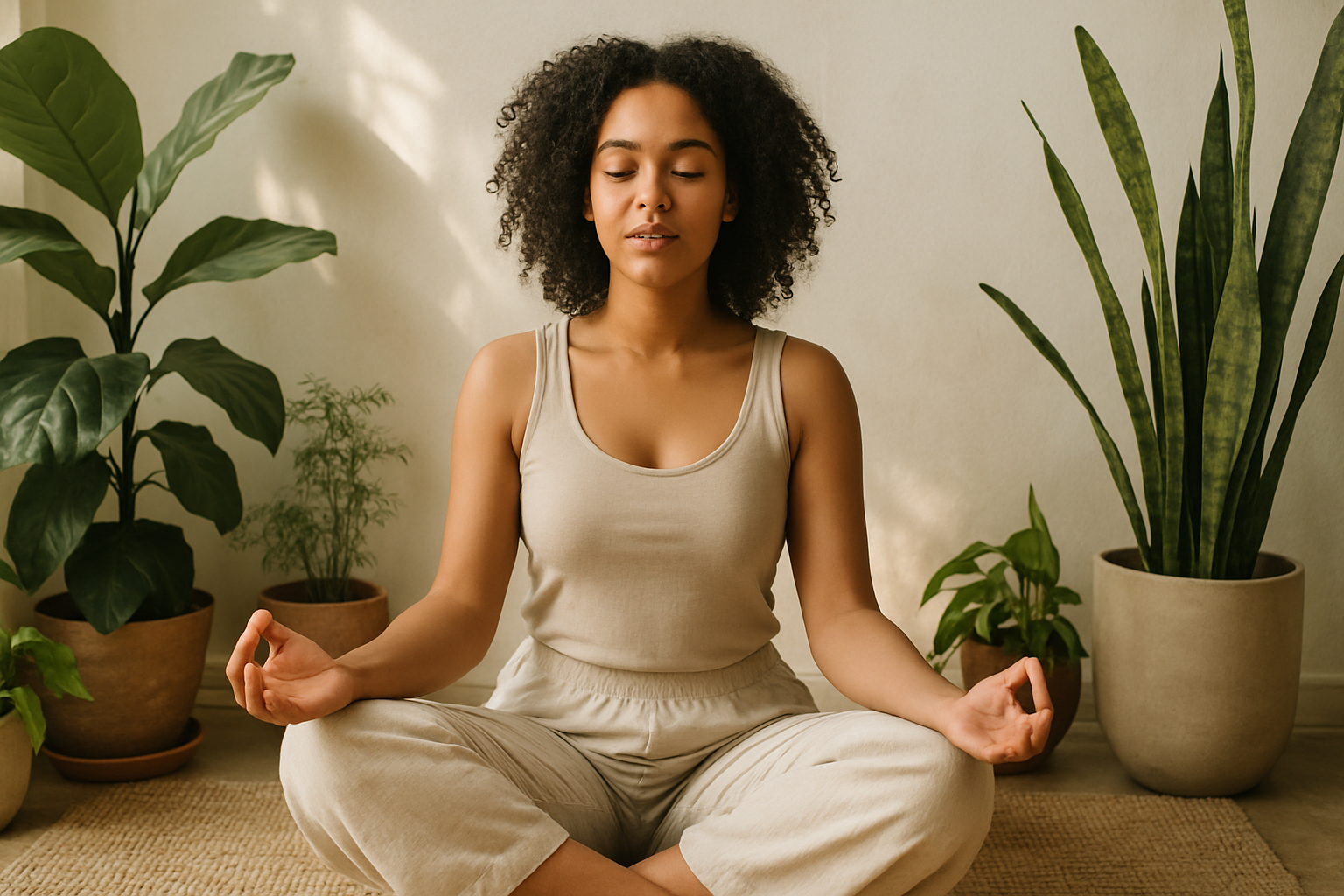
Explore the ancient practice of meditation within Aboriginal Medicine, uncovering its historical roots, traditional uses, and modern research insights. Learn how to practice, the safety considerations, and how to find qualified practitioners.
What It Is
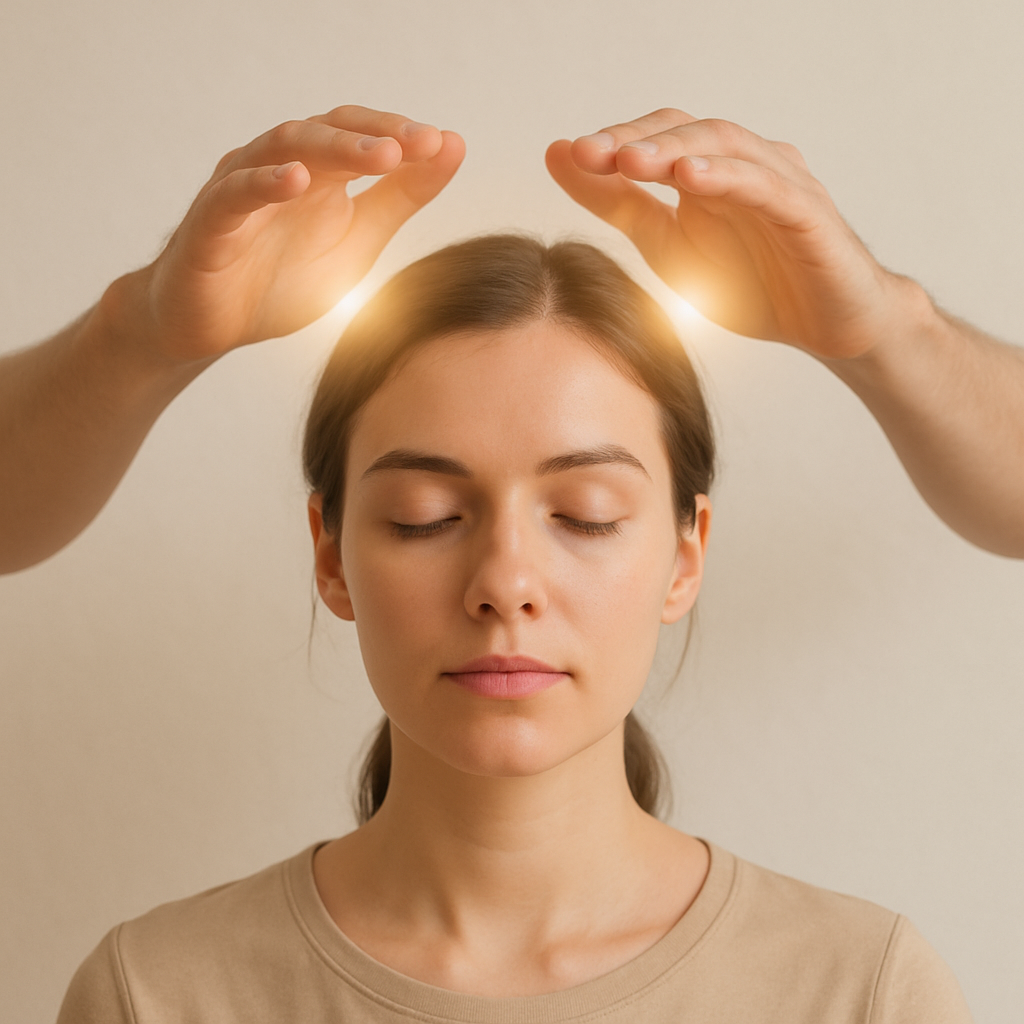
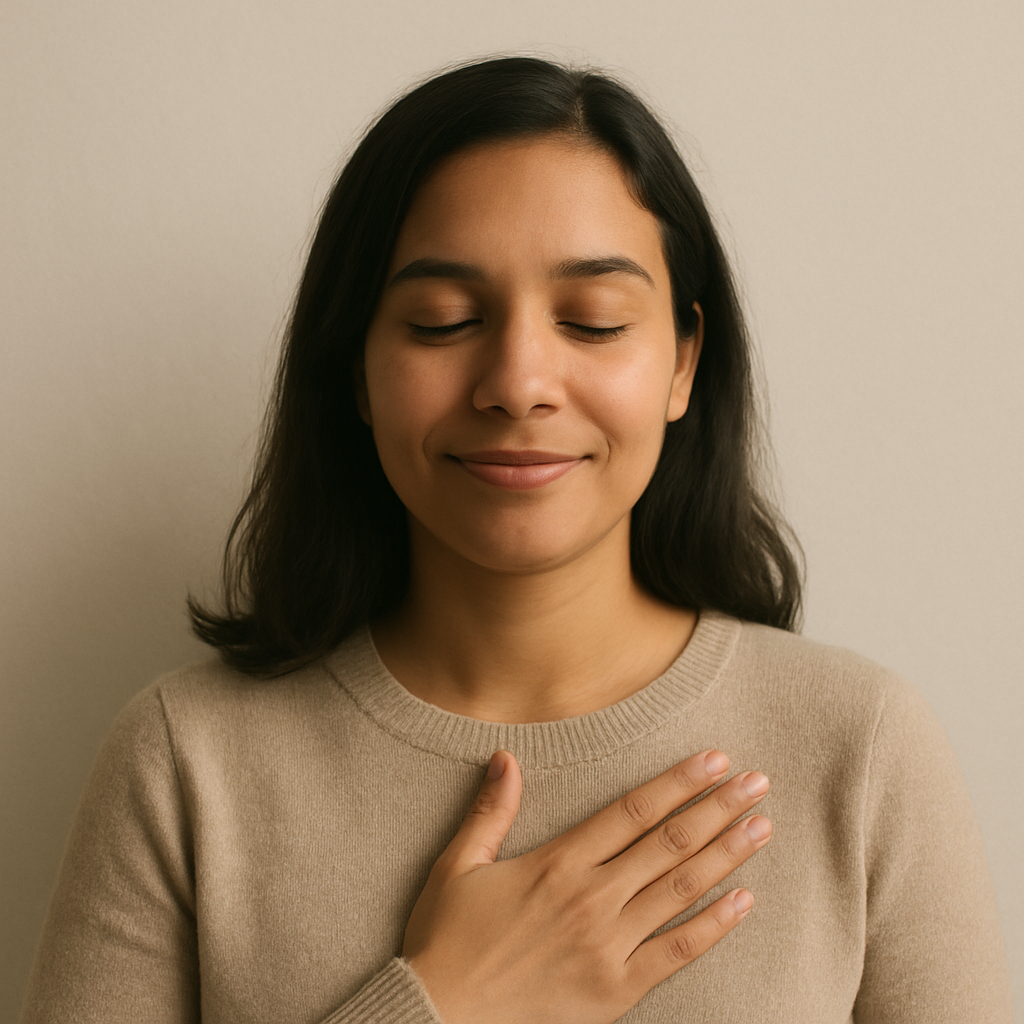
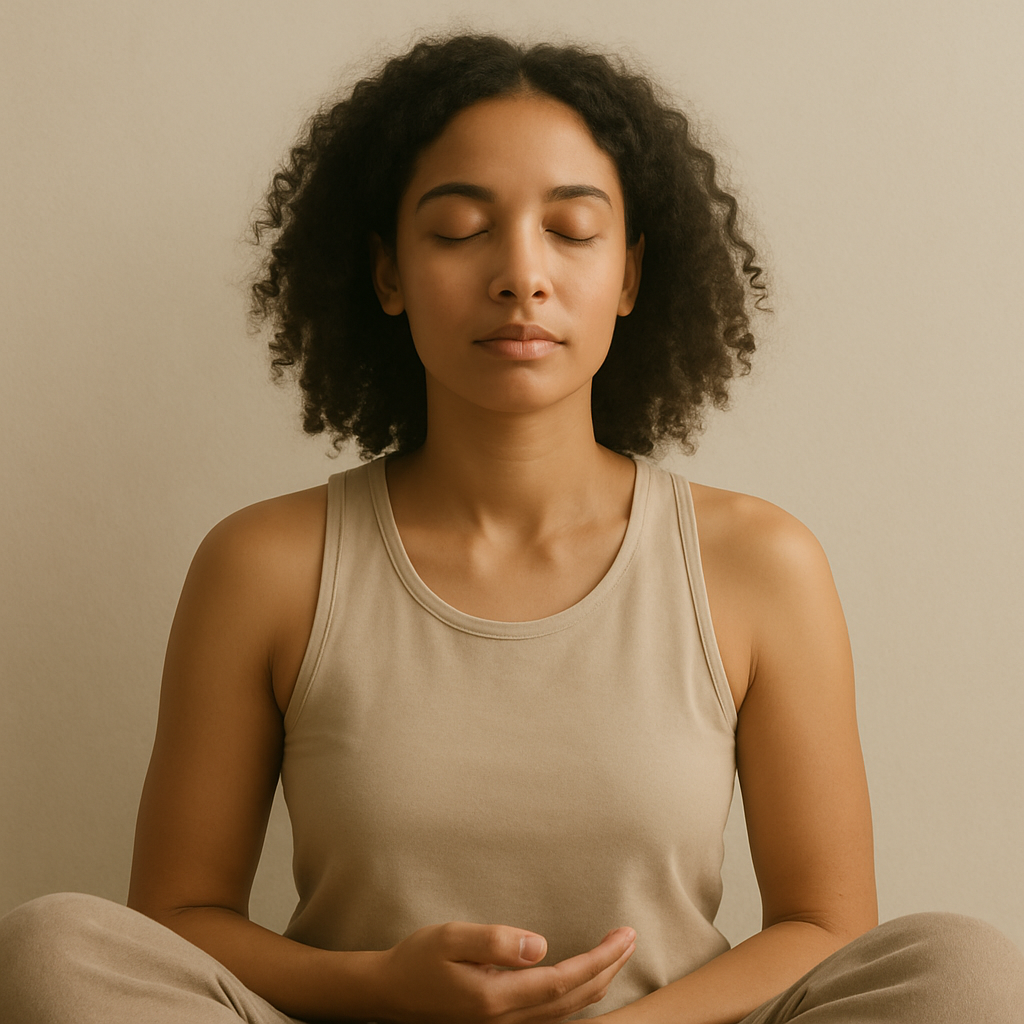
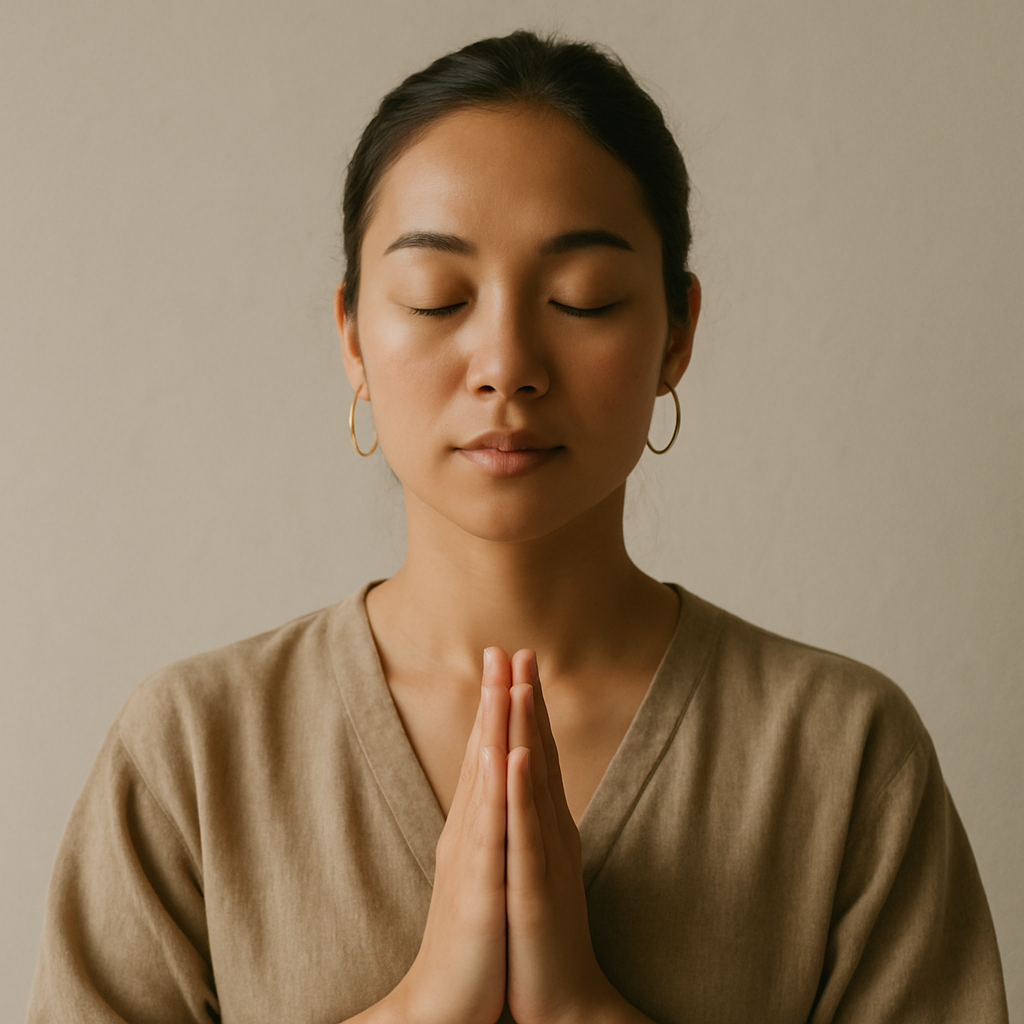
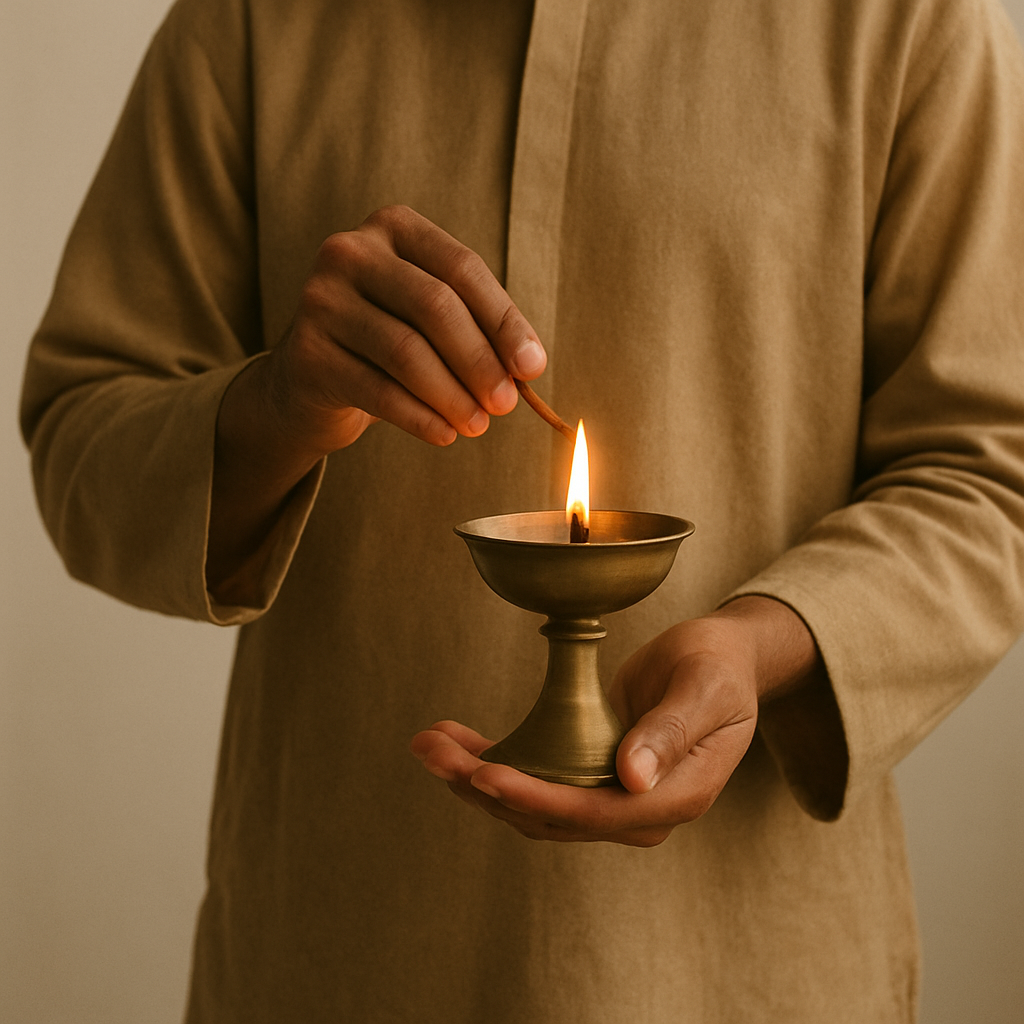
Meditation, as practiced within Aboriginal Medicine, is a spiritual and mental discipline that encourages deep reflection and connection with oneself and the natural world. This practice emphasizes mindfulness, presence, and the importance of harmony with the environment. Through meditation, individuals aim to cultivate a state of awareness that fosters inner peace and clarity.
In the Aboriginal context, meditation often involves contemplative practices that integrate storytelling, song, and connection with the land. It is not merely a technique but a way of life that respects the wisdom of ancestors and the teachings of the earth.
Historical Context Within Aboriginal Medicine
The roots of meditation within Aboriginal Medicine can be traced back thousands of years, as Indigenous peoples have engaged in various forms of meditation to connect with their spirituality and the natural world. Elders and shamans historically developed these practices, passing down wisdom through generations.
These methods were often intertwined with rituals and ceremonies that celebrated the cycles of nature, instilled cultural values, and facilitated healing. Meditation served as a tool for reflection, guidance, and maintaining balance within communities.
How It's Practiced
Practicing meditation in the Aboriginal tradition can vary widely, but it often includes the following steps:
- Find a quiet and comfortable space, preferably outdoors, to connect with nature.
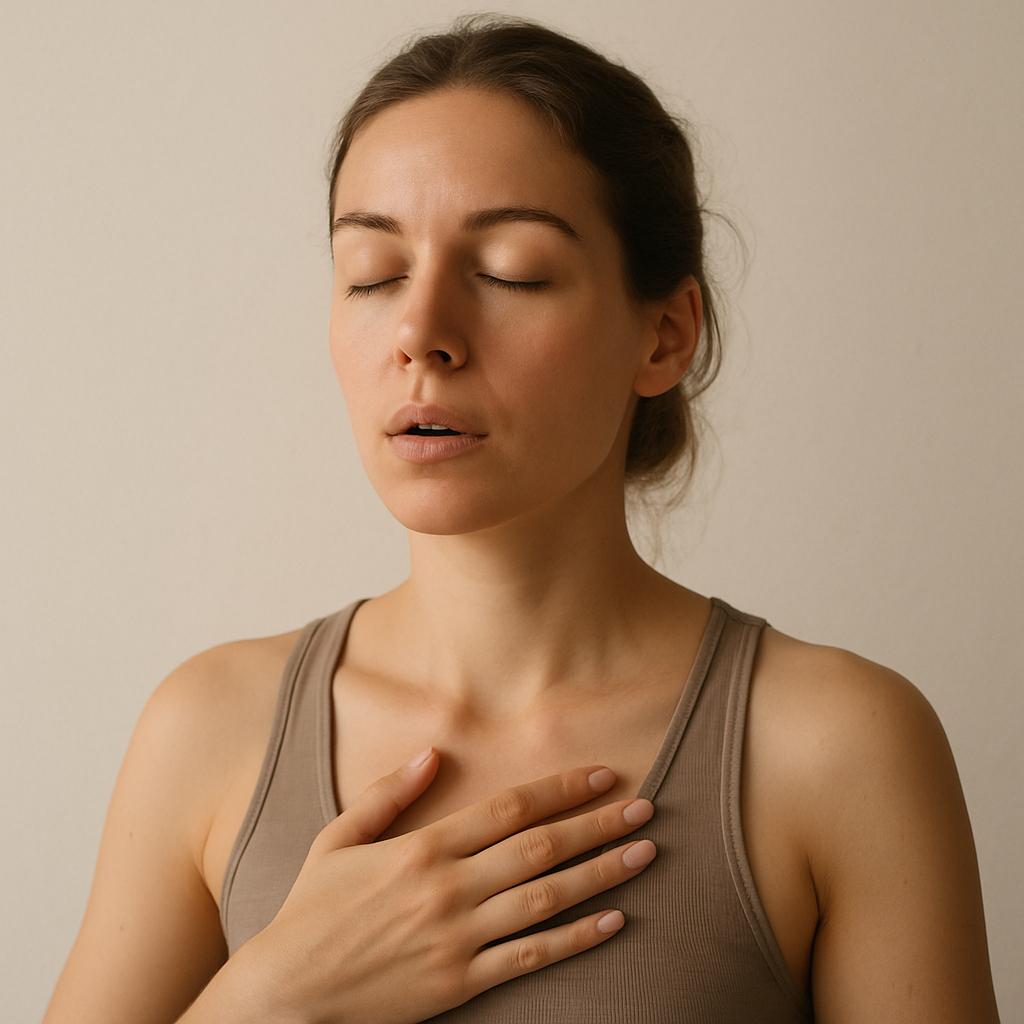
- Begin with a grounding exercise, such as deep breathing or focusing on the sounds of the environment.
- Engage in visualization, imagining yourself in a peaceful landscape or recalling a significant memory.
- Incorporate elements of storytelling or songs that resonate with your cultural heritage.
- Allow for free thought, letting your mind wander while maintaining a sense of awareness.
- Conclude the session with gratitude, reflecting on the insights gained during meditation.
What It Is Traditionally Explored For
Meditation within Aboriginal Medicine is traditionally explored for various purposes, including:
- Fostering mental clarity and emotional balance.
- Enhancing spiritual connection and understanding.
- Promoting physical healing and well-being.
- Encouraging community cohesion through shared practices.
- Facilitating personal growth and self-discovery.
What Modern Research Suggests
However, while these findings are promising, it is essential to approach them with caution. The effectiveness of meditation can vary based on individual experiences, cultural contexts, and the specific practices employed. More comprehensive research is needed to fully understand its impacts.
Safety, Contraindications & Who Should Skip
While meditation is generally considered safe for most individuals, there are some considerations to keep in mind:
- Individuals with severe mental health conditions should consult a professional before starting meditation.
- Those experiencing significant trauma may find certain meditation practices triggering.
- It is advisable for pregnant women to seek guidance on specific meditation practices that are safe during pregnancy.
Pairs Well With (within Aboriginal Medicine and across pillars)
Meditation pairs well with various other modalities and practices, including:
- Traditional healing practices such as bush medicine.
- Storytelling and oral traditions.
- Artistic expressions, like dance and music.
- Nature immersion and land-based practices.
How to Find a Qualified Practitioner
To find a qualified practitioner in Aboriginal meditation, consider the following steps:
- Seek recommendations from local Indigenous communities or cultural centers.
- Look for practitioners with a background in Aboriginal cultural practices and teachings.
- Inquire about their training and experience in meditation and healing.
- Ensure they respect and honor traditional practices and beliefs.
FAQs
- What is the primary goal of meditation in Aboriginal Medicine? The primary goal is to foster a deep connection with oneself and the natural world, promoting mental clarity and emotional balance.
- Can anyone practice meditation? Yes, most individuals can practice meditation, but those with specific mental health concerns should consult a professional first.
- How long should a meditation session last? Meditation sessions can vary in length, but starting with 10-15 minutes is often recommended for beginners.
- Is meditation a religious practice? While it has spiritual elements, meditation in Aboriginal Medicine is more about connecting with culture and nature than adhering to a specific religion.
- Can meditation help with physical health? While traditionally explored for mental and spiritual purposes, modern research suggests that meditation may have positive effects on physical health as well.
Frequently asked
What is the primary goal of meditation in Aboriginal Medicine?
The primary goal is to foster a deep connection with oneself and the natural world, promoting mental clarity and emotional balance.
Can anyone practice meditation?
Yes, most individuals can practice meditation, but those with specific mental health concerns should consult a professional first.
How long should a meditation session last?
Meditation sessions can vary in length, but starting with 10-15 minutes is often recommended for beginners.
Is meditation a religious practice?
While it has spiritual elements, meditation in Aboriginal Medicine is more about connecting with culture and nature than adhering to a specific religion.
Can meditation help with physical health?
While traditionally explored for mental and spiritual purposes, modern research suggests that meditation may have positive effects on physical health as well.