Native Plants
Delve into the practice of Native Plants in Aboriginal Medicine, including its historical context, practical applications, and research findings.
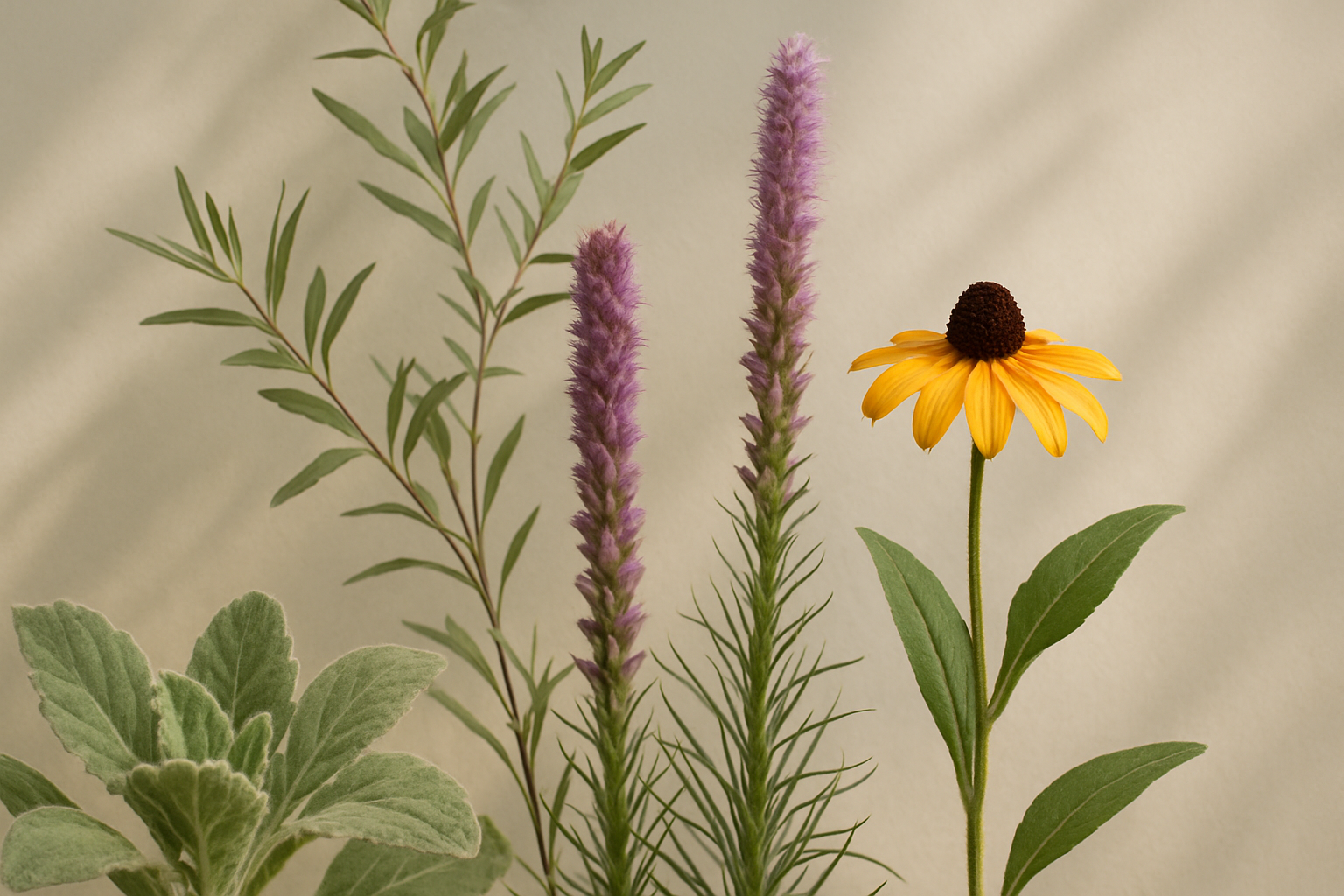
Explore the rich tradition of Native Plants within Aboriginal Medicine, their historical context, practices, and modern research insights.
What It Is
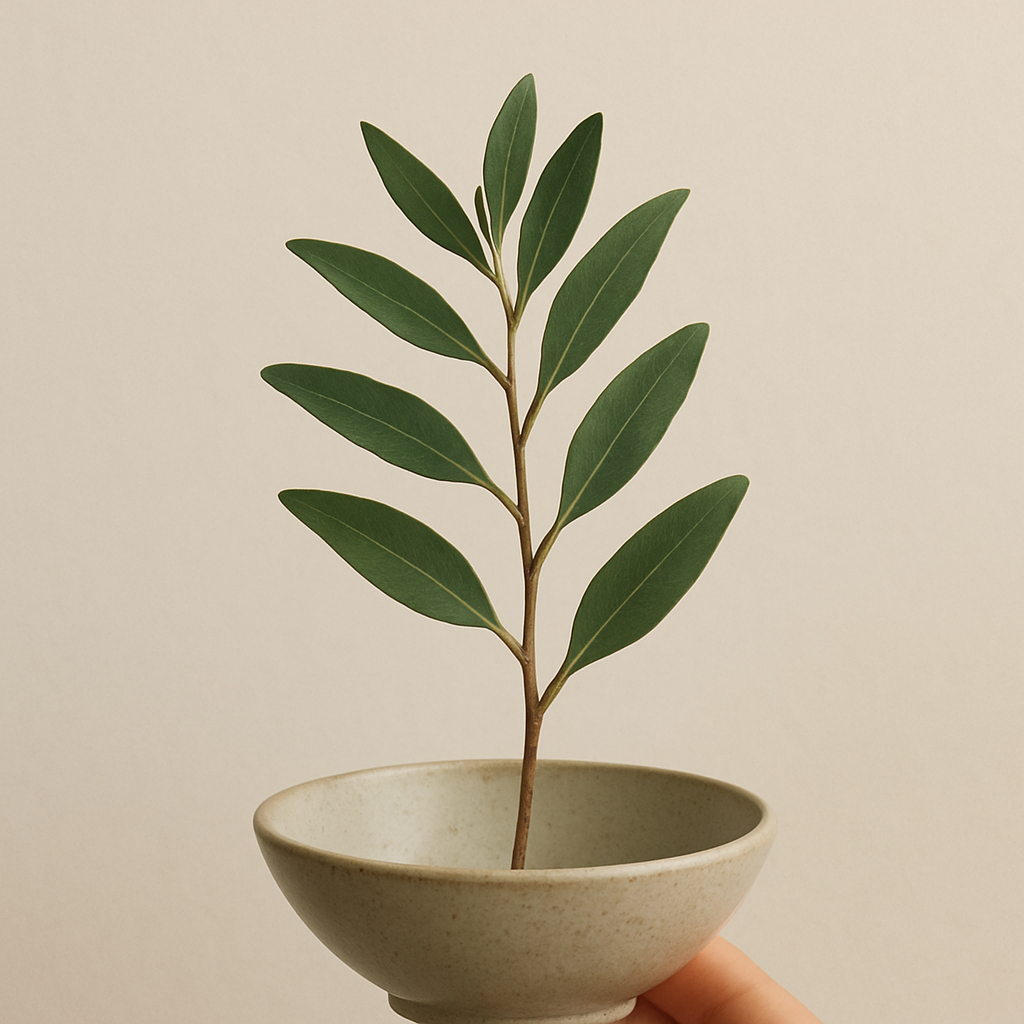
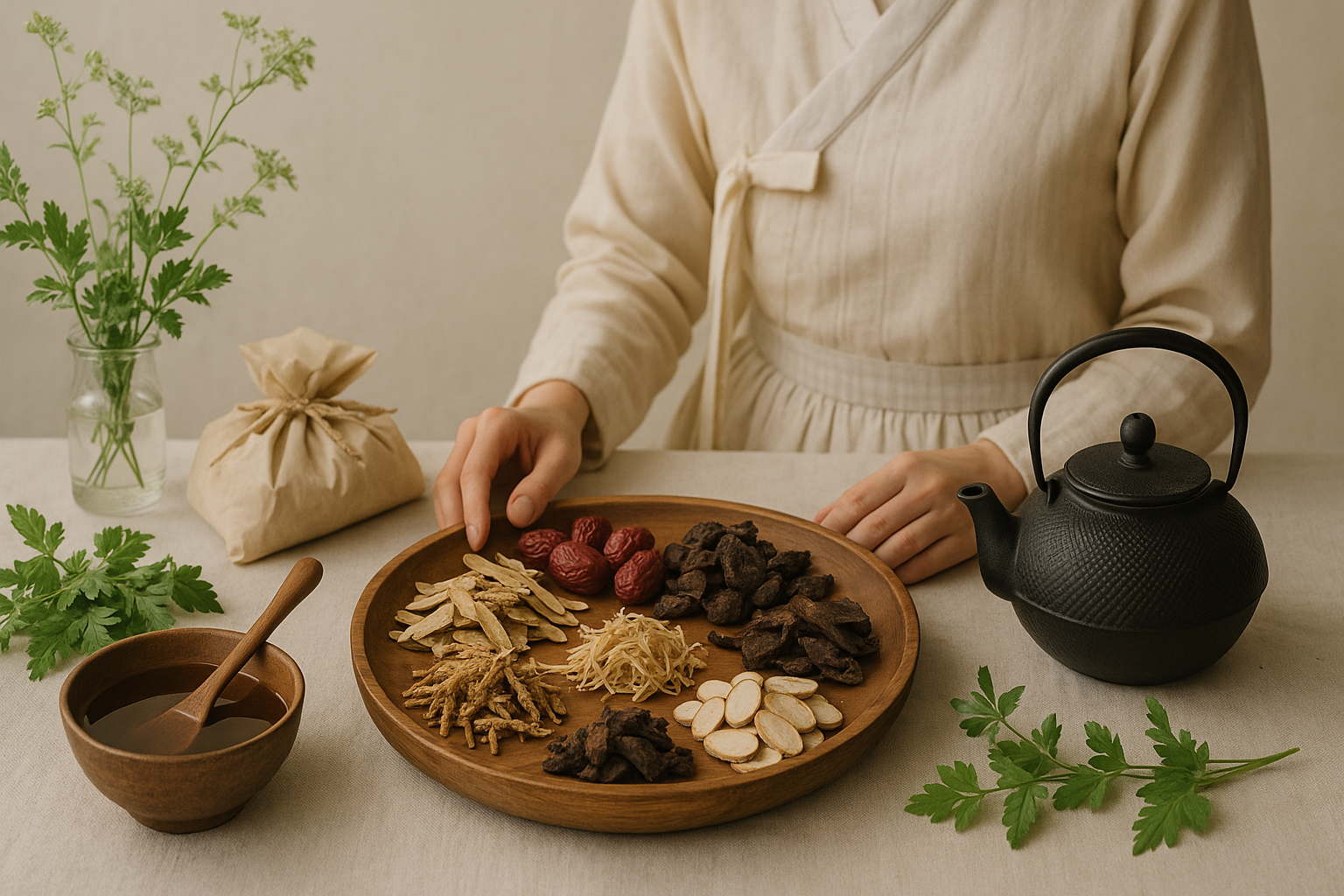
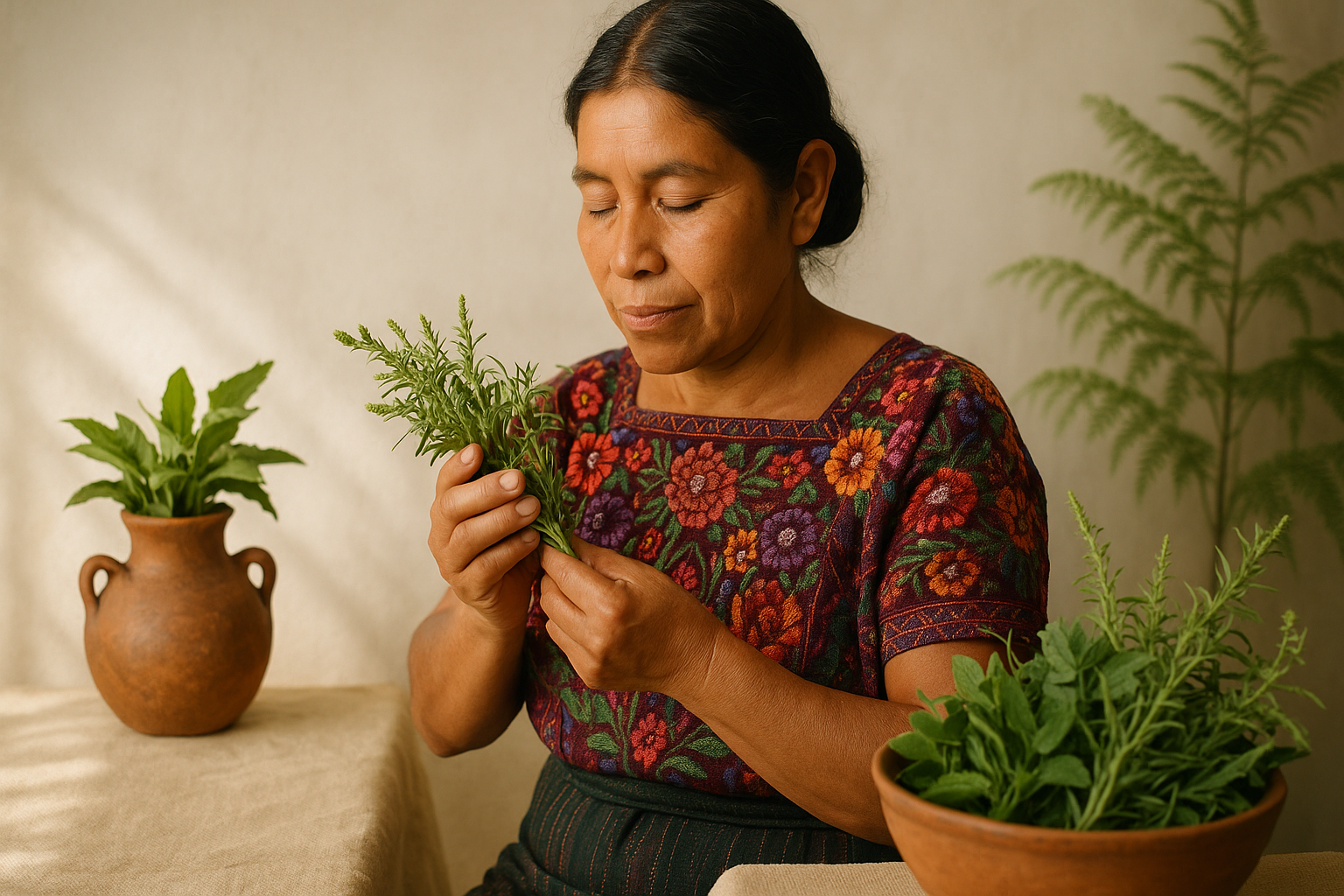
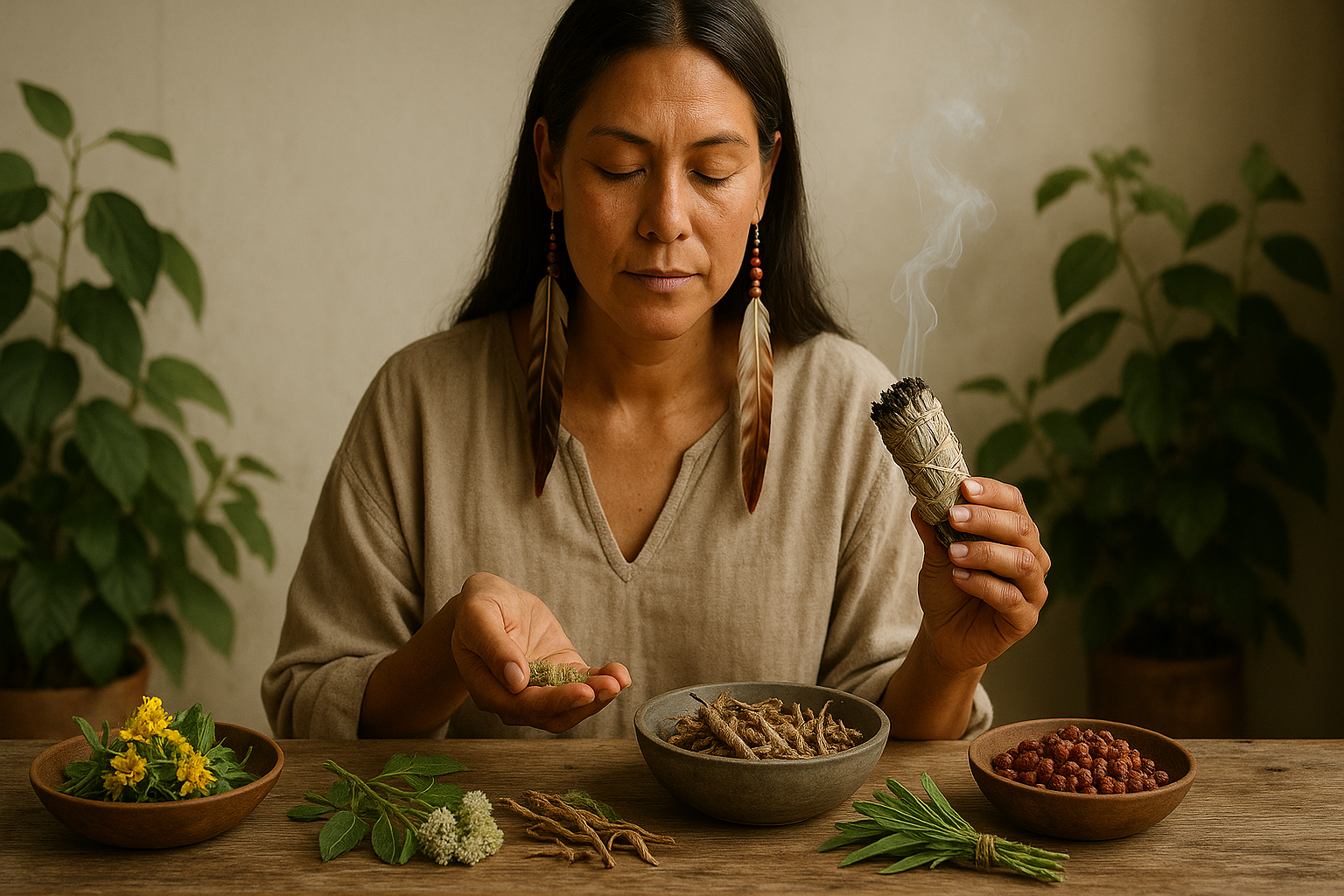
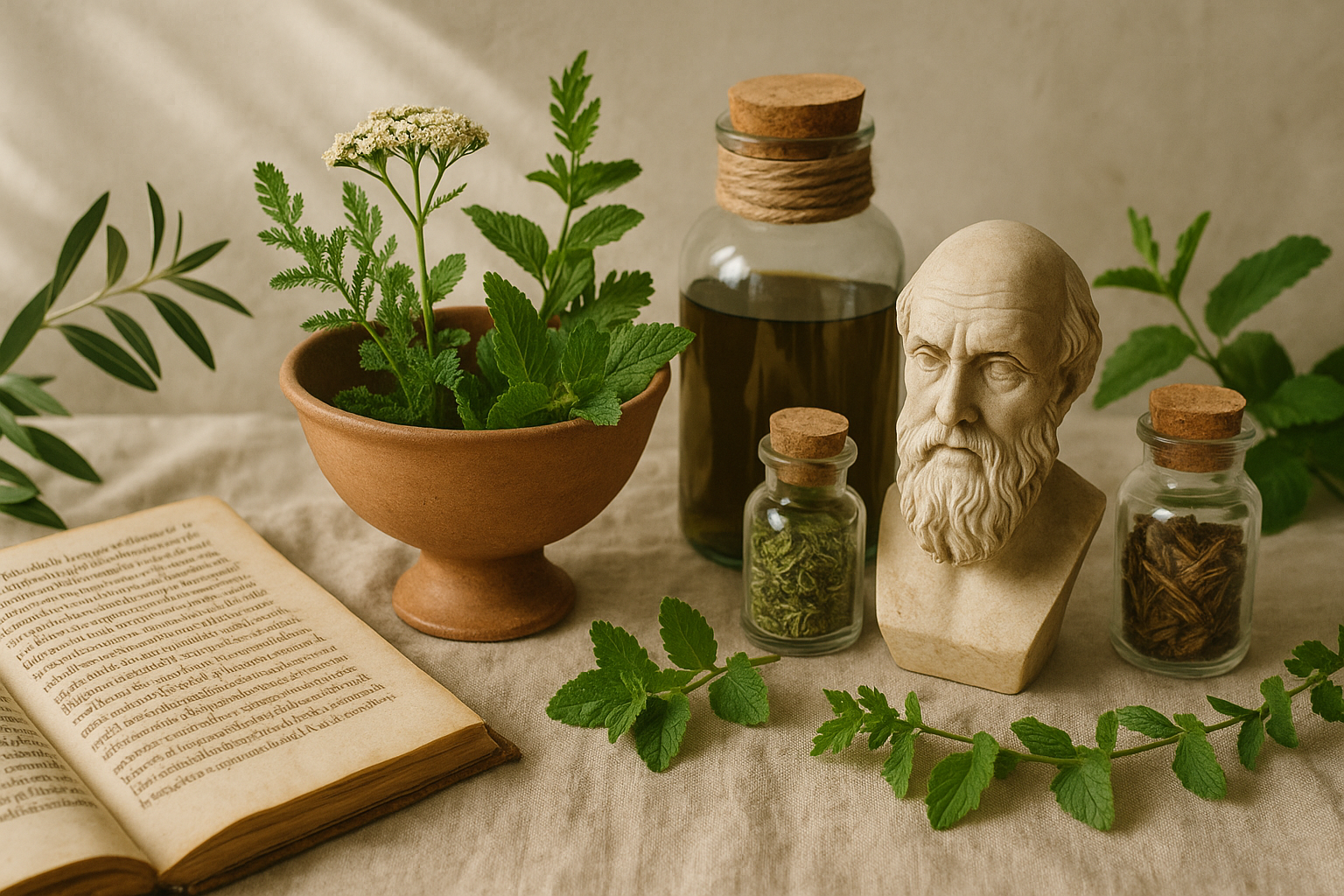
Native Plants in the context of Aboriginal Medicine refer to the indigenous flora that have been used for centuries by Aboriginal peoples for various medicinal purposes. These plants are integral to the cultural heritage and health practices of Indigenous communities, often utilized for their healing properties, nutritional value, and spiritual significance. Each plant carries unique attributes and has been carefully studied and respected over generations, forming a foundation for natural healing methodologies.
The practice involves understanding the characteristics of these plants, including their active compounds and how they interact with the human body. Aboriginal practitioners often emphasize a holistic approach, considering not only the physical properties of the plants but also their cultural and spiritual connections to the land and people.
Historical Context Within Aboriginal Medicine
The use of Native Plants within Aboriginal Medicine dates back thousands of years, emerging as a fundamental aspect of Indigenous health practices. Aboriginal peoples have developed a deep understanding of their local ecosystems, identifying various plants that can be used for healing. This knowledge was passed down through oral traditions, with each community contributing its unique insights based on regional flora and cultural practices.
Traditionally, the development of these practices involved individuals who were recognized as healers or medicine people within their communities. They were often selected due to their profound connection to nature and their ability to interpret the signs and signals of the environment, leading to the discovery and application of different plants for medicinal purposes.
How It's Practiced
Practitioners of Aboriginal Medicine who utilize Native Plants follow a process that combines traditional knowledge and practical application. Here’s a basic overview of how it is practiced:
- Identification: Recognizing local native plants and understanding their uses.
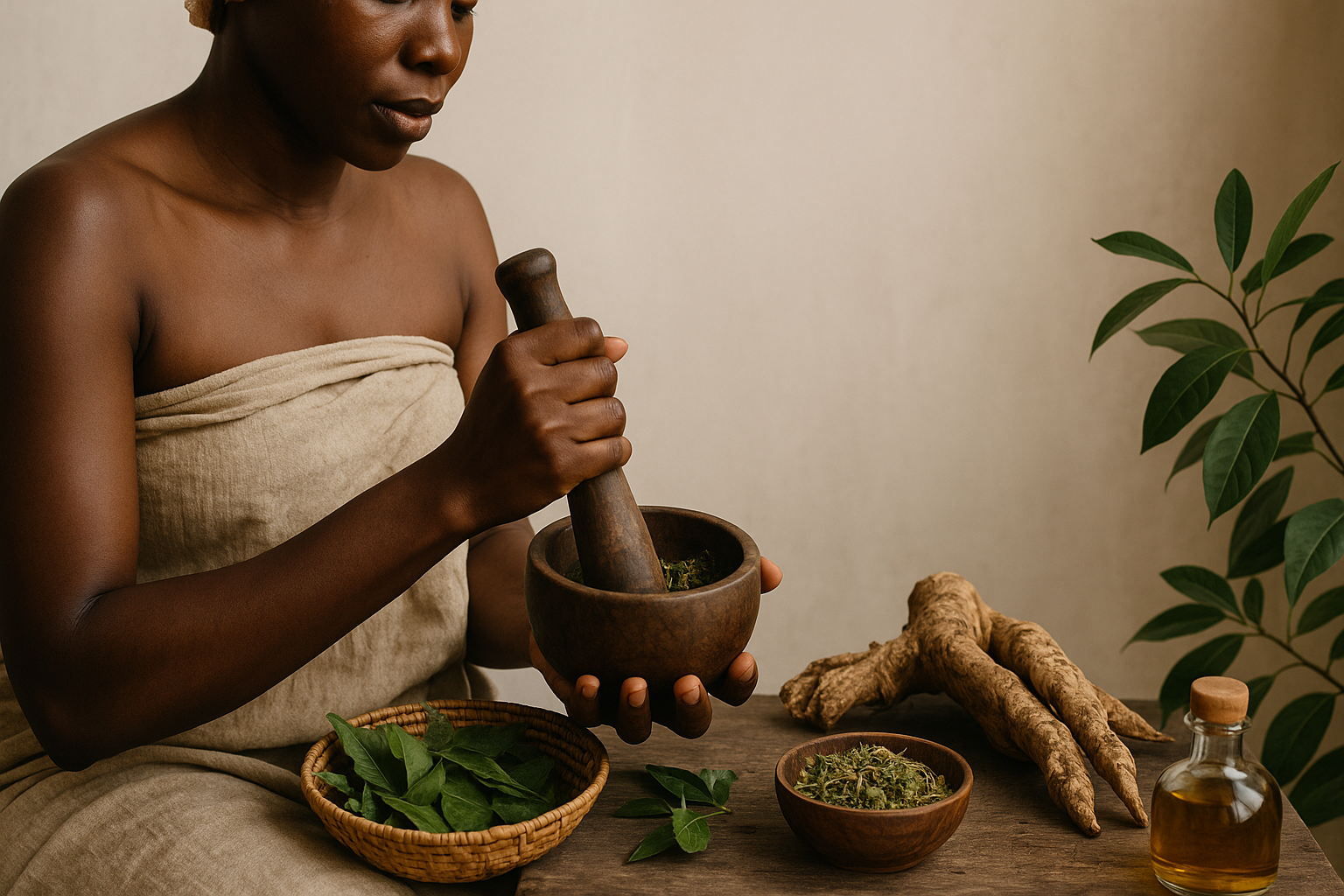
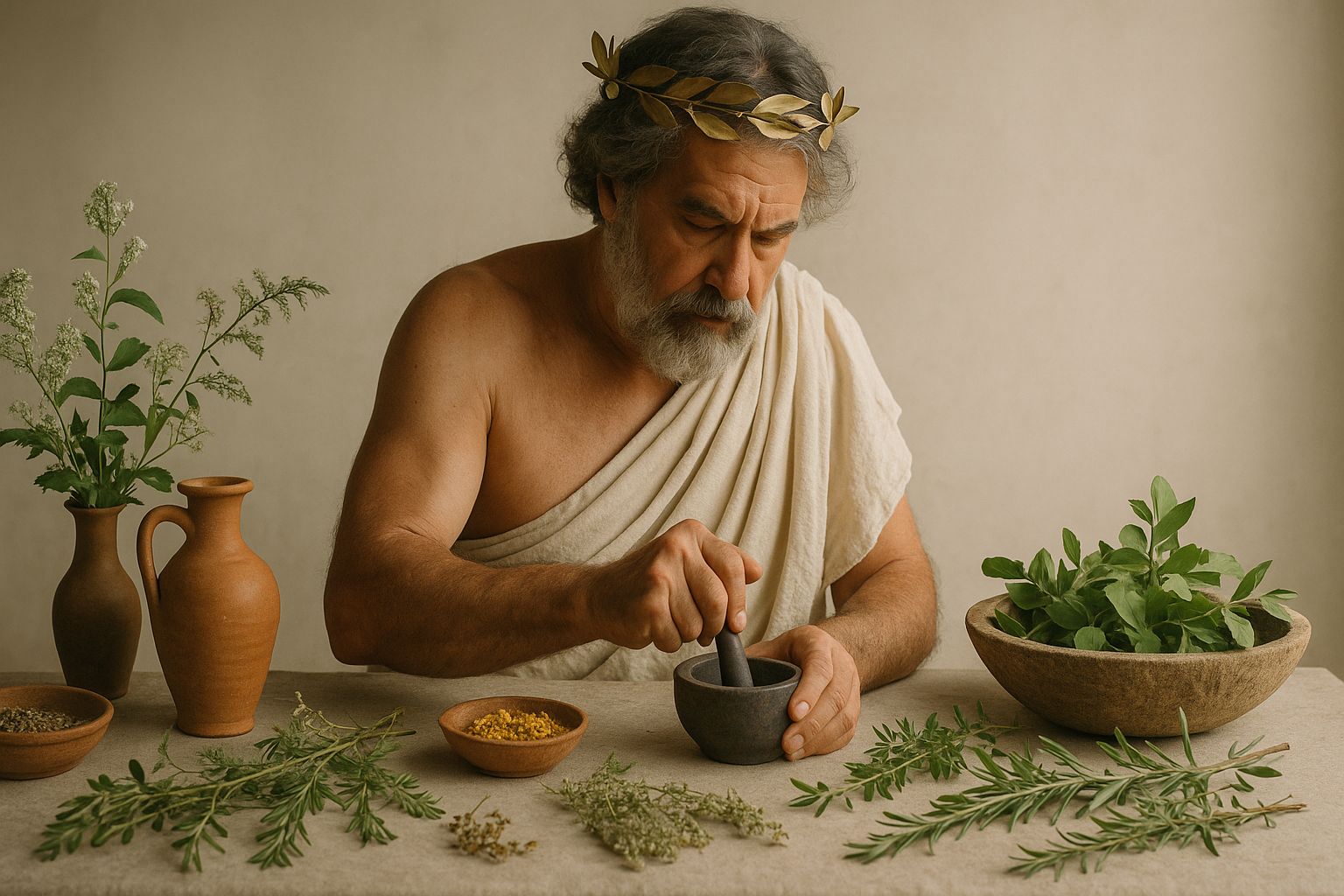
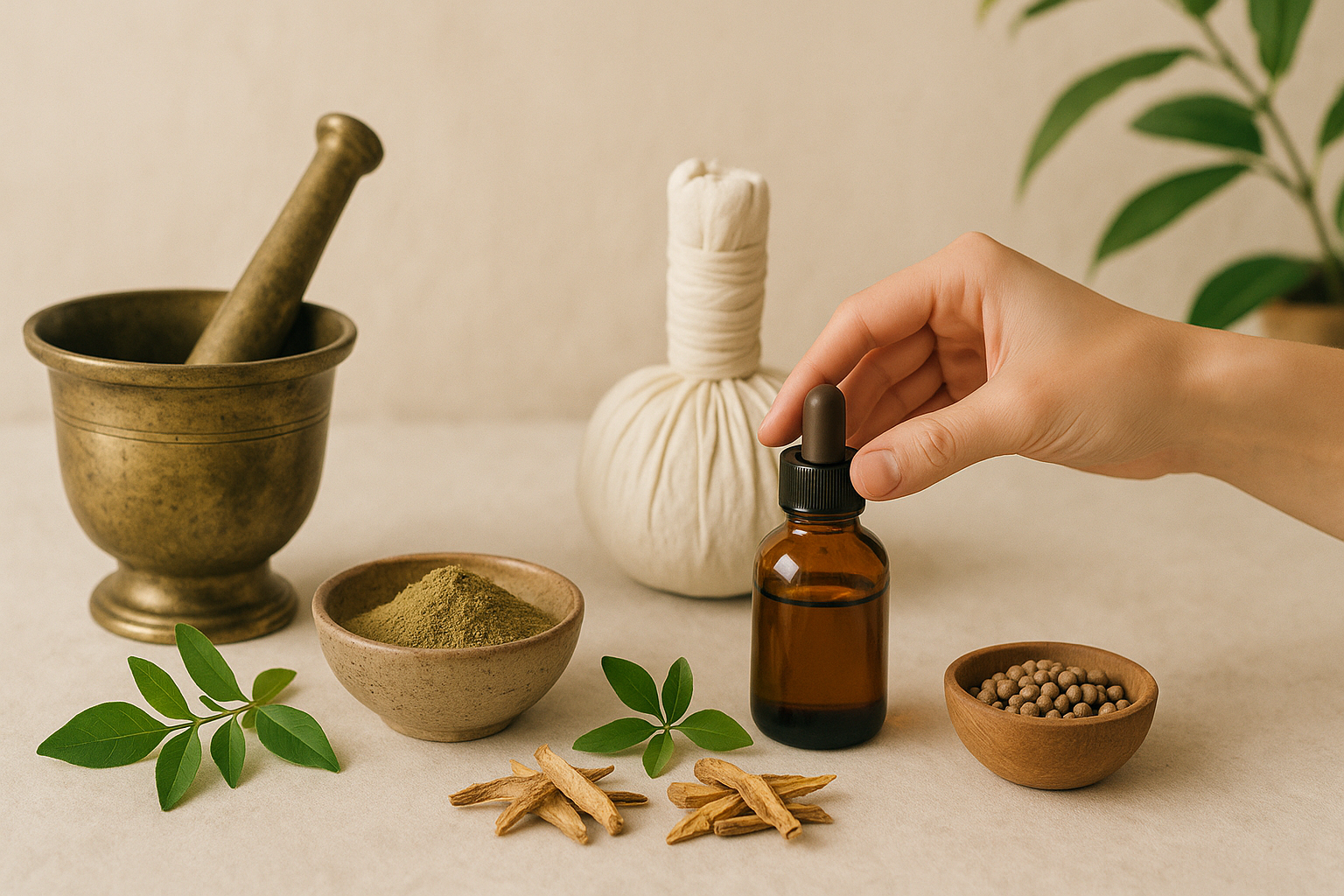
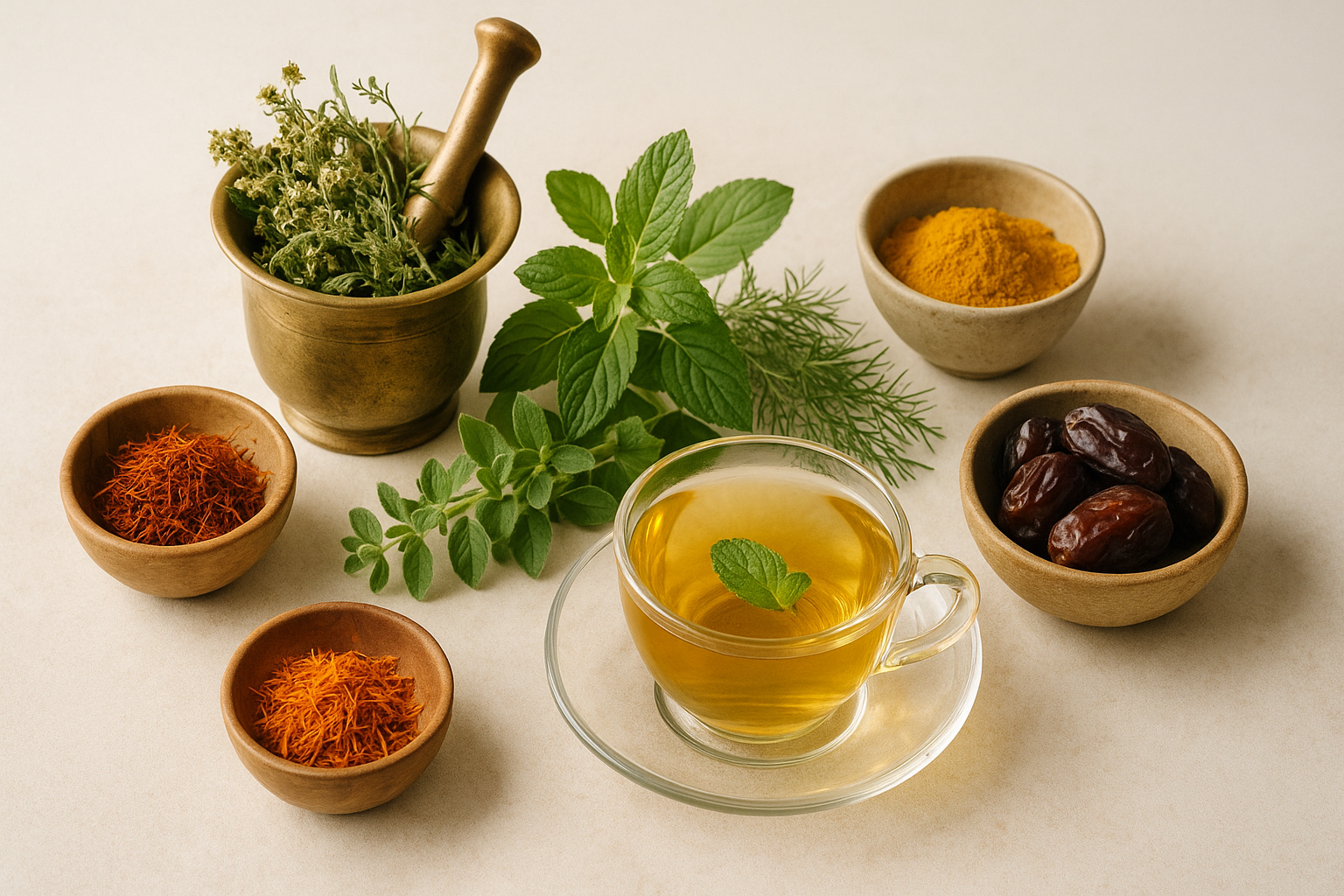
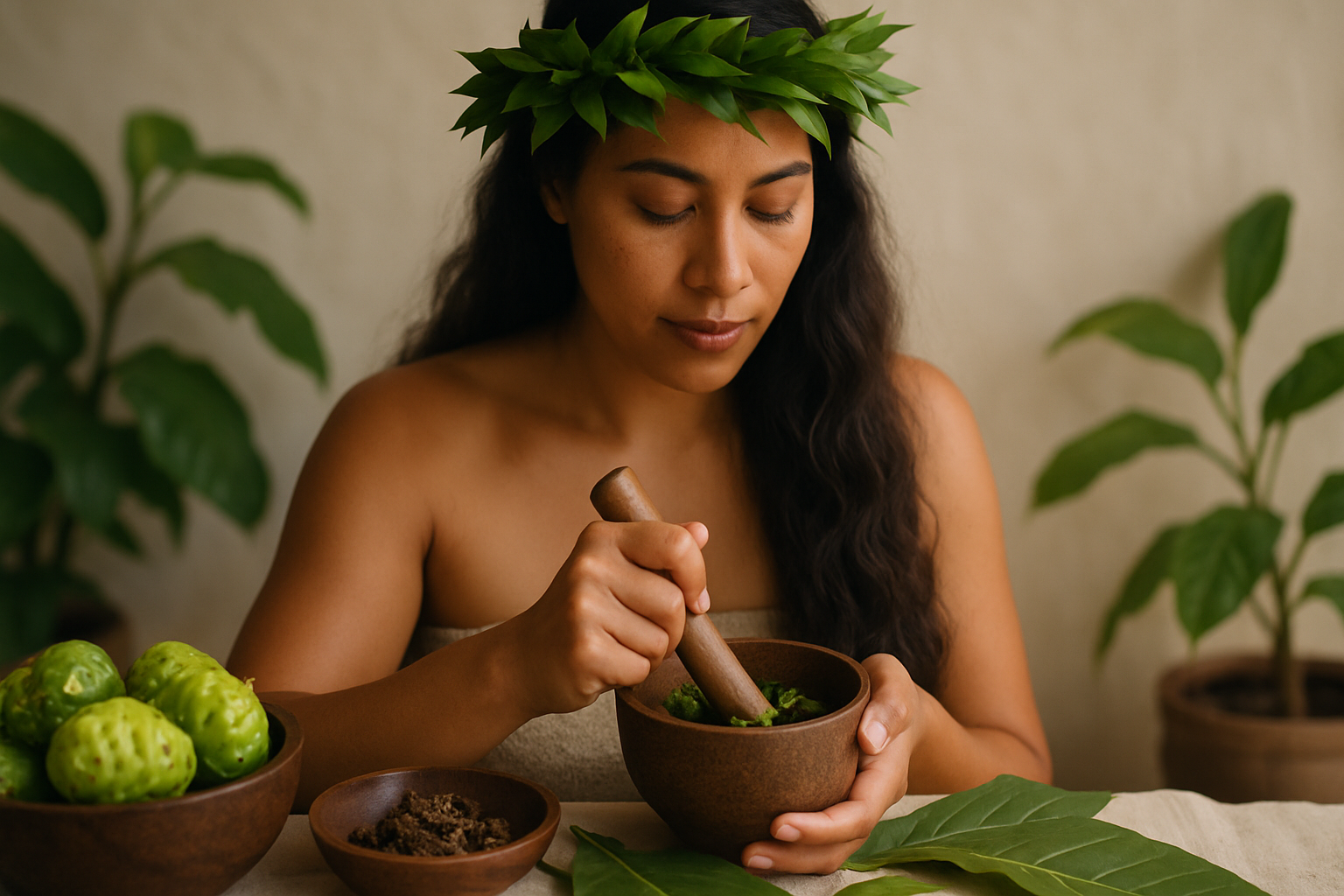
- Preparation: Preparing the plant material through methods such as drying, boiling, or infusing.
- Application: Using the prepared plant in various forms, such as teas, poultices, or topical applications.
- Observation: Monitoring the effects and adjusting the treatment as necessary based on individual responses.
This practice is often accompanied by rituals or spiritual components that honor the plant and its role in the healing process.
What It Is Traditionally Explored For
Native Plants have traditionally been used for a variety of health concerns, often focusing on holistic well-being rather than specific ailments. Some of the common goals of their use include:
- Promoting overall health and vitality
- Supporting immune function
- Assisting with digestive issues
- Alleviating symptoms of respiratory conditions
- Enhancing mental clarity and emotional balance
It is essential to note that these practices are deeply rooted in cultural context and should be approached with respect and understanding.
What Modern Research Suggests
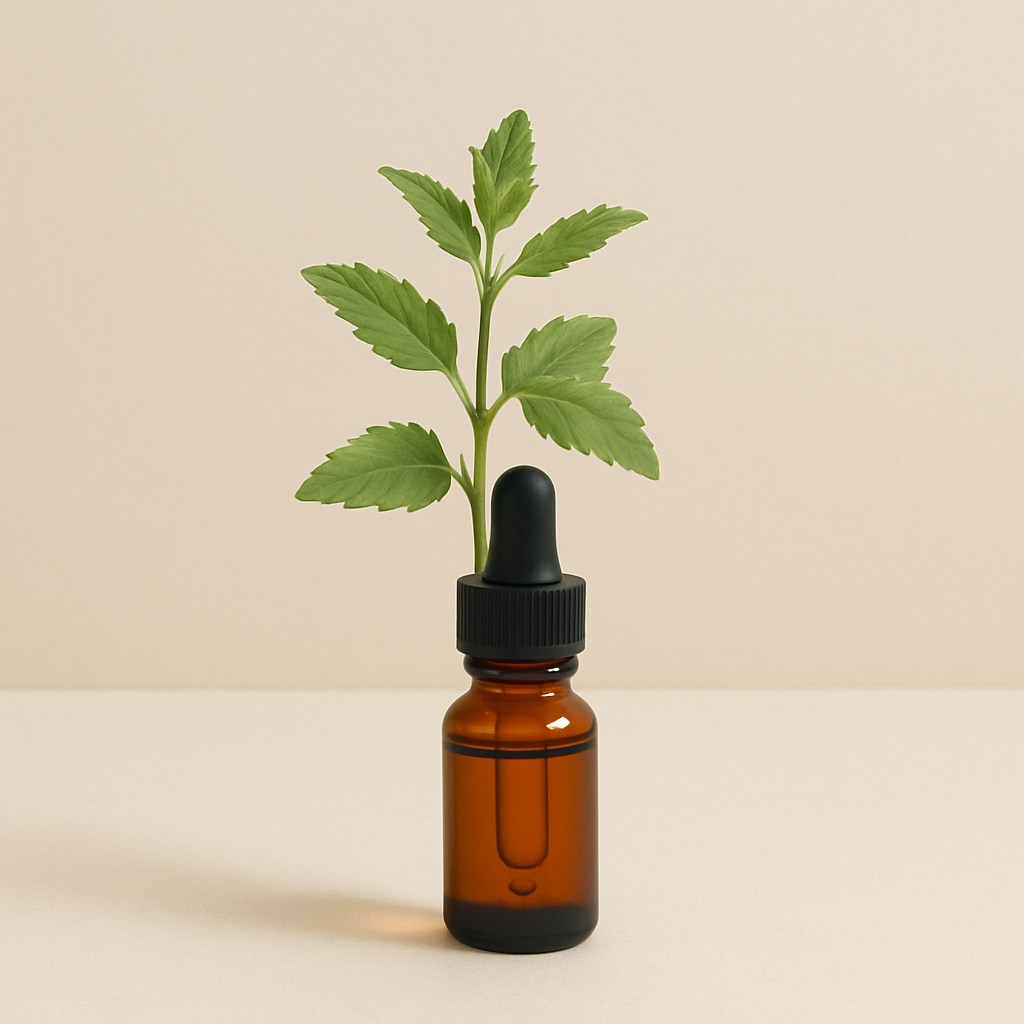
Recent studies have begun to explore the therapeutic potential of various Native Plants used in Aboriginal Medicine. Some preliminary research indicates that certain compounds found in these plants possess anti-inflammatory, antimicrobial, and antioxidant properties. For example, studies on the use of eucalyptus and tea tree oil suggest potential benefits in treating skin conditions and respiratory ailments.
While the findings are promising, it is crucial to recognize that much of the research is still in its infancy. Further clinical studies are needed to validate the efficacy and safety of these plants in modern therapeutic contexts, ensuring that traditional knowledge is harmoniously integrated with contemporary scientific understanding.
Safety, Contraindications & Who Should Skip
As with any medicinal practice, there are safety considerations to keep in mind when using Native Plants. Some individuals may experience allergic reactions or adverse effects, particularly if they have pre-existing conditions or are taking medications. It is advisable for the following individuals to exercise caution or avoid using native plants:
- Pregnant or breastfeeding women
- Individuals with known allergies to specific plants
- Those on prescribed medications, especially anticoagulants or blood thinners
Consulting with a qualified practitioner is recommended to ensure safe and appropriate use.
Pairs Well With (within Aboriginal Medicine and across pillars)
Native Plants can complement various other modalities within Aboriginal Medicine, as well as practices from different wellness pillars. Some notable pairings include:
- Traditional Herbal Medicine
- Spiritual Healing Practices
- Nutrition and Dietary Practices
- Mindfulness and Meditation Techniques
How to Find a Qualified Practitioner
To find a qualified practitioner specializing in Native Plants within Aboriginal Medicine, consider the following approaches:
- Seek recommendations from local Indigenous communities or organizations.
- Look for practitioners who have formal training in Aboriginal Medicine and a deep understanding of local flora.
- Ensure they respect and adhere to cultural practices and ethical guidelines.
Establishing a relationship based on trust and mutual respect is essential in this healing journey.
FAQs
- What are Native Plants? Native Plants refer to the indigenous flora that have been traditionally used by Aboriginal peoples for medicinal and nutritional purposes.
- Are there risks associated with using Native Plants? Yes, there can be risks, including allergic reactions or interactions with medications. Consult a practitioner for guidance.
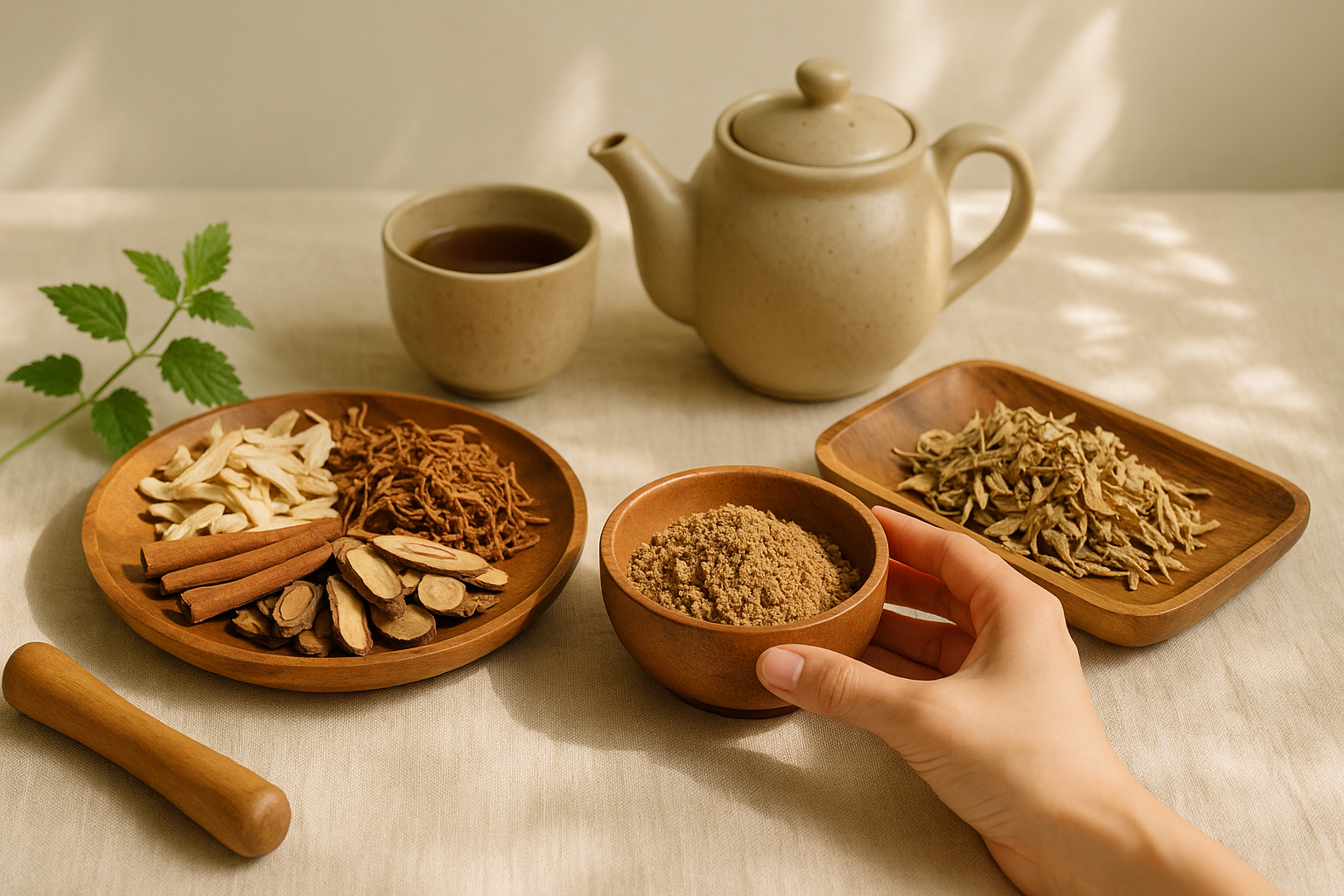
- How are Native Plants prepared for use? Native Plants can be prepared through various methods, including drying, boiling, or making infusions.
- Can Native Plants be used alongside modern medicine? It is essential to consult with a healthcare provider before combining traditional practices with modern treatments.
- Where can I find a practitioner of Aboriginal Medicine? Look for recommendations from Indigenous communities or organizations focused on Aboriginal health.
Frequently asked
What are Native Plants?
Native Plants refer to the indigenous flora that have been traditionally used by Aboriginal peoples for medicinal and nutritional purposes.
Are there risks associated with using Native Plants?
Yes, there can be risks, including allergic reactions or interactions with medications. Consult a practitioner for guidance.
How are Native Plants prepared for use?
Native Plants can be prepared through various methods, including drying, boiling, or making infusions.
Can Native Plants be used alongside modern medicine?
It is essential to consult with a healthcare provider before combining traditional practices with modern treatments.
Where can I find a practitioner of Aboriginal Medicine?
Look for recommendations from Indigenous communities or organizations focused on Aboriginal health.