Nutrient Repletion
Explore nutrient repletion, a vital aspect of health that emphasizes restoring essential vitamins and minerals in the body.

Nutrient repletion focuses on restoring essential vitamins and minerals to support overall health and well-being. This subcategory explores its active compounds, traditional uses, modern research, and safety considerations.
What It Is
Nutrient repletion refers to the process of restoring essential vitamins and minerals in the body, which may be depleted due to various factors such as poor diet, illness, or stress. This process is crucial for maintaining optimal health, supporting bodily functions, and preventing deficiencies that can lead to various health issues.
Key Active Compounds & Mechanisms
Numerous vitamins and minerals play pivotal roles in nutrient repletion. Some key compounds include:
- Vitamin C (Ascorbic Acid): Vital for collagen synthesis, immune function, and antioxidant protection.
- Vitamin D: Essential for calcium absorption and bone health.
- Magnesium: Involved in over 300 enzymatic reactions, including energy production and muscle function.
- Zinc: Important for immune response, wound healing, and protein synthesis.
- B Vitamins: A group of vitamins crucial for energy metabolism and red blood cell formation.
Traditional Uses
Historically, various cultures have recognized the importance of restoring nutrients for health. For example:
- In Traditional Chinese Medicine, foods rich in specific nutrients are used to balance the body's energy and replenish deficiencies.
- Ayurveda emphasizes the use of herbs and dietary practices to restore vital nutrients and maintain health.
- Indigenous cultures often utilized local plants and animal products to support nutrient intake during seasonal changes.
What Modern Research Suggests
Modern studies have begun to validate the traditional understanding of nutrient repletion:
- Research indicates that adequate vitamin D levels are linked to improved immune function.
- Studies show that magnesium supplementation can help reduce symptoms of anxiety and enhance physical performance.
- Clinical trials have found that zinc supplementation is effective in reducing the duration of colds.
Functional Actions
Nutrient repletion serves several functional actions, including:
- Energy Production: B vitamins play a crucial role in converting food into energy.
- Immune Support: Vitamins A, C, D, and zinc are known for their roles in enhancing immune health.
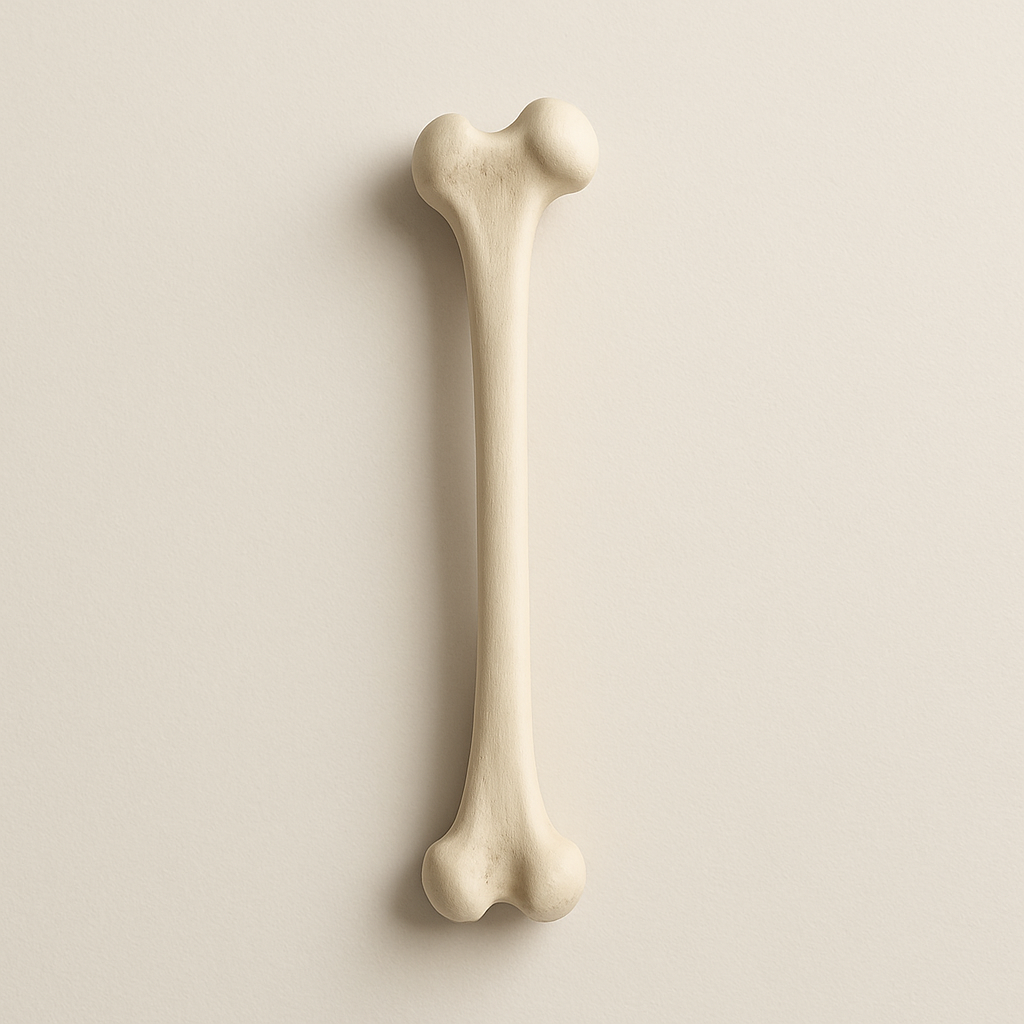
- Bone Health: Calcium, vitamin D, and magnesium work together to maintain bone density and strength.
Body Systems Supported
Restoring essential nutrients supports various body systems, such as:
- Immune System: Enhanced response to pathogens and reduced inflammation.
- Nervous System: Improved cognitive function and mood stabilization.
- Musculoskeletal System: Increased strength, flexibility, and overall joint health.
Common Forms & Educational Dosing Ranges
Nutrient repletion can be achieved through various forms, including:
- Tablets/Capsules: Common for vitamins and minerals, often available in standardized doses.
- Powders: Easily mixed into beverages or foods, allowing for flexible dosing.
- Whole Foods: Incorporating nutrient-rich foods like leafy greens, nuts, seeds, and fish is highly recommended.
Educational dosing ranges may vary, but general recommendations include:
- Vitamin C: 500-1000 mg/day
- Vitamin D: 600-2000 IU/day
- Magnesium: 310-420 mg/day
- Zinc: 8-11 mg/day
Safety, Contraindications & Interactions
While nutrient repletion is generally safe, some considerations include:
- Excessive vitamin D can lead to toxicity, particularly in those with certain medical conditions.
- High doses of magnesium may cause diarrhea or interact with medications like diuretics.
- Zinc can interfere with the absorption of antibiotics and certain medications.
Pairs Well With
Complementary practices and nutrients that support nutrient repletion include:
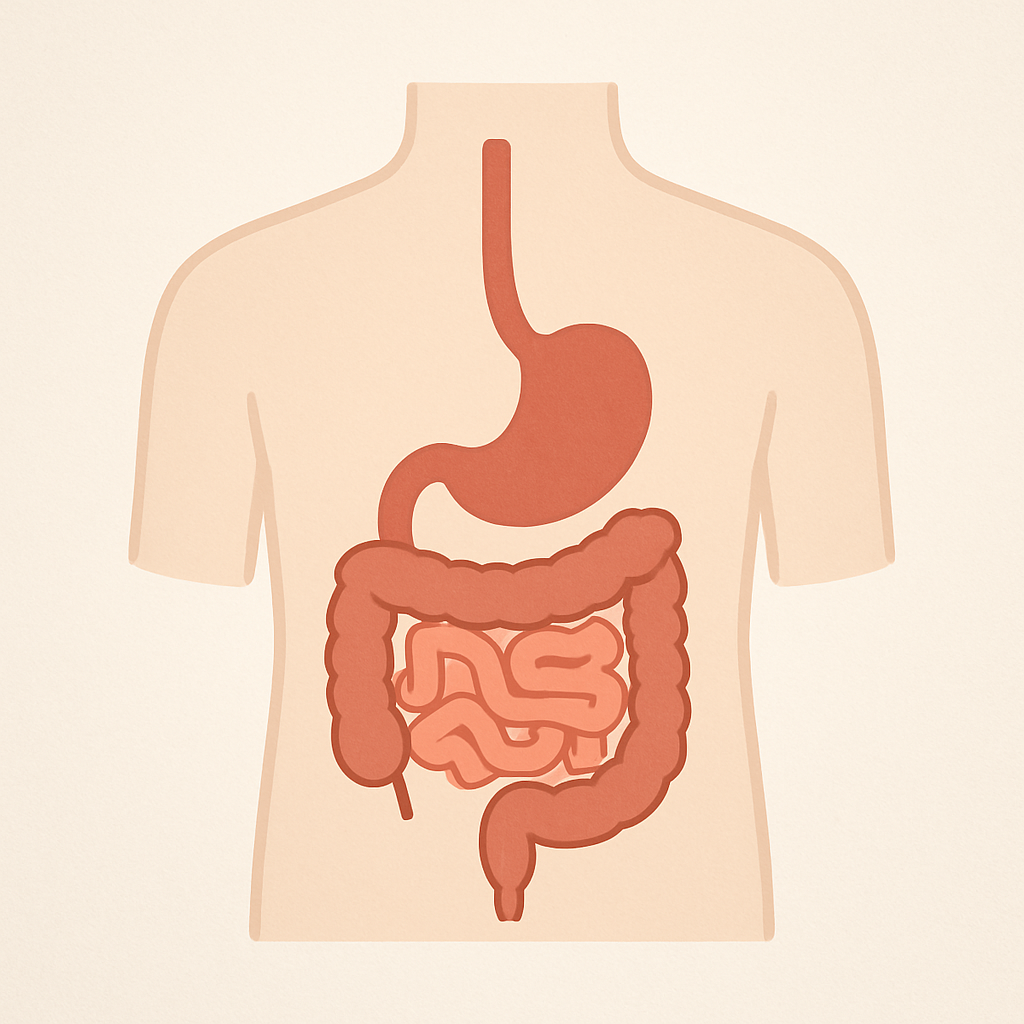
- Probiotics: Enhance nutrient absorption in the gut.
- Healthy Fats: Improve the absorption of fat-soluble vitamins (A, D, E, K).
- Hydration: Essential for the optimal function of vitamins and minerals.
FAQs (5)
- What is nutrient repletion?
Nutrient repletion is the process of restoring essential vitamins and minerals in the body. - How can I tell if I need nutrient repletion?
Symptoms such as fatigue, weak immune response, or muscle cramps may indicate a need for nutrient repletion. - Are supplements necessary for nutrient repletion?
While supplements can help, it is often best to obtain nutrients from a balanced diet rich in whole foods. - Can I take multiple vitamins together?
Yes, but it’s important to be aware of potential interactions and dosing recommendations. - How long does it take to see benefits from nutrient repletion?
Benefits can vary but may be noticeable within weeks or months depending on the nutrient and individual circumstances.
Frequently asked
What is nutrient repletion?
Nutrient repletion is the process of restoring essential vitamins and minerals in the body.
How can I tell if I need nutrient repletion?
Symptoms such as fatigue, weak immune response, or muscle cramps may indicate a need for nutrient repletion.
Are supplements necessary for nutrient repletion?
While supplements can help, it is often best to obtain nutrients from a balanced diet rich in whole foods.
Can I take multiple vitamins together?
Yes, but it’s important to be aware of potential interactions and dosing recommendations.
How long does it take to see benefits from nutrient repletion?
Benefits can vary but may be noticeable within weeks or months depending on the nutrient and individual circumstances.