Mineral Support
Discover the essential role of mineral support in natural health, including its active compounds, traditional uses, and modern research findings.
Explore the benefits of mineral support as part of natural remedies, learning about key compounds, traditional uses, and safety considerations.
What It Is
Mineral support refers to the use of essential minerals that play a critical role in various physiological functions in the human body. Minerals are inorganic nutrients that are vital for health, including macrominerals like calcium, magnesium, and potassium, and trace minerals such as zinc, selenium, and iron. Each mineral has unique properties and functions that contribute to overall well-being.
Key Active Compounds & Mechanisms
Minerals function through various mechanisms in the body. Some key active compounds include:
- Calcium: Essential for bone health, muscle function, and nerve transmission.
- Magnesium: Involved in over 300 enzymatic reactions, magnesium supports muscle and nerve function, blood sugar regulation, and blood pressure maintenance.
- Zinc: Plays a role in immune function, protein synthesis, and wound healing.
- Iron: A crucial component of hemoglobin, iron is necessary for oxygen transport in the blood.
- Selenium: Acts as an antioxidant and supports thyroid function.
Traditional Uses
Throughout history, various cultures have recognized the importance of minerals in health and healing. For instance:
- Ancient Egyptians used salt and minerals for mummification, highlighting their preservative and protective properties.
- Traditional Chinese Medicine emphasizes the balance of minerals for maintaining health and preventing disease.
- In Ayurveda, minerals such as zinc and iron are considered crucial for vitality and strength.
These traditions underline the long-standing recognition of minerals' roles in health.
What Modern Research Suggests
Recent studies have begun to validate the historical uses of minerals. For example:
- Research indicates that adequate magnesium intake may reduce the risk of chronic diseases such as heart disease and diabetes.
- Studies have shown that zinc supplementation can improve immune response, especially in the elderly.
- Iron supplementation is often recommended for individuals with anemia, supporting the importance of this mineral for red blood cell production.
While preliminary evidence shows promise, further research is necessary to fully understand the extent of these benefits.
Functional Actions
Minerals support a wide range of functional actions in the body:
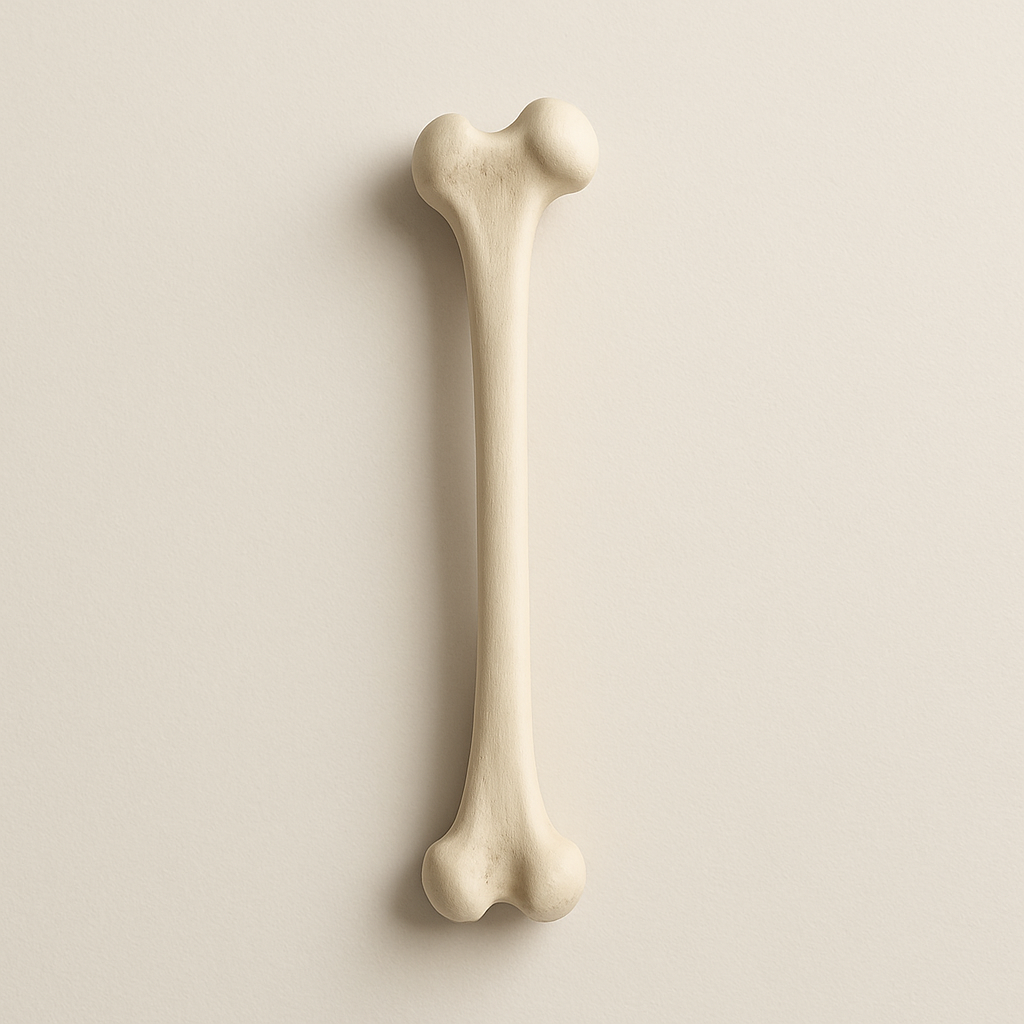
- Bone Health: Calcium and magnesium contribute to the density and strength of bones.
- Muscle Function: Minerals such as calcium, magnesium, and potassium are essential for proper muscle contraction and relaxation.
- Immune Function: Zinc and selenium play crucial roles in the immune system's response to pathogens.
- Energy Production: Iron is vital for energy metabolism and oxygen transport.
Body Systems Supported
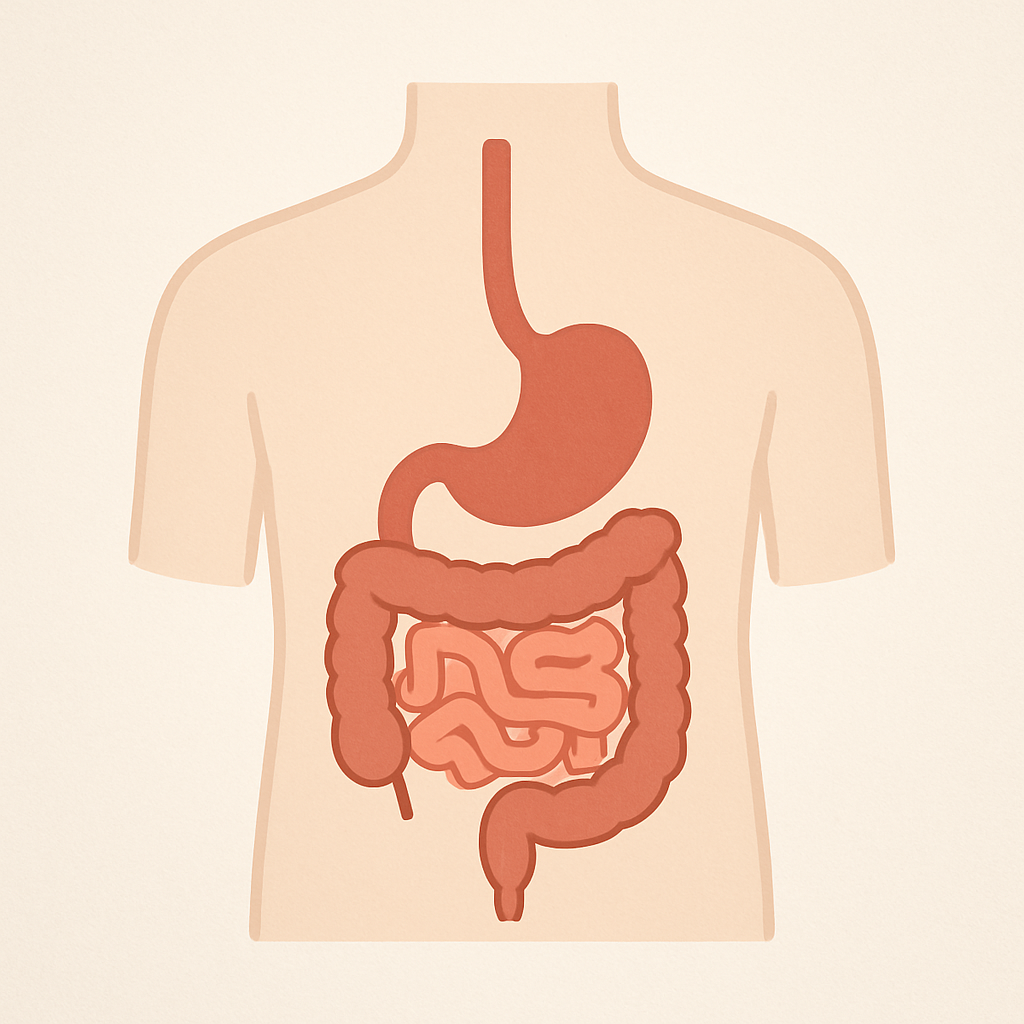
Mineral support is crucial for multiple body systems:
- Musculoskeletal System: Essential minerals like calcium and magnesium support bone and muscle health.
- Nervous System: Minerals aid in neurotransmission and nerve function.
- Immune System: Key minerals enhance the body's ability to fight infections and recover from illness.
- Circulatory System: Iron is crucial for maintaining healthy blood and preventing anemia.
Common Forms & Educational Dosing Ranges
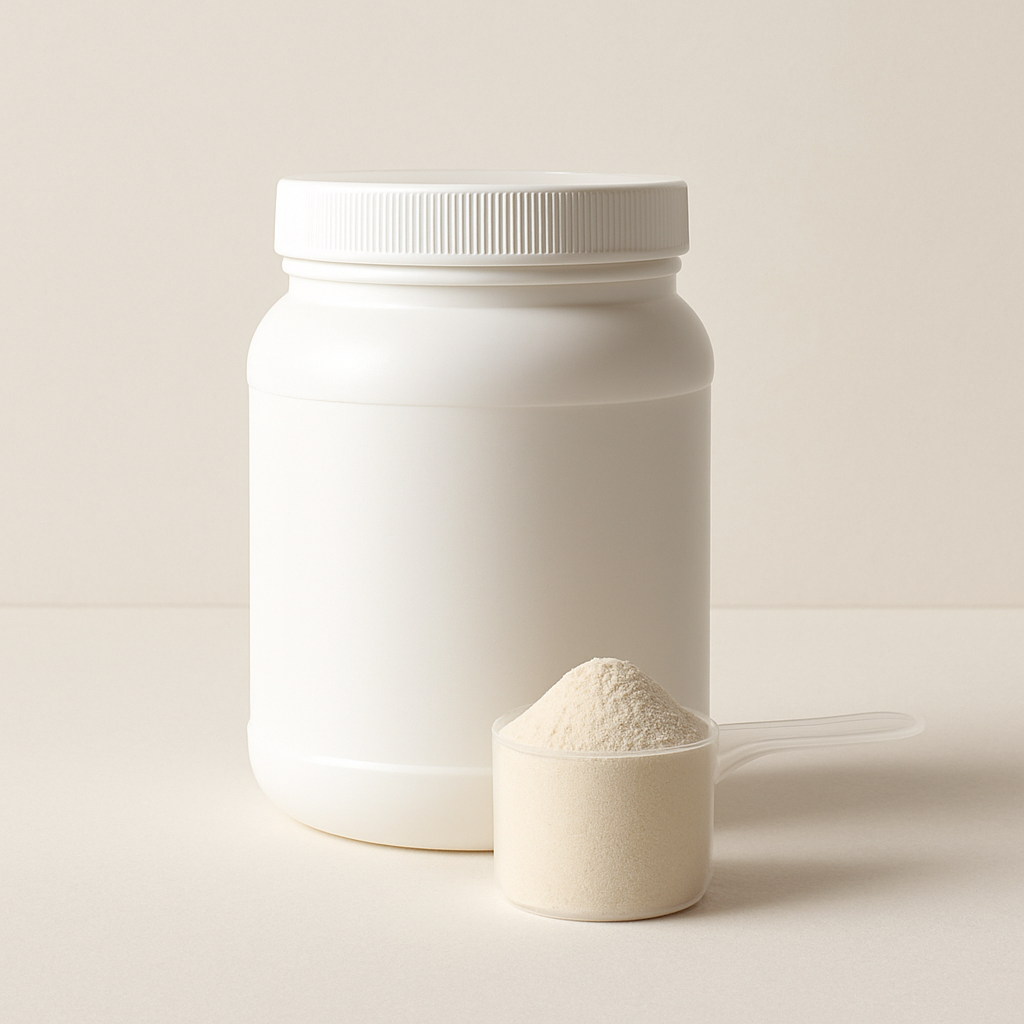
Minerals can be obtained from various dietary sources and supplements. Common forms include:
- Calcium: Available as calcium carbonate or calcium citrate. Recommended daily intake is typically around 1000 mg for adults.
- Magnesium: Found in forms like magnesium oxide or magnesium citrate, with a suggested daily intake of 310-420 mg.
- Zinc: Commonly available as zinc gluconate or zinc picolinate, with a recommended intake of 8-11 mg.
- Iron: Available as ferrous sulfate or ferrous gluconate, with a daily intake ranging from 8-18 mg depending on age and gender.
Safety, Contraindications & Interactions
While minerals are essential for health, they can also pose risks if taken in excess. Consider the following:
- Calcium: Excessive intake can lead to kidney stones and impaired absorption of other minerals.
- Magnesium: High doses may cause diarrhea and cramping.
- Zinc: Overconsumption can interfere with copper absorption and lead to deficiency.
- Iron: Excess iron can be toxic, particularly in individuals with conditions like hemochromatosis.
Always consult with a healthcare provider, especially if taking medications such as antibiotics or blood thinners, as minerals can interact with these drugs.
Pairs Well With
To enhance mineral absorption and effectiveness, consider pairing them with:
- Vitamin D: Supports calcium absorption and utilization.
- Vitamin C: Enhances iron absorption from plant sources.
- B Vitamins: Work synergistically with minerals in energy metabolism.
FAQs (5)
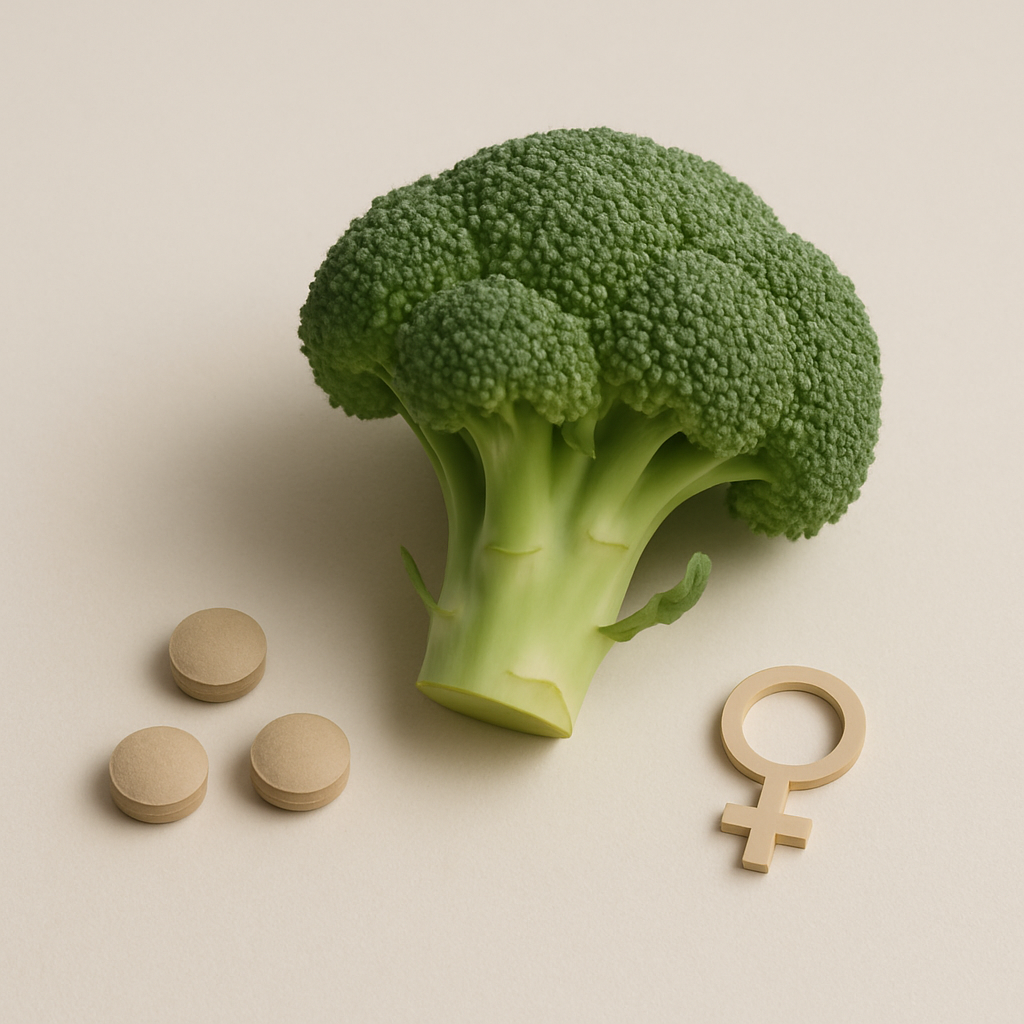
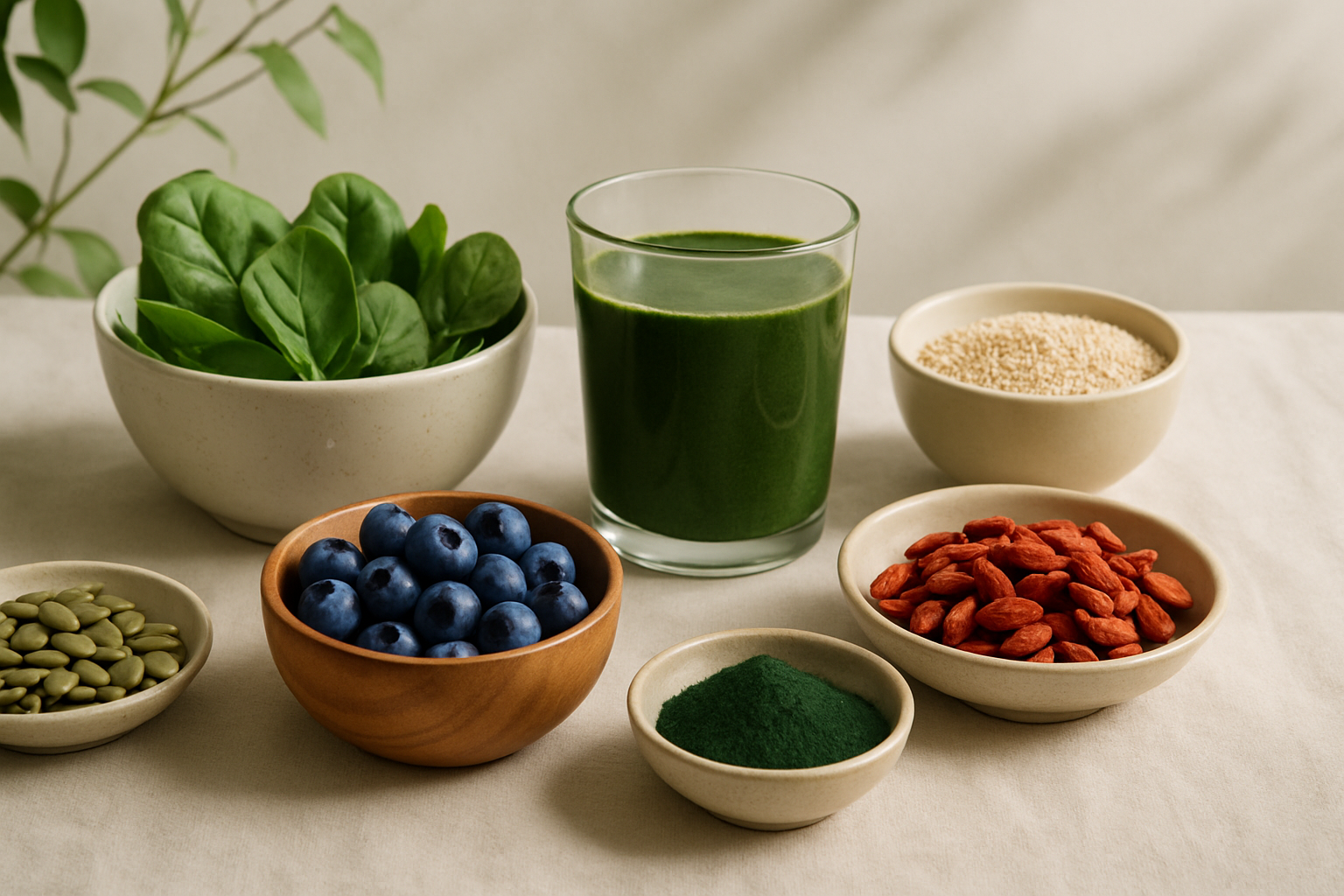
- What are the best food sources of essential minerals? Leafy greens, nuts, seeds, whole grains, meat, fish, and dairy products are excellent sources.
- Can I take mineral supplements daily? It’s best to consult with a healthcare provider to determine the need for supplementation.
- Are there any side effects of taking too many minerals? Yes, excessive intake can lead to toxicity and health issues.
- How do I know if I need more minerals? Symptoms like fatigue, muscle cramps, and frequent illness may indicate a deficiency.
- Can I get enough minerals from a vegan diet? Yes, but it may require careful planning to include a variety of mineral-rich foods.
Frequently asked
What are the best food sources of essential minerals?
Leafy greens, nuts, seeds, whole grains, meat, fish, and dairy products are excellent sources.
Can I take mineral supplements daily?
It’s best to consult with a healthcare provider to determine the need for supplementation.
Are there any side effects of taking too many minerals?
Yes, excessive intake can lead to toxicity and health issues.
How do I know if I need more minerals?
Symptoms like fatigue, muscle cramps, and frequent illness may indicate a deficiency.
Can I get enough minerals from a vegan diet?
Yes, but it may require careful planning to include a variety of mineral-rich foods.