Micronutrient Support
Delve into the realm of micronutrient support, understanding its importance, traditional uses, modern research, and how to incorporate it into your wellness routine.

Explore the significance of micronutrient support in promoting overall health and well-being through natural remedies. Discover traditional uses, modern research insights, and effective combinations for optimal health.
What It Is
Micronutrient support refers to the intake of essential vitamins and minerals that play a vital role in maintaining overall health. These nutrients, such as vitamins A, C, D, E, K, and various B vitamins, as well as minerals like iron, calcium, magnesium, and zinc, are required in small amounts but are crucial for numerous bodily functions. They help in energy production, immune function, bone health, and much more.
Key Active Compounds & Mechanisms
Each micronutrient has specific active compounds that contribute to its health benefits. For instance:
- Vitamin C (Ascorbic Acid): An antioxidant that helps protect cells from damage and supports the immune system.
- Vitamin D (Cholecalciferol): Aids in calcium absorption and is vital for bone health.
- Zinc (Zinc Oxide): Plays a role in immune function and wound healing.
- Iron (Ferrous Sulfate): Crucial for the formation of hemoglobin, which carries oxygen in the blood.
Traditional Uses
Historically, many cultures have recognized the importance of micronutrients. For example:
- Traditional Chinese Medicine: Utilized various herbs high in vitamins and minerals to enhance energy and support overall health.
- Ayurveda: Emphasized the consumption of nutrient-rich foods to balance the body’s doshas.
- Native American Practices: Often incorporated wild plants known for their vitamin content into their diets for health and healing.
What Modern Research Suggests
Recent studies have supported the traditional uses of micronutrients, highlighting their role in preventing deficiencies and promoting health. For instance, research indicates:
- Vitamin D is linked to bone health and may reduce the risk of osteoporosis.
- Antioxidants like vitamins C and E may protect against chronic diseases.
- Deficiencies in micronutrients like zinc and iron can lead to weakened immune responses.
Functional Actions
Micronutrients serve various functional actions in the body, including:
- Supporting metabolic processes and energy production.
- Enhancing immune system function and response.
- Contributing to the maintenance of healthy skin and eyesight.
- Facilitating the synthesis of hormones and enzymes.
Body Systems Supported
Micronutrient support impacts multiple body systems, including:
- Immune System: Vitamins A, C, D, and zinc are essential for immune health.
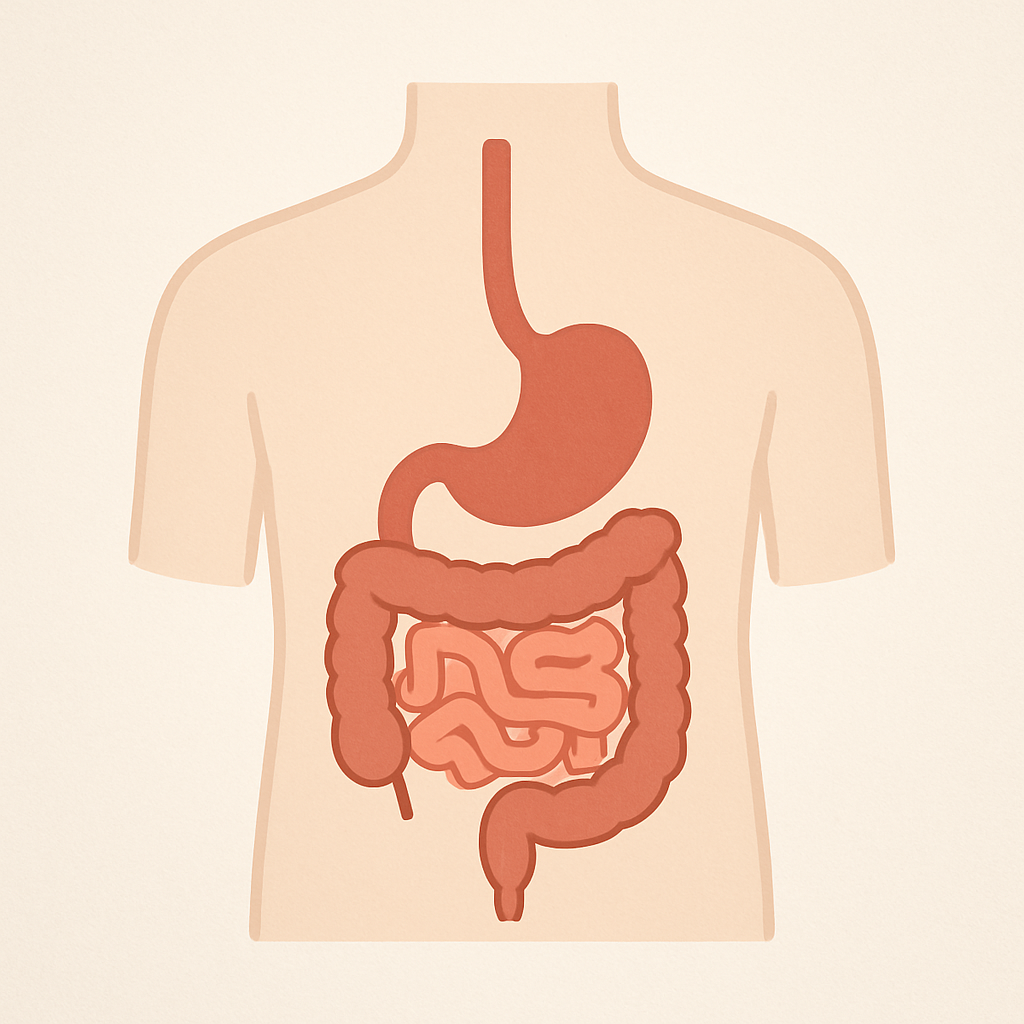
- Digestive System: B vitamins support digestion and metabolism.
- Nervous System: Vitamins B6 and B12 are crucial for nerve health and function.
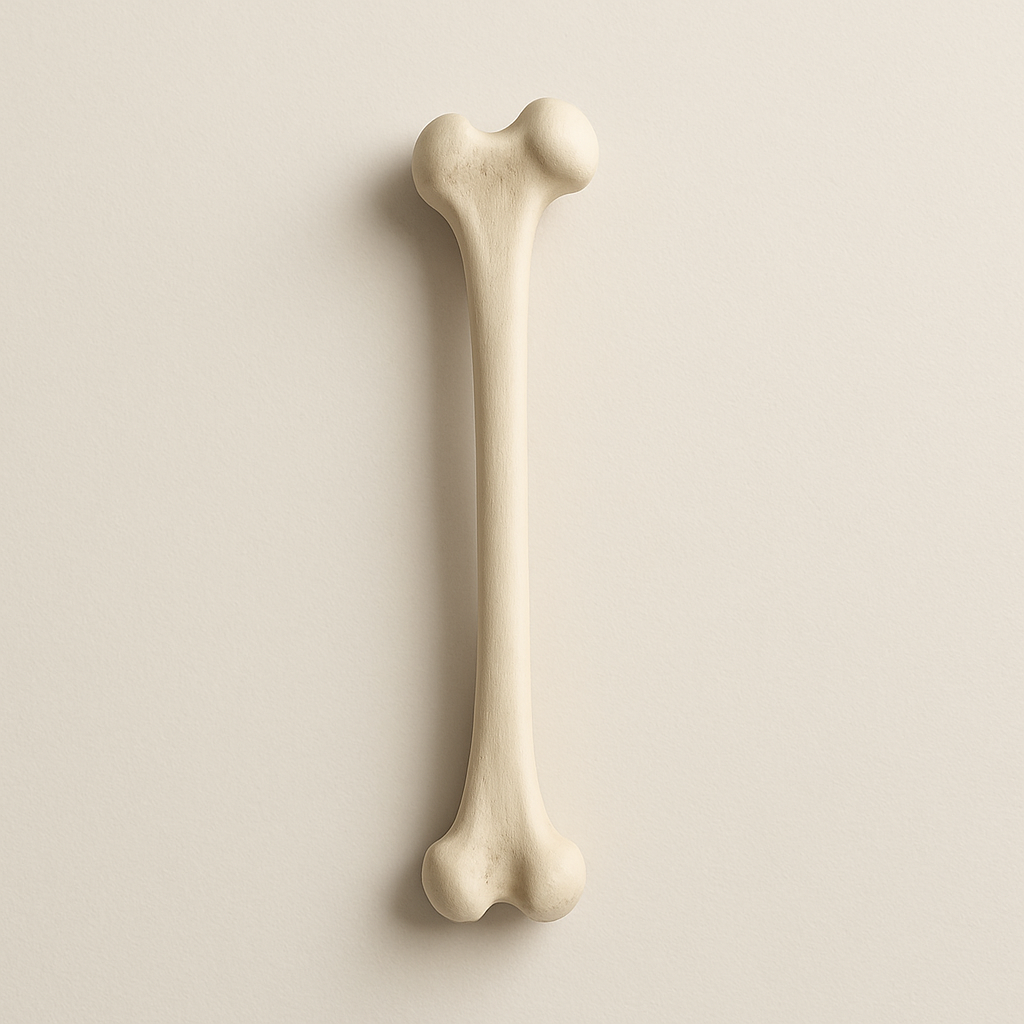
- Musculoskeletal System: Calcium and vitamin D are vital for bone density and strength.
Common Forms & Educational Dosing Ranges
Micronutrients are available in various forms, including:
- Tablets and Capsules: Common for vitamins and minerals.
- Powders: Often used for vitamin C and greens supplements.
- Liquid Formulas: Useful for those who have difficulty swallowing pills.
Educational dosing ranges vary, but general guidelines include:
- Vitamin C: 75-90 mg/day for adults.
- Vitamin D: 600-800 IU/day, depending on age.
- Zinc: 8-11 mg/day for adults.
- Iron: 8-18 mg/day, based on gender and age.
Safety, Contraindications & Interactions
While micronutrients are essential, excessive intake can lead to toxicity. Some safety considerations include:
- Vitamin A: High doses can be toxic and cause liver damage.
- Iron: Excessive iron can lead to gastrointestinal issues and organ damage.
- Zinc: Overconsumption may interfere with copper absorption.
Always consult with a healthcare provider before starting any new supplement, especially if you are on medications such as:
- Antibiotics (may interact with minerals like calcium and magnesium).
- Blood thinners (some vitamins can affect clotting).
Pairs Well With
Micronutrients can be more effective when paired with certain foods or supplements. For example:
- Vitamin D pairs well with calcium for enhanced bone health.
- Vitamin C enhances the absorption of iron from plant sources.
- Zinc works synergistically with vitamin A for immune support.
FAQs (5)
- What are micronutrients? Micronutrients are essential vitamins and minerals required in small amounts for various bodily functions.
- How can I ensure I get enough micronutrients? A balanced diet rich in fruits, vegetables, whole grains, and lean proteins is key, along with supplements if necessary.
- Are there any risks with taking too many micronutrients? Yes, excessive intake can lead to toxicity and adverse health effects.
- Can micronutrients improve my immune system? Certain micronutrients, like vitamins A, C, D, and zinc, are known to support immune health.
- Should I consult a healthcare provider before taking supplements? Yes, especially if you have existing health conditions or are taking medications.
Frequently asked
What are micronutrients?
Micronutrients are essential vitamins and minerals required in small amounts for various bodily functions.
How can I ensure I get enough micronutrients?
A balanced diet rich in fruits, vegetables, whole grains, and lean proteins is key, along with supplements if necessary.
Are there any risks with taking too many micronutrients?
Yes, excessive intake can lead to toxicity and adverse health effects.
Can micronutrients improve my immune system?
Certain micronutrients, like vitamins A, C, D, and zinc, are known to support immune health.
Should I consult a healthcare provider before taking supplements?
Yes, especially if you have existing health conditions or are taking medications.