Hormonal Nutrients
Discover hormonal nutrients, their benefits, and how they support overall health.

Explore the essential role of hormonal nutrients in maintaining hormonal balance and overall health. Learn about their active compounds, traditional uses, modern research findings, and safety considerations.
What It Is
Hormonal nutrients refer to specific vitamins and minerals that play crucial roles in the production, regulation, and balance of hormones in the body. These nutrients are essential for maintaining hormonal health and supporting various bodily functions, including metabolism, mood regulation, and reproductive health.
Key Active Compounds & Mechanisms
Several key compounds are recognized for their involvement in hormonal health:
- Vitamin D: Known for its role in calcium absorption, it also influences hormone production and immune function.
- Magnesium: Involved in over 300 biochemical reactions, magnesium supports the production of hormones such as insulin and plays a role in the regulation of cortisol.
- B Vitamins: Particularly B6, B12, and folate, these vitamins are crucial for neurotransmitter synthesis and hormonal balance.
- Zinc: Essential for testosterone production and overall reproductive health.
- Omega-3 Fatty Acids: These healthy fats can help regulate hormones related to inflammation and stress response.
Traditional Uses
Historically, various cultures have recognized the importance of certain nutrients for hormonal health:
- Herbal Remedies: Plants such as Chaste Tree (Vitex agnus-castus) have been used traditionally to support menstrual health and alleviate symptoms of PMS.
- Dietary Practices: Ancient diets rich in whole foods provided essential vitamins and minerals that supported hormonal balance.
- Ayurveda: This traditional Indian system of medicine emphasizes the role of specific herbs and nutrients in maintaining hormonal equilibrium.
What Modern Research Suggests
Contemporary studies continue to explore the relationship between hormonal nutrients and health. Preliminary research indicates:
- Vitamin D deficiency may be linked to hormonal imbalances, particularly in women.
- Magnesium supplementation has shown promise in reducing symptoms of PMS.
- Omega-3 fatty acids may help mitigate stress-related hormonal fluctuations.
While more research is needed to establish definitive conclusions, these findings suggest that adequate intake of these nutrients is beneficial for hormonal health.
Functional Actions
The functional actions of hormonal nutrients are diverse and include:
- Supporting endocrine function by facilitating hormone synthesis and release.
- Regulating metabolic processes, such as energy production and fat storage.
- Enhancing mood and cognitive function through neurotransmitter support.
- Influencing reproductive health by balancing sex hormones.
Body Systems Supported
Hormonal nutrients support various body systems, including:
- Endocrine System: Essential for hormone production and regulation.
- Nervous System: Supports neurotransmitter synthesis, impacting mood and cognition.
- Reproductive System: Vital for maintaining hormonal balance related to fertility and menstrual health.
- Immune System: Plays a role in immune response regulation through hormonal pathways.
Common Forms & Educational Dosing Ranges
Hormonal nutrients can be found in various forms, including:
- Supplements: Available as individual vitamins and minerals or in complex formulas.
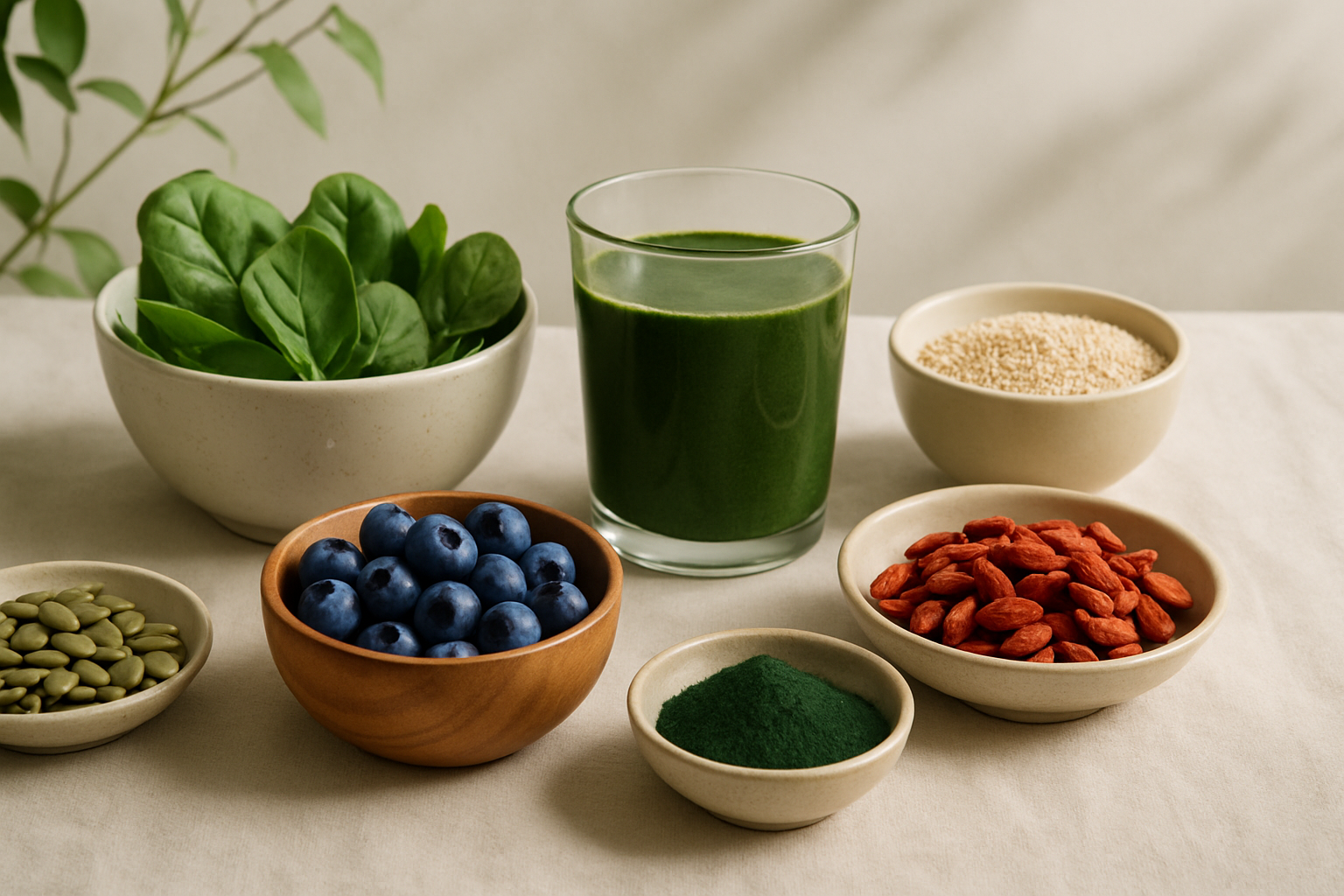
- Dietary Sources: Foods rich in these nutrients include leafy greens, nuts, seeds, fatty fish, and whole grains.
Educational dosing ranges can vary, but general recommendations include:
- Vitamin D: 600-800 IU daily, depending on age and health status.
- Magnesium: 310-420 mg daily for adults.
- B Vitamins: Varies by specific vitamin; consult a healthcare provider for personalized advice.
Safety, Contraindications & Interactions
While hormonal nutrients are generally safe, certain considerations should be noted:
- Vitamin D: High doses can lead to toxicity; check with a healthcare provider before supplementing.
- Magnesium: May interact with certain diuretics and antibiotics.
- Omega-3 Fatty Acids: Can affect blood clotting; consult a healthcare provider if taking blood-thinning medications.
Always seek professional advice before beginning any supplementation, especially if you are pregnant, nursing, or have underlying health conditions.
Pairs Well With
To enhance the effects of hormonal nutrients, consider pairing them with:
- Adaptogenic Herbs: Such as Ashwagandha and Rhodiola, which help the body adapt to stress and support hormonal balance.
- Healthy Fats: Including avocados and olive oil, which can improve nutrient absorption.
- Whole Foods: A balanced diet rich in fruits, vegetables, and lean proteins supports overall health and hormonal balance.
FAQs (5)
- What are hormonal nutrients? Hormonal nutrients are vitamins and minerals that support the production and regulation of hormones in the body.
- How do I know if I'm deficient in hormonal nutrients? Signs may include fatigue, mood swings, and irregular menstrual cycles. A healthcare provider can assess your levels through testing.
- Can I get enough hormonal nutrients from diet alone? A balanced diet rich in whole foods can provide adequate nutrients, but some individuals may require supplementation based on their health needs.
- Are there any side effects of hormonal nutrient supplements? Possible side effects depend on the nutrient and dosage; consult a healthcare provider for guidance.
- How long does it take to see benefits from hormonal nutrients? Benefits may vary based on individual circumstances; some may notice changes within weeks, while others may take longer.
Frequently asked
What are hormonal nutrients?
Hormonal nutrients are vitamins and minerals that support the production and regulation of hormones in the body.
How do I know if I'm deficient in hormonal nutrients?
Signs may include fatigue, mood swings, and irregular menstrual cycles. A healthcare provider can assess your levels through testing.
Can I get enough hormonal nutrients from diet alone?
A balanced diet rich in whole foods can provide adequate nutrients, but some individuals may require supplementation based on their health needs.
Are there any side effects of hormonal nutrient supplements?
Possible side effects depend on the nutrient and dosage; consult a healthcare provider for guidance.
How long does it take to see benefits from hormonal nutrients?
Benefits may vary based on individual circumstances; some may notice changes within weeks, while others may take longer.