Immune Nutrients
Learn about immune-supportive nutrients, their benefits, and how to incorporate them into your wellness routine.
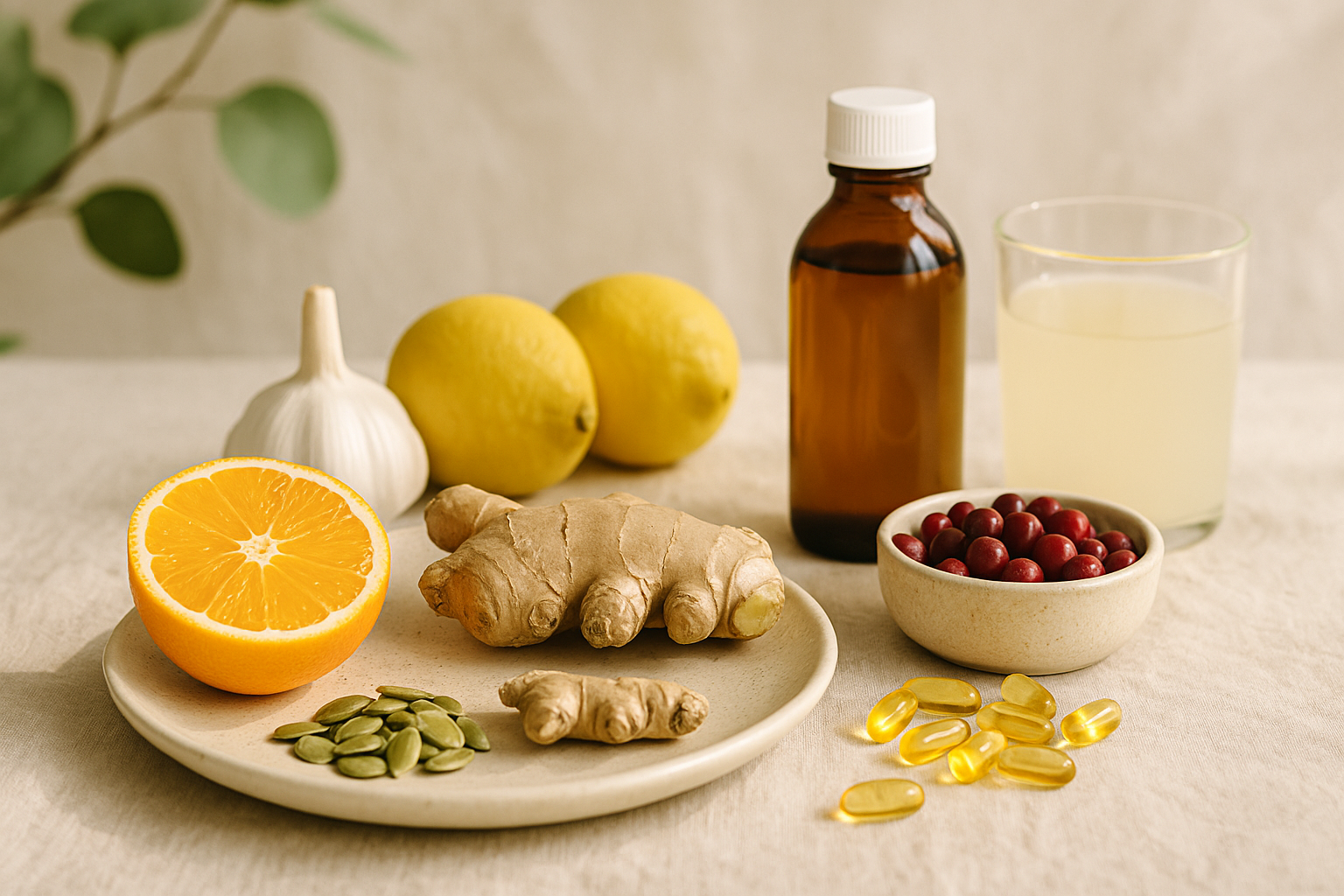
Explore the essential nutrients that support your immune system, their historical uses, modern research, and practical applications for enhancing immune health.
What It Is
Immune nutrients are essential vitamins and minerals that play a critical role in supporting and enhancing the body's immune response. These nutrients include Vitamin C, Vitamin D, Zinc, Selenium, and several others, which are vital for the development and functioning of immune cells and the overall immune system. They help the body defend against pathogens, promote healing, and maintain a healthy immune response.
Key Active Compounds & Mechanisms
Key active compounds in immune nutrients include:
- Vitamin C - An antioxidant that protects against cellular damage and supports the production of white blood cells.
- Vitamin D - Plays a role in activating immune defenses and modulating the body’s immune response.
- Zinc - Essential for immune cell function and has anti-inflammatory properties.
- Selenium - Works as an antioxidant and is crucial for the production of immune cells.
- Vitamin A - Important for maintaining the integrity of skin and mucosal cells, which act as barriers to pathogens.
Traditional Uses
Historically, various cultures have recognized the importance of certain nutrients in promoting health and preventing illness. For example:
- Vitamin C: Traditionally sourced from citrus fruits, it has been used to prevent scurvy and boost overall health.
- Zinc: Found in foods like oysters, it has been used in Traditional Chinese Medicine to support vitality and immune function.
- Vitamin D: Historically obtained from sunlight and certain foods, it has been valued for its role in maintaining bone health and immunity.
What Modern Research Suggests
Modern scientific research supports the historical uses of immune nutrients, with studies indicating their roles in immune modulation. For example:
- Research shows that adequate levels of Vitamin C can shorten the duration of colds.
- Studies suggest that Vitamin D deficiency is linked to increased susceptibility to infections.
- Clinical trials have demonstrated that zinc supplementation can reduce the risk of respiratory infections, particularly in older adults.
Functional Actions
Immune nutrients exhibit various functional actions, including:
- Enhancing the production and activity of immune cells.
- Reducing inflammation and oxidative stress in the body.
- Supporting the body's ability to may support after illness or injury.
- Strengthening barriers to infection, such as skin and mucous membranes.
Body Systems Supported
The primary body systems supported by immune nutrients include:
- Immune System: Directly enhances immune response and resistance to infections.
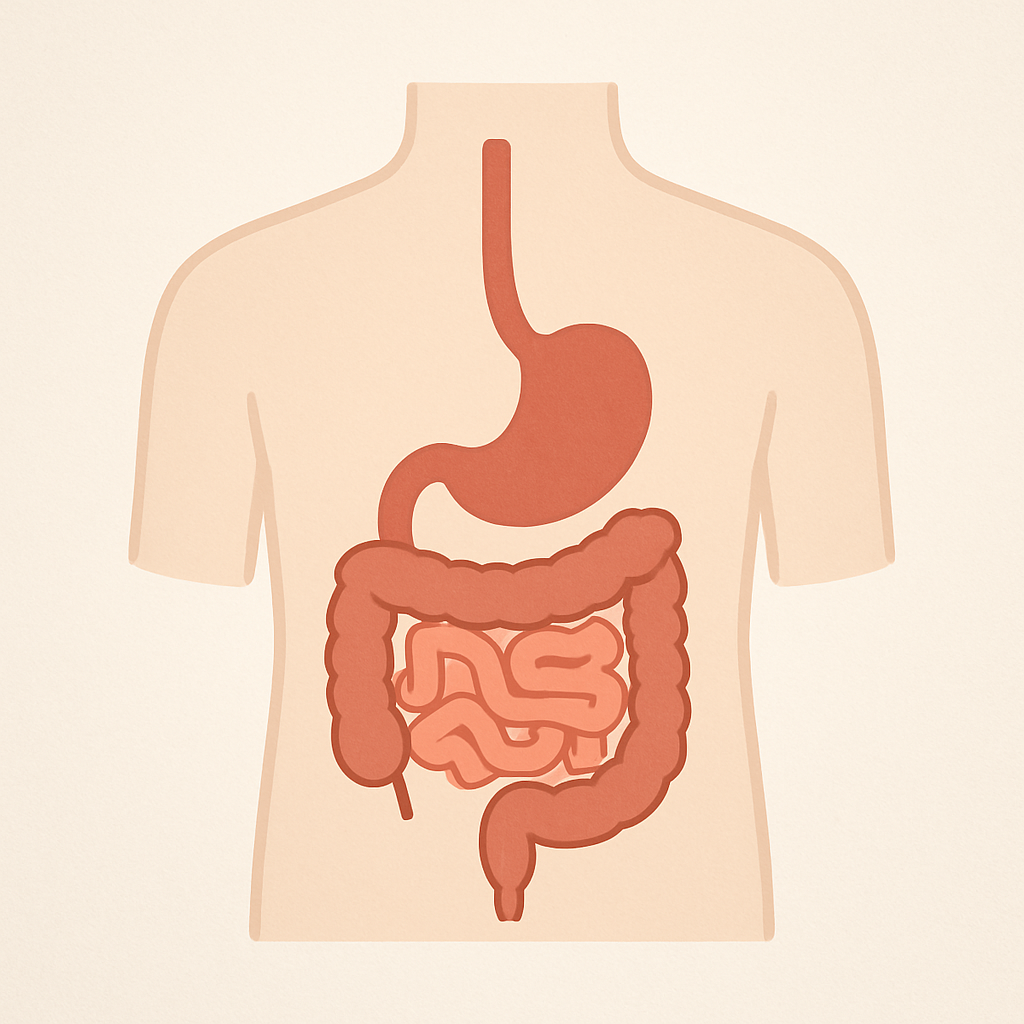
- Integumentary System: Supports skin health, the body’s first line of defense against pathogens.
- Endocrine System: Influences hormone production that can affect immune function.
Common Forms & Educational Dosing Ranges
Immune nutrients can be found in various forms, including:
- Vitamin C: Available as ascorbic acid in tablets, powders, or capsules. Recommended daily intake for adults is around 75-90 mg.
- Vitamin D: Available as D2 (ergocalciferol) or D3 (cholecalciferol) in capsules or soft gels. The recommended daily intake varies but is generally around 600-800 IU.
- Zinc: Available as zinc gluconate or zinc citrate in tablets or lozenges. Recommended intake is about 8-11 mg for adults.
- Selenium: Available in selenomethionine or sodium selenite forms. Recommended daily intake is around 55 mcg.
Safety, Contraindications & Interactions
While immune nutrients are generally safe when consumed in appropriate amounts, there are some considerations:
- Vitamin C: High doses may cause gastrointestinal upset. Caution is advised for individuals with kidney disorders.
- Vitamin D: Excessive intake can lead to toxicity, resulting in hypercalcemia. Monitoring is essential for those on certain diuretics.
- Zinc: Long-term high doses can interfere with copper absorption. Caution for those taking antibiotics, as zinc may impact their effectiveness.
- Selenium: Excessive selenium can cause toxicity. Individuals on blood thinners should consult a healthcare provider.
Pairs Well With
Immune nutrients work synergistically with various other compounds:
- Probiotics: Support gut health, which is crucial for a robust immune response.
- Omega-3 Fatty Acids: Help reduce inflammation and enhance overall immune function.
- Herbal Remedies: Such as echinacea and elderberry, which have been traditionally used to support immunity.
FAQs (5)
- What are immune nutrients? Immune nutrients are vitamins and minerals that support the immune system, such as Vitamin C, Vitamin D, and Zinc.
- How can I boost my immune system naturally? Eating a balanced diet rich in immune nutrients, staying hydrated, getting enough sleep, and managing stress can help.
- Are supplements necessary for immune health? While supplements can help, it is best to obtain nutrients from a varied diet. Consult a healthcare provider for personalized advice.
- Can I take immune nutrients if I am on medication? Some immune nutrients can interact with medications. It is essential to consult with a healthcare provider before starting any supplements.
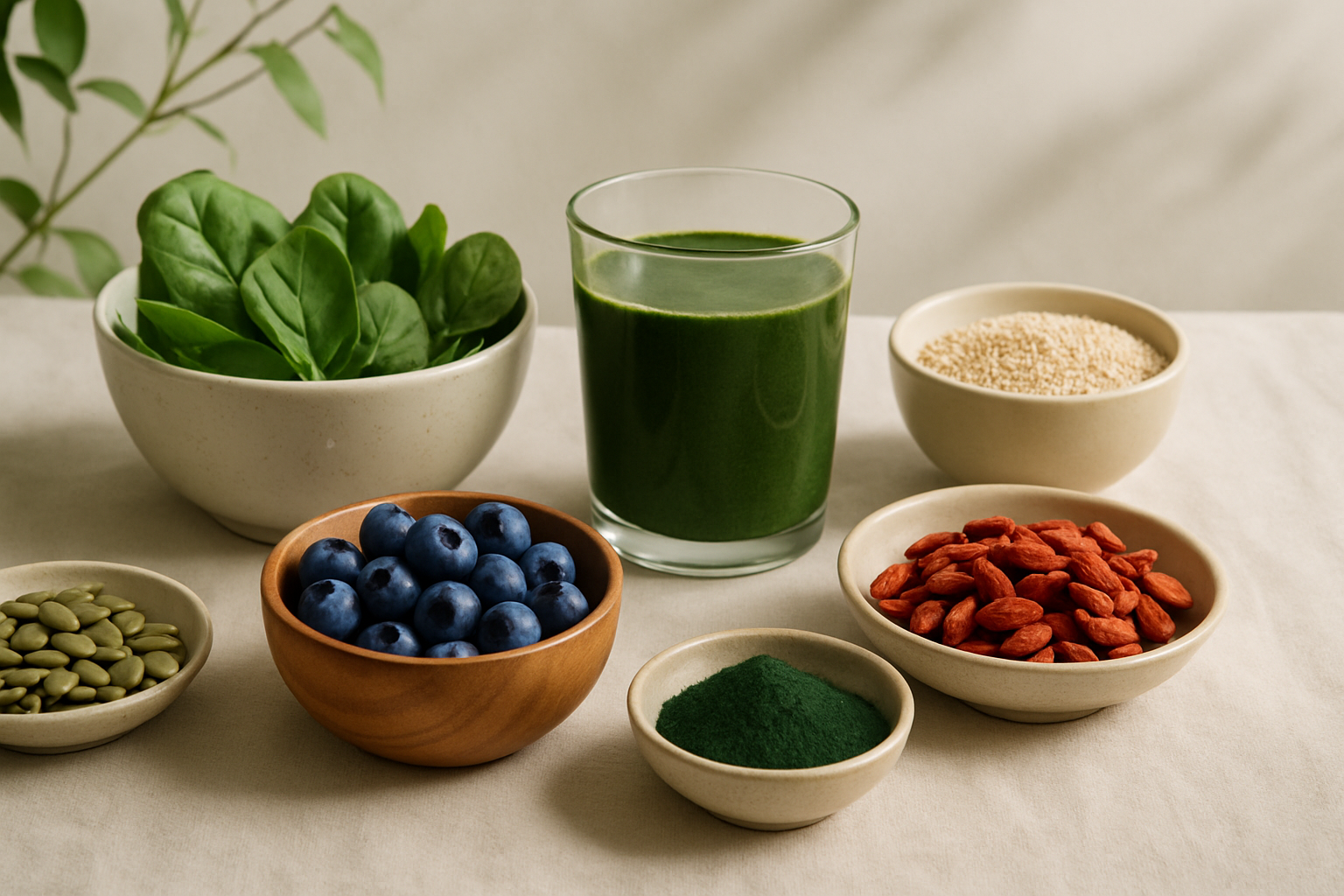
- What foods are high in immune nutrients? Foods rich in immune nutrients include citrus fruits, nuts, seeds, whole grains, dairy products, and lean meats.
Frequently asked
What are immune nutrients?
Immune nutrients are vitamins and minerals that support the immune system, such as Vitamin C, Vitamin D, and Zinc.
How can I boost my immune system naturally?
Eating a balanced diet rich in immune nutrients, staying hydrated, getting enough sleep, and managing stress can help.
Are supplements necessary for immune health?
While supplements can help, it is best to obtain nutrients from a varied diet. Consult a healthcare provider for personalized advice.
Can I take immune nutrients if I am on medication?
Some immune nutrients can interact with medications. It is essential to consult with a healthcare provider before starting any supplements.
What foods are high in immune nutrients?
Foods rich in immune nutrients include citrus fruits, nuts, seeds, whole grains, dairy products, and lean meats.