Cardiovascular Support
Discover natural approaches to support cardiovascular health with vitamins and minerals, including their traditional uses and modern research insights.

Explore the natural remedies for cardiovascular support through vitamins and minerals, including traditional uses, modern research, and safety considerations.
What It Is
Cardiovascular support refers to the use of natural remedies, including vitamins and minerals, to promote heart health and enhance circulatory function. Key nutrients such as omega-3 fatty acids, coenzyme Q10 (CoQ10), and magnesium play essential roles in maintaining a healthy cardiovascular system.
Key Active Compounds & Mechanisms
Several active compounds are known for their beneficial effects on cardiovascular health:
- Omega-3 Fatty Acids: Found in fish oil and flaxseed oil, these fatty acids help reduce inflammation and lower triglyceride levels.
- Coenzyme Q10 (CoQ10): A powerful antioxidant that supports energy production in cells, particularly in the heart muscle.
- Magnesium: This mineral aids in maintaining normal blood pressure and supports muscle function, including the heart.
- Vitamin K2: Plays a role in calcium metabolism and helps prevent calcium buildup in arteries.
- Folic Acid: A B-vitamin that helps lower homocysteine levels, which is linked to heart disease.
Traditional Uses
Historically, various cultures have utilized natural remedies for cardiovascular support:
- Hawthorn (Crataegus spp.): Used in traditional European medicine for heart-related issues, hawthorn extracts are thought to improve blood flow and strengthen the heart.
- Garlic (Allium sativum): Employed in ancient Egypt and China, garlic has been recognized for its ability to lower blood pressure and improve cholesterol levels.
- Ginkgo Biloba: Utilized in traditional Chinese medicine, it is believed to enhance circulation and support heart health.
What Modern Research Suggests
Modern studies have begun to validate some of the traditional uses of these natural remedies:
- Research indicates that omega-3 fatty acids can reduce the risk of heart disease by lowering triglyceride levels and decreasing inflammation.
- Studies have shown that CoQ10 supplementation may help improve heart function in individuals with heart failure.
- Magnesium is linked to lower blood pressure and a reduced risk of heart disease in various population studies.
Functional Actions
The functional actions of these nutrients can be categorized as follows:
- Anti-inflammatory: Omega-3 fatty acids and garlic help reduce inflammation in blood vessels.
- Antioxidant: CoQ10 and vitamins C and E protect against oxidative stress, which can damage blood vessels.
- Blood Pressure Regulation: Magnesium and potassium help maintain normal blood pressure levels.
- Cholesterol Management: Garlic and omega-3 fatty acids can help improve lipid profiles.
Body Systems Supported
Cardiovascular support primarily benefits the following body systems:
- Cardiovascular System: Directly supports heart health and circulation.
- Endocrine System: Influences hormones that regulate blood pressure and metabolism.
- Nervous System: Supports overall nerve function and cardiovascular reflexes.
Common Forms & Educational Dosing Ranges
These nutrients are available in various forms, including:
- Capsules or Softgels: Common for omega-3s and CoQ10, typically ranging from 100 mg to 1000 mg daily.
- Powder or Liquids: Often used for magnesium and herbal extracts, dosage varies widely based on concentration.
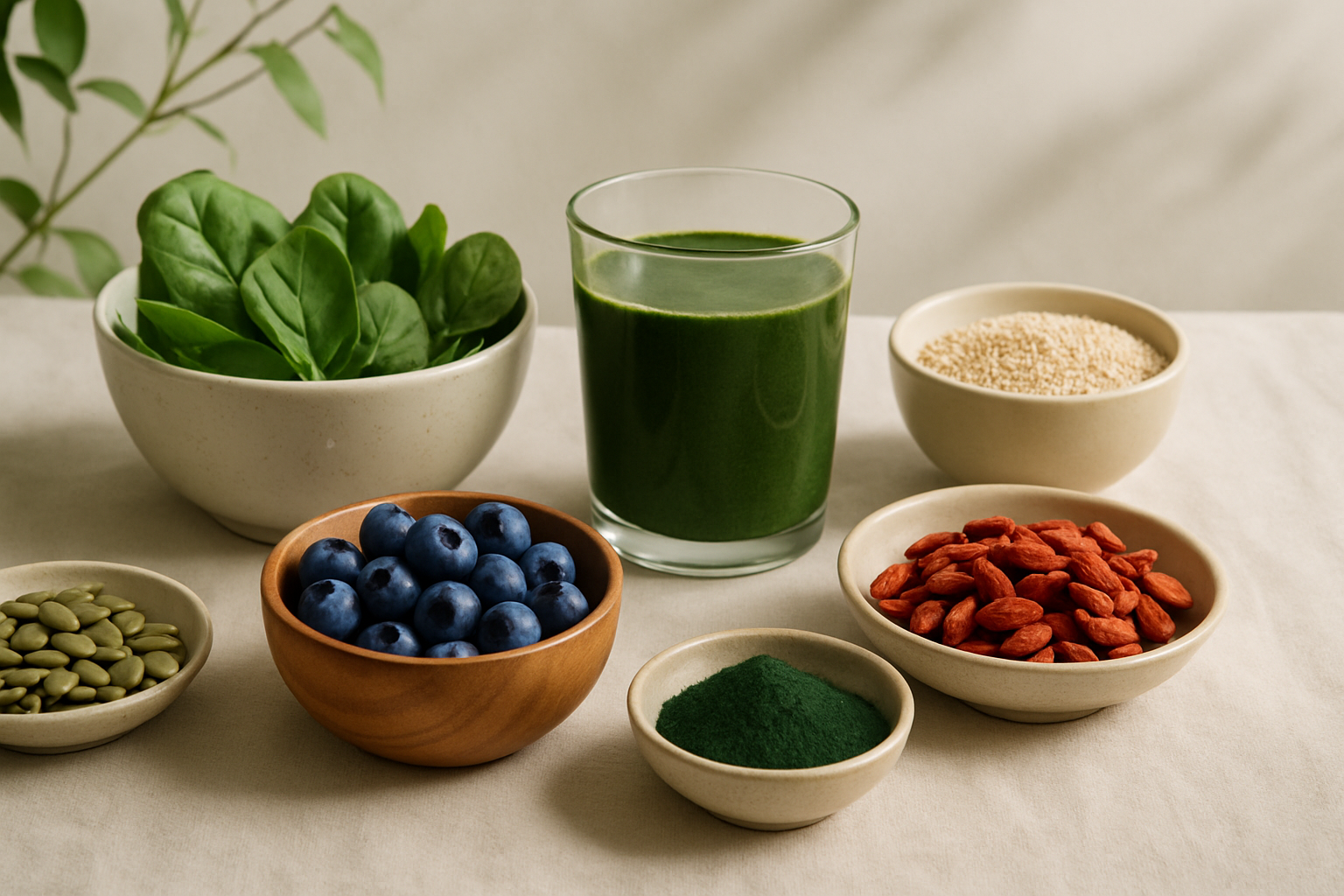
- Whole Foods: Incorporating foods such as fish, nuts, seeds, and leafy greens is encouraged for overall cardiovascular support.
Safety, Contraindications & Interactions
While many natural remedies are safe, caution is advised:
- Omega-3 Fatty Acids: May interact with blood thinners, increasing the risk of bleeding.
- CoQ10: Can lower blood pressure and may interact with blood pressure medications.
- Garlic: High doses may also affect blood-thinning medications and should be used under medical supervision.
Pairs Well With
For enhanced cardiovascular support, these nutrients can be paired:
- Vitamin D: Works synergistically with calcium and magnesium for heart health.
- Fiber: Found in fruits, vegetables, and whole grains, it supports cardiovascular health by improving cholesterol levels.
- Exercise: Regular physical activity complements the benefits of these nutrients.
FAQs (5)
- What are the best vitamins for heart health? Vitamins such as B-complex, vitamin D, and vitamin E are recognized for their supportive roles in heart health.
- Can I get enough omega-3s from diet alone? While it's possible, many individuals may benefit from supplementation, especially if they do not consume fish regularly.
- How long does it take to see benefits from these supplements? Benefits can vary; some individuals may notice improvements within a few weeks, while others may take longer.
- Are there any side effects associated with these natural remedies? Generally safe, but high doses can lead to side effects such as gastrointestinal discomfort or interactions with medications.
- Should I consult my doctor before starting a new supplement? Yes, especially if you have existing health conditions or are taking medications.
Frequently asked
What are the best vitamins for heart health?
Vitamins such as B-complex, vitamin D, and vitamin E are recognized for their supportive roles in heart health.
Can I get enough omega-3s from diet alone?
While it's possible, many individuals may benefit from supplementation, especially if they do not consume fish regularly.
How long does it take to see benefits from these supplements?
Benefits can vary; some individuals may notice improvements within a few weeks, while others may take longer.
Are there any side effects associated with these natural remedies?
Generally safe, but high doses can lead to side effects such as gastrointestinal discomfort or interactions with medications.
Should I consult my doctor before starting a new supplement?
Yes, especially if you have existing health conditions or are taking medications.