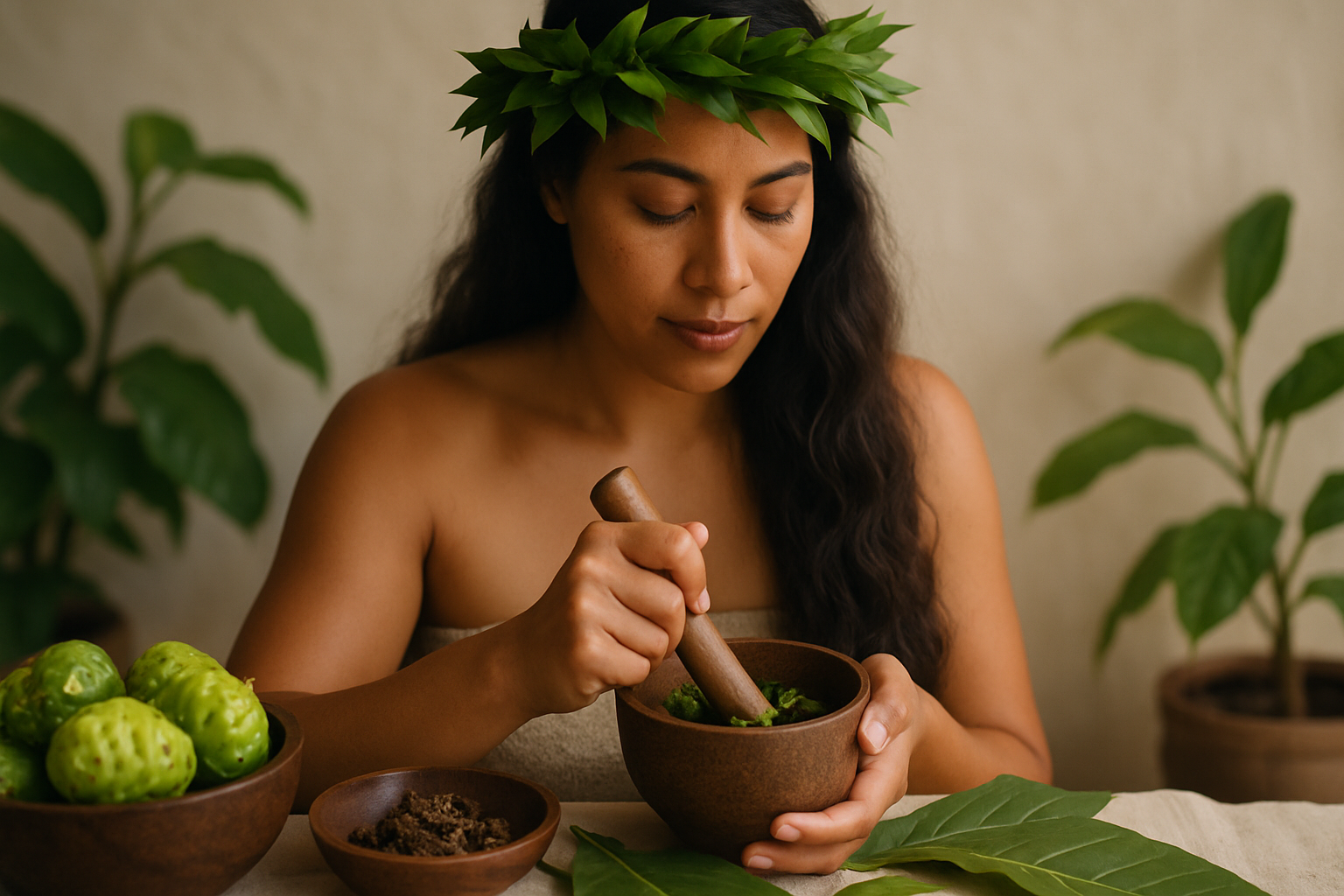
Traditional Nutrition

What It Is
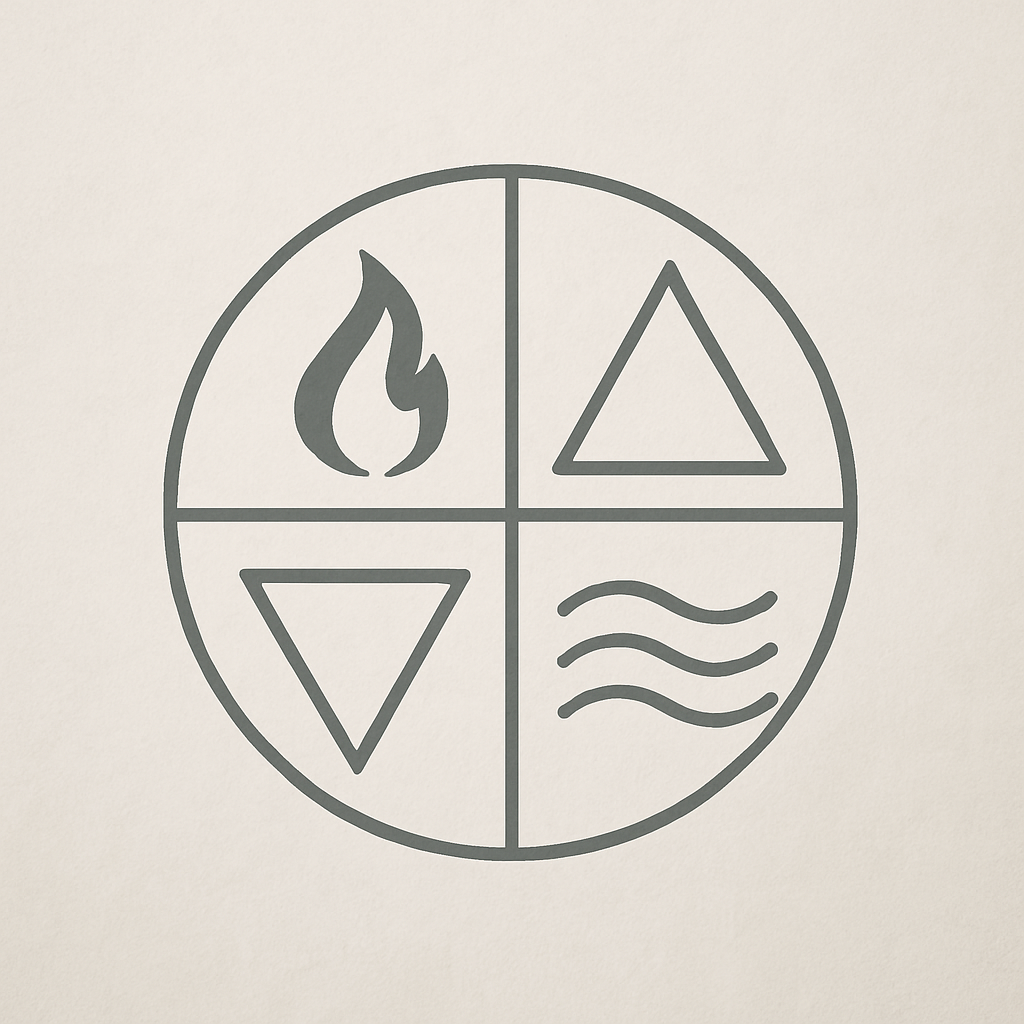
Traditional Nutrition within Tibetan Medicine is a holistic approach that emphasizes the balance of the body, mind, and spirit through dietary practices. It draws upon the understanding of the five elements—earth, water, fire, air, and space—and how these elements interact with the human body. The primary goal of Traditional Nutrition is to promote optimal health and well-being by aligning one's diet with their unique constitution and the changing seasons.
This practice recognizes that food is not merely a source of energy but also a vital component of preventive health. The Tibetan medical system categorizes foods based on their qualities and effects on the body, advocating for a diet that supports individual needs, enhances digestion, and fosters vitality.
Historical Context Within Tibetan Medicine
Traditional Nutrition has its roots in the ancient practices of Tibetan Medicine, which dates back over a thousand years. The system was significantly influenced by the teachings of notable figures such as Yuthok Yonten Gonpo, often regarded as the father of Tibetan Medicine. He developed comprehensive texts that include dietary guidelines based on the principles of balance and harmony.
Throughout history, Traditional Nutrition has evolved, incorporating elements from Buddhist philosophy and indigenous practices. It became a crucial aspect of Tibetan Medicine, offering a framework for understanding how food impacts health and how dietary choices can prevent or mitigate illness.
How It's Practiced
Practicing Traditional Nutrition involves several key steps, often guided by a qualified Tibetan medical practitioner. Here’s a typical walk-through:
- Initial Consultation: A practitioner assesses the individual's constitution, health concerns, and lifestyle.
- Dietary Assessment: An analysis of current eating habits and preferences is conducted.
- Food Selection: Based on the assessment, specific foods and herbs are recommended to balance the individual's unique energies.
- Cooking Methods: Guidance on preparation and cooking techniques is provided, emphasizing gentle methods that enhance digestibility.
- Seasonal Adjustments: Recommendations may change with the seasons to align dietary practices with environmental conditions.
This personalized approach ensures that dietary practices are tailored to individual needs, promoting harmony within the body.
What It Is Traditionally Explored For
Traditional Nutrition is typically explored for a variety of health goals, including:
- Enhancing digestive health
- Balancing energy levels
- Supporting immune function
- Promoting mental clarity and emotional stability
- Facilitating detoxification
It is important to note that while these practices are traditionally used for these purposes, they should not replace conventional medical treatments.
What Modern Research Suggests
Recent studies have begun to explore the principles of Traditional Nutrition within the context of modern dietary science. Preliminary research indicates that many of the dietary recommendations align with findings in nutrition regarding the benefits of whole foods, balanced macronutrients, and the importance of digestive health. For example, the emphasis on seasonal eating reflects an understanding of how fresh, local produce can enhance nutrient intake and support overall health.
While more rigorous clinical studies are needed to establish the efficacy of specific Tibetan dietary practices, the holistic approach of Traditional Nutrition has gained interest for its potential to complement modern dietary paradigms. Researchers continue to investigate how these ancient practices can inform contemporary nutritional strategies.
Safety, Contraindications & Who Should Skip
While Traditional Nutrition is generally considered safe for most individuals, certain populations may need to approach it with caution. Individuals with specific medical conditions, such as severe food allergies, gastrointestinal disorders, or those on certain medications, should consult a qualified practitioner before making significant dietary changes. Pregnant or breastfeeding women should also seek guidance, as nutritional needs can vary during these life stages.
Pairs Well With (within Tibetan Medicine and across pillars)
Traditional Nutrition can be complemented by various modalities and practices within Tibetan Medicine, as well as across other healing traditions:
- Herbal Medicine
- Acupuncture
- Mindfulness and Meditation
- Yoga and Movement Therapies
- Aromatherapy
How to Find a Qualified Practitioner
To find a qualified practitioner of Traditional Nutrition within Tibetan Medicine, consider the following steps:
- Seek referrals from trusted healthcare providers or holistic health practitioners.
- Look for practitioners with formal training in Tibetan Medicine and nutrition.
- Check for certifications from recognized Tibetan Medicine organizations.
- Read reviews and testimonials from previous clients.
- Schedule an initial consultation to discuss your needs and assess compatibility.
FAQs (5)
- What is Traditional Nutrition? Traditional Nutrition is a holistic dietary approach within Tibetan Medicine that focuses on balancing the body, mind, and spirit through food.
- How is Traditional Nutrition different from modern nutrition? Traditional Nutrition emphasizes individualized dietary practices based on ancient principles, while modern nutrition often focuses on generalized dietary guidelines.
- Can I practice Traditional Nutrition on my own? It is recommended to consult a qualified practitioner for a personalized approach, as improper dietary choices may lead to imbalances.
- Are there any risks associated with Traditional Nutrition? While generally safe, individuals with certain medical conditions should seek guidance from a practitioner before making dietary changes.
- How can I integrate Traditional Nutrition with my current eating habits? A practitioner can help you gradually incorporate principles of Traditional Nutrition into your current diet for a balanced approach.
Frequently asked
What is Traditional Nutrition?
Traditional Nutrition is a holistic dietary approach within Tibetan Medicine that focuses on balancing the body, mind, and spirit through food.
How is Traditional Nutrition different from modern nutrition?
Traditional Nutrition emphasizes individualized dietary practices based on ancient principles, while modern nutrition often focuses on generalized dietary guidelines.
Can I practice Traditional Nutrition on my own?
It is recommended to consult a qualified practitioner for a personalized approach, as improper dietary choices may lead to imbalances.
Are there any risks associated with Traditional Nutrition?
While generally safe, individuals with certain medical conditions should seek guidance from a practitioner before making dietary changes.
How can I integrate Traditional Nutrition with my current eating habits?
A practitioner can help you gradually incorporate principles of Traditional Nutrition into your current diet for a balanced approach.