Pulse Reading
Delve into Pulse Reading, a vital practice in Tibetan Medicine, highlighting its history, methodology, and relevance today.

Explore the ancient practice of Pulse Reading in Tibetan Medicine, its historical roots, practical applications, and modern insights.
What It Is
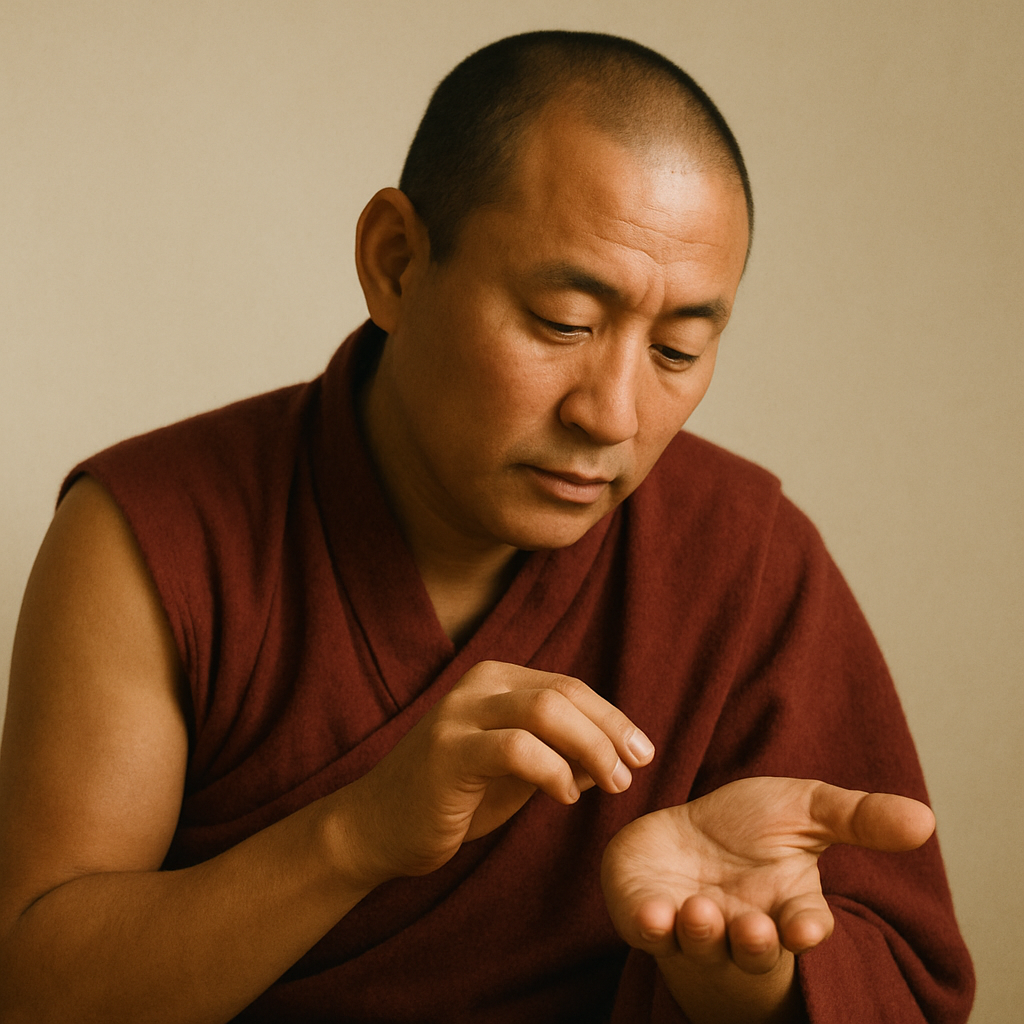
Pulse Reading, or Nadi Pariksha, is a diagnostic technique deeply embedded in Tibetan Medicine. It involves the practitioner feeling the pulse at various sites on the body, particularly at the wrist, to gather information about a person's health. This method is not merely about counting beats; it encompasses an intricate understanding of the quality, rhythm, and strength of the pulse, reflecting the balance of bodily energies.
The pulse is believed to provide insights into the three fundamental humors (or energies) in Tibetan Medicine: Lung (wind), Tripa (bile), and Peken (phlegm). Each humor corresponds to various physiological and psychological states, and the pulse reading helps practitioners ascertain any imbalances that may contribute to health issues.
Historical Context Within Tibetan Medicine
Pulse Reading has been a significant component of Tibetan Medicine for centuries, with its roots tracing back to ancient Indian Ayurvedic practices. It was further developed and integrated into Tibetan healing systems through the contributions of renowned figures such as Yuthok Yonten Gonpo, a pivotal figure in the 8th century who is often regarded as the father of Tibetan Medicine.
This tradition has evolved over time, incorporating local beliefs and practices while maintaining its foundational principles. The ancient texts, such as the Four Medical Tantras, emphasize the importance of pulse diagnosis as a means to understand the interplay of physical health and spiritual well-being.
How It's Practiced
Pulse Reading is typically conducted in a serene environment, allowing for optimal focus and energy flow. Here’s a step-by-step overview of how a practitioner might conduct a pulse reading:
- Initial Consultation: The practitioner begins with a detailed discussion about the patient's health history, lifestyle, and current concerns.
- Pulse Examination: The practitioner feels the pulse at both wrists, often using three fingers to assess different qualities.
- Assessment of Pulse Qualities: The practitioner evaluates aspects such as strength, rhythm, and texture of the pulse, categorizing them into the three humors.
- Diagnosis and Recommendations: Based on the findings, the practitioner may suggest dietary changes, herbal remedies, or lifestyle adjustments to restore balance.
What It Is Traditionally Explored For
Pulse Reading is traditionally used for a variety of health concerns, reflecting its holistic approach to wellness. Common goals explored through this practice include:
- Identifying imbalances in the three humors.
- Assessing the overall vitality and energy levels of the body.
- Understanding emotional and psychological states and their physiological manifestations.
- Guiding treatment decisions in conjunction with other Tibetan Medicine modalities.
What Modern Research Suggests
While Pulse Reading remains a traditional practice, modern research into its efficacy is limited but growing. Preliminary studies indicate that pulse diagnosis may correlate with certain health metrics, suggesting that practitioners can glean valuable insights from this ancient technique. Some researchers have begun to explore how pulse characteristics might relate to specific health conditions, although more rigorous studies are needed to establish definitive connections.
Additionally, anecdotal evidence from practitioners and patients highlights the potential benefits of pulse reading in enhancing self-awareness and understanding of one's health. This integrative approach aligns with contemporary trends towards holistic health, where mind-body connections are increasingly recognized.
Safety, Contraindications & Who Should Skip
Pulse Reading is generally considered safe for most individuals. However, those with specific health conditions, such as severe circulatory issues or certain psychological conditions, may need to approach this practice with caution. It is advisable for individuals to consult with a healthcare provider before engaging in Pulse Reading if they have:
- Severe cardiovascular diseases.
- Acute psychiatric conditions.
- Any recent surgeries affecting circulation.
Pairs Well With (within Tibetan Medicine and across pillars)
Pulse Reading complements various other modalities within Tibetan Medicine, as well as practices from different healing traditions. Some of these include:
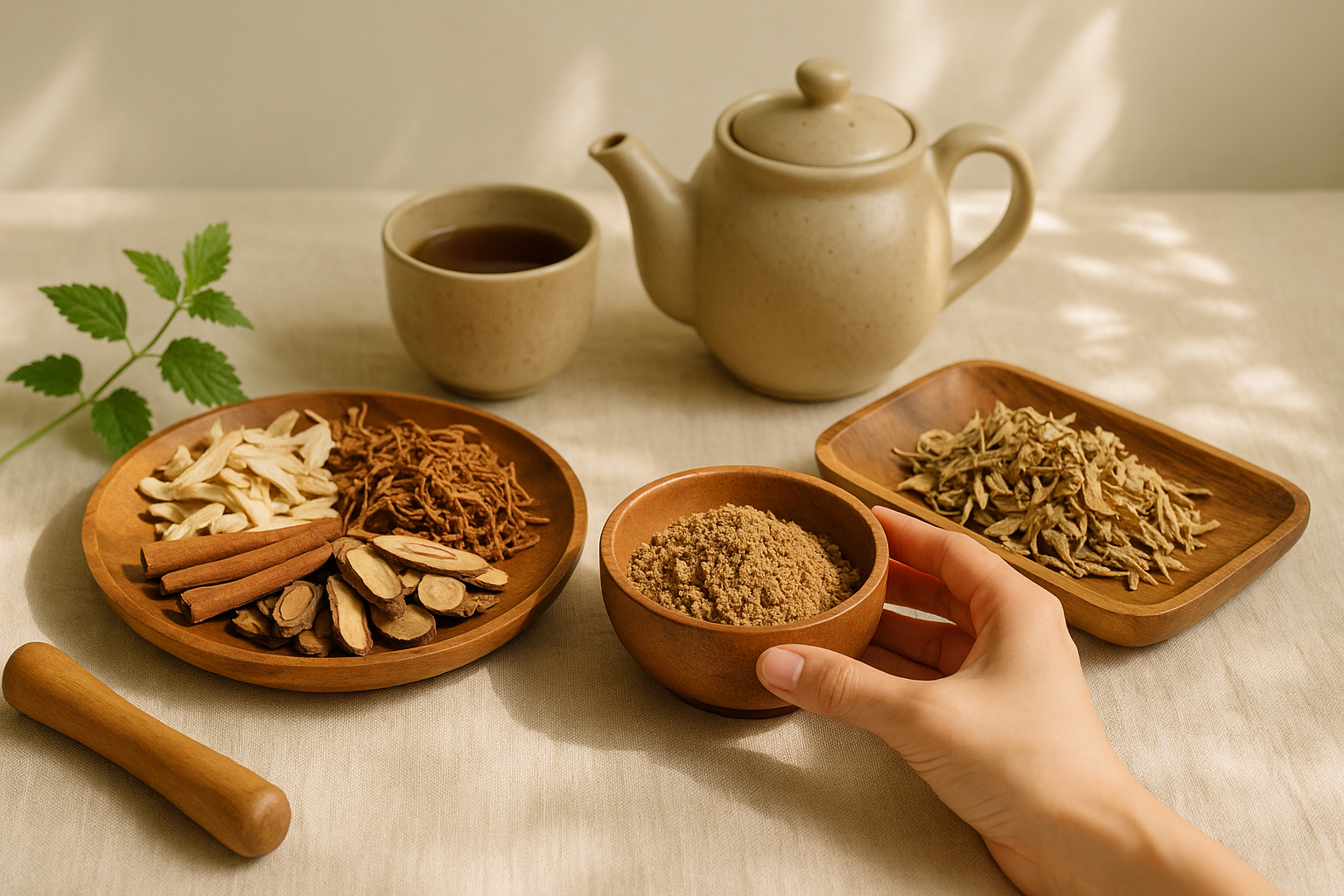
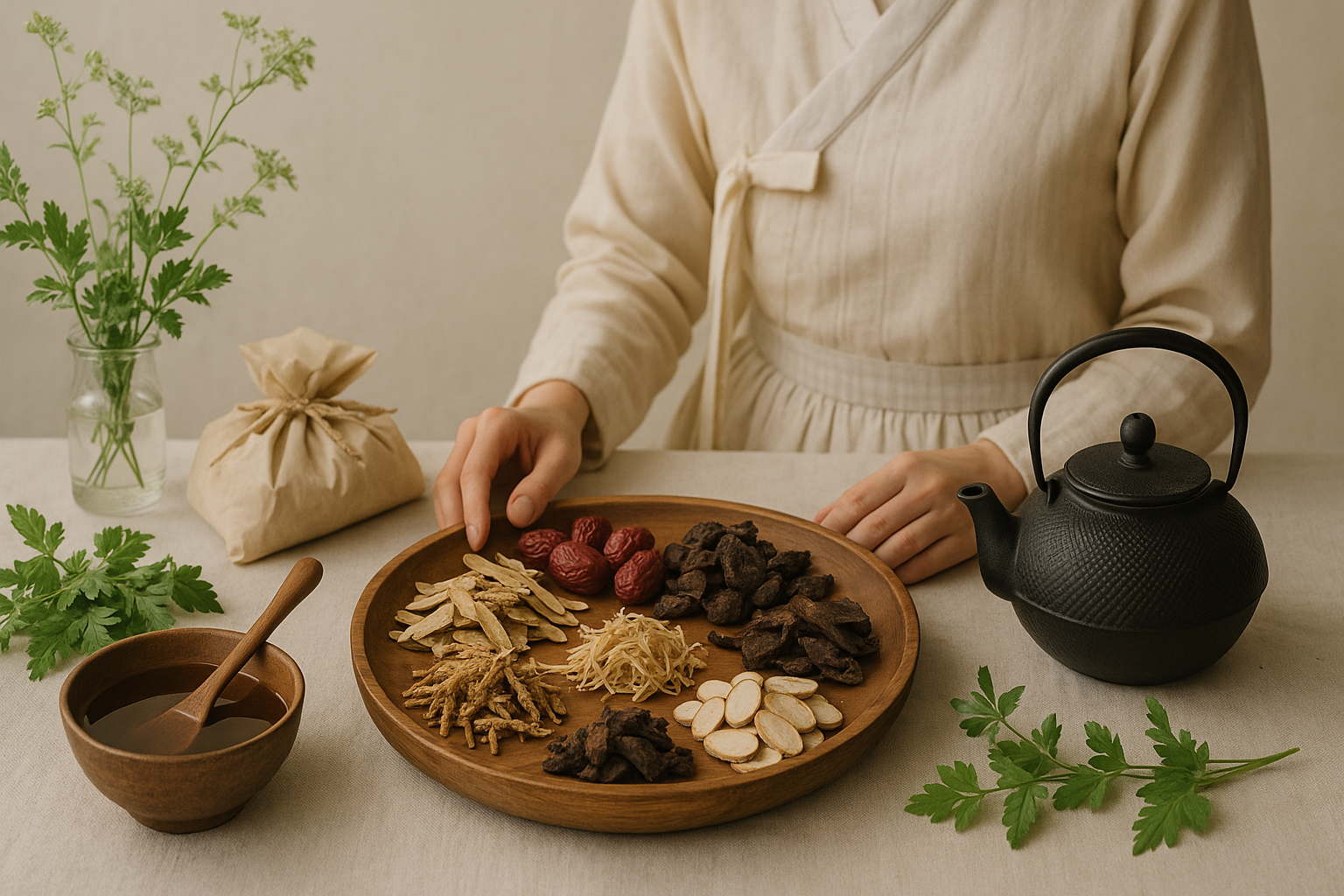
- Herbal Medicine: Tailored herbal remedies based on pulse findings.
- Dietary Therapy: Specific dietary recommendations to balance humors.
- Moxibustion: A technique to stimulate energy flow and enhance treatment outcomes.
- Acupuncture: Balancing energy pathways that may align with pulse readings.
How to Find a Qualified Practitioner
Finding a qualified practitioner in Pulse Reading involves careful consideration. Here are some steps to guide your search:
- Look for practitioners with formal training in Tibetan Medicine, preferably accredited by recognized institutions.
- Seek recommendations from health professionals or community groups focused on holistic health.
- Check for certifications or memberships in professional organizations related to Tibetan Medicine.
- Schedule an initial consultation to discuss your health history and gauge the practitioner's approach and expertise.
FAQs (5)
- What should I expect during a pulse reading session?
You can expect a calm environment where the practitioner will discuss your health history and then assess your pulse at both wrists. - How long does a pulse reading take?
A typical session may last anywhere from 30 minutes to an hour, depending on the practitioner's method and your individual needs. - Can pulse reading be done remotely?
While it is traditionally a hands-on practice, some practitioners may offer remote consultations based on health history and follow-up questions. - Is pulse reading suitable for everyone?
While generally safe, individuals with specific health conditions should consult with a healthcare provider before undergoing this practice. - How often should I have a pulse reading?
The frequency can vary based on personal health goals, but many seek pulse reading periodically to monitor their health and any changes.
Frequently asked
What should I expect during a pulse reading session?
You can expect a calm environment where the practitioner will discuss your health history and then assess your pulse at both wrists.
How long does a pulse reading take?
A typical session may last anywhere from 30 minutes to an hour, depending on the practitioner's method and your individual needs.
Can pulse reading be done remotely?
While it is traditionally a hands-on practice, some practitioners may offer remote consultations based on health history and follow-up questions.
Is pulse reading suitable for everyone?
While generally safe, individuals with specific health conditions should consult with a healthcare provider before undergoing this practice.
How often should I have a pulse reading?
The frequency can vary based on personal health goals, but many seek pulse reading periodically to monitor their health and any changes.