Breathing Exercises
Discover how Tibetan Medicine utilizes breathing exercises as a holistic approach to enhance well-being and balance.

Explore the ancient practice of breathing exercises in Tibetan Medicine, delving into its historical significance, modern applications, and safety considerations.
What It Is
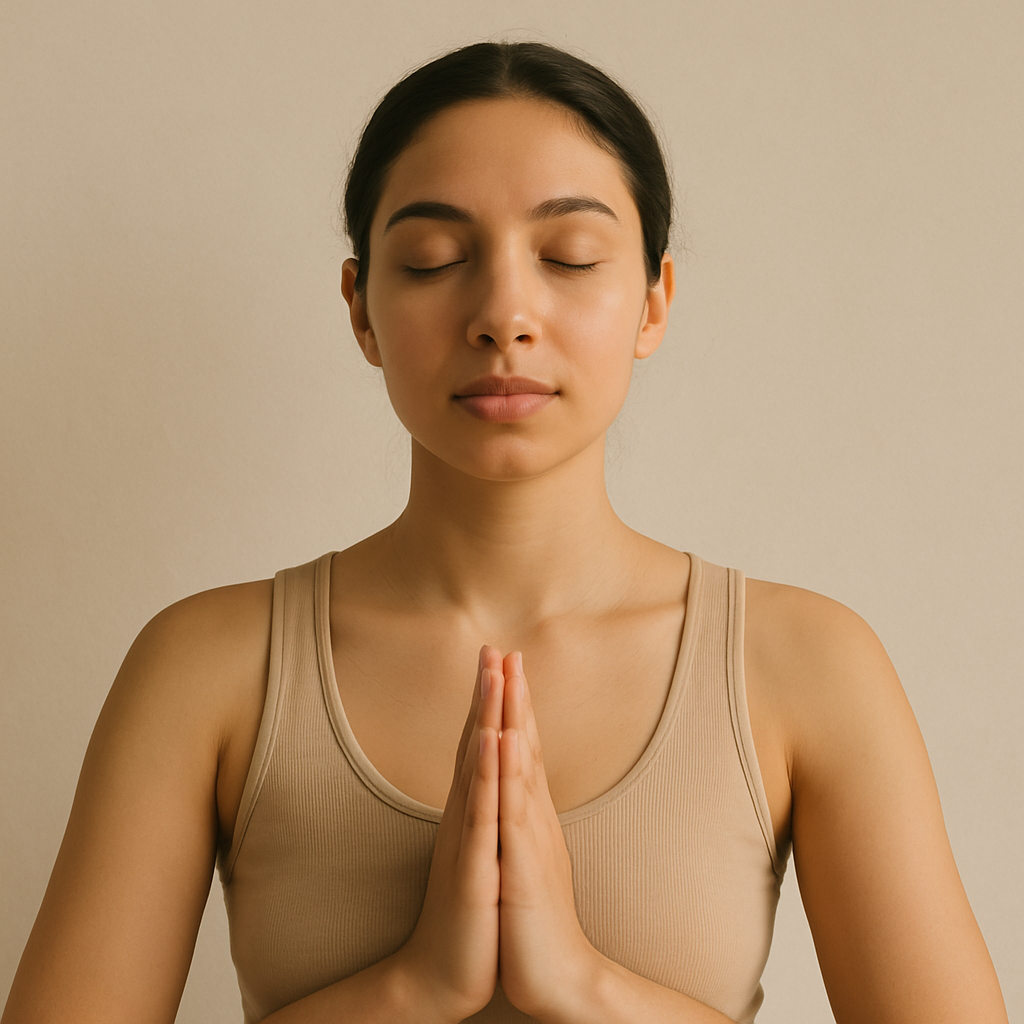
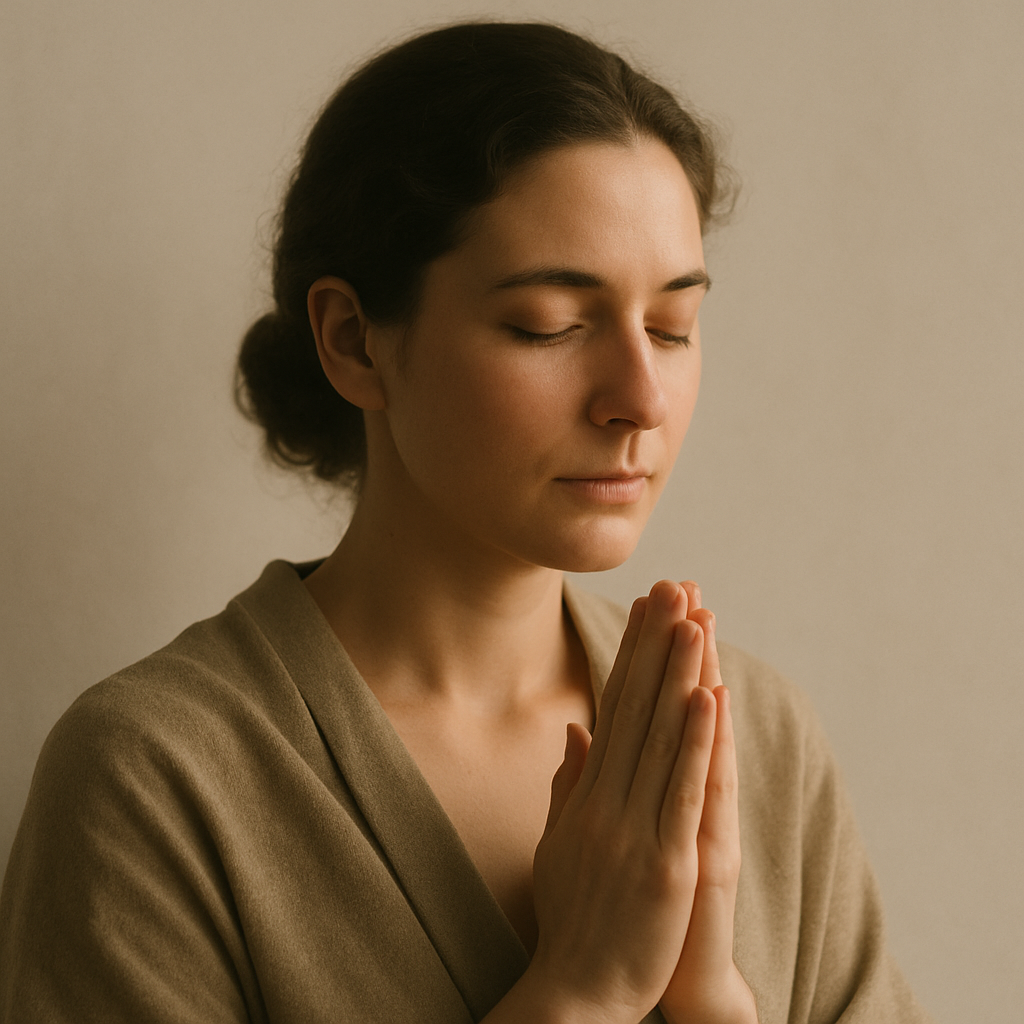
Breathing exercises, known as "tummo" in Tibetan Medicine, encompass a range of techniques designed to cultivate awareness, enhance energy flow, and promote relaxation. This practice involves conscious control of breath to influence both mental and physical states. By engaging with the breath, practitioners aim to connect deeper with their inner selves and the surrounding environment, fostering a sense of harmony.
At its core, breathing exercises in Tibetan Medicine are seen as a bridge between the body and mind. The rhythms of breath are believed to reflect and influence the energy pathways, or "lung," within the body. By mastering these techniques, individuals can potentially unlock greater vitality, emotional balance, and clarity of thought.
Historical Context Within Tibetan Medicine
The roots of breathing exercises in Tibetan Medicine can be traced back over a millennium, closely intertwined with the Buddhist traditions that permeate Tibetan culture. This practice was developed by early Tibetan scholars and practitioners, who integrated ancient Indian yogic techniques with their indigenous understanding of health and well-being.
As Tibetan Medicine evolved, these breathing techniques were codified into various texts and teachings. Notable figures, such as Padmasambhava and Tsongkhapa, played significant roles in shaping the understanding and dissemination of these practices, emphasizing their importance in achieving spiritual and physical well-being.
How It's Practiced
Practicing breathing exercises involves a series of steps that can be easily followed. Here is a simple outline for beginners:
- Find a Quiet Space: Choose a comfortable and quiet environment free from distractions.
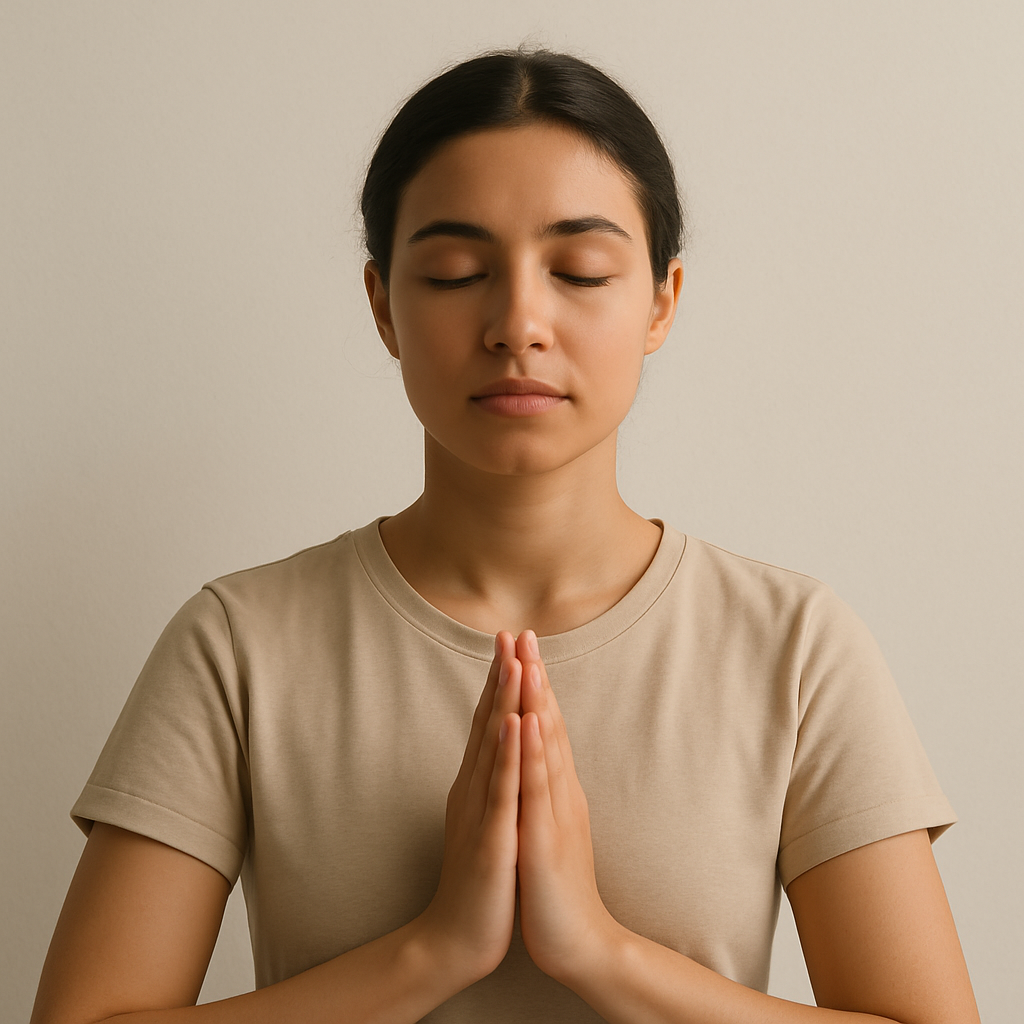
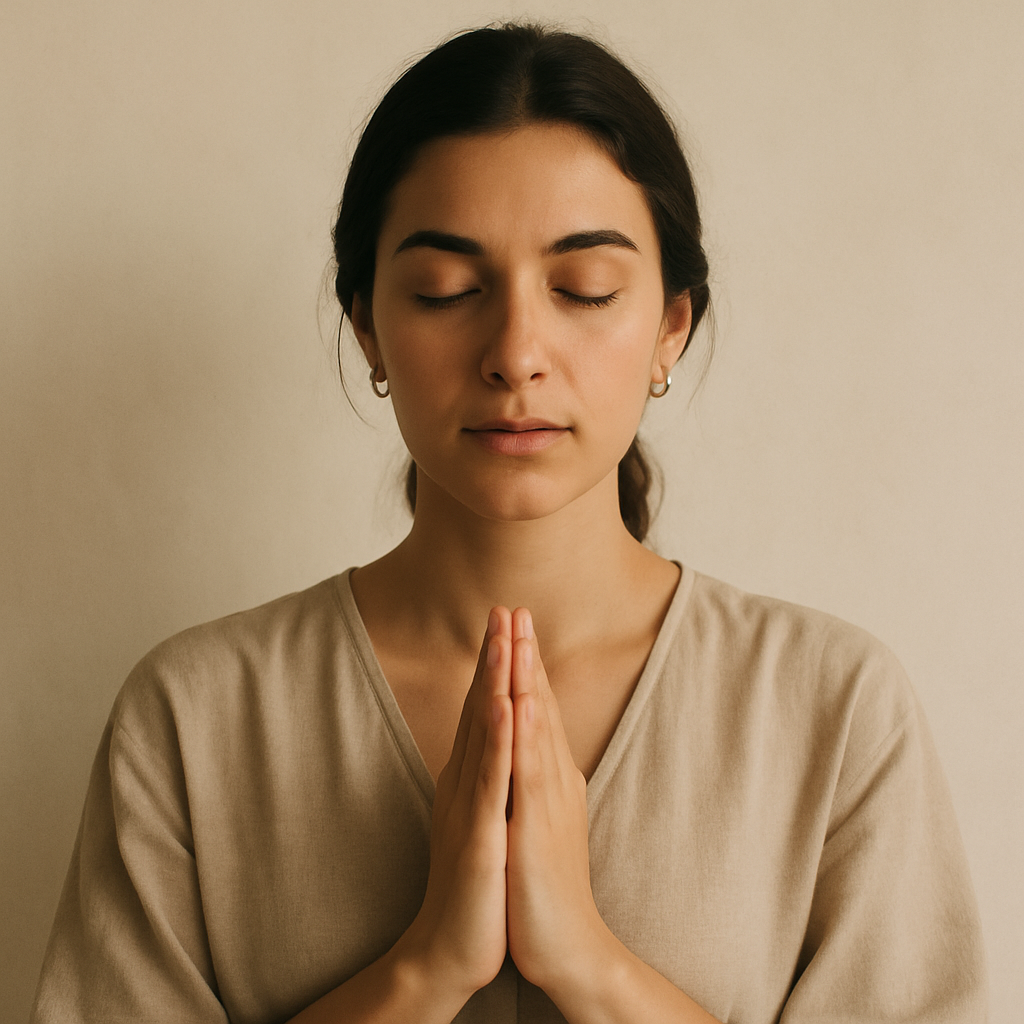
- Posture: Sit in a relaxed position, either cross-legged on the floor or in a chair with feet flat on the ground.
- Awareness: Close your eyes and take a moment to notice your natural breath without altering it.
- Inhale Deeply: Take a slow, deep breath in through your nose, allowing your abdomen to expand.
- Hold the Breath: Pause for a few seconds, feeling the fullness of your breath.
- Exhale Slowly: Release the breath gently through your mouth, letting go of any tension.
- Repeat: Continue this process for several minutes, gradually extending the duration of each phase.
As practitioners become more comfortable, they may incorporate visualization techniques or affirmations to deepen their practice and enhance the benefits.
What It Is Traditionally Explored For
Breathing exercises in Tibetan Medicine are traditionally used for various purposes, including:
- Enhancing mental clarity and focus.
- Promoting emotional stability and reducing anxiety.
- Balancing energy levels and improving overall vitality.
- Facilitating deeper meditation and spiritual connection.
- Supporting physical health by improving lung capacity and circulation.
While these benefits are traditionally recognized, it is essential to approach them with a sense of openness and personal exploration.
What Modern Research Suggests
Contemporary studies on breathing exercises have begun to validate some of the traditional claims made about their benefits. Preliminary research indicates that controlled breathing can help reduce stress levels and improve emotional regulation. Some studies suggest that practices similar to those found in Tibetan Medicine may enhance cognitive function and increase overall well-being.
Moreover, clinical trials have shown that breath control techniques can positively impact conditions related to anxiety and depression. However, while these findings are promising, more extensive research is needed to fully understand the mechanisms at play and to establish standardized practices within a modern therapeutic context.
Safety, Contraindications & Who Should Skip
While breathing exercises are generally safe for most individuals, there are certain considerations to keep in mind:
- People with respiratory conditions, such as asthma or chronic obstructive pulmonary disease (COPD), should consult a healthcare provider before beginning.
- Those with a history of anxiety or panic disorders may find certain breathing techniques overwhelming and should proceed with caution.
- Pregnant individuals should also consult with a healthcare professional to ensure the safety of specific techniques.
It is always advisable to listen to one's body and stop any practice that causes discomfort or distress.
Pairs Well With (within Tibetan Medicine and across pillars)
Breathing exercises complement various other practices within Tibetan Medicine and beyond, including:
- Mindfulness meditation
- Yoga and physical movement
- Herbal remedies
- Dietary practices focusing on balance
- Traditional Tibetan massage therapies
How to Find a Qualified Practitioner
To find a qualified practitioner of Tibetan breathing exercises, consider the following steps:
- Research local Tibetan Medicine clinics or wellness centers.
- Look for practitioners with certifications in Tibetan Medicine or related disciplines.
- Seek recommendations from individuals who have experienced similar practices.
- Attend introductory workshops or classes to gauge the practitioner's approach and expertise.
Ensuring that a practitioner aligns with your personal goals and comfort level is crucial for a positive experience.
FAQs (5)
- What are the primary benefits of breathing exercises in Tibetan Medicine? Traditionally, they are believed to enhance mental clarity, emotional stability, and overall vitality.
- Can anyone practice these breathing exercises? Generally, yes, but individuals with certain health conditions should consult a healthcare provider first.
- How long should I practice breathing exercises each day? Starting with a few minutes daily and gradually increasing the duration is often recommended.
- Do I need special training to practice? While guidance can be beneficial, many techniques can be learned through self-study and practice.
- Can breathing exercises be used in conjunction with other therapies? Yes, they complement various healing practices, including meditation and herbal therapies.
Frequently asked
What are the primary benefits of breathing exercises in Tibetan Medicine?
Traditionally, they are believed to enhance mental clarity, emotional stability, and overall vitality.
Can anyone practice these breathing exercises?
Generally, yes, but individuals with certain health conditions should consult a healthcare provider first.
How long should I practice breathing exercises each day?
Starting with a few minutes daily and gradually increasing the duration is often recommended.
Do I need special training to practice?
While guidance can be beneficial, many techniques can be learned through self-study and practice.
Can breathing exercises be used in conjunction with other therapies?
Yes, they complement various healing practices, including meditation and herbal therapies.