Healing Rituals
Delve into Healing Rituals within Tibetan Medicine, their history, practice, and modern research findings.
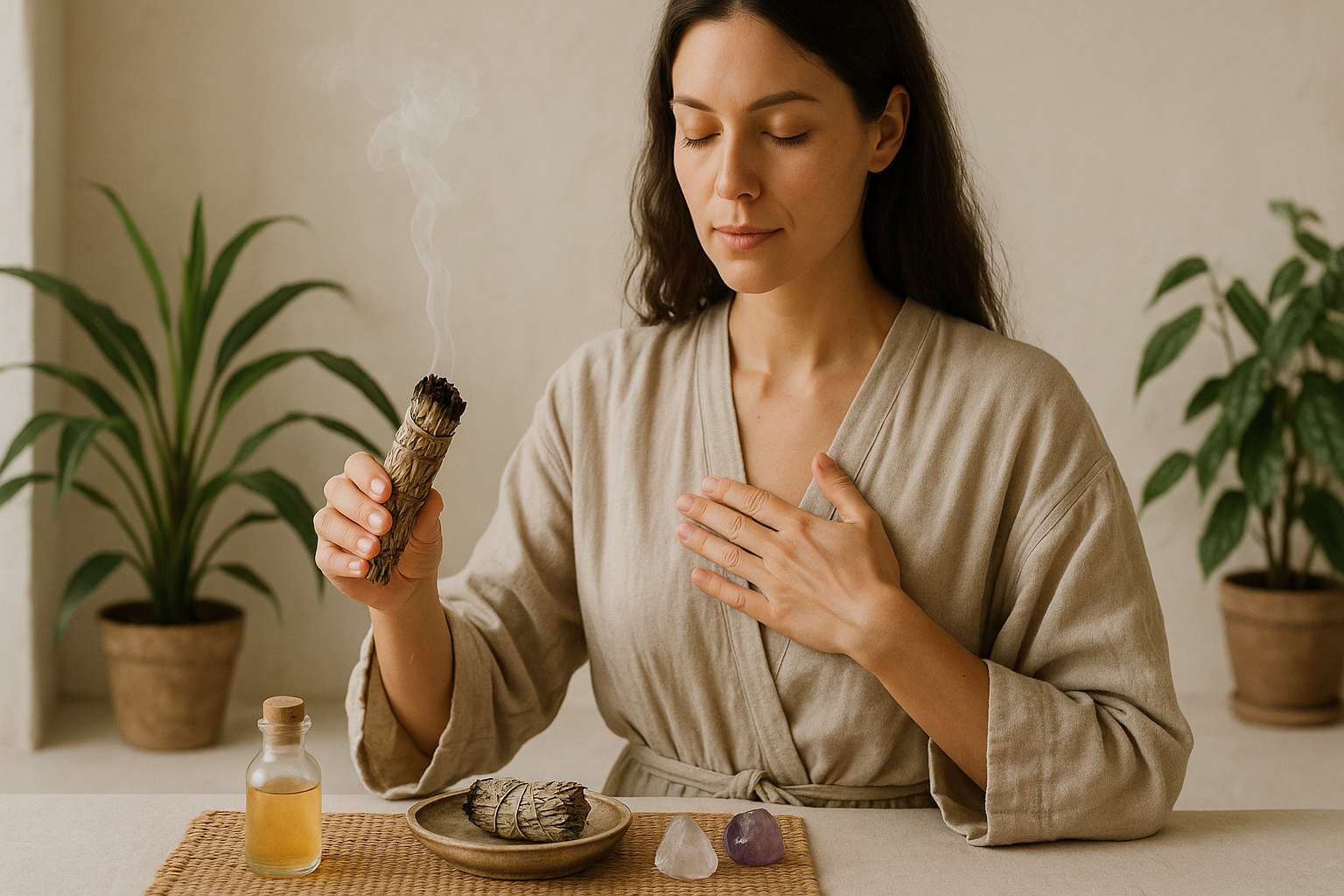
Explore the significance and practice of Healing Rituals in Tibetan Medicine, understanding their historical context, applications, and modern perspectives.
What It Is
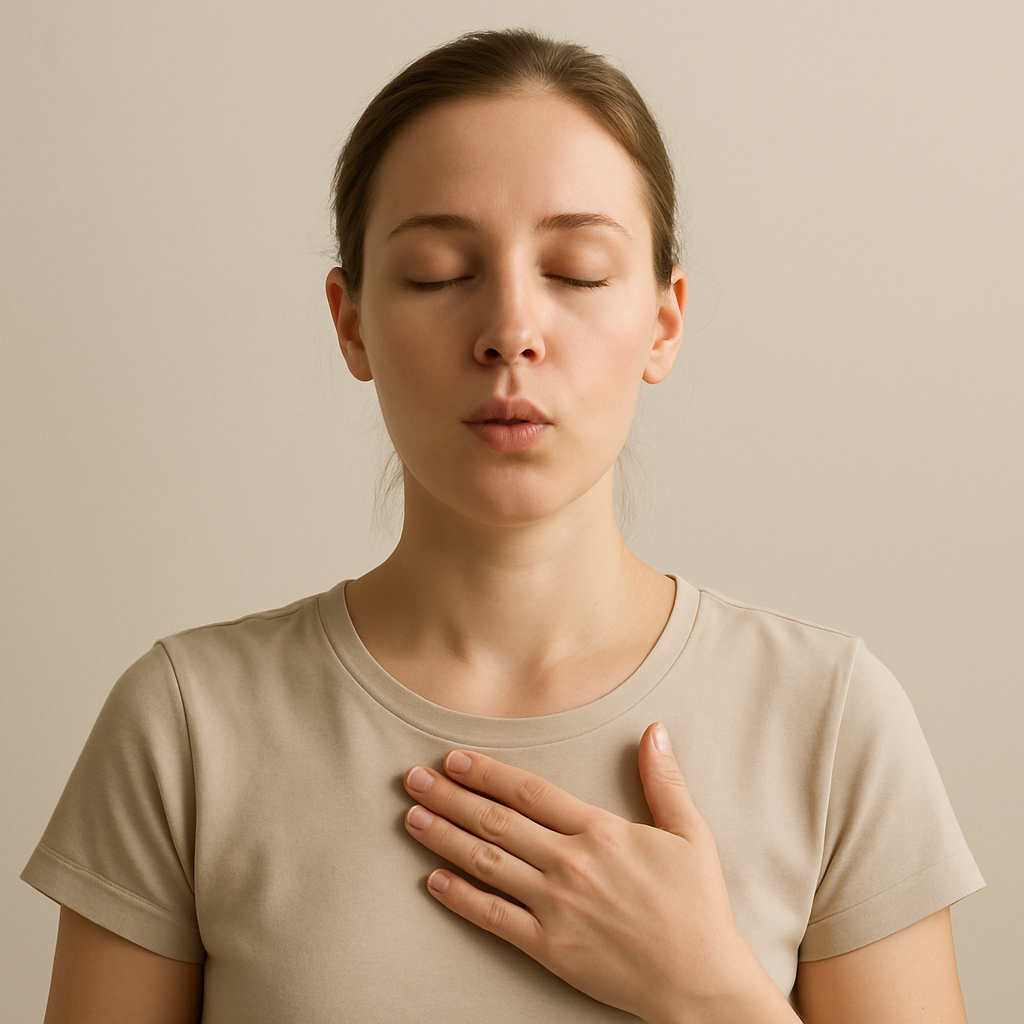
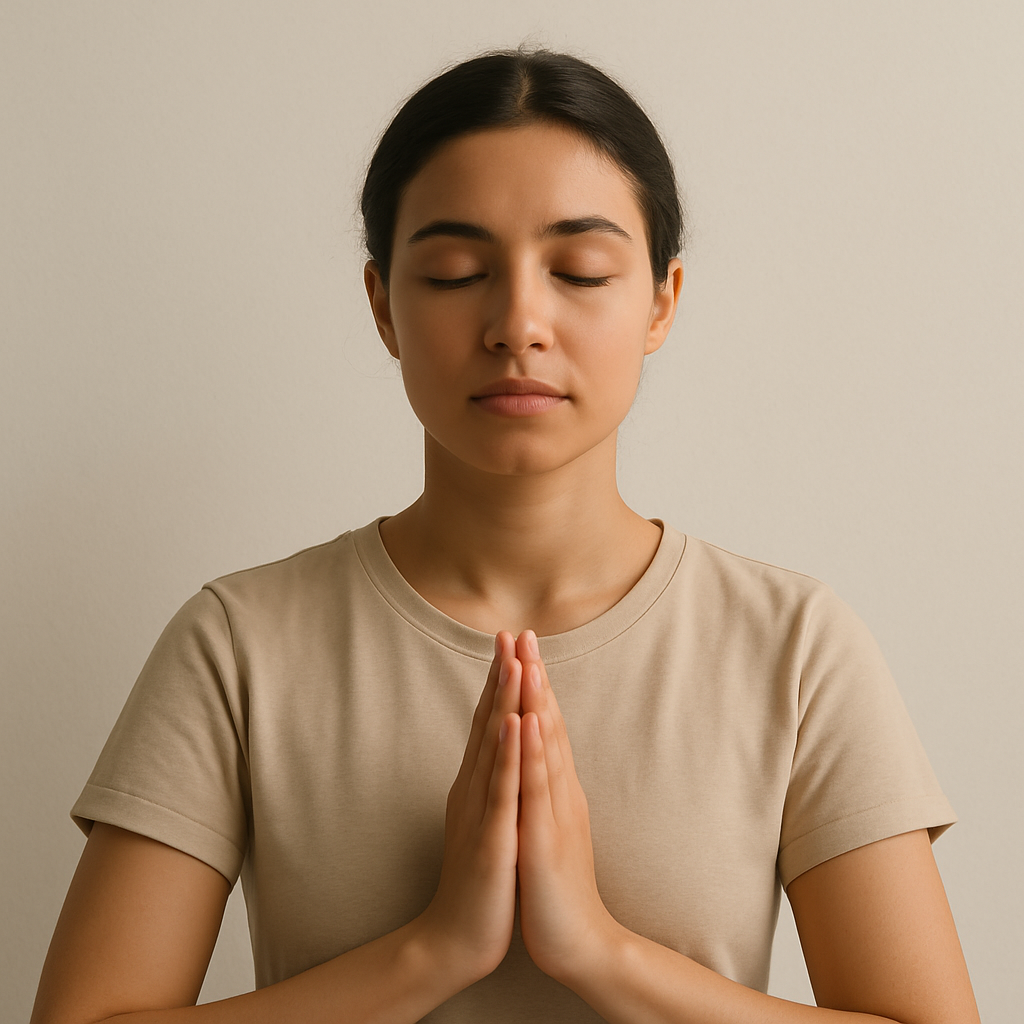
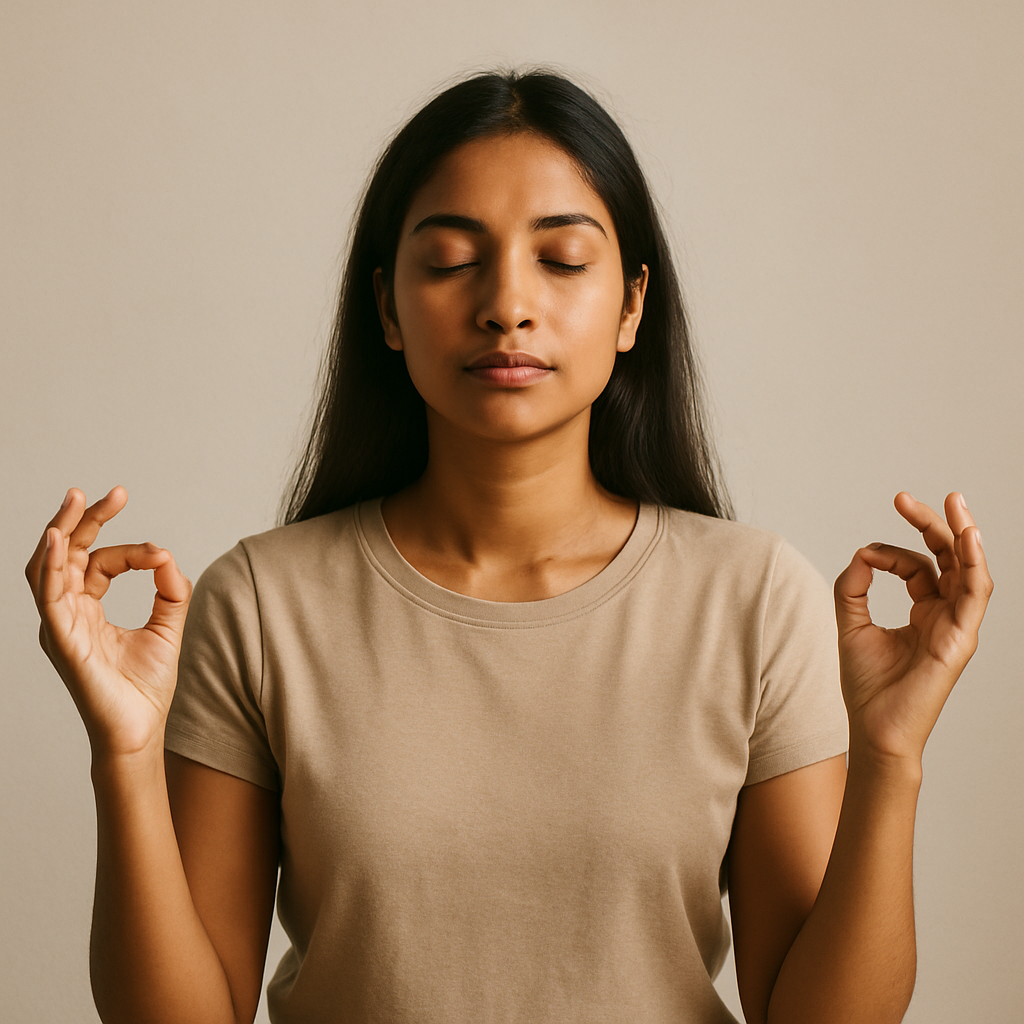
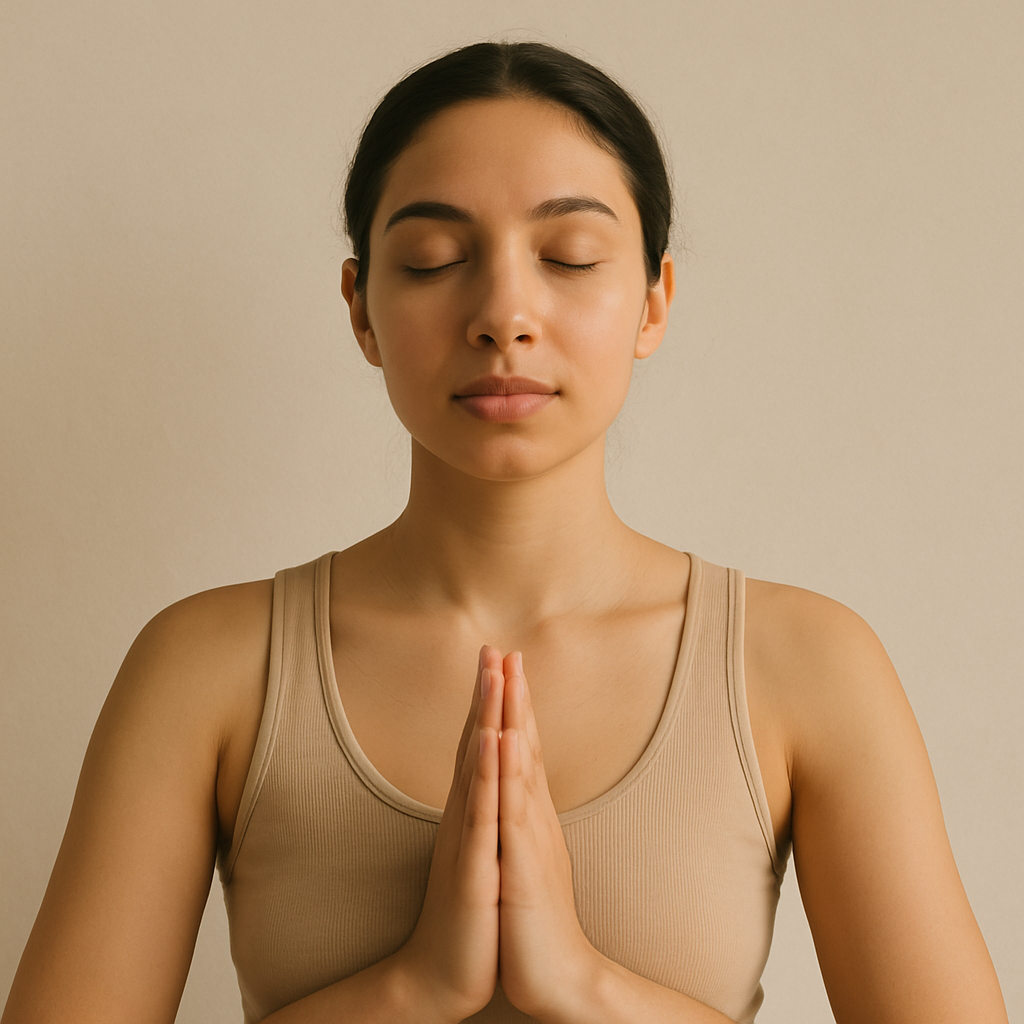
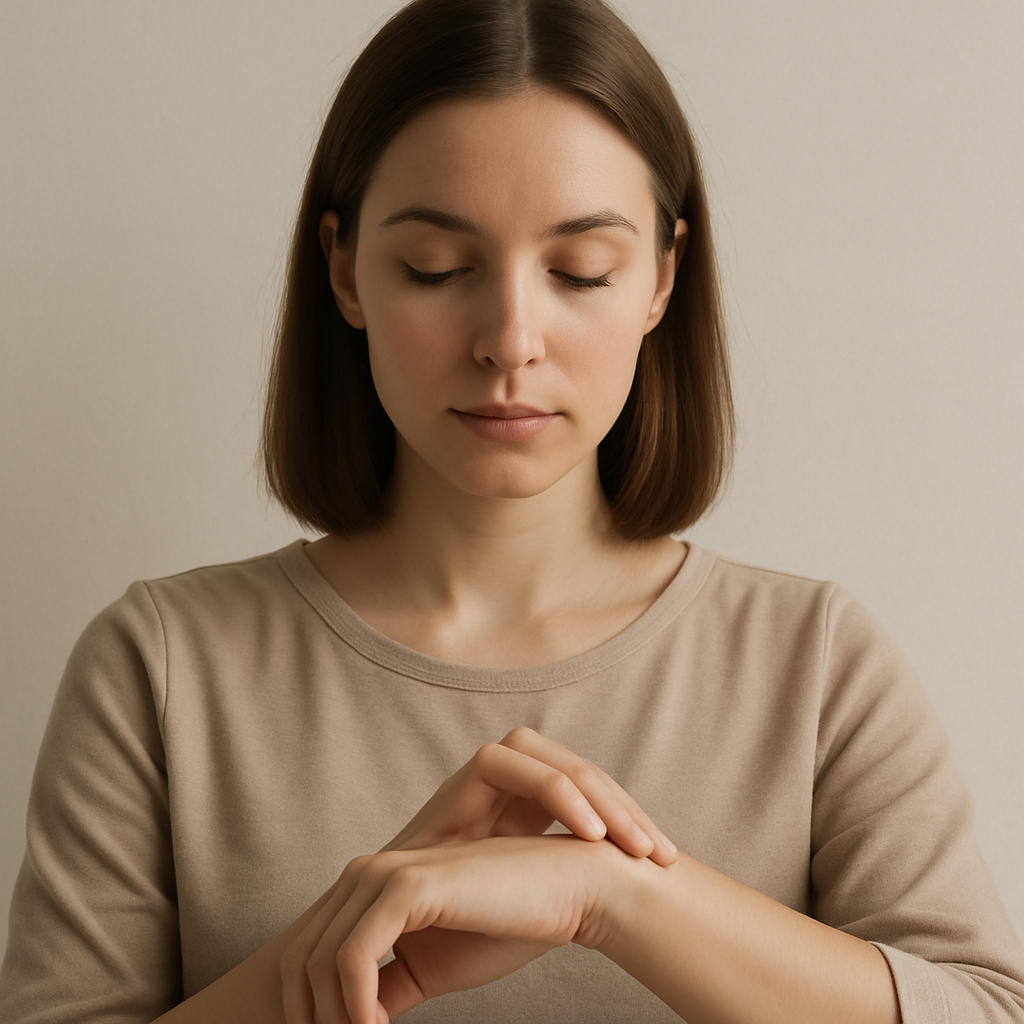
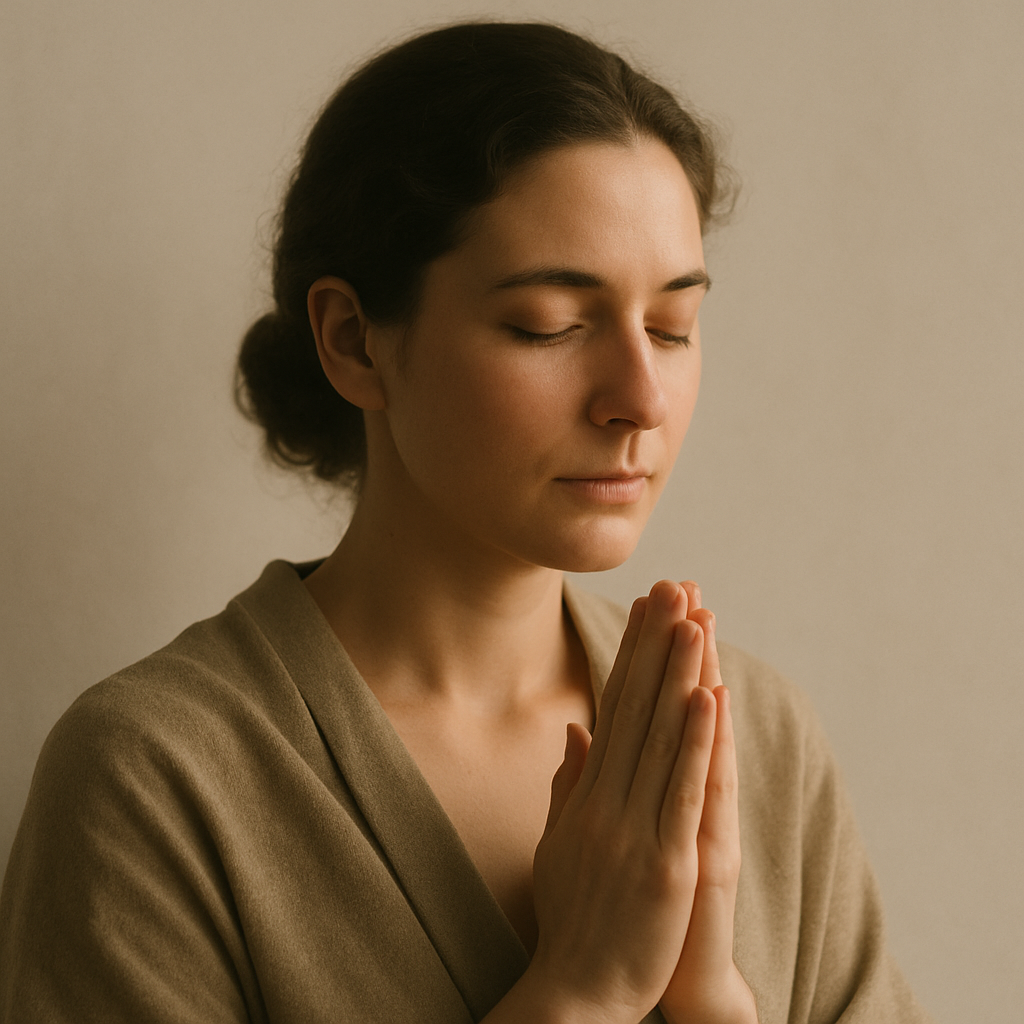
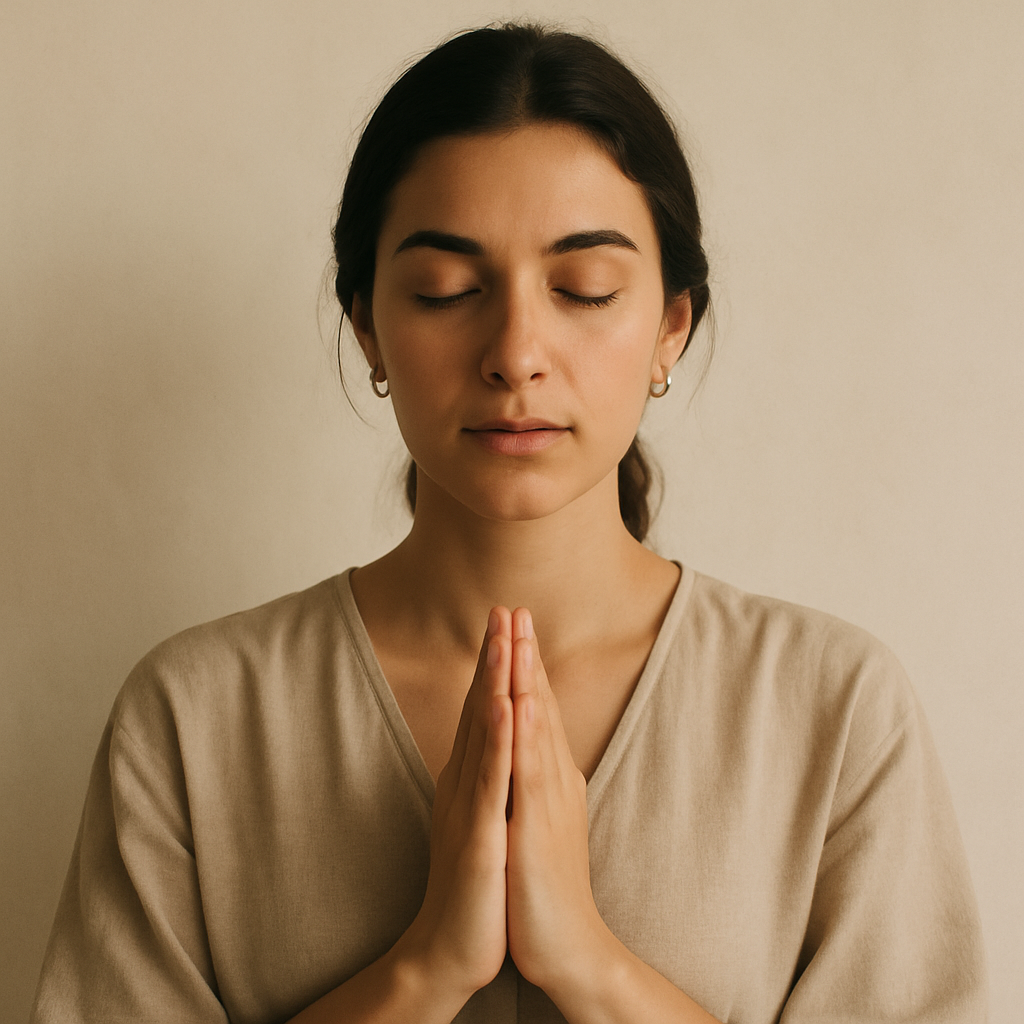
Healing rituals in Tibetan Medicine represent a profound integration of spiritual, physical, and mental health practices aimed at restoring balance and harmony within the individual. These rituals often involve a combination of prayer, meditation, and specific physical actions designed to engage both the mind and the body in the healing process. They serve not only to address ailments but also to cultivate a deeper connection with oneself and the universe.
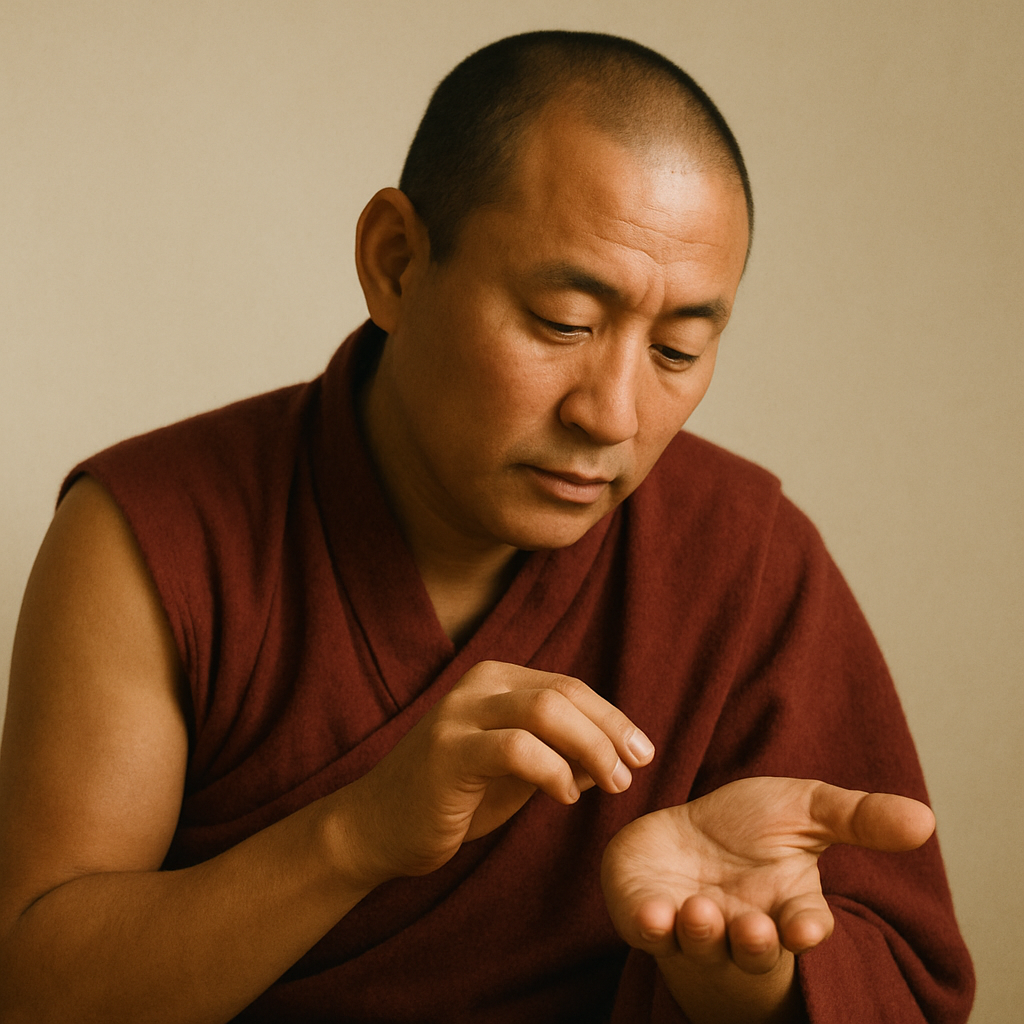
Traditionally, these rituals are conducted by trained practitioners who possess a comprehensive understanding of both Tibetan Medicine and the spiritual philosophies that underpin it. They draw upon ancient texts and oral traditions that emphasize the importance of intention and energy in the healing process. The rituals can vary widely, encompassing everything from simple meditative practices to elaborate ceremonies involving community participation.
Historical Context Within Tibetan Medicine
Healing rituals have been part of Tibetan Medicine for centuries, evolving alongside the rich tapestry of Tibetan culture and spirituality. They emerged as a response to the need for holistic healing methods that encompass physical, emotional, and spiritual well-being. Influenced by the Bon tradition, which predates Buddhism in Tibet, and later by Buddhist practices, these rituals were developed by esteemed figures such as Padmasambhava in the 8th century, who integrated various spiritual practices into the healing arts.
Throughout history, Tibetan Medicine has been characterized by its unique approach to health, viewing the body and mind as interconnected entities. The healing rituals reflect this perspective, emphasizing the role of spiritual energy and intention in the treatment of ailments. As Tibetan Medicine gained recognition and spread beyond Tibet, these rituals also adapted to incorporate influences from other cultural healing practices.
How It's Practiced
The practice of healing rituals in Tibetan Medicine typically involves several key steps, which may vary depending on the specific ritual and its intended purpose. A general overview includes:
- Preparation: The practitioner prepares the space, often creating an altar with sacred symbols and offerings.
- Intention Setting: Both the practitioner and the participant set clear intentions for the healing process, focusing on what they wish to achieve.
- Invocation: The ritual may begin with prayers or chants to invoke protective energies and blessings.
- Ritual Actions: Specific actions, such as guided meditations, breathing exercises, or the use of sacred objects, are performed.
- Closing: The ritual concludes with gratitude expressions and a closing prayer, reinforcing the intentions set at the beginning.
What It Is Traditionally Explored For
Healing rituals in Tibetan Medicine are traditionally used for a variety of purposes, including:
- Promoting emotional balance and mental clarity.
- Addressing physical ailments and chronic conditions.
- Enhancing spiritual growth and personal insight.
- Facilitating recovery from trauma and grief.
- Creating a sense of community and support.
While these rituals are not a substitute for conventional medical treatment, they are often used in conjunction with other therapeutic practices to enhance overall well-being.
What Modern Research Suggests
However, it is essential to approach these findings with caution, as the body of research is still developing. More rigorous, large-scale studies are needed to substantiate the claims surrounding the benefits of healing rituals, particularly in terms of their physiological effects. As with any alternative practice, individuals are encouraged to consider their unique health situations and consult healthcare professionals when seeking treatment.
Safety, Contraindications & Who Should Skip
While healing rituals are generally considered safe, there are certain considerations to take into account:
- Individuals with severe mental health conditions may require conventional treatment and should consult a healthcare professional before participating.
- Pregnant women or those with specific health concerns should discuss their participation in rituals with a qualified practitioner.
- Those with a strong aversion to spiritual practices or rituals may not find these healing modalities beneficial.
It is always advisable to approach healing rituals with an open mind while also exercising caution and self-awareness.
Pairs Well With (within Tibetan Medicine and across pillars)
Healing rituals can complement various other modalities within Tibetan Medicine, including:
- Herbal medicine
- Acupuncture
- Dietary therapy
- Yoga and physical exercises
Additionally, they may be beneficial when combined with practices from other healing traditions, such as mindfulness meditation or energy healing.
How to Find a Qualified Practitioner
Finding a qualified practitioner of healing rituals in Tibetan Medicine can enhance your experience significantly. Consider the following steps:
- Research local Tibetan medicine practitioners and their credentials.
- Look for reviews or testimonials from previous clients.
- Inquire about their training in both Tibetan Medicine and the specific healing rituals they practice.
- Schedule a consultation to discuss your intentions and any concerns you may have.
Ensuring that you feel comfortable and aligned with the practitioner’s approach is vital for a positive healing experience.
FAQs (5)
What are healing rituals in Tibetan Medicine?
Healing rituals in Tibetan Medicine are practices that combine spiritual, physical, and mental elements to restore balance and promote well-being.
Who traditionally performs these rituals?
These rituals are typically conducted by trained practitioners who understand both Tibetan Medicine and the spiritual philosophies behind the practices.
What are the common goals of healing rituals?
They are traditionally used for emotional balance, physical healing, spiritual growth, and community support.
Is there scientific evidence supporting healing rituals?
Preliminary research suggests potential mental health benefits; however, more studies are needed for conclusive evidence.
How can I find a qualified practitioner?
Research local practitioners, check their credentials and reviews, and consult with them to ensure they align with your needs.
Frequently asked
What are healing rituals in Tibetan Medicine?
Healing rituals in Tibetan Medicine are practices that combine spiritual, physical, and mental elements to restore balance and promote well-being.
Who traditionally performs these rituals?
These rituals are typically conducted by trained practitioners who understand both Tibetan Medicine and the spiritual philosophies behind the practices.
What are the common goals of healing rituals?
They are traditionally used for emotional balance, physical healing, spiritual growth, and community support.
Is there scientific evidence supporting healing rituals?
Preliminary research suggests potential mental health benefits; however, more studies are needed for conclusive evidence.
How can I find a qualified practitioner?
Research local practitioners, check their credentials and reviews, and consult with them to ensure they align with your needs.