Sowa Rigpa
Sowa Rigpa is a traditional Tibetan medicine system focused on holistic health and balance. Discover its history, practices, and modern relevance.
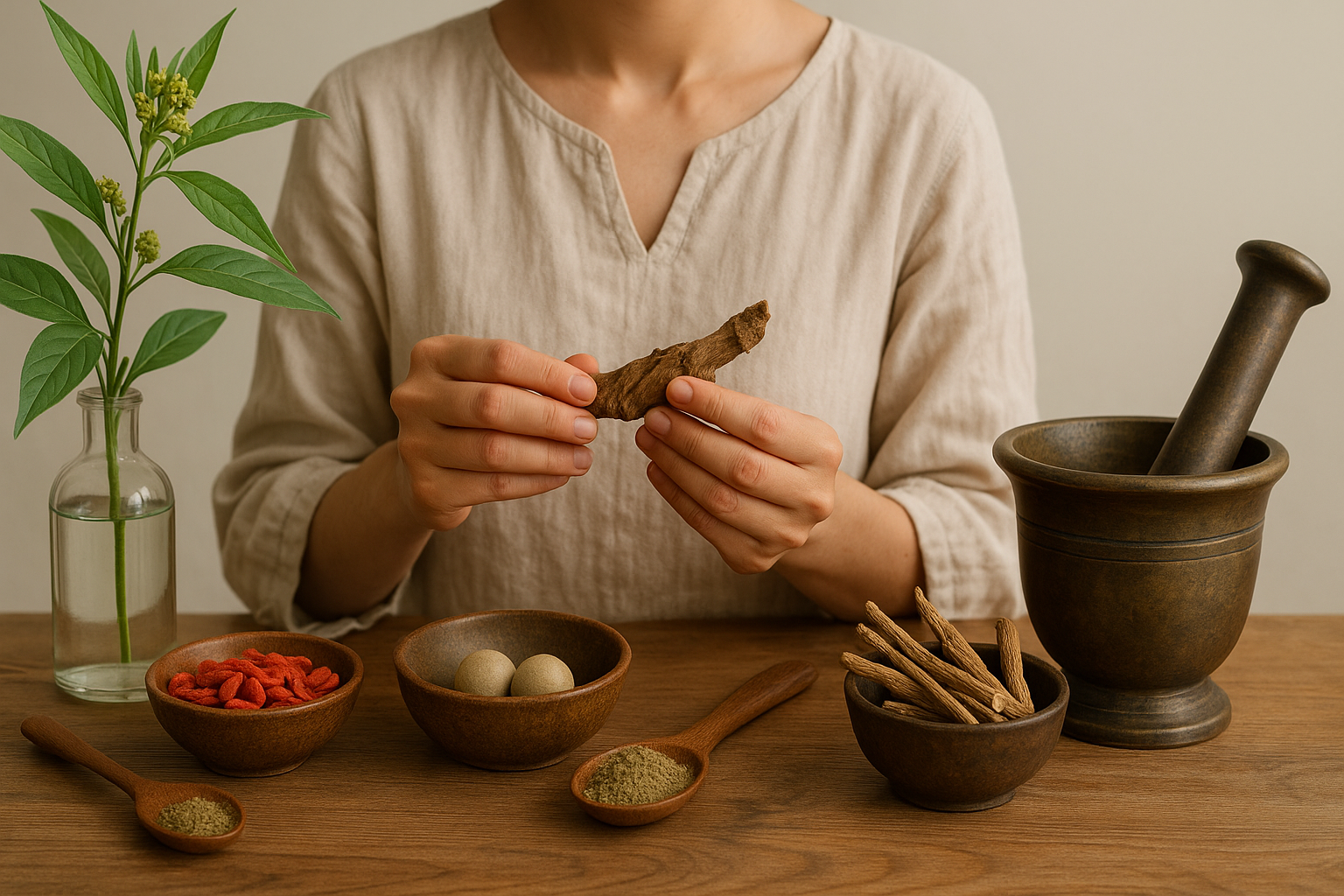
Explore the ancient practice of Sowa Rigpa, a traditional Tibetan medical system that emphasizes balance and harmony. Learn about its historical roots, practical applications, and modern research insights.
What It Is
Sowa Rigpa, often referred to as Tibetan Medicine, is an ancient healing system that integrates physical, mental, and spiritual health. The term 'Sowa' translates to 'healing' while 'Rigpa' means 'knowledge' or 'science,' together reflecting a comprehensive approach to wellness.
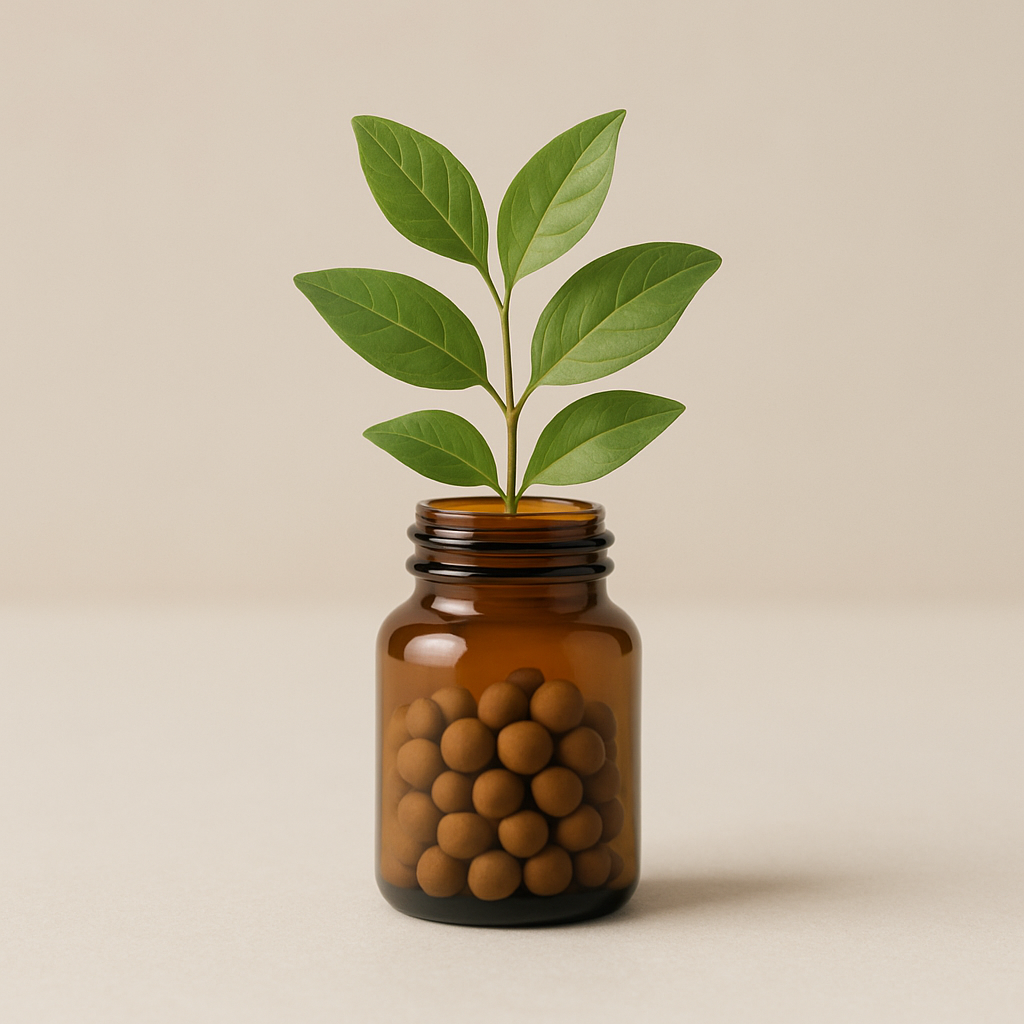
This modality is rooted in the Buddhist philosophy of interconnectedness and balance, emphasizing harmony within the body and between the body and environment. Sowa Rigpa utilizes various techniques, including herbal remedies, dietary adjustments, and lifestyle changes, to promote health and prevent disease.
Historical Context Within Tibetan Medicine
Sowa Rigpa has its origins in the ancient indigenous medical practices of the Tibetan plateau, further enriched by influences from Indian Ayurveda and Chinese medicine. The system began to take shape around the 7th century CE, particularly during the reign of King Songtsen Gampo, who sought to integrate various medical knowledge to address the health needs of his people.
One of the key figures in the development of Sowa Rigpa was Yuthok Yonten Gonpo, an 8th-century physician credited with compiling the foundational texts of this medical system, including the influential "Four Medical Tantras." These texts outline the principles, practices, and philosophy of Sowa Rigpa, making it a cornerstone of Tibetan Medicine.
How It's Practiced
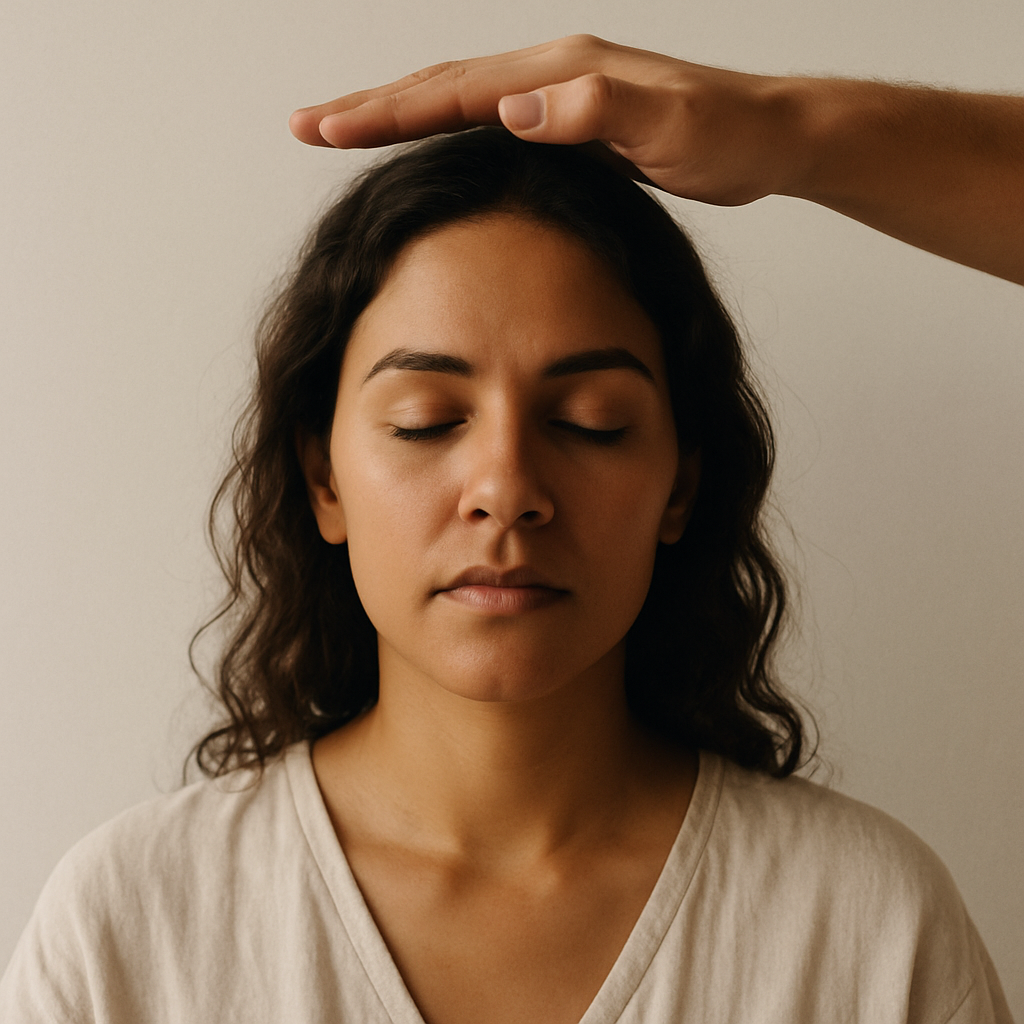
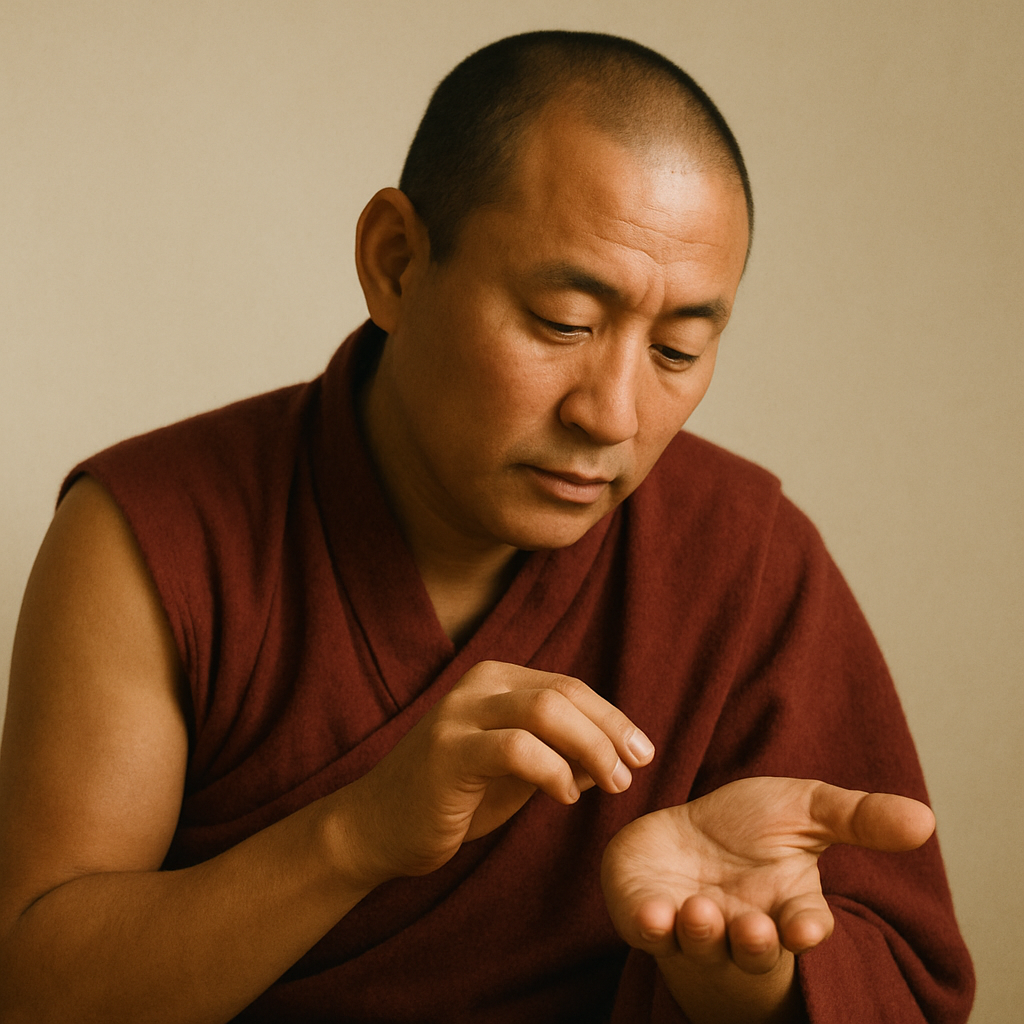
The practice of Sowa Rigpa involves several steps, typically initiated with a consultation. A practitioner will assess a patient’s health through observation, questioning, and pulse diagnosis. The following steps are often included:
- Initial Consultation: Discussing symptoms, lifestyle, and medical history.
- Diagnosis: Using pulse reading and visual observation to determine imbalances.
- Treatment Plan: Developing a personalized plan that may include herbal medicine, dietary changes, and lifestyle recommendations.
- Follow-Up: Regularly checking progress and making adjustments to the treatment as needed.
This holistic approach ensures that each aspect of an individual’s life is considered, aiming to restore the natural balance of body, mind, and spirit.
What It Is Traditionally Explored For
Sowa Rigpa is traditionally used for a variety of health concerns, focusing on achieving balance and wellness. Common goals of treatment may include:
- Promoting digestive health and metabolism
- Supporting mental clarity and emotional well-being
- Enhancing immunity and overall vitality
- Addressing chronic pain and inflammation
- Facilitating recovery from illness or injury
While these applications are traditional, it is important to approach them with careful consideration and seek professional guidance.
What Modern Research Suggests
Modern research into Sowa Rigpa is still in relatively early stages, but some preliminary studies suggest its potential benefits in various areas. For instance, a few clinical trials have indicated that herbal formulations used in Sowa Rigpa may possess anti-inflammatory and antioxidant properties, which could be beneficial for conditions like arthritis and metabolic disorders.
Moreover, researchers are exploring the effectiveness of Sowa Rigpa’s holistic approach in managing stress and improving mental health. While more extensive studies are needed to validate these findings, the initial evidence points toward a promising integration of ancient wisdom and modern health care.
Safety, Contraindications & Who Should Skip
As with any healing practice, safety is paramount. Sowa Rigpa is generally considered safe when practiced by trained professionals. However, individuals with specific health conditions or those who are pregnant should consult with their healthcare provider before starting any new treatment. It is also advisable for those on medication to discuss potential interactions with a qualified practitioner.
Pairs Well With (within Tibetan Medicine and across pillars)
Sowa Rigpa can complement various other modalities within Tibetan Medicine and beyond. Some of these include:
- Acupuncture
- Moxibustion
- Yoga and meditation practices
- Dietary therapies from Ayurveda
- Mindfulness techniques
How to Find a Qualified Practitioner
To find a qualified Sowa Rigpa practitioner, consider the following steps:
- Seek recommendations from trusted health professionals or community members.
- Look for practitioners with credentials from recognized Tibetan Medicine schools.
- Verify their experience and specialties related to your specific health needs.
- Schedule an initial consultation to discuss your health concerns and gauge comfort and rapport.
FAQs (5)
What is the difference between Sowa Rigpa and Western medicine?
Sowa Rigpa focuses on holistic healing and balance, whereas Western medicine often emphasizes symptom management and disease treatment.
Can Sowa Rigpa be used alongside Western treatments?
Yes, many individuals find that Sowa Rigpa can complement Western treatments, but it is essential to consult with both practitioners to ensure coordinated care.
How long does a typical Sowa Rigpa treatment course last?
Duration varies based on individual needs, but treatment plans often span several weeks to months, with regular follow-ups.
Is Sowa Rigpa suitable for children?
Yes, Sowa Rigpa can be adapted for children, but it is crucial to consult a practitioner experienced in pediatric care.
What role does diet play in Sowa Rigpa?
Diet is a vital component of Sowa Rigpa, with personalized recommendations aimed at restoring balance and supporting overall health.
Frequently asked
What is the difference between Sowa Rigpa and Western medicine?
Sowa Rigpa focuses on holistic healing and balance, whereas Western medicine often emphasizes symptom management and disease treatment.
Can Sowa Rigpa be used alongside Western treatments?
Yes, many individuals find that Sowa Rigpa can complement Western treatments, but it is essential to consult with both practitioners to ensure coordinated care.
How long does a typical Sowa Rigpa treatment course last?
Duration varies based on individual needs, but treatment plans often span several weeks to months, with regular follow-ups.
Is Sowa Rigpa suitable for children?
Yes, Sowa Rigpa can be adapted for children, but it is crucial to consult a practitioner experienced in pediatric care.
What role does diet play in Sowa Rigpa?
Diet is a vital component of Sowa Rigpa, with personalized recommendations aimed at restoring balance and supporting overall health.