Mind-Body Harmony
Delve into Mind-Body Harmony in Tibetan Medicine, understanding its principles, historical context, and modern relevance.
Explore the ancient practice of Mind-Body Harmony within Tibetan Medicine, a holistic approach that emphasizes the interconnectedness of mental and physical health. Discover its historical roots, practical applications, and the insights modern research offers.
What It Is
Mind-Body Harmony is a holistic practice within Tibetan Medicine that emphasizes the intricate connection between mental and physical health. This approach recognizes that emotional states can significantly influence physical well-being and vice versa. By fostering a state of balance and harmony, practitioners aim to enhance overall health and promote healing.
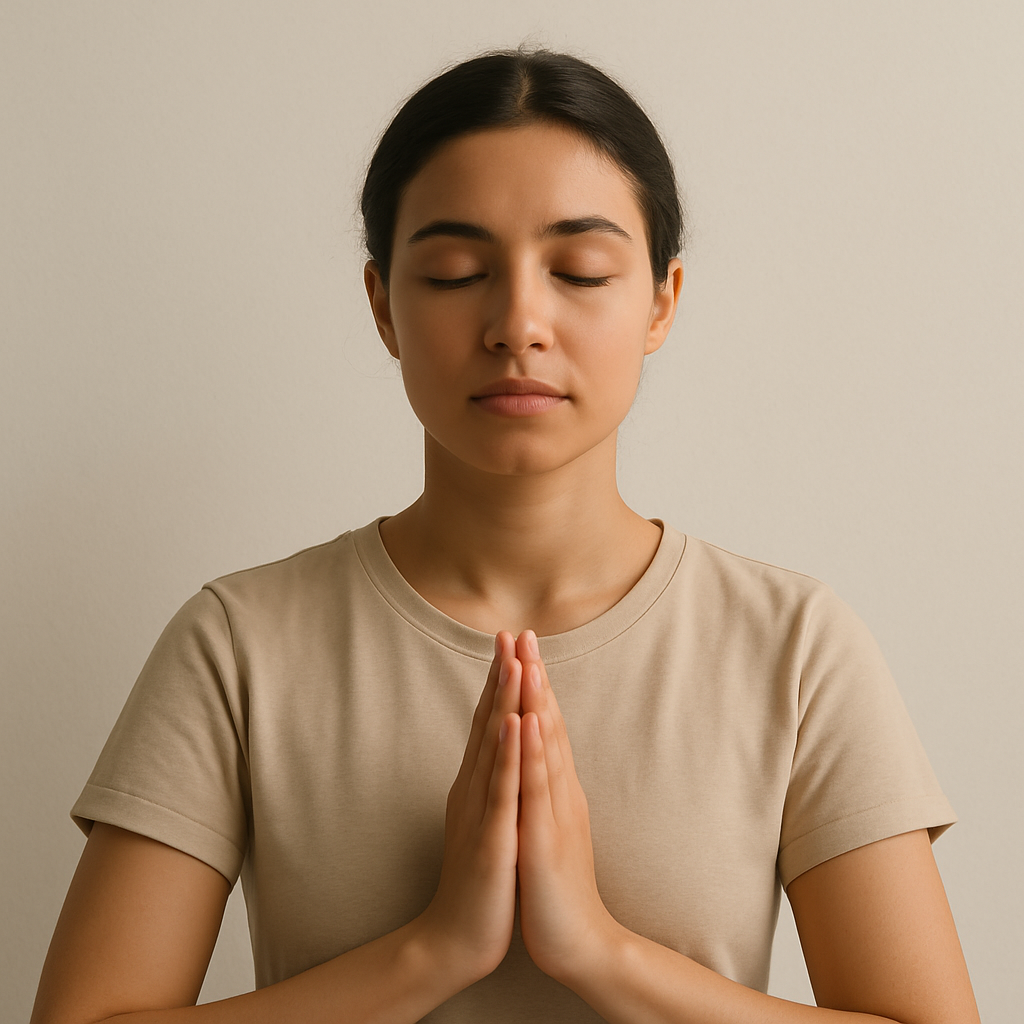
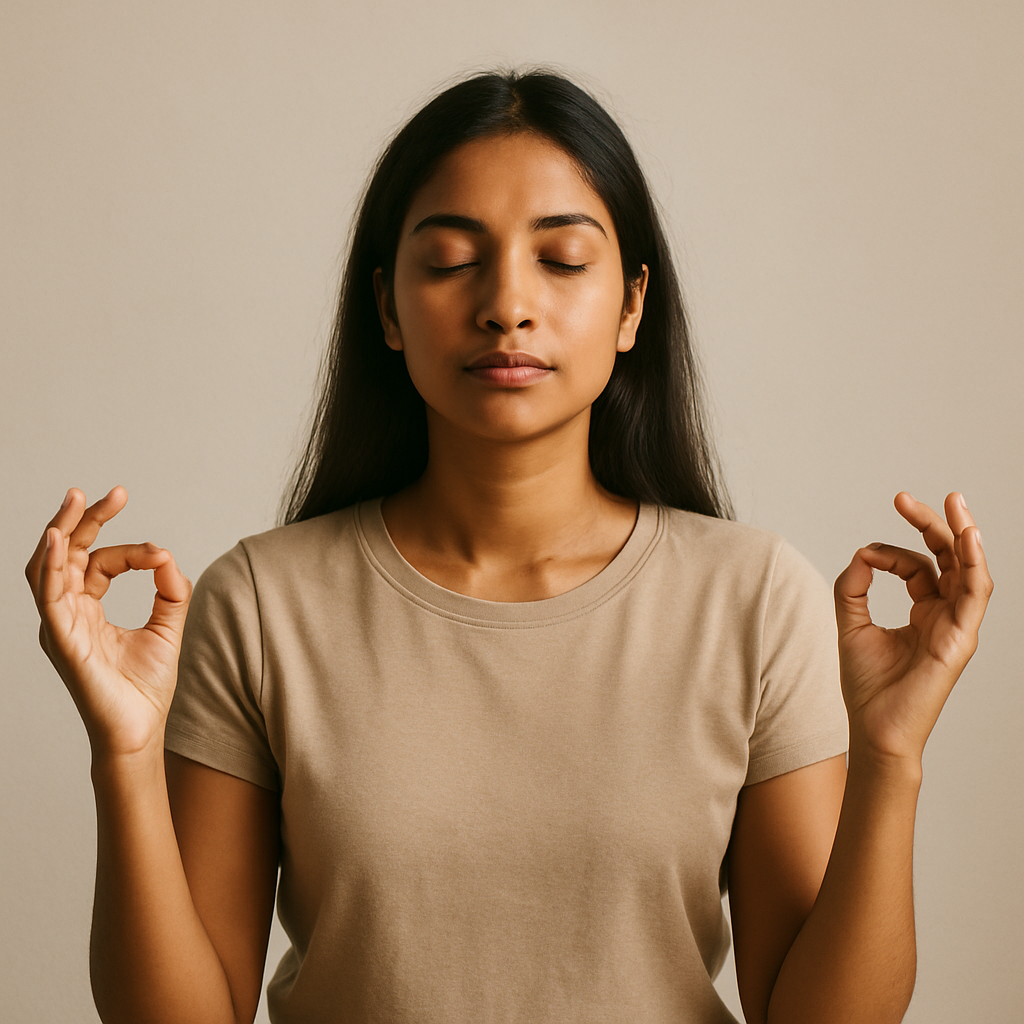
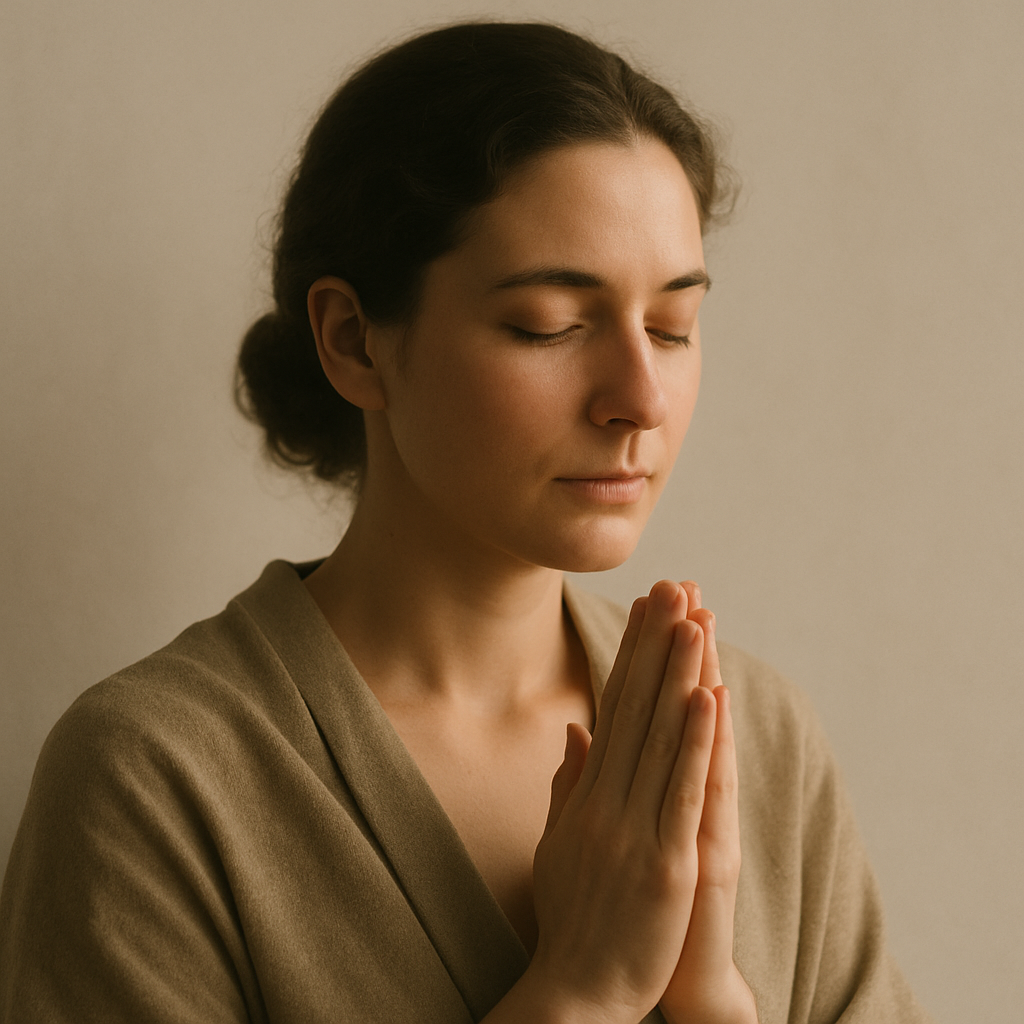
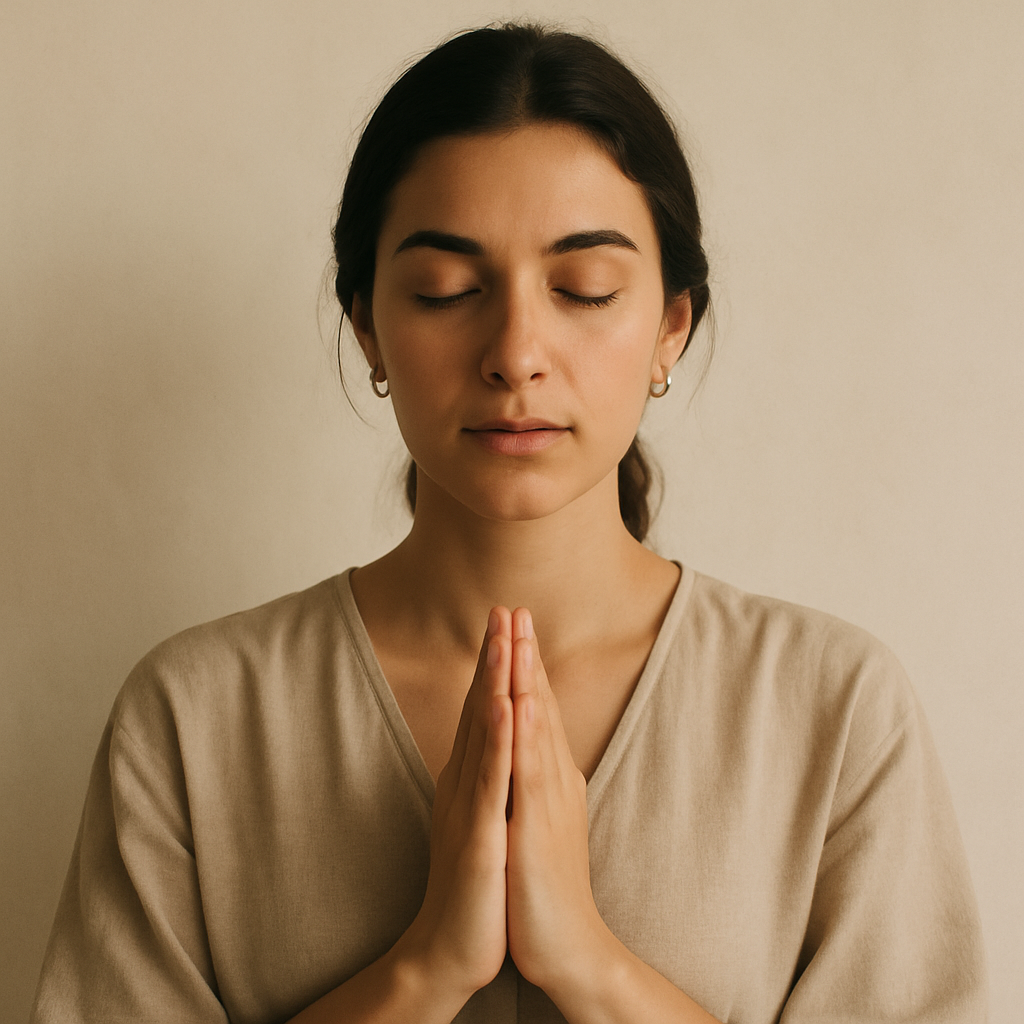
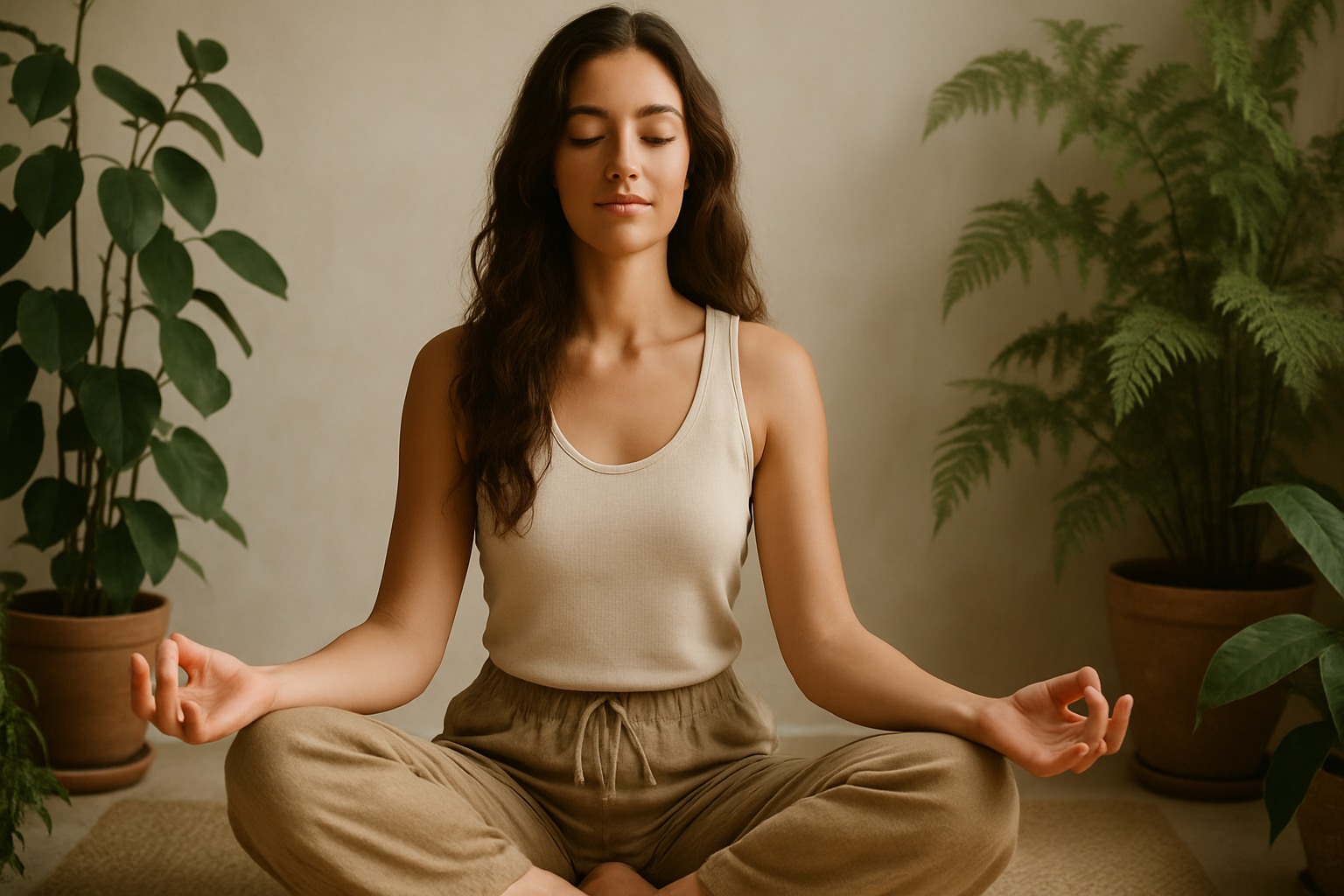
This modality incorporates various techniques, including meditation, breathwork, and mindful movement, designed to align the mind and body. The goal is to cultivate awareness and presence, allowing individuals to tap into their inner resources for healing and well-being.
Historical Context Within Tibetan Medicine
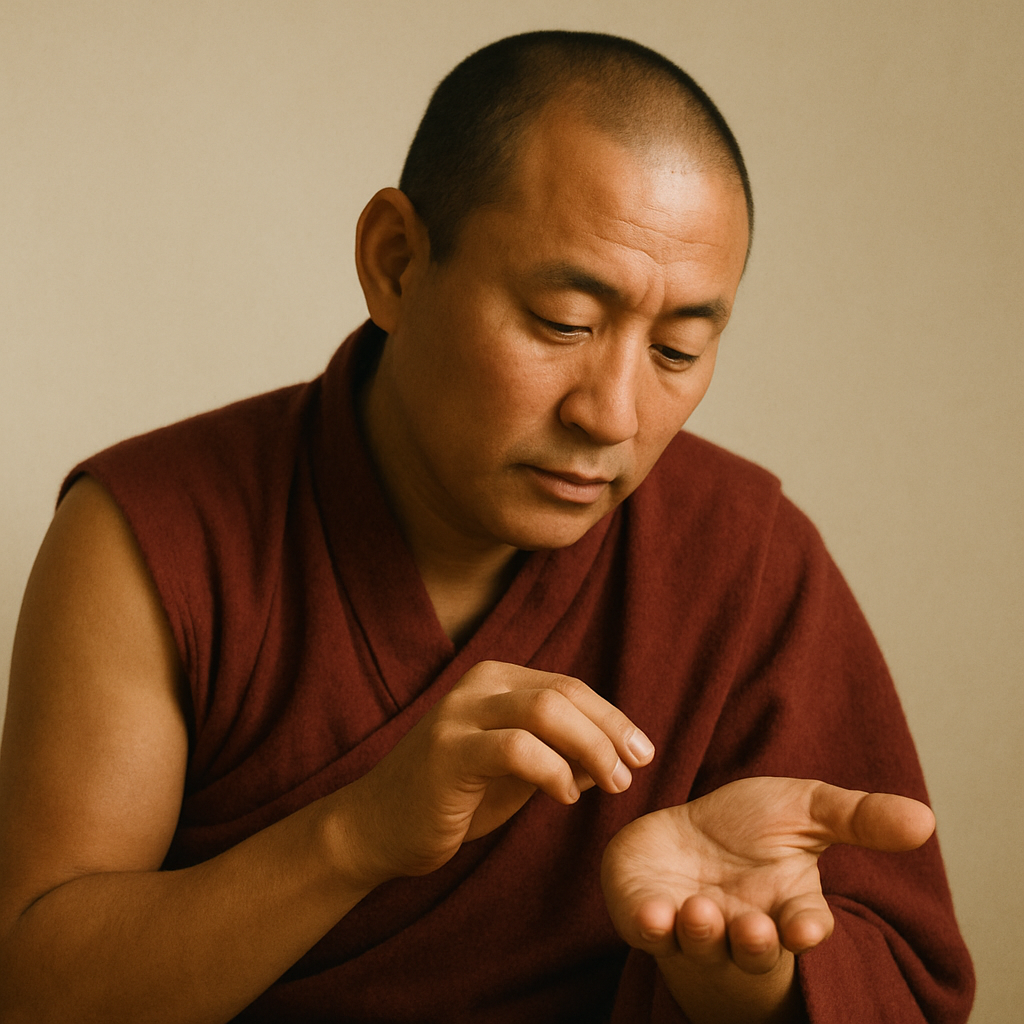
Mind-Body Harmony has its roots in ancient Tibetan Medicine, which dates back over a thousand years. It emerged as a vital aspect of the broader Tibetan healing tradition, developed by scholars and practitioners who recognized the importance of both the mind and body in the healing process. Influential figures, such as the renowned physician Yuthok Yonten Gonpo, contributed significantly to the integration of mental health practices within Tibetan Medicine.
Throughout the centuries, this approach has evolved, drawing from Buddhist philosophies and practices that emphasize mindfulness and compassion. As Tibetan Medicine spread across regions, the principles of Mind-Body Harmony were adapted and embraced, becoming an essential component of holistic healing practices.
How It's Practiced
Practitioners of Mind-Body Harmony typically follow a structured approach that includes the following steps:
- Initial Consultation: The practitioner assesses the individual's physical, emotional, and spiritual health.
- Setting Intentions: Clients are encouraged to set personal goals for their well-being.
- Meditation Techniques: Various forms of meditation may be introduced to foster mental clarity and emotional balance.
- Breathwork: Specific breathing exercises are taught to enhance relaxation and energy flow.
- Mindfulness Practices: Clients engage in activities that promote present-moment awareness and self-reflection.
- Follow-Up Sessions: Ongoing support and adjustments to the practice are provided to ensure progress and address any challenges.
What It Is Traditionally Explored For
Mind-Body Harmony is traditionally used for a variety of purposes, including:
- Enhancing emotional well-being and resilience
- Reducing stress and anxiety
- Improving focus and mental clarity
- Promoting relaxation and restful sleep
- Supporting chronic pain management
While individual experiences may vary, many practitioners and clients report an overall sense of well-being and a deeper connection to oneself through this practice.
What Modern Research Suggests
Recent studies have begun to explore the benefits of mind-body interventions similar to those found in Tibetan Medicine. Preliminary research suggests that practices such as meditation and mindfulness can significantly reduce stress and anxiety levels. Some studies indicate improvements in emotional regulation and cognitive function among participants engaged in regular mind-body practices.
However, it is essential to approach these findings with caution. While the initial evidence is promising, further research is required to establish definitive conclusions regarding the efficacy of Mind-Body Harmony within Tibetan Medicine. The complexity of individual experiences and the subjective nature of well-being make it challenging to generalize outcomes universally.
Safety, Contraindications & Who Should Skip
Mind-Body Harmony is generally considered safe for most individuals. However, certain populations may need to approach this practice with caution:
- Those with severe mental health conditions should consult a qualified mental health professional before engaging in mind-body practices.
- Individuals experiencing acute physical illnesses or injuries may need to prioritize medical treatment.
- Pregnant women should seek guidance from their healthcare provider before starting new wellness practices.
Pairs Well With (within Tibetan Medicine and across pillars)
Mind-Body Harmony can be effectively paired with the following modalities and ingredients for enhanced benefits:
- Herbal medicine for physical support
- Acupuncture for energy balance
- Traditional Tibetan massage for physical relaxation
- Yoga and other movement practices to promote physical well-being
- Buddhist philosophy and teachings to deepen mindfulness practices
How to Find a Qualified Practitioner
To find a qualified practitioner of Mind-Body Harmony within Tibetan Medicine, consider the following steps:
- Seek recommendations from trusted sources, such as friends or healthcare providers.
- Research practitioners' credentials and experience in Tibetan Medicine and mind-body practices.
- Look for practitioners who have received formal training and certifications in relevant modalities.
- Schedule initial consultations to assess compatibility and approach.
FAQs
- What is Mind-Body Harmony? Mind-Body Harmony is a holistic practice within Tibetan Medicine that focuses on the interconnectedness of mental and physical health.
- How does Mind-Body Harmony work? It involves techniques such as meditation, breathwork, and mindfulness to promote emotional and physical balance.
- Who can practice Mind-Body Harmony? Most individuals can engage in this practice, but those with severe mental health conditions should consult a professional first.
- What are the benefits of Mind-Body Harmony? Traditionally, it is used to enhance emotional well-being, reduce stress, and support chronic pain management.
- Where can I find a practitioner? Look for qualified practitioners through recommendations, research, and initial consultations to find the right fit for you.
Frequently asked
What is Mind-Body Harmony?
Mind-Body Harmony is a holistic practice within Tibetan Medicine that focuses on the interconnectedness of mental and physical health.
How does Mind-Body Harmony work?
It involves techniques such as meditation, breathwork, and mindfulness to promote emotional and physical balance.
Who can practice Mind-Body Harmony?
Most individuals can engage in this practice, but those with severe mental health conditions should consult a professional first.
What are the benefits of Mind-Body Harmony?
Traditionally, it is used to enhance emotional well-being, reduce stress, and support chronic pain management.
Where can I find a practitioner?
Look for qualified practitioners through recommendations, research, and initial consultations to find the right fit for you.