Vagus Nerve Support
Learn how supporting the vagus nerve can enhance nervous system regulation and overall wellness.

Explore the importance of Vagus Nerve Support in Nervous System Regulation, including its mechanism, evidence summary, practical applications, and safety considerations.
What It Is
The vagus nerve, also known as cranial nerve X, is one of the longest nerves in the body, extending from the brainstem down to the abdomen. It plays a crucial role in the autonomic nervous system, which regulates involuntary bodily functions such as heart rate, digestion, and respiratory rate. The vagus nerve is often referred to as the "wandering nerve" due to its extensive reach within the body, connecting to various organs including the heart, lungs, and gastrointestinal tract.
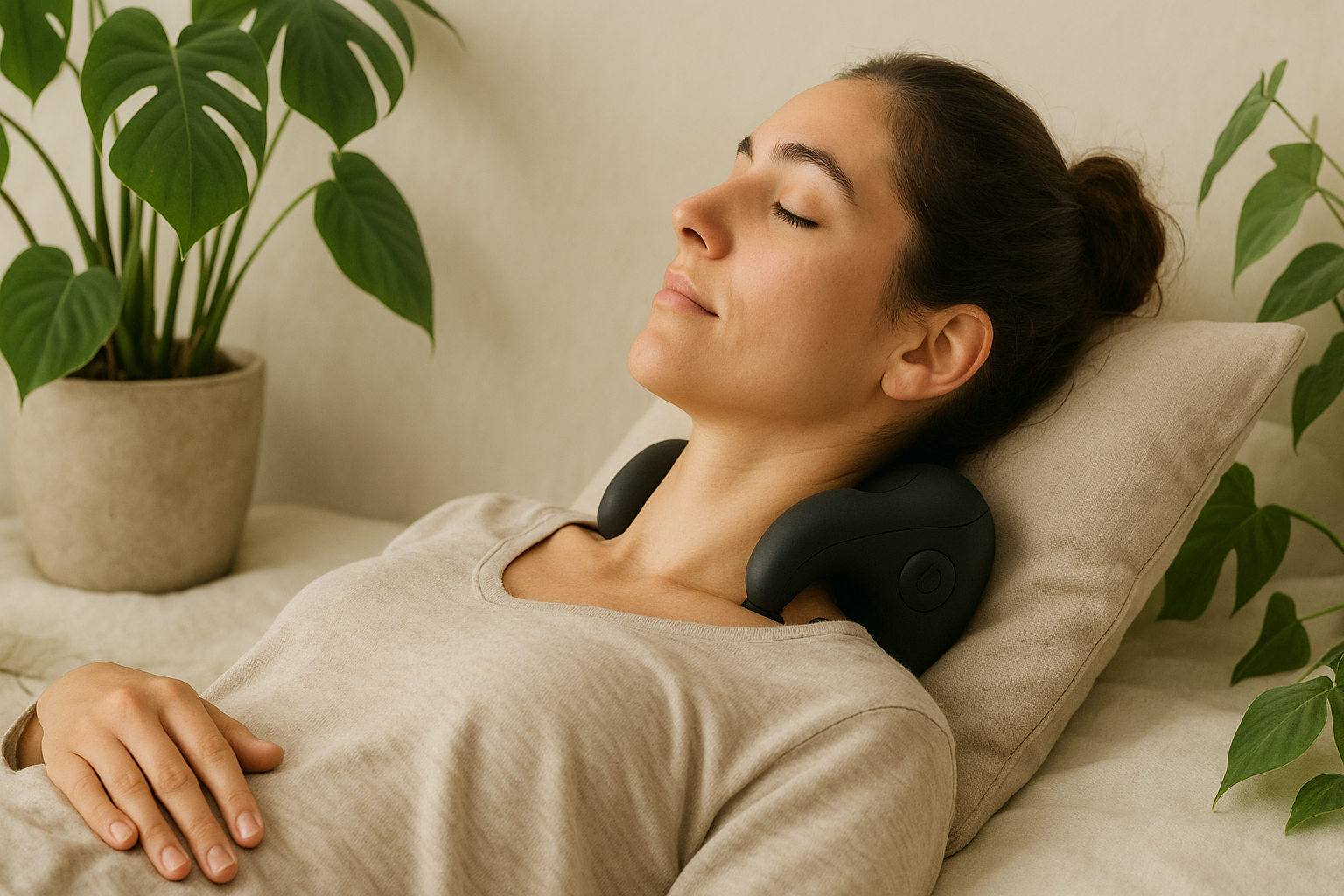
Supporting the vagus nerve involves practices and interventions that aim to enhance its function, promoting overall health and well-being. This support can lead to improved stress resilience, better emotional regulation, and enhanced physiological functions, making it a vital focus for those interested in nervous system regulation.
Mechanism / How It Works
The vagus nerve is a key player in the parasympathetic nervous system, which is responsible for the body's rest-and-digest functions. When activated, it promotes relaxation, lowers heart rate, and encourages digestive processes. This activation can be achieved through various methods, including deep breathing exercises, meditation, and even certain dietary choices.
Additionally, the vagus nerve communicates with the brain through a bidirectional pathway, allowing signals from the body to influence mental states and vice versa. This means that stimulating the vagus nerve can potentially lead to enhanced mood and cognitive function, as well as improved physical health.
Evidence Summary
Research on vagus nerve support is still emerging, with preliminary studies suggesting a range of benefits from various interventions. Some clinical trials have indicated that vagus nerve stimulation can be effective in treating conditions such as depression and epilepsy. However, results are mixed, and more extensive research is necessary to establish consistent outcomes.
Conflicting evidence exists regarding the effectiveness of certain vagus nerve support techniques, such as dietary interventions or specific exercises. While some individuals report significant improvements in their well-being, others may experience minimal effects. Overall, while the potential for vagus nerve support is promising, it is essential to approach these findings with caution and recognize the need for further investigation.
Practical Application
Integrating vagus nerve support into daily life can be achieved through various protocols and practices. Here are some effective methods:
- Deep Breathing Exercises: Focus on slow, deep breaths to stimulate the vagus nerve and promote relaxation.
- Mindfulness Meditation: Regular meditation practices can enhance vagal tone and overall well-being.
- Cold Exposure: Brief exposure to cold temperatures, such as cold showers, may stimulate the vagus nerve.
- Gentle Movement: Activities like yoga and tai chi can encourage relaxation and vagal activation.
However, common pitfalls include overloading oneself with too many practices at once or expecting immediate results. It is crucial to start slowly and find a rhythm that works for your individual needs.
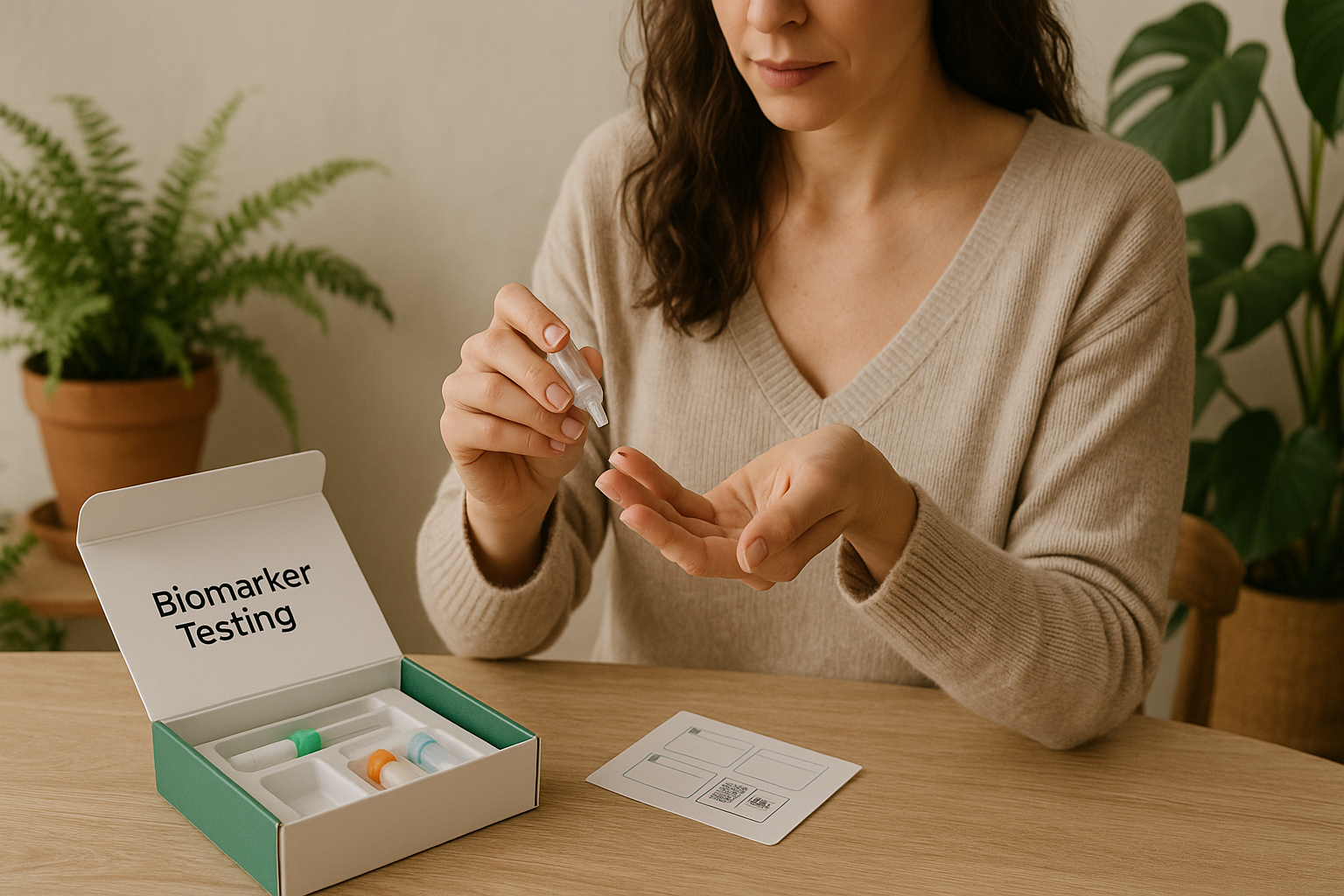
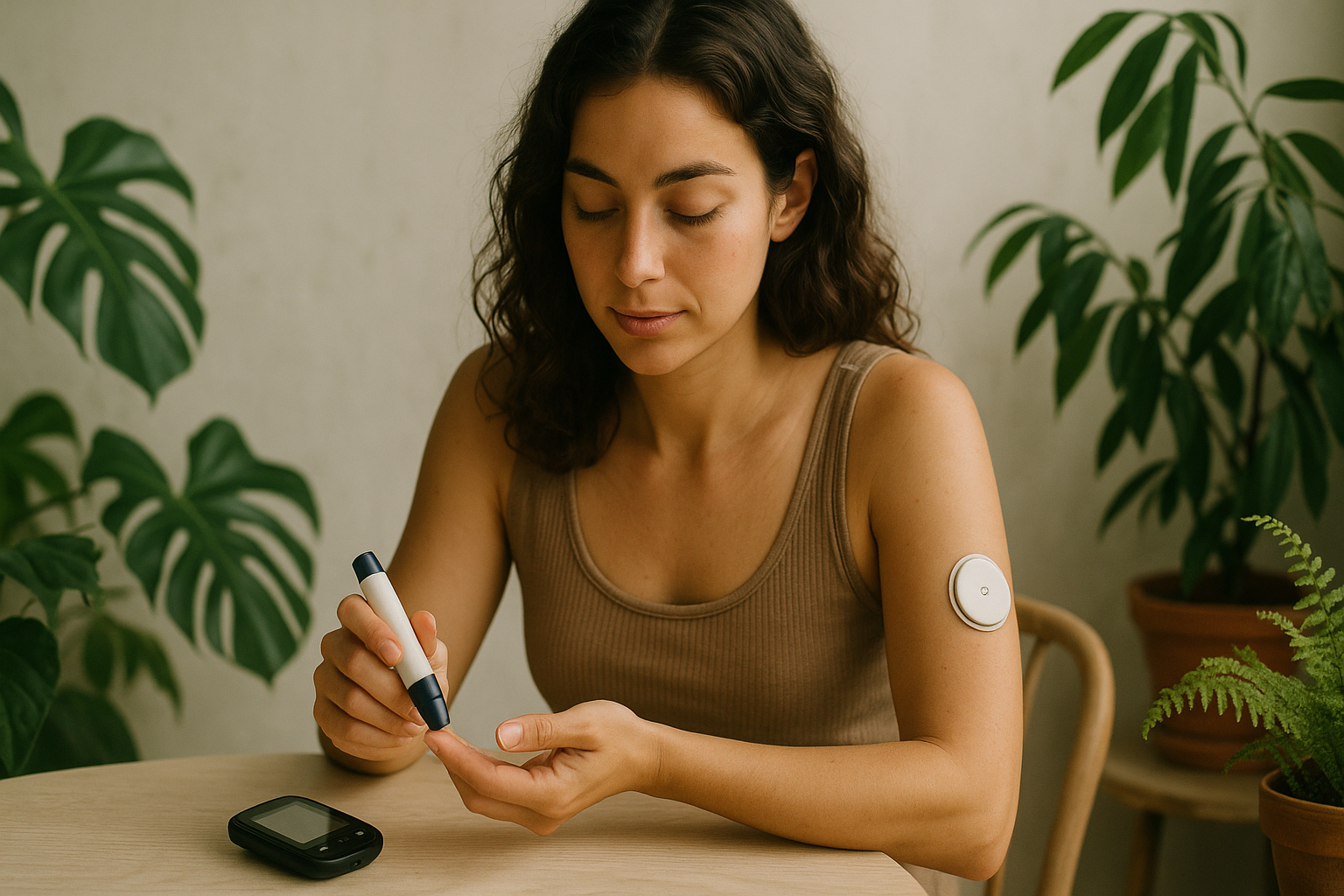
Relevant Biomarkers & Tracking
To track the effects of vagus nerve support, consider monitoring the following biomarkers:
- Heart Rate Variability (HRV): A higher HRV typically indicates better vagal tone and autonomic regulation.
- Stress Levels: Self-reported stress levels can provide insight into the effectiveness of vagus nerve support practices.
- Digestive Health: Improvements in digestion may also signal enhanced vagus nerve function.
Regular tracking of these biomarkers can help individuals assess their progress and make necessary adjustments to their approach.
Body Systems Supported
Supporting the vagus nerve can positively impact several body systems, including:
- Nervous System: Enhances regulation and resilience to stress.
- Cardiovascular System: Promotes lower heart rates and improved circulation.
- Digestive System: Encourages digestive efficiency and gut health.
- Immune System: May help modulate immune responses and reduce inflammation.
Common Goals
Individuals seeking vagus nerve support often aim to achieve the following goals:
- Reduce anxiety and stress levels.
- Improve emotional regulation.
- Enhance overall physical health and resilience.
- Support digestive health and function.
Safety, Contraindications & Edge Cases
While vagus nerve support practices are generally considered safe, there are some considerations:
- Cold Exposure: Individuals with certain cardiovascular conditions should consult a healthcare provider before attempting cold exposure techniques.
- Deep Breathing: Those with respiratory conditions should approach deep breathing exercises cautiously.
In certain cases, individuals may experience heightened anxiety or discomfort when beginning vagus nerve support practices. It is essential to listen to your body and adjust approaches as needed.
Pairs Well With
Vagus nerve support can be complemented by various ancient and natural practices, enhancing overall effectiveness:
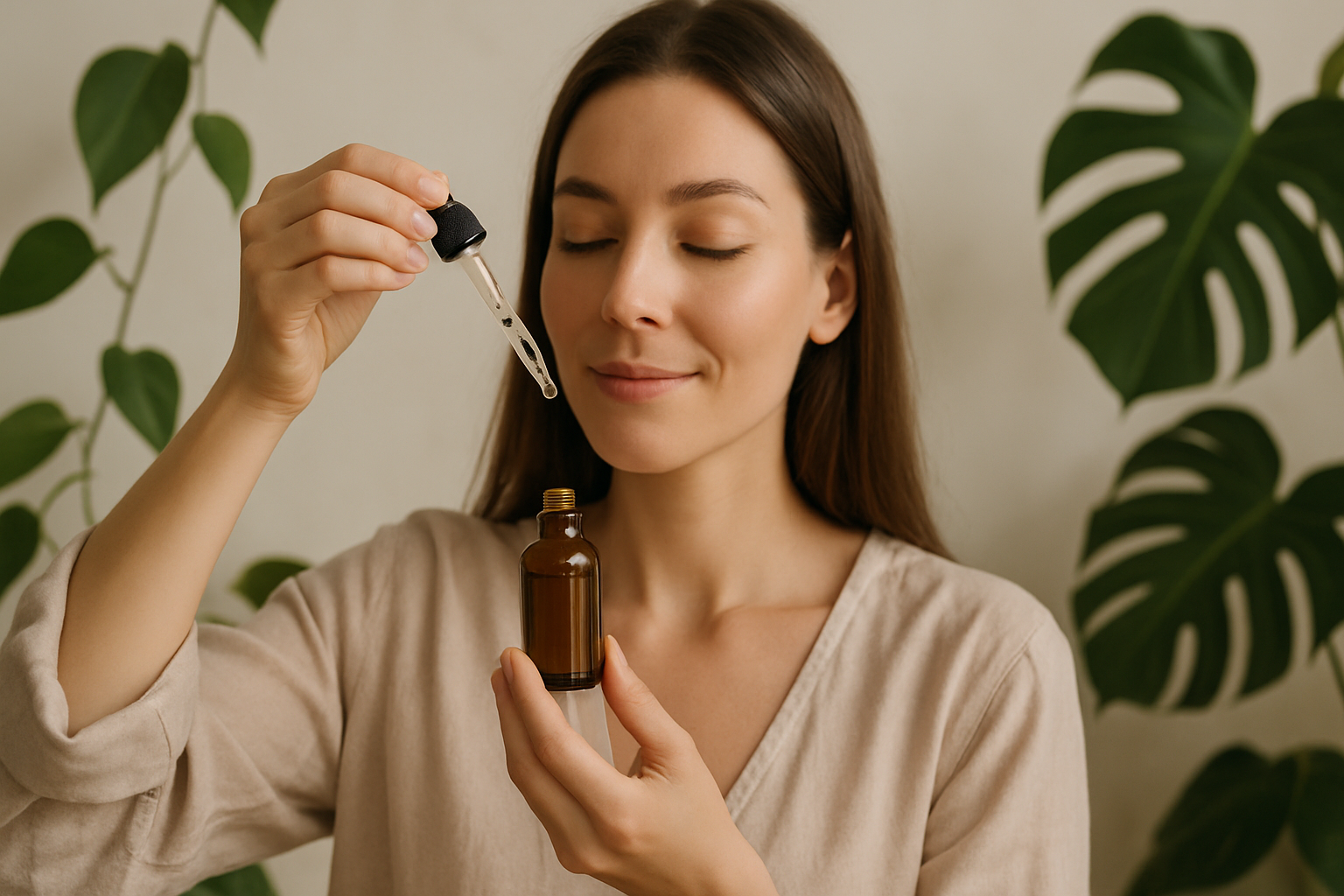
- Aromatherapy: Essential oils such as lavender or chamomile can promote relaxation.
- Herbal Supplements: Adaptogens like ashwagandha or rhodiola may support stress resilience.
- Traditional Practices: Techniques from yoga, tai chi, and qi gong can enhance vagal activation.
FAQs (5)
- What are the main functions of the vagus nerve? The vagus nerve regulates involuntary functions including heart rate, digestion, and respiratory rate.
- How can I stimulate my vagus nerve? Techniques such as deep breathing, meditation, and cold exposure can help stimulate the vagus nerve.
- Is vagus nerve support suitable for everyone? While generally safe, individuals with specific health conditions should consult a healthcare provider before starting new practices.
- Can I track my vagus nerve health? Yes, monitoring heart rate variability and digestive health are effective ways to track vagus nerve function.
- What should I do if I experience discomfort during vagus nerve support practices? Listen to your body and consider adjusting your approach or consulting a healthcare provider.
Frequently asked
What are the main functions of the vagus nerve?
The vagus nerve regulates involuntary functions including heart rate, digestion, and respiratory rate.
How can I stimulate my vagus nerve?
Techniques such as deep breathing, meditation, and cold exposure can help stimulate the vagus nerve.
Is vagus nerve support suitable for everyone?
While generally safe, individuals with specific health conditions should consult a healthcare provider before starting new practices.
Can I track my vagus nerve health?
Yes, monitoring heart rate variability and digestive health are effective ways to track vagus nerve function.
What should I do if I experience discomfort during vagus nerve support practices?
Listen to your body and consider adjusting your approach or consulting a healthcare provider.