Stress Tracking
Delve into stress tracking as a key component of nervous system regulation, exploring mechanisms, practical applications, and relevant biomarkers to enhance modern wellness.
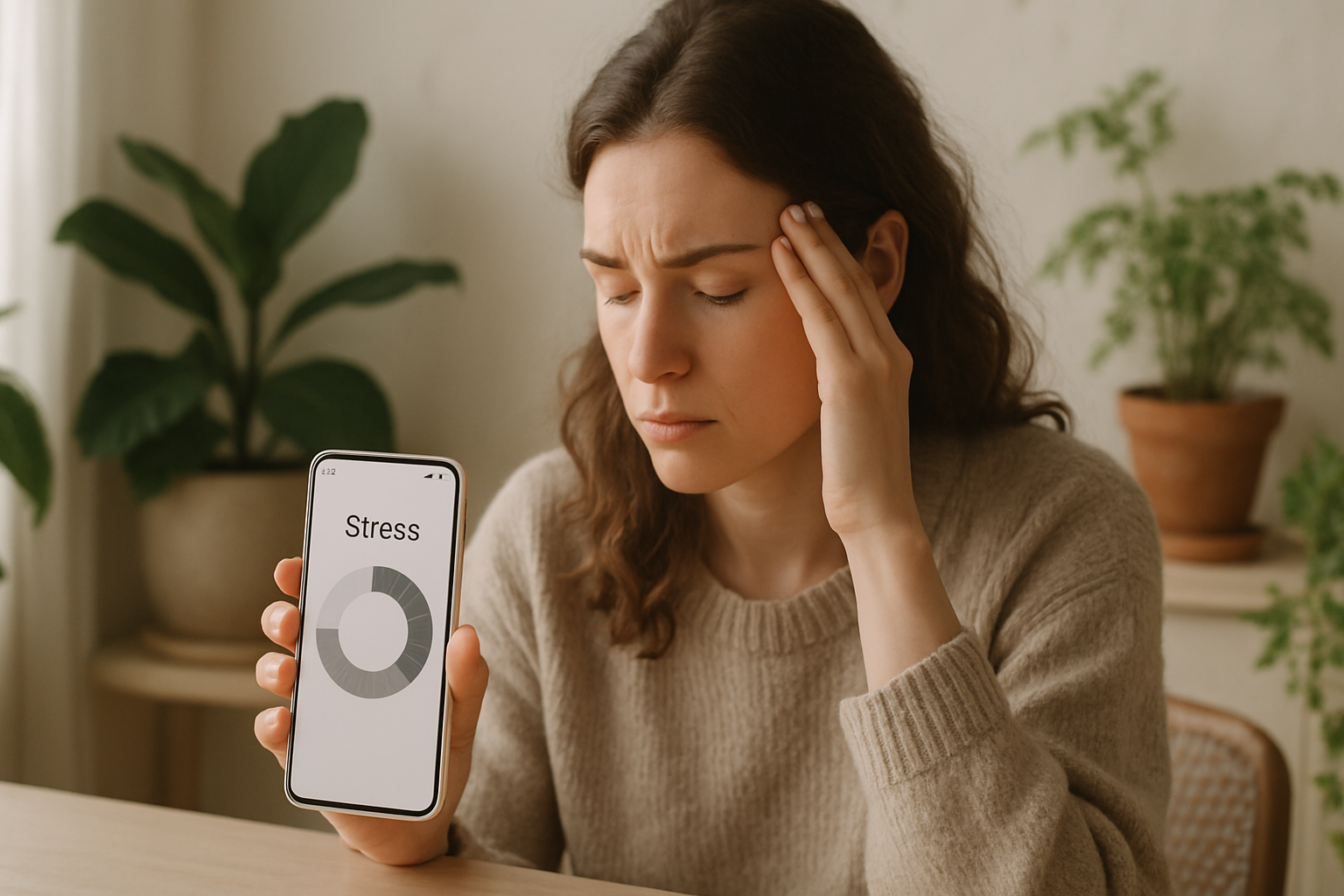
Explore the importance of stress tracking in the realm of nervous system regulation, its mechanisms, and practical applications for modern wellness. Discover relevant biomarkers, supported body systems, and common goals while addressing safety considerations and common pitfalls. Learn how stress tracking pairs well with ancient practices for a holistic approach to wellness.
What It Is
Stress tracking is a method used to monitor and analyze stress levels over time, helping individuals understand their responses to various stressors. By identifying patterns and triggers, stress tracking empowers individuals to better manage stress and promote overall nervous system regulation. This practice can involve self-reporting, wearable technology, or mobile applications designed to capture daily fluctuations in stress.
At its core, stress tracking encompasses various techniques that provide insights into how stress affects the body and mind. These techniques can include journaling, mindfulness practices, or leveraging technology that measures physiological responses such as heart rate variability (HRV). The ultimate goal of stress tracking is to enhance self-awareness, enabling individuals to implement strategies that support their mental and emotional well-being.
Mechanism / How It Works
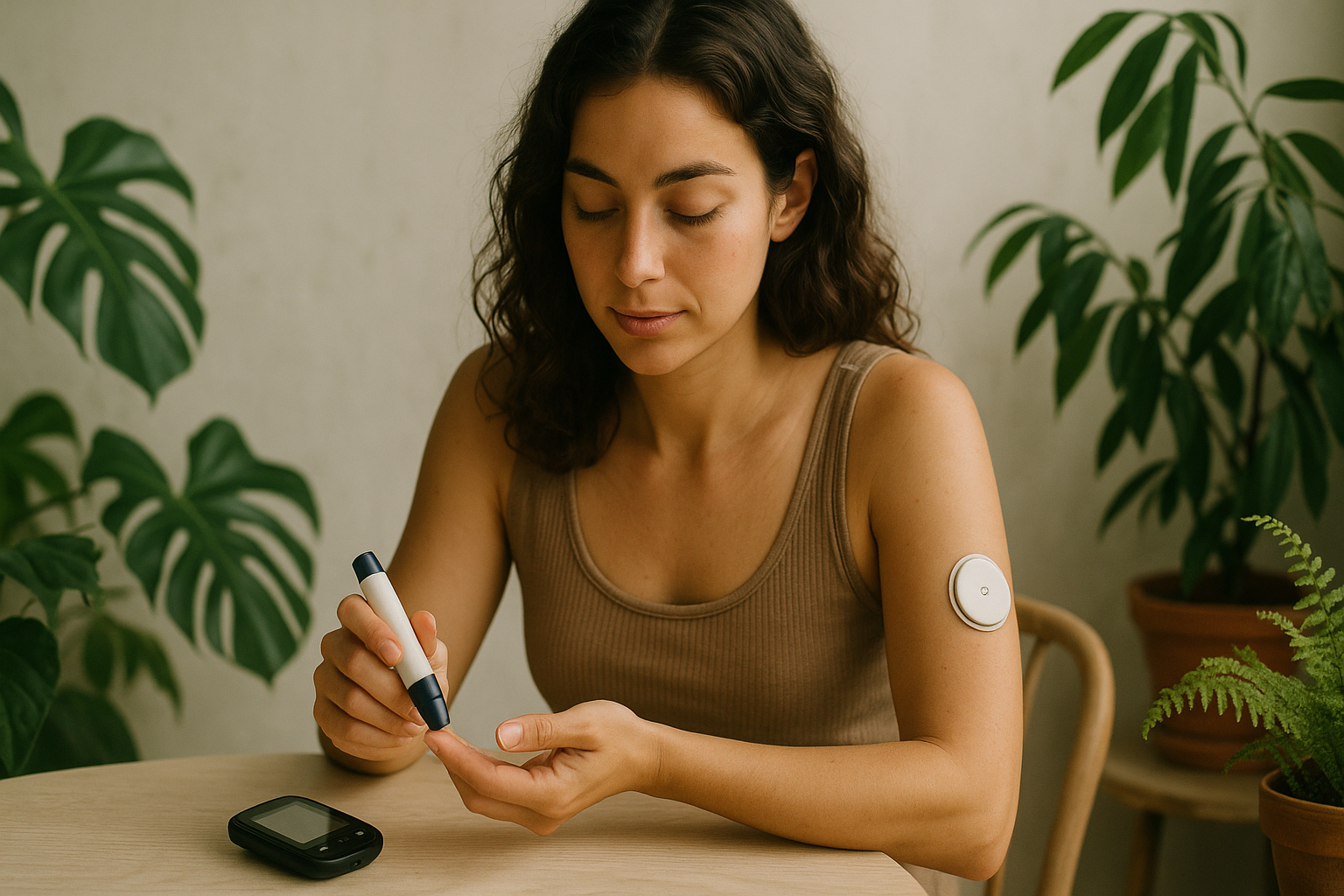
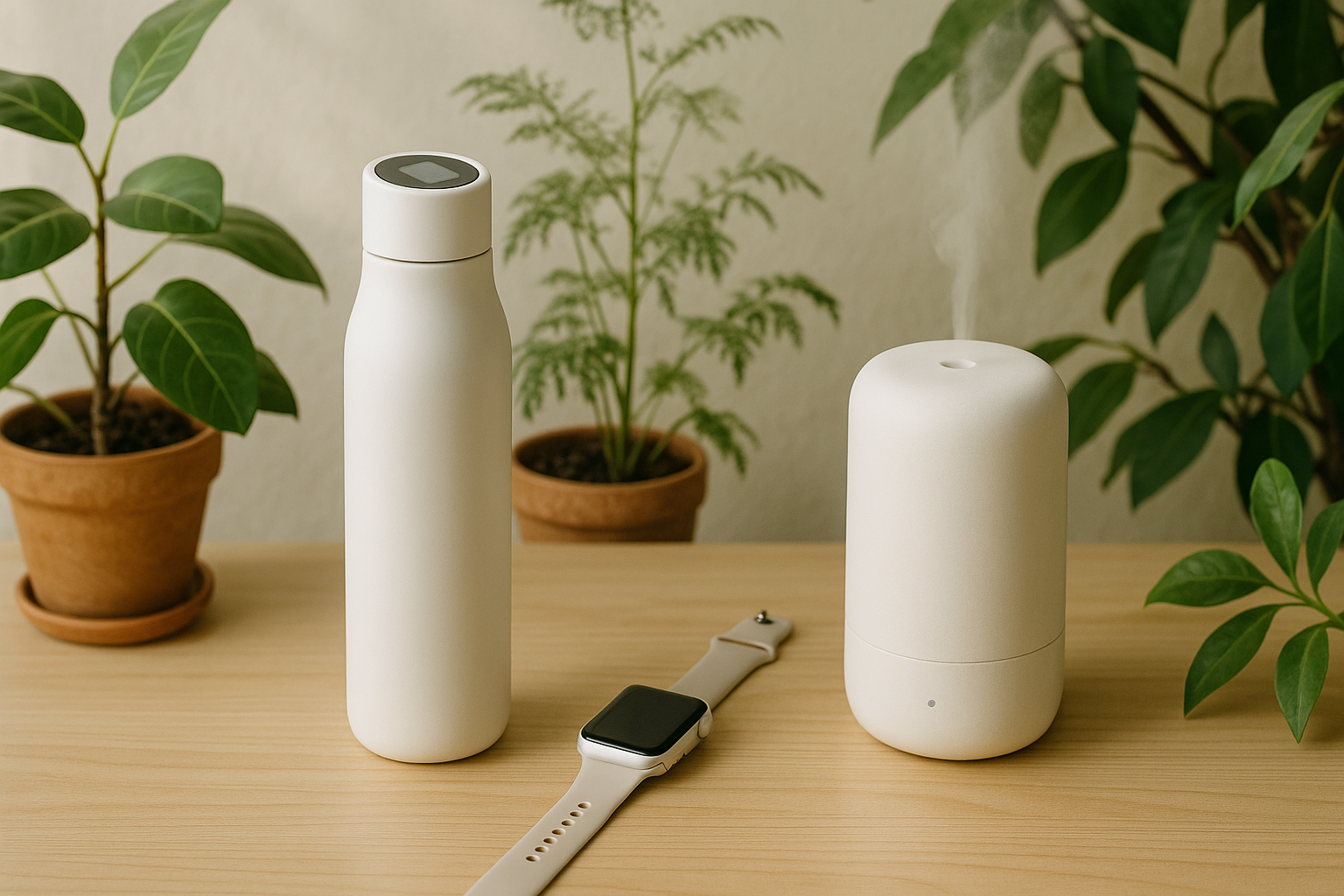
The mechanism of stress tracking involves collecting data on stress levels and responses through various methods. For example, wearable devices can monitor physiological responses, such as heart rate and skin conductance, which are indicators of stress. These devices often sync with apps that allow users to visualize their stress patterns, making it easier to identify triggers and assess the effectiveness of stress management strategies.
Additionally, self-reporting tools, such as daily journals or questionnaires, can provide qualitative data on stress experiences. By combining qualitative and quantitative data, individuals gain a comprehensive understanding of their stress responses and can make informed decisions about their wellness practices.
Evidence Summary
The evidence surrounding stress tracking is still evolving. Preliminary studies suggest that consistent stress tracking can lead to improved self-awareness and stress management outcomes. For instance, individuals using HRV tracking have shown a greater understanding of their physiological responses to stress, leading to more effective coping strategies.
However, clinical evidence remains limited, and results can be conflicting. Some studies indicate that stress tracking may not lead to significant changes in stress levels unless accompanied by actionable interventions. Furthermore, the effectiveness of stress tracking can vary greatly among individuals, influenced by personal factors such as resilience, lifestyle, and existing mental health conditions.
Practical Application
To effectively integrate stress tracking into daily life, individuals can adopt several practical protocols. These may include setting aside regular times for reflection and journaling about stressors encountered during the day or using apps to log stress levels and triggers. It is also helpful to establish a routine that incorporates mindfulness practices, such as meditation or deep-breathing exercises, to complement stress tracking efforts.
Common pitfalls to avoid include becoming overly fixated on stress levels or misinterpreting data. It's essential to approach stress tracking as a tool for understanding rather than a source of additional stress. Additionally, individuals should remember that some days may naturally be more stressful than others, and fluctuations are normal.
Relevant Biomarkers & Tracking
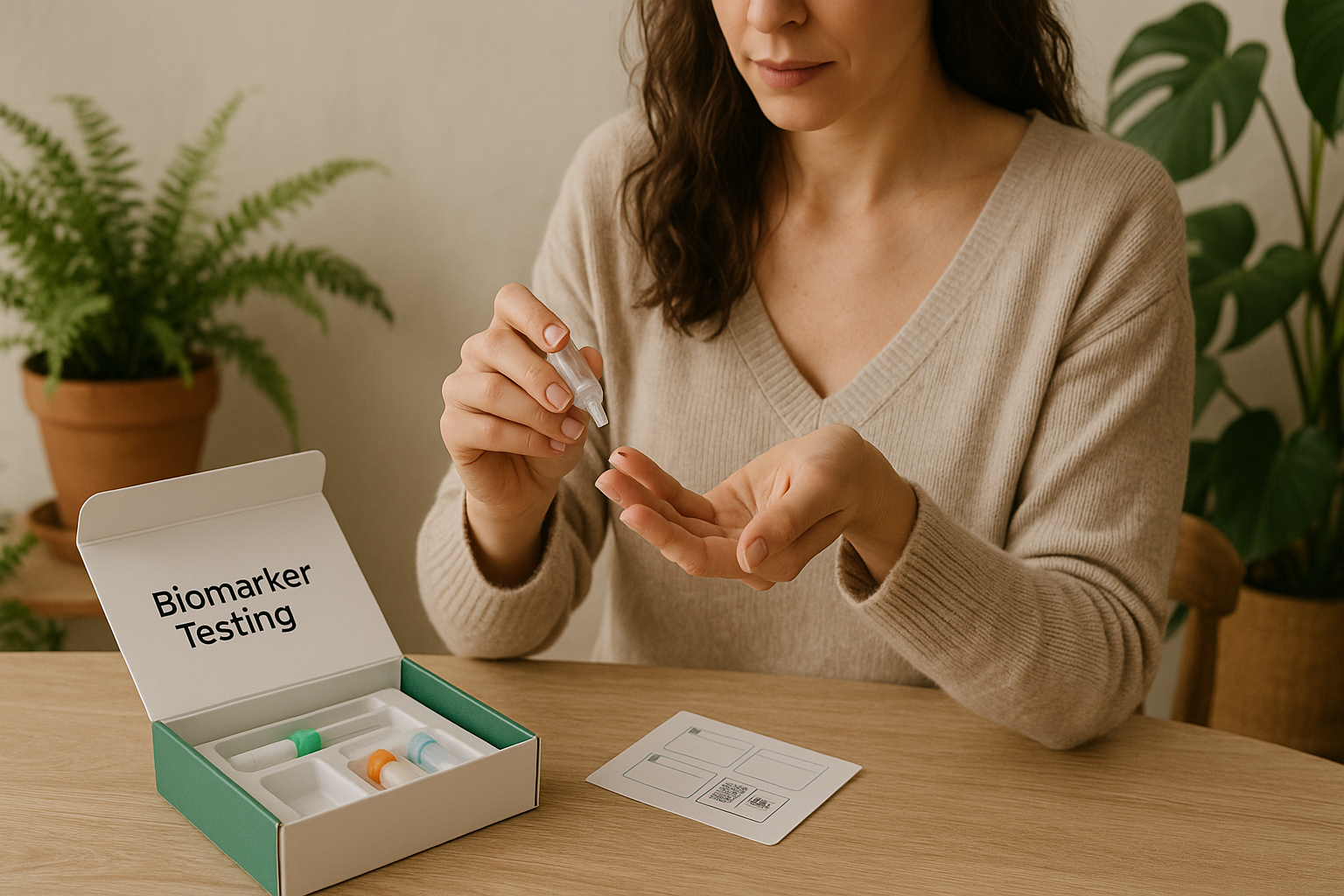
Several biomarkers can be relevant when tracking stress levels. These may include:
- Heart Rate Variability (HRV): A measure of the variation in time between heartbeats, often used as an indicator of autonomic nervous system function.
- Cortisol Levels: The primary stress hormone, which can be measured through saliva, blood, or urine tests.
- Skin Conductance: A measure of electrical conductance of the skin, which can indicate physiological arousal associated with stress.
- Blood Pressure: Elevated blood pressure can be a sign of stress responses in the body.
These biomarkers can provide valuable insights when monitored over time, allowing for a more nuanced understanding of how stress impacts health.
Body Systems Supported
Stress tracking can support various body systems, including:
- Nervous System: By promoting awareness of stress responses, individuals can better regulate their nervous system.
- Endocrine System: Monitoring cortisol levels helps individuals understand how stress affects hormonal balance.
- Cardiovascular System: Stress tracking can provide insights into heart health through measurements like HRV and blood pressure.
By addressing stress, individuals can enhance the functioning of these systems, leading to improved overall health.
Common Goals
Individuals using stress tracking may have several common goals, including:
- Understanding personal stress triggers and patterns.
- Implementing effective stress management strategies.
- Improving overall mental and emotional well-being.
- Enhancing resilience and coping mechanisms.
- Promoting better physical health through reduced stress levels.
Safety, Contraindications & Edge Cases
While stress tracking can be beneficial, there are some safety considerations to keep in mind. Individuals with severe anxiety, depression, or trauma histories should approach stress tracking cautiously, as it may lead to increased awareness of distressing emotions or experiences. It is advisable to consult with a healthcare professional before starting a stress tracking regimen, especially for those with existing mental health conditions.
Edge cases might include individuals who become overly fixated on tracking and interpreting their stress data, leading to increased anxiety or stress instead of relief. Finding a balance is crucial.
Pairs Well With
Stress tracking pairs well with various ancient and natural wellness practices, including:
- Meditation: Mindfulness practices can enhance self-awareness and reduce stress levels.
- Yoga: Physical movement combined with breath awareness can support nervous system regulation.
- Aromatherapy: Using essential oils can promote relaxation and reduce perceived stress.
- Naturopathy: Holistic approaches to health can complement stress tracking efforts.
Integrating these practices can create a well-rounded approach to managing stress and enhancing overall wellness.
FAQs (5)
Here are some frequently asked questions regarding stress tracking:
- What is the best method for tracking stress? The best method varies by individual; options include journaling, apps, or wearable devices.
- How often should I track my stress levels? Daily tracking is beneficial, but even weekly check-ins can provide useful insights.
- Can stress tracking help with anxiety? Yes, understanding stress patterns can help individuals develop better coping strategies for anxiety.
- Is it necessary to measure biomarkers for stress tracking? While helpful, it is not necessary; self-reporting can also provide valuable insights.
- What if I feel more stressed after tracking? If tracking increases your stress, consider adjusting your approach or seeking guidance from a professional.
Frequently asked
What is the best method for tracking stress?
The best method varies by individual; options include journaling, apps, or wearable devices.
How often should I track my stress levels?
Daily tracking is beneficial, but even weekly check-ins can provide useful insights.
Can stress tracking help with anxiety?
Yes, understanding stress patterns can help individuals develop better coping strategies for anxiety.
Is it necessary to measure biomarkers for stress tracking?
While helpful, it is not necessary; self-reporting can also provide valuable insights.
What if I feel more stressed after tracking?
If tracking increases your stress, consider adjusting your approach or seeking guidance from a professional.