Emotional Regulation
A detailed exploration of emotional regulation, its mechanisms, practical applications, and insights into biomarkers and safety considerations.

Explore the nuances of emotional regulation, its mechanisms, practical applications, supported body systems, and safety considerations in the context of nervous system regulation.
What It Is
Emotional regulation refers to the processes by which individuals influence the emotions they experience, when they experience them, and how they express these emotions. It encompasses a range of strategies and techniques that help individuals manage their emotional responses to various stimuli, ultimately fostering greater emotional stability and resilience. Effective emotional regulation is crucial for mental health and overall well-being, as it allows individuals to navigate life's challenges without becoming overwhelmed by their emotional states.
At its core, emotional regulation involves both conscious and unconscious strategies. These can include cognitive reappraisal, where individuals reframe their thoughts about a situation to alter their emotional impact, and suppression, where they inhibit the expression of emotions. The ability to effectively regulate emotions is linked to various psychological outcomes, such as reduced anxiety and depression, improved relationships, and enhanced overall life satisfaction.
Mechanism / How It Works
The mechanisms of emotional regulation are complex and involve various neurobiological processes. The prefrontal cortex plays a critical role in regulating emotions by modulating signals from the amygdala, the brain region primarily responsible for processing emotions such as fear and pleasure. When an individual encounters a stressful or emotional situation, the amygdala activates, triggering emotional responses. The prefrontal cortex can then exert top-down control to help manage these responses, facilitating a more balanced emotional experience.
Additionally, emotional regulation can involve physiological responses. The autonomic nervous system (ANS) regulates bodily functions such as heart rate and respiration, which can be influenced by emotional states. For instance, practices such as deep breathing or mindfulness can activate the parasympathetic nervous system, promoting relaxation and reducing emotional reactivity. Understanding these mechanisms can help individuals implement effective emotional regulation strategies in their daily lives.
Evidence Summary
Research on emotional regulation is extensive, encompassing various methodologies and populations. Preliminary studies suggest that effective emotional regulation is associated with better mental health outcomes, such as lower levels of anxiety and depression. Clinical trials have shown that interventions aimed at improving emotional regulation skills, such as cognitive-behavioral therapy (CBT) and mindfulness-based practices, can lead to significant improvements in emotional well-being.
However, the evidence is not without conflicts. Some strategies, like emotional suppression, may have short-term benefits but can lead to long-term negative effects on mental health and relationships. Furthermore, the effectiveness of different emotional regulation strategies may vary depending on individual differences such as personality, cultural background, and specific situational contexts. Continued research is necessary to fully understand the nuances of emotional regulation and its impact on health.
Practical Application
Integrating emotional regulation strategies into daily life can enhance emotional well-being and resilience. Some practical applications include:
- Cognitive Reappraisal: Practice reframing negative thoughts to view challenging situations from a more positive perspective.
- Mindfulness Meditation: Engage in mindfulness practices to enhance awareness of emotions and cultivate non-judgmental acceptance.
- Deep Breathing Exercises: Use deep breathing techniques to activate the parasympathetic nervous system, promoting relaxation during stressful moments.
- Journaling: Write about emotional experiences to process feelings and gain insights into emotional triggers.
Common pitfalls include relying too heavily on suppression, which can lead to emotional build-up and increased stress. It is essential to find a balanced approach that promotes healthy emotional expression while managing difficult emotions effectively.
Relevant Biomarkers & Tracking
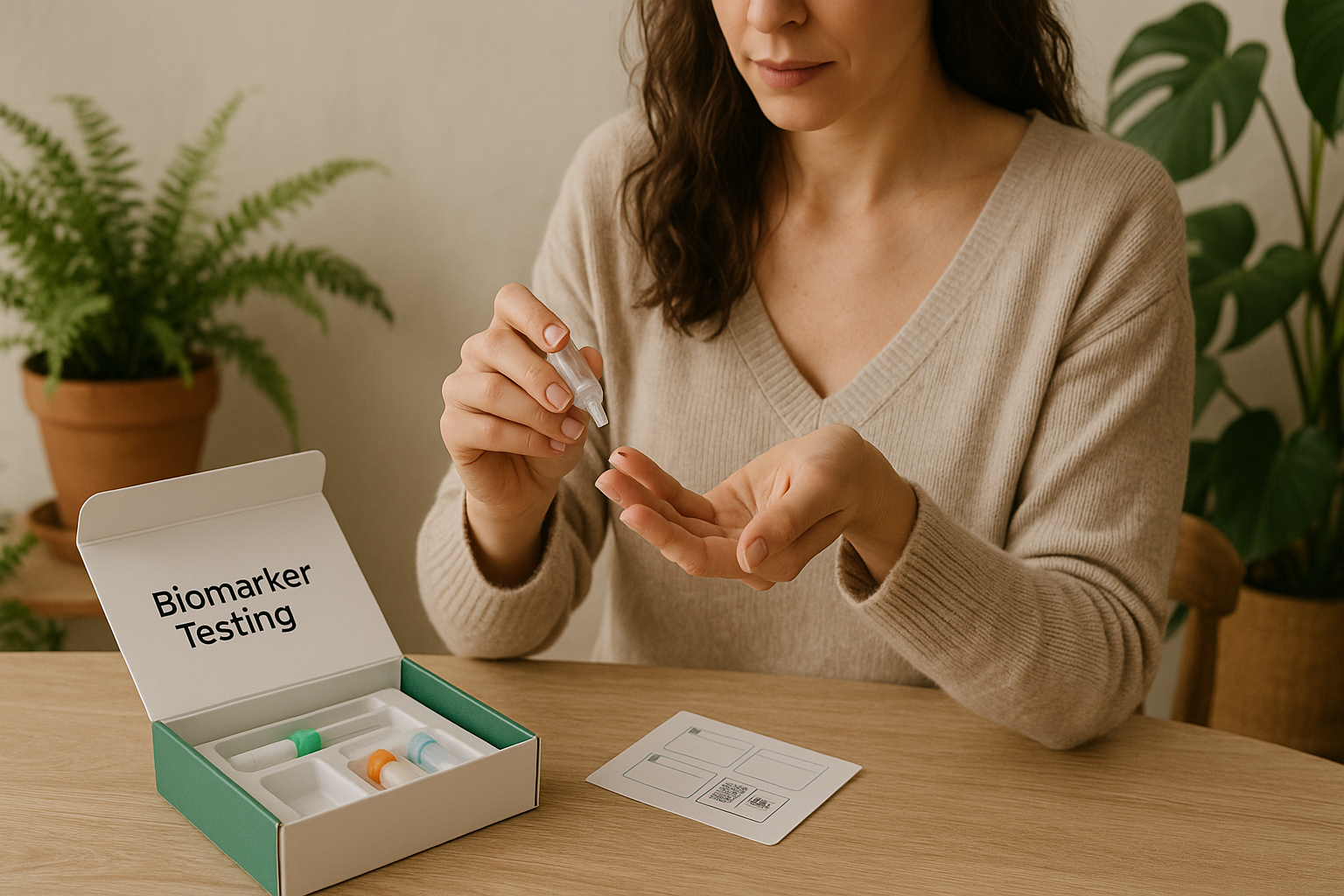
Tracking emotional regulation can involve various biomarkers that indicate physiological responses to emotional stimuli. Some relevant biomarkers include:
- Cortisol Levels: Cortisol, known as the stress hormone, can be measured to assess stress responses related to emotional regulation.
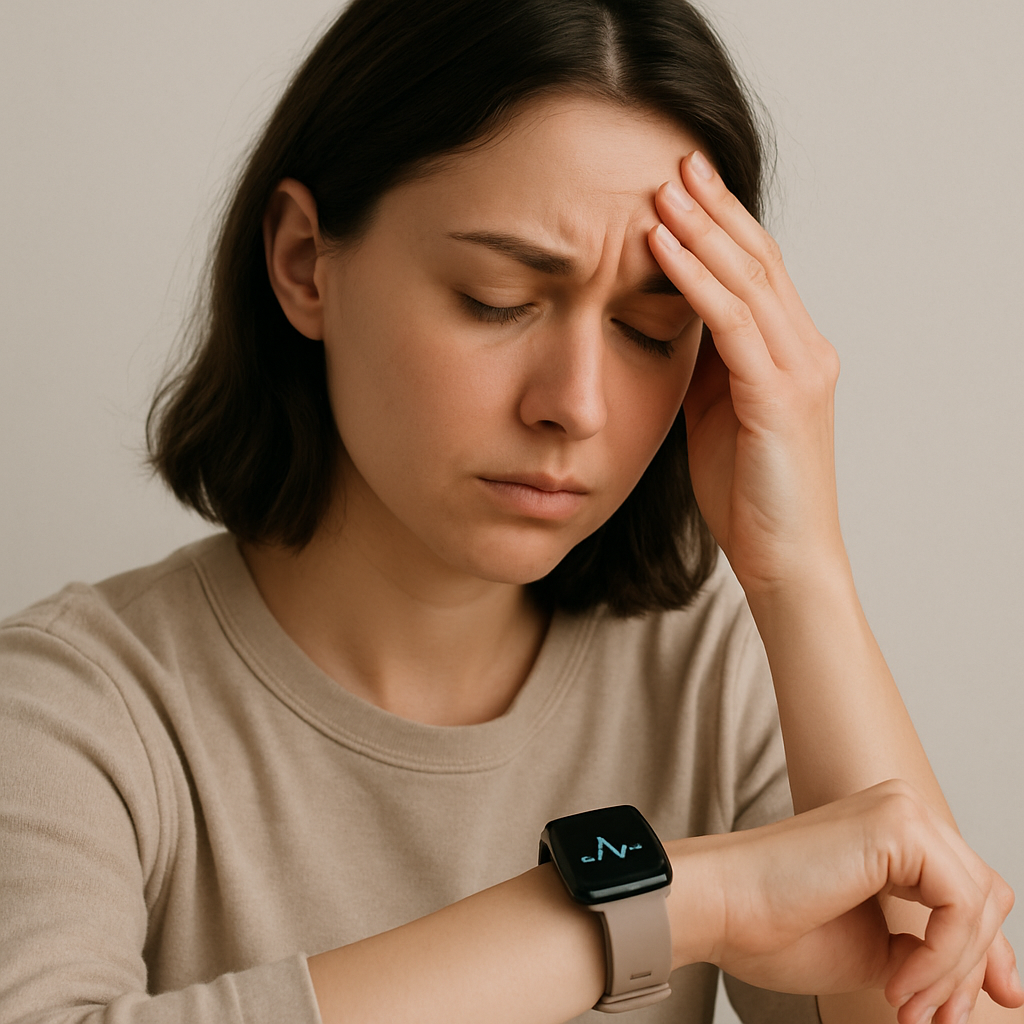
- Heart Rate Variability (HRV): HRV is a measure of autonomic nervous system activity and can indicate how well the body is managing stress and emotional responses.
- Electrodermal Activity (EDA): EDA measures skin conductance and can be used to gauge emotional arousal.
Utilizing these biomarkers can provide insights into how effectively an individual is managing their emotional responses, allowing for tailored approaches to improve emotional regulation skills.
Body Systems Supported
Emotional regulation significantly impacts various body systems, including:
- Nervous System: Emotional regulation is closely linked to the autonomic nervous system, which governs stress responses.
- Endocrine System: Hormonal responses, particularly stress hormones like cortisol, are influenced by emotional states and regulation strategies.
- Immune System: Chronic emotional distress can weaken immune function, while effective emotional regulation can bolster immune responses.
Common Goals
Individuals pursuing better emotional regulation often aim for several common goals, including:
- Enhanced emotional awareness and understanding
- Improved coping mechanisms in stressful situations
- Reduced anxiety and depressive symptoms
- Stronger interpersonal relationships
- Increased overall life satisfaction and well-being
Safety, Contraindications & Edge Cases
While emotional regulation strategies are generally safe, certain considerations should be kept in mind:
- Individuals with severe emotional distress or mental health disorders should seek professional guidance before implementing self-help strategies.
- Strategies that involve emotional exposure, such as some forms of cognitive-behavioral therapy, may lead to temporary discomfort; however, they are often beneficial in the long run.
- Cultural factors may influence emotional expression and regulation; understanding these nuances is important when applying emotional regulation strategies.
Pairs Well With
Emotional regulation practices can be complemented by various ancient and natural counterparts, such as:
- Yoga: Integrates physical movement with breath awareness, promoting emotional balance.
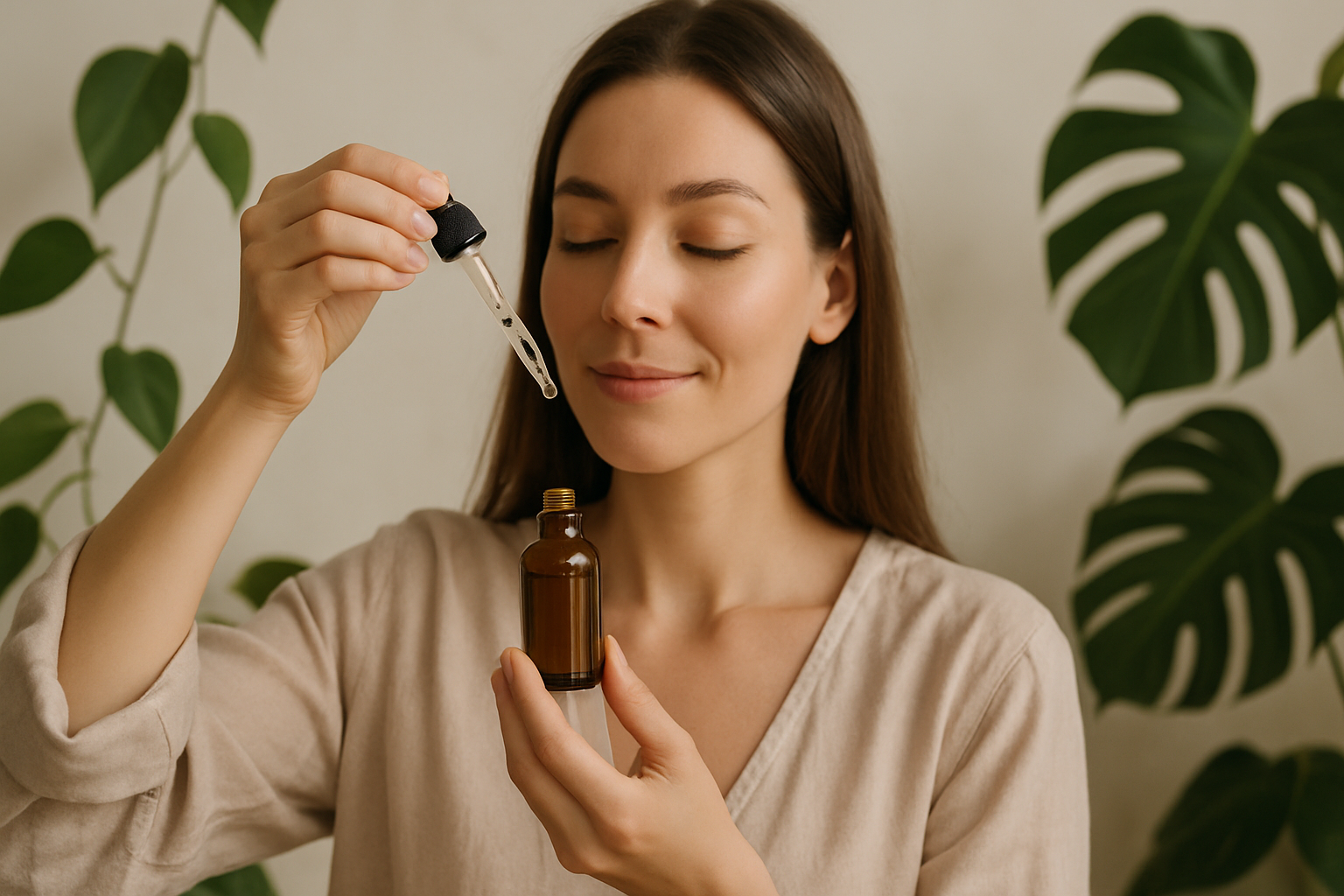
- Aromatherapy: Certain essential oils can have calming effects and support emotional well-being.
- Traditional Chinese Medicine: Approaches such as acupuncture can help balance emotional states and support overall health.
FAQs (5)
- What is the difference between emotional regulation and emotional suppression? Emotional regulation involves managing and expressing emotions appropriately, while emotional suppression is the act of inhibiting emotional expression, which may lead to negative consequences over time.
- Can emotional regulation improve physical health? Yes, effective emotional regulation can lead to reduced stress, which positively impacts physical health, including immune function and cardiovascular health.
- How can I practice emotional regulation daily? Incorporate techniques such as mindfulness, journaling, and cognitive reappraisal into your daily routine to enhance emotional management.
- Is emotional regulation the same for everyone? No, emotional regulation can vary widely based on individual differences, including personality traits, cultural background, and specific situational contexts.
- What should I do if I struggle with emotional regulation? Consider seeking professional support, such as therapy or counseling, to develop personalized strategies for improving emotional regulation.
Frequently asked
What is the difference between emotional regulation and emotional suppression?
Emotional regulation involves managing and expressing emotions appropriately, while emotional suppression is the act of inhibiting emotional expression, which may lead to negative consequences over time.
Can emotional regulation improve physical health?
Yes, effective emotional regulation can lead to reduced stress, which positively impacts physical health, including immune function and cardiovascular health.
How can I practice emotional regulation daily?
Incorporate techniques such as mindfulness, journaling, and cognitive reappraisal into your daily routine to enhance emotional management.
Is emotional regulation the same for everyone?
No, emotional regulation can vary widely based on individual differences, including personality traits, cultural background, and specific situational contexts.
What should I do if I struggle with emotional regulation?
Consider seeking professional support, such as therapy or counseling, to develop personalized strategies for improving emotional regulation.