Relaxation Protocols
Discover evidence-based relaxation protocols that support nervous system regulation, enhance mental well-being, and promote a balanced lifestyle.
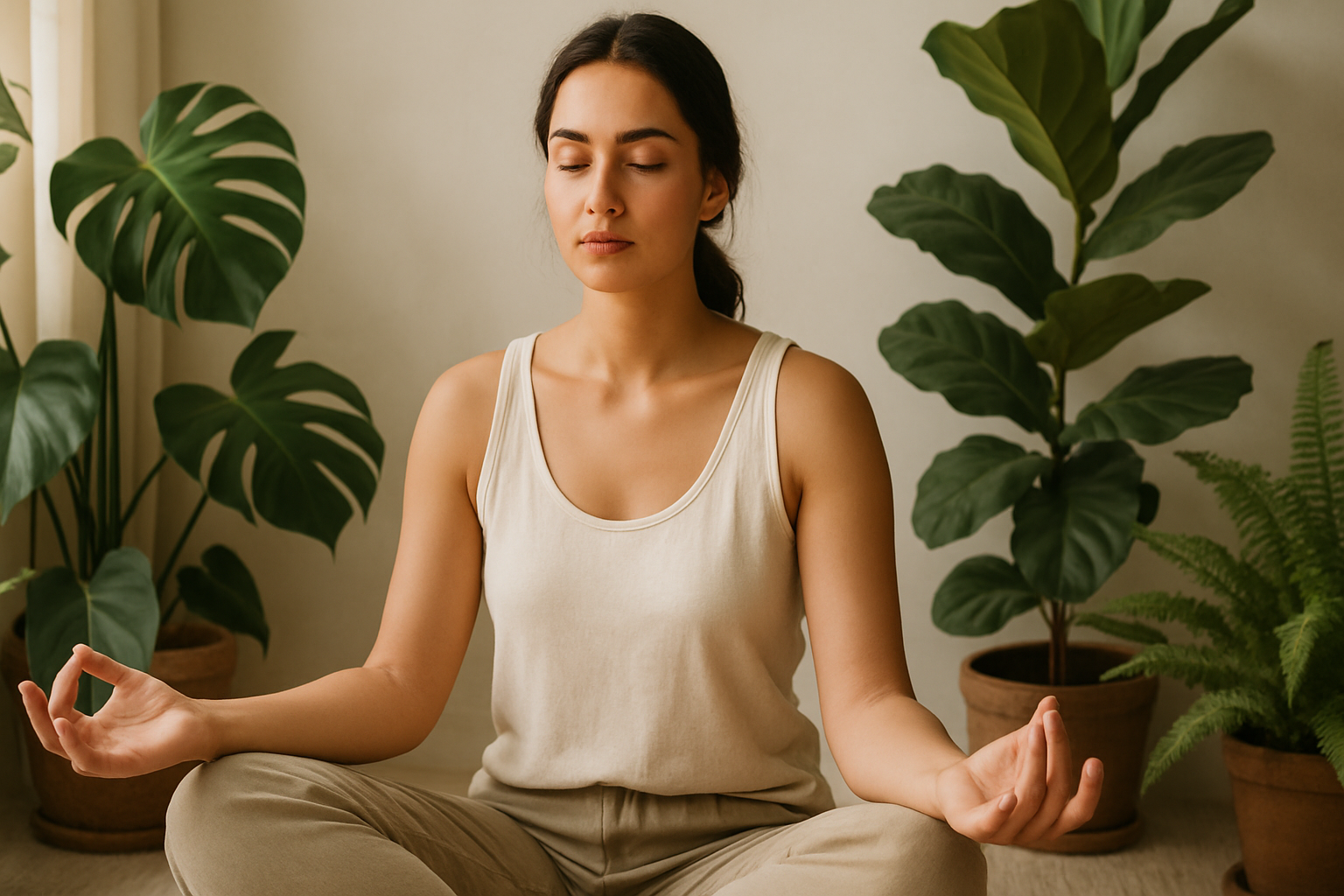
Explore relaxation protocols designed to enhance nervous system regulation and promote modern wellness. This comprehensive guide discusses mechanisms, practical applications, and safety considerations.
What It Is
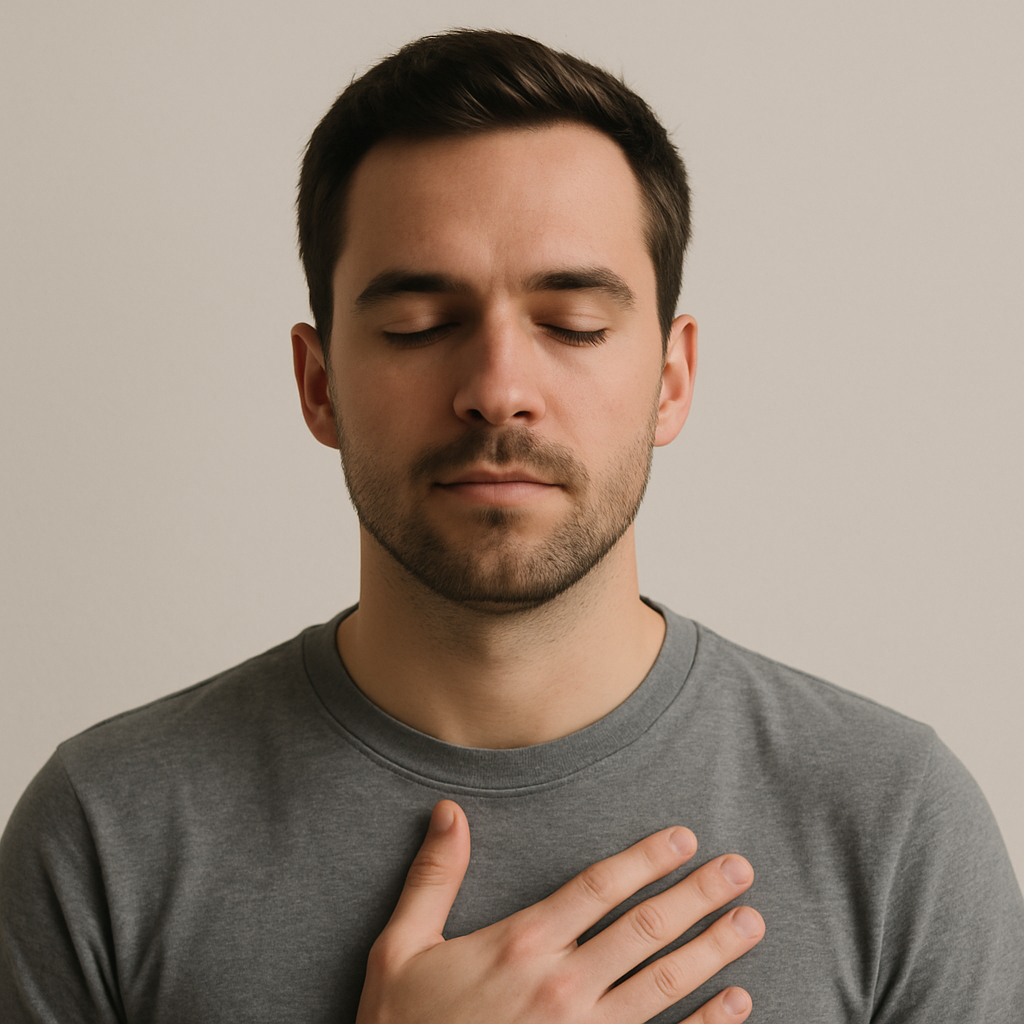
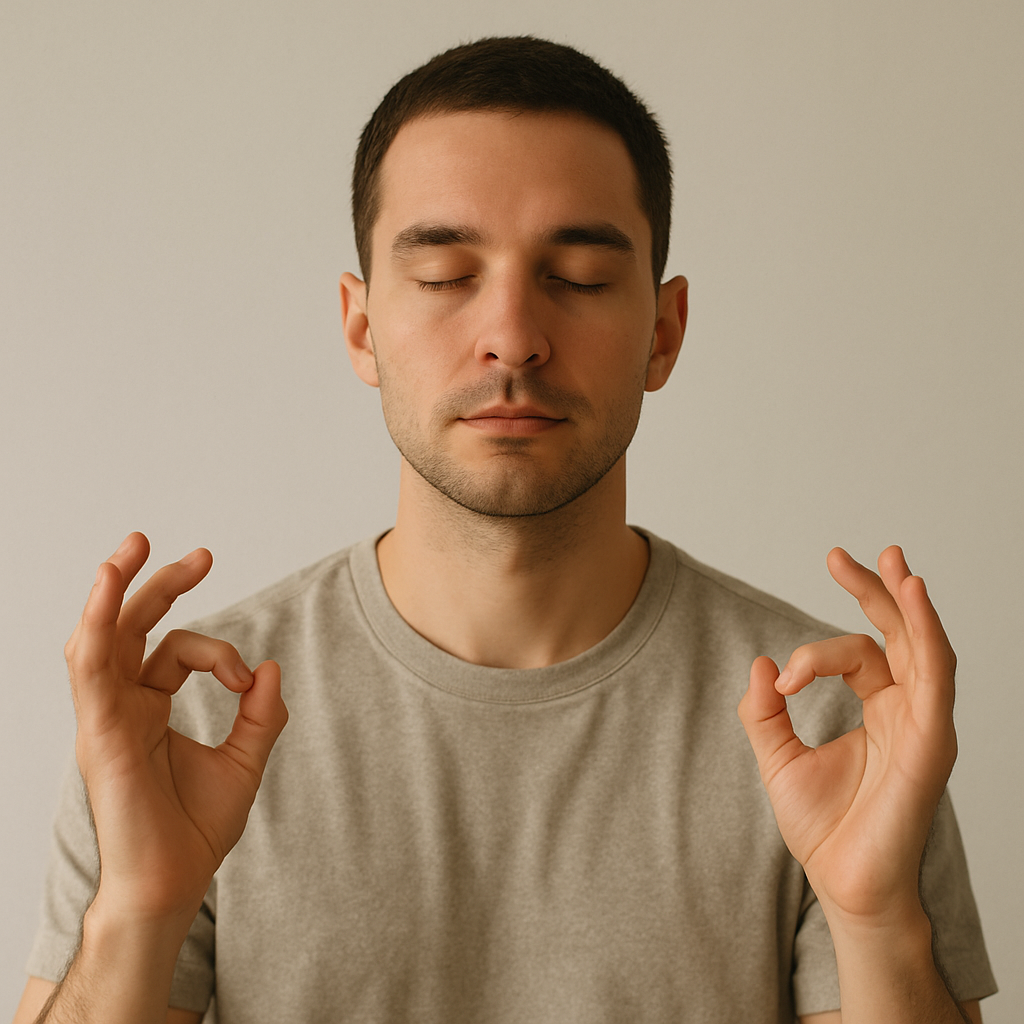
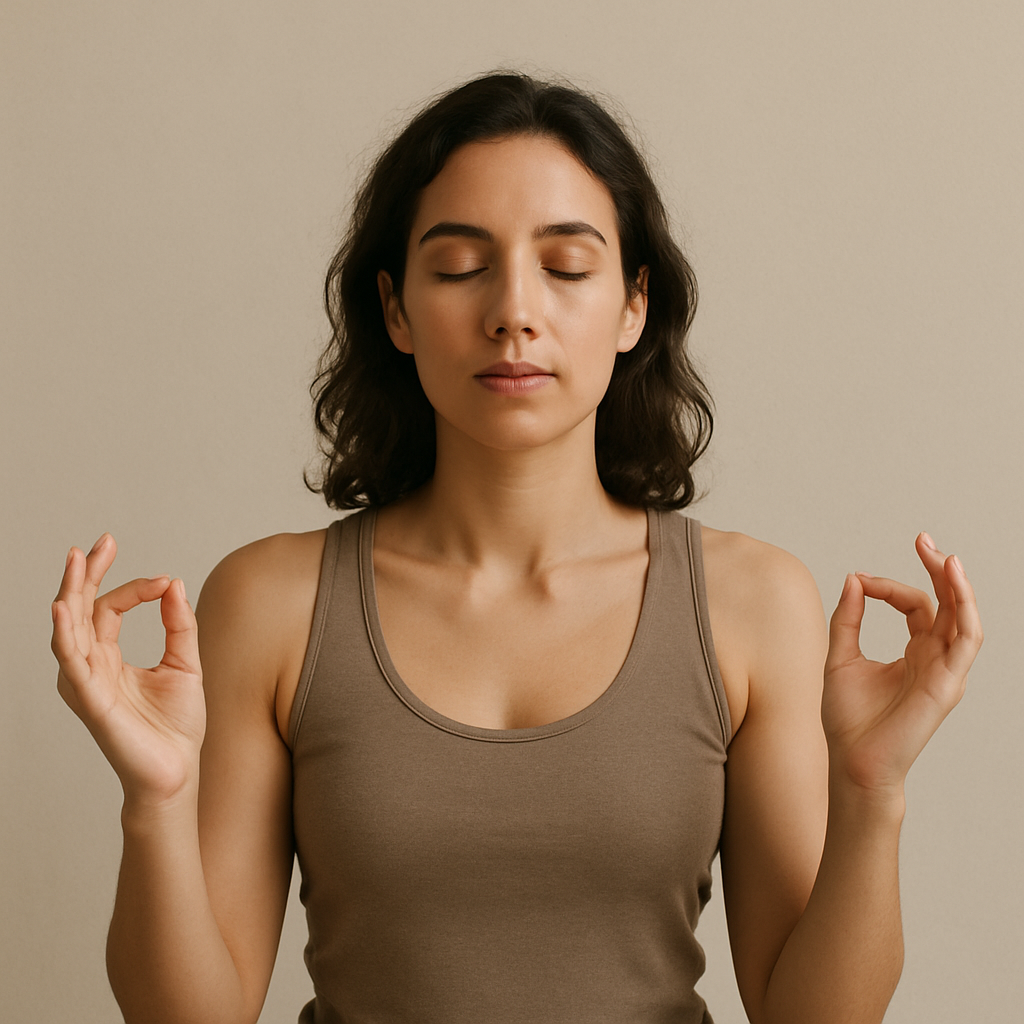
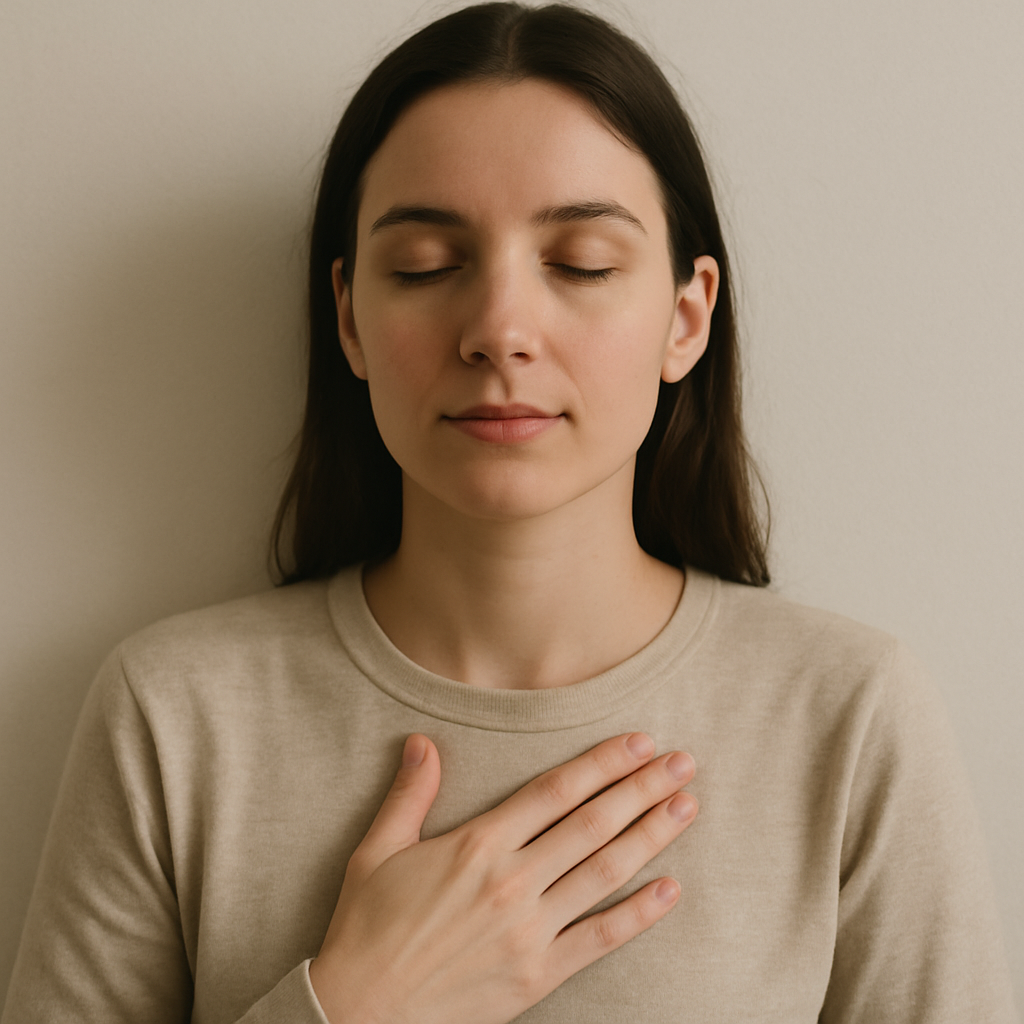
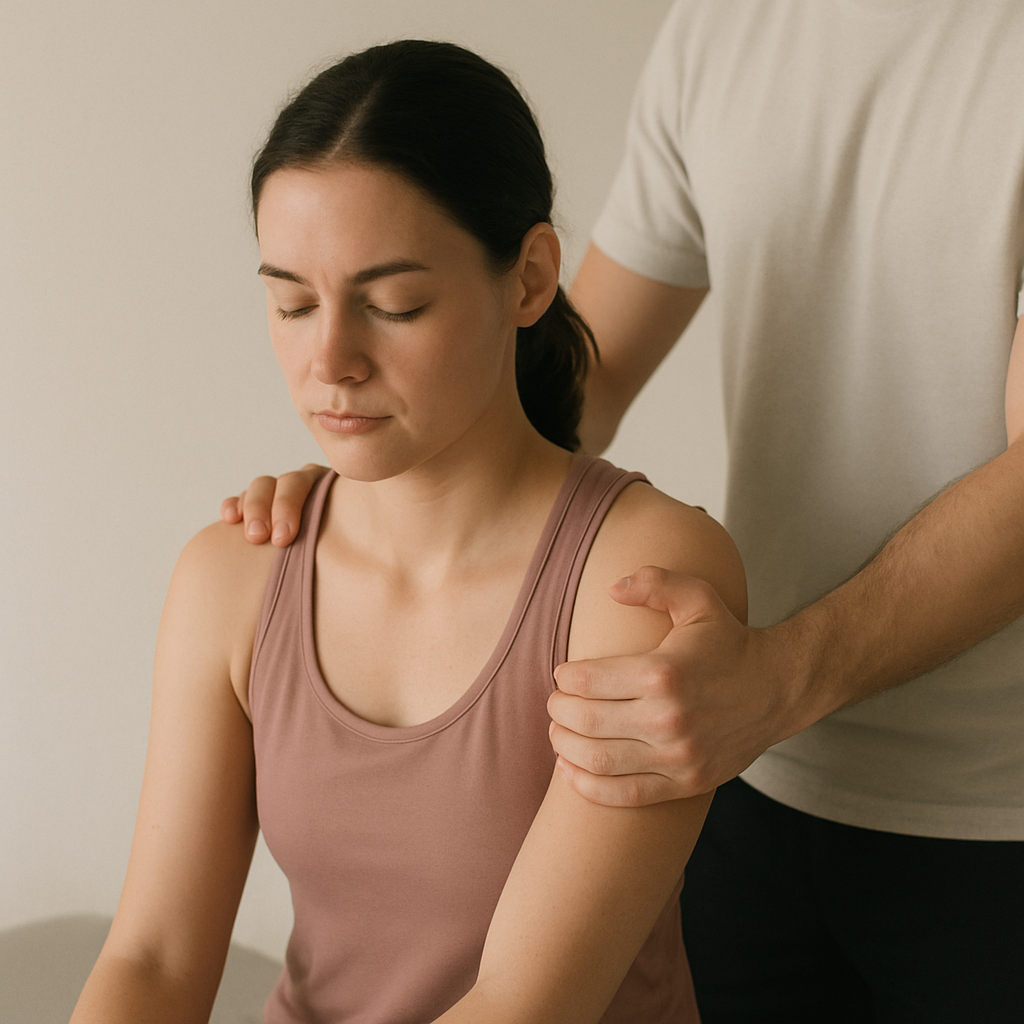
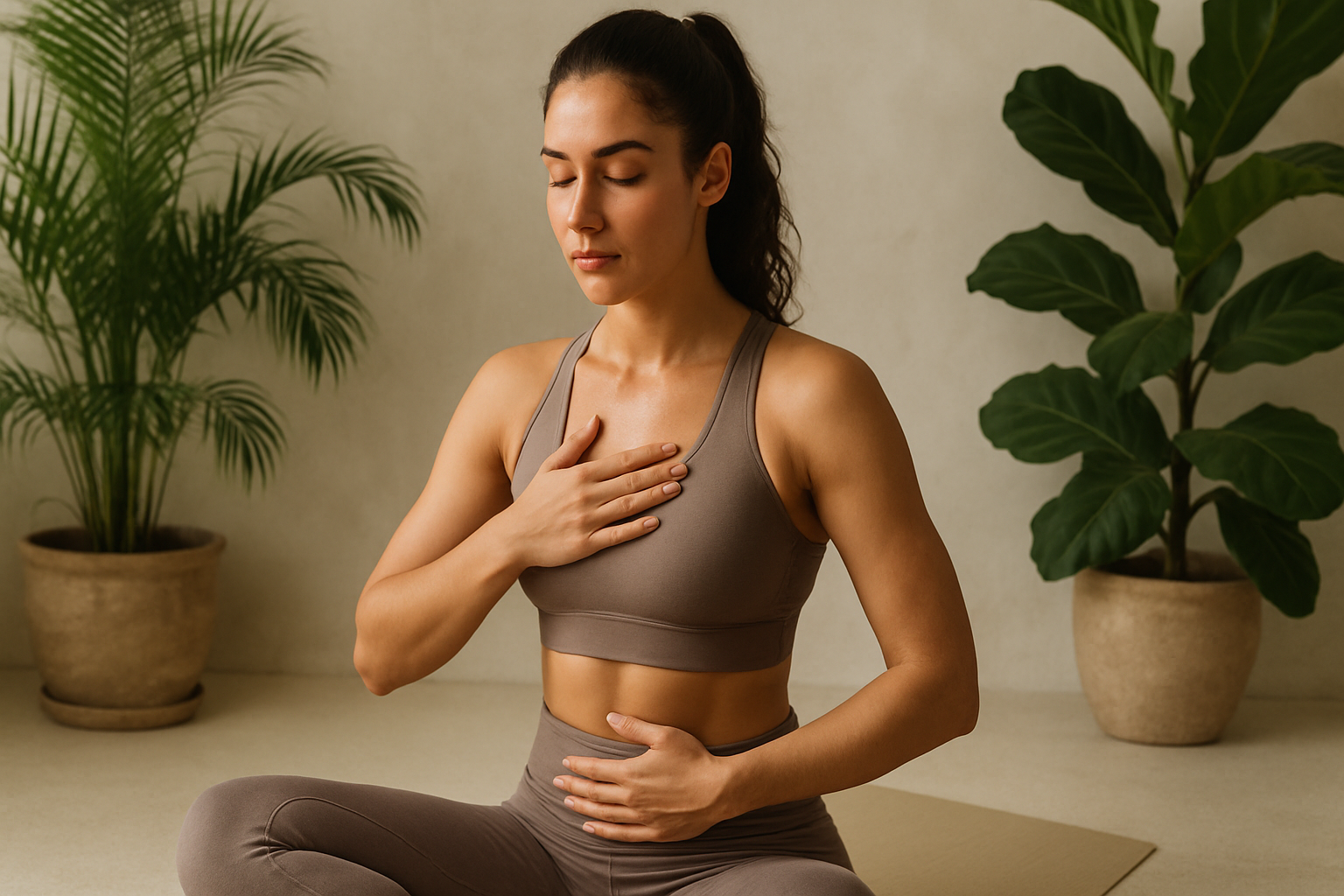
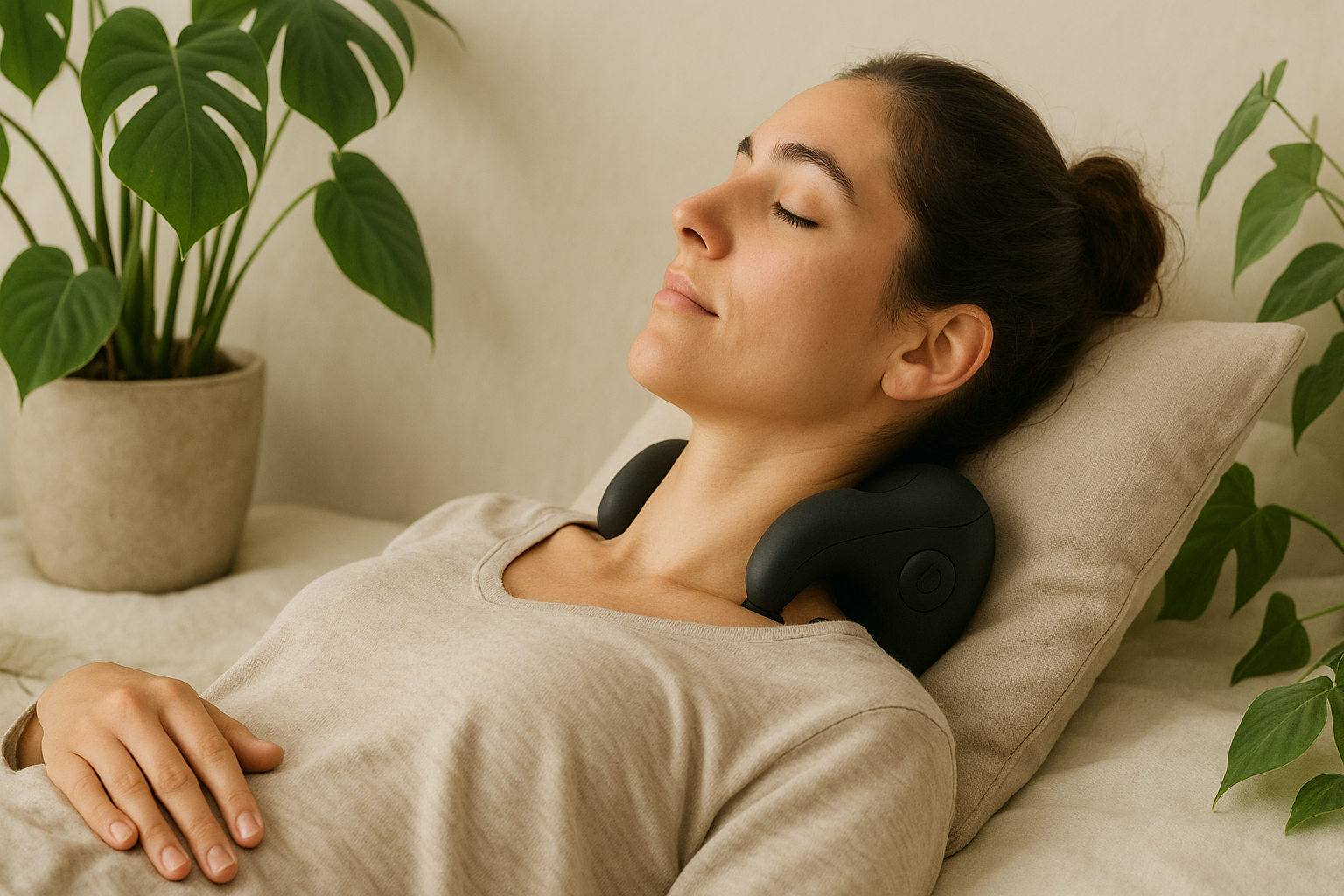
Relaxation protocols are structured techniques aimed at reducing stress and promoting calmness, primarily by regulating the nervous system. These methods encompass various practices, ranging from deep breathing exercises to guided imagery, all designed to help individuals unwind and restore balance to their physiological and emotional states. By engaging the body's relaxation response, these protocols can mitigate the effects of stress and enhance overall well-being.
At their core, relaxation protocols focus on activating the parasympathetic nervous system, which counteracts the stress-induced activation of the sympathetic nervous system. This shift not only fosters a sense of tranquility but also supports various bodily functions, such as digestion and immune response. As a result, these protocols have gained popularity in modern wellness as a practical approach to maintaining mental and physical health.
Mechanism / How It Works
The mechanisms behind relaxation protocols involve a combination of physiological and psychological processes. When practiced regularly, these techniques can lead to changes in brainwave patterns, hormonal balances, and even gene expression associated with stress response. Initially, relaxation practices lower the body's levels of cortisol, the primary stress hormone, while increasing the production of neurotransmitters like serotonin and endorphins that promote feelings of happiness and calm.
By consciously focusing on the breath, body awareness, and mindfulness, relaxation protocols can also disrupt negative thought patterns. Techniques such as progressive muscle relaxation or visualization help create a mental space free from stressors, allowing the mind to reset and rejuvenate. This comprehensive approach not only helps in immediate stress relief but also contributes to long-term resilience against anxiety and stress-related disorders.
Evidence Summary
The evidence surrounding relaxation protocols is diverse, with studies supporting their effectiveness in various contexts. Preliminary research indicates that practices such as mindfulness meditation, yoga, and deep breathing can significantly decrease anxiety and improve overall mood. Clinical studies have demonstrated that these techniques can lower blood pressure, reduce chronic pain, and enhance sleep quality, making them invaluable tools for public health.
However, there are conflicting findings regarding the optimal type and duration of practice for maximum effectiveness. Some studies suggest that longer and more consistent engagement yields better results, while others indicate that even short sessions can be beneficial. More research is needed to establish standardized protocols and understand individual differences in response to these practices.
Practical Application
Implementing relaxation protocols into daily life can be straightforward and highly beneficial. Here are some practical steps to consider:
- Start Small: Begin with short sessions of 5-10 minutes each day, gradually increasing duration as comfort grows.
- Create a Routine: Integrate relaxation practices into your daily schedule, such as morning meditations, afternoon stretches, or evening gratitude reflections.
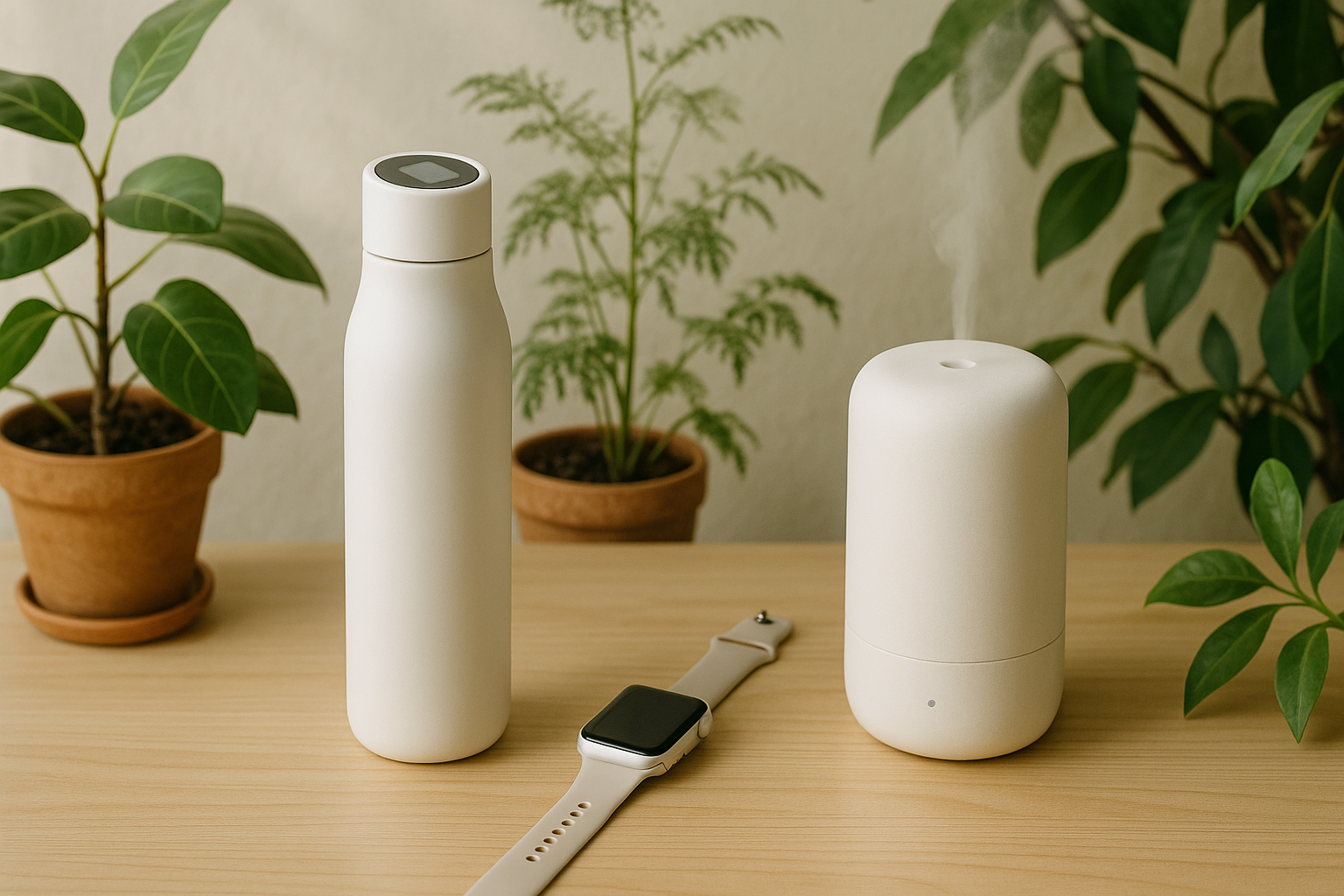
- Utilize Technology: Use apps or online resources that offer guided relaxation exercises or meditation tracks.
- Be Mindful: Focus on your breath and body sensations to anchor your attention in the present moment.
Common pitfalls include expecting immediate results, becoming frustrated with distractions, or neglecting to find a comfortable space for practice. Recognizing these challenges can help in maintaining consistency and commitment to relaxation techniques.
Relevant Biomarkers & Tracking
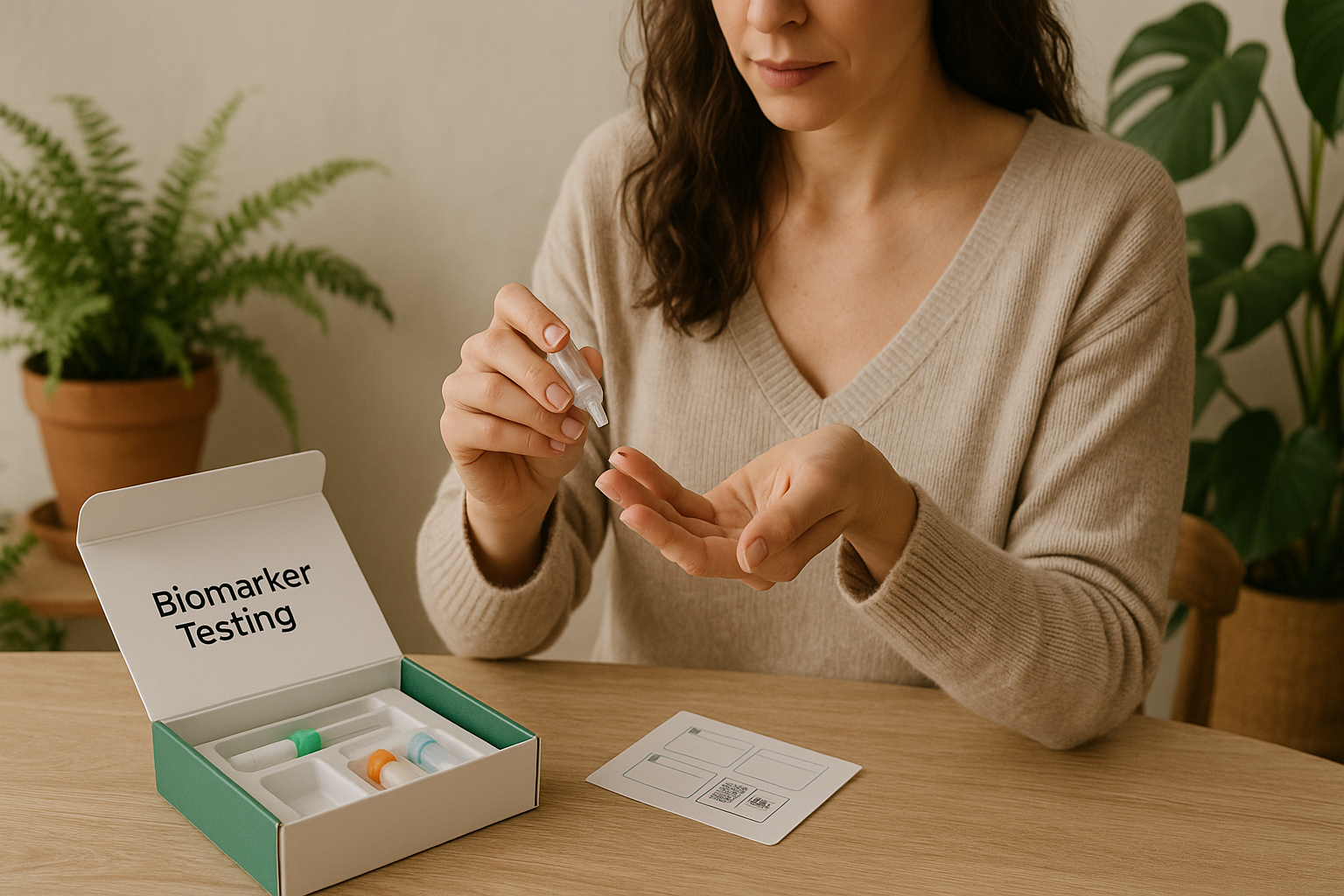
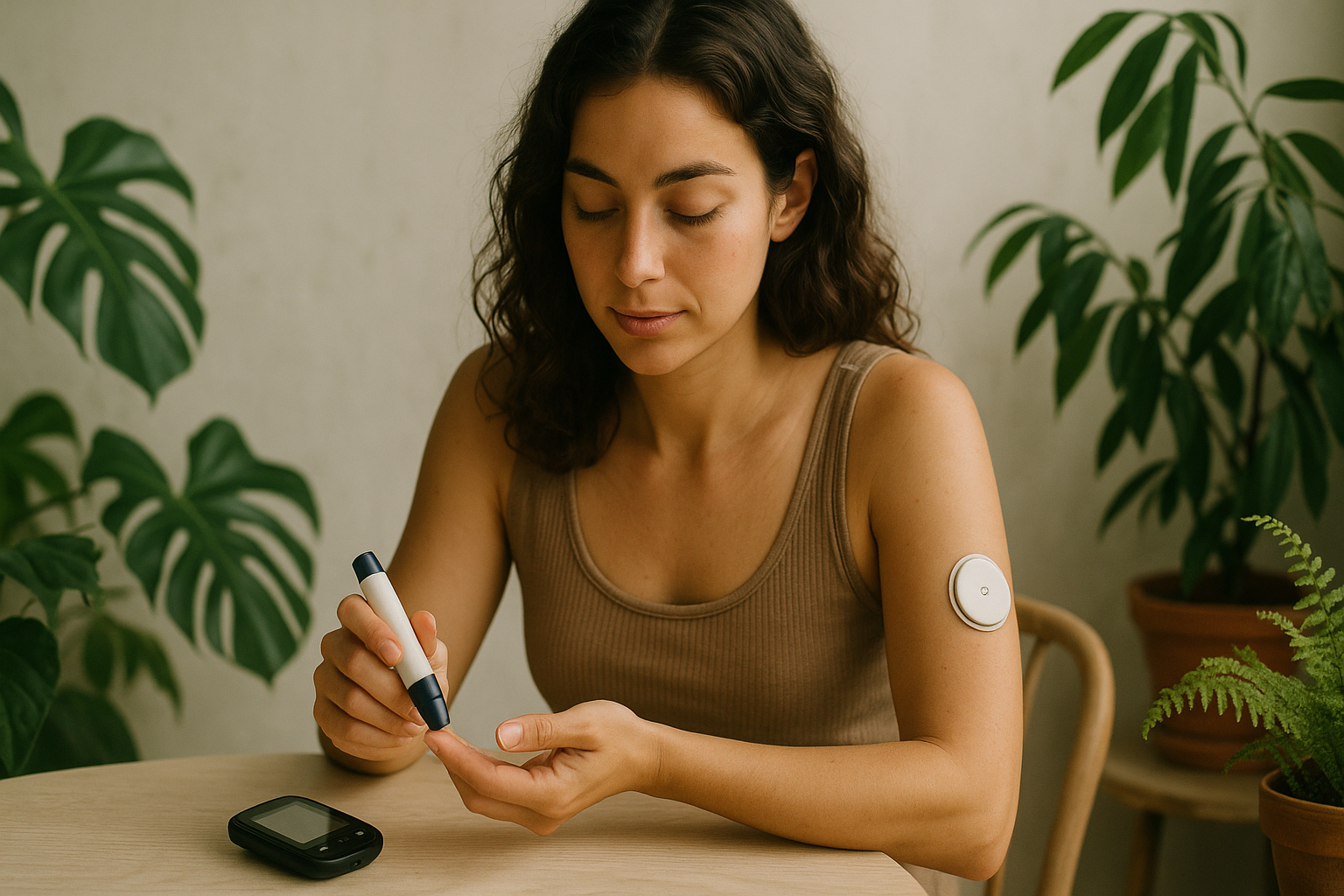
Tracking the effectiveness of relaxation protocols can involve monitoring various biomarkers. Common indicators include:
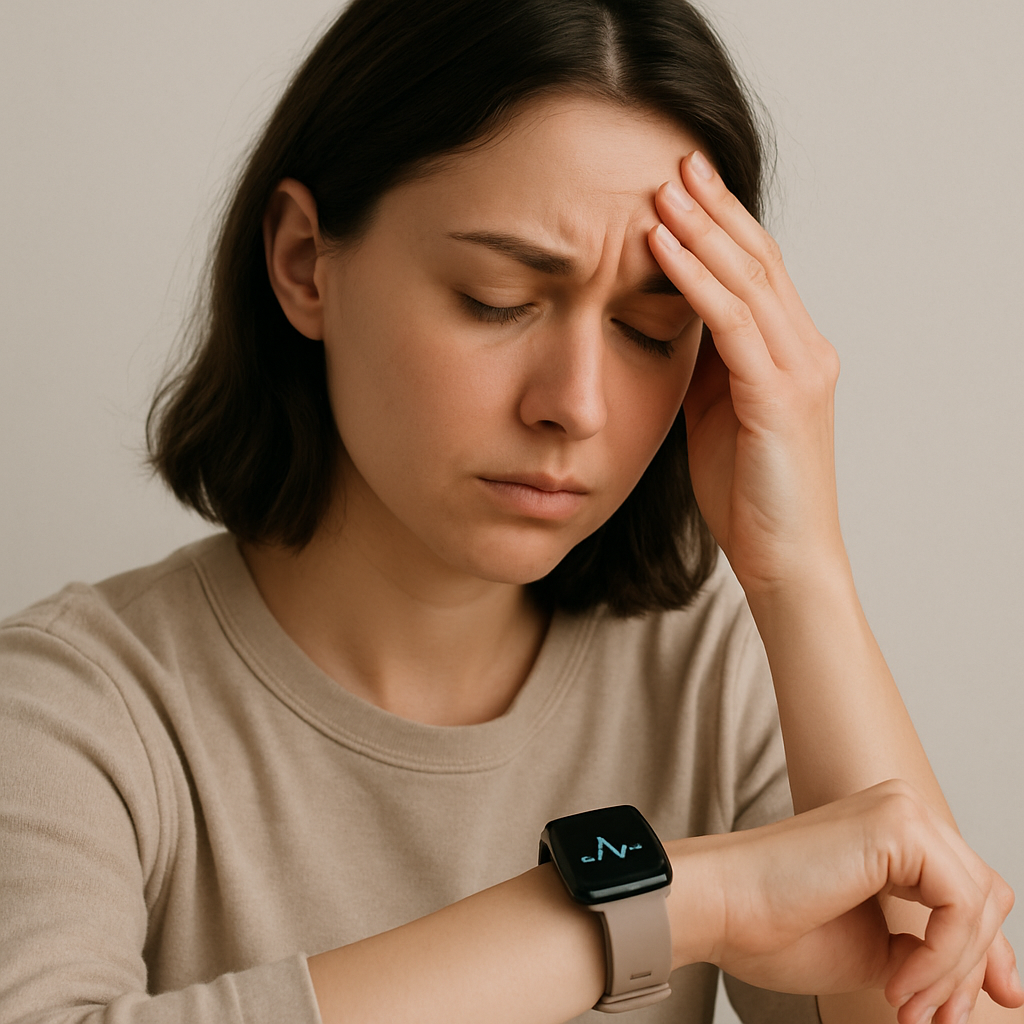
- Heart Rate Variability (HRV): An increase in HRV generally indicates improved autonomic balance and relaxation.
- Cortisol Levels: Measuring cortisol through saliva or blood tests can provide insights into stress levels.
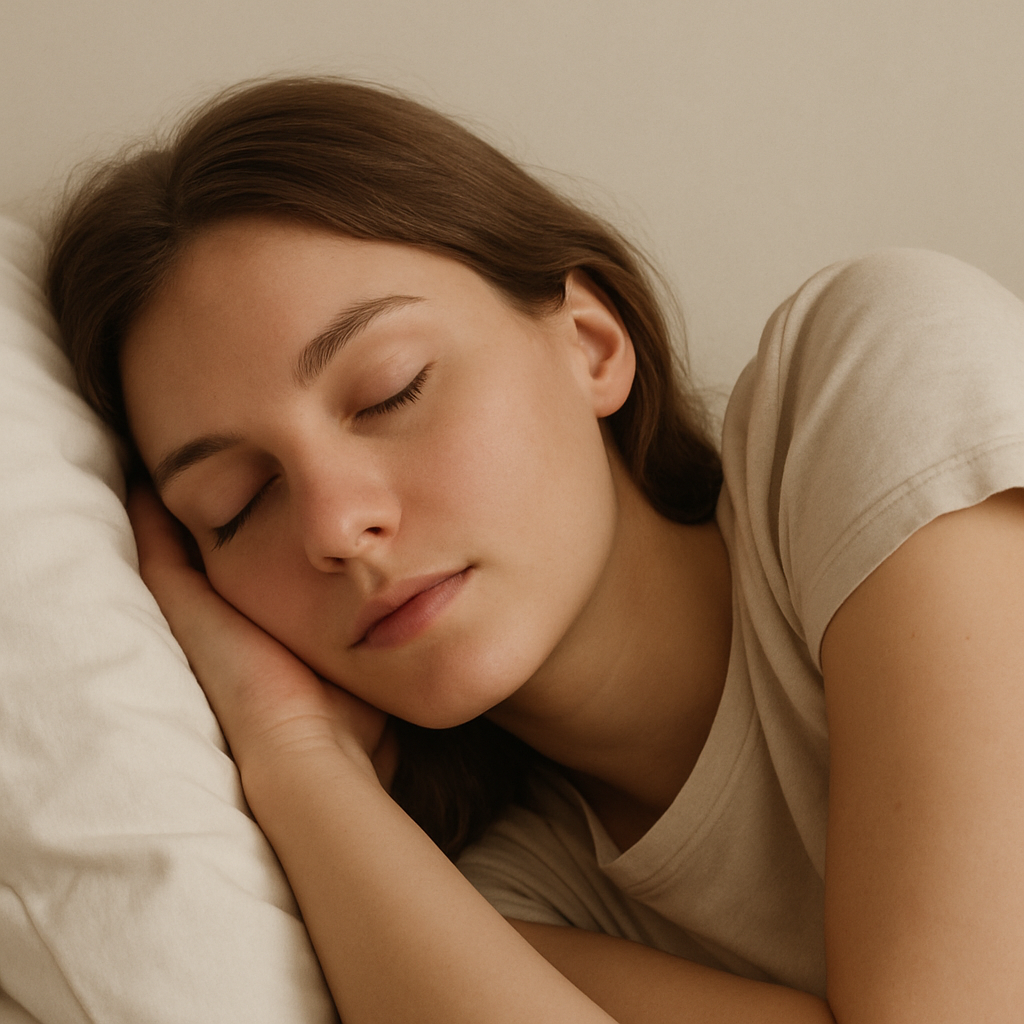
- Sleep Quality: Tracking sleep patterns can help assess the impact of relaxation on restfulness.
Additionally, self-reported measures of stress, anxiety, and overall mood can be valuable in evaluating the benefits of relaxation practices over time.
Body Systems Supported
Relaxation protocols primarily support the nervous system, but their benefits extend to several other body systems, including:
- Cardiovascular System: Improved heart rate and blood pressure regulation.
- Endocrine System: Balanced hormone levels, particularly cortisol and stress-related hormones.
- Immune System: Enhanced immune response due to reduced stress levels.
By fostering a state of relaxation, these protocols contribute to holistic health, supporting both mental and physical well-being.
Common Goals
The goals of implementing relaxation protocols can vary based on individual needs, but common objectives include:
- Reduction of stress and anxiety levels.
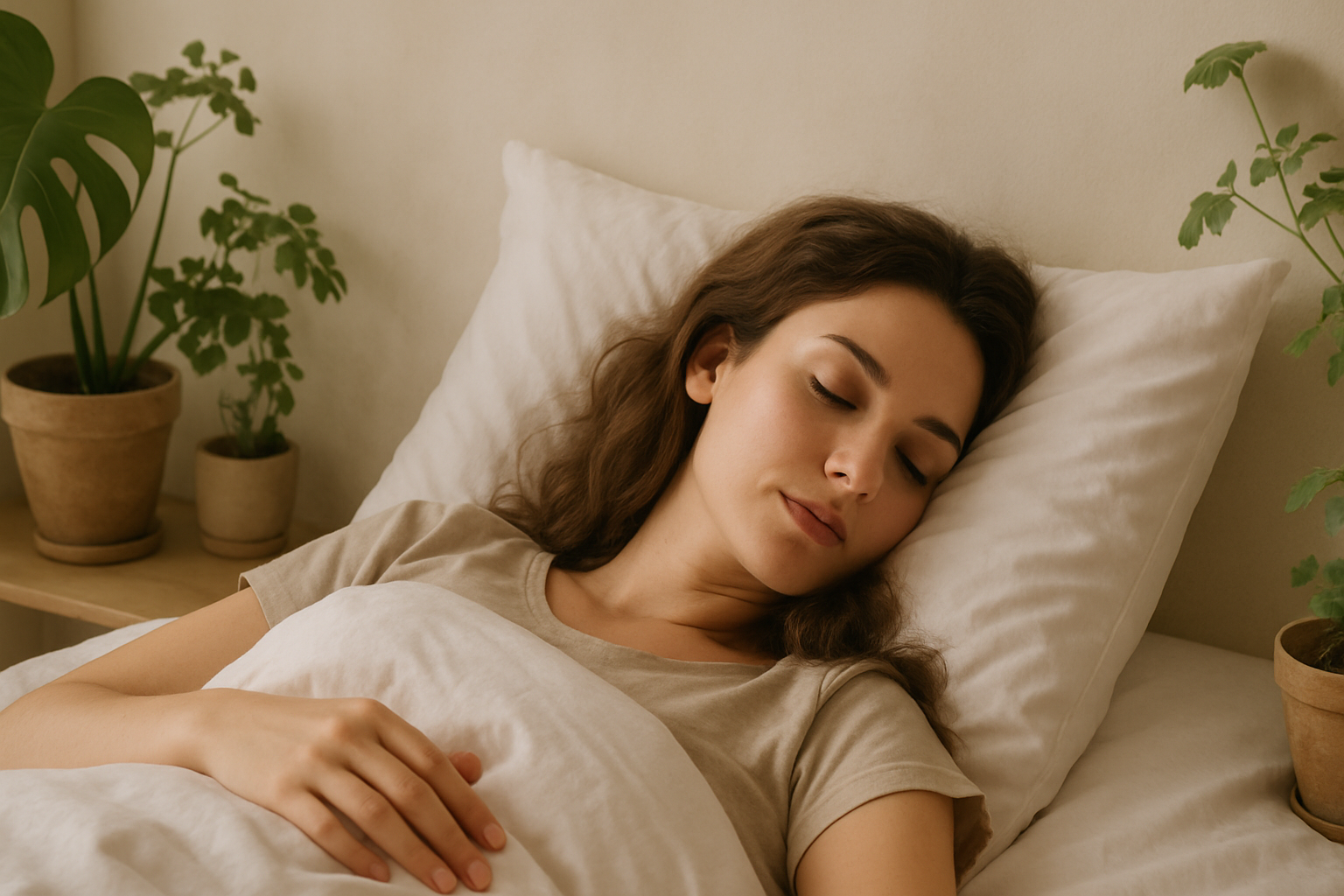
- Improvement of sleep quality and duration.
- Enhancement of overall mood and emotional resilience.
- Promotion of physical health through better heart rate and blood pressure regulation.
These goals highlight the importance of relaxation practices in achieving balanced living and improved quality of life.
Safety, Contraindications & Edge Cases
While relaxation protocols are generally safe for most individuals, certain populations may need to approach them with caution. Individuals with severe anxiety disorders or those who have experienced trauma may find some techniques triggering. It is advisable to consult a healthcare professional before starting any new practice, particularly if there are underlying health conditions or mental health concerns.
Additionally, practitioners should be aware of their own limits and comfort levels, ensuring that the chosen relaxation method is conducive to their personal well-being.
Pairs Well With
Relaxation protocols can be enhanced when paired with various ancient or natural counterparts. Some effective combinations include:
- Mindfulness Practices: Integrating yoga or tai chi with relaxation techniques can provide a holistic approach to stress management.
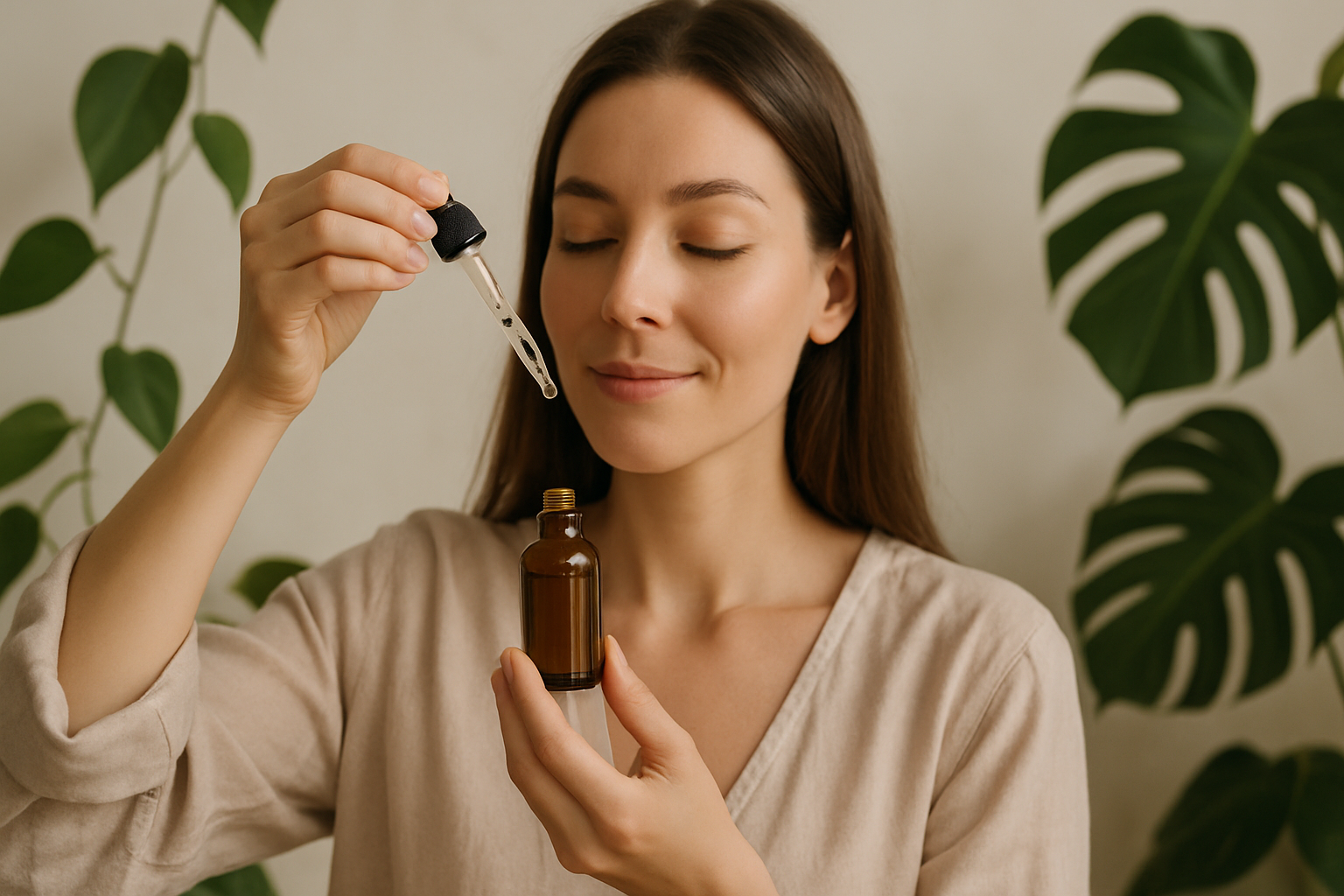
- Aromatherapy: Utilizing essential oils during relaxation sessions can enhance the overall experience and promote deeper states of calm.
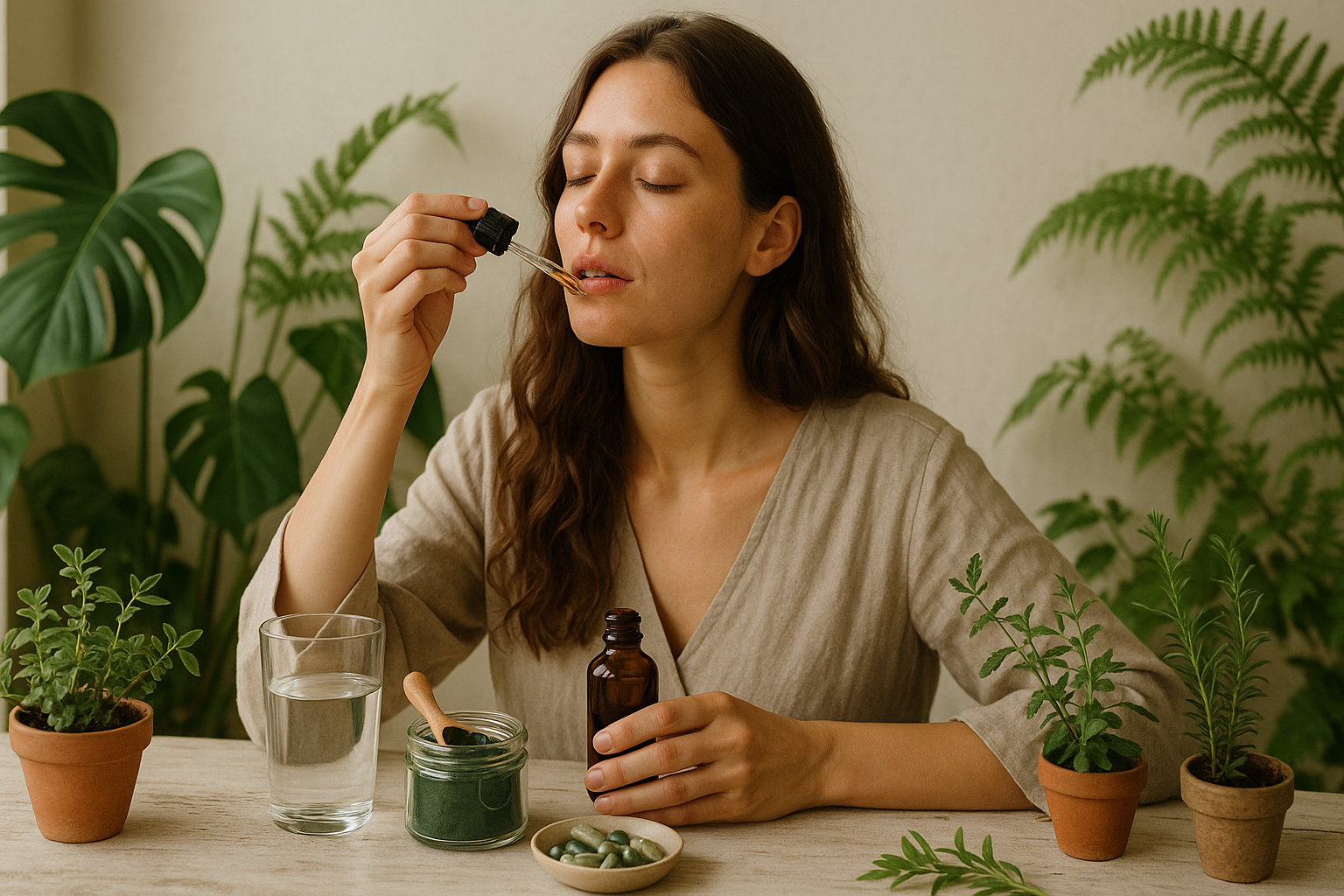
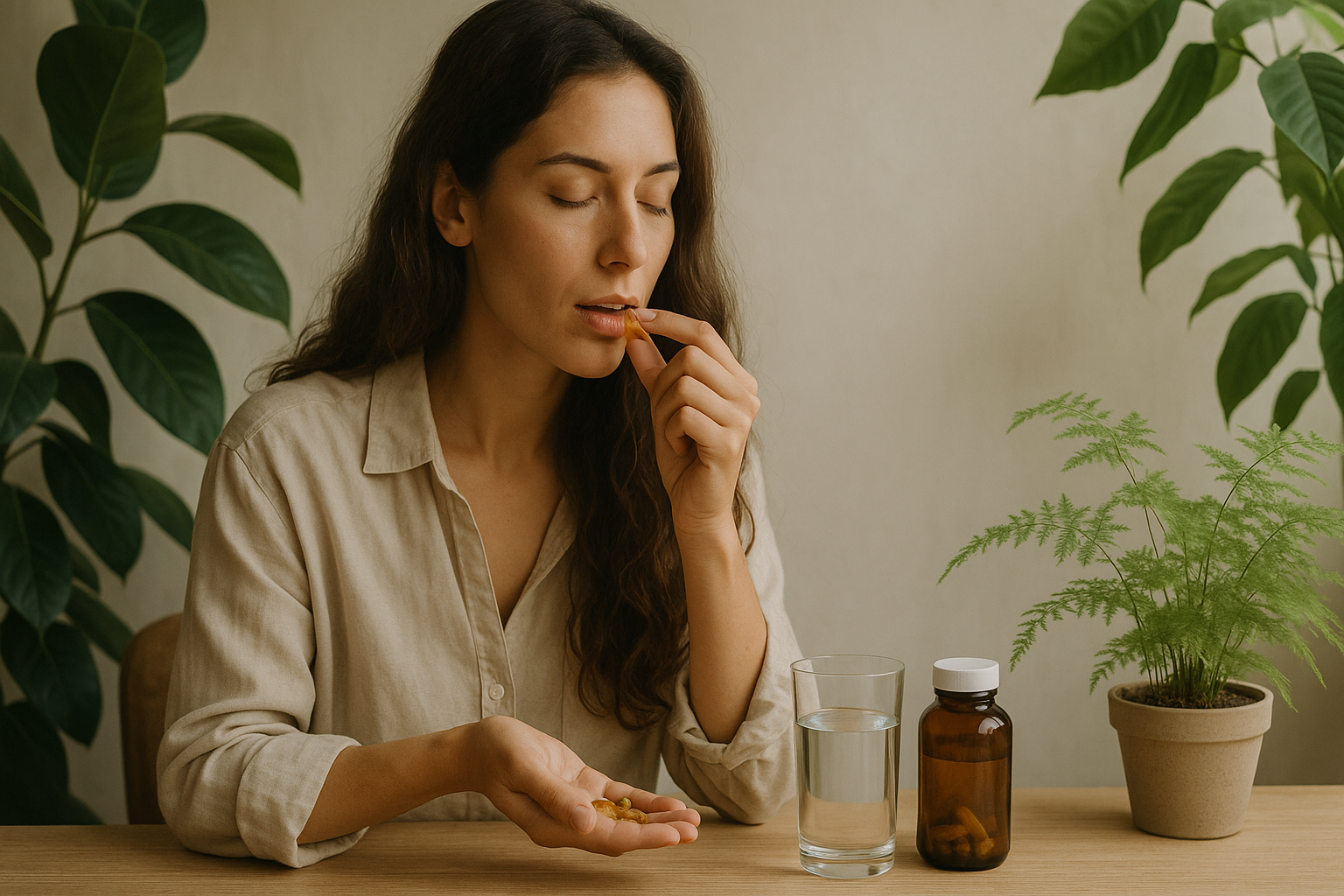
- Herbal Supplements: Natural remedies such as chamomile or ashwagandha may complement relaxation efforts.
These pairings emphasize the interconnectedness of various wellness practices, offering a multi-faceted approach to nervous system regulation.
FAQs (5)
- What are some effective relaxation techniques? Popular techniques include deep breathing exercises, progressive muscle relaxation, meditation, and yoga.
- How long should I practice relaxation protocols? Starting with 5-10 minutes daily is recommended, gradually increasing as you become more comfortable.
- Can relaxation techniques help with anxiety? Yes, many studies indicate that regular practice can significantly reduce anxiety levels.
- Are there any risks associated with relaxation protocols? While generally safe, individuals with certain mental health conditions should consult a healthcare professional before starting.
- How can I track my progress with relaxation practices? Monitoring heart rate variability, cortisol levels, and self-reported mood can provide insights into the effectiveness of your practices.
Frequently asked
What are some effective relaxation techniques?
Popular techniques include deep breathing exercises, progressive muscle relaxation, meditation, and yoga.
How long should I practice relaxation protocols?
Starting with 5-10 minutes daily is recommended, gradually increasing as you become more comfortable.
Can relaxation techniques help with anxiety?
Yes, many studies indicate that regular practice can significantly reduce anxiety levels.
Are there any risks associated with relaxation protocols?
While generally safe, individuals with certain mental health conditions should consult a healthcare professional before starting.
How can I track my progress with relaxation practices?
Monitoring heart rate variability, cortisol levels, and self-reported mood can provide insights into the effectiveness of your practices.