Trauma Recovery
Delve into trauma recovery as a key aspect of nervous system regulation, including its definition, mechanisms, evidence, and practical applications.

Explore the multifaceted approach to trauma recovery within the context of nervous system regulation, examining its mechanisms, evidence, practical applications, and more.
What It Is
Trauma recovery refers to the process of healing from the physical, emotional, and psychological effects of traumatic experiences. This journey can vary greatly from person to person, as trauma can stem from a range of events, including accidents, loss, abuse, or natural disasters. The impact of trauma can disrupt the normal functioning of the nervous system, leading to symptoms such as anxiety, depression, and post-traumatic stress disorder (PTSD).
Understanding trauma recovery involves recognizing that it is not merely about forgetting the traumatic event but rather about developing coping mechanisms and strategies to manage the associated symptoms. Recovery emphasizes the importance of safety, support, and gradual exposure to the memories and feelings tied to the trauma, allowing individuals to reclaim their lives.
Mechanism / How It Works
The mechanisms behind trauma recovery primarily involve the regulation of the nervous system. When a person experiences trauma, their body enters a state of heightened arousal, often referred to as the fight-or-flight response. In this state, the autonomic nervous system (ANS) becomes dysregulated, leading to symptoms like hypervigilance, dissociation, and emotional numbing.
Trauma recovery techniques aim to restore balance to the ANS, promoting a state of calm and safety. Approaches may include mindfulness practices, somatic therapies, and cognitive-behavioral strategies that help individuals process their trauma in a safe environment. By engaging the parasympathetic nervous system, individuals can learn to relax and regain control over their physiological and emotional responses.
Evidence Summary
Research into trauma recovery has yielded a variety of findings, with some approaches demonstrating robust evidence while others remain more preliminary. Studies have shown that therapies such as Eye Movement Desensitization and Reprocessing (EMDR) and Somatic Experiencing can significantly reduce PTSD symptoms.
However, not all techniques yield consistent results across different populations. Some individuals may respond well to specific practices while others do not. Additionally, while there is growing evidence supporting the role of body-based therapies in trauma recovery, more research is needed to fully understand how these interventions can be tailored to individual needs. This highlights the importance of personalized approaches in trauma recovery.
Practical Application
Implementing trauma recovery practices into daily life can be transformative. Here are some protocols and strategies:
- Mindfulness Meditation: Regular meditation can help individuals become more aware of their thoughts and feelings, promoting emotional regulation.
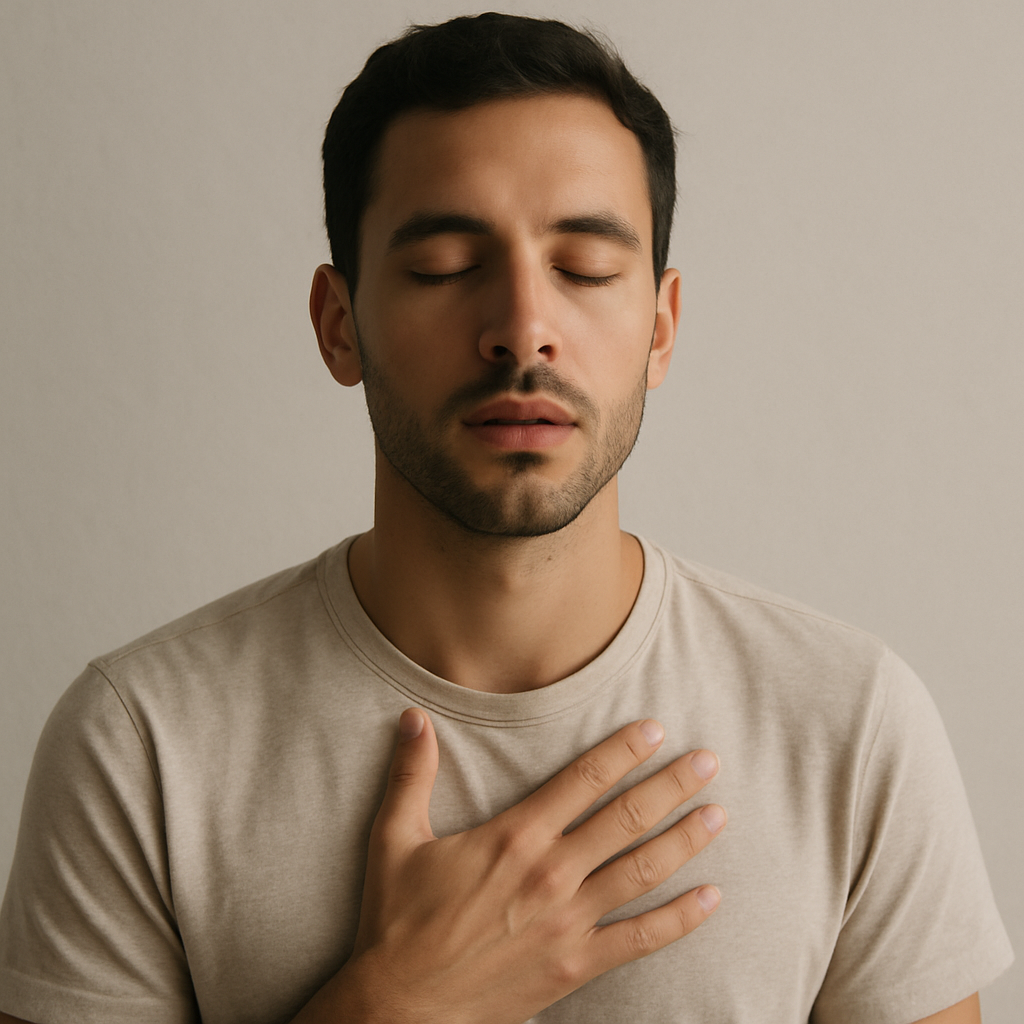
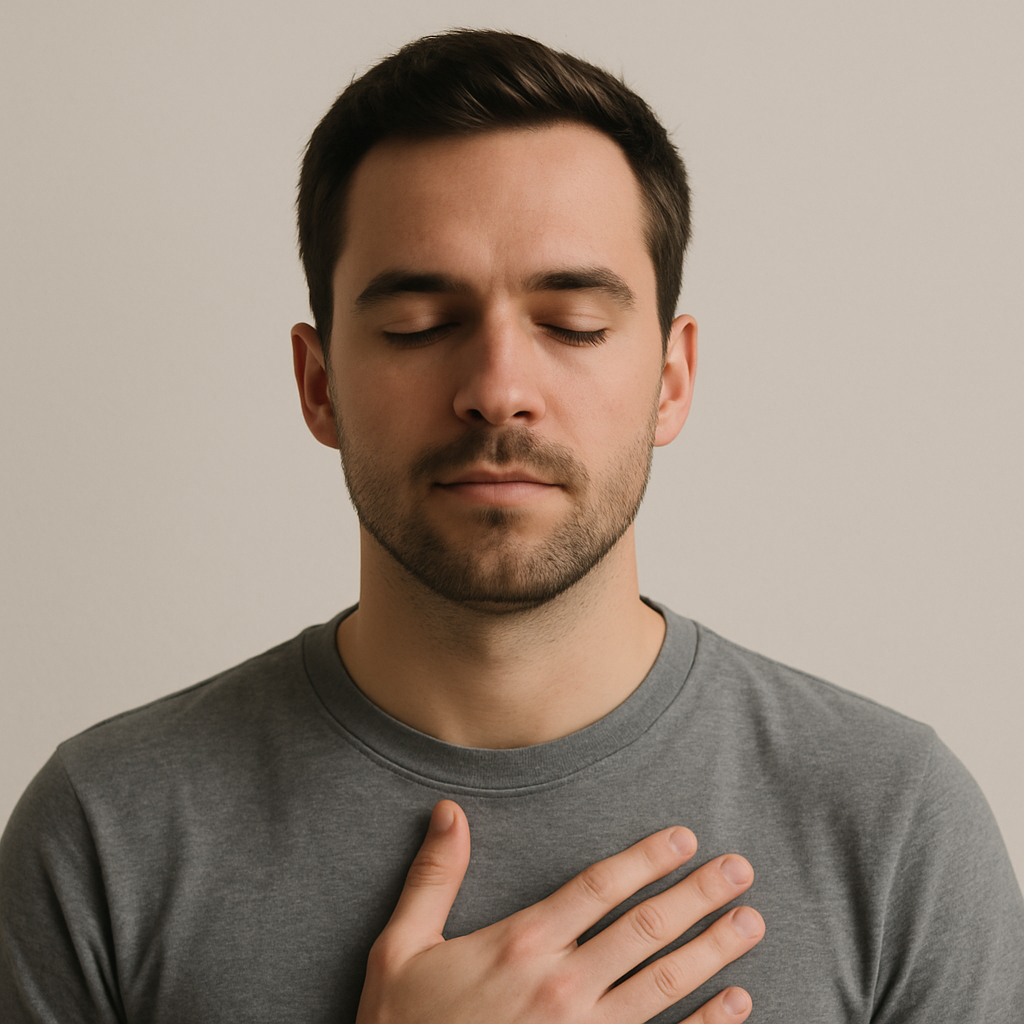
- Breathwork: Techniques like deep breathing can activate the parasympathetic nervous system, reducing anxiety and stress.
- Physical Activity: Engaging in regular exercise can help release pent-up energy associated with trauma.
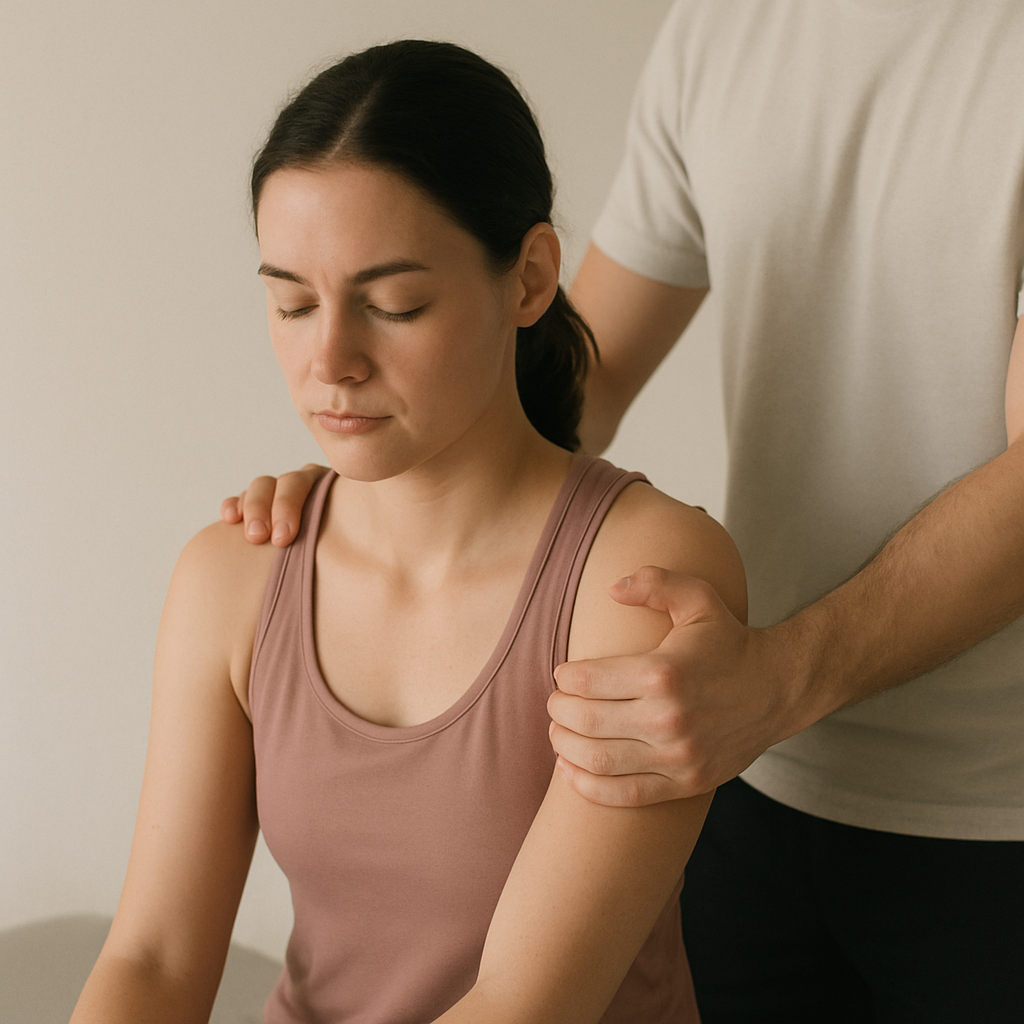
- Therapeutic Support: Working with a trained therapist can provide a safe space for individuals to process their trauma.
Common pitfalls to be aware of include the tendency to rush the recovery process, avoiding emotions, or neglecting self-care. It's crucial to approach recovery at a pace that feels safe and manageable.
Relevant Biomarkers & Tracking
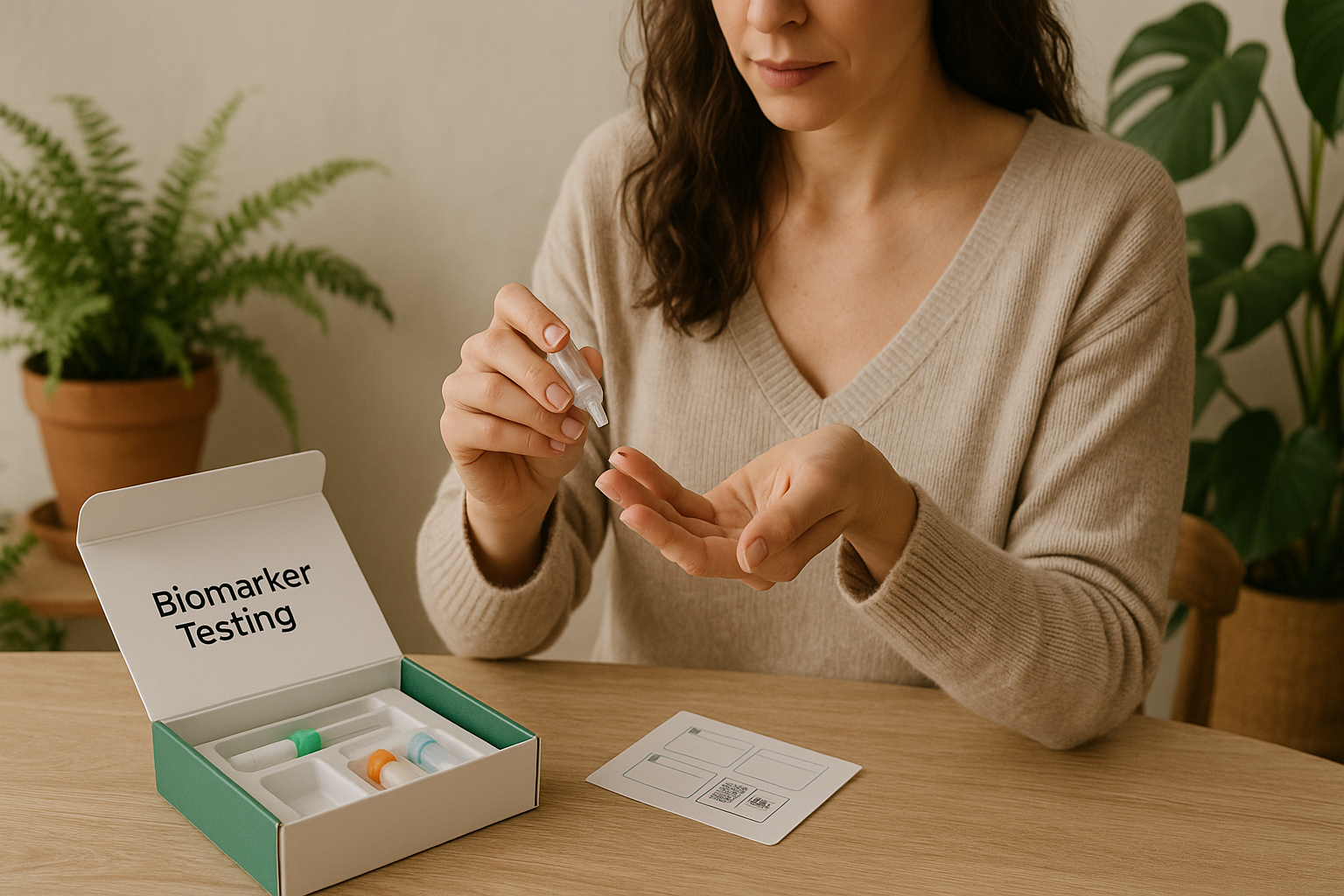
Monitoring progress in trauma recovery can involve various biomarkers and self-report measures. Some relevant markers include:
- Heart Rate Variability (HRV): A higher HRV is often associated with better stress resilience and emotional regulation.
- Salivary Cortisol Levels: These can provide insights into an individual's stress response over time.
- Self-Reported Symptoms: Regular assessments of PTSD symptoms or anxiety levels can help track progress.
Journaling or using apps designed for mood tracking can also aid in identifying patterns and triggers related to trauma symptoms.
Body Systems Supported
Trauma recovery supports several body systems, particularly:
- Nervous System: Regulating the ANS is essential for restoring balance and reducing trauma symptoms.
- Endocrine System: Managing stress hormones can improve overall well-being and resilience.
- Musculoskeletal System: Physical activity and body-based therapies help release tension and restore physical balance.
Common Goals
Individuals engaged in trauma recovery often share common goals, such as:
- Reducing symptoms of anxiety and depression
- Improving emotional regulation
- Enhancing overall well-being and quality of life
- Building resilience to future stressors
Safety, Contraindications & Edge Cases
While many trauma recovery techniques are safe, certain considerations must be taken into account. Individuals with severe trauma may need specialized care to avoid re-traumatization during the recovery process. It’s essential to consult with a qualified professional before beginning any new treatment or therapy, particularly if there are co-occurring mental health conditions.
Pairs Well With
Trauma recovery can be complemented by various ancient and natural practices, enhancing its effectiveness. Some of these include:
- Aromatherapy: Essential oils can promote relaxation and emotional healing.
- Yoga: Integrating yoga can facilitate body awareness and reduce stress.
- Herbal Remedies: Adaptogens like ashwagandha and rhodiola may support stress management and resilience.
FAQs (5)
What is the first step in trauma recovery?
The first step often involves acknowledging the trauma and seeking a safe environment to process emotions.
How long does trauma recovery take?
The duration of trauma recovery varies widely depending on individual circumstances and the severity of the trauma.
Can trauma recovery techniques be used alongside medication?
Yes, many individuals find that integrating therapy techniques with medication can be beneficial, but it's essential to consult a healthcare provider.
Are there any risks associated with trauma recovery therapies?
Some individuals may experience temporary discomfort when confronting traumatic memories, so professional guidance is recommended.
How can I support a loved one in trauma recovery?
Supporting a loved one can involve listening non-judgmentally, encouraging them to seek professional help, and being patient during their healing process.
Frequently asked
What is the first step in trauma recovery?
The first step often involves acknowledging the trauma and seeking a safe environment to process emotions.
How long does trauma recovery take?
The duration of trauma recovery varies widely depending on individual circumstances and the severity of the trauma.
Can trauma recovery techniques be used alongside medication?
Yes, many individuals find that integrating therapy techniques with medication can be beneficial, but it's essential to consult a healthcare provider.
Are there any risks associated with trauma recovery therapies?
Some individuals may experience temporary discomfort when confronting traumatic memories, so professional guidance is recommended.
How can I support a loved one in trauma recovery?
Supporting a loved one can involve listening non-judgmentally, encouraging them to seek professional help, and being patient during their healing process.