Meditative Recovery
Explore the profound effects of meditative recovery on nervous system regulation, learn about its mechanisms, and discover how to integrate it into your daily life for enhanced wellness.
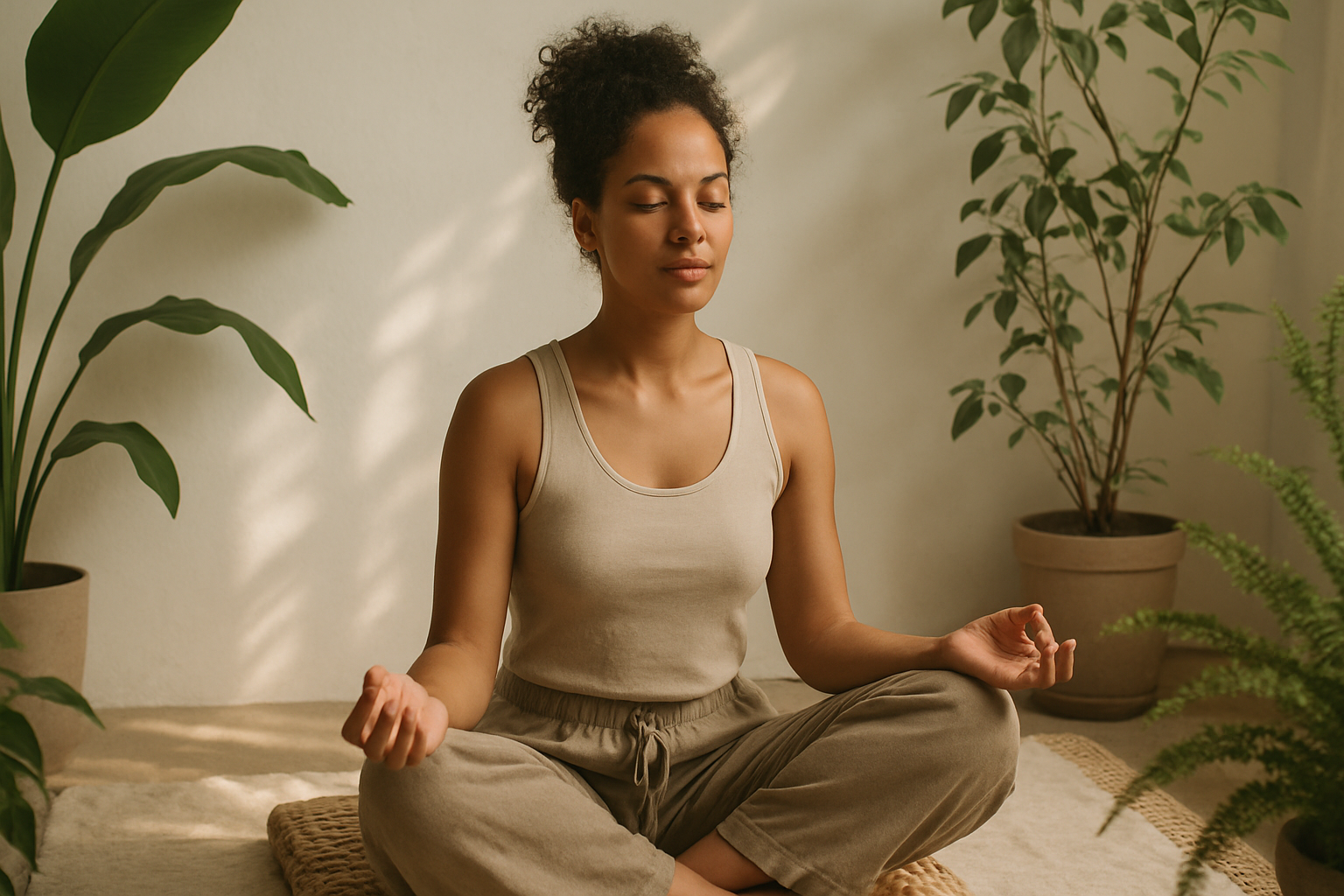
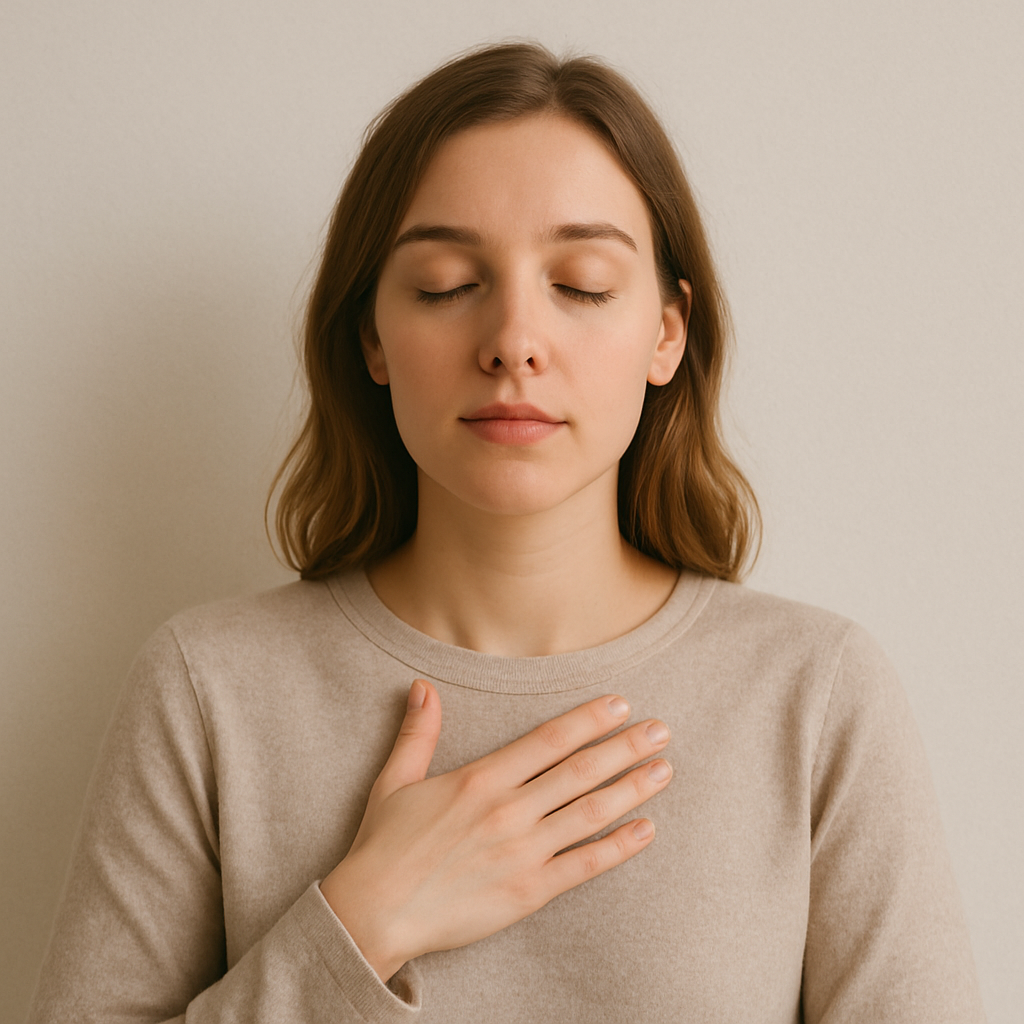
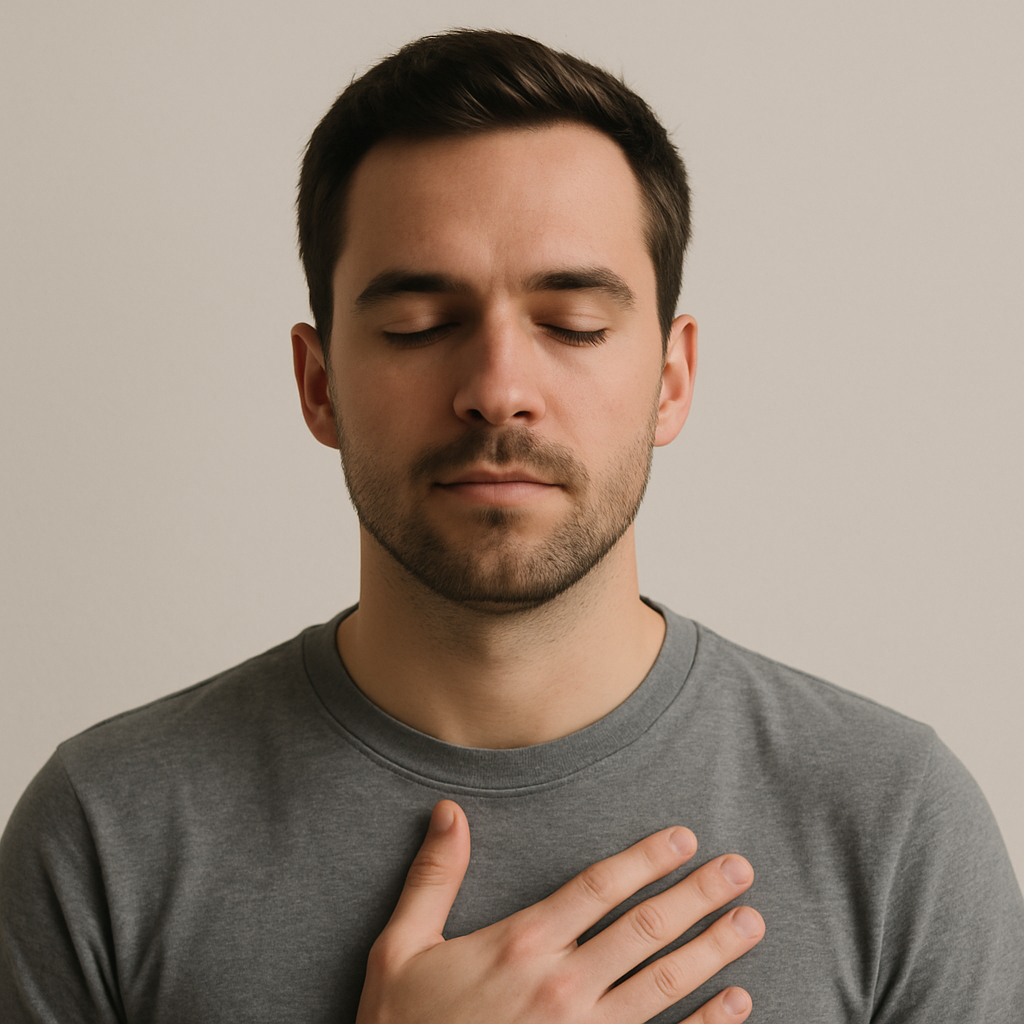
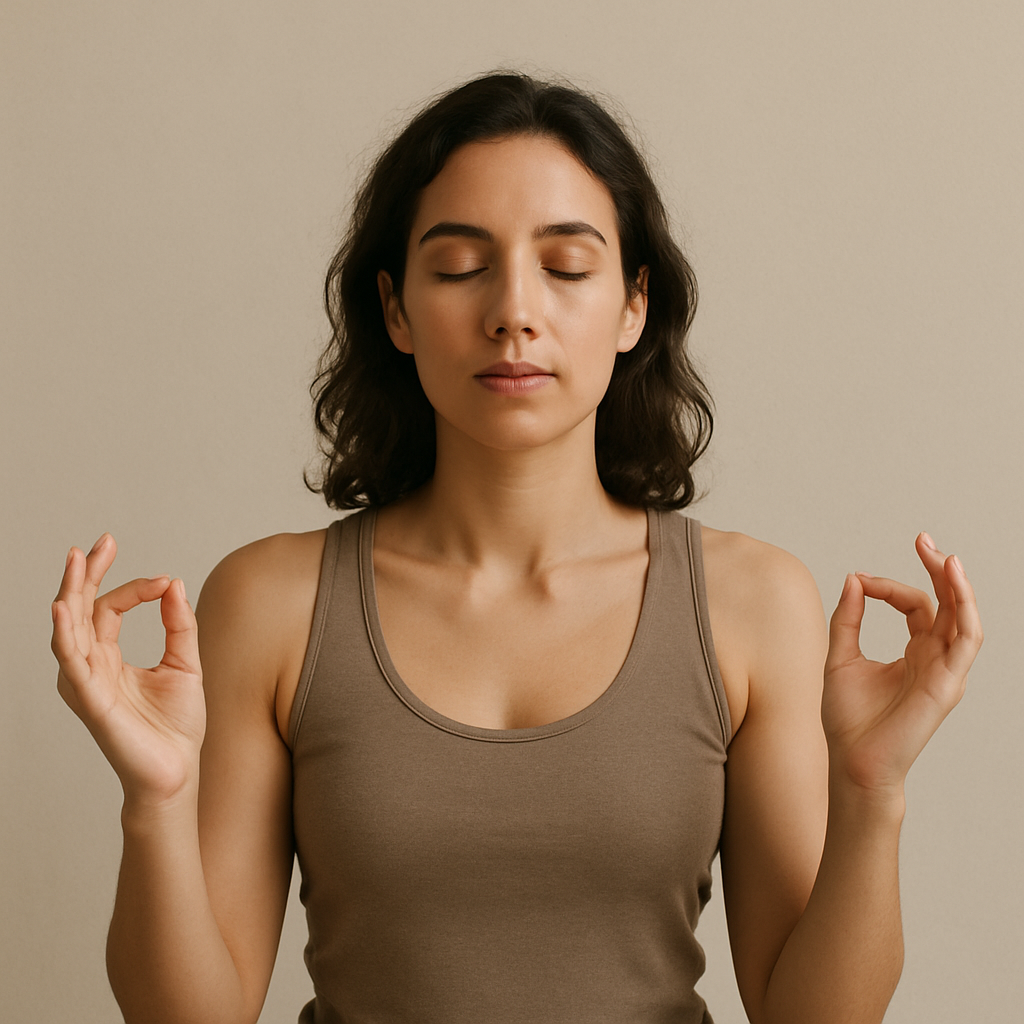
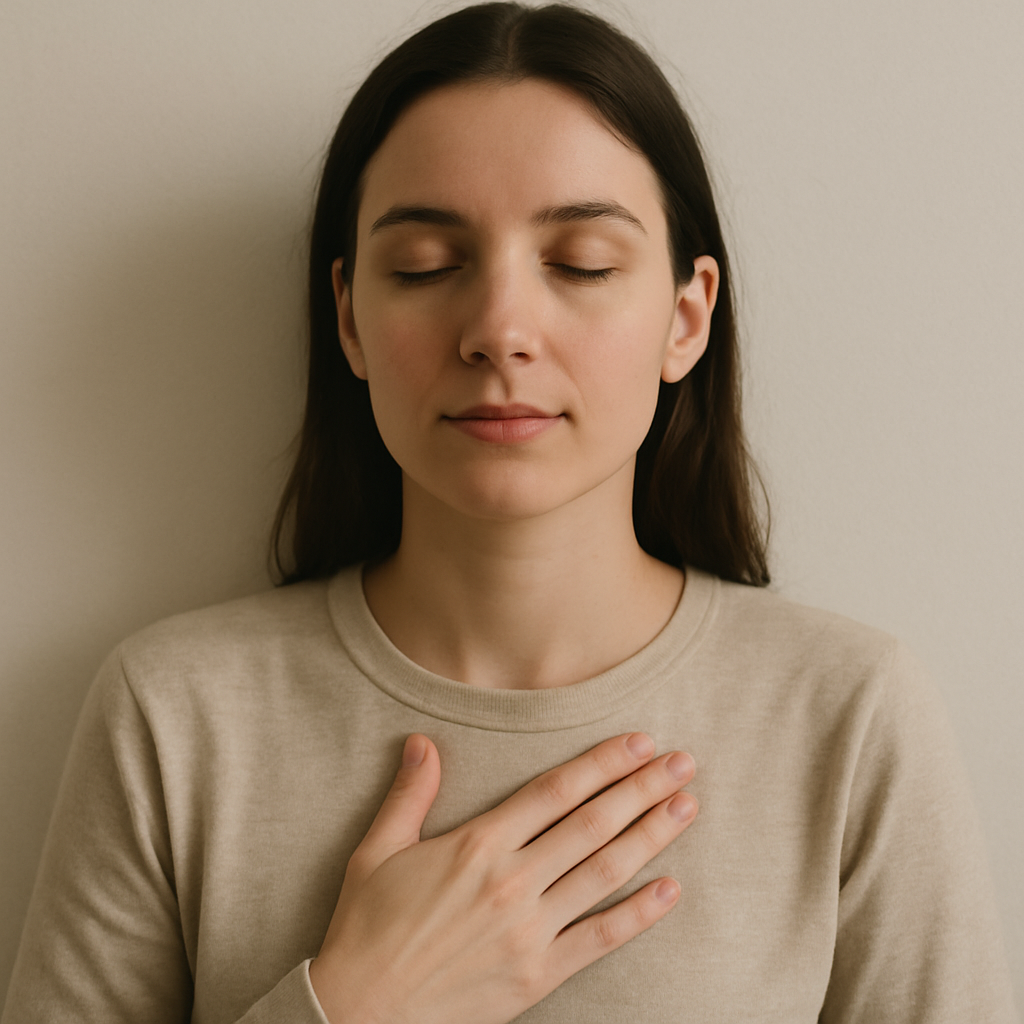
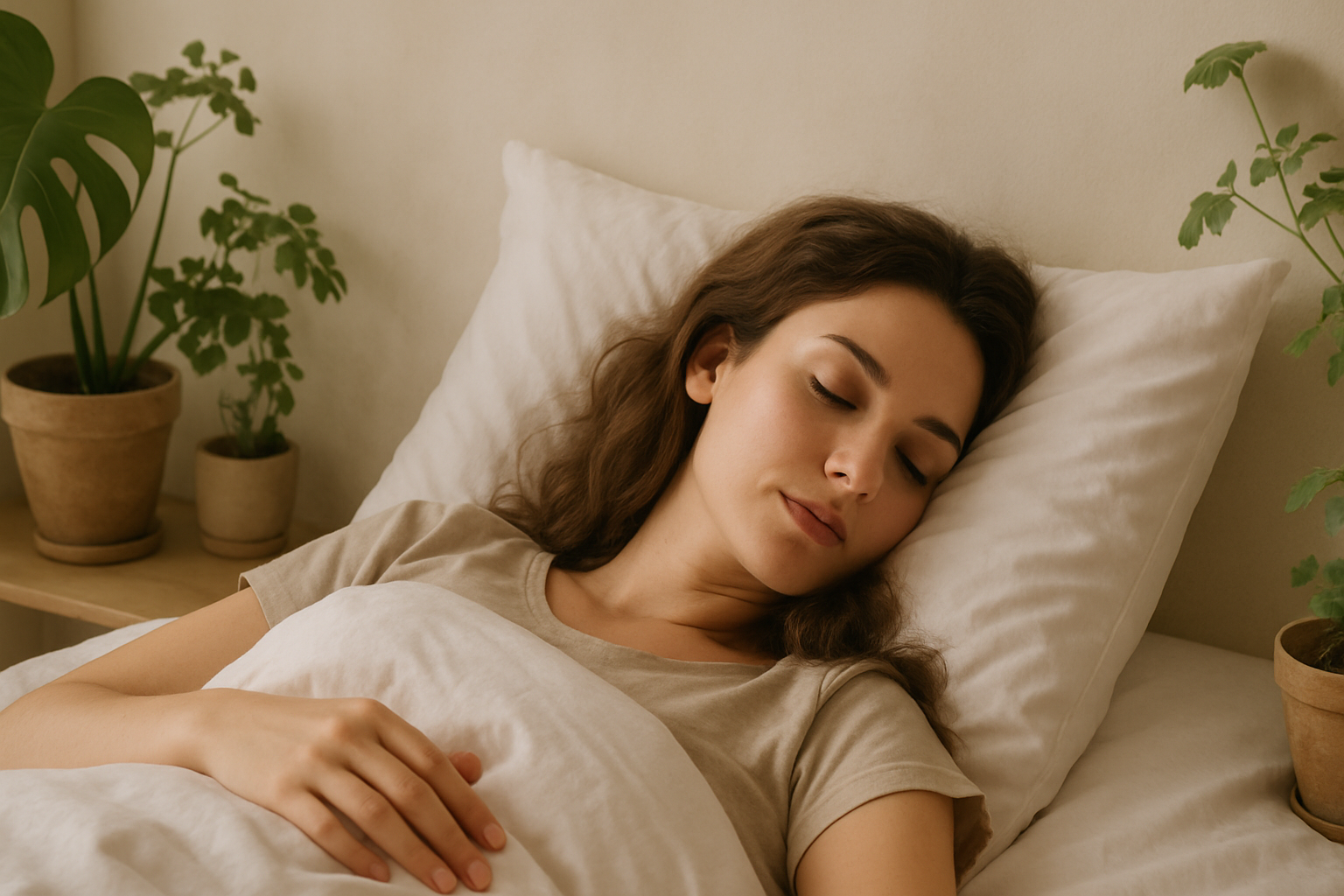
Meditative recovery is a holistic approach within nervous system regulation that leverages meditation techniques for enhancing mental resilience and emotional stability. By focusing on the mind-body connection, it aims to foster a state of relaxation and recovery, promoting overall well-being.
What It Is
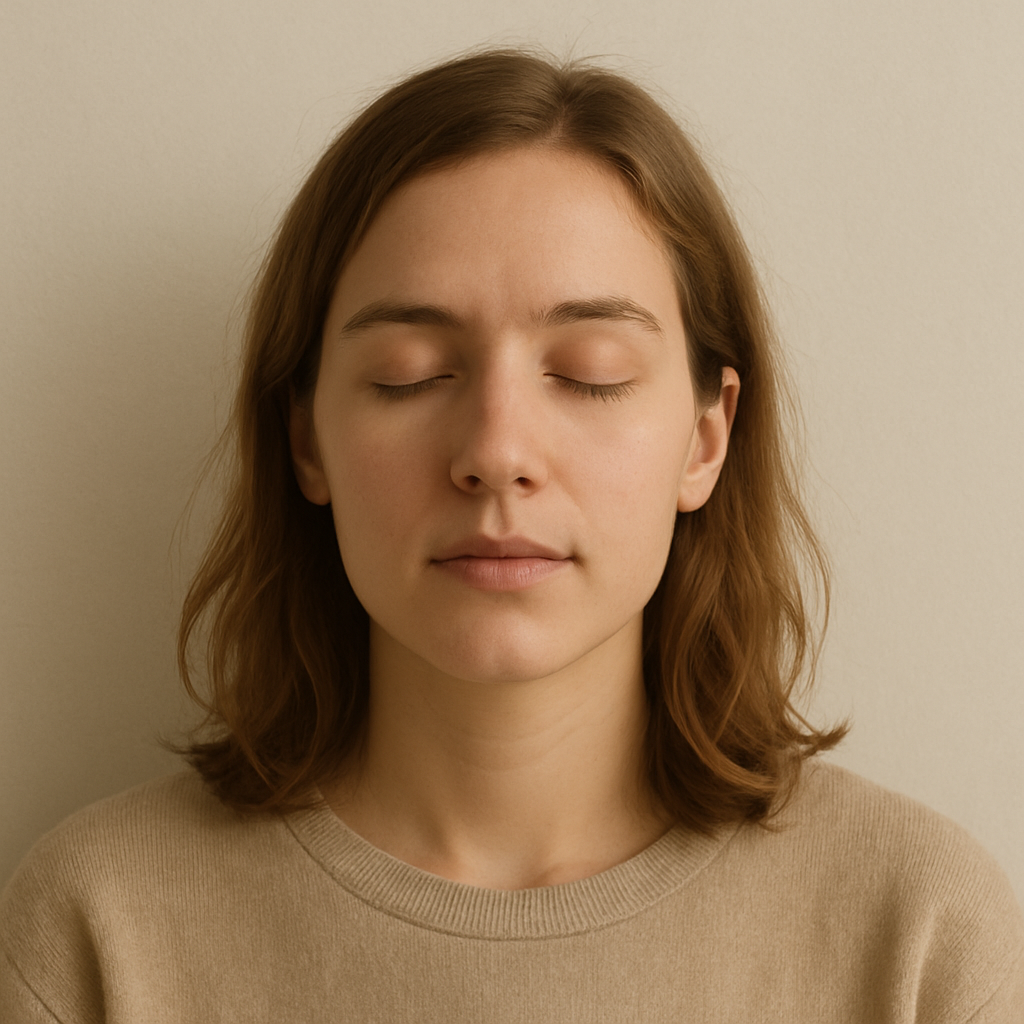
Meditative recovery refers to the use of meditation techniques specifically aimed at regulating the nervous system and promoting mental and emotional recovery. This practice encourages individuals to cultivate mindfulness, reduce stress, and develop a greater sense of self-awareness. By focusing on the present moment, individuals can alleviate anxiety and improve their overall mental health.
This approach recognizes the connection between mental well-being and physical health, suggesting that intentional meditation can lead to a balanced nervous system. As the body relaxes and the mind calms, the physiological responses associated with stress are diminished, facilitating a process of recovery and regeneration.
Mechanism / How It Works
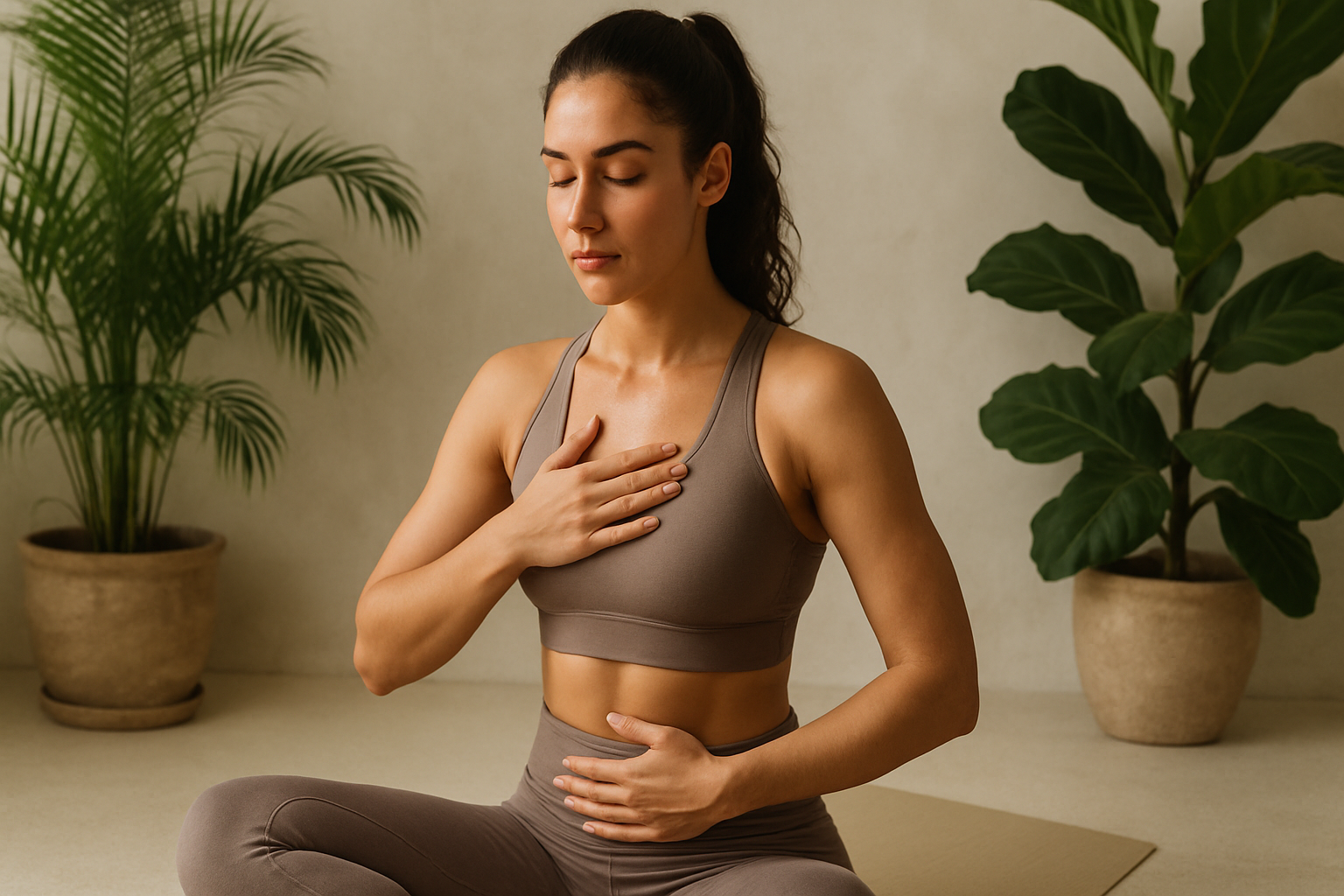
The mechanism of meditative recovery primarily involves the activation of the parasympathetic nervous system, which is responsible for the body's rest-and-digest functions. Through various meditation techniques, such as breath awareness, visualization, or body scans, practitioners can shift their focus away from stressors and into a state of relaxation.
This shift can lead to decreased heart rates, lower blood pressure, and reduced levels of stress hormones like cortisol. Furthermore, meditative practices can enhance the brain's ability to manage emotional responses, thereby improving resilience to stress and emotional disturbances.
Evidence Summary
Research on meditative recovery is growing, though results are mixed. Preliminary studies indicate that meditation can significantly decrease stress and improve emotional regulation. For instance, a number of clinical trials have reported positive outcomes in anxiety reduction and overall mental health improvement among participants who practice mindfulness meditation.
However, some studies present conflicting results regarding the long-term efficacy of meditation as a standalone treatment for anxiety or depression. The variability in individual experiences and the methods of meditation used can complicate the assessment of its benefits. As of now, more rigorous and controlled studies are needed to establish definitive conclusions about its effectiveness.
Practical Application
Integrating meditative recovery into daily life can be simple and effective. Here are some practical protocols:
- Daily Meditation: Set aside at least 10-20 minutes each day for meditation. This can be done in the morning to start the day with clarity or in the evening to unwind.
- Mindfulness Breaks: Take short breaks throughout the day to practice mindful breathing or grounding exercises, which can help reset your nervous system.
- Guided Meditations: Utilize apps or online resources that offer guided meditations tailored for recovery and relaxation.
Common pitfalls include setting unrealistic expectations for outcomes, skipping practice due to perceived lack of time, or becoming frustrated with the process. It is essential to approach meditation with patience and compassion towards oneself.
Relevant Biomarkers & Tracking
To track the effects of meditative recovery, individuals can monitor various biomarkers, including:
- Heart Rate Variability (HRV): A higher HRV indicates better autonomic nervous system regulation.
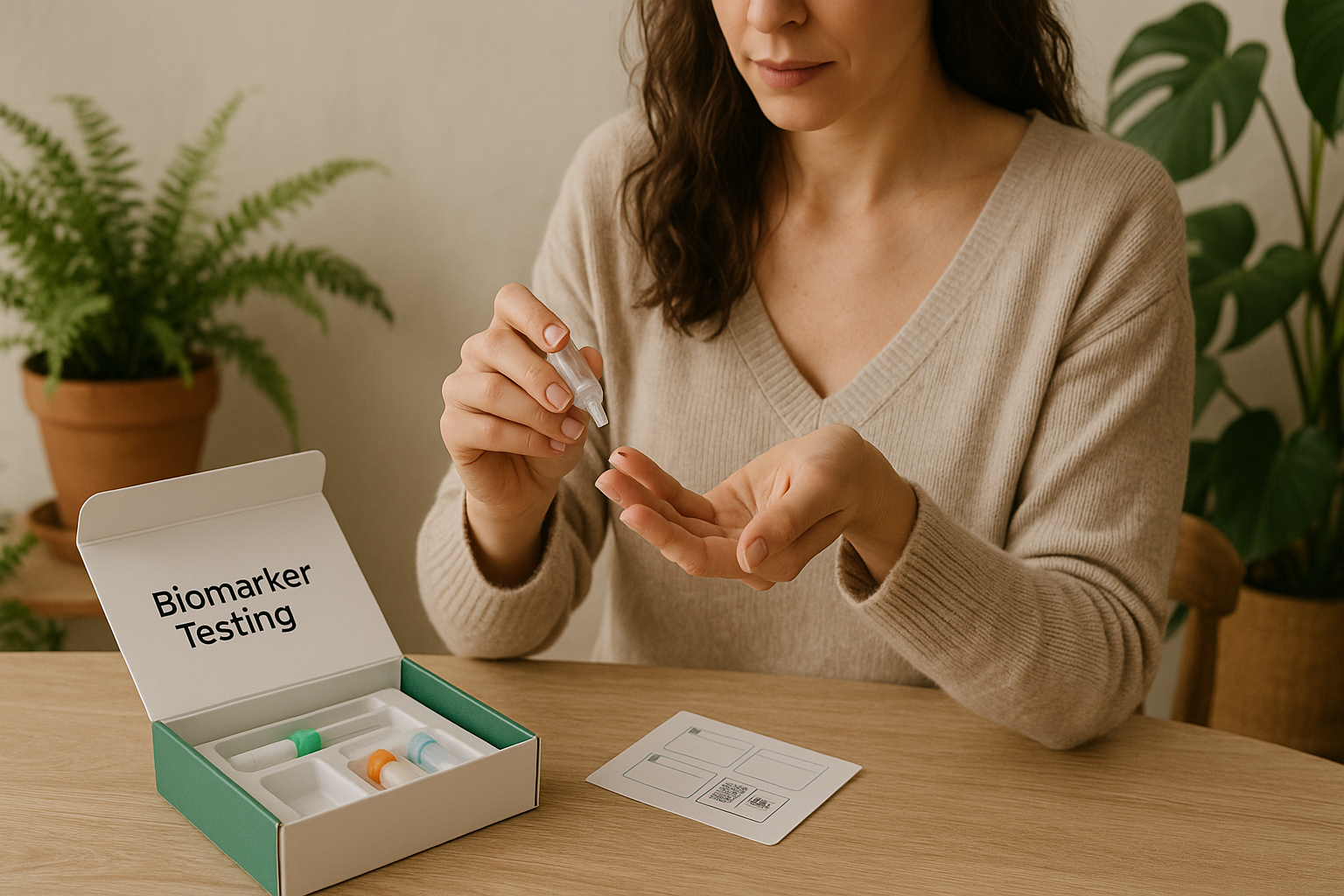
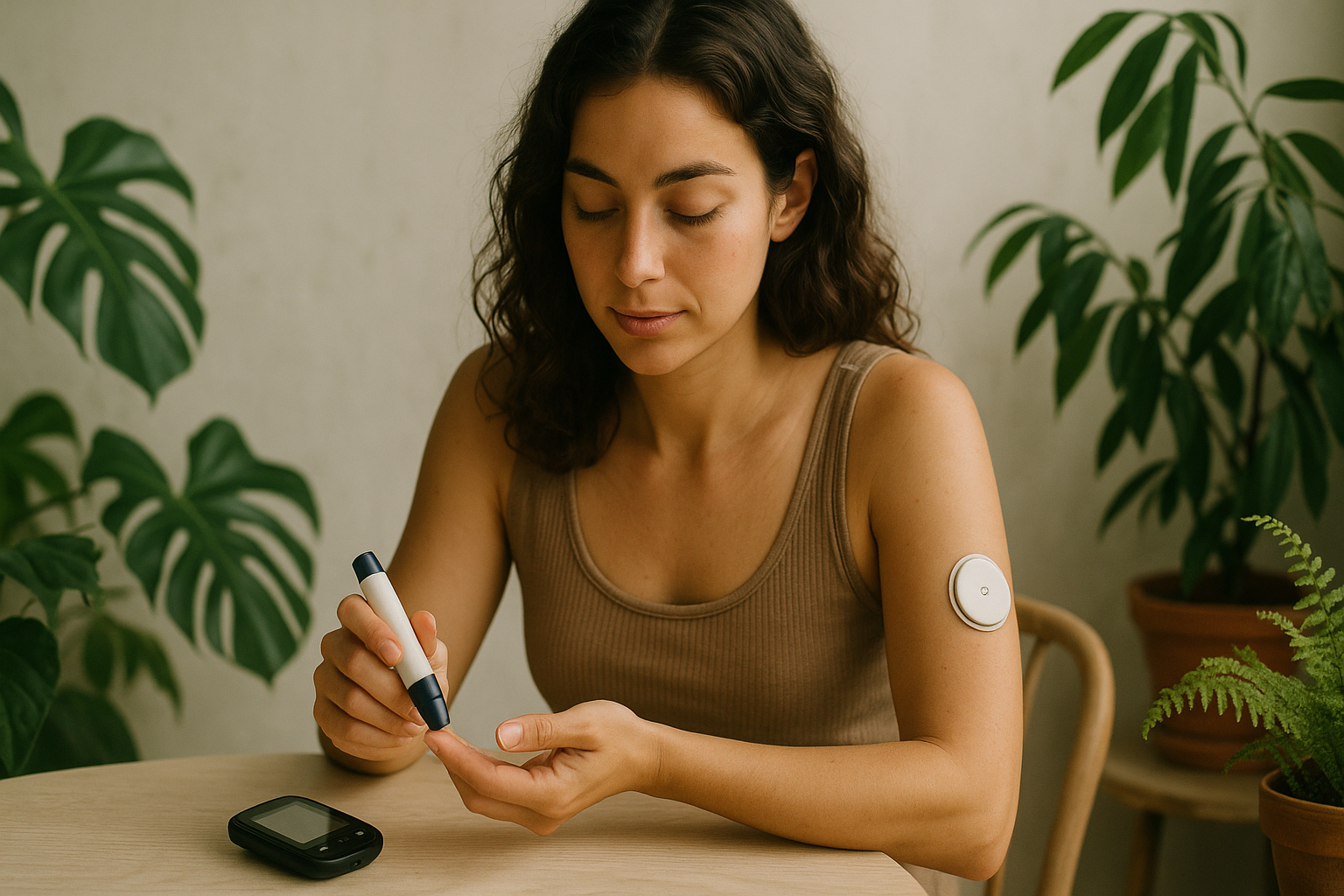
- Cortisol Levels: Measuring cortisol can provide insights into stress levels before and after meditation practices.
- Self-Reported Stress Levels: Keeping a journal to record daily stress levels can help assess changes over time.
Body Systems Supported
Meditative recovery supports several body systems, including:
- Nervous System: Promotes balance between the sympathetic and parasympathetic systems.
- Endocrine System: Helps regulate hormone production, particularly stress hormones.
- Cardiovascular System: Reduces blood pressure and improves heart health through relaxation.
Common Goals
Individuals may pursue meditative recovery with various goals in mind, such as:
- Reducing overall stress and anxiety levels.
- Enhancing emotional resilience and stability.
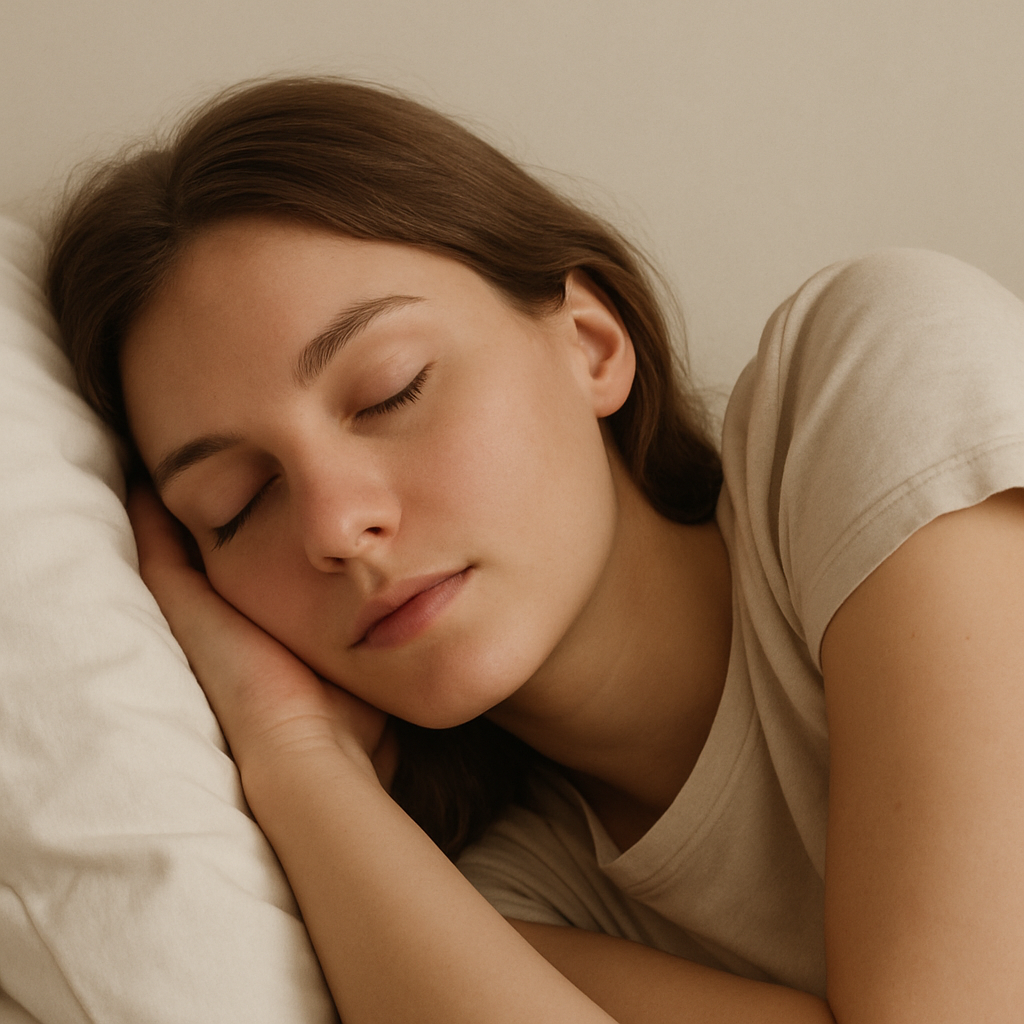
- Improving sleep quality and relaxation.
- Fostering a greater sense of self-awareness and mindfulness.
Safety, Contraindications & Edge Cases
While meditative recovery is generally considered safe, there are some contraindications to keep in mind:
- Severe Mental Health Issues: Individuals with severe anxiety or depression may need to consult a healthcare professional before starting meditation.
- Trauma Survivors: Those with a history of trauma may find certain meditation practices triggering and should seek guidance.
- Physical Limitations: Certain meditation postures may not be suitable for everyone; modifications may be necessary.
Pairs Well With
Meditative recovery can complement various ancient and natural practices, such as:
- Yoga: Combining meditation with yoga enhances physical and mental wellness.
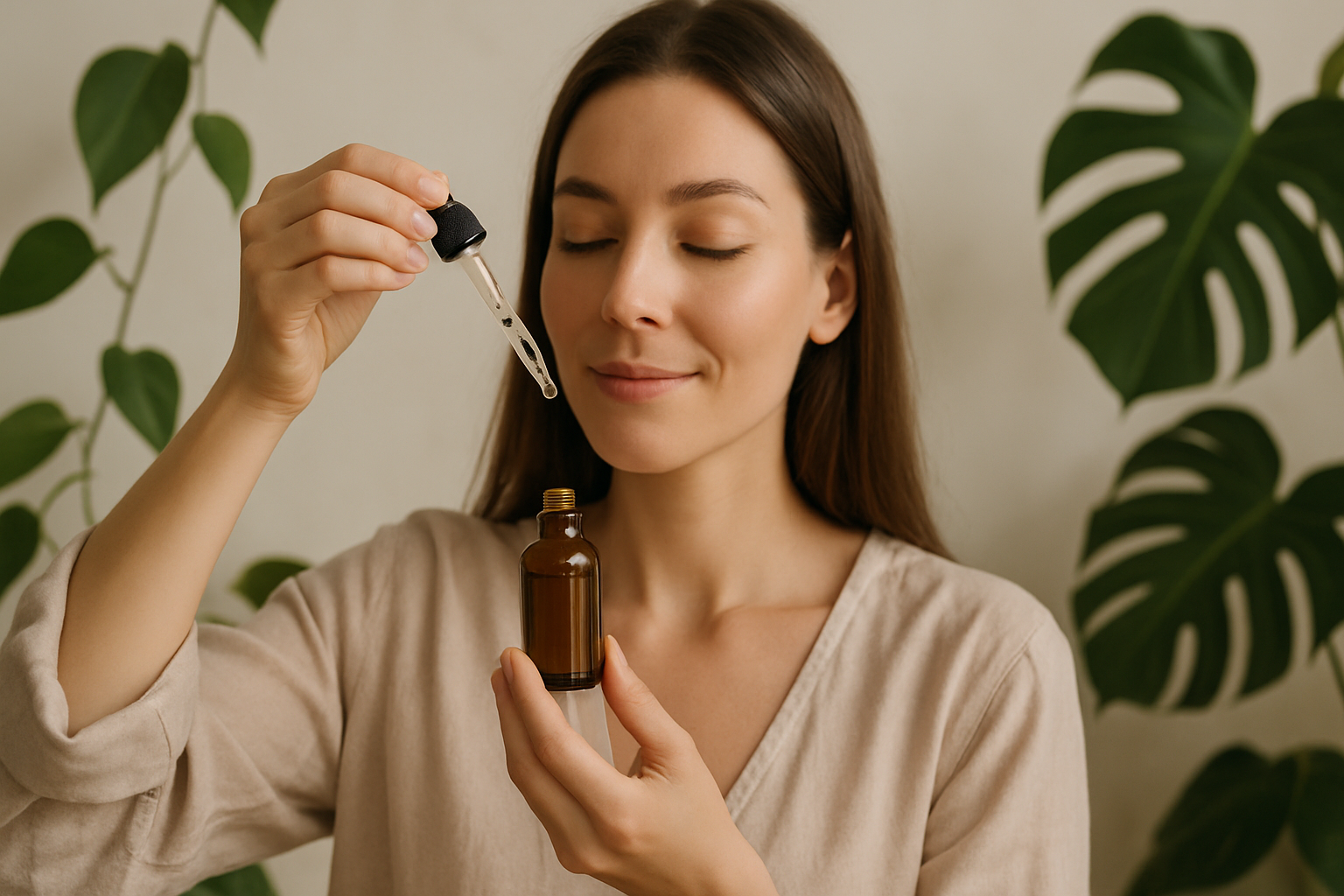
- Aromatherapy: Using essential oils during meditation can promote relaxation and enhance the experience.
- Nature Therapy: Meditating outdoors can deepen the connection to nature and enhance the benefits of meditation.
FAQs (5)
- What is the best time to practice meditation?
Many find morning or evening to be ideal, but the best time is whenever you can consistently dedicate time to practice. - How long should I meditate for?
Starting with 10-20 minutes is recommended, gradually increasing as you become more comfortable. - Do I need to sit in silence to meditate?
No, guided meditations or meditative movement practices can also be effective. - Can meditation replace therapy?
While meditation can be a helpful tool, it should not replace professional therapy for mental health issues. - How can I stay motivated to meditate regularly?
Setting intentions, tracking progress, and joining a community can help maintain motivation.
Frequently asked
What is the best time to practice meditation?
Many find morning or evening to be ideal, but the best time is whenever you can consistently dedicate time to practice.
How long should I meditate for?
Starting with 10-20 minutes is recommended, gradually increasing as you become more comfortable.
Do I need to sit in silence to meditate?
No, guided meditations or meditative movement practices can also be effective.
Can meditation replace therapy?
While meditation can be a helpful tool, it should not replace professional therapy for mental health issues.
How can I stay motivated to meditate regularly?
Setting intentions, tracking progress, and joining a community can help maintain motivation.