Tribal Herbalism
Discover the essence of Tribal Herbalism, its historical context, traditional practices, and modern research insights within Native American Medicine.
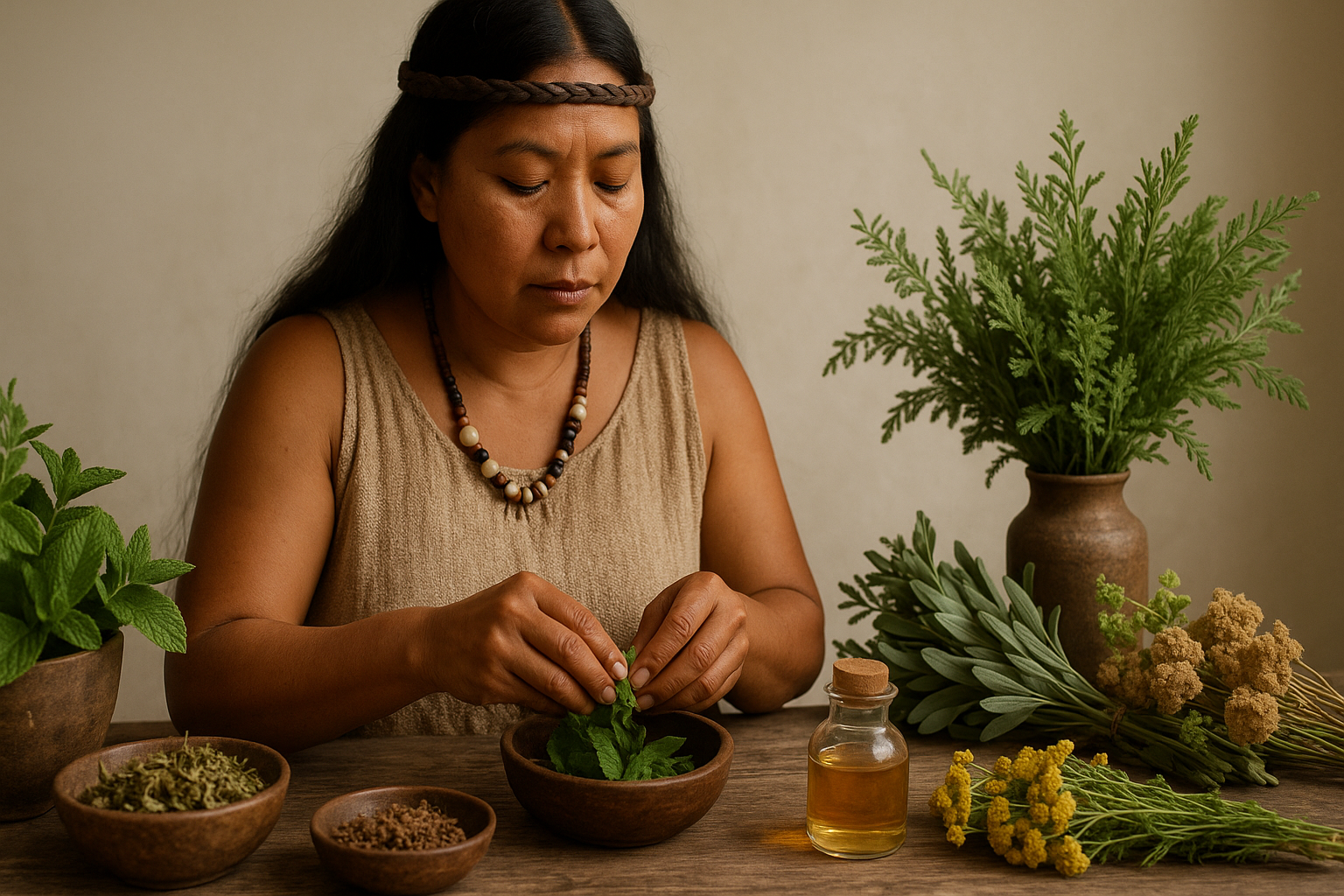
Explore Tribal Herbalism, a significant aspect of Native American Medicine, emphasizing its historical roots, practices, and traditional uses. This guide covers safety, modern research, and how to find qualified practitioners.
What It Is
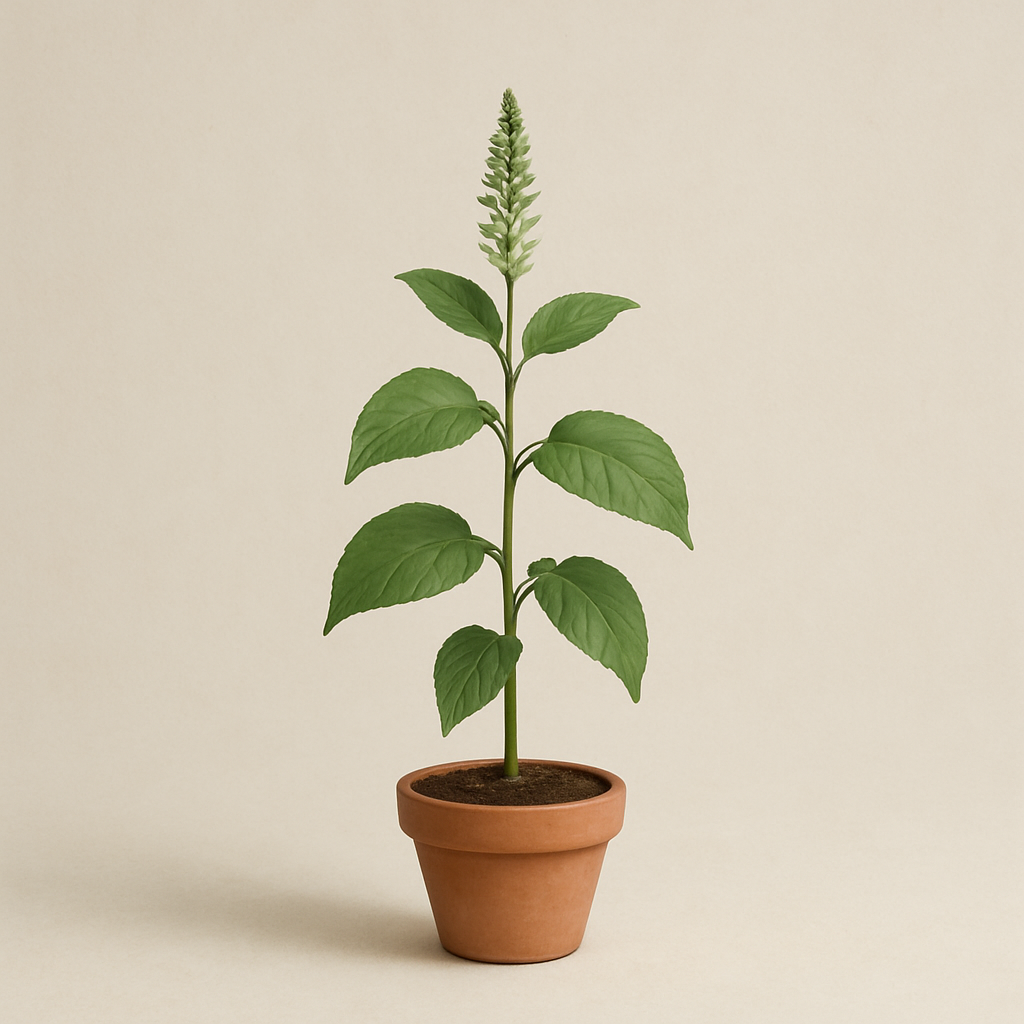
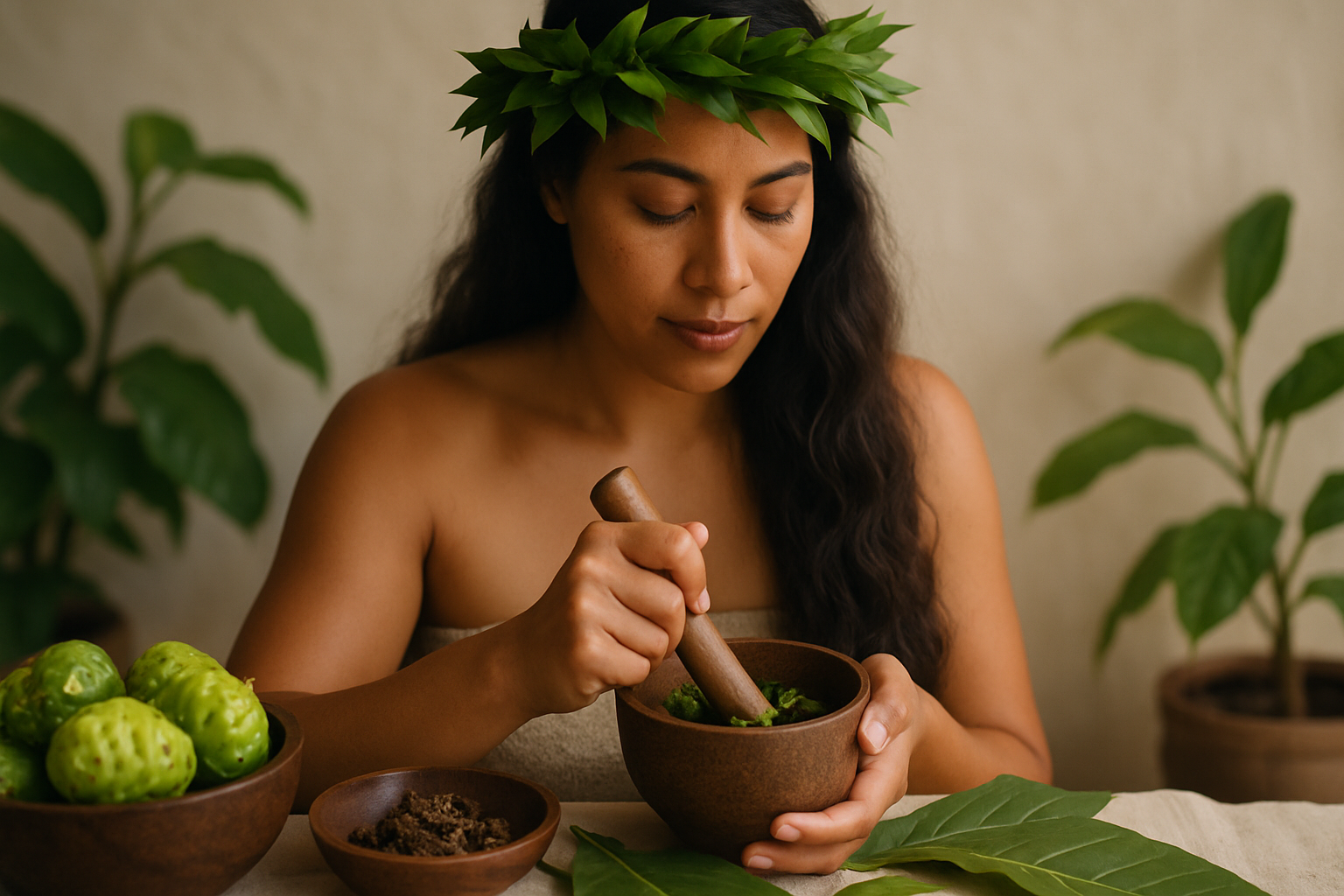
Tribal Herbalism is a traditional healing practice deeply rooted in the cultural and spiritual heritage of Native American tribes. This modality utilizes the natural resources found within the environment, particularly plants, to create remedies that promote health and well-being. Herbalism in this context is not merely about treating symptoms but encompasses a holistic approach to health, considering the mind, body, and spirit.
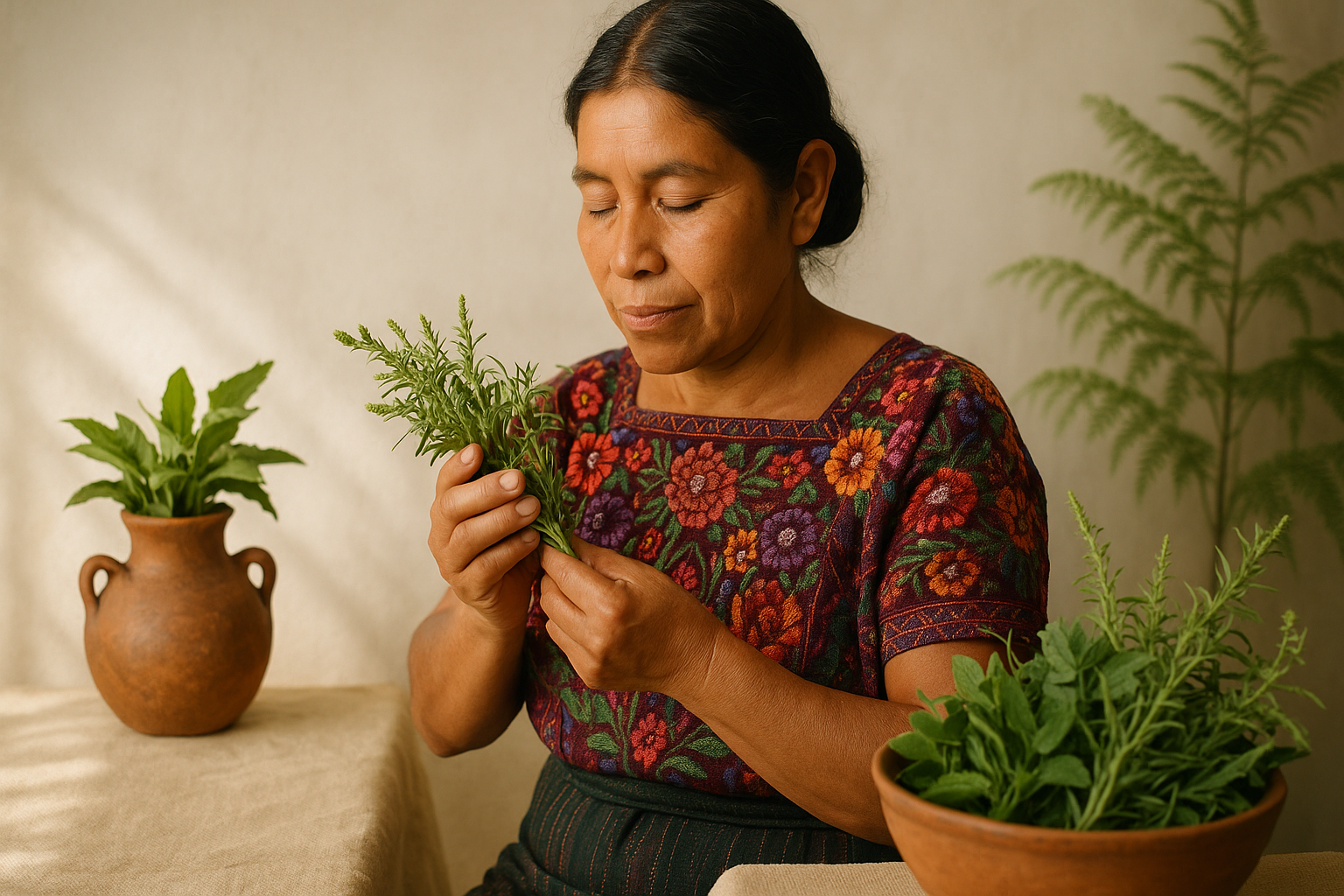
Herbalism is often viewed as a sacred practice, interwoven with the tribe's cultural beliefs and rituals. Practitioners, often referred to as medicine people or herbalists, possess extensive knowledge passed down through generations. They understand the properties of various plants, their uses, and the appropriate methods of preparation and application.
Historical Context Within Native American Medicine
The roots of Tribal Herbalism can be traced back thousands of years within the lineage of Native American Medicine. This practice emerged as tribes began to recognize the medicinal properties of local flora, developing an extensive pharmacopoeia that was tailored to their specific environments and needs. The knowledge of these plants was typically held by specific individuals within each tribe, often those who held spiritual or leadership roles.
Throughout history, the practice of Tribal Herbalism evolved, influenced by the tribes' interactions with one another and with European settlers. Despite the external pressures and changes brought about by colonization, many Native American tribes have preserved their herbal traditions, adapting them to contemporary contexts while maintaining the core principles of their ancestral knowledge.
How It's Practiced
The practice of Tribal Herbalism is multifaceted and often involves several steps to ensure that the remedies are effective and respectful of the natural world. Here is a general overview of how it is typically practiced:
- Consultation: The practitioner often begins with a consultation, understanding the individual's needs and health concerns.
- Identification: The herbalist identifies the appropriate herbs based on traditional knowledge and the specific conditions being addressed.
- Harvesting: Herbs are harvested in a sustainable manner, considering the cycles of nature and the health of the ecosystem.
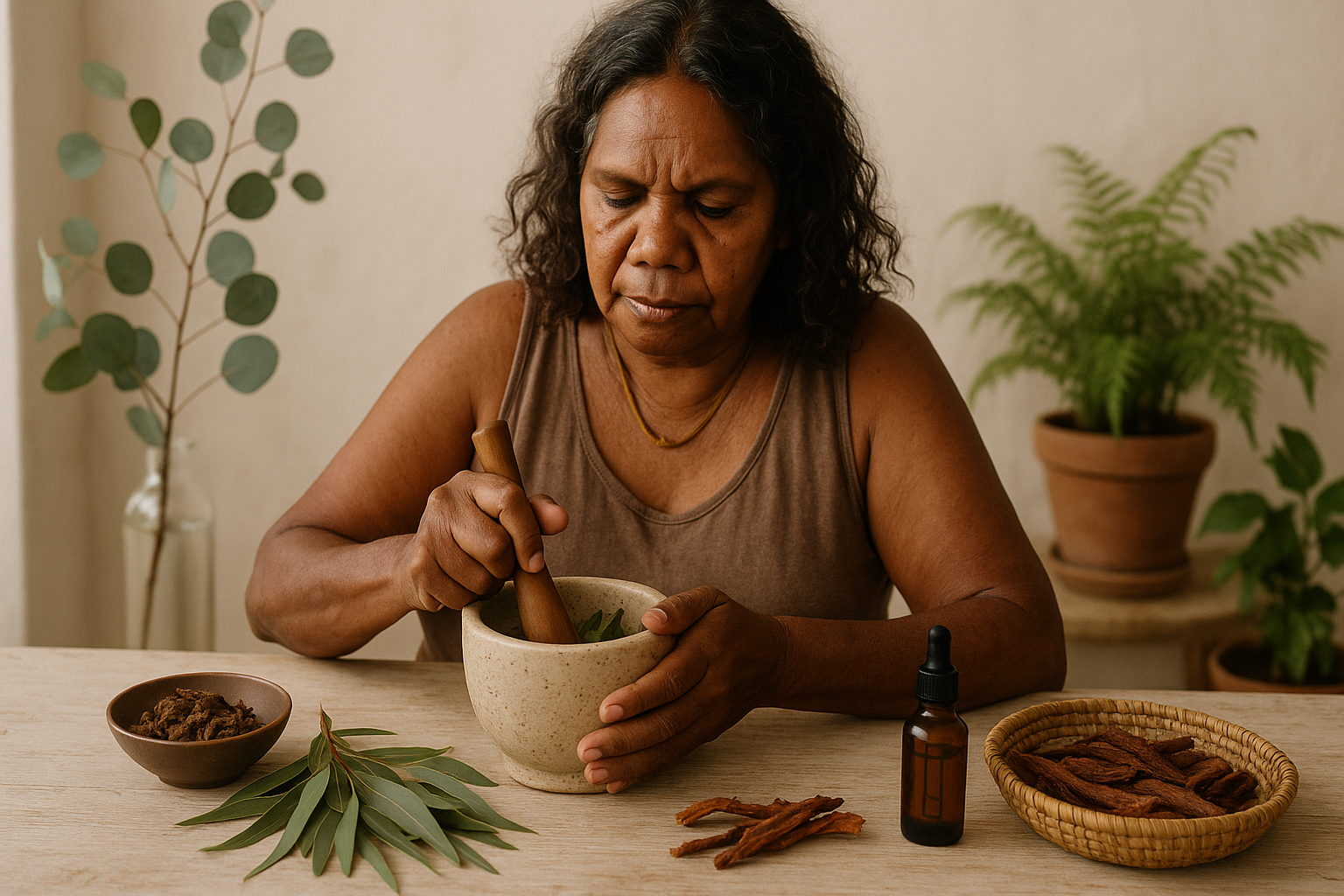
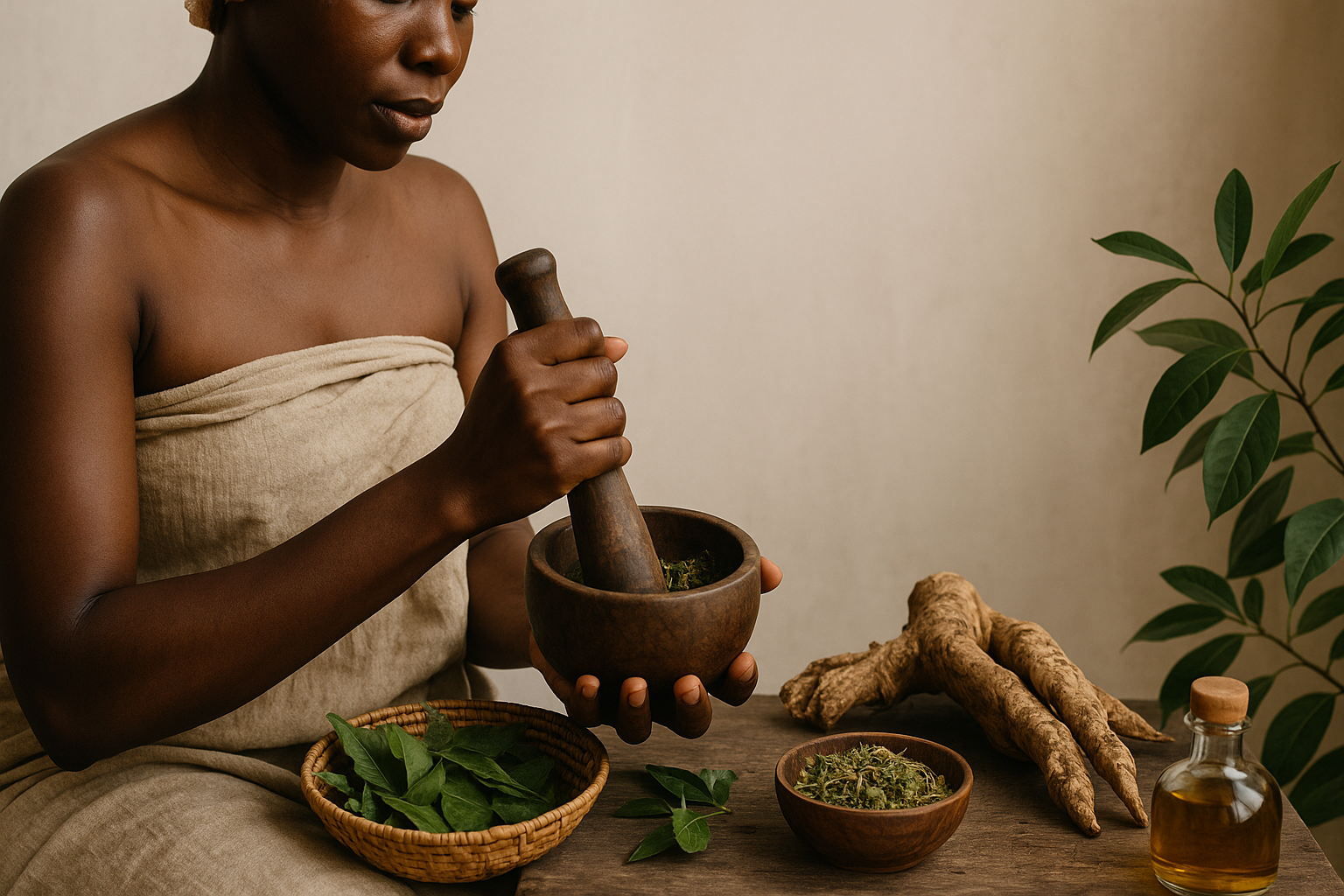
- Preparation: Various methods such as teas, tinctures, poultices, and salves are used to prepare the remedies.
- Application: The practitioner guides the individual on how to use the prepared remedies, often integrating them with other healing practices.
- Follow-up: Ongoing assessment is crucial, allowing for adjustments in treatment as needed.
What It Is Traditionally Explored For
Tribal Herbalism has been traditionally used for a variety of health concerns, reflecting the holistic perspective of Native American Medicine. Some common areas of focus include:
- Physical ailments: Remedies for pain, inflammation, infections, and digestive issues.
- Mental health: Support for anxiety, depression, and emotional well-being.
- Spiritual practices: Enhancing spiritual connection and addressing spiritual imbalances.
- Preventative care: Promoting overall health and vitality through the use of herbal tonics.
What Modern Research Suggests
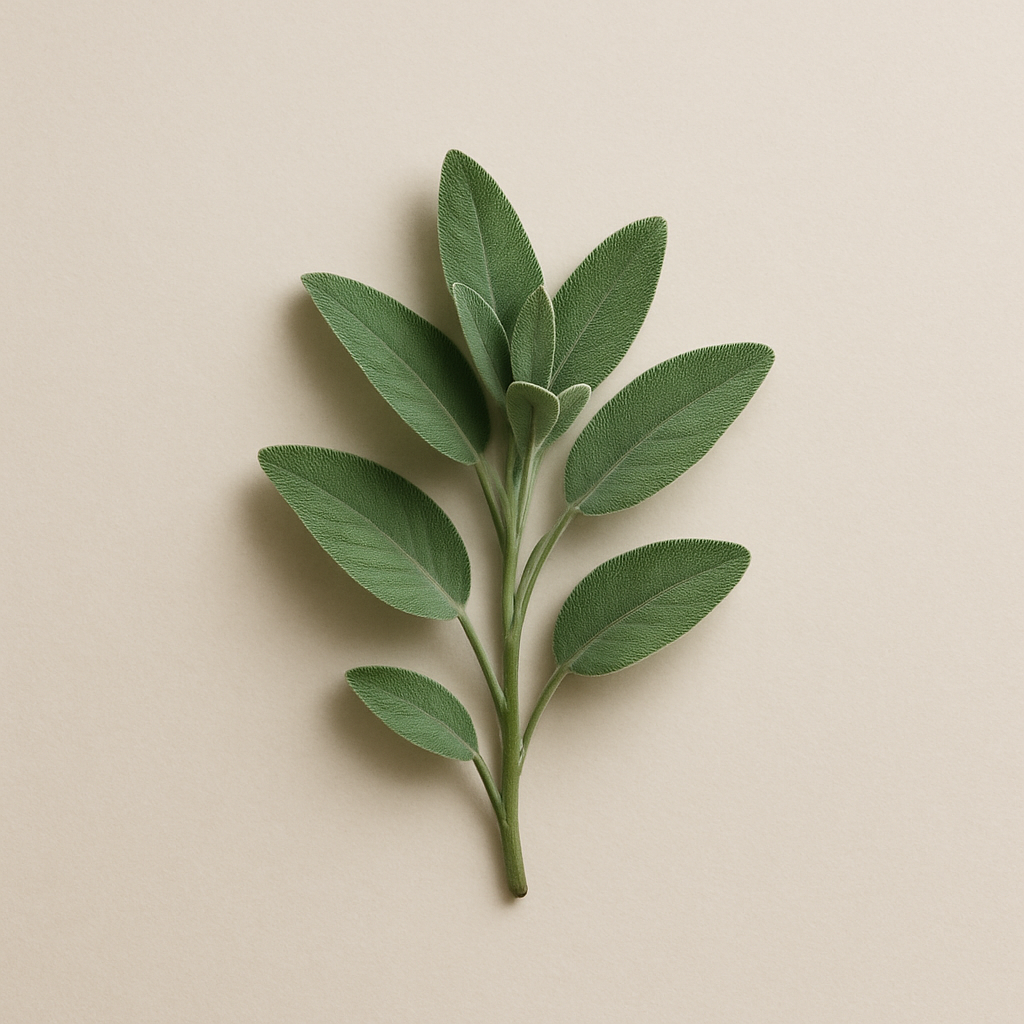
While Tribal Herbalism is steeped in tradition, modern research is beginning to explore the efficacy of various herbal remedies used in these practices. Preliminary studies have shown that some plants commonly used in Tribal Herbalism contain bioactive compounds that may possess anti-inflammatory, antioxidant, and antimicrobial properties. For instance, plants like Echinacea and sage have been subjects of interest in clinical research.
However, it is important to note that much of the existing research is still in its infancy, and more comprehensive studies are needed to fully understand the potential benefits and mechanisms of these traditional remedies. As with any form of treatment, it is crucial to approach these findings with caution and consider them as complementary to conventional medicine.
Safety, Contraindications & Who Should Skip
While Tribal Herbalism can offer many benefits, it is essential to approach it with care. Certain herbs may have contraindications, especially for individuals with specific health conditions or those who are pregnant or nursing. It is advisable to consult with a knowledgeable practitioner before starting any herbal regimen. Additionally, individuals taking prescription medications should seek guidance, as interactions between herbs and medications can occur.
Pairs Well With (within Native American Medicine and across pillars)
Tribal Herbalism can complement various other modalities within Native American Medicine and beyond. Some related practices include:
- Spiritual healing rituals
- Massage and bodywork techniques
- Sound healing practices
- Nutritional guidance based on traditional diets
- Meditation and mindfulness practices
How to Find a Qualified Practitioner
Finding a qualified practitioner in Tribal Herbalism involves seeking individuals who have a deep understanding of both the herbal traditions and the cultural context from which they arise. Here are some tips to consider:
- Look for practitioners with formal training or apprenticeships in Tribal Herbalism.
- Seek recommendations from community members or local Native American organizations.
- Ensure the practitioner respects the cultural aspects of the practice and engages in ethical sourcing of herbs.
- Consider attending workshops or community events to learn more about potential practitioners.
FAQs (5)
- What is Tribal Herbalism? Tribal Herbalism is a traditional healing practice that utilizes local plants to promote health and well-being within Native American cultures.
- How is it different from other forms of herbalism? Tribal Herbalism is deeply rooted in cultural beliefs and practices unique to specific tribes, often incorporating spiritual elements.
- Can anyone practice Tribal Herbalism? While anyone can learn about herbs, traditional practices should be respected and learned from qualified practitioners within the culture.
- Is Tribal Herbalism safe? While many herbs are safe, it is essential to consult with a knowledgeable practitioner to avoid potential contraindications.
- What should I expect during a consultation? A consultation typically involves discussing your health concerns, assessing your needs, and determining appropriate herbal remedies.
Frequently asked
What is Tribal Herbalism?
Tribal Herbalism is a traditional healing practice that utilizes local plants to promote health and well-being within Native American cultures.
How is it different from other forms of herbalism?
Tribal Herbalism is deeply rooted in cultural beliefs and practices unique to specific tribes, often incorporating spiritual elements.
Can anyone practice Tribal Herbalism?
While anyone can learn about herbs, traditional practices should be respected and learned from qualified practitioners within the culture.
Is Tribal Herbalism safe?
While many herbs are safe, it is essential to consult with a knowledgeable practitioner to avoid potential contraindications.
What should I expect during a consultation?
A consultation typically involves discussing your health concerns, assessing your needs, and determining appropriate herbal remedies.