Community Healing
Discover Community Healing in Native American Medicine, its historical roots, practical applications, and modern research insights.
Explore the practice of Community Healing within Native American Medicine, its historical context, methods, traditional applications, and modern insights.
What It Is
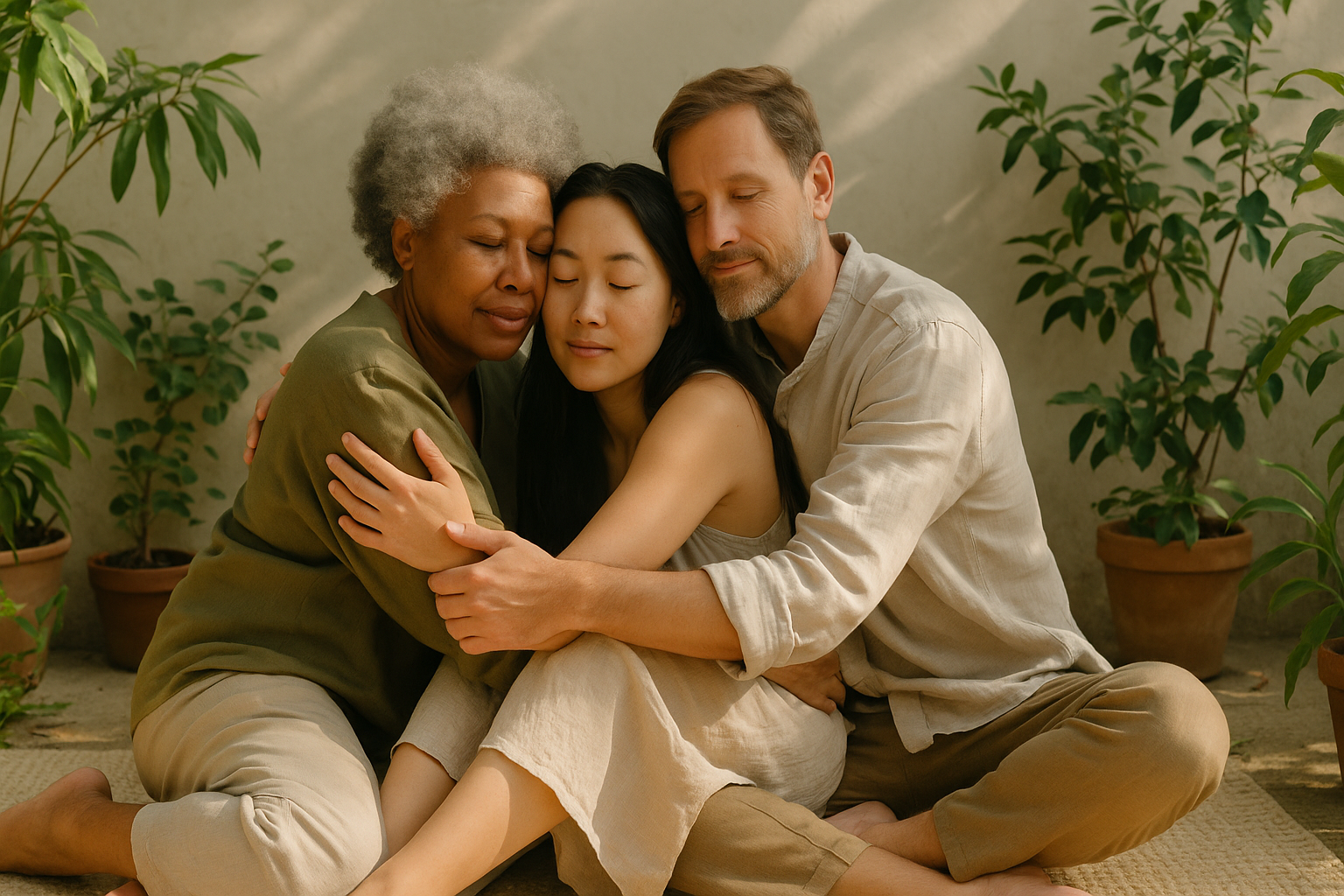
Community Healing is a practice rooted in Native American Medicine that emphasizes the interconnectedness of individuals within their communities and the natural world. It is based on the understanding that healing is not just a personal journey but a collective one, involving family, friends, and the broader community. This holistic approach integrates spiritual, emotional, and physical health, recognizing that the well-being of the individual is intricately linked to the well-being of the community.
In Community Healing, traditional rituals, ceremonies, and storytelling play vital roles in fostering connections and promoting healing. These practices are often led by community elders or healers, who guide individuals through various processes that aim to restore balance and harmony within themselves and their relationships with others. This communal aspect of healing reflects the values of solidarity, support, and shared responsibility, which are central to many Native American cultures.
Historical Context Within Native American Medicine
Community Healing has deep historical roots within Native American Medicine, emerging long before the arrival of European settlers. Various tribes developed their own unique practices and rituals, which were often passed down through generations. These practices were shaped by the local environment, cultural beliefs, and the specific needs of the community.
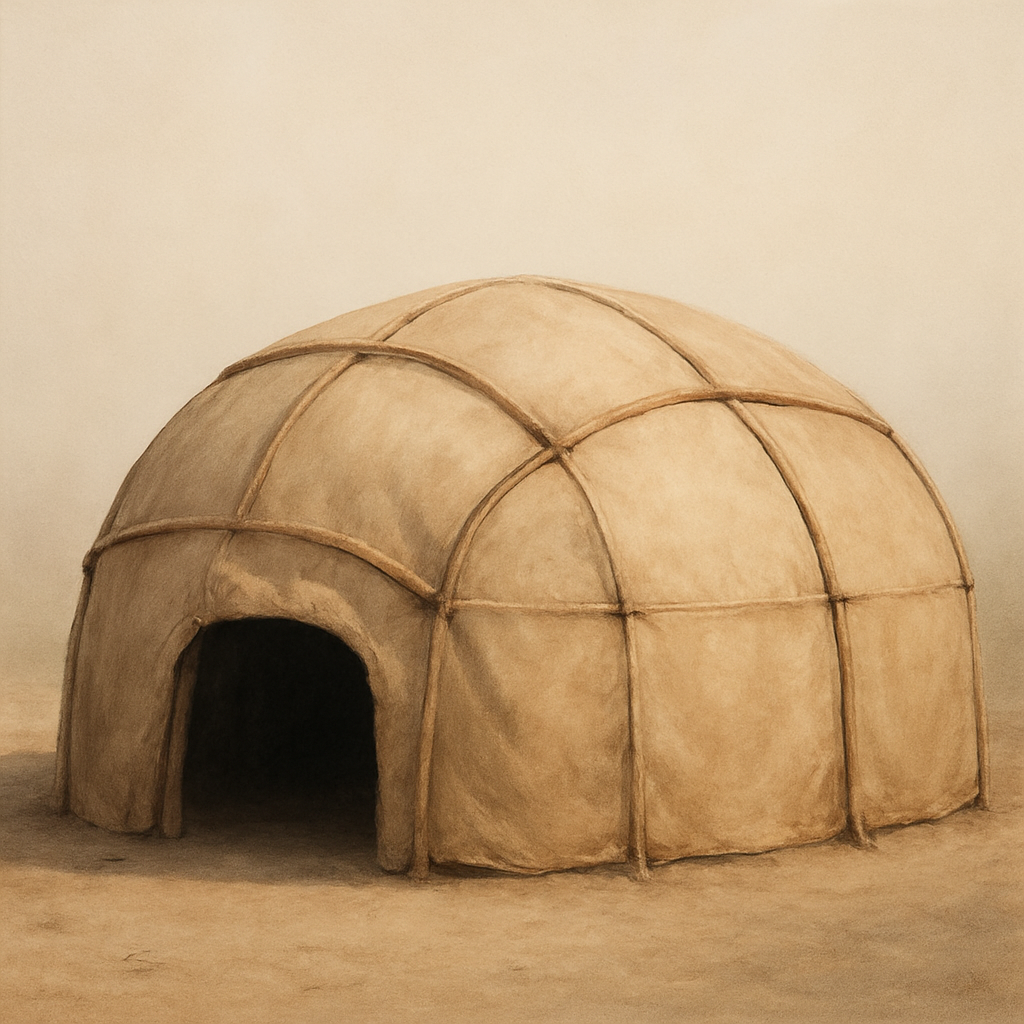
Historically, Community Healing was not only a response to individual health issues but also a way to address collective trauma and societal challenges. Community gatherings, such as healing circles and sweat lodges, provided opportunities for individuals to come together, share their experiences, and support one another. This collective approach to healing has been a vital aspect of Native American culture, ensuring that the wisdom of the past is honored and passed on to future generations.
How It's Practiced
Community Healing is practiced through various methods that engage participants in a shared healing experience. Here is a walk-through of typical components involved in the practice:
- Gathering: Community members come together in a designated space, often in a circle, to create a safe and supportive environment.
- Intention Setting: Participants are encouraged to set personal intentions for what they wish to may support or address, fostering individual focus within the collective journey.
- Storytelling: Elders or healers may share stories that impart wisdom, teach lessons, or connect participants to their heritage.
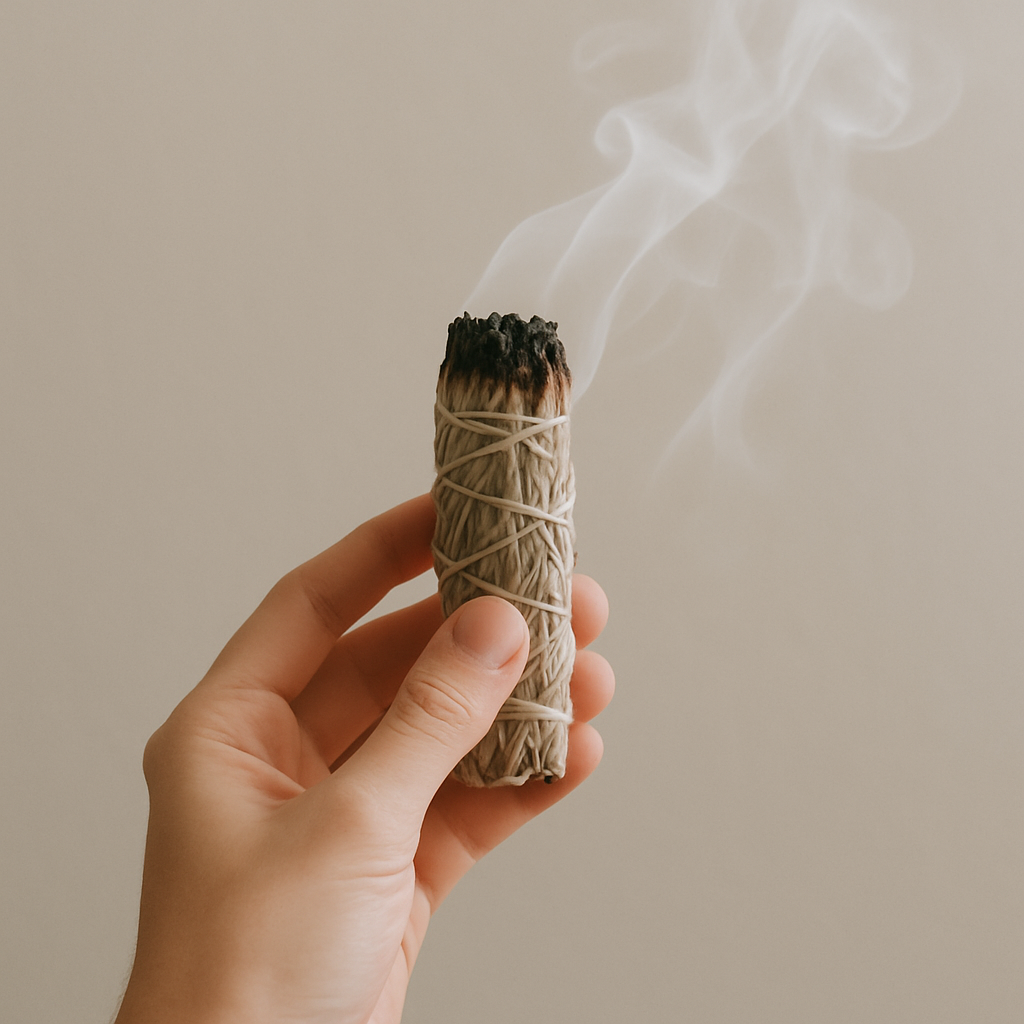
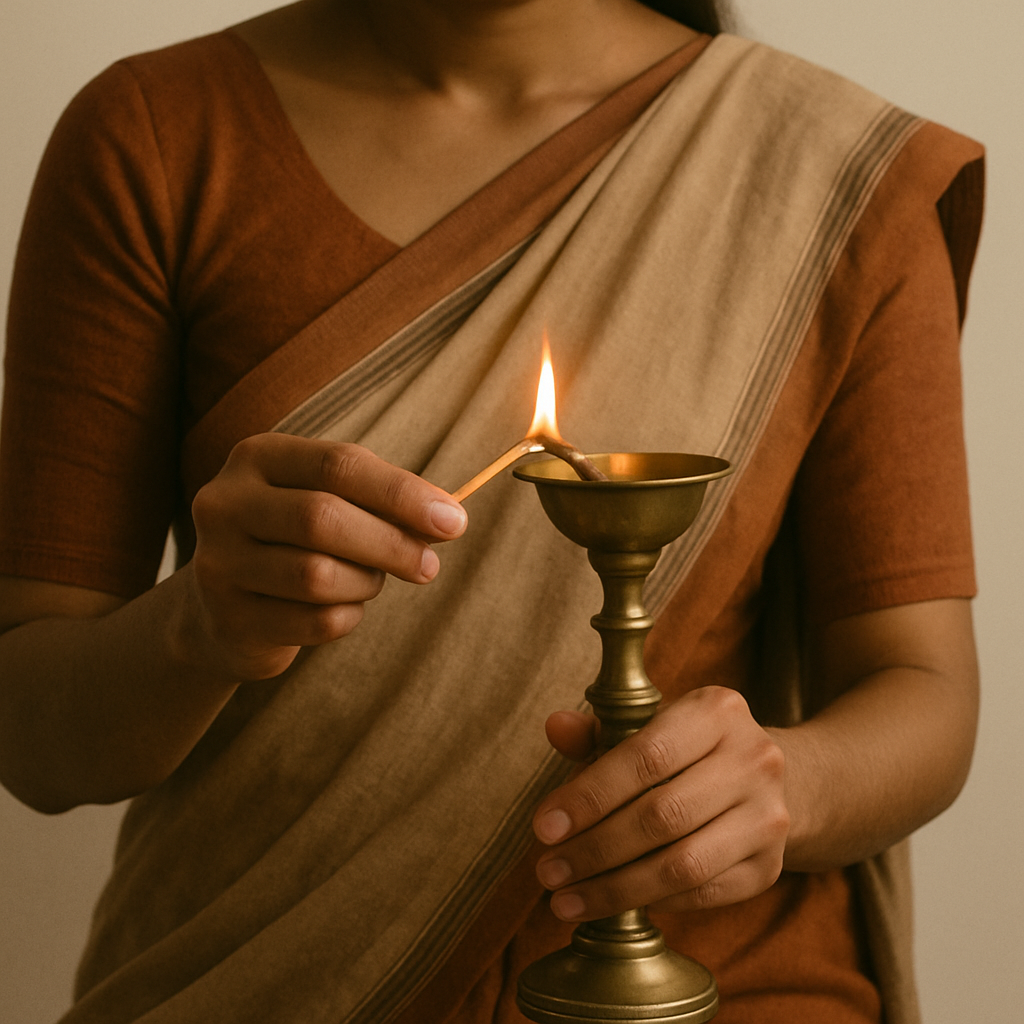
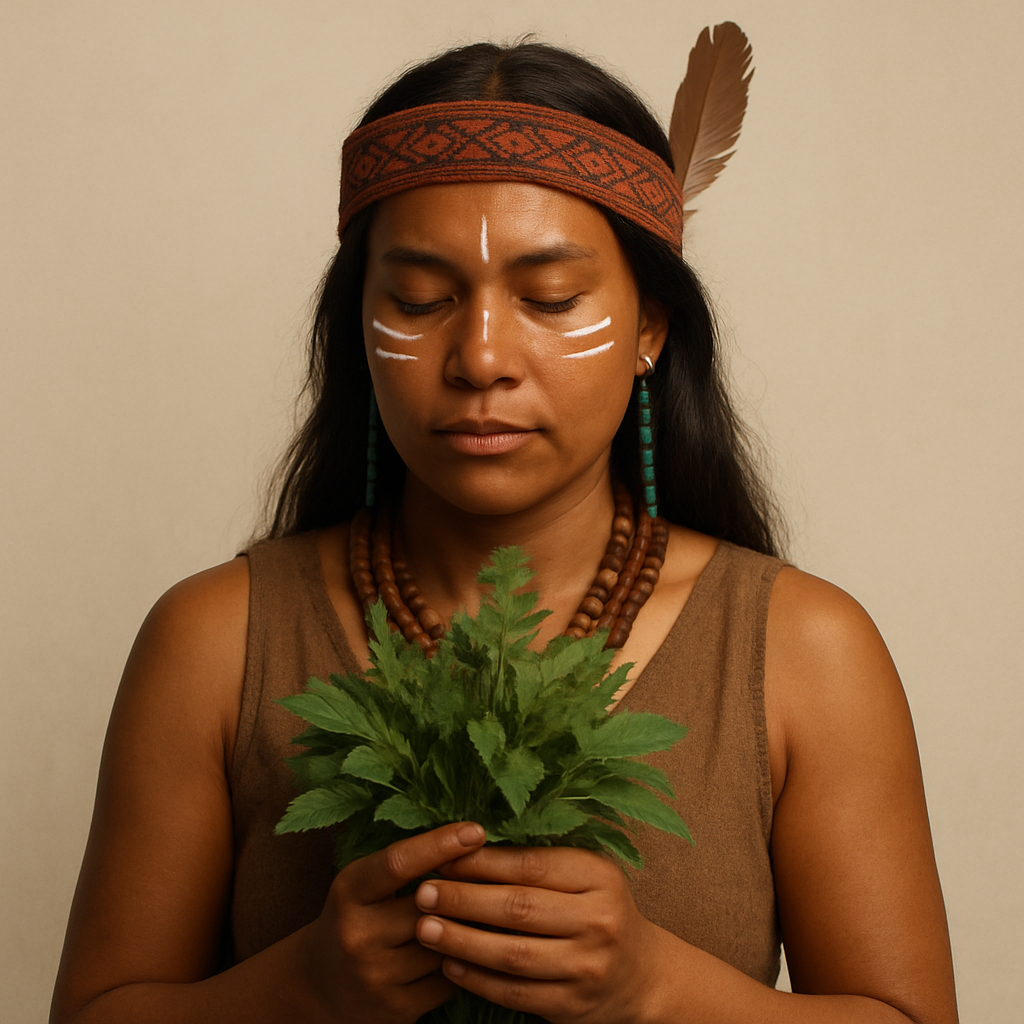
- Rituals and Ceremonies: Various rituals, such as smudging with sacred herbs, drumming, or singing, may be performed to invoke healing energies and promote unity.
- Sharing and Support: Participants are invited to share their experiences, challenges, and successes, fostering a sense of community and support.
- Integration: The healing experience is often concluded with a reflection on the insights gained and how participants can carry these lessons forward into their daily lives.
What It Is Traditionally Explored For
Community Healing is traditionally explored for various issues that affect individuals and the community at large. While each community may have its unique focus, common themes include:
- Healing from trauma, such as loss or historical injustices.
- Addressing mental health challenges, including anxiety and depression.
- Fostering a sense of belonging and connection among community members.
- Promoting physical health and well-being through holistic approaches.
- Encouraging personal growth and self-discovery.
Participants often seek Community Healing to restore balance in their lives and to strengthen their connections with others, recognizing that collective healing is essential for overall well-being.
What Modern Research Suggests
While traditional practices may not always be studied through a scientific lens, modern research is beginning to explore the benefits of community-based healing approaches. Preliminary studies suggest that communal activities can enhance mental well-being, reduce feelings of isolation, and promote a sense of belonging. Research has shown that individuals who engage in community healing practices often report improved emotional health and resilience.
Furthermore, some clinical studies indicate that community support systems can lead to better health outcomes in various populations. These findings align with the principles of Native American Medicine, highlighting the importance of community and shared experiences in the healing process. However, more extensive and rigorous research is needed to fully understand the mechanisms and benefits of Community Healing.
Safety, Contraindications & Who Should Skip
While Community Healing is generally considered safe and beneficial, there are some considerations to keep in mind:
- Individuals with severe mental health issues or trauma may benefit from professional guidance before participating in group healing practices.
- Those who have experienced recent trauma may need to assess their readiness to engage in communal settings.
- It is essential to approach Community Healing with an open mind and a willingness to participate actively, as passive engagement may not yield the desired benefits.
- Consultation with a healthcare provider is recommended for individuals with specific health concerns or conditions.
Pairs Well With (within Native American Medicine and across pillars)
Community Healing can be enhanced by incorporating other modalities and practices, including:
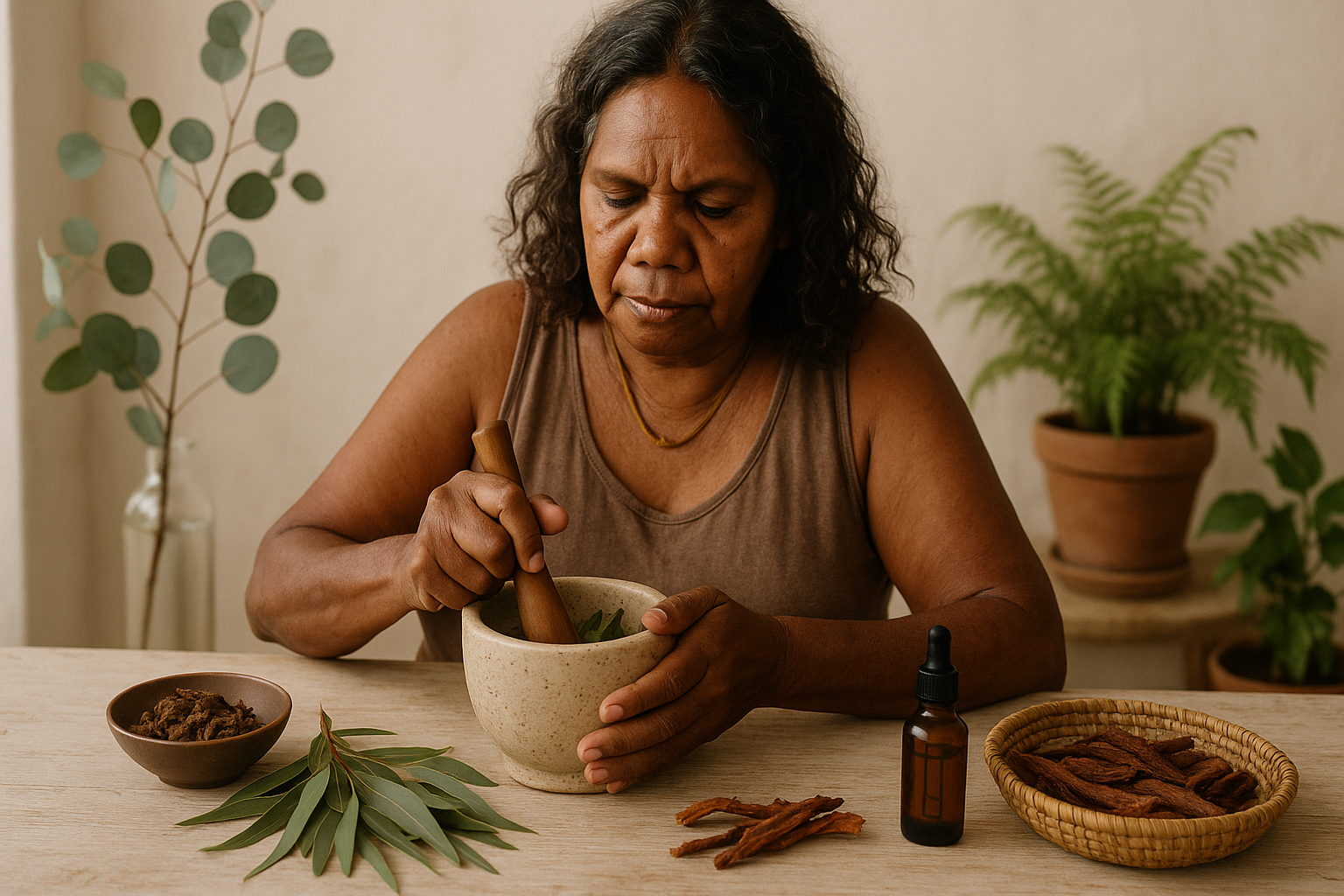
- Traditional herbal medicine for physical health support.
- Vision questing for self-discovery and personal insight.
- Drumming circles to foster connection and rhythm within the community.
- Spiritual counseling and guidance from elders.
- Meditation and mindfulness practices to enhance individual awareness.
How to Find a Qualified Practitioner
Finding a qualified practitioner for Community Healing can be a vital step in the healing journey. Consider the following tips:
- Seek recommendations from trusted community members or local Native American organizations.
- Look for practitioners who have a deep understanding of Native American traditions and values.
- Attend community events or workshops to connect with potential healers and gauge their approach.
- Ensure that the practitioner respects individual boundaries and creates a safe environment for healing.
It is important to choose someone whose philosophy resonates with you and who you feel comfortable working with.
FAQs (5)
What is Community Healing?
Community Healing is a practice in Native American Medicine that emphasizes the collective journey of healing within a supportive community.How is Community Healing practiced?
It is practiced through gatherings that include intention setting, storytelling, rituals, and sharing experiences among participants.What is the historical significance of Community Healing?
It has deep roots in Native American cultures, historically addressing both individual and collective trauma while fostering a sense of belonging.What are the benefits of Community Healing?
Participants often report improved emotional health, reduced isolation, and a strengthened sense of community.How can I find a Community Healing practitioner?
Look for recommendations from trusted sources, attend community events, and ensure the practitioner respects individual boundaries.
Frequently asked
What is Community Healing?
Community Healing is a practice in Native American Medicine that emphasizes the collective journey of healing within a supportive community.
How is Community Healing practiced?
It is practiced through gatherings that include intention setting, storytelling, rituals, and sharing experiences among participants.
What is the historical significance of Community Healing?
It has deep roots in Native American cultures, historically addressing both individual and collective trauma while fostering a sense of belonging.
What are the benefits of Community Healing?
Participants often report improved emotional health, reduced isolation, and a strengthened sense of community.
How can I find a Community Healing practitioner?
Look for recommendations from trusted sources, attend community events, and ensure the practitioner respects individual boundaries.