Traditional Rituals
Delve into the world of Traditional Rituals in Native American Medicine, their historical context, practices, and modern insights.
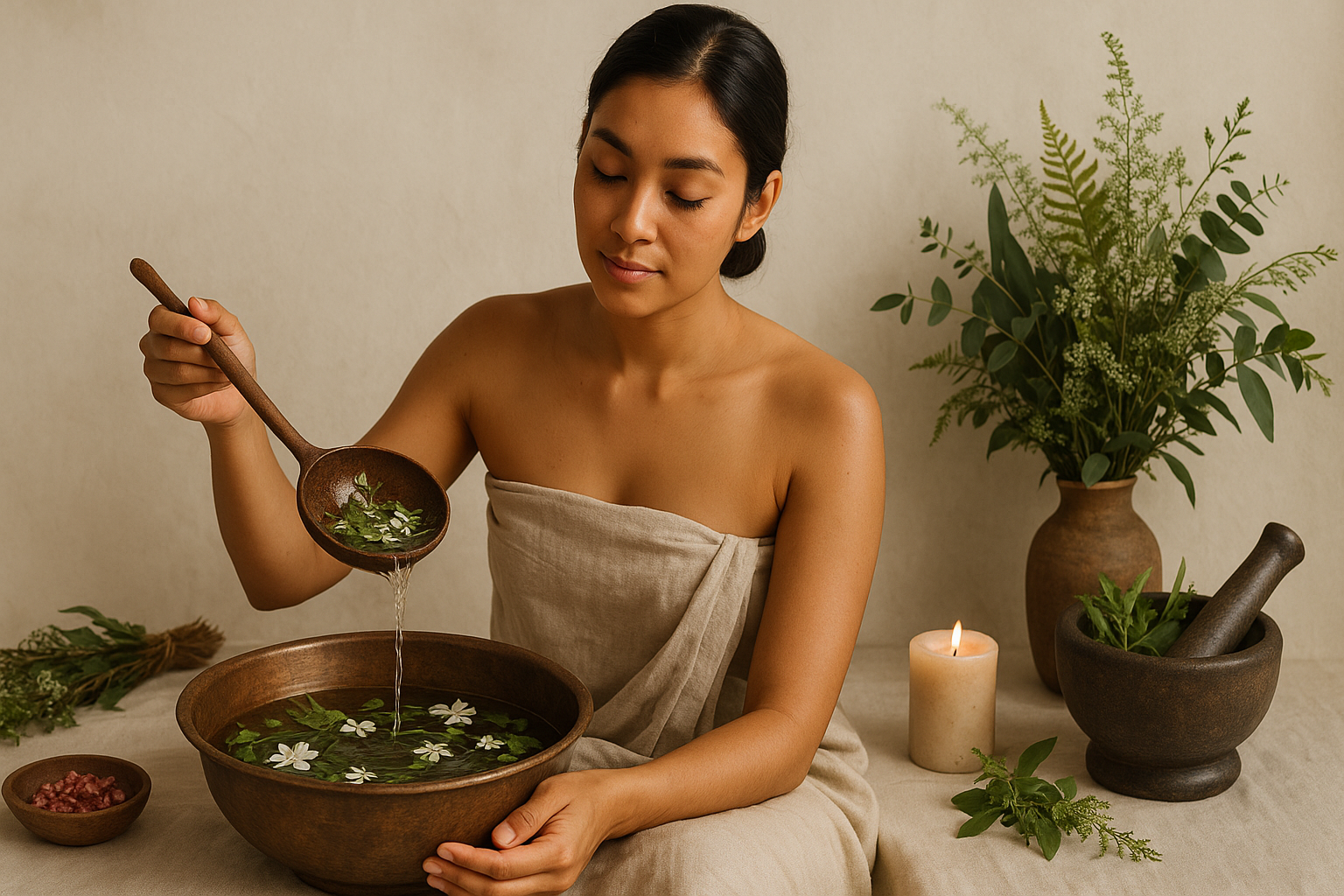
Explore the significance of Traditional Rituals in Native American Medicine, understanding their historical roots, practices, and modern implications.
What It Is
Traditional Rituals in Native American Medicine encompass a variety of ceremonial practices that are deeply rooted in the spiritual and cultural beliefs of Indigenous communities. These rituals often involve specific rites, music, dance, and the use of sacred objects to connect individuals with the spiritual world, nature, and their ancestors. The purpose of these rituals is to promote healing, balance, and harmony within the individual and the community.
At their core, Traditional Rituals serve as a means of expressing gratitude, seeking guidance, and fostering a sense of belonging. They are often performed during significant life events such as birth, puberty, marriage, and death, as well as during seasonal changes or in response to illness. Through these acts, participants engage in a sacred process that honors their heritage and the interconnectedness of all living things.
Historical Context Within Native American Medicine
Traditional Rituals have been integral to Native American Medicine for thousands of years, emerging from the rich tapestry of Indigenous cultures across North America. Each tribe has its unique set of rituals and practices, developed over generations to address the specific needs and beliefs of its people. Elders and medicine people, who are often regarded as the custodians of knowledge, have played a pivotal role in preserving and passing down these traditions.
The practices associated with Traditional Rituals have evolved over time, incorporating elements that reflect the changing social and environmental landscape. Despite these changes, the core principles of respect for nature, community, and spirituality remain steadfast. The rituals not only serve as healing practices but also reinforce cultural identity and continuity within Native American communities.
How It's Practiced
The practice of Traditional Rituals can vary widely among different tribes, but there are some common elements that many rituals share. A typical ritual may include the following steps:
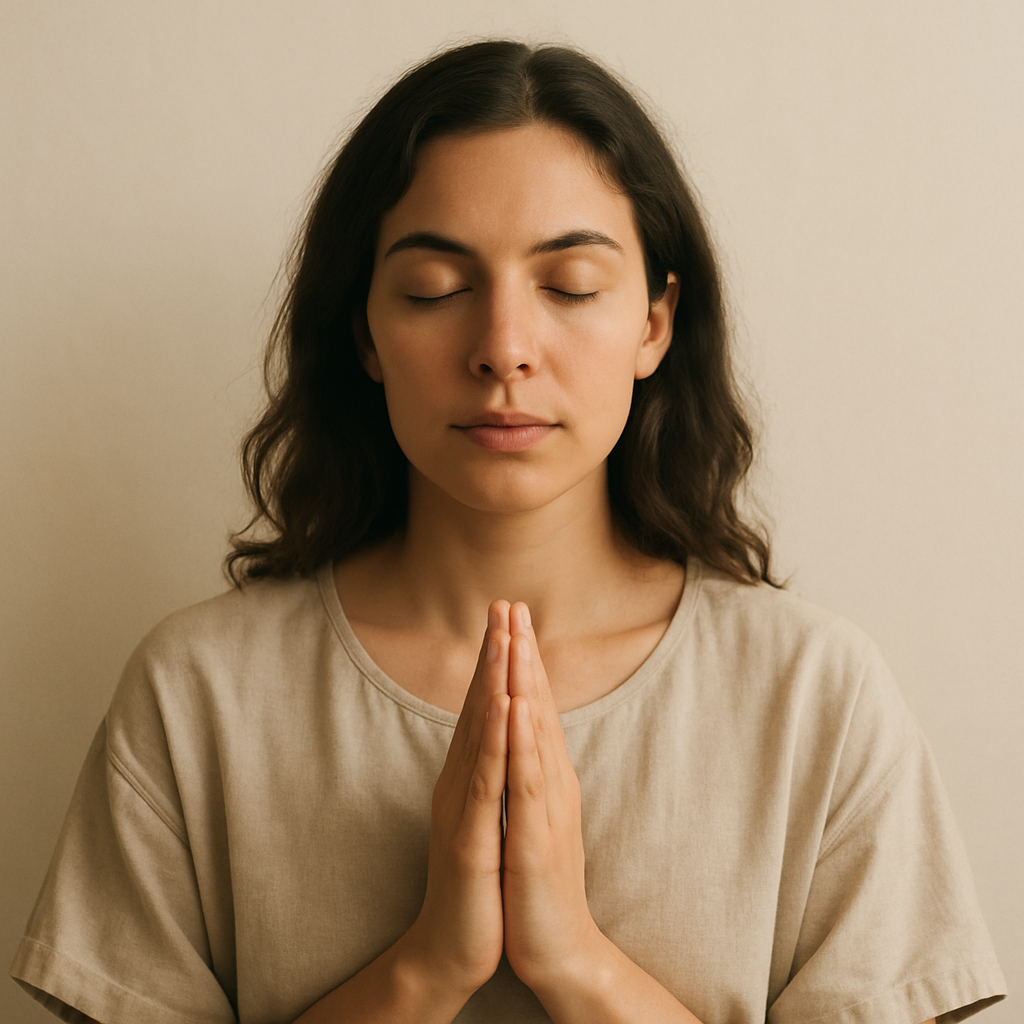
- Preparation: Participants often prepare for the ritual through fasting, purification, and setting intentions.
- Gathering: The community comes together at a designated sacred space, often marked by natural features or constructed altars.
- Invocation: The ritual begins with prayers or songs that call upon spirits, ancestors, and natural elements.
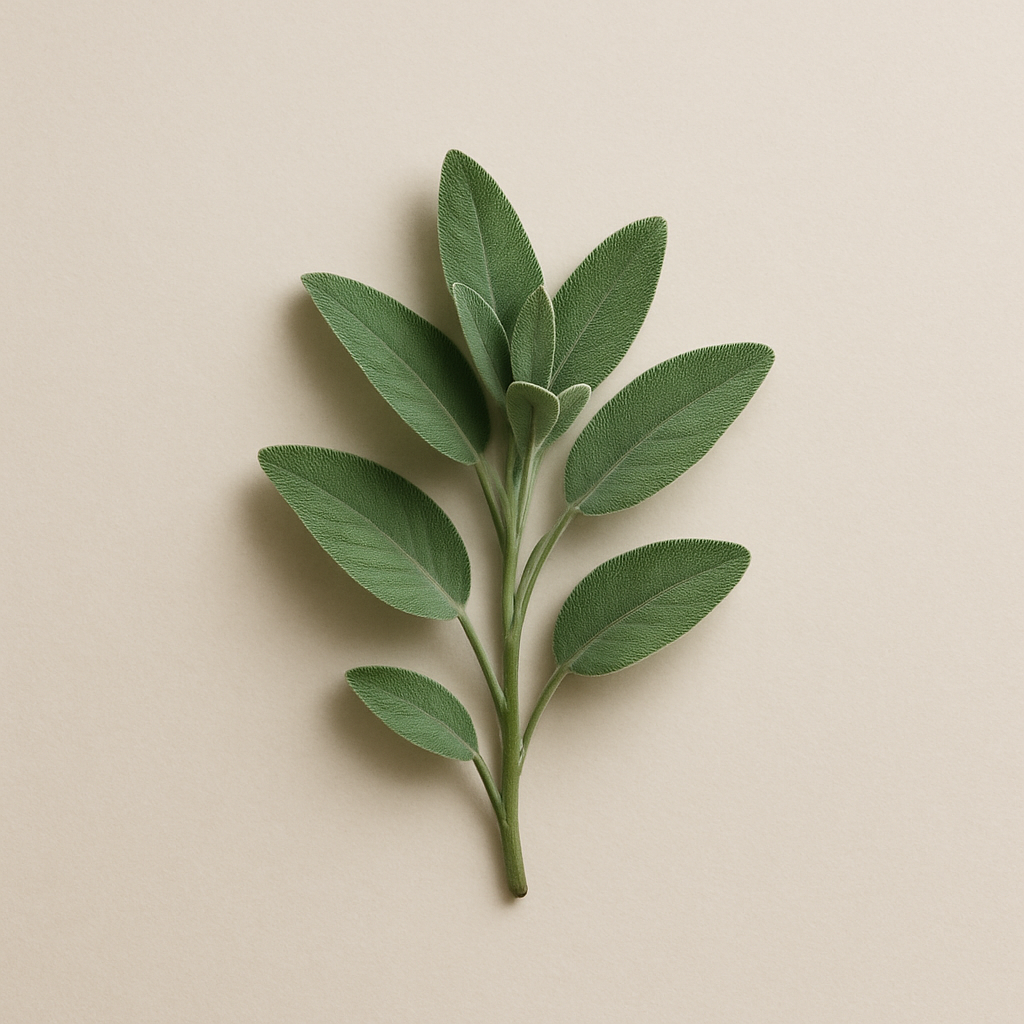
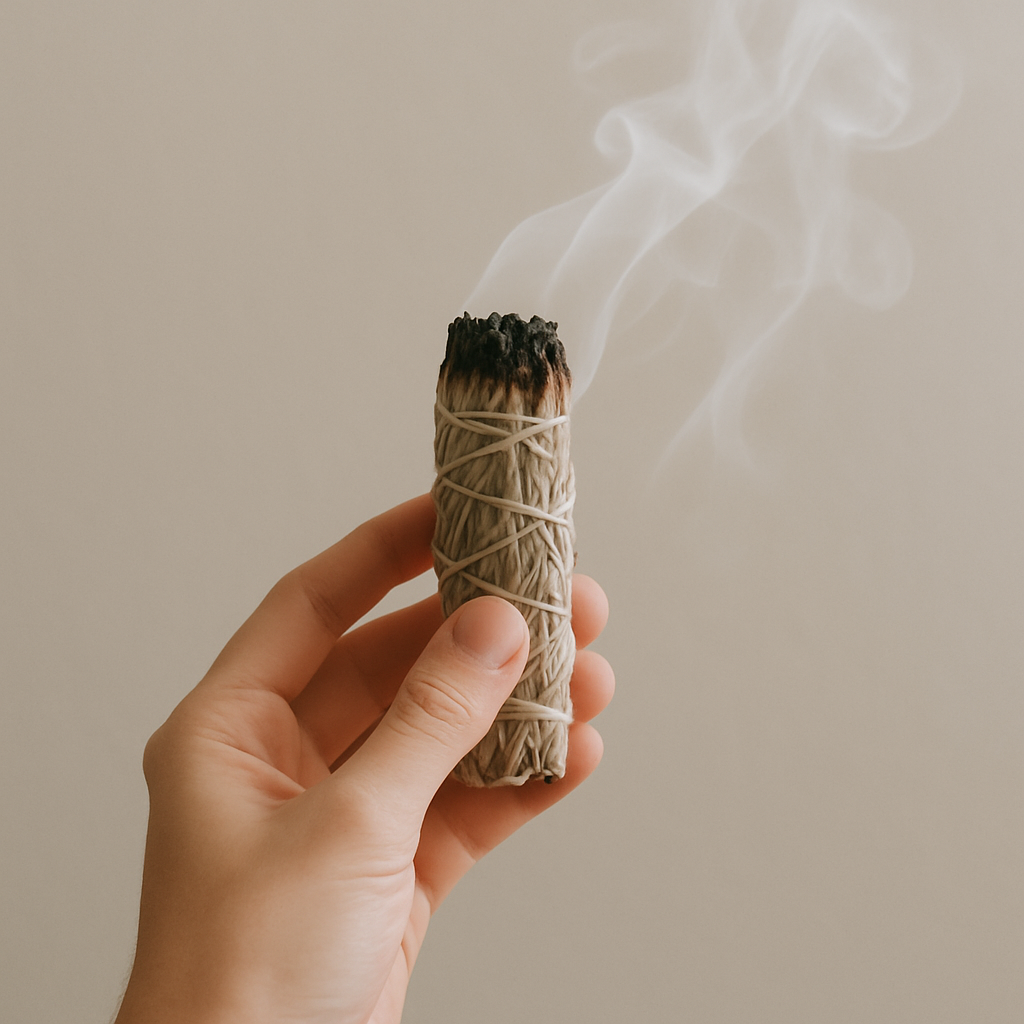
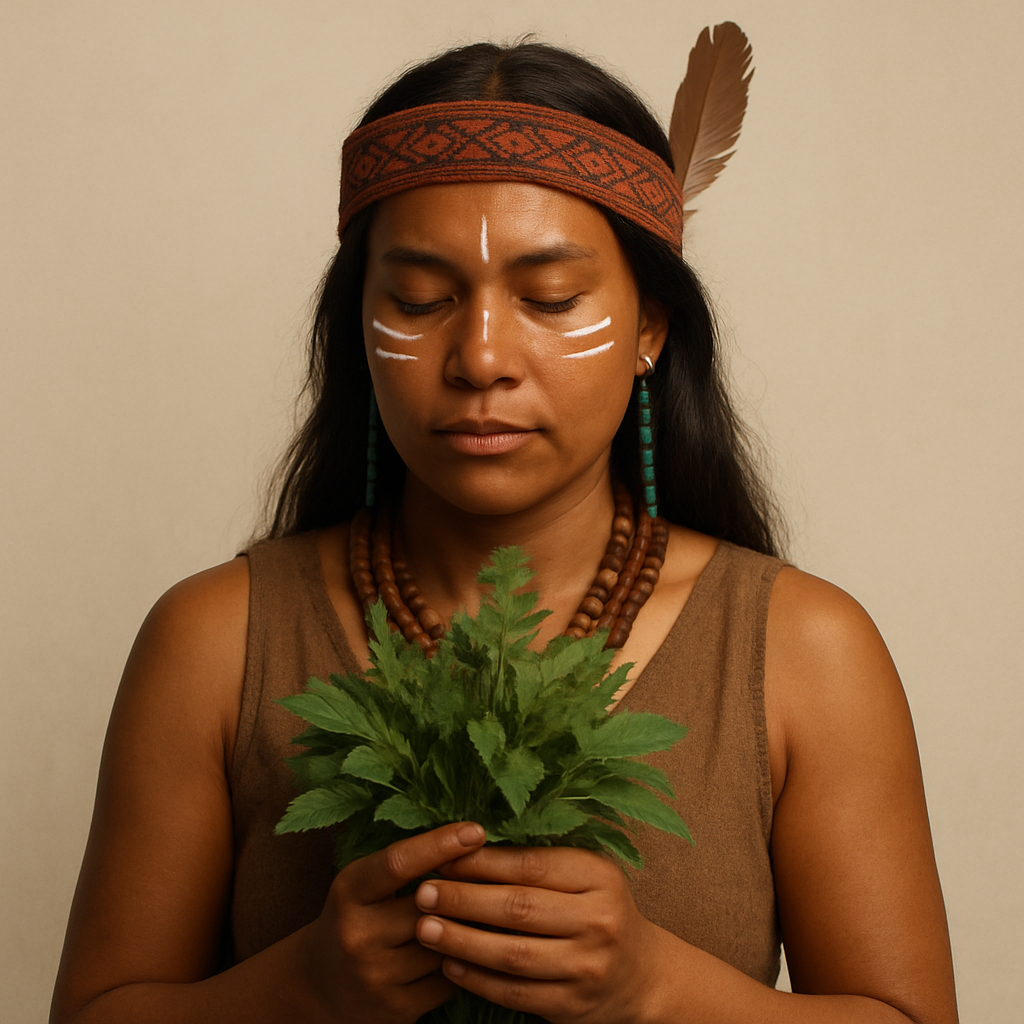
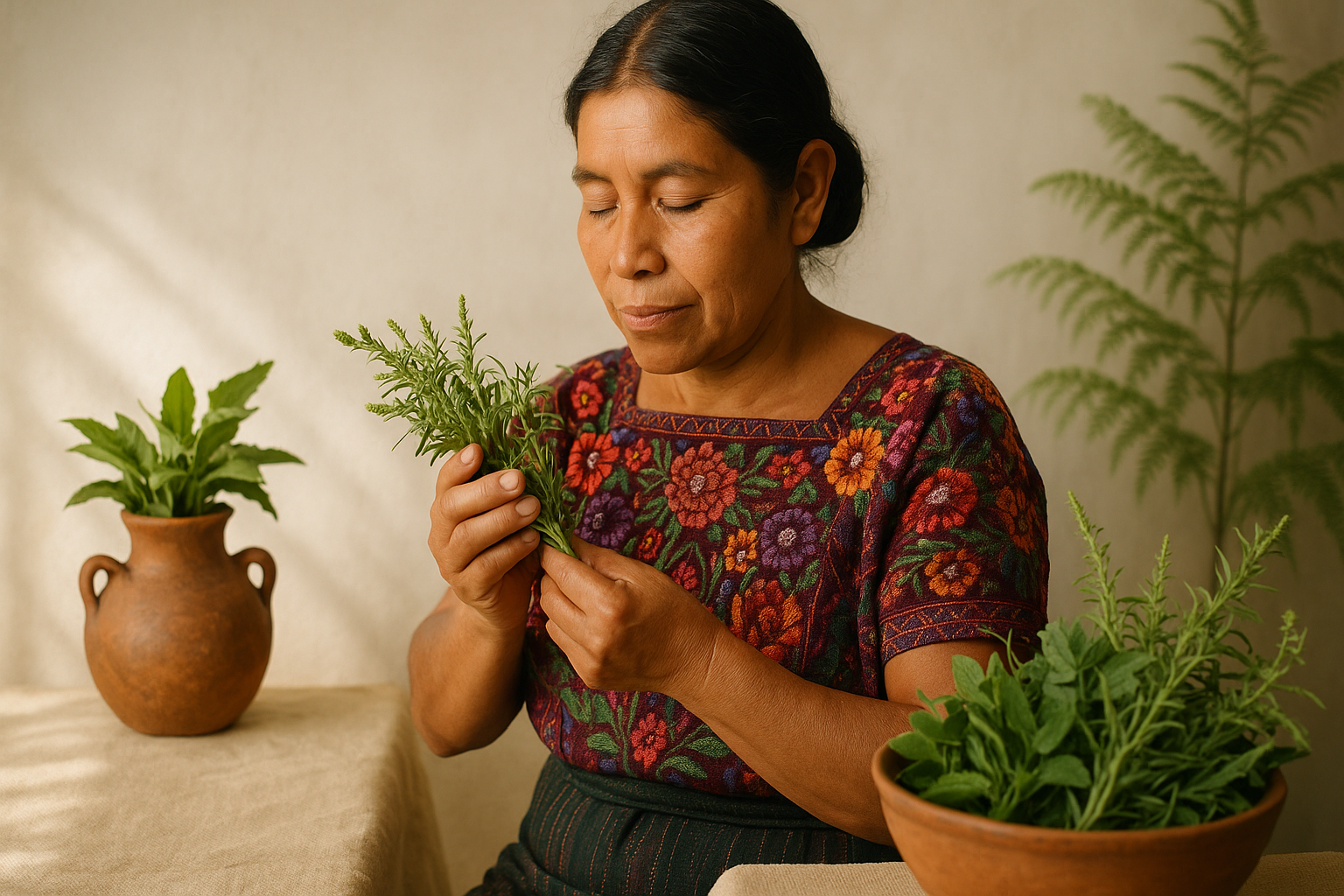
- Ritual Actions: This may involve dancing, drumming, chanting, or the use of sacred herbs such as sage or sweetgrass.
- Closing: The ritual concludes with expressions of gratitude and sharing of food or offerings.
Throughout the process, participants are encouraged to engage mindfully, allowing the ritual to unfold in a manner that honors their cultural heritage.
What It Is Traditionally Explored For
Traditional Rituals are commonly explored for various purposes, often centered around themes of healing and balance. They are traditionally used for:
- Physical Healing: Helping individuals address ailments or restore health.
- Emotional Well-being: Providing support for mental health challenges and fostering resilience.
- Spiritual Connection: Deepening one's relationship with the spiritual realm and nature.
- Community Cohesion: Strengthening bonds among community members and promoting collective well-being.
- Rites of Passage: Marking significant life transitions and honoring personal growth.
While the specific goals may differ among tribes, the overarching aim is to create harmony within oneself and with the surrounding environment.
What Modern Research Suggests
Modern research into Traditional Rituals within Native American Medicine is still in its early stages, but preliminary studies indicate that participation in these rituals can have positive effects on mental and physical health. Some research suggests that engaging in communal rituals may lead to enhanced feelings of belonging, reduced stress, and improved emotional well-being.
Moreover, studies have explored the impact of traditional healing practices, including rituals, on chronic conditions. While results are promising, it is important to approach these findings with caution, as more rigorous scientific studies are needed to establish definitive conclusions regarding efficacy and mechanisms of action.
Safety, Contraindications & Who Should Skip
While Traditional Rituals are generally considered safe, individuals interested in participating should be mindful of certain factors:
- Personal Beliefs: Participation may not resonate with those who do not share the cultural or spiritual beliefs inherent in the rituals.
- Health Conditions: Individuals with specific medical conditions or mental health issues should consult with a healthcare professional before engaging in rituals.
- Environmental Sensitivities: Some rituals involve the use of herbs or incense that may trigger allergies or sensitivities.
It is crucial for individuals to assess their own comfort level and seek guidance from knowledgeable practitioners if uncertain.
Pairs Well With (within Native American Medicine and across pillars)
Traditional Rituals can be complemented by several other modalities within Native American Medicine and beyond, including:
- Herbal Medicine
- Energy Healing
- Massage Therapy
- Storytelling and Oral Traditions
- Nature-Based Practices
Integrating these practices can enhance the overall experience of healing and connection.
How to Find a Qualified Practitioner
Finding a qualified practitioner who specializes in Traditional Rituals can be a meaningful journey. Consider the following steps:
- Research: Look for practitioners who have a deep understanding of the cultural context and history of the rituals.
- Community Recommendations: Engage with local Indigenous communities or organizations that may offer guidance or referrals.
- Credentials: Ensure that the practitioner has appropriate training and experience in conducting Traditional Rituals.
- Personal Connection: Seek a practitioner with whom you feel comfortable and aligned in values.
Establishing a trusting relationship is crucial for a meaningful experience.
FAQs (5)
- What types of Traditional Rituals exist? There are numerous types, including healing ceremonies, rites of passage, and seasonal celebrations.
- Can anyone participate in Traditional Rituals? Participation is often encouraged, but it is important to respect cultural beliefs and practices.
- Are Traditional Rituals religious? Many rituals involve spiritual elements, but they can also be cultural and community-centered.
- How long do these rituals typically last? The duration can vary widely, ranging from a few hours to multiple days, depending on the specific ritual.
- Is there a cost associated with participating in rituals? Costs may vary; some rituals are offered freely, while others may involve donations or fees for materials.
Frequently asked
What types of Traditional Rituals exist?
There are numerous types, including healing ceremonies, rites of passage, and seasonal celebrations.
Can anyone participate in Traditional Rituals?
Participation is often encouraged, but it is important to respect cultural beliefs and practices.
Are Traditional Rituals religious?
Many rituals involve spiritual elements, but they can also be cultural and community-centered.
How long do these rituals typically last?
The duration can vary widely, ranging from a few hours to multiple days, depending on the specific ritual.
Is there a cost associated with participating in rituals?
Costs may vary; some rituals are offered freely, while others may involve donations or fees for materials.