Sacred Plants
Learn about Sacred Plants in Native American Medicine, their historical significance, traditional uses, and insights from modern research.
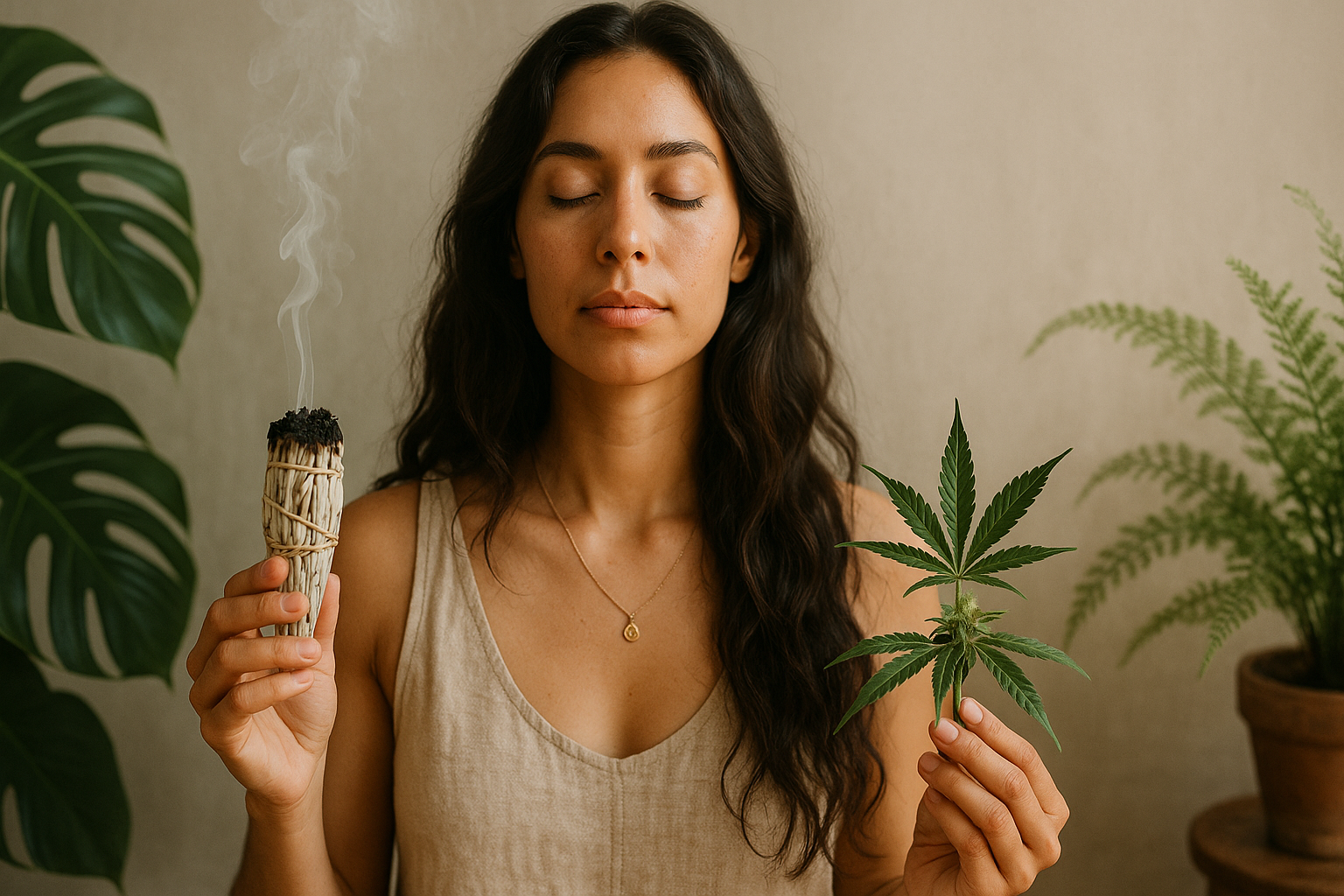
Explore the practice of Sacred Plants within Native American Medicine, understanding its historical roots, traditional applications, and modern perspectives.
What It Is
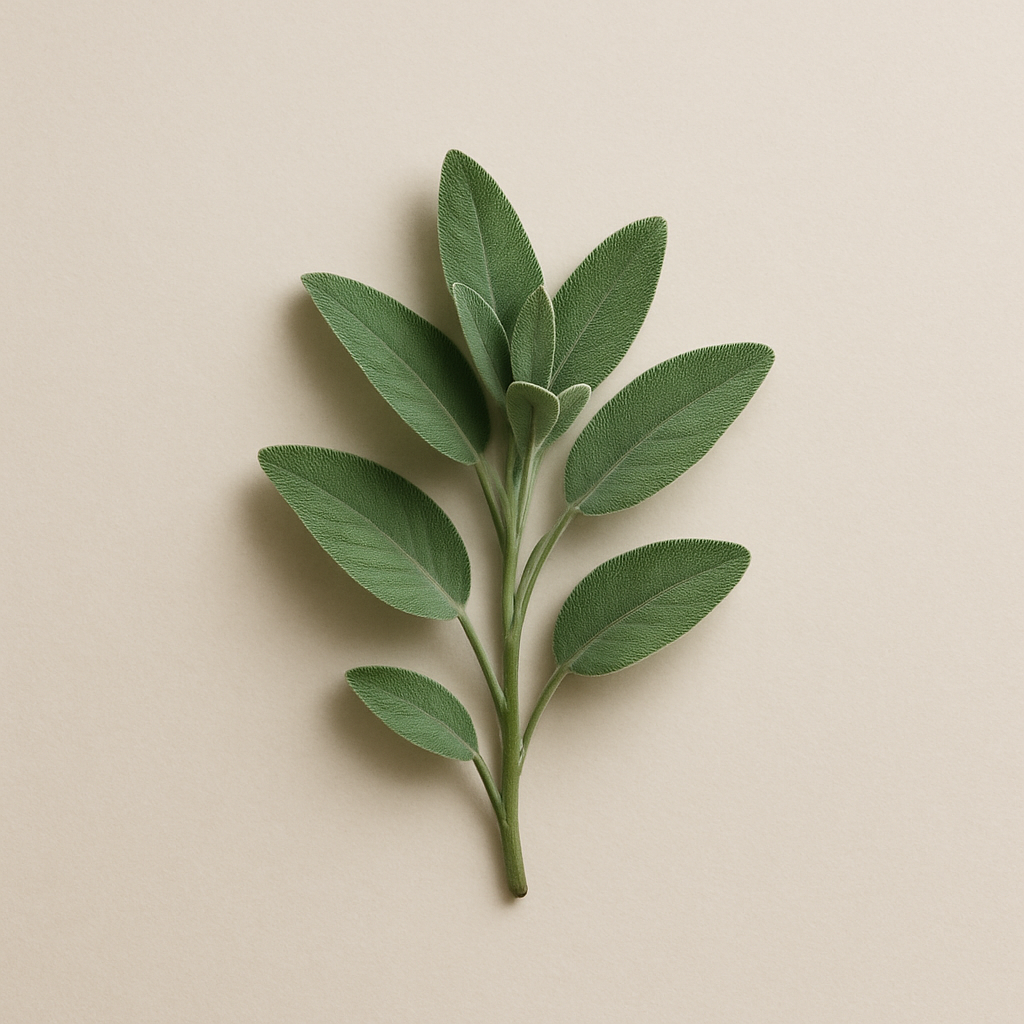
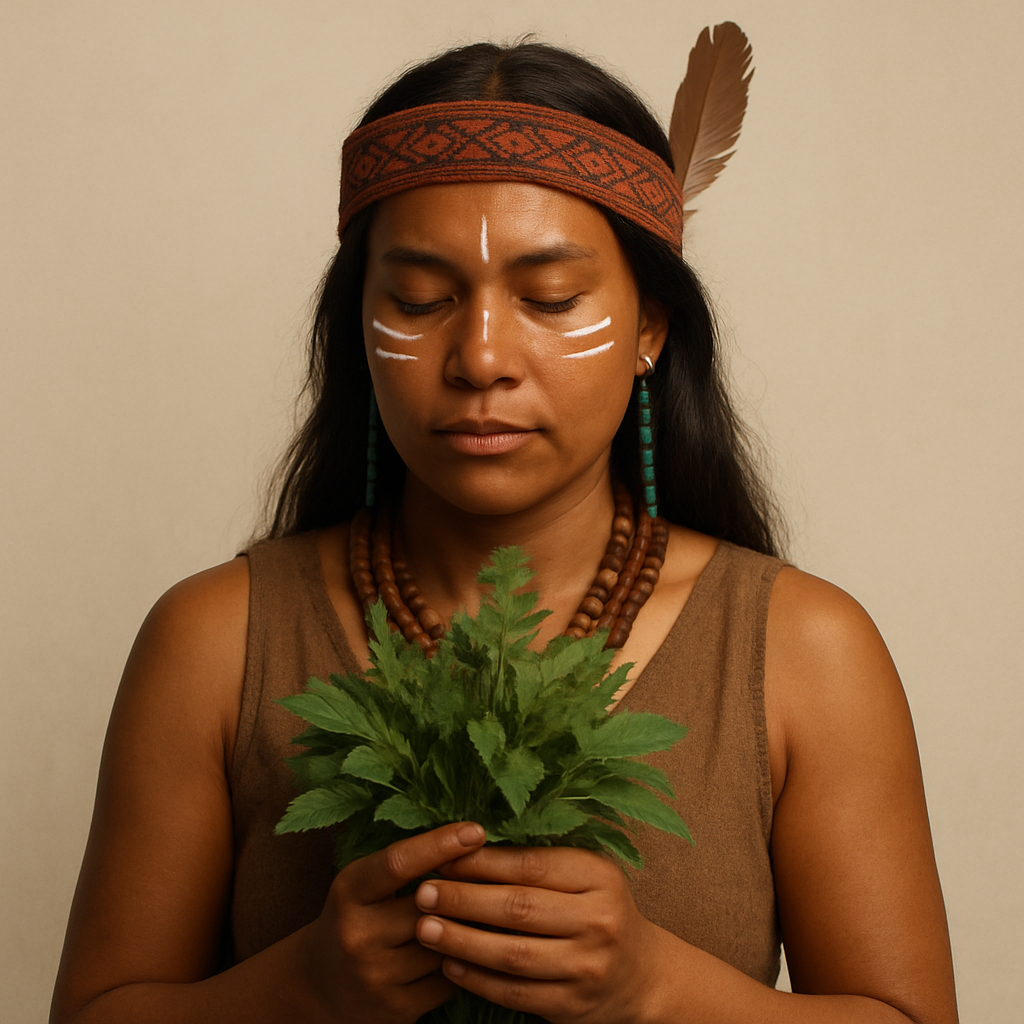
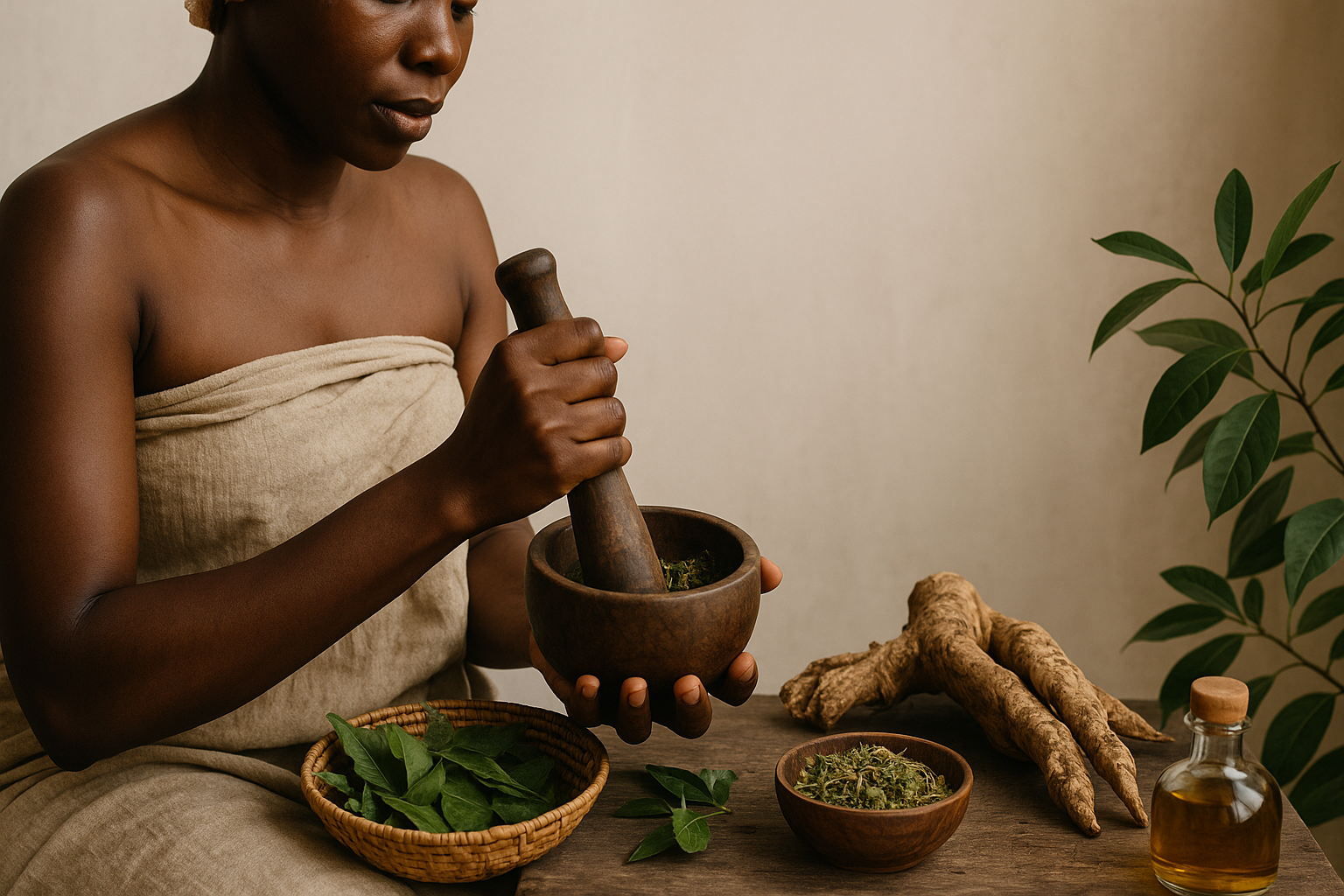
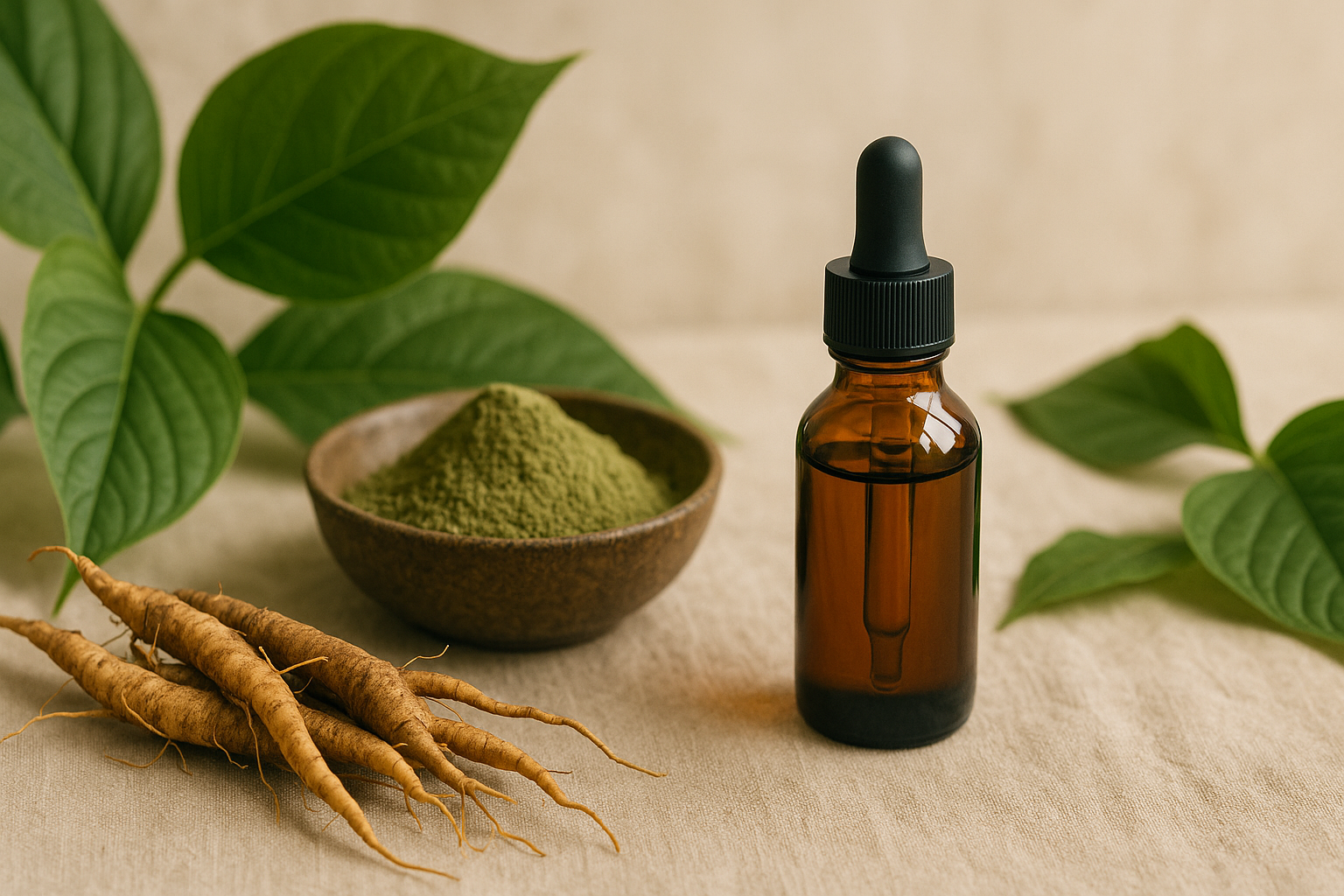
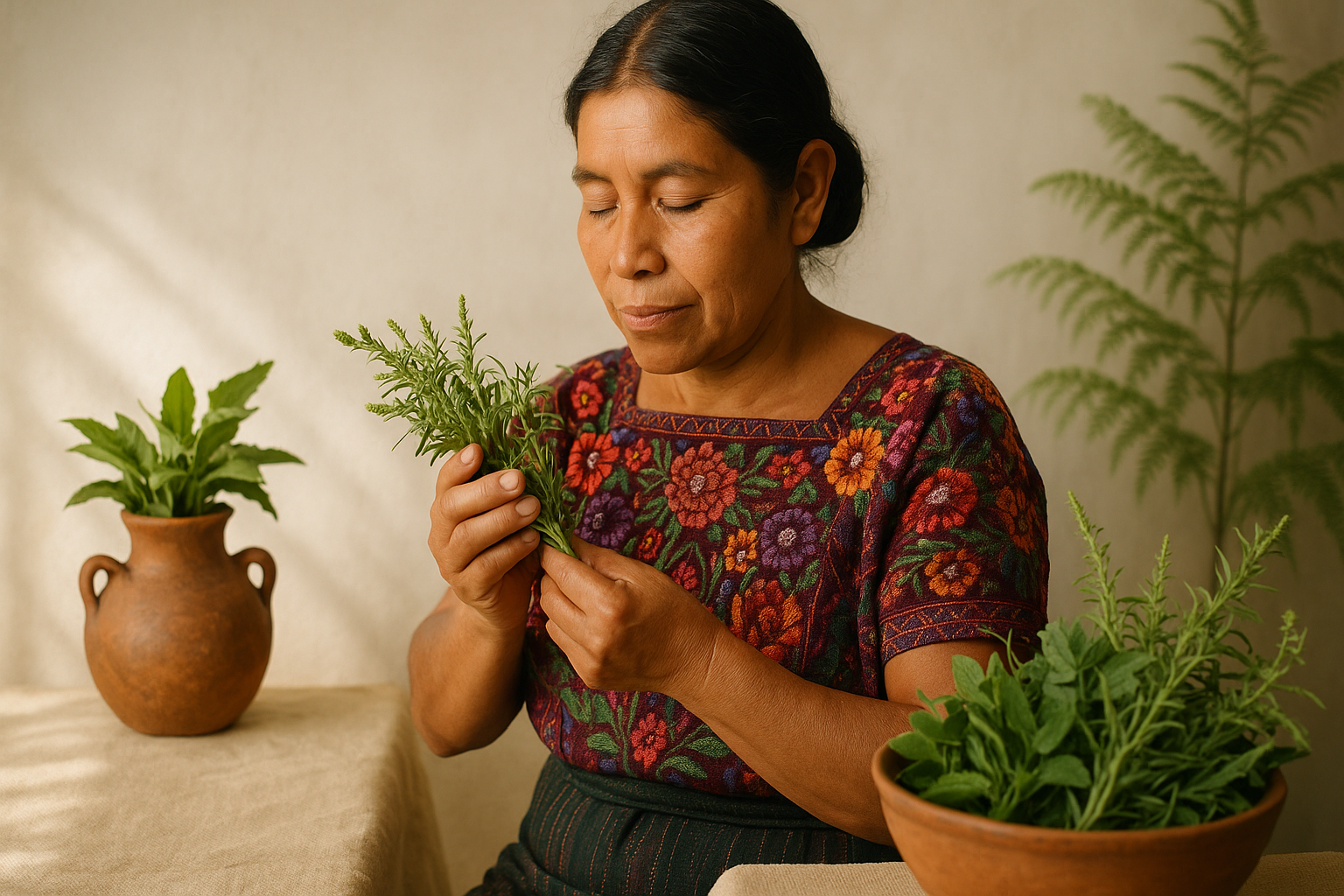
Sacred Plants are revered within Native American Medicine for their spiritual, medicinal, and cultural significance. These plants are often utilized in rituals, healing ceremonies, and as tools for connecting with the spiritual realm. They are believed to possess unique properties that can facilitate healing and foster a deeper relationship with nature.
In Native American traditions, the use of Sacred Plants is not merely about physical healing; it encompasses a holistic approach that integrates body, mind, and spirit. Each plant has its own unique qualities and teachings, making them integral to the spiritual practices and medicinal knowledge of various tribes.
Historical Context Within Native American Medicine
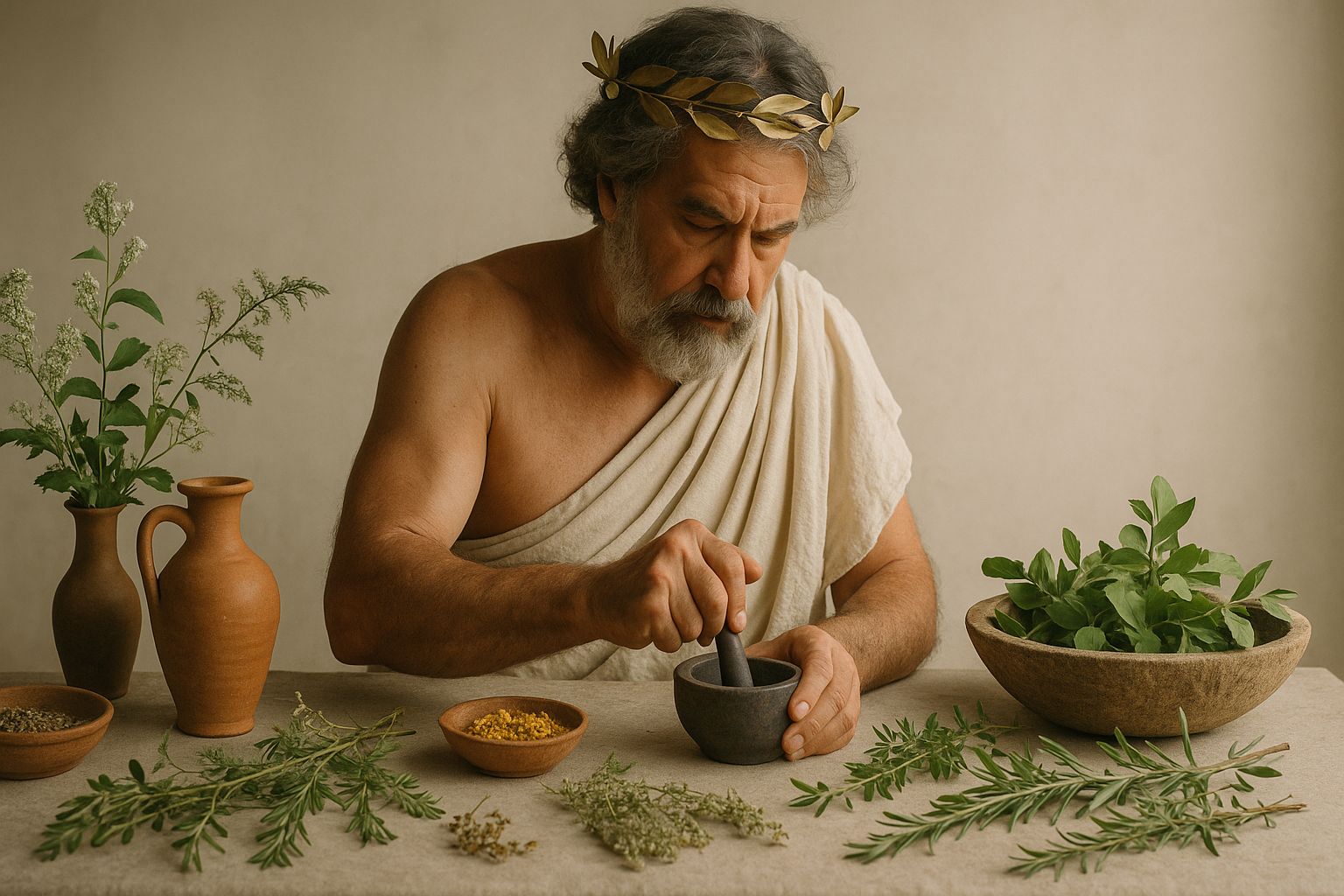
The use of Sacred Plants in Native American Medicine has ancient roots, evolving over thousands of years. Various tribes developed their own unique practices and relationships with these plants, often passed down through generations via oral traditions and spiritual teachings. The rich tapestry of Native American culture reflects a deep respect for the natural world, which is evident in the way these plants are incorporated into daily life and rituals.
Many tribes, including the Lakota, Navajo, and Cherokee, have specific plants they regard as sacred, each with its own set of teachings and uses. The emergence of these practices can often be traced back to the early interactions between Native peoples and their environment, fostering a system of knowledge that continues to be relevant today.
How It's Practiced
The practice of utilizing Sacred Plants typically involves several steps, guided by experienced practitioners. Here’s a general overview of the process:
- Preparation: The practitioner prepares both physically and spiritually, often through meditation or prayer.
- Gathering: Sacred Plants are often harvested with respect for the earth, following traditional ecological practices.
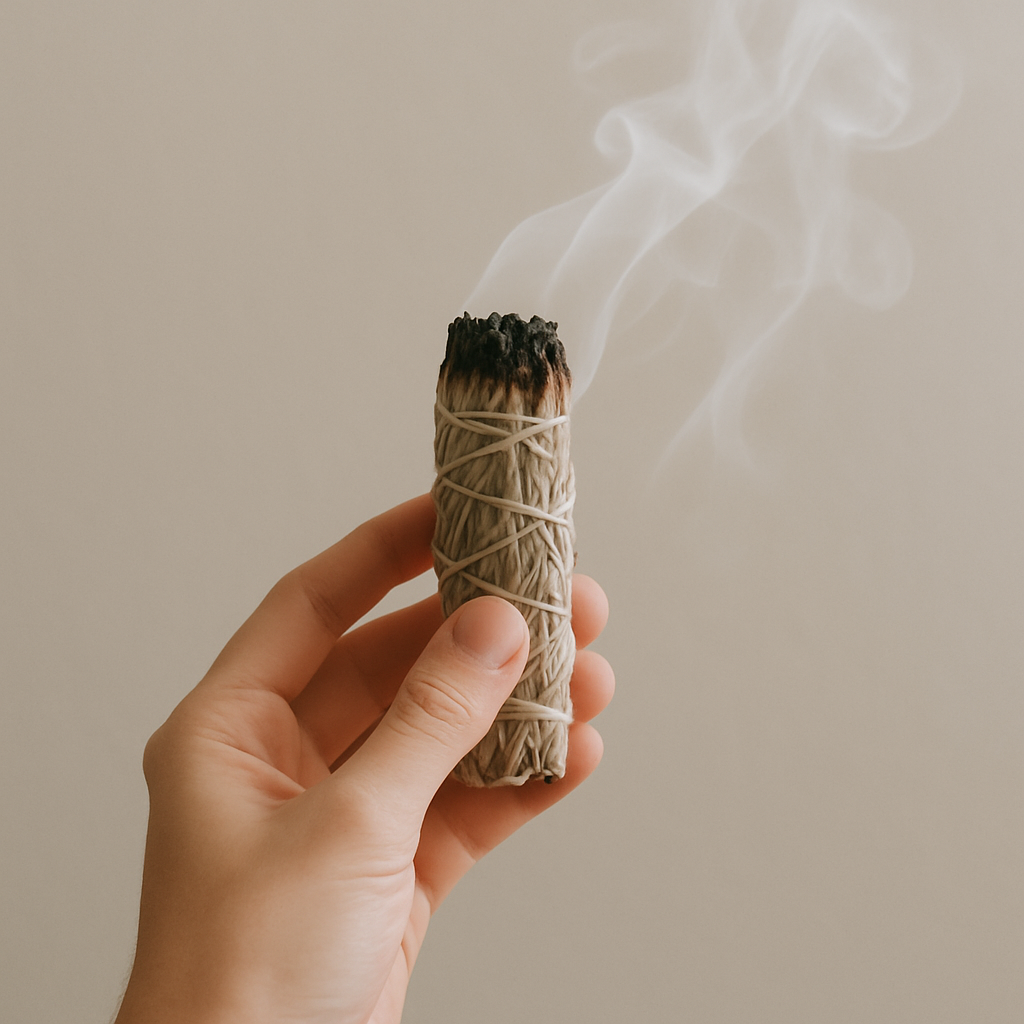
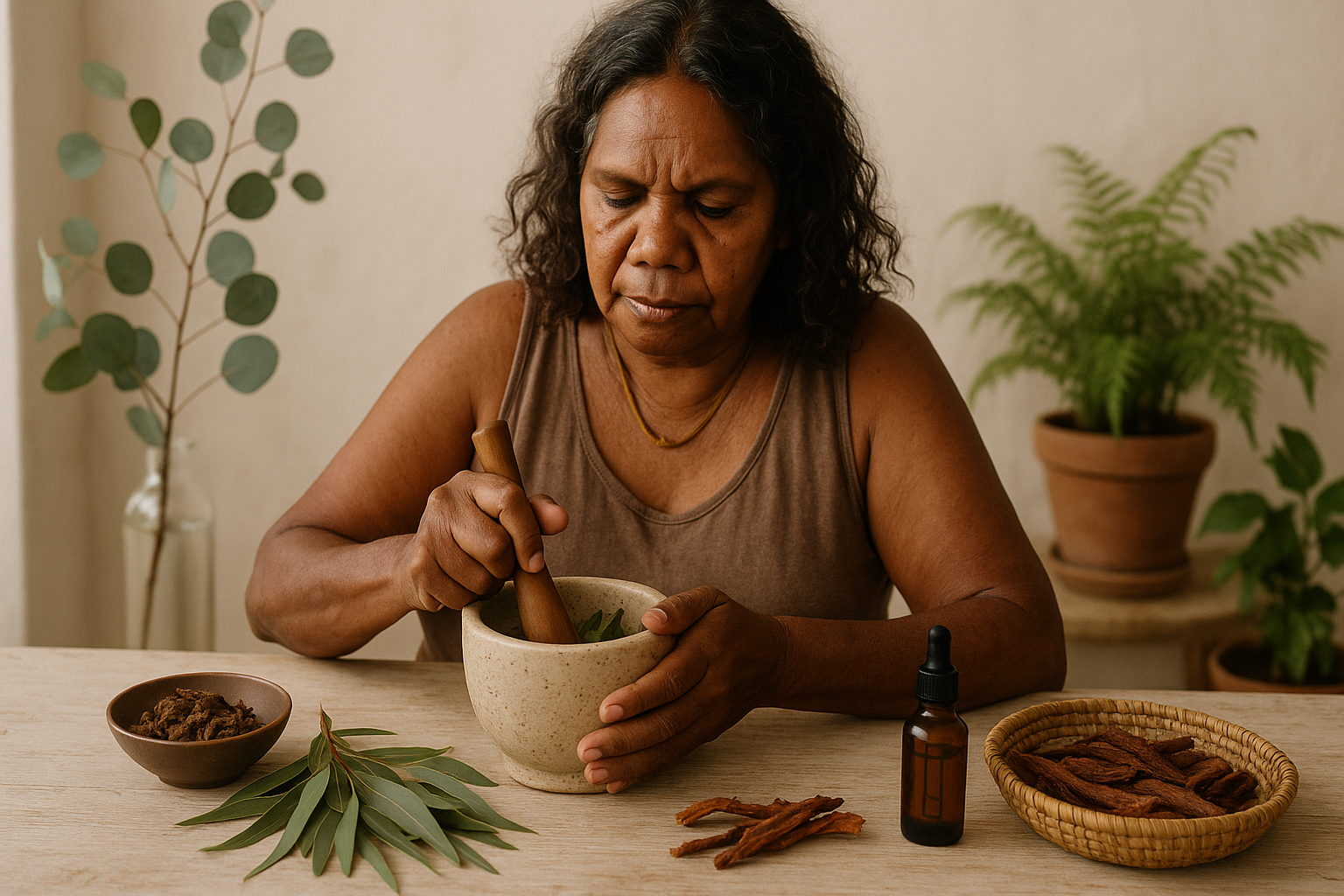
- Ritual Use: The plants may be used in ceremonies, which can include smudging, infusion, or direct consumption.
- Integration: After the experience, practitioners often reflect on the insights gained during the process.
What It Is Traditionally Explored For
Sacred Plants are traditionally used for a variety of purposes, including but not limited to:
- Spiritual connection and guidance
- Emotional and psychological healing
- Physical ailments, such as inflammation or pain
- Enhancing intuition and self-awareness
- Facilitating community bonding and cultural rituals
While these uses are historically significant, it is important to approach them with respect and understanding of the cultural context.
What Modern Research Suggests
Recent studies have begun to explore the potential benefits of various Sacred Plants, highlighting their traditional uses in a modern scientific context. For example, some research suggests that plants such as sage and sweetgrass may possess antimicrobial properties, supporting their use in cleansing rituals.
Other studies are examining the psychological effects of certain plants, particularly in relation to mental health. Initial findings indicate that the active compounds in some Sacred Plants may help alleviate symptoms of anxiety and depression, aligning with traditional beliefs about their healing properties. However, more research is needed to fully understand these effects and their implications for modern wellness.
Safety, Contraindications & Who Should Skip
While Sacred Plants are considered safe when used in traditional contexts, there are important considerations to keep in mind:
- Individuals with known allergies to specific plants should avoid them.
- Pregnant or nursing women should consult healthcare providers before use.
- Those with pre-existing health conditions or who are on medications should approach use cautiously.
- It is advisable to seek guidance from experienced practitioners to ensure proper use and understanding.
Pairs Well With (within Native American Medicine and across pillars)
Sacred Plants can complement various other practices within Native American Medicine, such as:
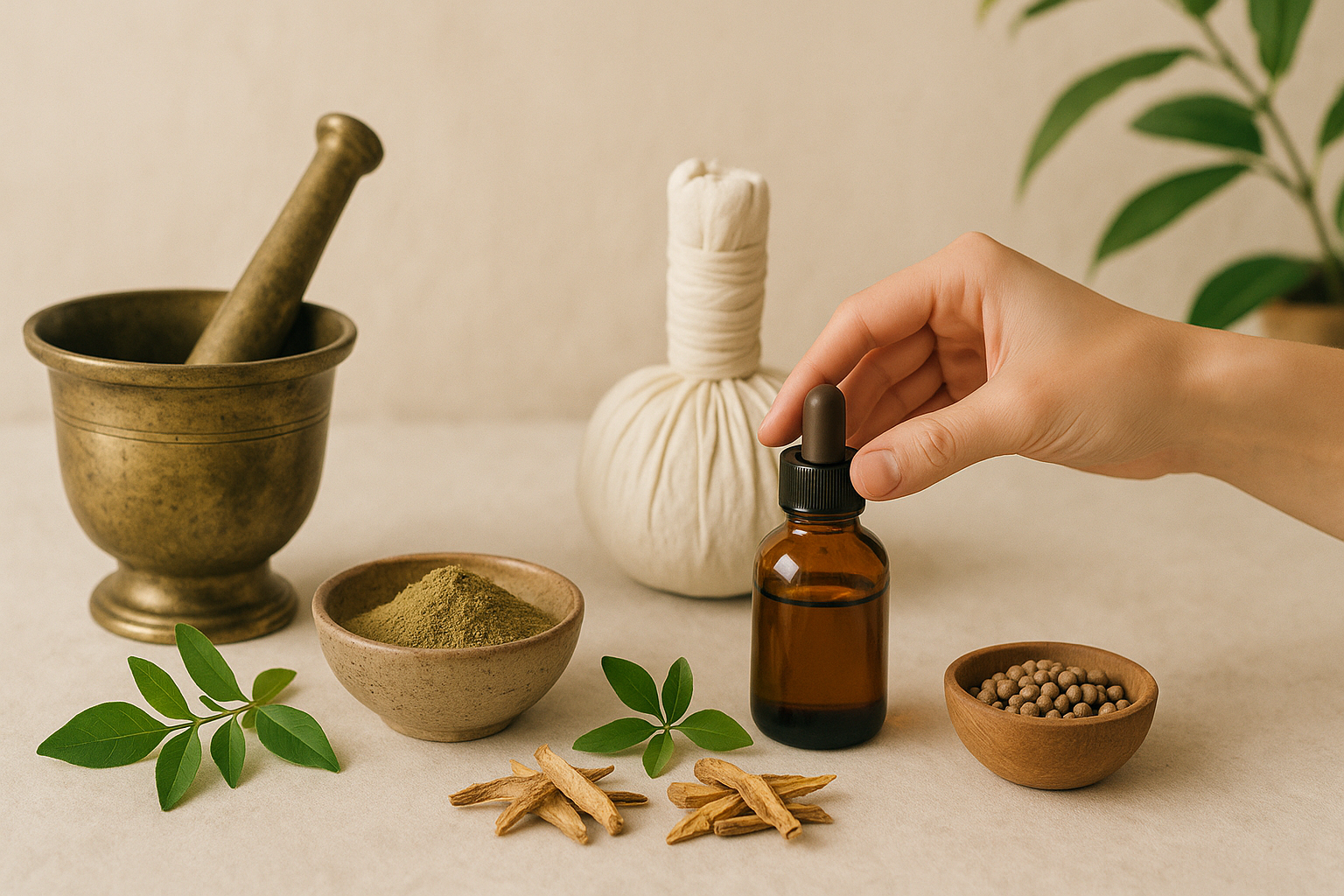
- Herbal Medicine
- Spiritual Counseling
- Traditional Healing Ceremonies
- Dream Work
- Energy Healing
How to Find a Qualified Practitioner
Finding a qualified practitioner for Sacred Plants involves several steps:
- Research: Look for practitioners who have a strong background in Native American traditions and ethics.
- Recommendations: Seek referrals from trusted individuals or community members.
- Interviews: Speak with practitioners to understand their approach and experience.
- Respect for Tradition: Ensure the practitioner honors the cultural significance and traditional practices associated with Sacred Plants.
FAQs (5)
- What are Sacred Plants? Sacred Plants are plants revered in Native American traditions for their spiritual and healing properties.
- How are they used in ceremonies? They are often used in rituals such as smudging, infusions, or offerings to connect with the spiritual realm.
- Are there any risks associated with their use? Yes, individuals should consider allergies, existing health conditions, and seek guidance from practitioners.
- Can Sacred Plants help with mental health? Some preliminary research suggests potential benefits, but more studies are needed to confirm these effects.
- How can I find a qualified practitioner? Look for recommendations, conduct interviews, and ensure they respect the traditions of Sacred Plants.
Frequently asked
What are Sacred Plants?
Sacred Plants are plants revered in Native American traditions for their spiritual and healing properties.
How are they used in ceremonies?
They are often used in rituals such as smudging, infusions, or offerings to connect with the spiritual realm.
Are there any risks associated with their use?
Yes, individuals should consider allergies, existing health conditions, and seek guidance from practitioners.
Can Sacred Plants help with mental health?
Some preliminary research suggests potential benefits, but more studies are needed to confirm these effects.
How can I find a qualified practitioner?
Look for recommendations, conduct interviews, and ensure they respect the traditions of Sacred Plants.