Smoke Cleansing
Delve into the ancient Native American practice of smoke cleansing, its history, methods, and the modern insights surrounding its use.
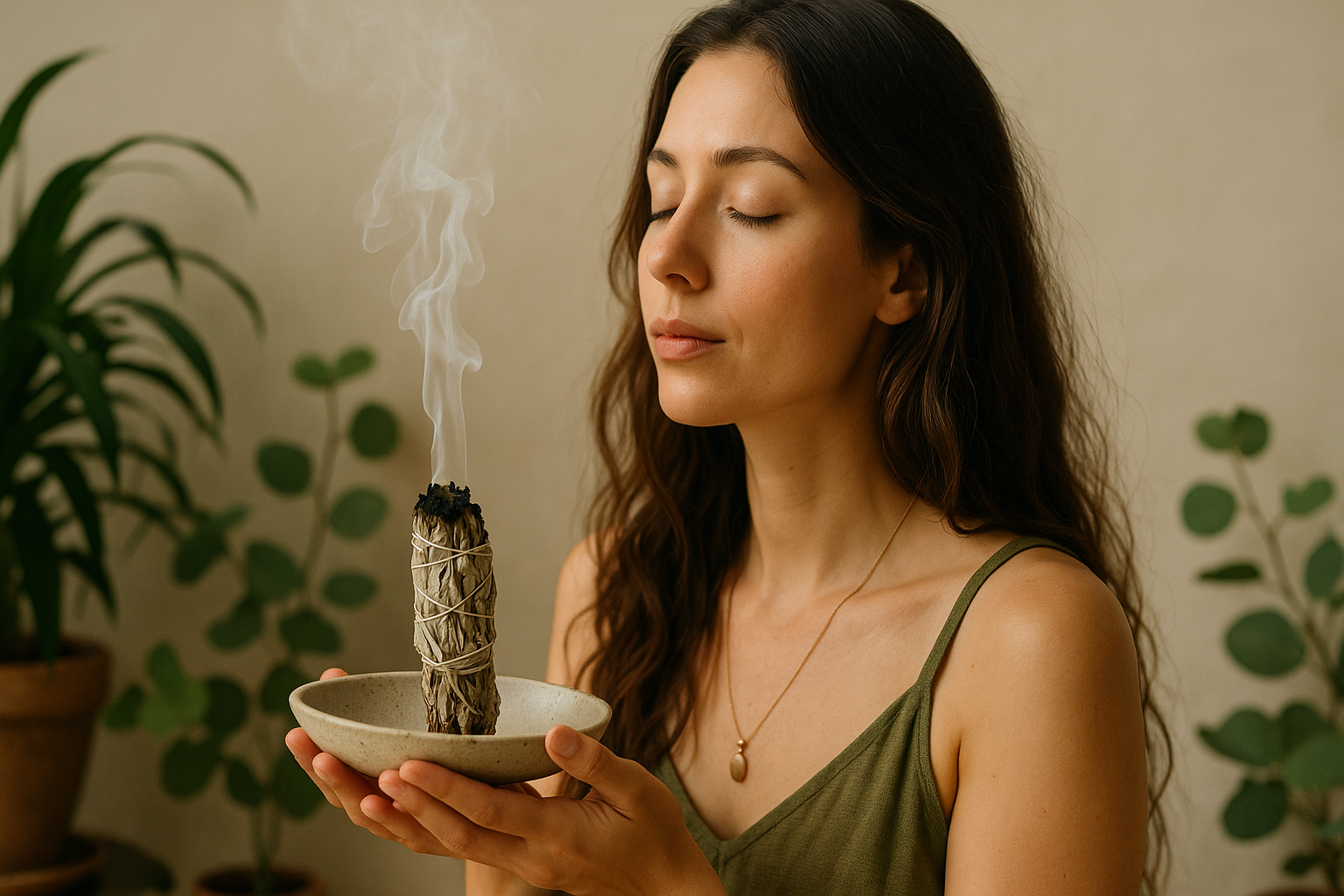
Explore the ancient practice of smoke cleansing in Native American Medicine, its historical significance, methods, and modern interpretations.
What It Is
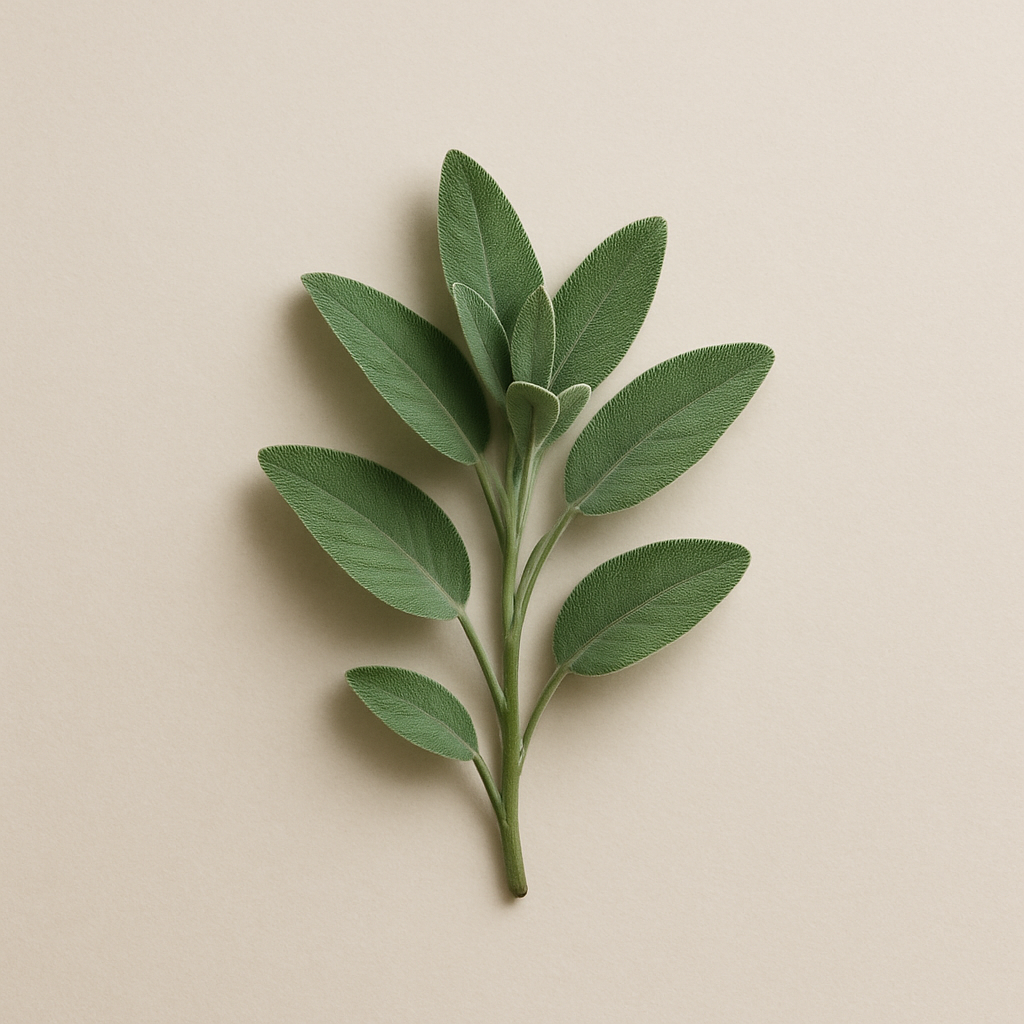
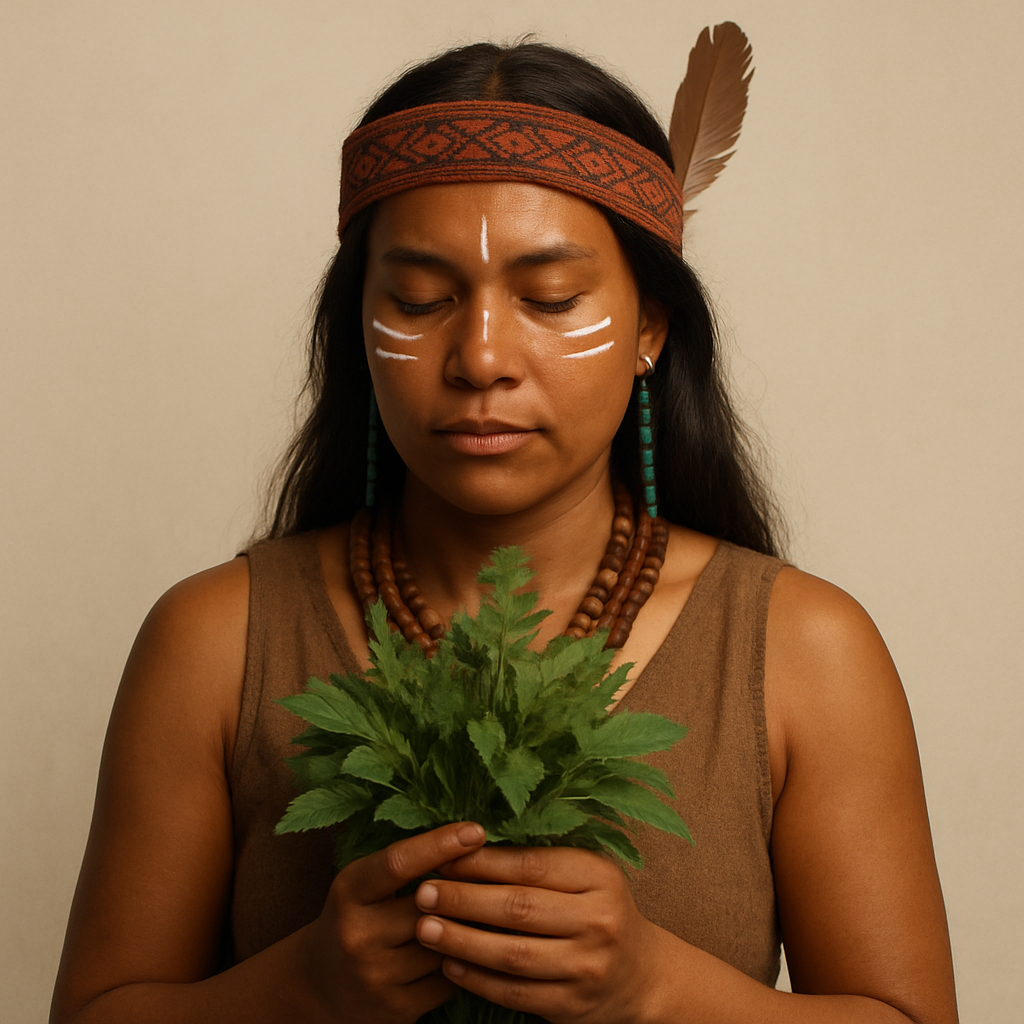
Smoke cleansing, a revered practice within Native American Medicine, involves the burning of sacred herbs to create smoke that is used for purification and spiritual connection. This ritualistic act is often seen as a way to cleanse spaces, objects, and individuals of negative energy or influences. Various herbs, such as sage, sweetgrass, and cedar, are traditionally employed in this process, each carrying its own significance and properties.
The smoke produced is believed to carry prayers and intentions to the spirit world, serving as a bridge between the physical and spiritual realms. Practitioners often engage in smoke cleansing as a means of fostering clarity, protection, and healing, reflecting the deep spiritual connection inherent in Native American traditions.
Historical Context Within Native American Medicine
Smoke cleansing has its roots deeply embedded in Native American culture, with origins that date back centuries. It has been practiced by various tribes across North America, each adapting the tradition to fit their unique cultural contexts and beliefs. The practice was developed by Indigenous peoples as a way to invoke the spirit of the plants being burned, seeking guidance and support from nature.
Historically, smoke cleansing was performed during significant life events such as births, marriages, and deaths, as well as during transitions or times of significant change. It is a practice that symbolizes the interconnectedness of all living things, emphasizing respect for the natural world and the spiritual entities that inhabit it.
How It's Practiced
The practice of smoke cleansing can vary among different tribes and practitioners, but generally follows a similar approach. Here is an overview of a typical smoke cleansing session:
- Preparation: Gather the necessary herbs, tools (such as a shell or bowl), and a lighter or matches.
- Setting Intentions: Before beginning, the practitioner often takes a moment to set their intentions for the cleansing, focusing on what they hope to achieve.
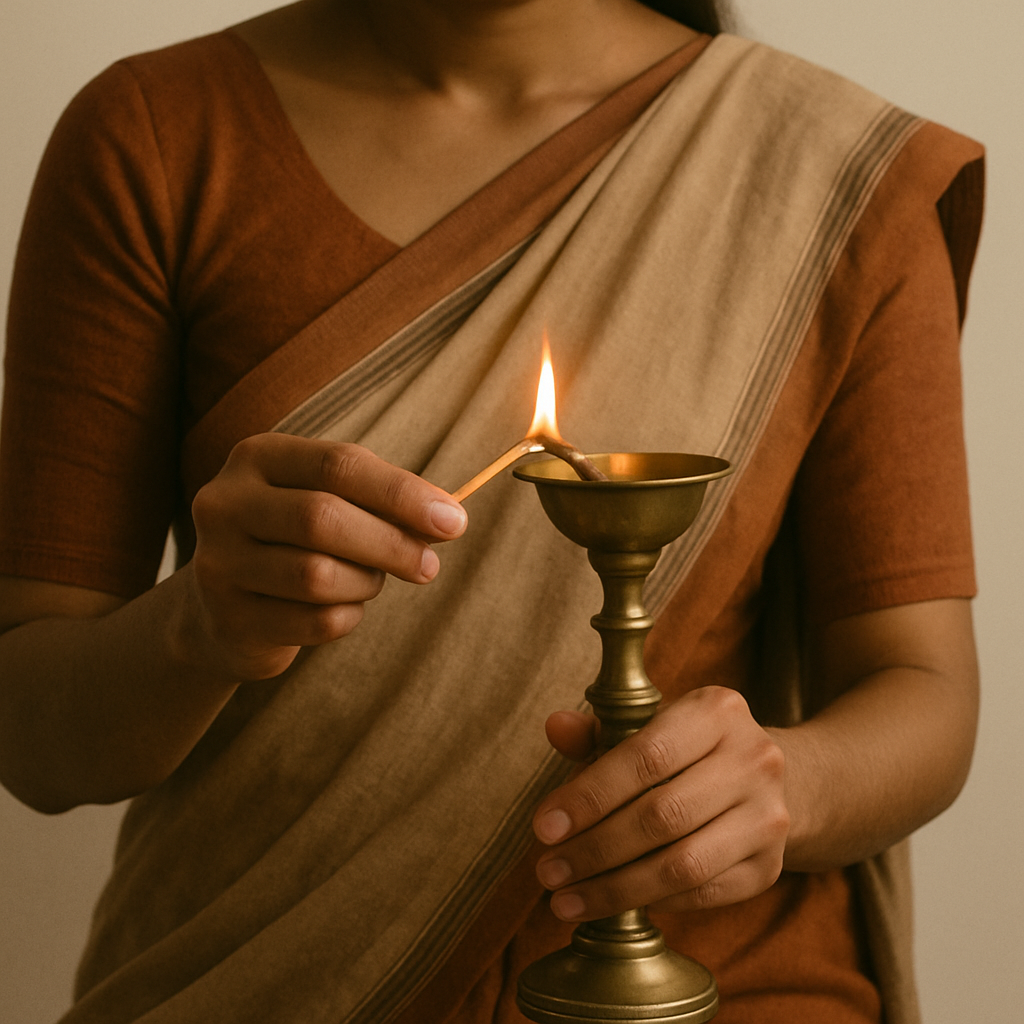
- Ignition: Light the herbs until they smolder and produce smoke, ensuring to let them burn safely.
- Movement: Walk around the area or individual to be cleansed, allowing the smoke to envelop them while chanting or praying as desired.
- Completion: Once the cleansing is complete, the practitioner may express gratitude, extinguishing the herbs in a respectful manner.
What It Is Traditionally Explored For
Traditionally, smoke cleansing has been used for a variety of purposes, including:
- Cleansing spaces of negative energies.
- Purifying objects before ceremonial use.
- Promoting emotional and spiritual healing.
- Enhancing meditation and prayer practices.
- Creating a sacred environment for rituals and gatherings.
While these uses reflect the beliefs of Indigenous cultures, it is essential to approach the practice with respect and understanding of its cultural significance and context.
What Modern Research Suggests
While traditional beliefs surrounding smoke cleansing are rich in cultural significance, modern research has begun to explore the potential benefits of this practice. Some preliminary studies suggest that the act of smoke cleansing may have psychological effects, such as reducing anxiety and promoting a sense of well-being. For example, the aromatic compounds released during the burning of certain herbs may have calming properties.
However, it is important to note that the scientific evidence is still developing. Much of the existing research focuses on the individual components of the herbs used rather than the ceremony itself. As with many traditional practices, further investigation is needed to fully understand the potential benefits and mechanisms at play.
Safety, Contraindications & Who Should Skip
While smoke cleansing is generally considered safe, there are some precautions to take:
- Individuals with respiratory issues, such as asthma or allergies, should proceed with caution or avoid smoke cleansing altogether.
- Pregnant individuals or those with compromised immune systems should consult a healthcare professional before engaging in smoke cleansing practices.
- Always ensure proper ventilation when performing smoke cleansing indoors.
Pairs Well With (within Native American Medicine and across pillars)
Smoke cleansing can complement various other practices within Native American Medicine, including:
- Herbal medicine (using specific herbs for targeted healing).
- Meditation and mindfulness practices.
- Traditional healing ceremonies and rituals.
- Other forms of energy work or spiritual cleansing.
How to Find a Qualified Practitioner
Finding a qualified practitioner for smoke cleansing can be an important step in ensuring a respectful and meaningful experience. Here are some tips:
- Seek recommendations from trusted sources within Indigenous communities.
- Look for practitioners who have formal training in Native American Medicine or a strong cultural background.
- Attend local events or workshops focused on Indigenous practices to connect with knowledgeable practitioners.
- Ask questions about their approach and experience to ensure alignment with your intentions.
FAQs (5)
- What herbs are commonly used in smoke cleansing? Sage, sweetgrass, and cedar are among the most commonly used herbs.
- Can anyone perform smoke cleansing? While anyone can attempt smoke cleansing, it is recommended to approach it with respect and understanding of its cultural significance.
- How often should smoke cleansing be performed? The frequency can vary; some may do it regularly, while others may use it for specific occasions or needs.
- Is smoke cleansing safe for children? If done in a well-ventilated area and with supervision, it can be safe, but consult with parents or guardians first.
- What is the difference between smoke cleansing and incense burning? Smoke cleansing is a ceremonial practice with specific intentions, while incense burning is often used for aroma or ambiance.
Frequently asked
What herbs are commonly used in smoke cleansing?
Sage, sweetgrass, and cedar are among the most commonly used herbs.
Can anyone perform smoke cleansing?
While anyone can attempt smoke cleansing, it is recommended to approach it with respect and understanding of its cultural significance.
How often should smoke cleansing be performed?
The frequency can vary; some may do it regularly, while others may use it for specific occasions or needs.
Is smoke cleansing safe for children?
If done in a well-ventilated area and with supervision, it can be safe, but consult with parents or guardians first.
What is the difference between smoke cleansing and incense burning?
Smoke cleansing is a ceremonial practice with specific intentions, while incense burning is often used for aroma or ambiance.