Mind-Body Balance
Delve into Mind-Body Balance, a practice in Native American Medicine, focusing on holistic health and well-being.
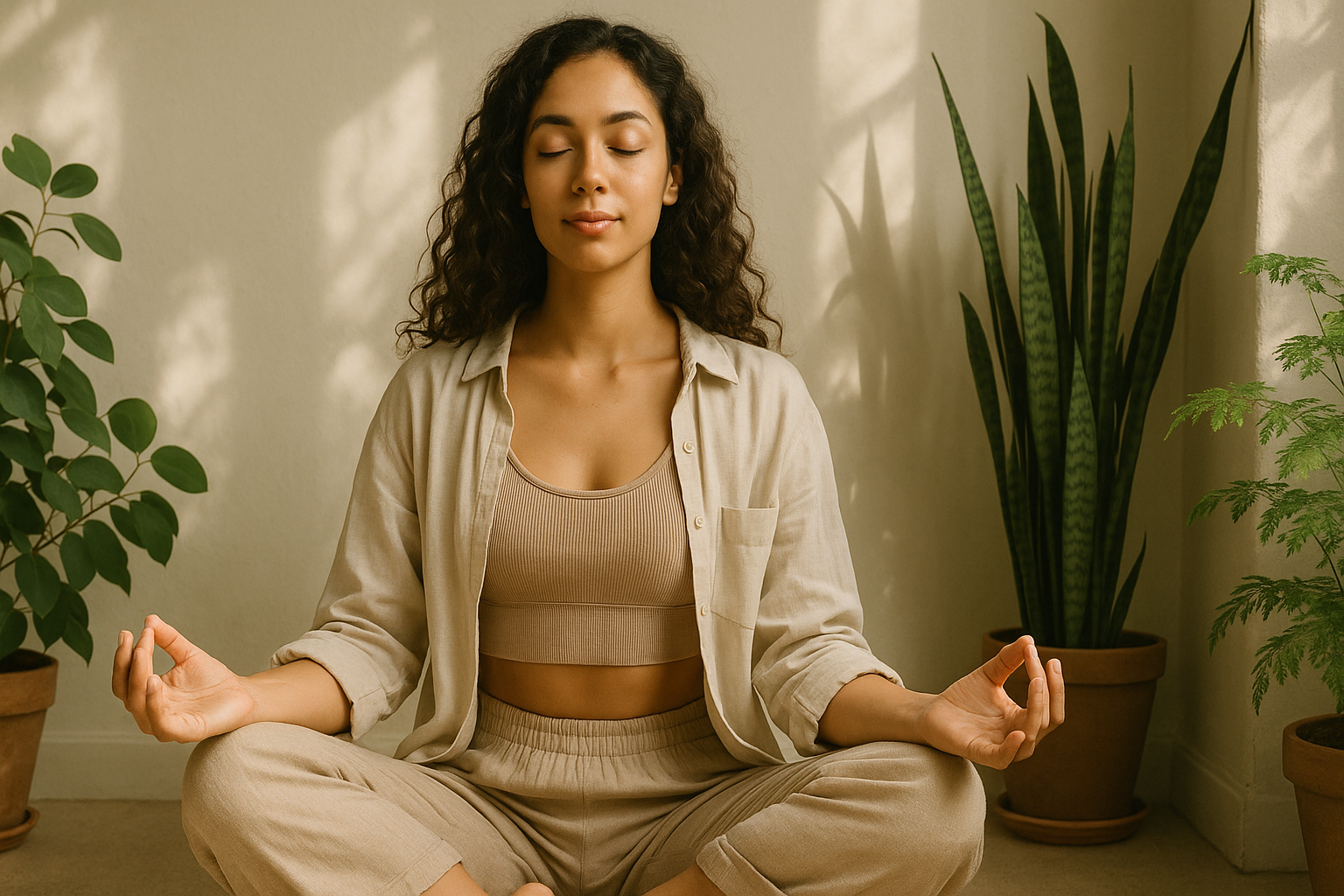
Explore the practice of Mind-Body Balance within Native American Medicine, its historical roots, modern interpretations, and guidelines for safe practice.
What It Is
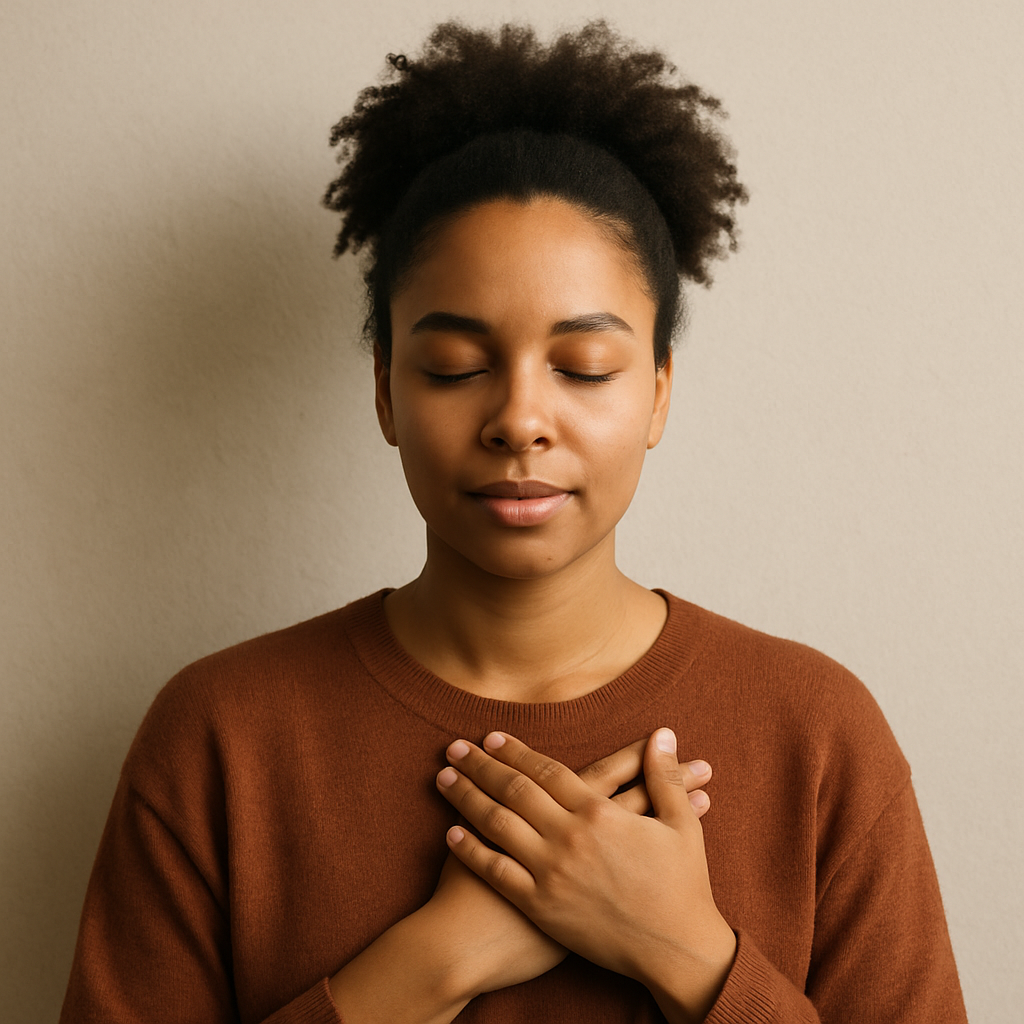
Mind-Body Balance is an integrative practice rooted in Native American Medicine that emphasizes the interconnectedness of the mind, body, and spirit. This approach recognizes that emotional, mental, and physical health are deeply intertwined, and achieving harmony among these aspects is essential for overall well-being.
Practitioners of Mind-Body Balance utilize various techniques to foster this harmony, often incorporating traditional rituals, meditation, and natural healing methods. The aim is to create a state of equilibrium that promotes healing and enhances quality of life.
Historical Context Within Native American Medicine
Mind-Body Balance has its roots in the ancient traditions of various Native American tribes, where holistic approaches to health were integral to community well-being. These practices emerged long before the development of modern medicine, with a focus on maintaining harmony within the individual and the community.
Traditional healers, or medicine people, played a crucial role in developing these concepts, drawing on ancestral knowledge and spiritual beliefs unique to their tribes. Over centuries, this wisdom has been passed down through generations, adapting to the needs of the community while retaining its core principles.
How It's Practiced
The practice of Mind-Body Balance involves several steps that help individuals connect with their inner selves and the world around them. A typical session may include:
- Initial Consultation: Understanding the individual's needs and goals.
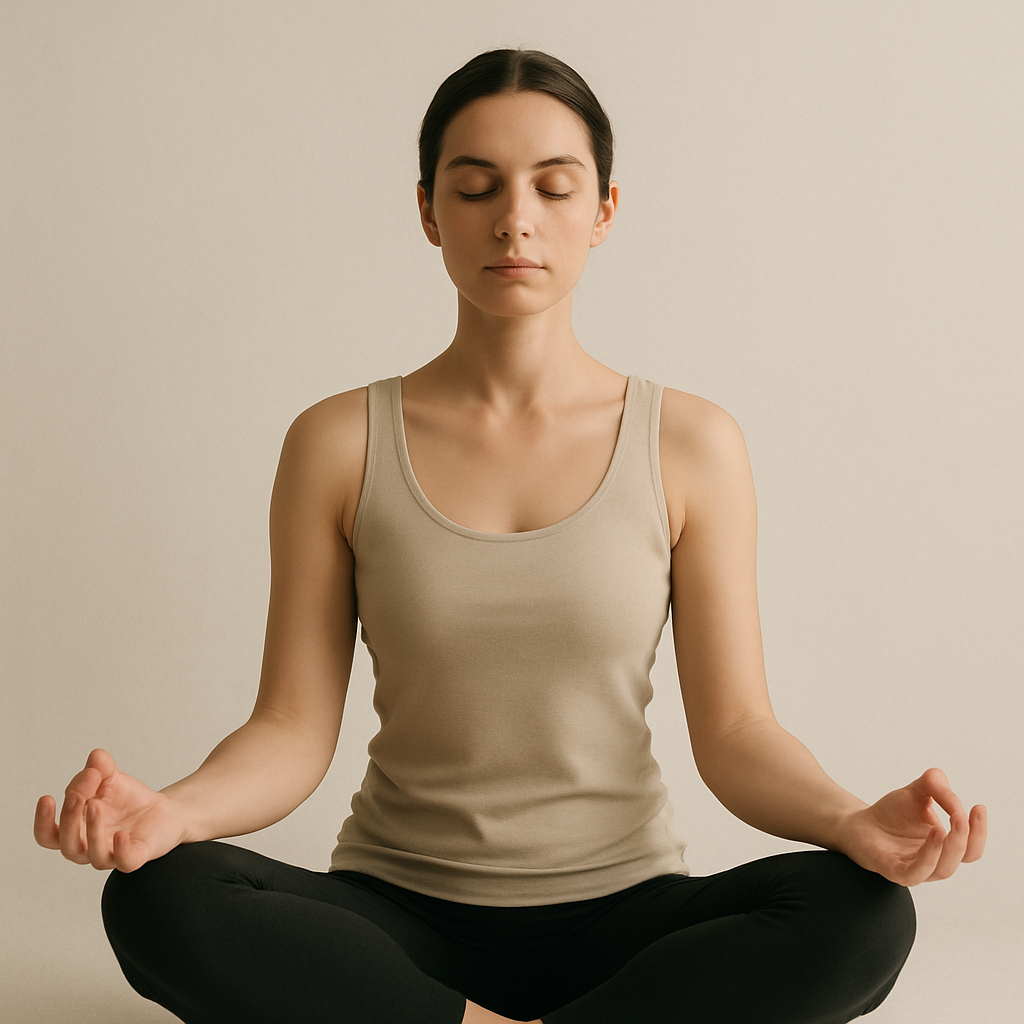
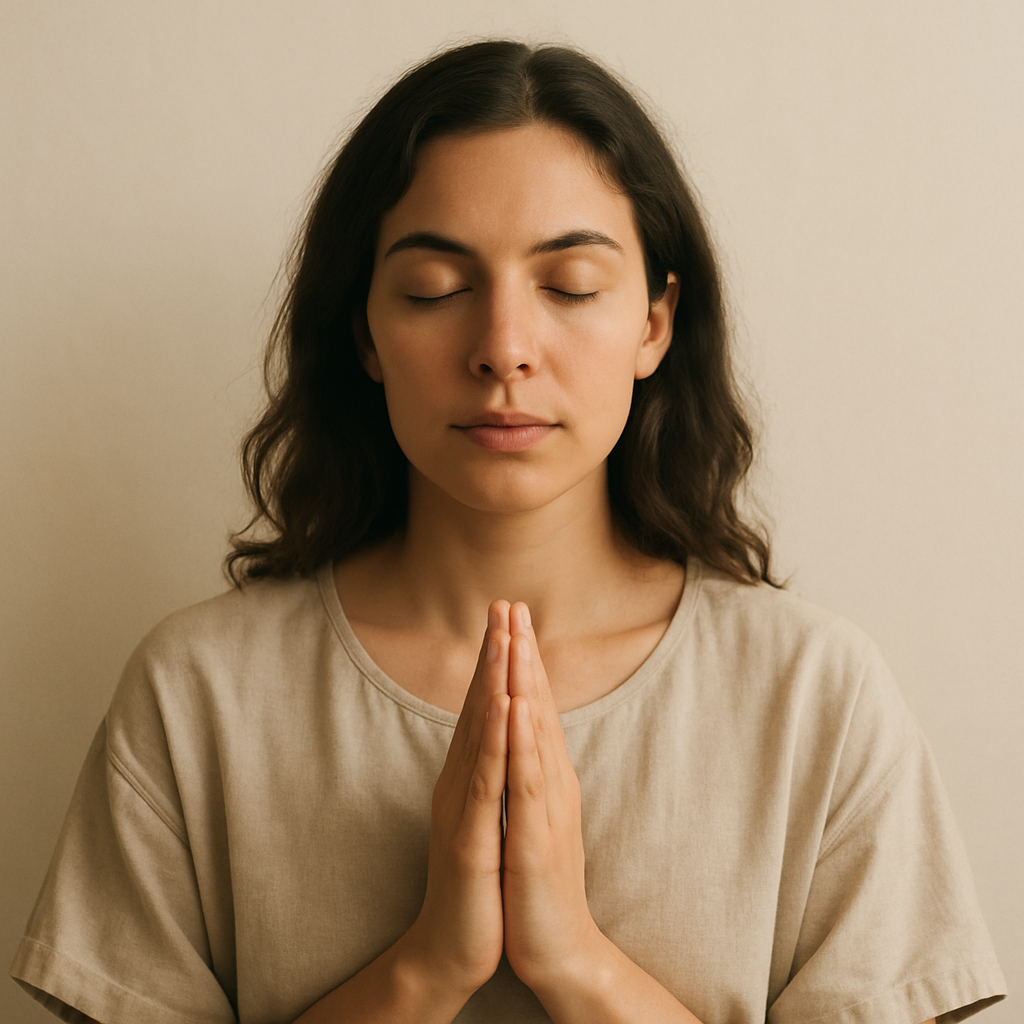
- Guided Meditation: Leading participants through relaxation techniques to quiet the mind.
- Breath Work: Focusing on breathing patterns to enhance awareness and calmness.
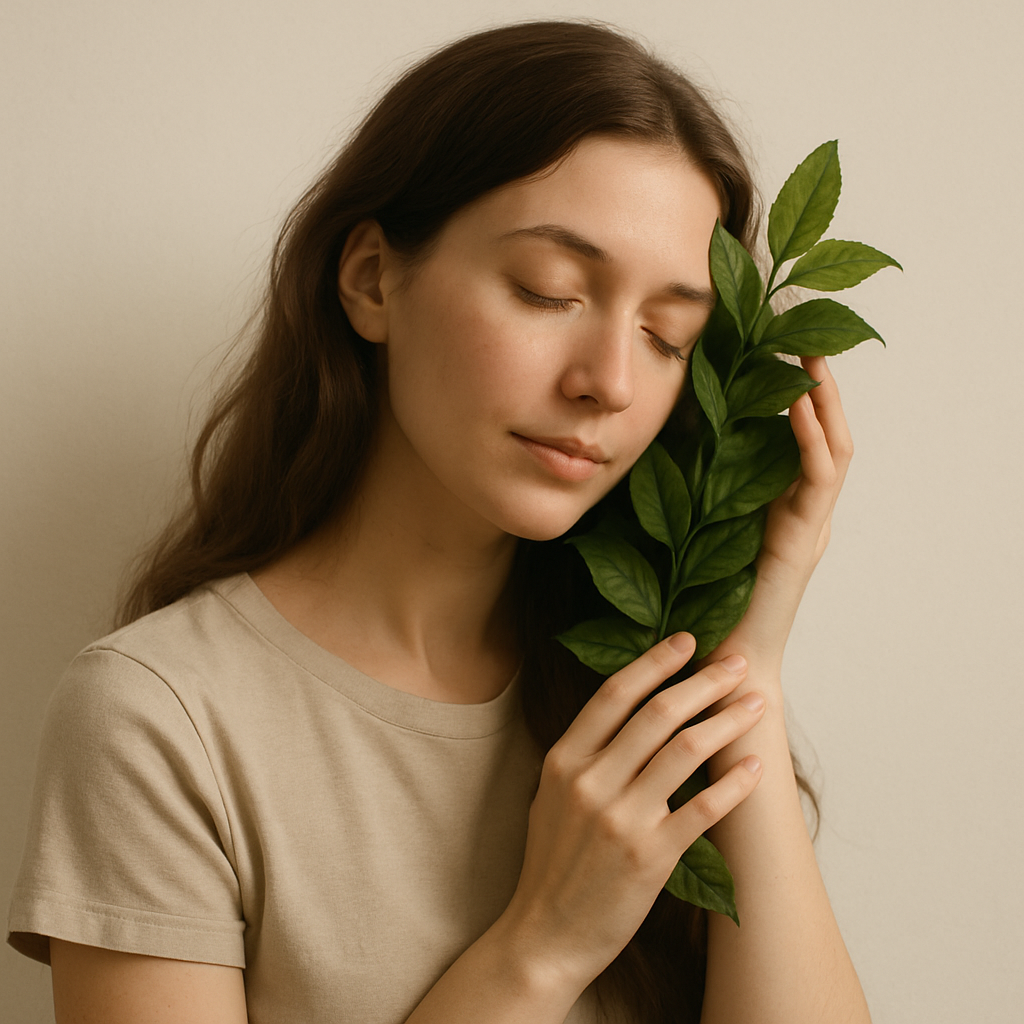
- Nature Connection: Engaging with nature through walks or rituals to foster a sense of belonging.
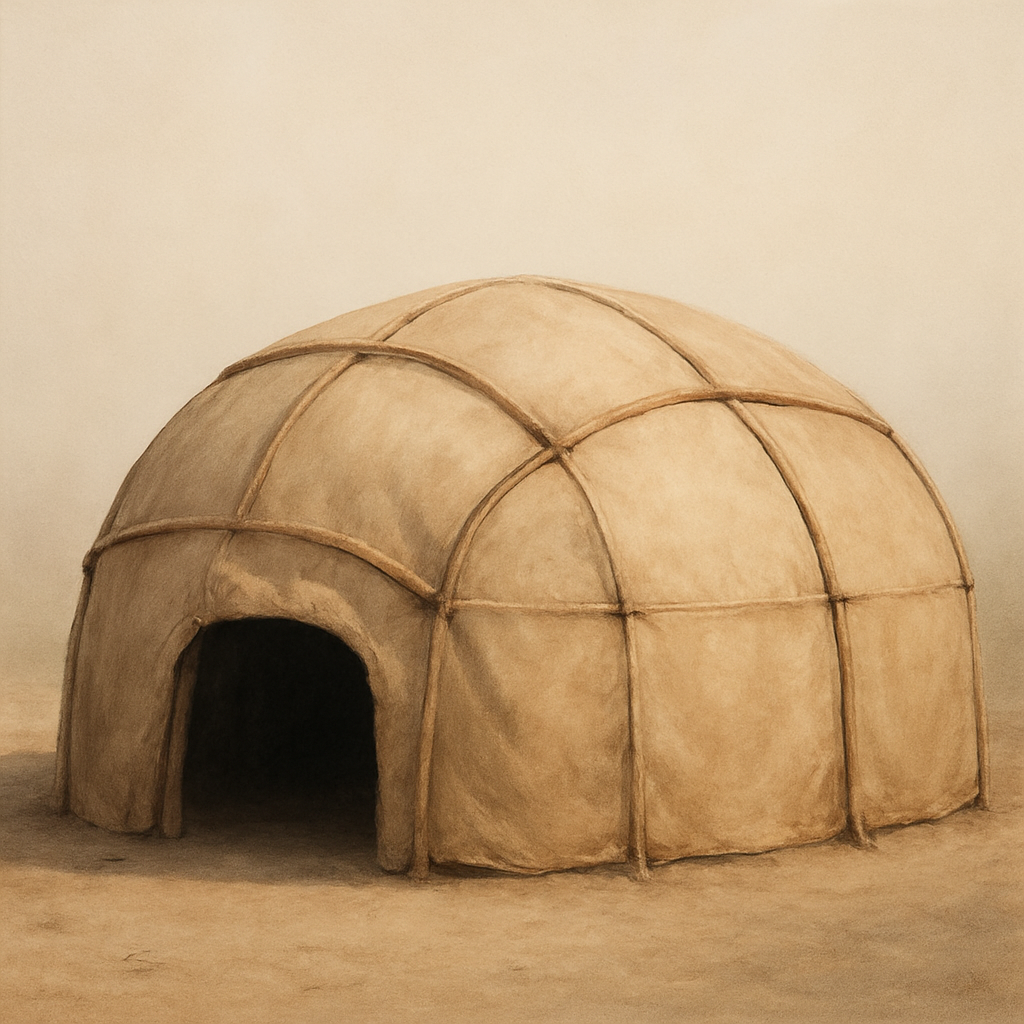
- Rituals and Ceremonies: Participating in traditional ceremonies that promote healing and connection.
Each session is tailored to the individual, ensuring that their unique experiences and emotional states are addressed.
What It Is Traditionally Explored For
Mind-Body Balance is traditionally used for various purposes, including:
- Emotional Healing: Addressing grief, anxiety, and stress.
- Physical Health: Supporting recovery from illness or injury.
- Spiritual Growth: Enhancing one's connection to self and spirit.
- Community Harmony: Strengthening relationships within families and communities.
These goals highlight the holistic nature of the practice, aiming to cultivate balance in all areas of life.
What Modern Research Suggests
Recent studies on mind-body practices have shown promising results in various aspects of health and wellness. Research indicates that techniques such as meditation and breath work can reduce stress levels, improve emotional regulation, and enhance overall well-being. While the scientific community is still exploring the full extent of these benefits, preliminary findings support the traditional beliefs held by Native American cultures regarding the importance of mind-body connection.
Moreover, clinical trials focusing on integrative approaches to health, including those inspired by Native American Medicine, have demonstrated potential in managing chronic conditions and improving quality of life. However, more rigorous research is needed to fully understand the mechanisms and long-term impacts of these practices.
Safety, Contraindications & Who Should Skip
While Mind-Body Balance is generally considered safe for most individuals, it is essential to approach it with care. Those with severe mental health conditions or who are undergoing crisis situations should consult a healthcare professional before engaging in these practices. Additionally, individuals with certain physical limitations or medical conditions may need to adapt specific techniques to ensure safety.
It is always advisable to inform practitioners of any existing health issues to tailor the approach appropriately.
Pairs Well With (within Native American Medicine and across pillars)
Mind-Body Balance complements various other practices and modalities, including:
- Herbal Medicine
- Spiritual Cleansing
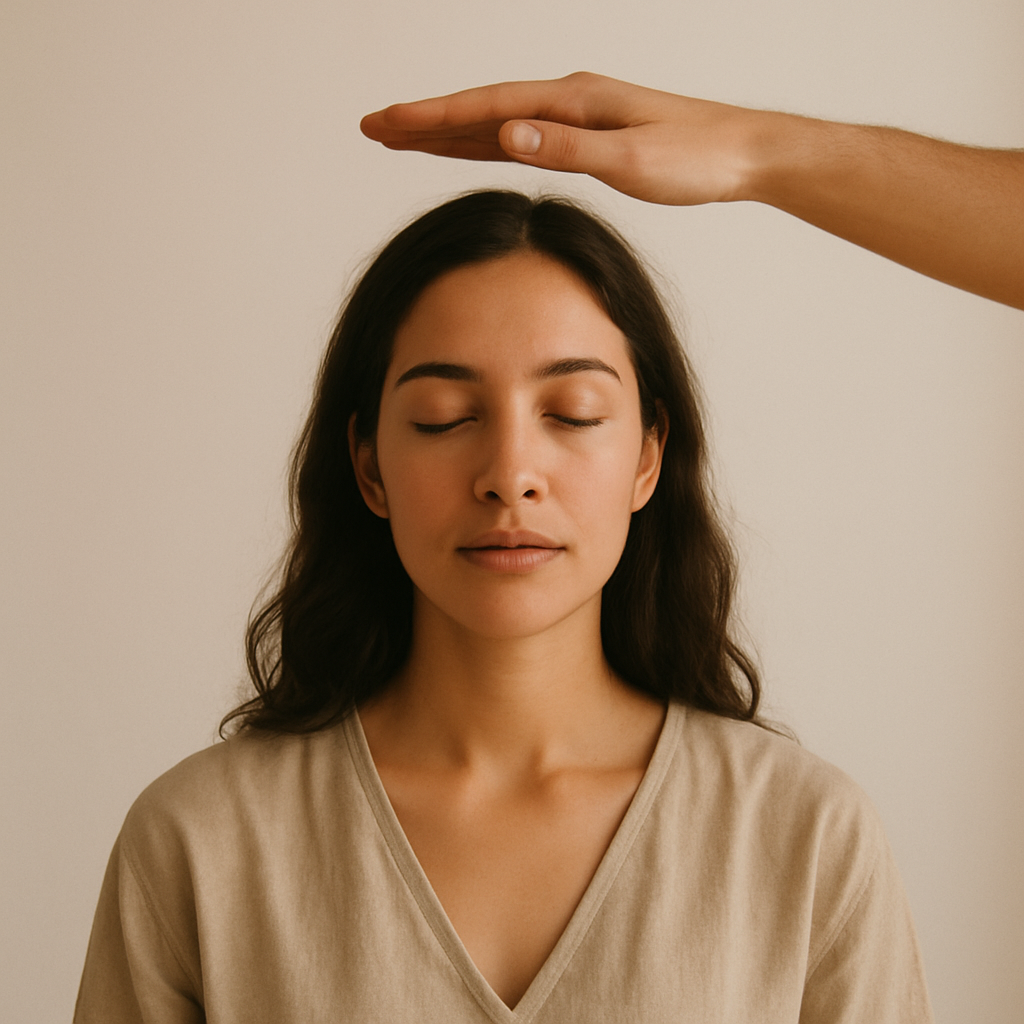
- Energy Healing
- Traditional Healing Rituals
- Nutrition and Diet Counseling
These practices, when combined, can enhance the overall effectiveness of an individual's healing journey.
How to Find a Qualified Practitioner
Finding a qualified practitioner in Mind-Body Balance involves several steps:
- Research: Look for practitioners with a background in Native American Medicine and experience in mind-body practices.
- Referrals: Seek recommendations from trusted sources or community members.
- Consultation: Schedule an initial meeting to discuss your needs and ensure that the practitioner’s approach resonates with you.
- Credentials: Verify any certifications or training related to Native American Medicine.
Building a relationship with a practitioner is essential for a successful and supportive healing experience.
FAQs (5)
- What is Mind-Body Balance?
Mind-Body Balance is a practice that focuses on the interconnectedness of the mind, body, and spirit, aiming to achieve overall well-being. - How is it practiced?
It typically involves guided meditations, breath work, nature engagement, and traditional rituals. - What is it traditionally used for?
It is traditionally explored for emotional healing, physical health, spiritual growth, and community harmony. - Is it safe for everyone?
While generally safe, individuals with severe mental health issues or certain physical limitations should consult a healthcare professional before participating. - How can I find a qualified practitioner?
Research, seek referrals, and consult with potential practitioners to ensure a good fit for your needs.
Frequently asked
What is Mind-Body Balance?
Mind-Body Balance is a practice that focuses on the interconnectedness of the mind, body, and spirit, aiming to achieve overall well-being.
How is it practiced?
It typically involves guided meditations, breath work, nature engagement, and traditional rituals.
What is it traditionally used for?
It is traditionally explored for emotional healing, physical health, spiritual growth, and community harmony.
Is it safe for everyone?
While generally safe, individuals with severe mental health issues or certain physical limitations should consult a healthcare professional before participating.
How can I find a qualified practitioner?
Research, seek referrals, and consult with potential practitioners to ensure a good fit for your needs.