Traditional Healing
Delve into the ancient practice of Traditional Healing in Mayan Medicine, exploring its history, methods, uses, and safety considerations.
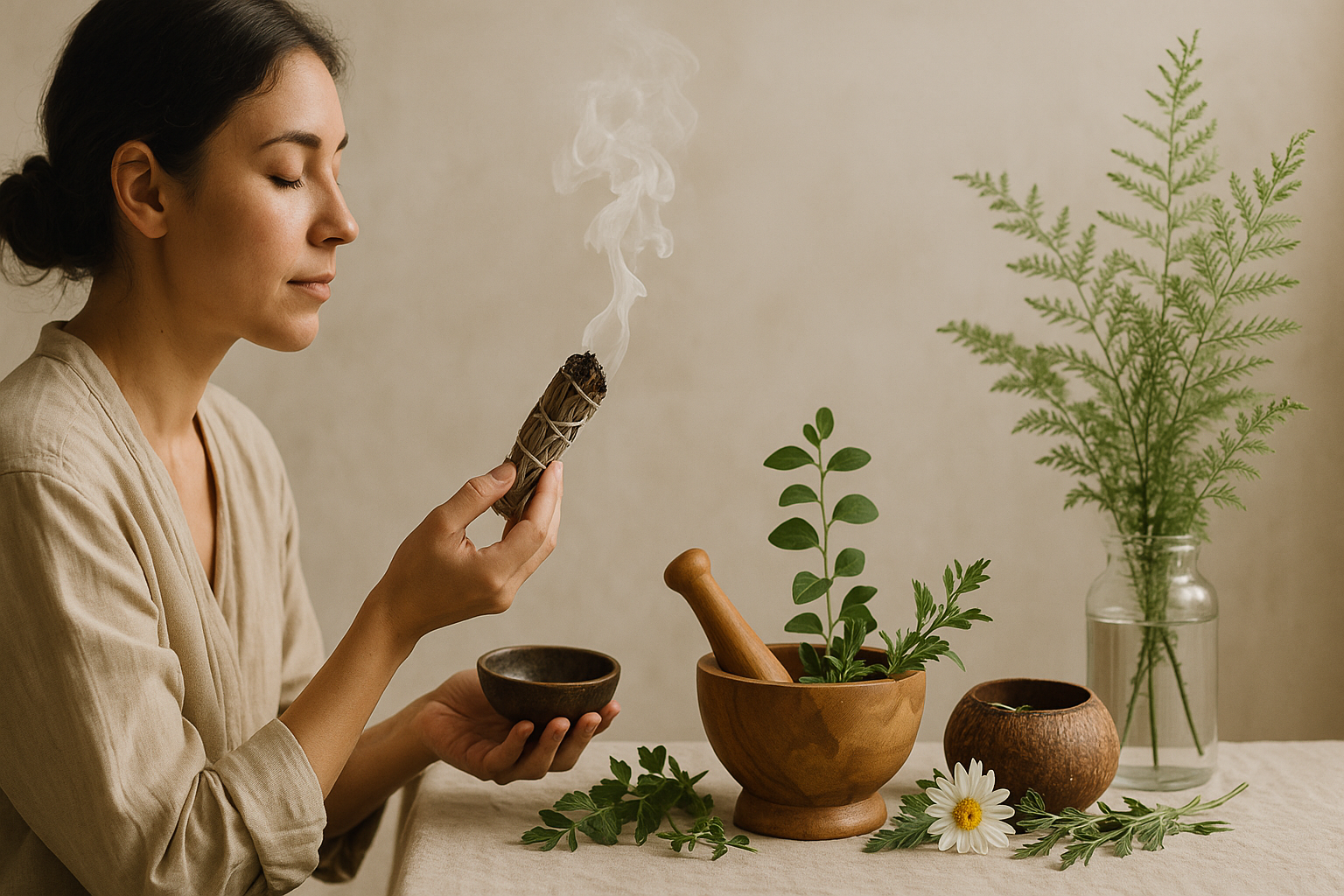
Explore Traditional Healing within Mayan Medicine, a practice rooted in ancient wisdom. Discover its historical context, methods, traditional uses, modern research insights, safety considerations, and how to find qualified practitioners.
What It Is
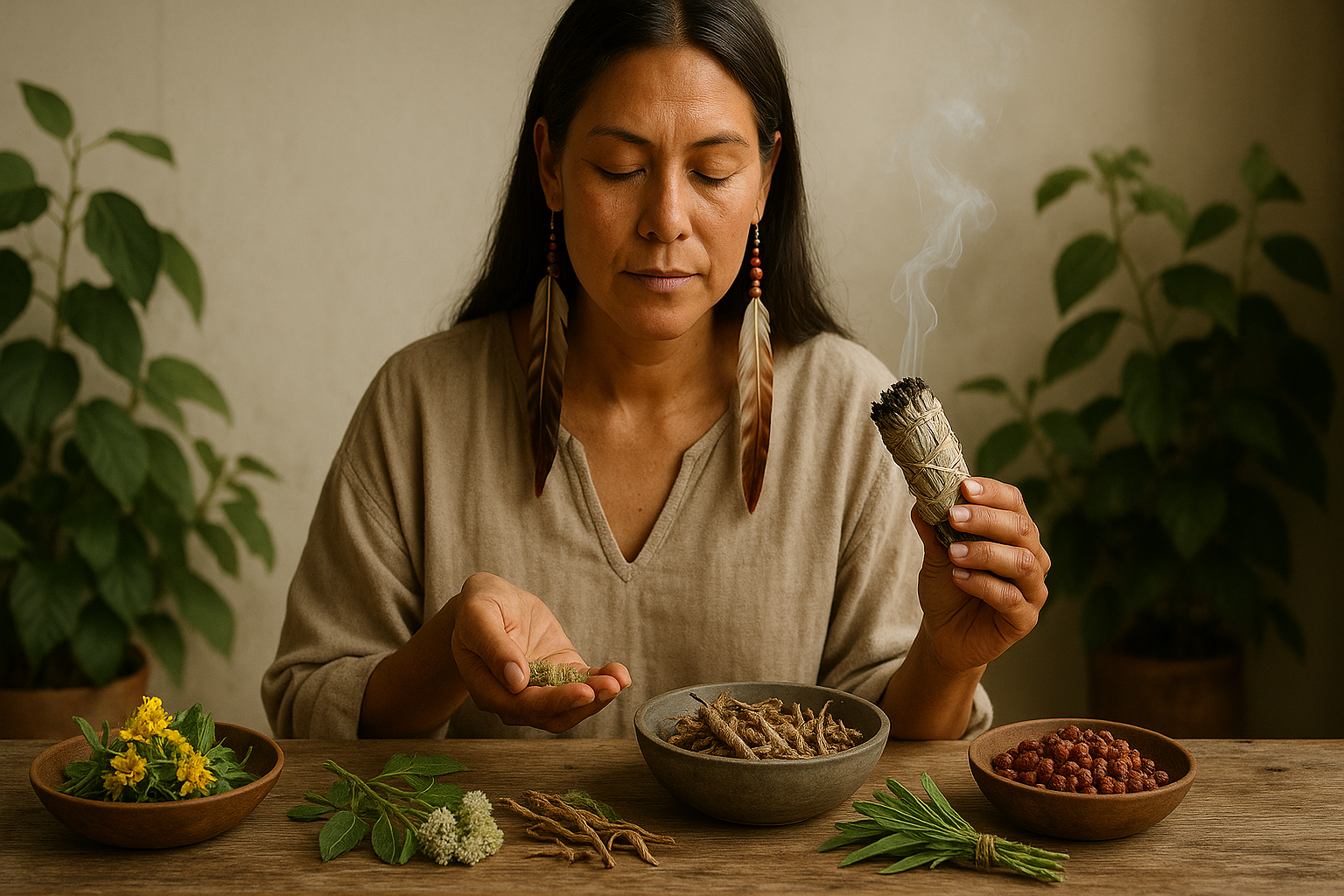
Traditional Healing in the context of Mayan Medicine represents a holistic approach to health and wellness, deeply intertwined with the spiritual and cultural beliefs of the Mayan civilization. This practice encompasses a variety of techniques, including herbal remedies, ceremonial rituals, and the use of prayer and spiritual guidance to address physical, emotional, and spiritual ailments.
At its core, Traditional Healing seeks to restore balance and harmony within the individual. Practitioners, often referred to as curanderos or shamans, utilize their knowledge of nature, spirituality, and the human body to guide individuals toward healing. This approach emphasizes the interconnectedness of all aspects of life, recognizing that physical health cannot be separated from emotional and spiritual well-being.
Historical Context Within Mayan Medicine
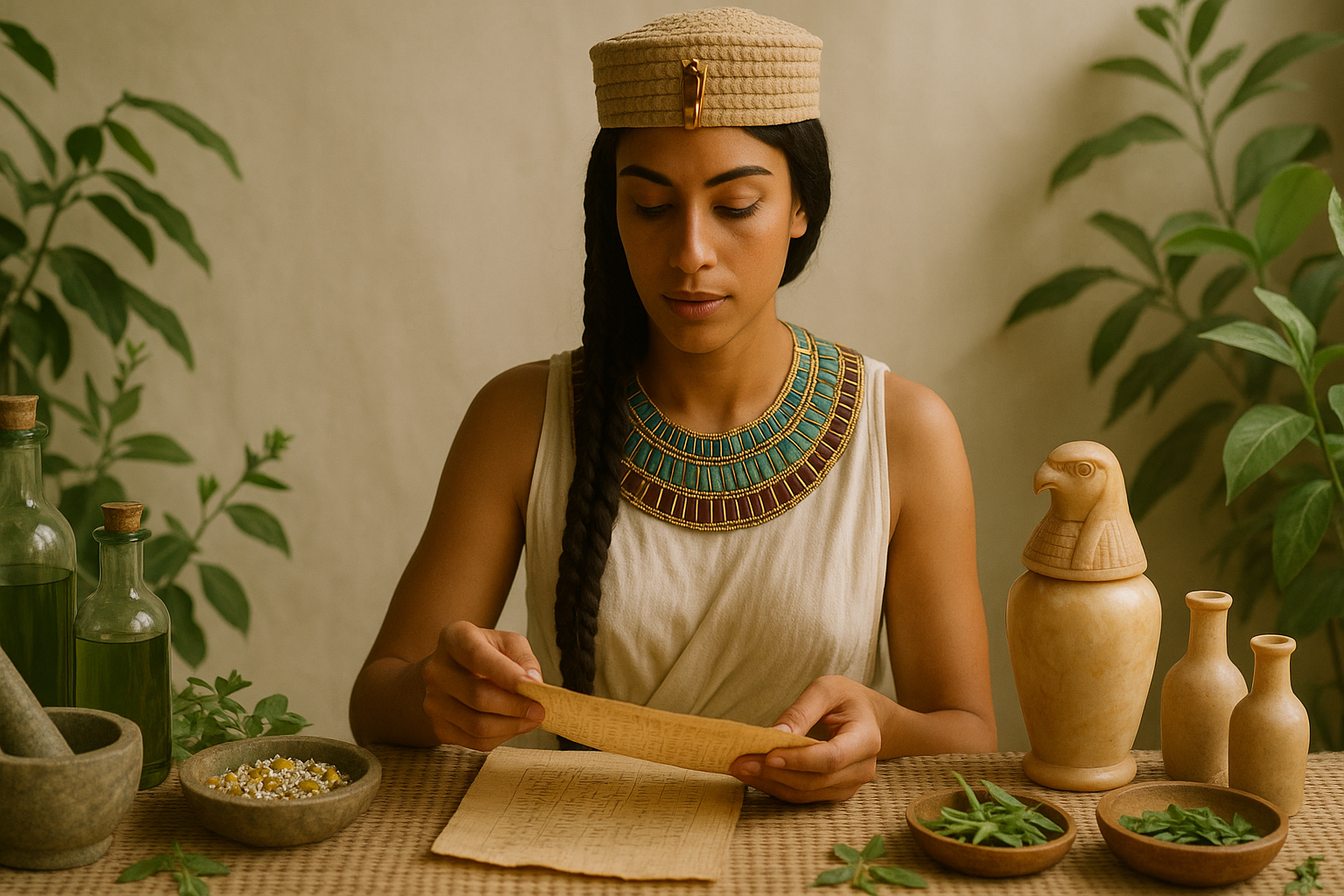
The roots of Traditional Healing in Mayan Medicine can be traced back over a thousand years, emerging as an integral part of the Mayan civilization's understanding of health and disease. This practice developed alongside the Mayans' rich cultural and spiritual traditions, influenced by their deep reverence for nature and the cosmos.
Developed by Mayan priests and healers, Traditional Healing drew from a wealth of knowledge passed down through generations. The ancient Mayans practiced this form of medicine within a framework that combined empirical observation with spiritual insight, creating a unique system of healing that persists to this day.
How It's Practiced
Traditional Healing is practiced through a variety of methods that may include:
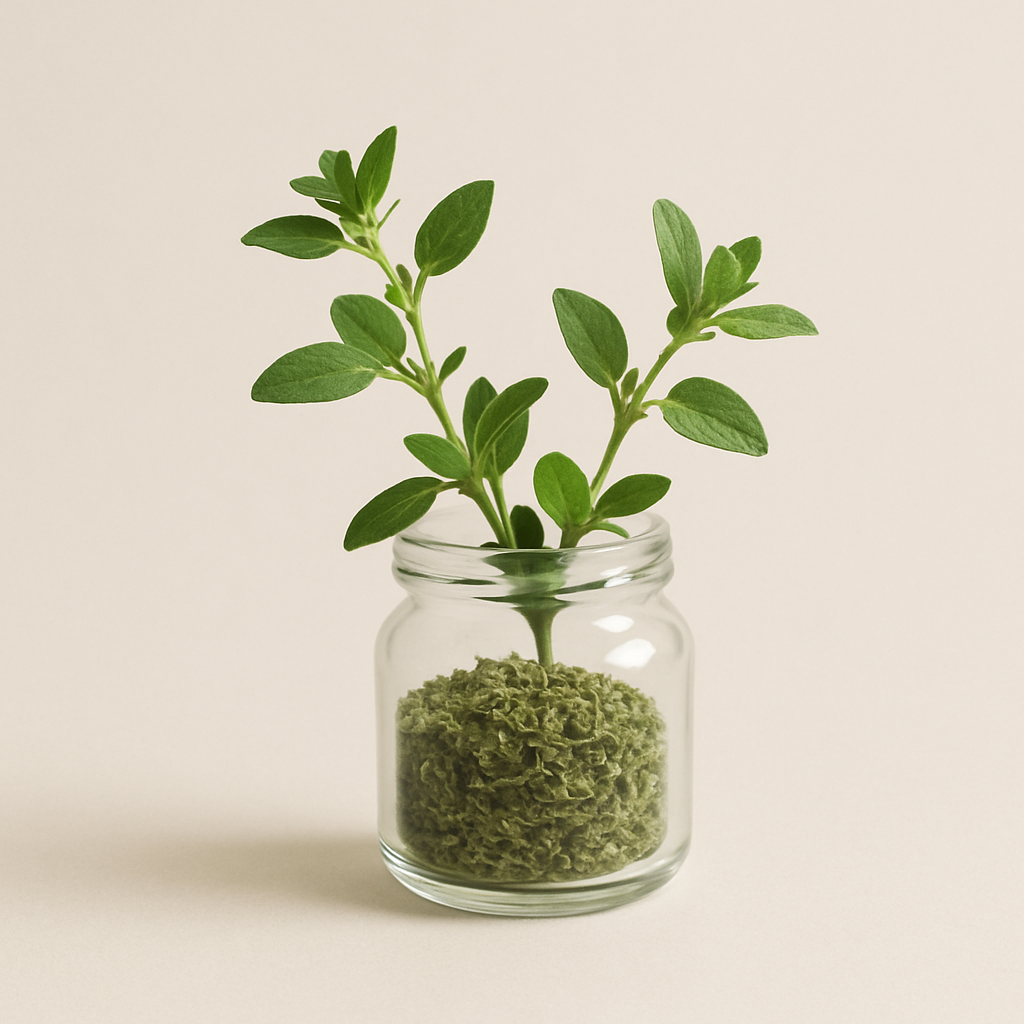
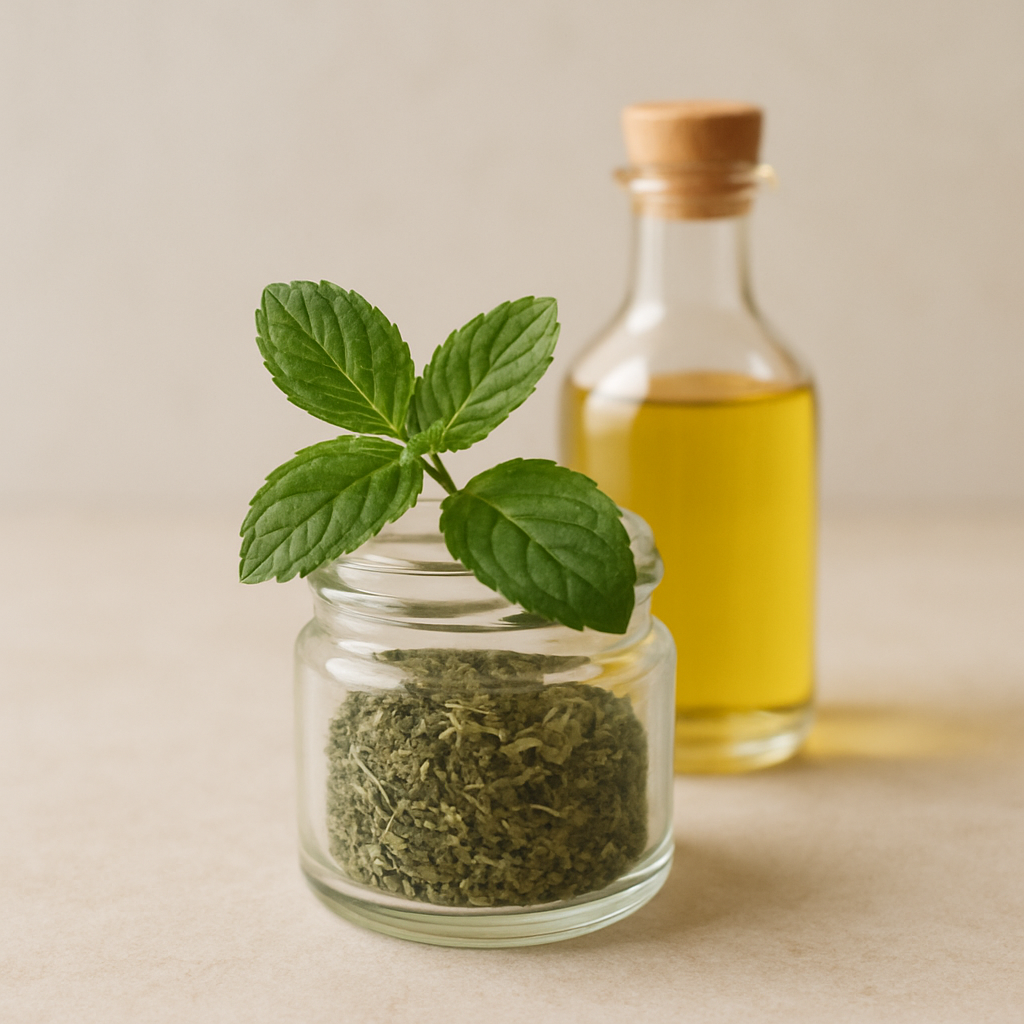
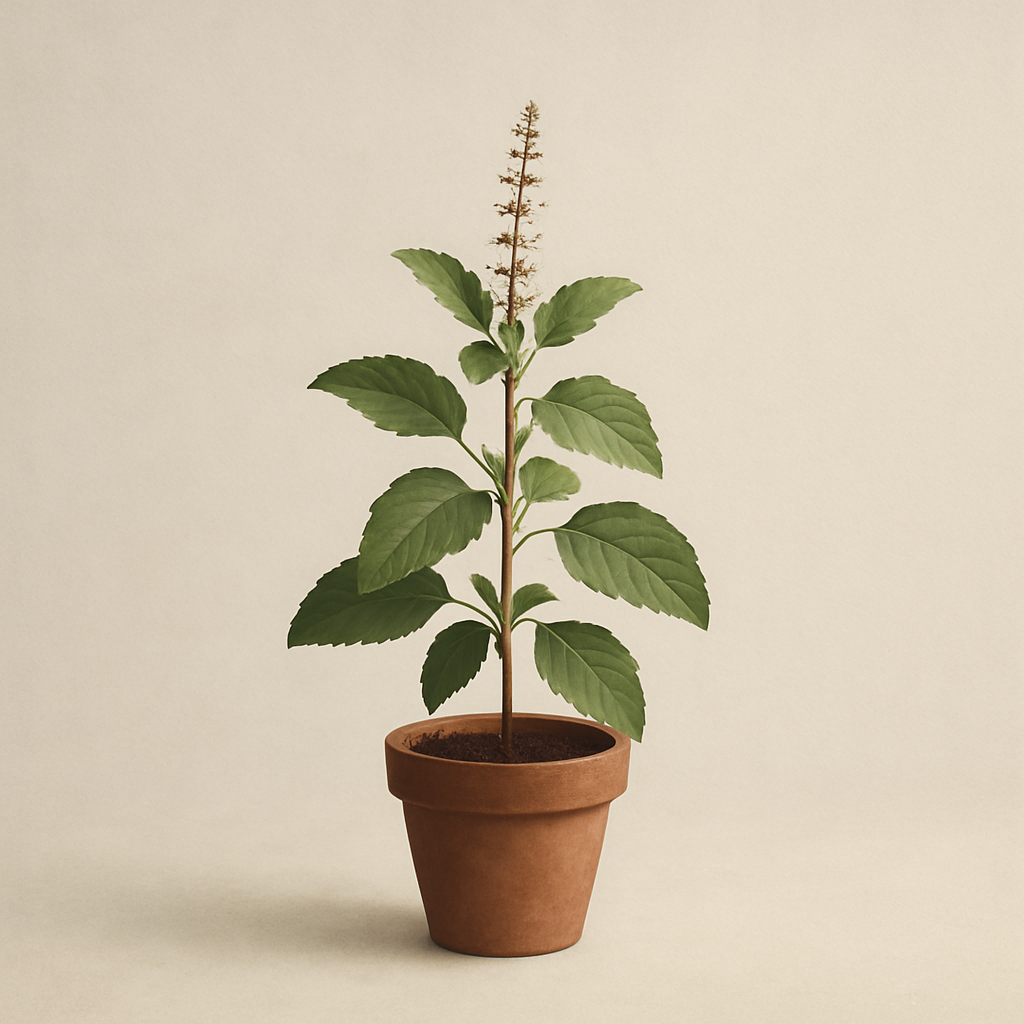
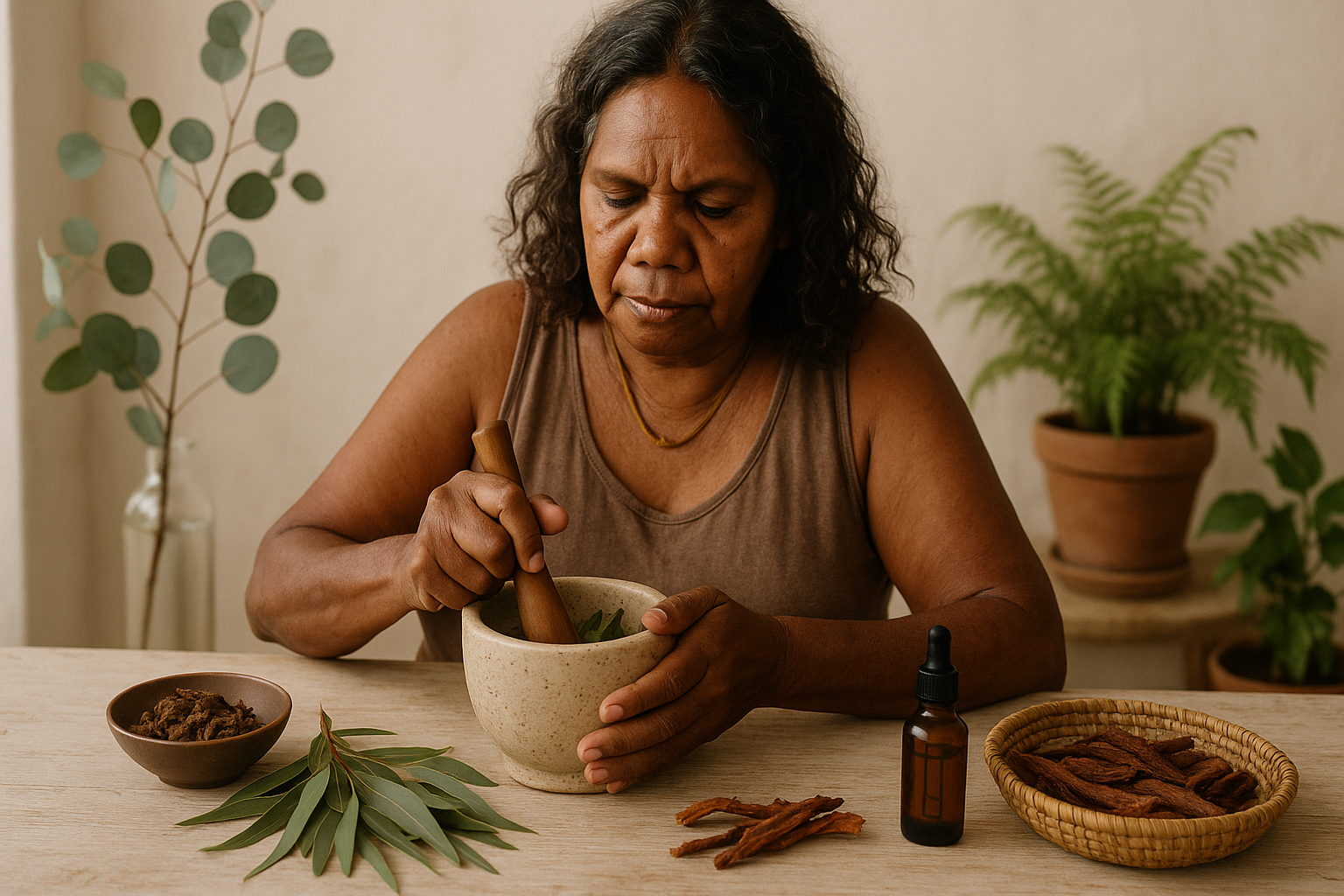
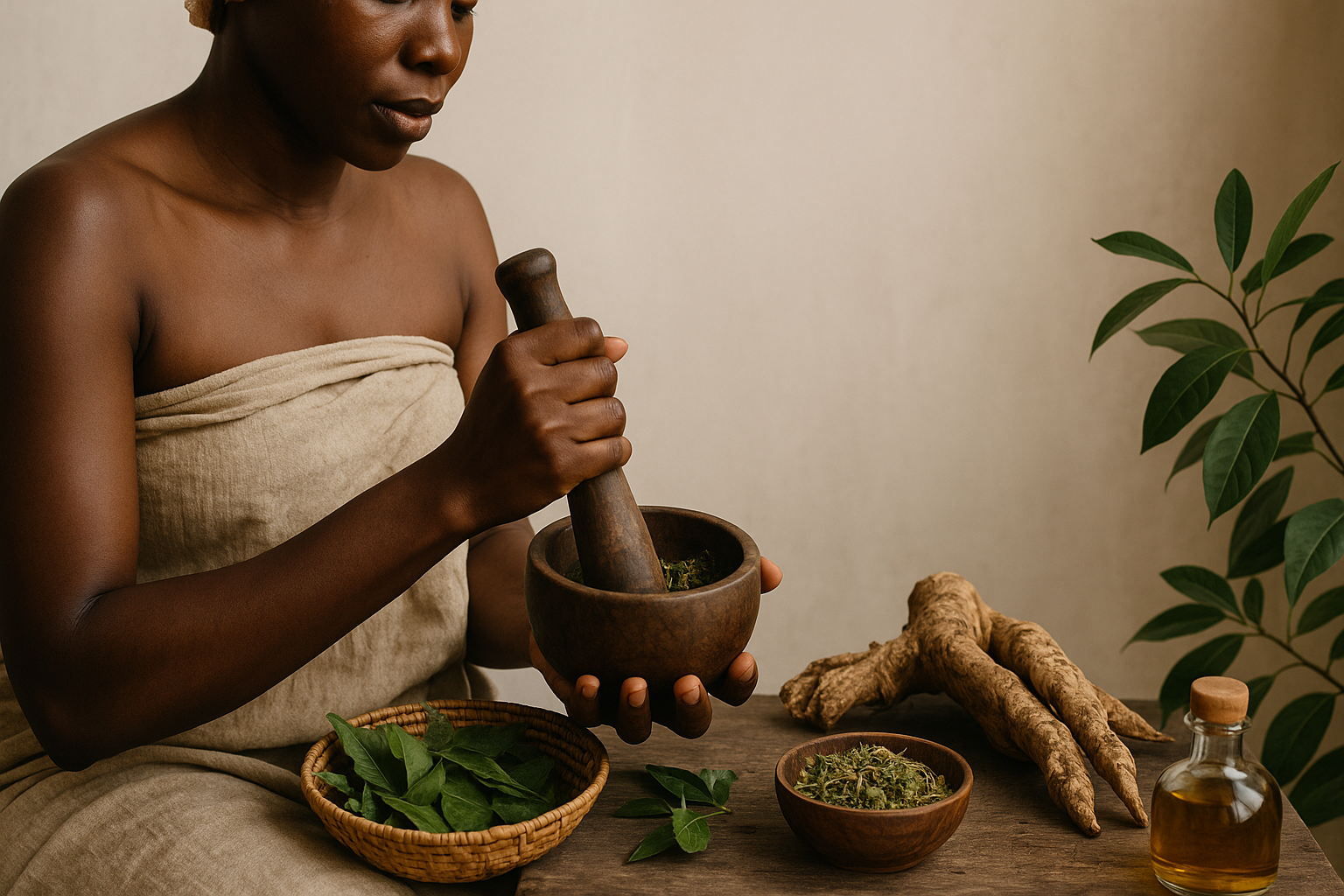
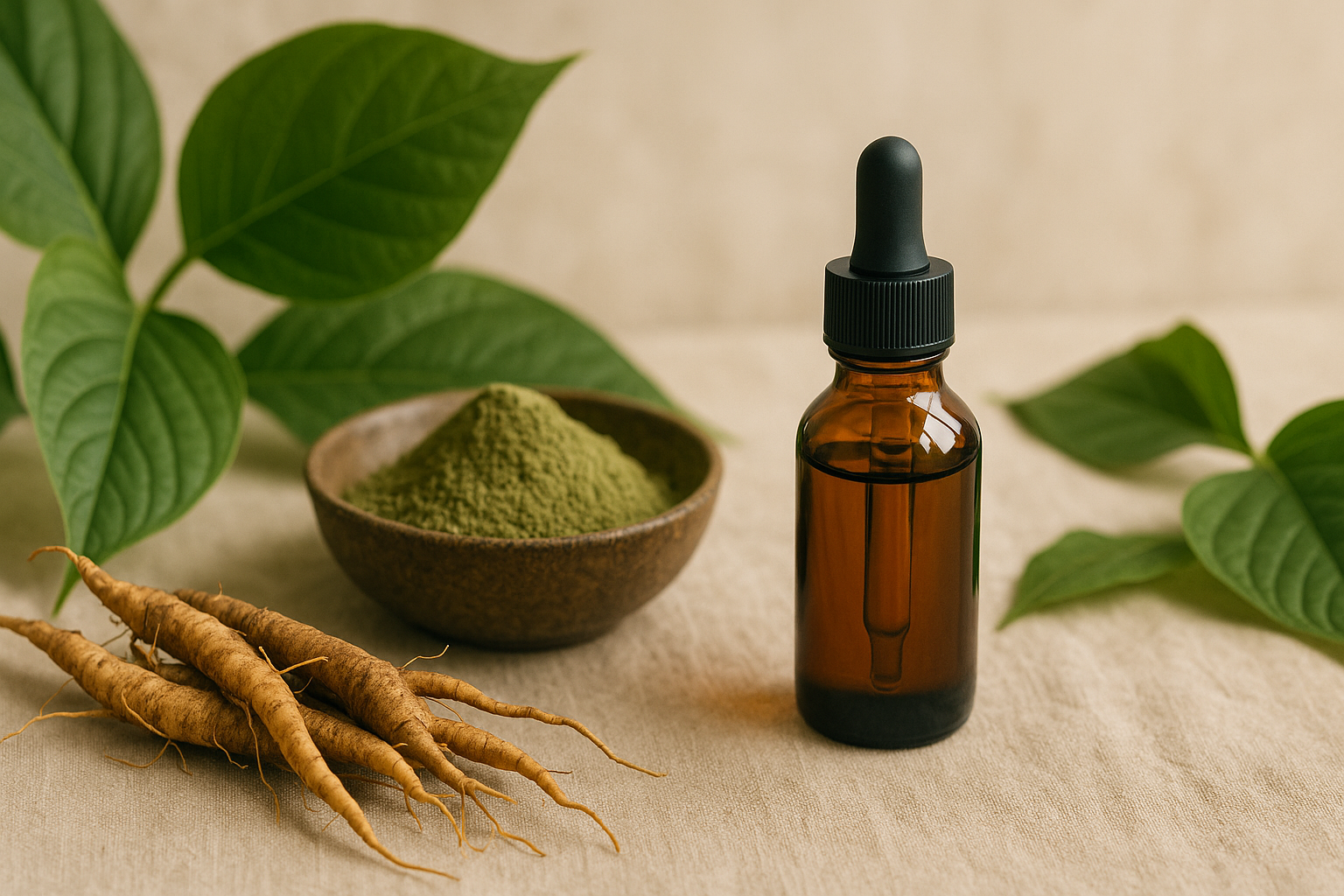
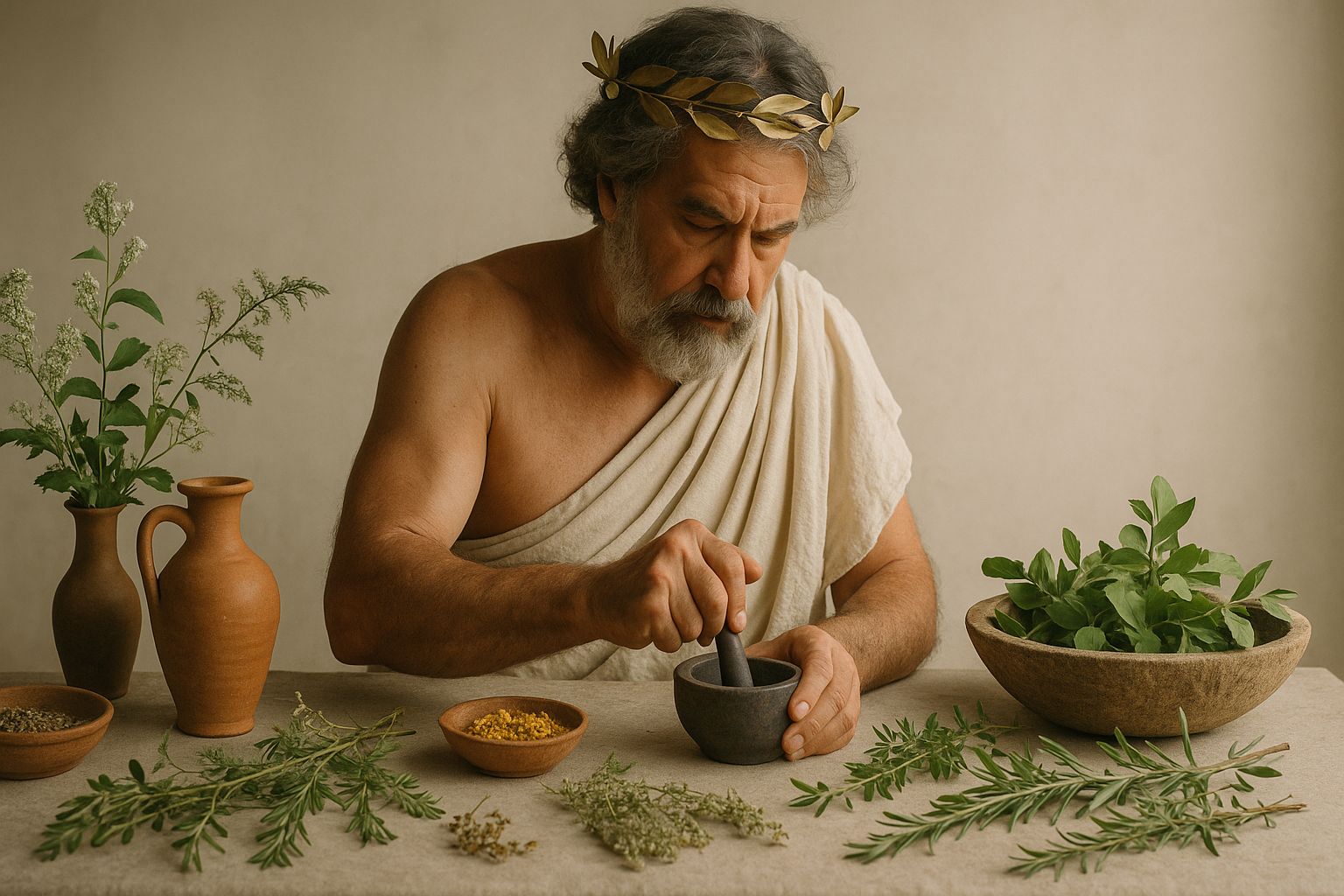
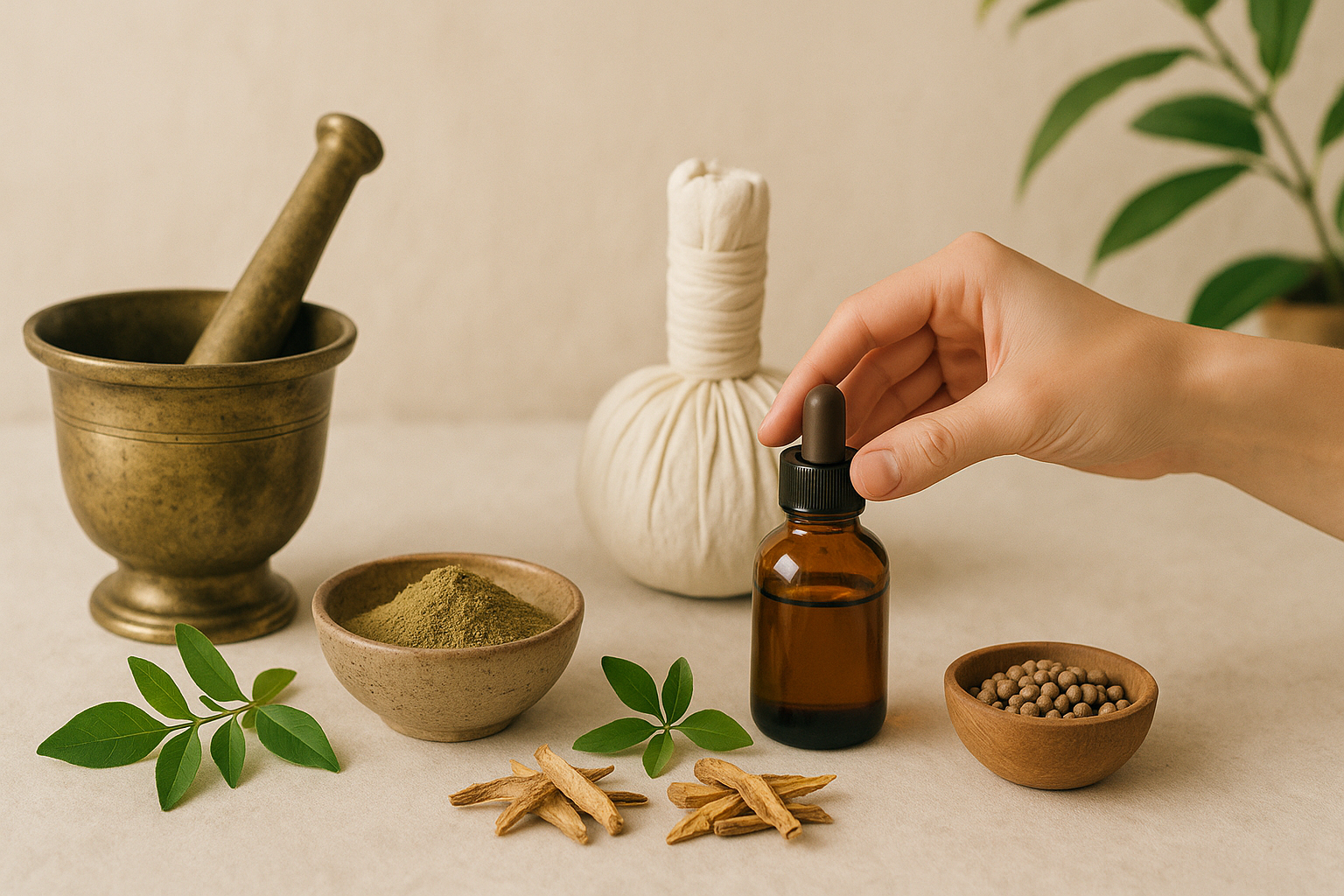
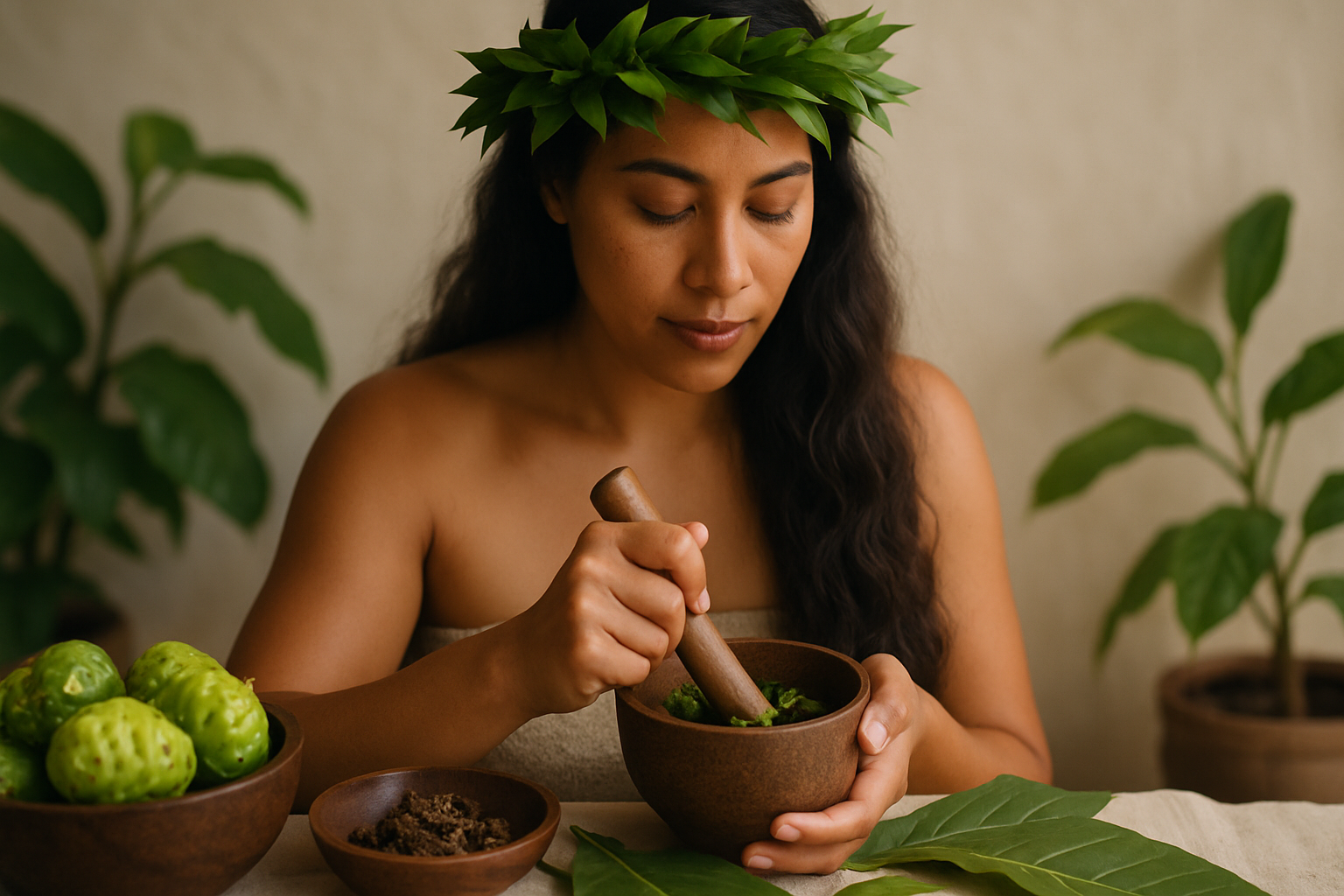
- Herbal Remedies: Utilizing native plants and herbs known for their healing properties.
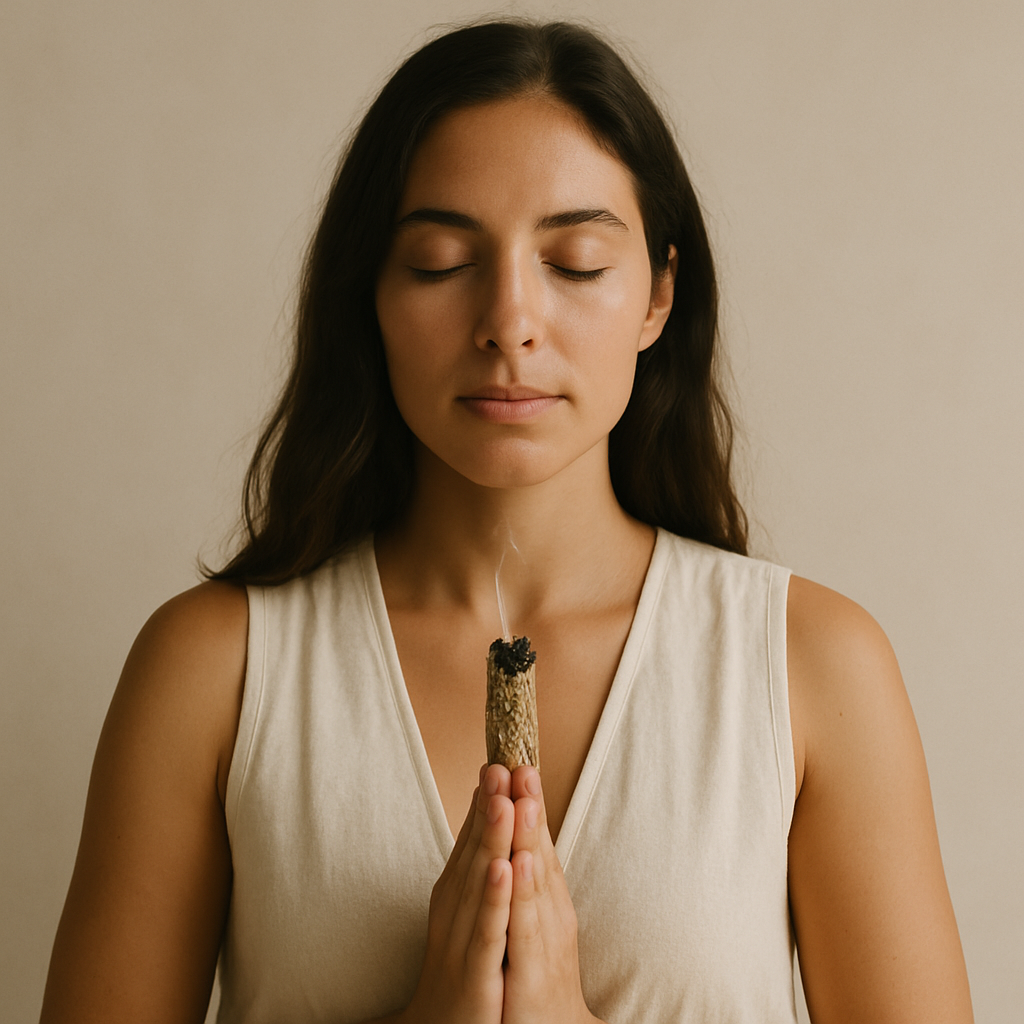
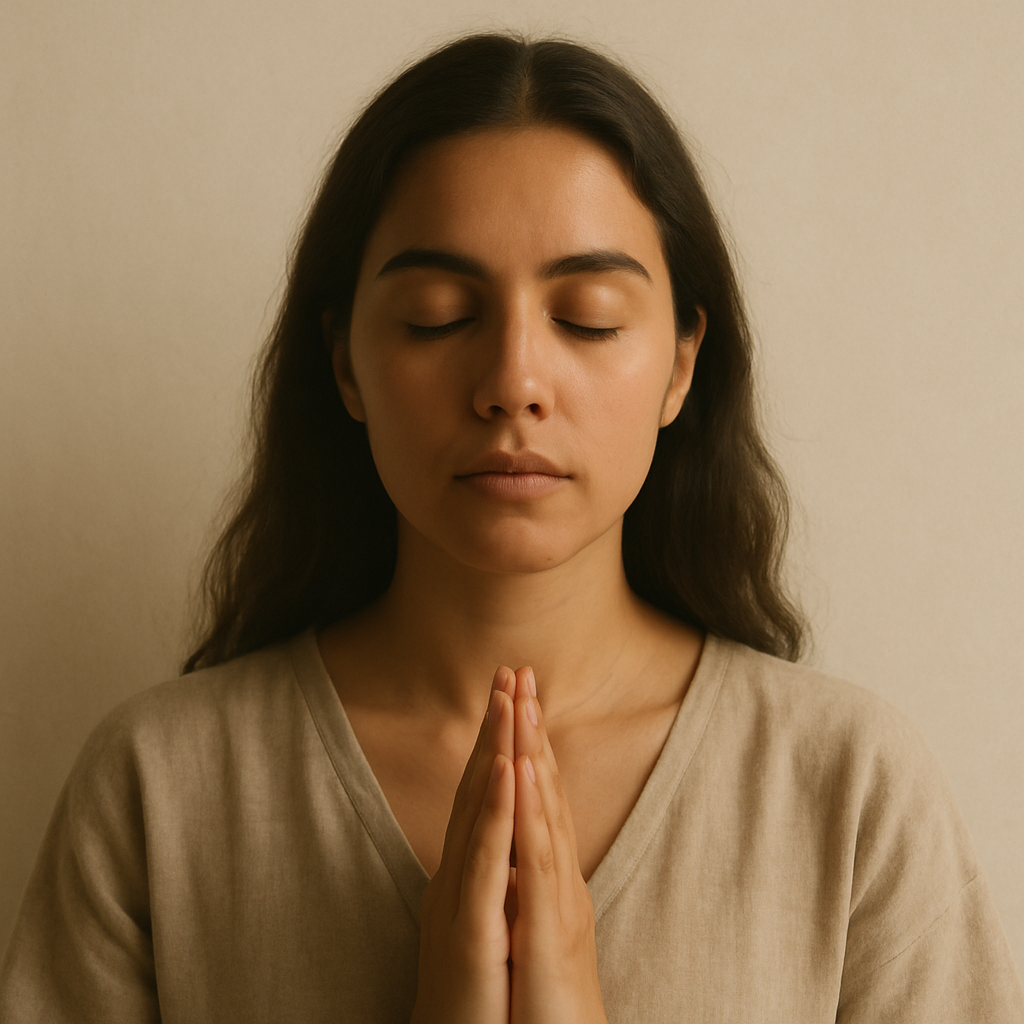
- Ceremonial Rites: Conducting rituals that involve prayer, chanting, and offerings to invoke spiritual healing.
- Massage and Manipulation: Employing physical techniques to relieve tension and promote wellbeing.
- Spiritual Guidance: Providing counseling and support to address emotional and psychological issues.
Practitioners often begin with a thorough consultation to understand the individual's needs, followed by a tailored approach that may combine several of the above methods to facilitate healing.
What It Is Traditionally Explored For
Traditional Healing is traditionally used for a variety of conditions, including:
- Physical ailments such as headaches, digestive issues, and respiratory problems.
- Emotional challenges like anxiety, depression, and stress.
- Spiritual concerns, including feelings of disconnection or lack of purpose.
- Chronic conditions where conventional medicine may not have provided satisfactory relief.
The primary goal is to restore balance and promote holistic wellness, rather than merely alleviating symptoms.
What Modern Research Suggests
Modern research into Traditional Healing practices within Mayan Medicine is still in its early stages, but preliminary studies suggest that certain herbal remedies may possess anti-inflammatory and analgesic properties. For instance, some studies have highlighted the potential benefits of specific plants used in Mayan herbal medicine, indicating that they may aid in the treatment of chronic pain and inflammation.
Additionally, there is growing interest in the psychological benefits of Traditional Healing, particularly in its emphasis on community, spirituality, and emotional support. Research has shown that holistic approaches, which address both physical and emotional health, can lead to improved outcomes for individuals seeking healing.
Safety, Contraindications & Who Should Skip
While Traditional Healing can be beneficial for many, there are some considerations to keep in mind:
- Individuals with serious medical conditions should consult with a qualified healthcare provider before engaging in Traditional Healing.
- Those who are pregnant or nursing should approach herbal remedies with caution and seek professional guidance.
- Allergic reactions to certain herbs may occur; it is essential to disclose any known allergies to the practitioner.
- Individuals taking prescription medications should discuss potential interactions with their healthcare provider.
As with any health practice, it is crucial to consider personal circumstances and consult with qualified practitioners.
Pairs Well With (within Mayan Medicine and across pillars)
Traditional Healing pairs well with several other modalities and practices, including:
- Aromatherapy: Utilizing essential oils for emotional and physical healing.
- Massage Therapy: Enhancing physical relaxation and stress relief.
- Mayan Rituals: Engaging in spiritual ceremonies to deepen the healing experience.
- Mindfulness and Meditation: Fostering mental clarity and emotional balance.
How to Find a Qualified Practitioner
To find a qualified practitioner of Traditional Healing in Mayan Medicine, consider the following steps:
- Research local practitioners and their credentials.
- Seek recommendations from trusted sources or community members.
- Look for practitioners who have a strong connection to Mayan culture and traditions.
- Schedule an initial consultation to discuss your needs and assess compatibility.
It is vital to ensure that the practitioner you choose respects both the traditions and the individual needs of their clients.
FAQs
1. What is the role of herbs in Traditional Healing?
Herbs play a crucial role in Traditional Healing, as they are used for their natural healing properties to is traditionally explored for various ailments.
2. Can Traditional Healing be used alongside conventional medicine?
Yes, many individuals choose to use Traditional Healing as a complementary approach alongside conventional treatments, but it is essential to consult with healthcare providers.
3. How long does a Traditional Healing session typically last?
The duration of a session can vary, but it typically lasts from one to two hours, depending on the methods used and the individual's needs.
4. Are there any side effects associated with Traditional Healing?
While many individuals experience positive outcomes, some may have allergic reactions to herbs; it is important to communicate openly with your practitioner.
5. Is Traditional Healing suitable for everyone?
While many can benefit from Traditional Healing, individuals with specific health concerns should consult with a healthcare provider before proceeding.
Frequently asked
What is the role of herbs in Traditional Healing?
Herbs play a crucial role in Traditional Healing, as they are used for their natural healing properties to treat various ailments.
Can Traditional Healing be used alongside conventional medicine?
Yes, many individuals choose to use Traditional Healing as a complementary approach alongside conventional treatments, but it is essential to consult with healthcare providers.
How long does a Traditional Healing session typically last?
The duration of a session can vary, but it typically lasts from one to two hours, depending on the methods used and the individual's needs.
Are there any side effects associated with Traditional Healing?
While many individuals experience positive outcomes, some may have allergic reactions to herbs; it is important to communicate openly with your practitioner.
Is Traditional Healing suitable for everyone?
While many can benefit from Traditional Healing, individuals with specific health concerns should consult with a healthcare provider before proceeding.