Sacred Botanicals
Discover the principles and practices of Sacred Botanicals in Mayan Medicine, including its historical roots, modern relevance, and safety considerations.
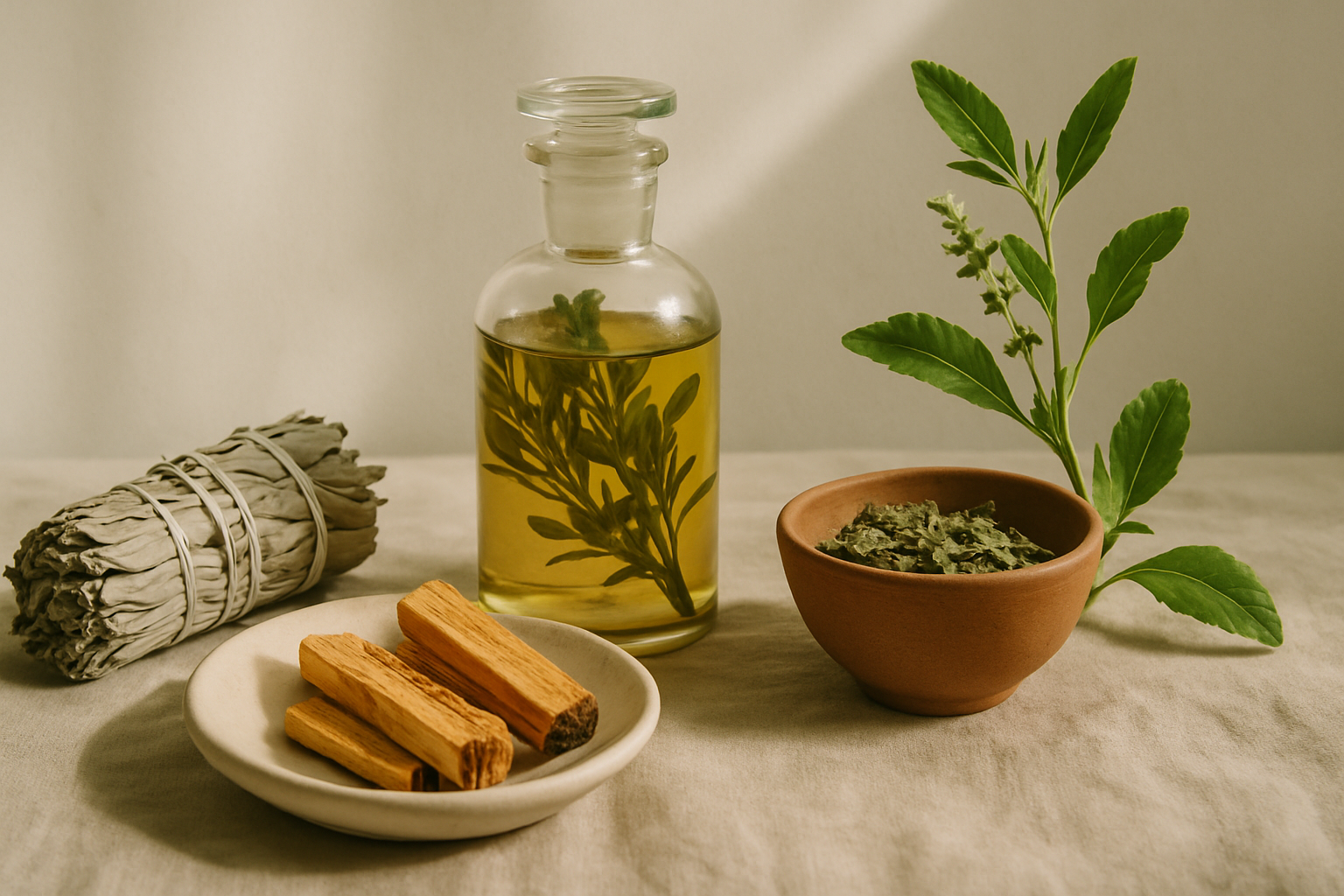
Explore the rich tradition of Sacred Botanicals within Mayan Medicine, a practice that honors the wisdom of ancient herbal remedies and their spiritual significance.
What It Is
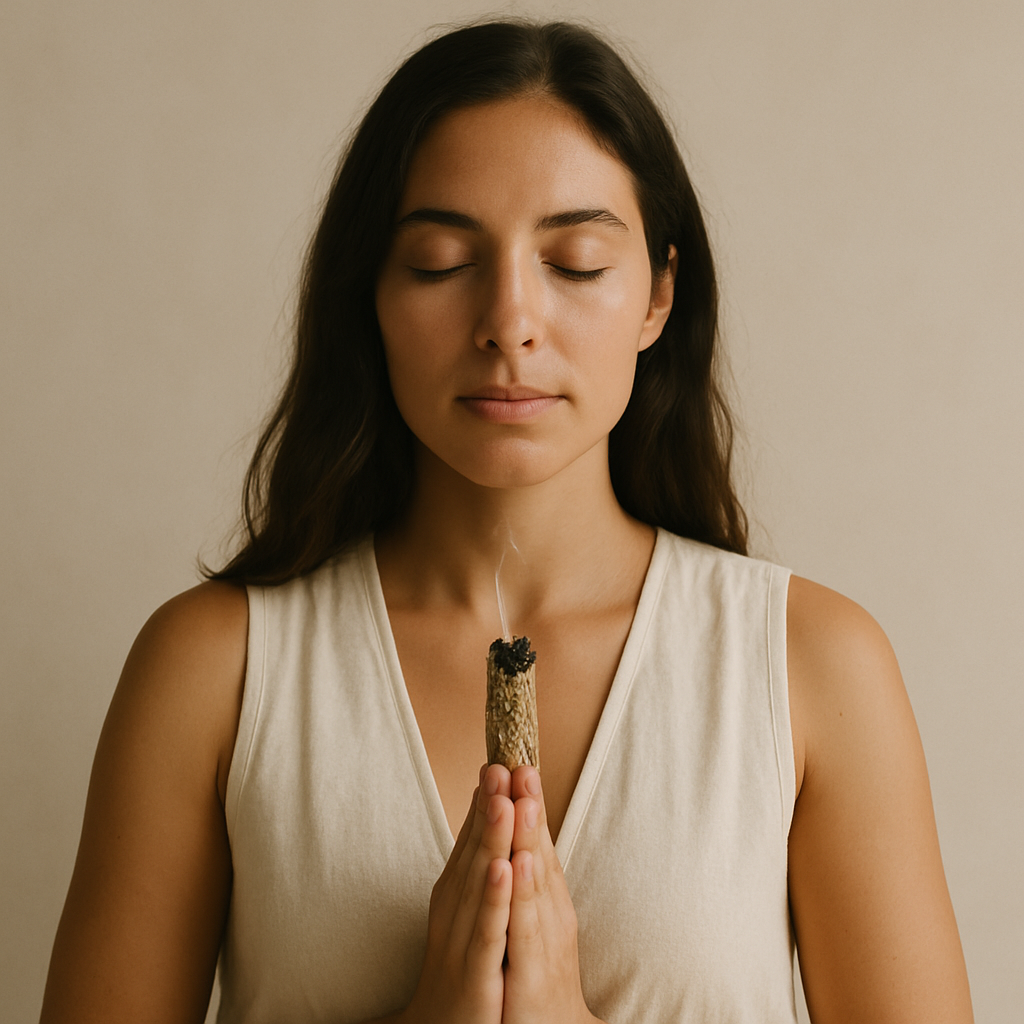
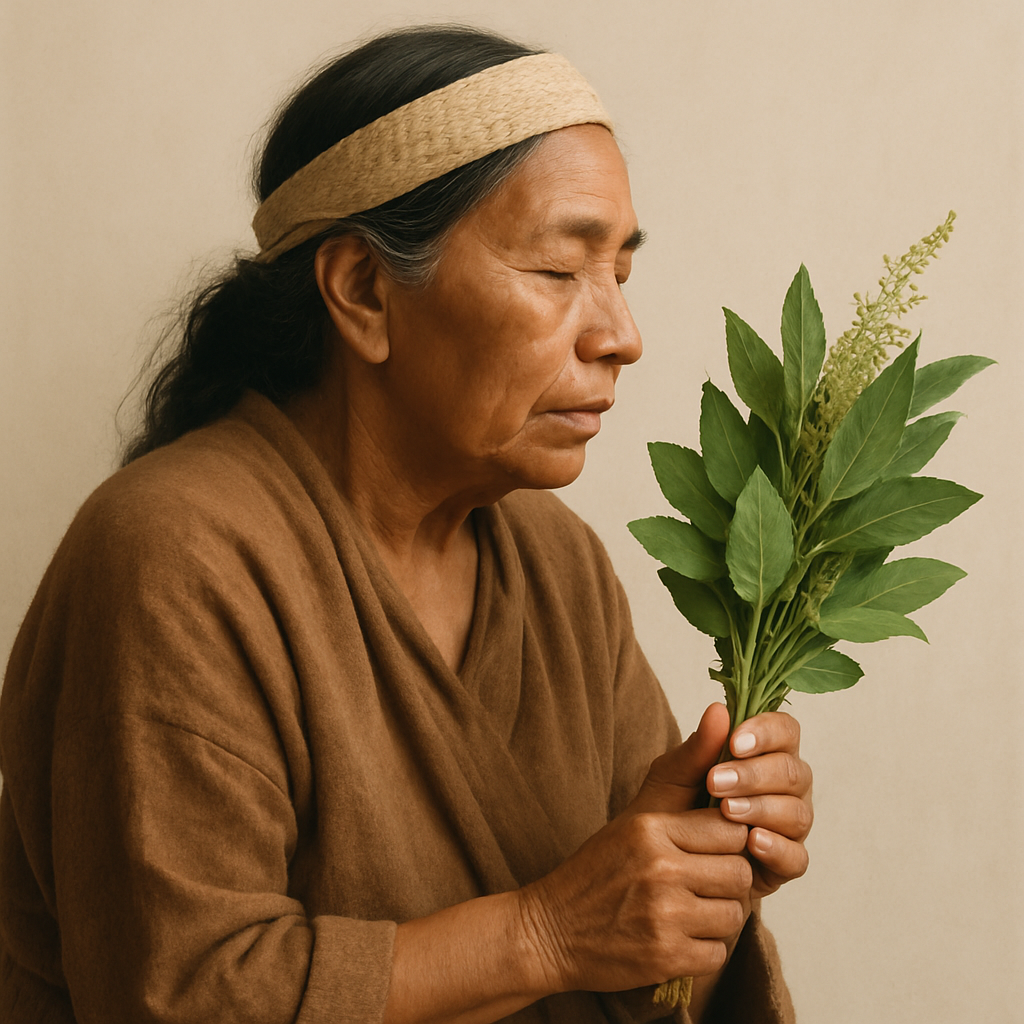
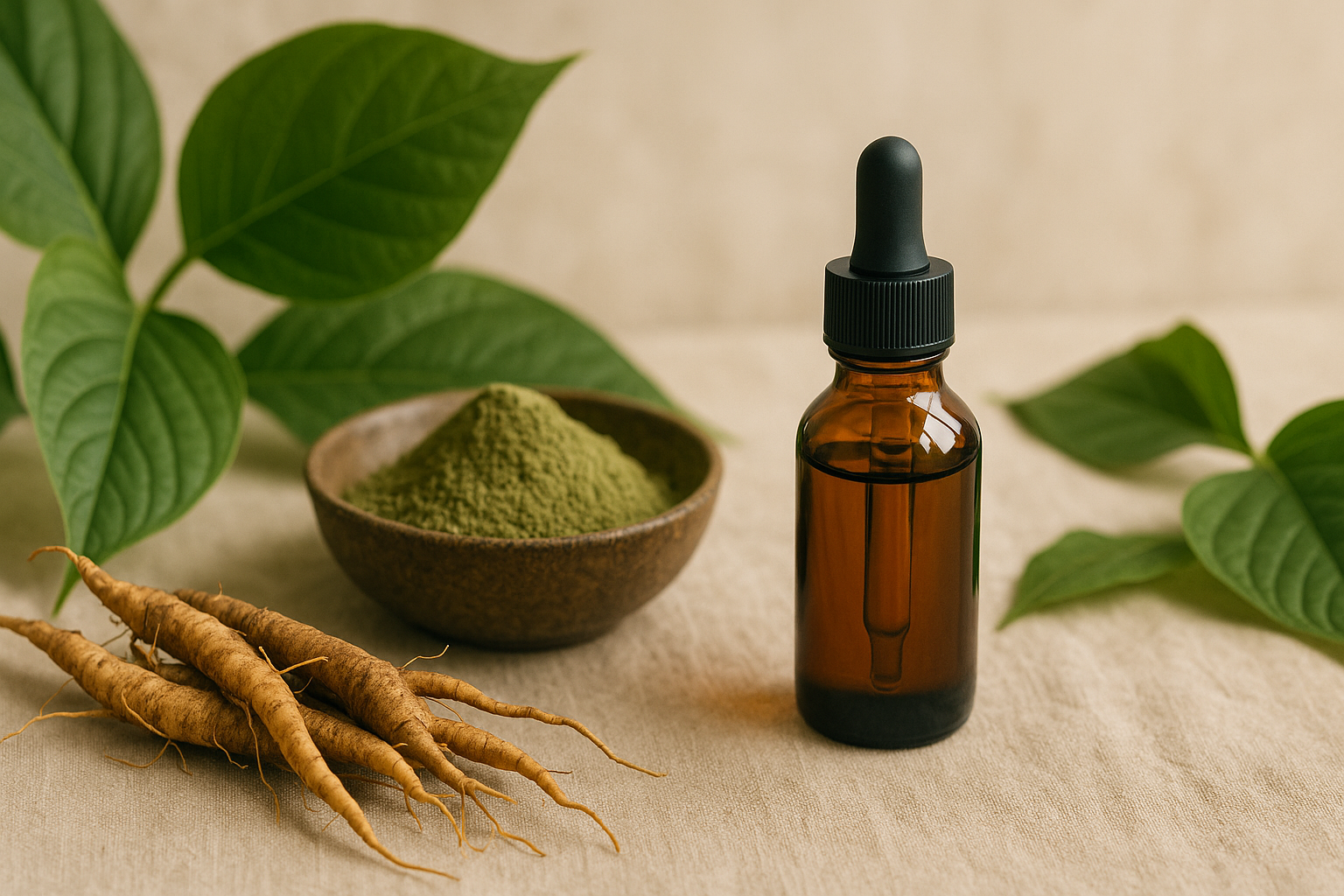
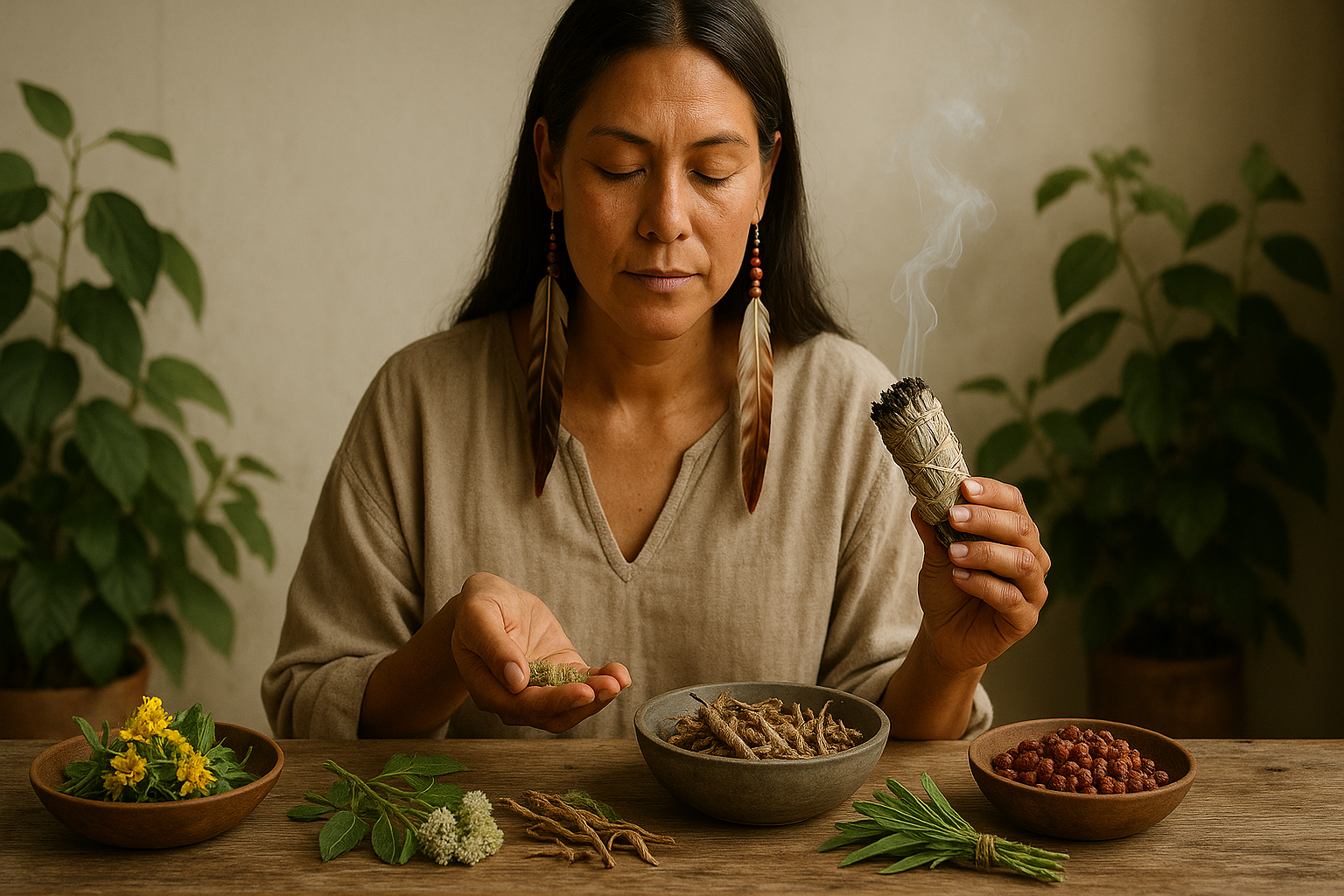
Sacred Botanicals refer to the unique and time-honored use of plants within the practice of Mayan Medicine. This approach emphasizes not just the physical properties of herbs, but also their spiritual and cultural significance. These botanicals are often considered sacred due to their historical importance in rituals, healing processes, and the overall well-being of individuals and communities.
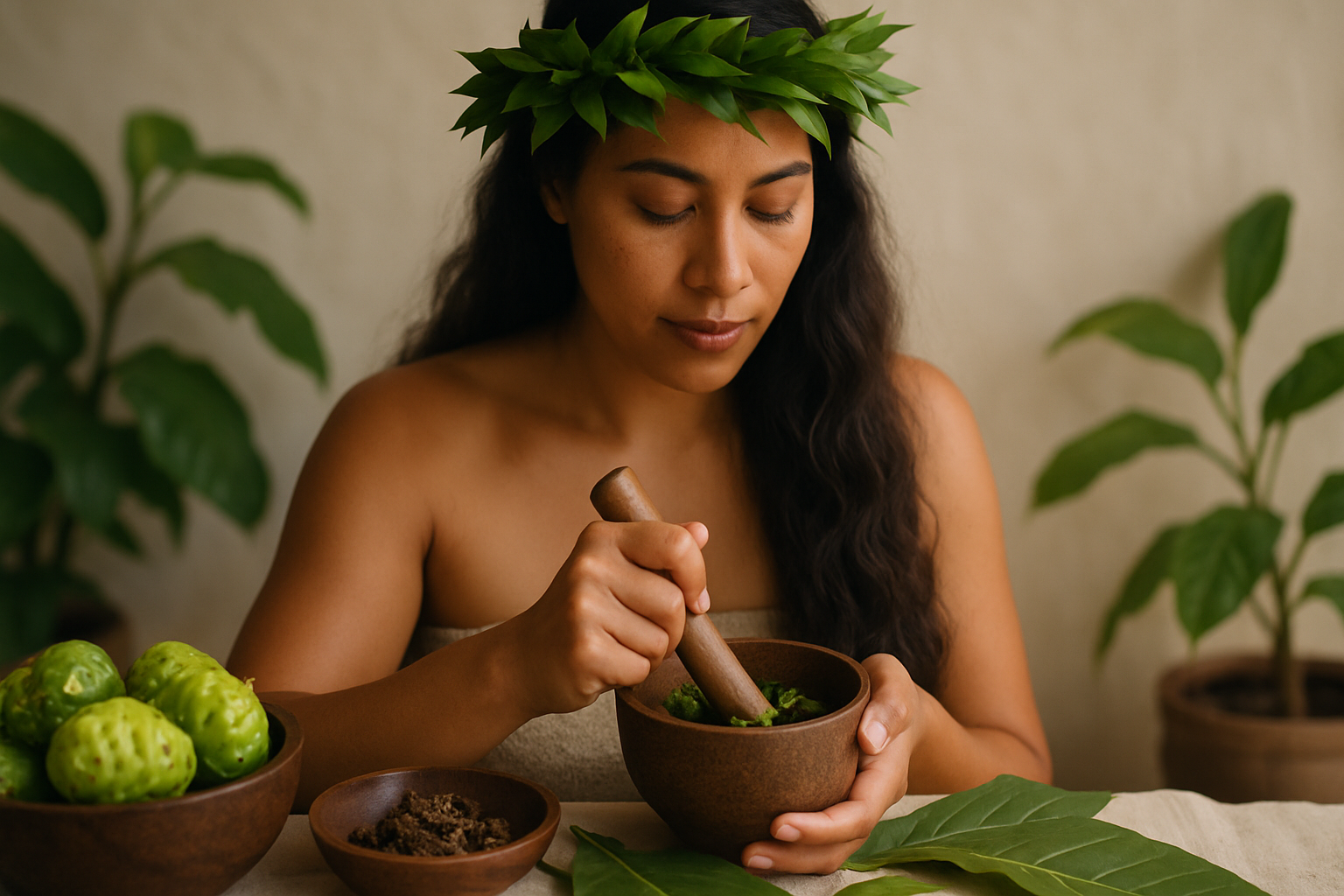
In Mayan culture, plants are viewed as living entities with their own spirits. Practitioners use sacred botanicals to connect with these spirits, seeking to restore balance and harmony within the body and the environment. The knowledge surrounding these botanicals has been passed down through generations, making it a vital aspect of the Mayan healing tradition.
Historical Context Within Mayan Medicine
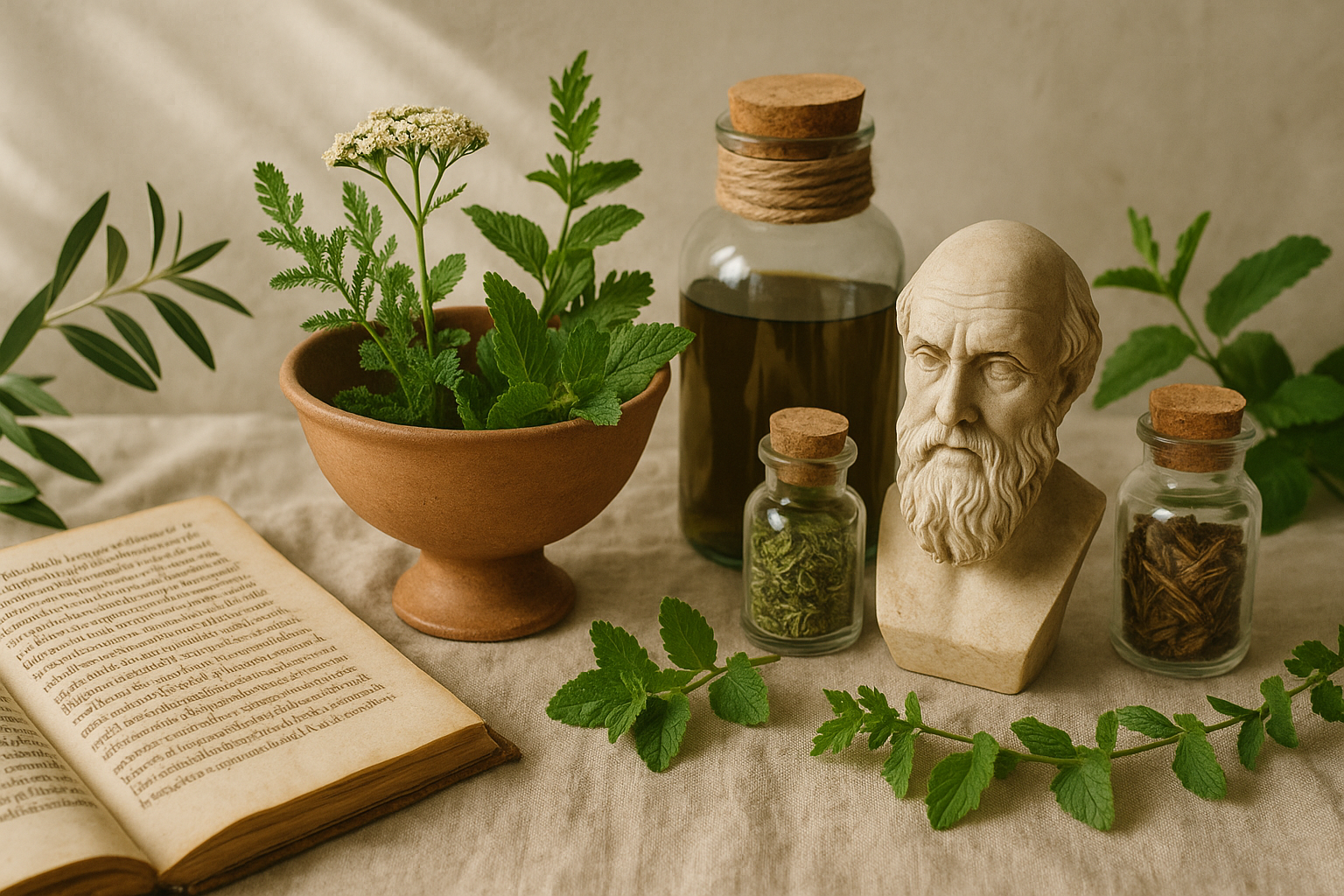
The use of Sacred Botanicals has deep roots in Mayan civilization, which flourished in Mesoamerica from about 2000 BC. Ancient Mayans developed a sophisticated understanding of the natural world and the healing properties of various plants. This knowledge was often intertwined with their spiritual beliefs and rituals, as plants were considered gifts from the gods.
Notable figures, such as shamans and healers, played a crucial role in shaping this practice. They served not only as medicinal practitioners but also as spiritual guides, using sacred botanicals to is traditionally explored for ailments and facilitate spiritual journeys. Over centuries, this tradition has been preserved, allowing modern practitioners to tap into the wisdom of their ancestors.
How It's Practiced
The practice of utilizing Sacred Botanicals in Mayan Medicine typically involves several steps:
- Consultation: The practitioner engages with the individual to understand their needs and health concerns.
- Plant Selection: Based on the consultation, the practitioner selects appropriate sacred botanicals, considering their properties and the individual's unique circumstances.
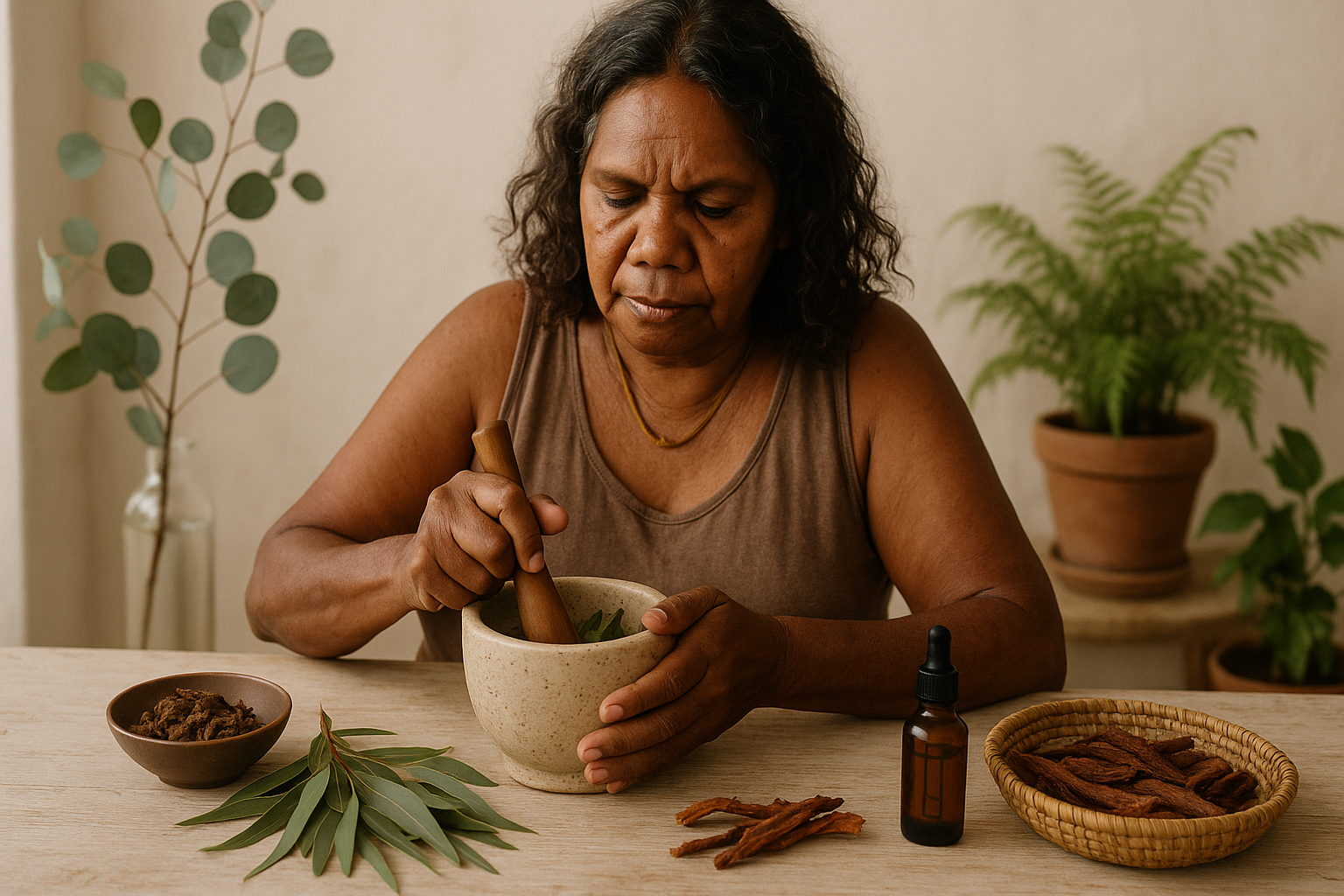
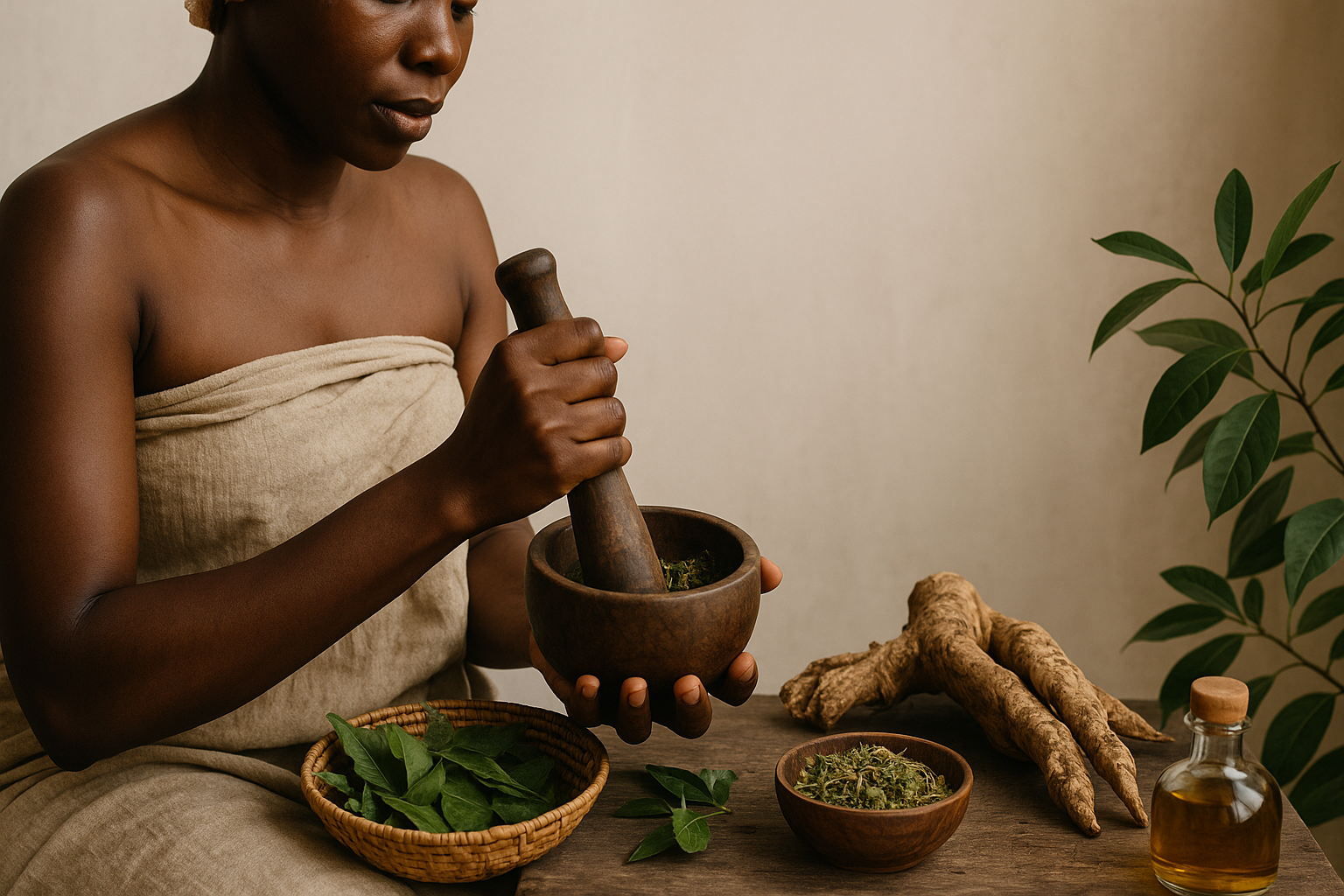
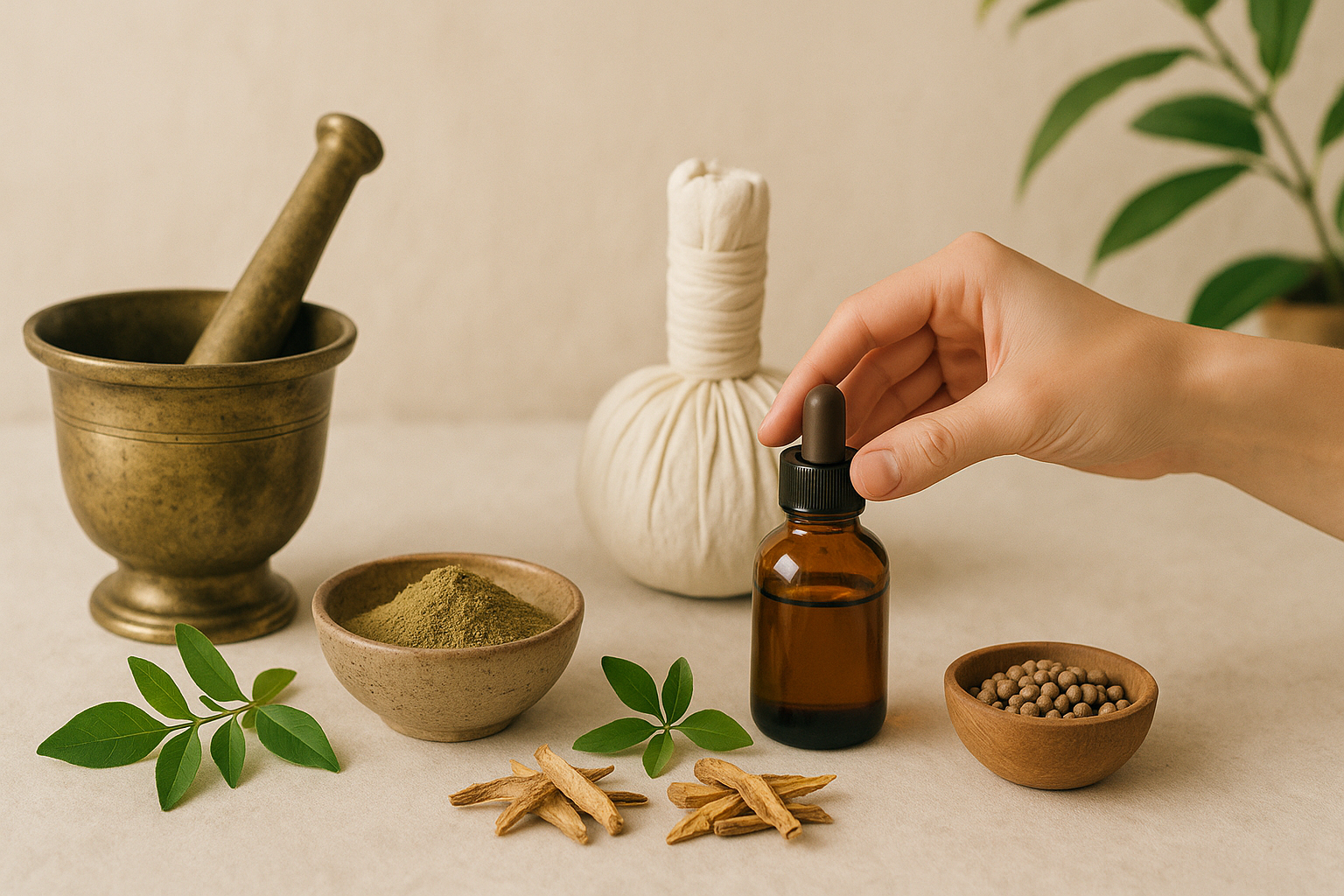
- Preparation: The selected plants may be prepared in various forms such as teas, poultices, or tinctures.
- Administration: The practitioner administers the preparation, often accompanied by rituals or prayers to honor the plant's spirit.
- Follow-Up: After treatment, the practitioner may suggest lifestyle changes or additional sessions to support the healing process.
What It Is Traditionally Explored For
Sacred Botanicals are traditionally used for a variety of purposes, including:
- Promoting physical healing and recovery from illness.
- Enhancing mental clarity and emotional well-being.
- Facilitating spiritual growth and connection.
- Restoring balance within the body and the environment.
While these uses are rooted in tradition, it is important to approach them with respect and caution, recognizing that individual experiences may vary.
What Modern Research Suggests
Modern research into the efficacy of Sacred Botanicals is still in its early stages, yet preliminary studies have shown promising results. Some herbs traditionally used in Mayan Medicine have been found to possess anti-inflammatory, antioxidant, and antimicrobial properties. These findings align with the historical use of these botanicals for promoting health and well-being.
Furthermore, researchers are exploring the psychological and spiritual benefits associated with plant-based therapies. Studies suggest that engaging with nature, including the use of sacred plants, may contribute to improved mental health and emotional resilience. While more comprehensive research is needed, these initial findings highlight the potential value of Sacred Botanicals within both traditional and modern contexts.
Safety, Contraindications & Who Should Skip
While Sacred Botanicals are an integral part of Mayan Medicine, it is essential to approach their use with caution. Individuals who are pregnant, nursing, or have specific medical conditions should consult with a healthcare professional before using any herbal remedies. Additionally, some botanicals may interact with medications or cause allergic reactions.
It is advisable to seek guidance from a qualified practitioner who understands the specific properties and potential risks associated with the botanicals being used.
Pairs Well With (within Mayan Medicine and across pillars)
Sacred Botanicals can complement various modalities and ingredients within Mayan Medicine, including:
- Spiritual ceremonies and rituals.
- Massage and bodywork therapies.
- Dietary practices focusing on whole foods.
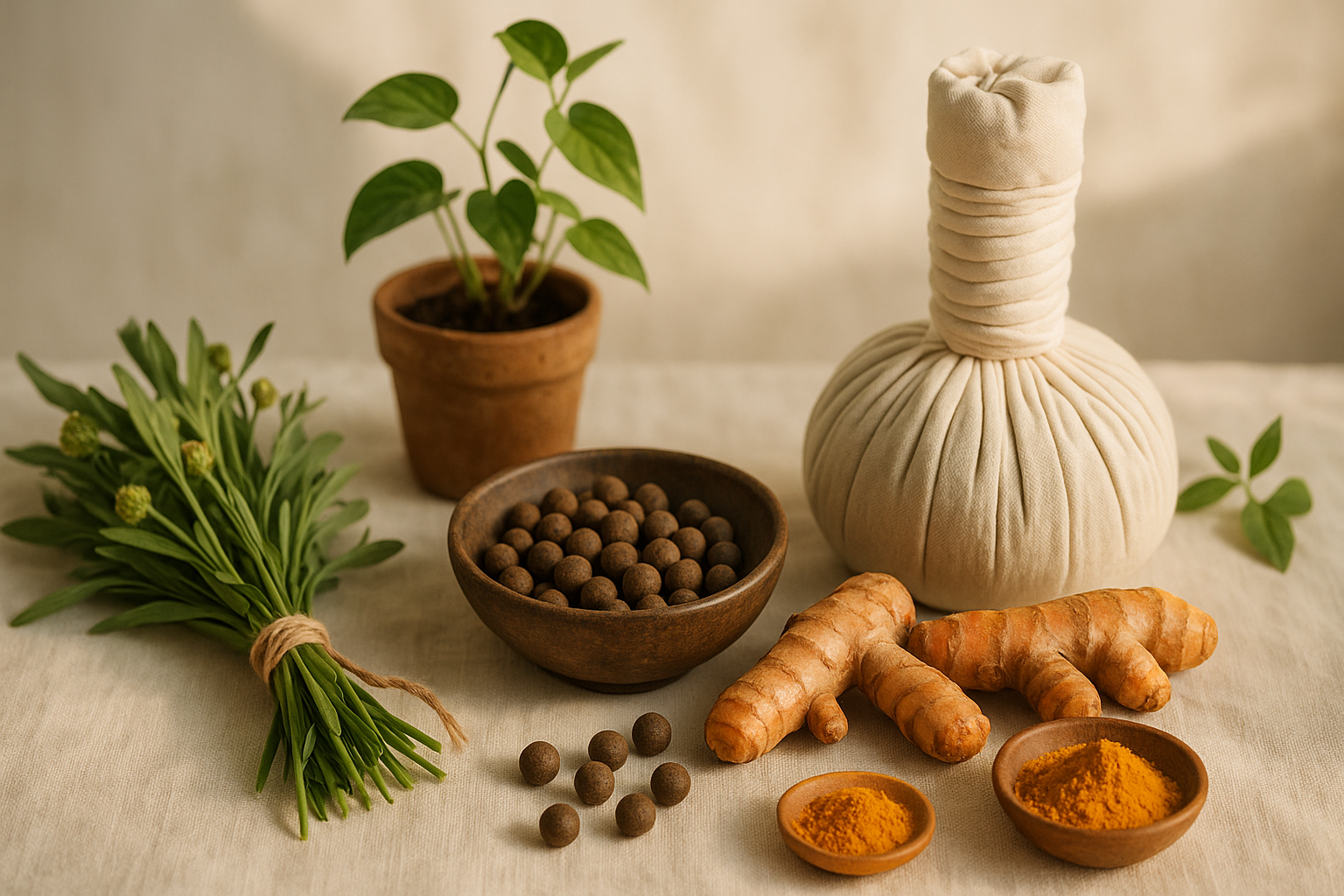
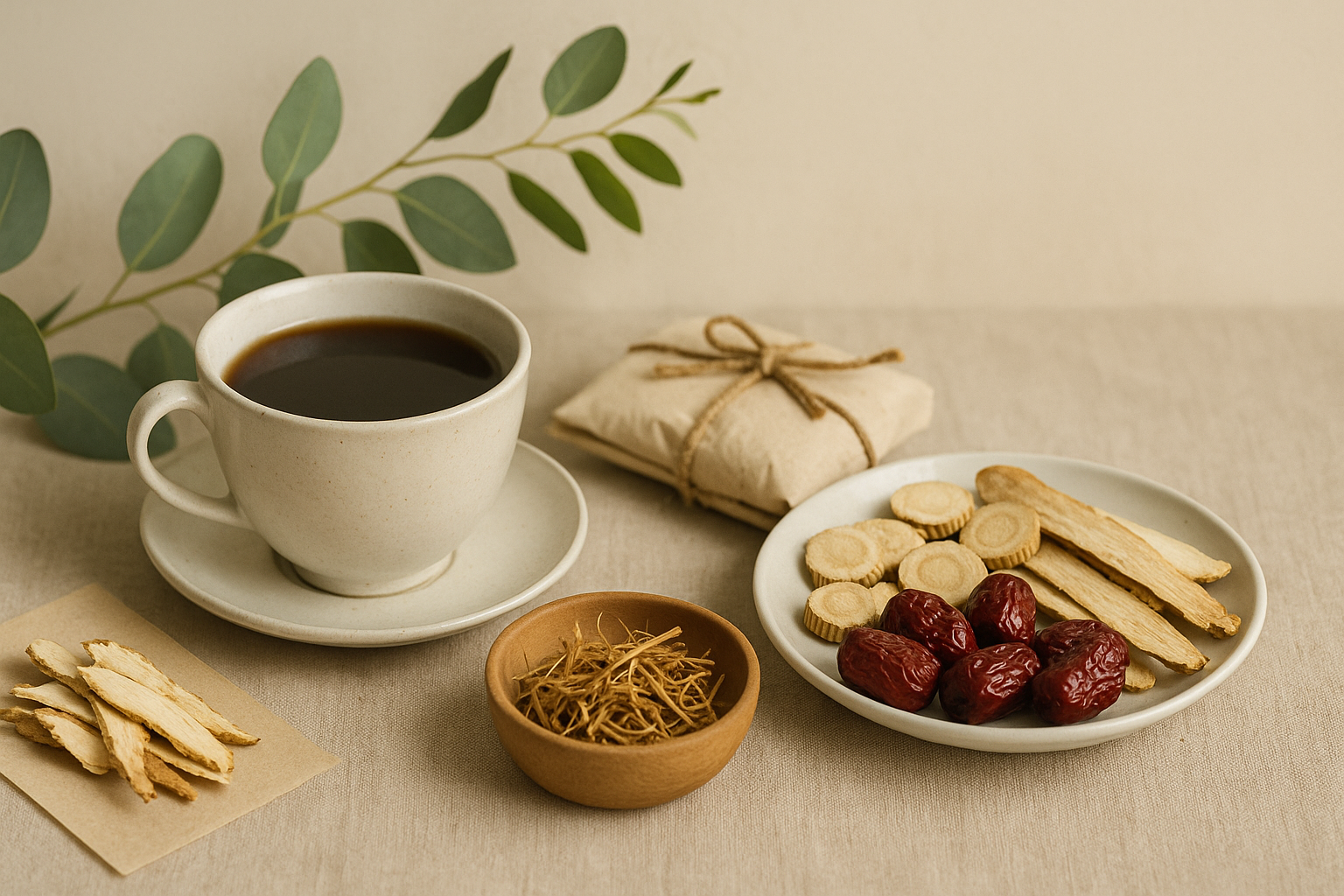
- Other herbal remedies from the tradition, such as medicinal teas and oils.
How to Find a Qualified Practitioner
Finding a qualified practitioner of Sacred Botanicals in Mayan Medicine involves several steps:
- Research local practitioners and their credentials.
- Seek recommendations from trusted sources, such as friends or community members.
- Look for practitioners who have undergone formal training in Mayan Medicine and have experience with sacred botanicals.
- Schedule a preliminary consultation to discuss your needs and assess the practitioner's approach.
FAQs (5)
- What are Sacred Botanicals? Sacred Botanicals are plants used within Mayan Medicine, valued for their healing properties and spiritual significance.
- How are Sacred Botanicals used in practice? They are typically selected based on individual needs, prepared in various forms, and administered with rituals to honor the plant's spirit.
- What conditions are Sacred Botanicals traditionally explored for? They are traditionally used for physical healing, emotional well-being, spiritual growth, and restoring balance.
- Is there scientific evidence for their effectiveness? Preliminary research suggests some sacred botanicals have beneficial properties, but more studies are needed.
- How can I find a qualified practitioner? Research local options, seek recommendations, and check credentials before making an appointment.
Frequently asked
What are Sacred Botanicals?
Sacred Botanicals are plants used within Mayan Medicine, valued for their healing properties and spiritual significance.
How are Sacred Botanicals used in practice?
They are typically selected based on individual needs, prepared in various forms, and administered with rituals to honor the plant's spirit.
What conditions are Sacred Botanicals traditionally explored for?
They are traditionally used for physical healing, emotional well-being, spiritual growth, and restoring balance.
Is there scientific evidence for their effectiveness?
Preliminary research suggests some sacred botanicals have beneficial properties, but more studies are needed.
How can I find a qualified practitioner?
Research local options, seek recommendations, and check credentials before making an appointment.