Herbal Medicine
Discover the ancient wisdom of Herbal Medicine in Mayan tradition, its historical roots, practices, and safety considerations.
Explore the rich tradition of Herbal Medicine within Mayan Medicine, delving into its definition, historical context, practices, applications, modern research, safety considerations, and ways to find qualified practitioners.
What It Is
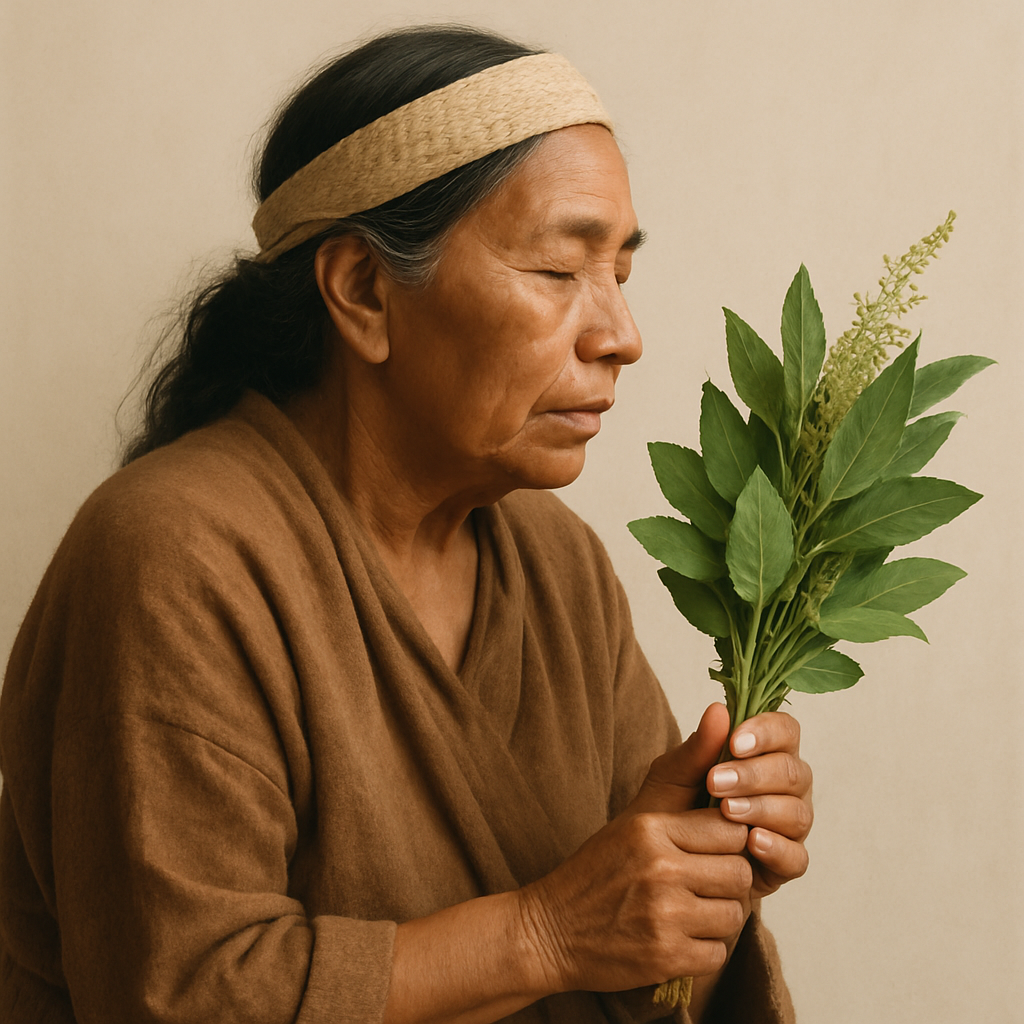
Herbal Medicine, a significant component of Mayan Medicine, involves the use of various plants and their extracts to promote health and well-being. This practice is grounded in the belief that plants possess unique healing properties, which can be harnessed to is traditionally explored for various ailments and enhance overall vitality. Practitioners utilize a combination of knowledge passed down through generations and empirical observations to create remedies tailored to individual needs.
The essence of Herbal Medicine in the Mayan tradition goes beyond mere physical treatment; it encompasses a holistic approach that considers emotional, spiritual, and environmental factors. This interconnectedness reflects the Mayan worldview, which sees health as a balance between the body, mind, and spirit, emphasizing the importance of harmony with nature.
Historical Context Within Mayan Medicine
Herbal Medicine has deep roots in the history of Mayan civilization, dating back thousands of years. The ancient Maya cultivated a vast array of plants, developing an extensive pharmacopoeia that included herbs, roots, and flowers. Notable figures in Mayan history, such as shamans and healers, played pivotal roles in advancing the knowledge of herbal remedies, passing this wisdom through oral traditions and written texts.
The use of herbal remedies became institutionalized within the community, with specific practices and rituals accompanying their application. These traditions were often interwoven with spiritual beliefs, as the Maya viewed the healing process not only as a physical restoration but also as a spiritual journey. The legacy of this ancient practice continues to influence modern herbal medicine, reflecting the enduring importance of plants in healing traditions.
How It's Practiced
In the practice of Herbal Medicine within Mayan tradition, practitioners typically follow a series of structured steps to ensure effective treatment. Here is a general overview of the process:
- Initial Consultation: The practitioner meets with the patient to discuss symptoms, medical history, and lifestyle factors.
- Diagnosis: Using traditional methods, the practitioner assesses the patient’s condition, often considering physical, emotional, and spiritual aspects.
- Herb Selection: Based on the diagnosis, the practitioner selects specific herbs known for their properties. Common herbs include lemongrass, chamomile, and various medicinal plants.
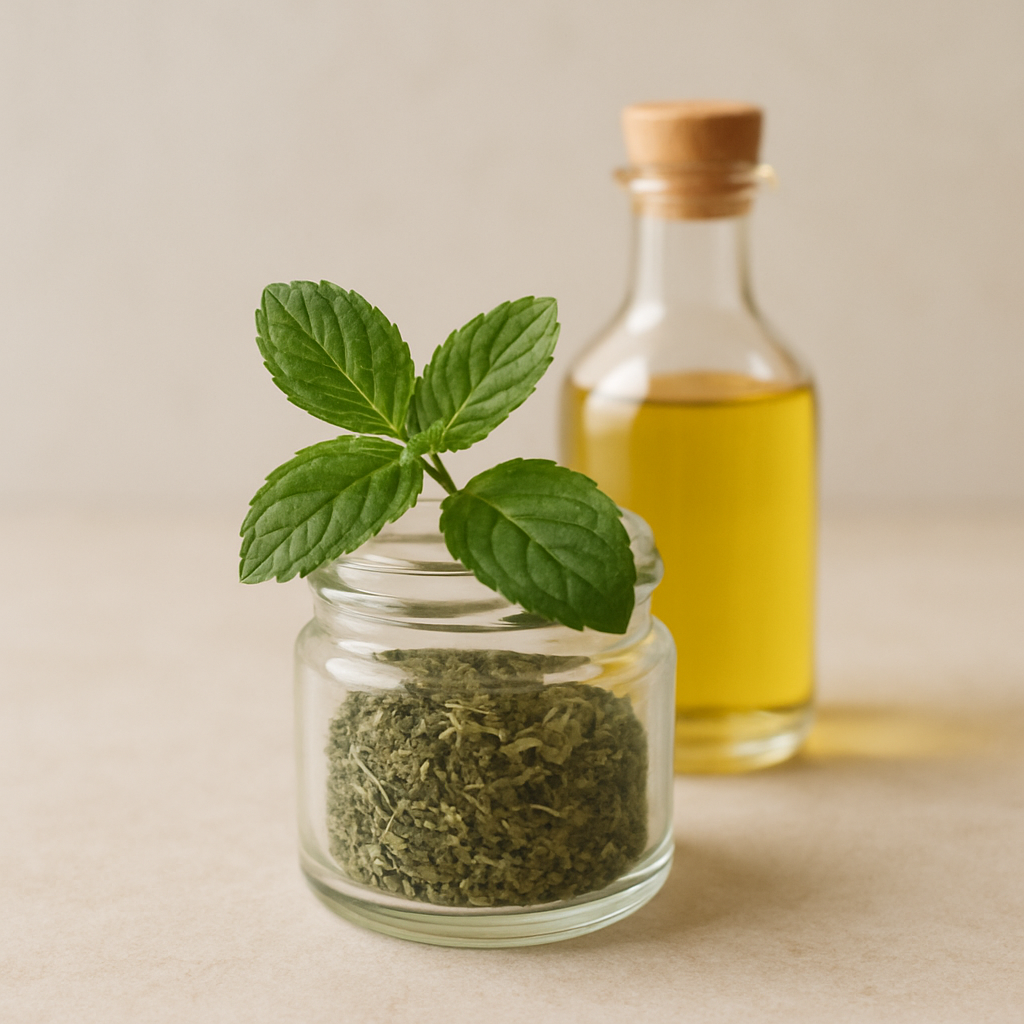
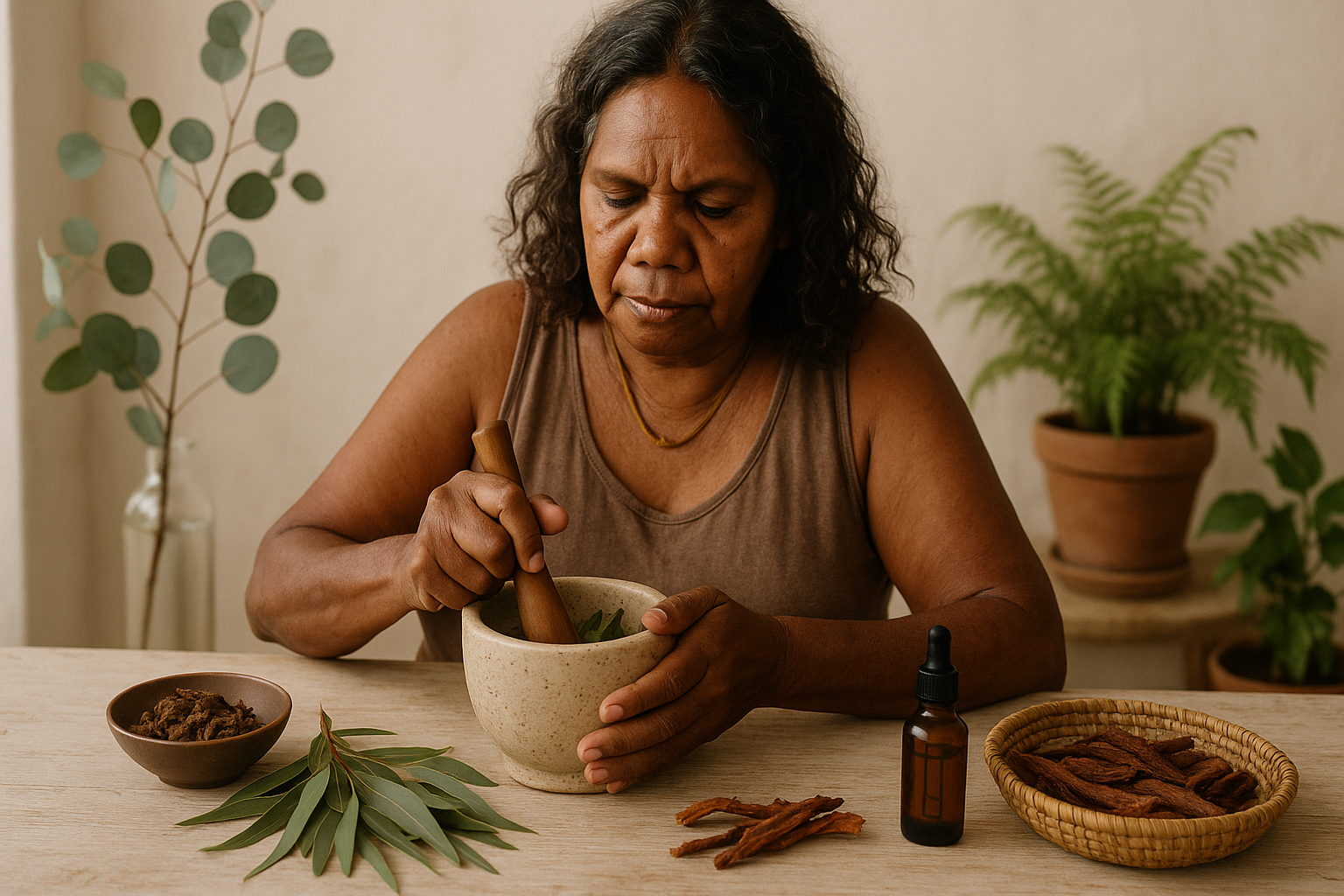
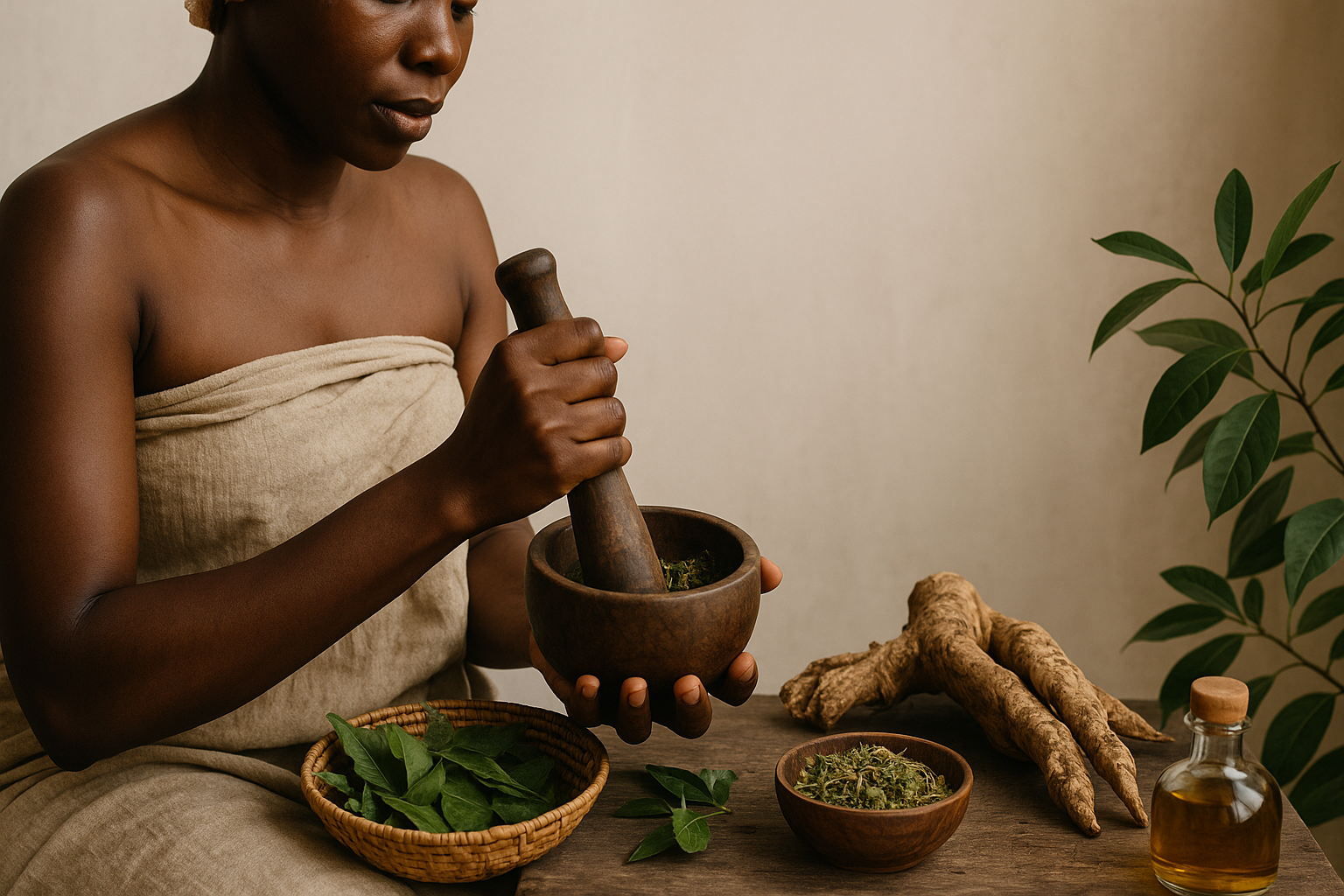
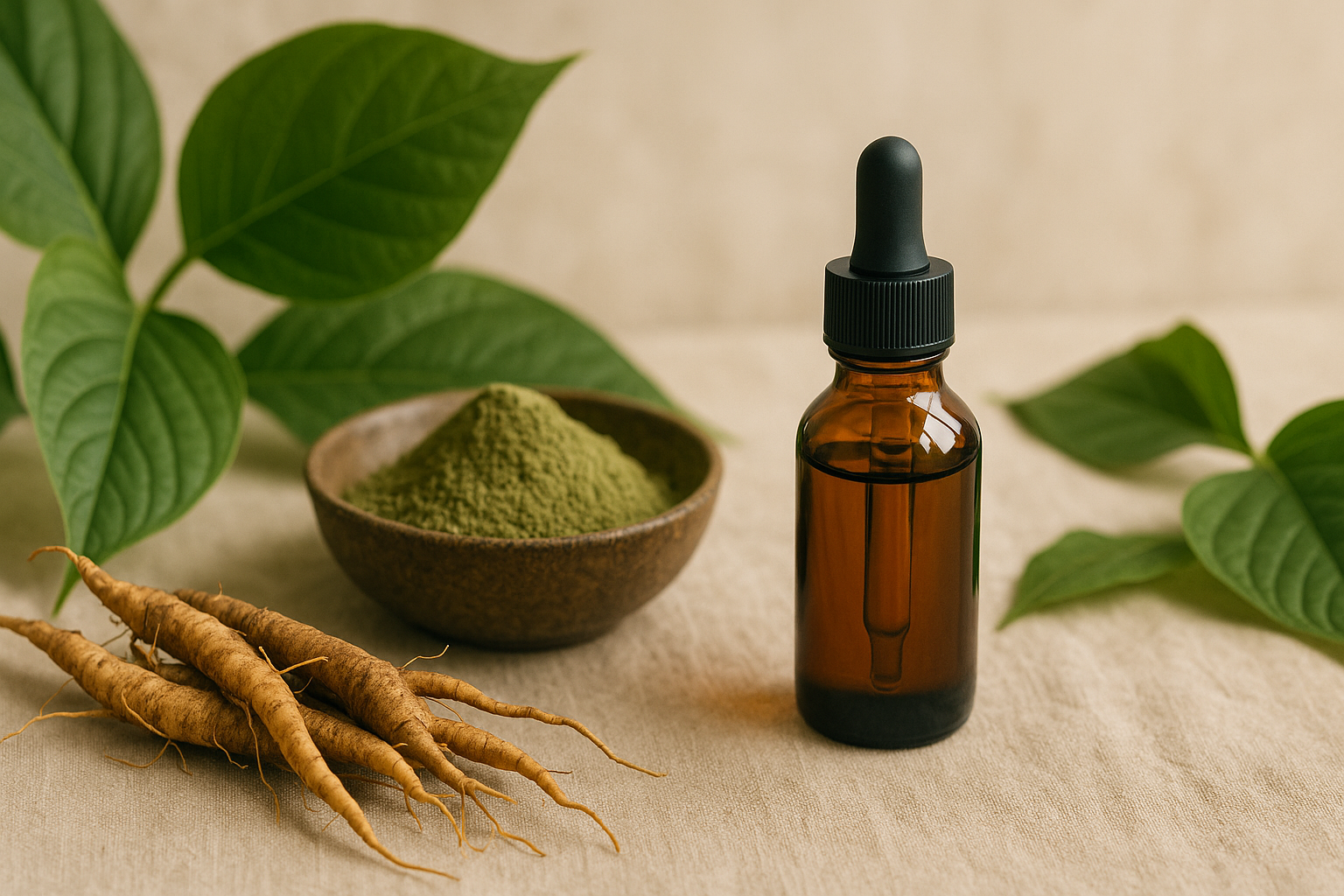
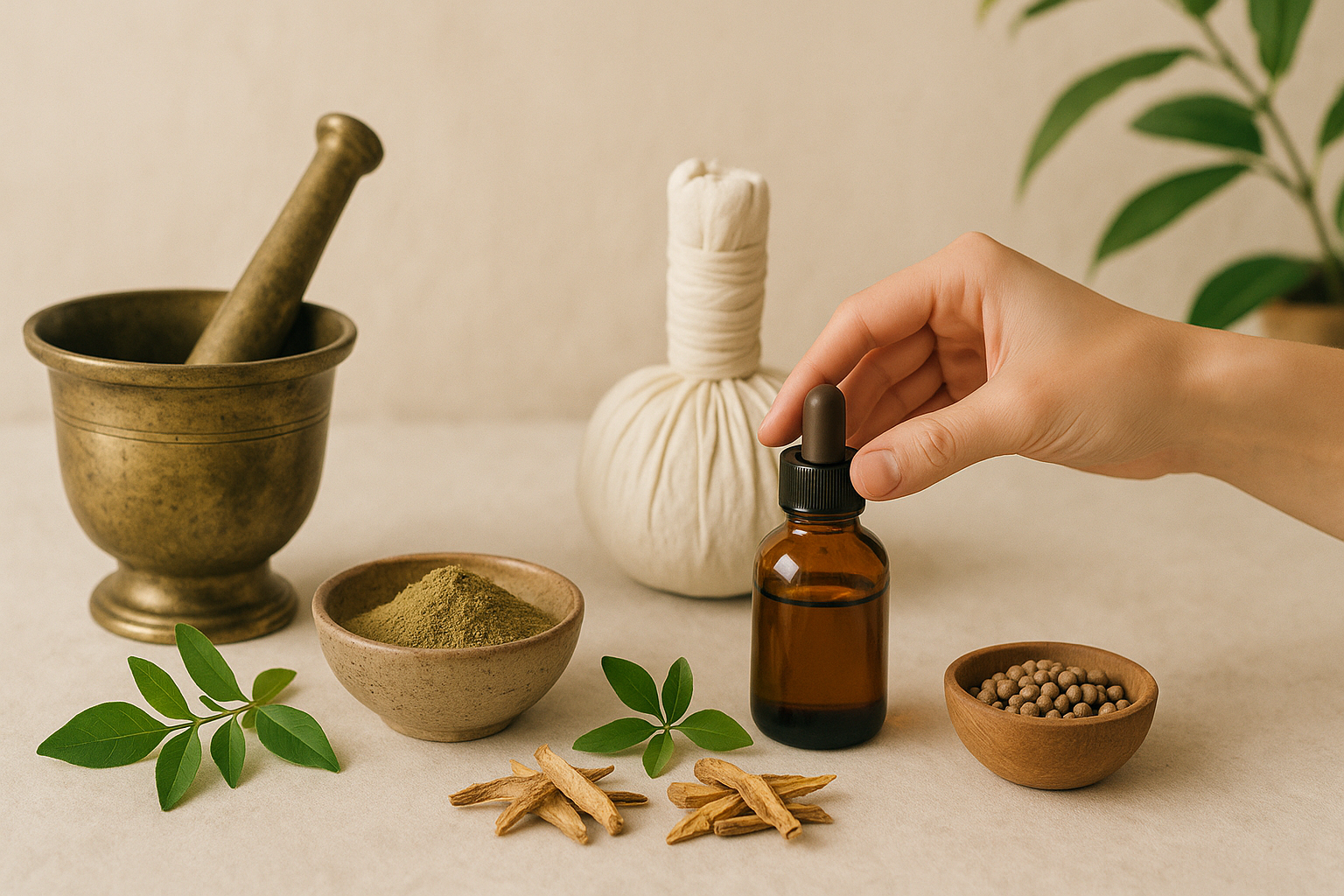
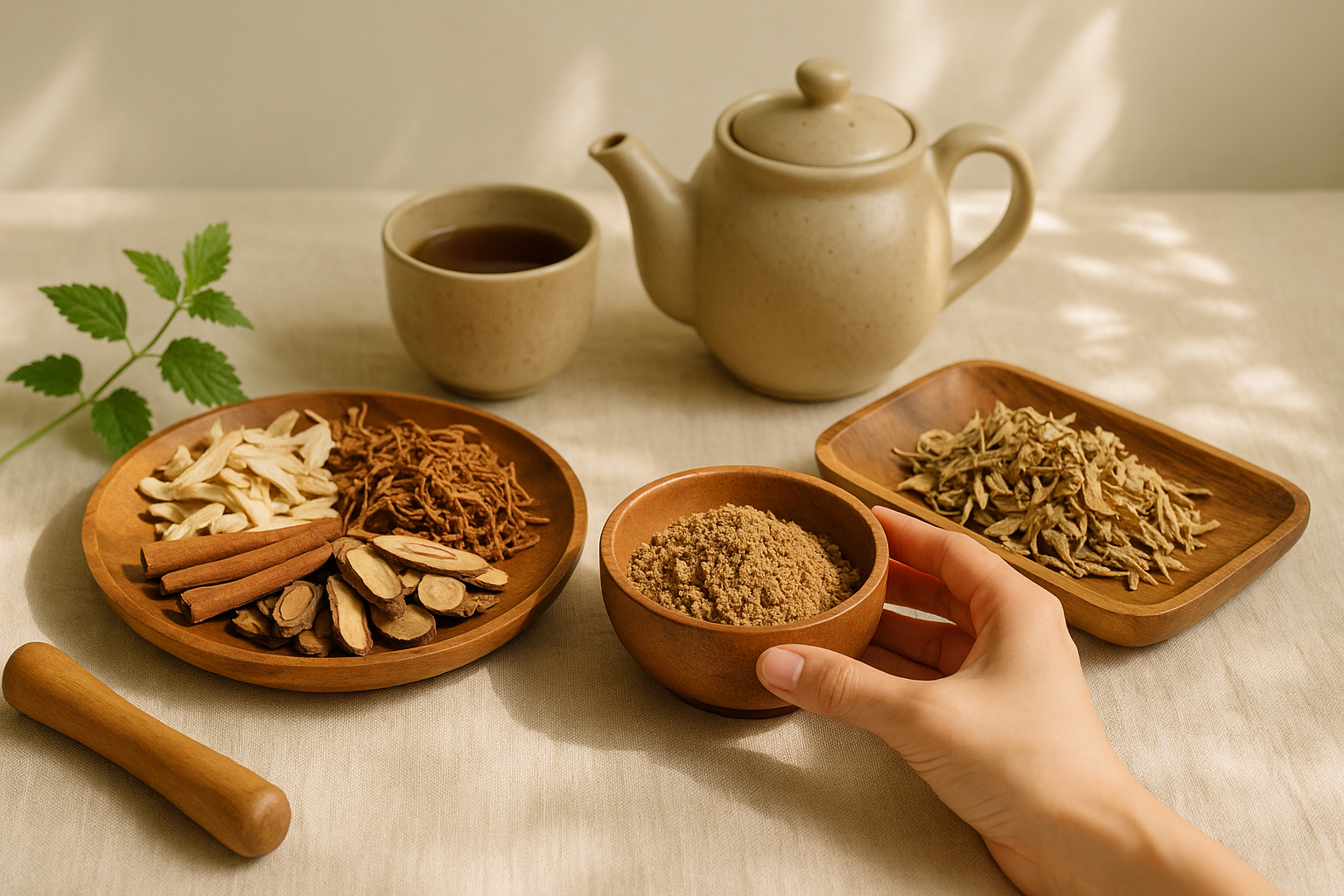
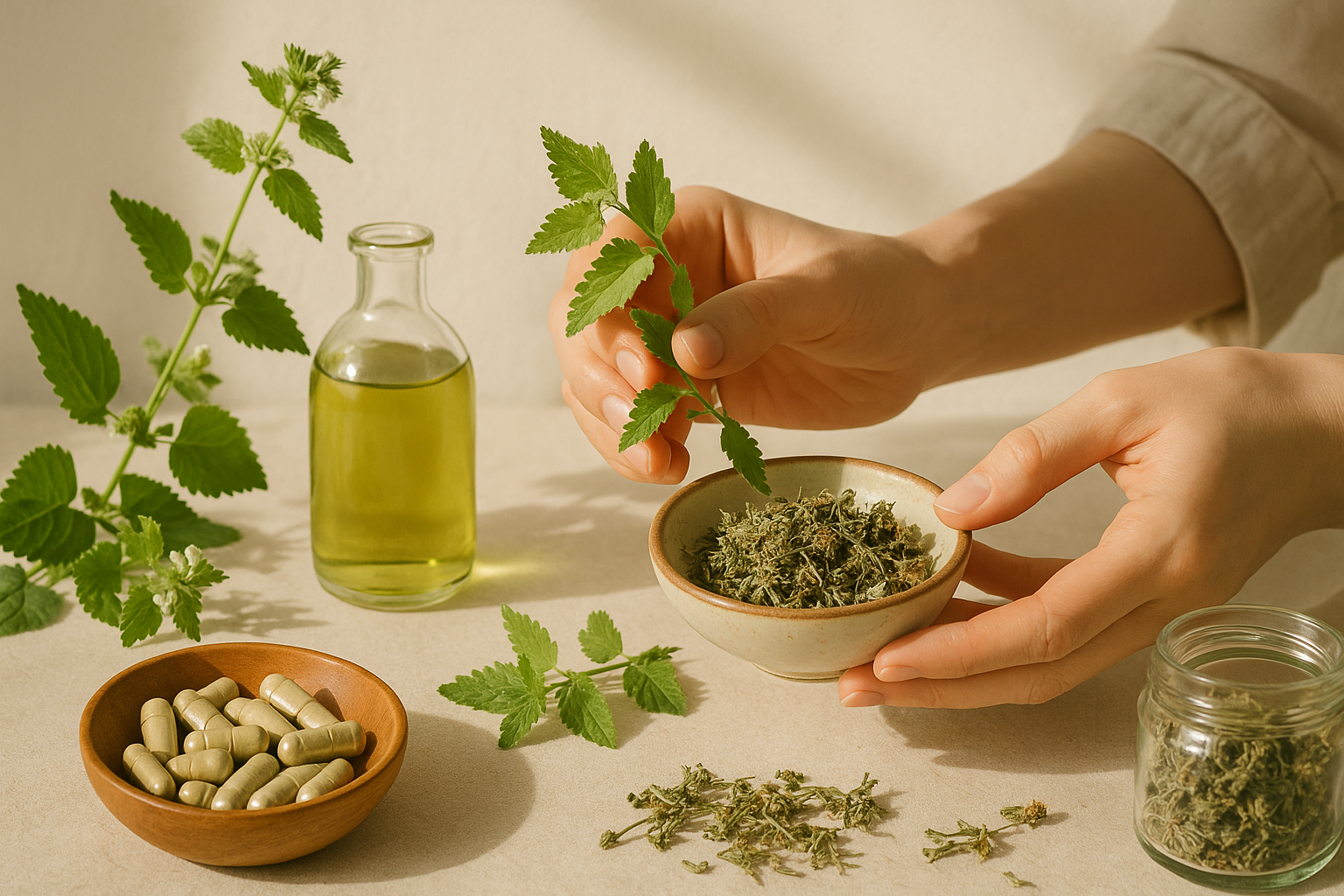
- Preparation: The selected herbs may be prepared in different forms, such as teas, tinctures, poultices, or baths, depending on the intended use.
- Application: The practitioner guides the patient on how to use the remedies, including dosage and frequency.
- Follow-Up: Regular check-ins are conducted to monitor progress and make necessary adjustments to the treatment plan.
What It Is Traditionally Explored For
Herbal Medicine in the Mayan tradition is traditionally explored for a variety of health issues and aims to restore balance and promote wellness. Commonly addressed conditions include:
- Digestive disorders
- Respiratory issues
- Skin conditions
- Fever and infections
- Emotional and mental health concerns
While these applications are rooted in tradition, it is essential to approach them with an understanding of individual health needs and conditions.
What Modern Research Suggests
Modern research into the efficacy of herbal remedies has gained momentum in recent years, with various studies exploring the biological activities of plants used in Mayan Herbal Medicine. Preliminary findings suggest that certain herbs possess anti-inflammatory, antimicrobial, and antioxidant properties, supporting their traditional uses. For instance, research on lemongrass has indicated potential benefits for digestive health and stress reduction.
However, while these studies provide valuable insights, it is crucial to note that more extensive clinical trials are needed to substantiate these claims fully. The complexity of herbal interactions and individual responses to treatment underscores the importance of caution when integrating herbal remedies into health regimens.
Safety, Contraindications & Who Should Skip
As with any form of medicine, safety is paramount in the practice of Herbal Medicine. Some key considerations include:
- Consultation with a qualified practitioner is essential before starting any herbal treatment, especially for individuals with pre-existing health conditions or those taking prescription medications.
- Certain herbs may interact negatively with medications, requiring careful management.
- Pregnant or breastfeeding women should exercise caution and seek professional advice before using herbal remedies.
- Individuals with allergies to specific plants should avoid those herbs to prevent adverse reactions.
Being informed and cautious helps ensure a safe and beneficial experience with herbal remedies.
Pairs Well With (within Mayan Medicine and across pillars)
Herbal Medicine can be effectively paired with other modalities within Mayan Medicine and broader holistic practices. Some complementary approaches include:
- Traditional Mayan massage
- Spiritual cleansing rituals
- Nutrition based on traditional Mayan foods
- Mindfulness and meditation practices
How to Find a Qualified Practitioner
To find a qualified practitioner in Herbal Medicine within the Mayan tradition, consider the following steps:
- Seek recommendations from trusted sources, such as local wellness centers or community groups focused on traditional healing.
- Research practitioners’ backgrounds, including their training and experience in herbal medicine.
- Look for certifications or affiliations with recognized traditional medicine organizations.
- Schedule a consultation to discuss your health needs and assess the practitioner's approach.
FAQs (5)
What is Herbal Medicine?
Herbal Medicine involves using plants and their extracts for therapeutic purposes, emphasizing a holistic approach to health.
How is Herbal Medicine practiced in the Mayan tradition?
Practitioners conduct consultations, diagnose conditions, select herbs, prepare remedies, and provide guidance on usage.
What conditions is Herbal Medicine traditionally used for?
It is traditionally used for digestive issues, respiratory problems, skin conditions, and emotional health concerns.
Is there scientific evidence supporting Herbal Medicine?
Preliminary research indicates potential benefits of certain herbs, but more extensive studies are needed.
How can I find a qualified Herbal Medicine practitioner?
Seek recommendations, research practitioners’ backgrounds, and schedule consultations to assess their approach.
Frequently asked
What is Herbal Medicine?
Herbal Medicine involves using plants and their extracts for therapeutic purposes, emphasizing a holistic approach to health.
How is Herbal Medicine practiced in the Mayan tradition?
Practitioners conduct consultations, diagnose conditions, select herbs, prepare remedies, and provide guidance on usage.
What conditions is Herbal Medicine traditionally used for?
It is traditionally used for digestive issues, respiratory problems, skin conditions, and emotional health concerns.
Is there scientific evidence supporting Herbal Medicine?
Preliminary research indicates potential benefits of certain herbs, but more extensive studies are needed.
How can I find a qualified Herbal Medicine practitioner?
Seek recommendations, research practitioners’ backgrounds, and schedule consultations to assess their approach.