Meditation
Discover the role of meditation in Mayan Medicine, its historical roots, practices, traditional uses, modern research, and how to find a qualified practitioner.
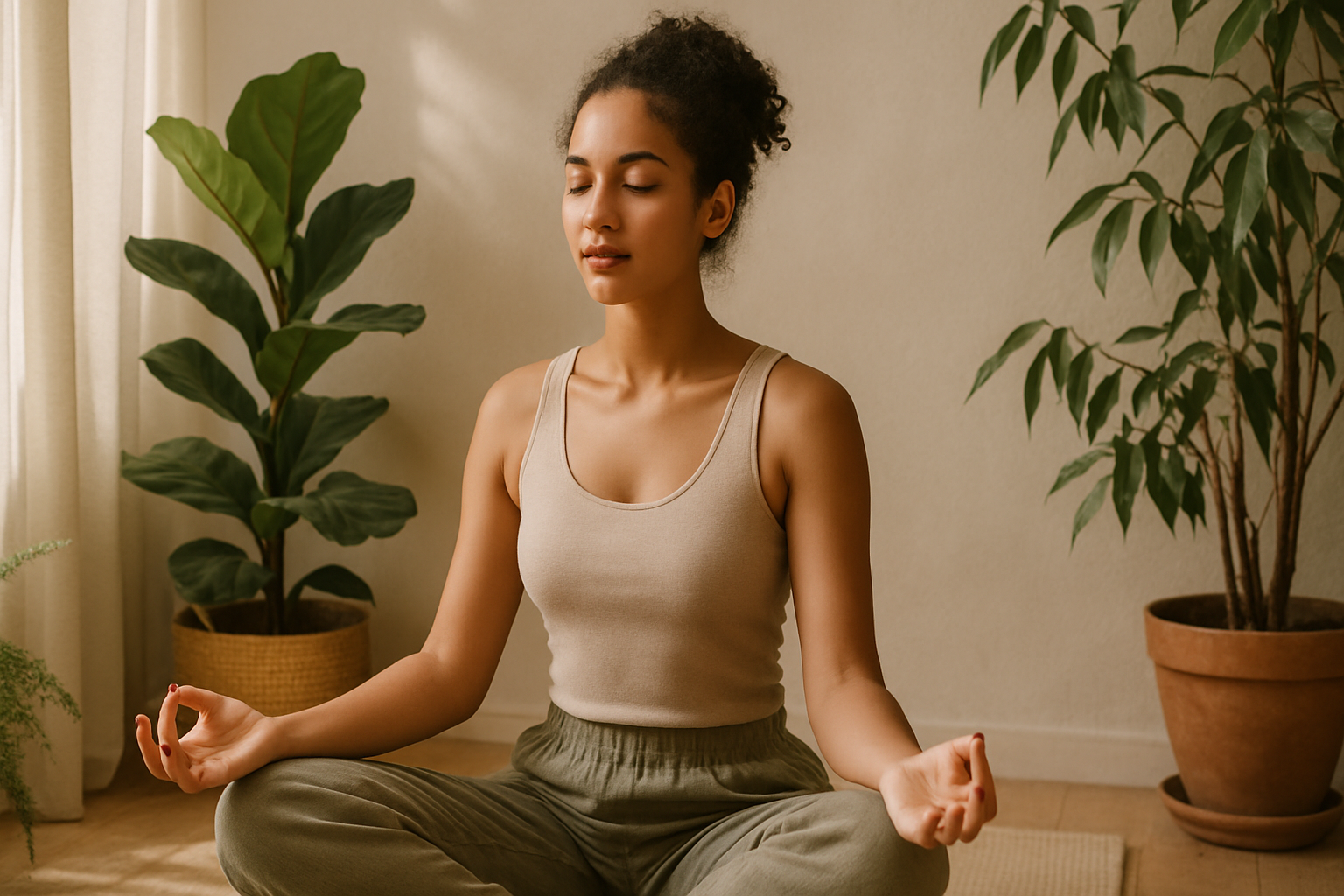
Exploring the ancient practice of meditation within Mayan Medicine, its historical context, methods of practice, traditional uses, modern research insights, and guidance on practitioners.
What It Is
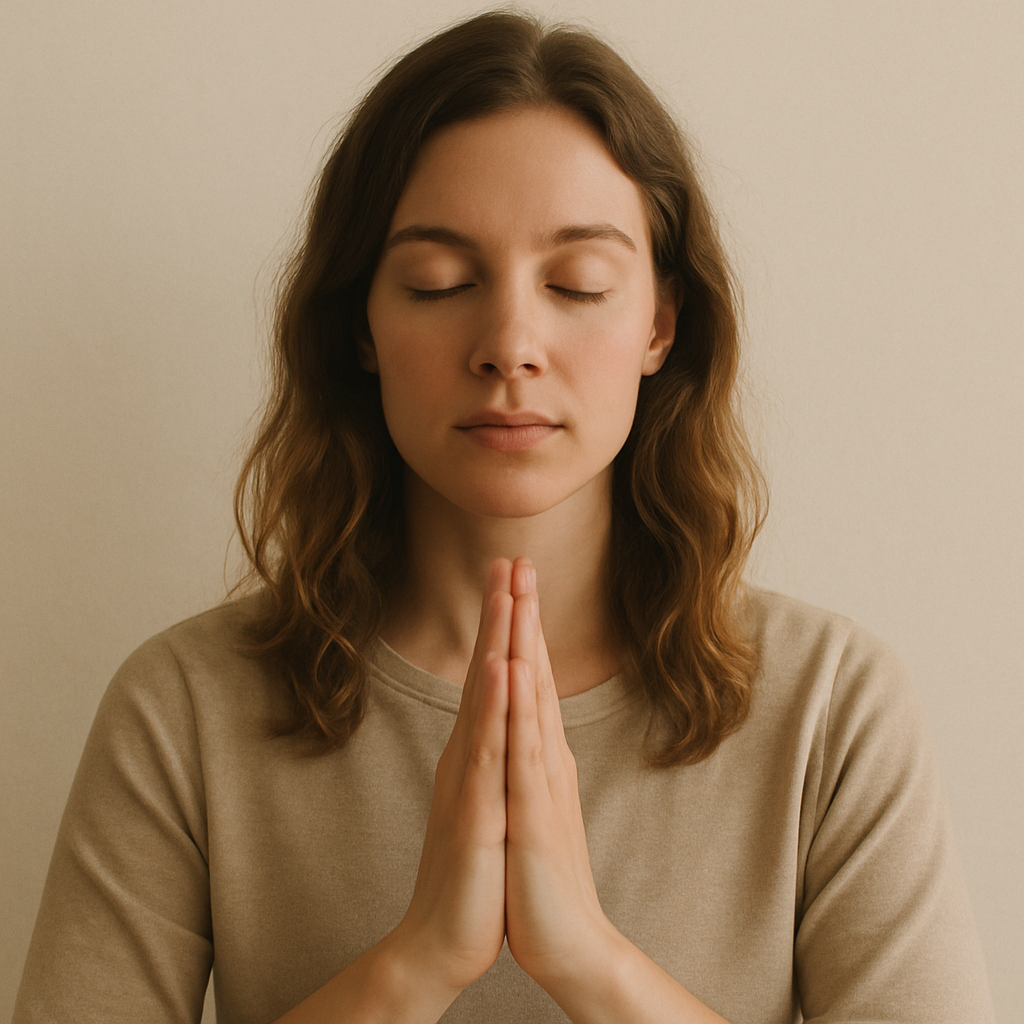
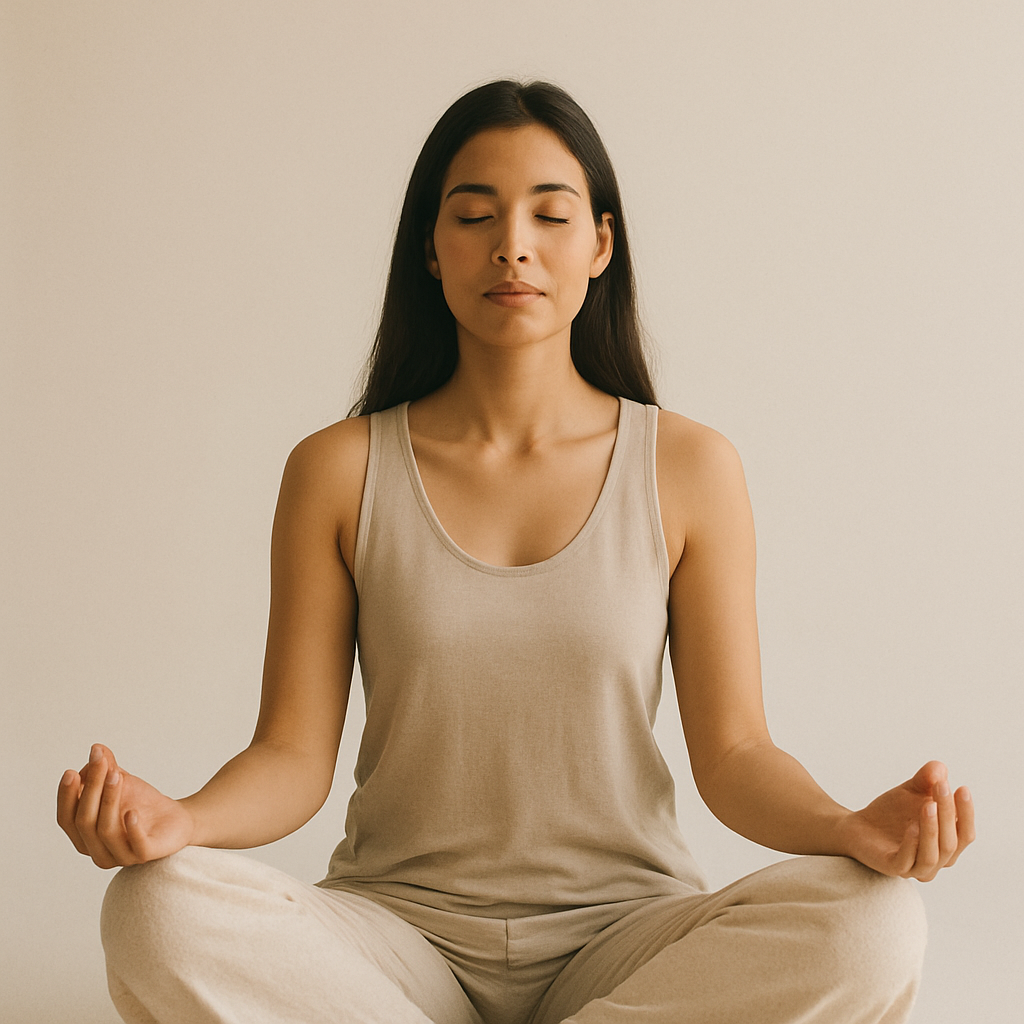
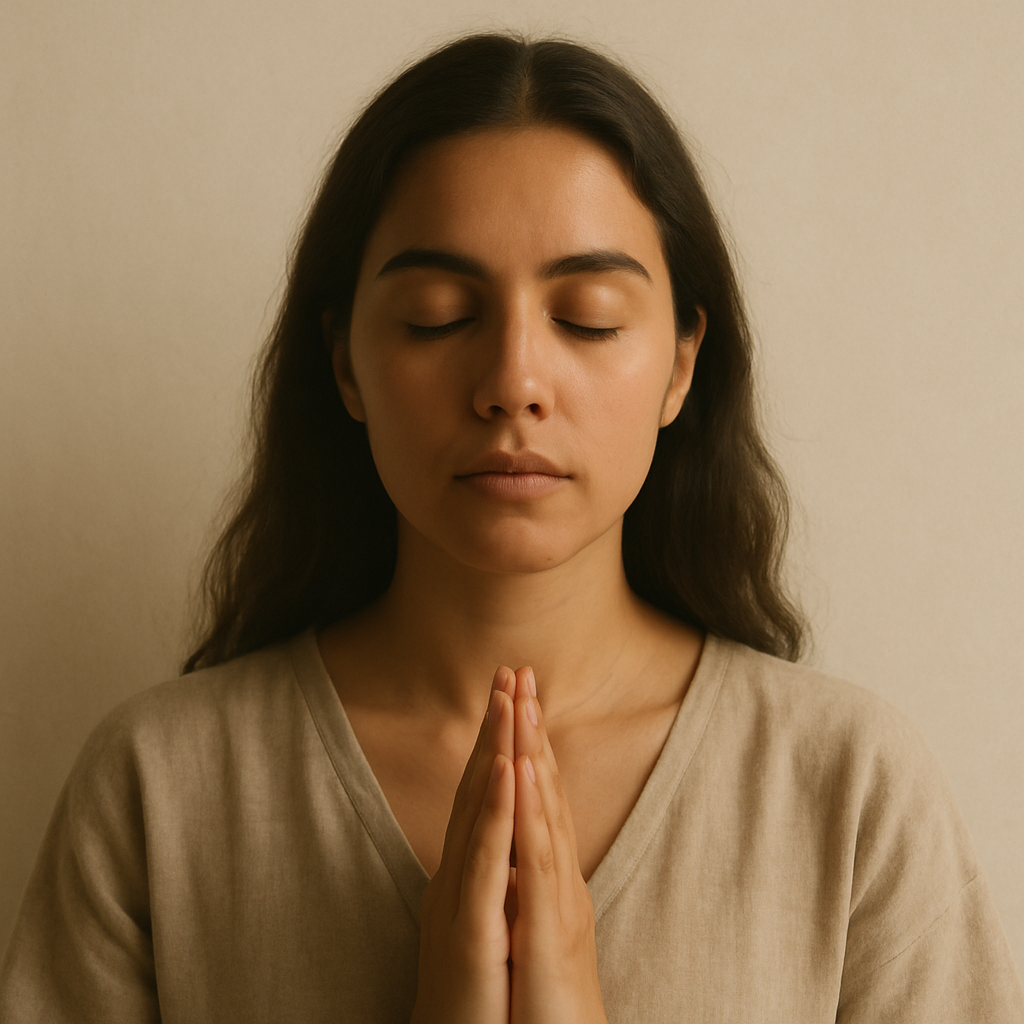
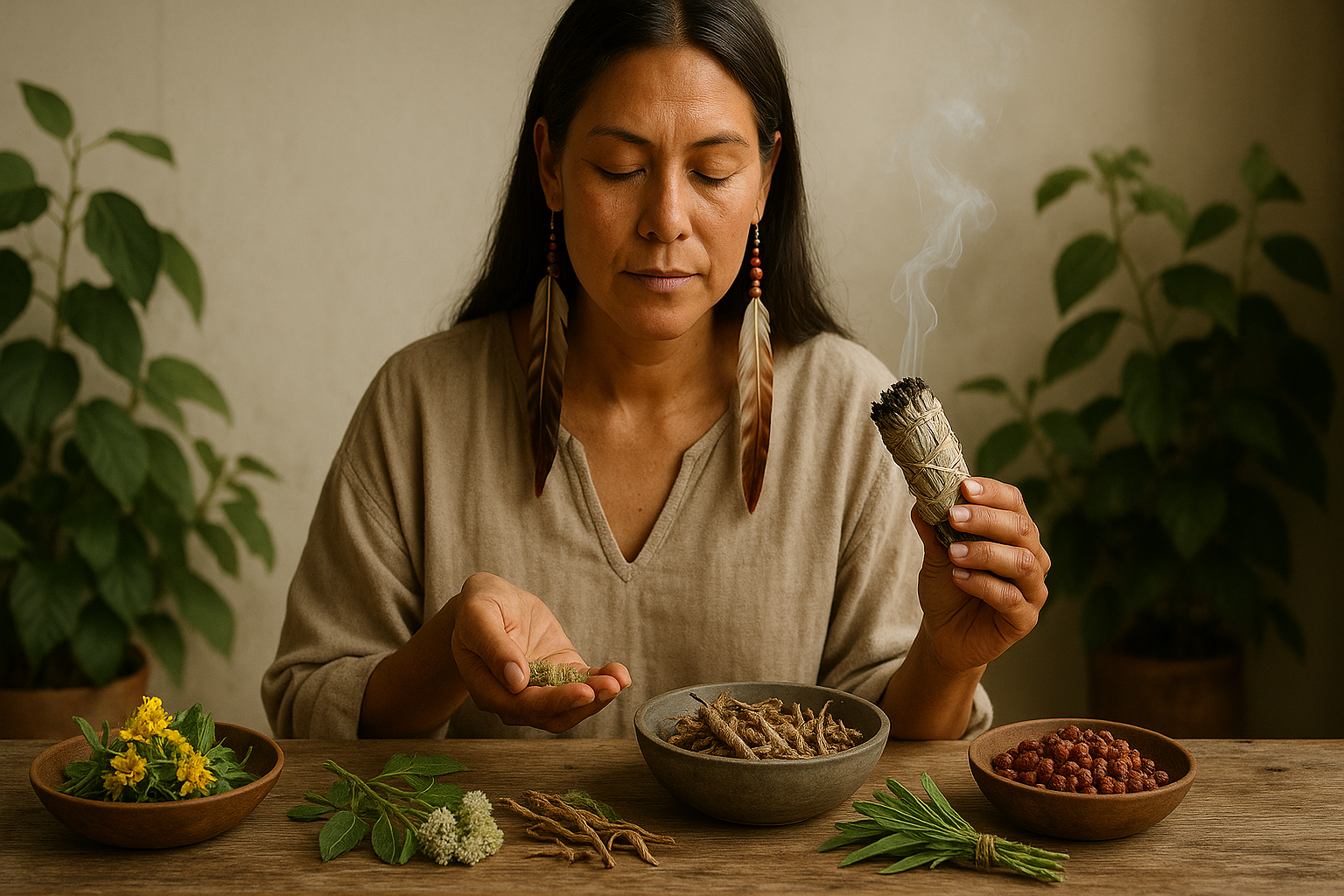
Meditation, within the context of Mayan Medicine, is a spiritual practice that involves focusing the mind to achieve a state of heightened awareness and inner peace. It serves as a bridge between the individual and the cosmos, allowing practitioners to connect with their inner selves and the energies of the universe. This practice emphasizes mindfulness and presence, fostering a deeper understanding of one's thoughts, emotions, and surroundings.
In Mayan culture, meditation is not merely a technique for relaxation but a vital aspect of spiritual and physical health. It is believed that through meditation, individuals can access wisdom and guidance from their ancestors and the natural world. The practice can involve various techniques, including visualization, chanting, and breath control, all aimed at fostering a harmonious relationship with oneself and the environment.
Historical Context Within Mayan Medicine
The roots of meditation in Mayan Medicine can be traced back to ancient Mayan civilization, which flourished in Mesoamerica from approximately 2000 BC to the Spanish conquest in the 16th century. The Mayans held a deep reverence for the spiritual world, and meditation emerged as a critical practice among shamans and healers. These practitioners utilized meditation as a means to connect with spiritual realms and gather insights for healing rituals.
It was primarily the Mayan priests and shamans who developed and refined meditation techniques, integrating them into their healing practices. This lineage of wisdom was passed down through generations, intertwining meditation with other rituals and ceremonies that honored natural forces and deities. Today, the essence of these ancient practices continues to influence modern interpretations of meditation in Mayan Medicine.
How It's Practiced
The practice of meditation in Mayan Medicine typically involves several steps, which can vary based on the individual and their specific goals. Here is a general walk-through of how one might engage in this practice:
- Preparation: Find a quiet and comfortable space where you can sit or lie down without distractions.
- Setting Intentions: Begin by setting a clear intention for your meditation, whether it is to seek clarity, healing, or connection with the spiritual realm.
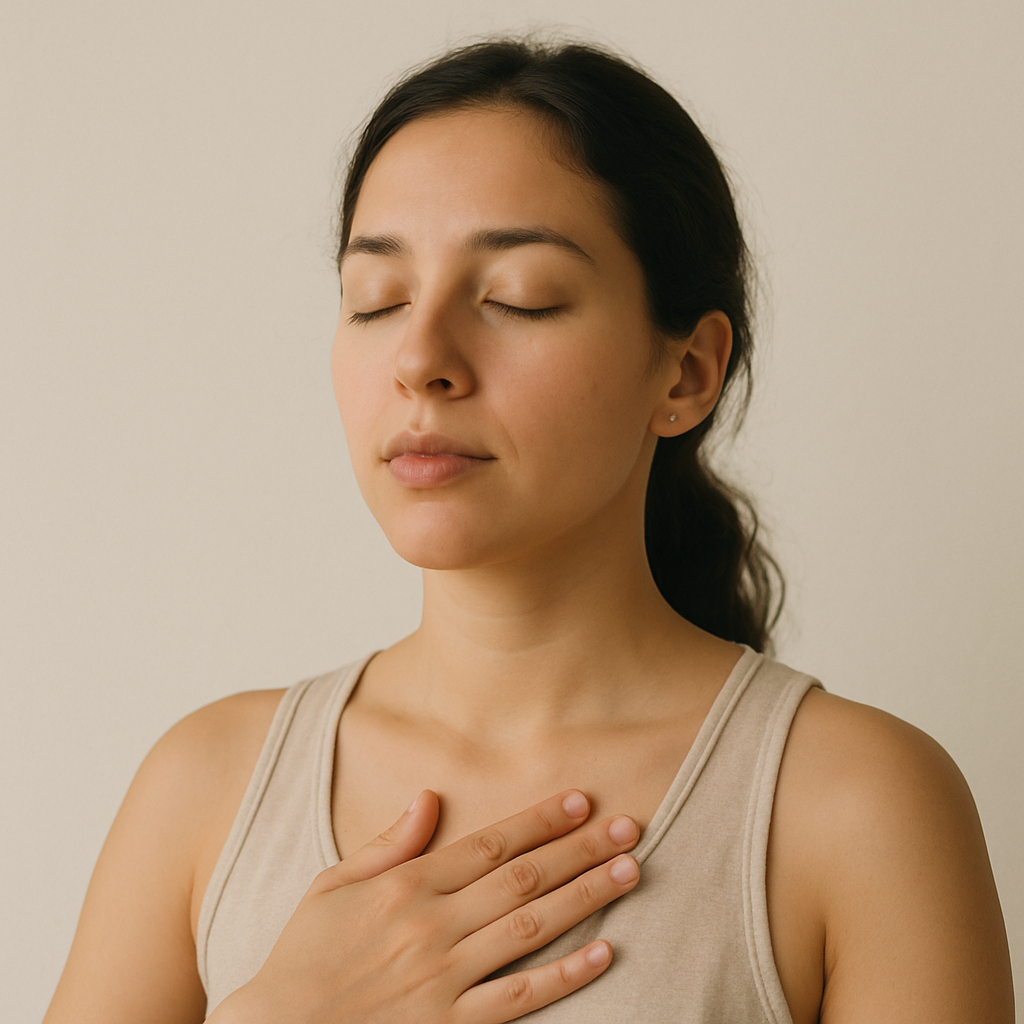
- Breathing Techniques: Focus on your breath, inhaling deeply through the nose and exhaling slowly through the mouth. This helps center the mind.
- Visualization: Envision a peaceful scene or a guiding figure, allowing the imagery to deepen your state of relaxation.
- Chanting or Mantras: Some practitioners may incorporate mantras or chants, repeating them silently or aloud to enhance focus.
- Reflection: After a period of meditation, spend a moment in reflection, considering any insights or feelings that arose during the practice.
- Closing: Gradually bring your awareness back to the present moment, expressing gratitude for the experience.
What It Is Traditionally Explored For
Meditation within Mayan Medicine is traditionally explored for various purposes, reflecting a holistic approach to well-being. While these practices do not replace professional medical advice, they are commonly associated with the following goals:
- Enhancing mental clarity and focus.
- Promoting emotional balance and resilience.
- Facilitating spiritual growth and connection.
- Encouraging relaxation and stress reduction.
- Supporting physical healing and recovery.
What Modern Research Suggests
Modern research on meditation has gained significant traction, yielding various studies that explore its benefits. Preliminary findings suggest that meditation can positively affect mental health, reducing symptoms of anxiety and depression. Some studies indicate that consistent meditation practice may lead to structural changes in the brain, enhancing areas associated with emotional regulation and cognitive function.
Furthermore, clinical studies have begun to examine the potential role of meditation in physical health. Some evidence suggests that meditation can positively influence factors such as blood pressure, pain perception, and overall health outcomes. However, it is essential to approach these findings with caution, as more research is needed to understand the mechanisms and long-term effects fully.
Safety, Contraindications & Who Should Skip
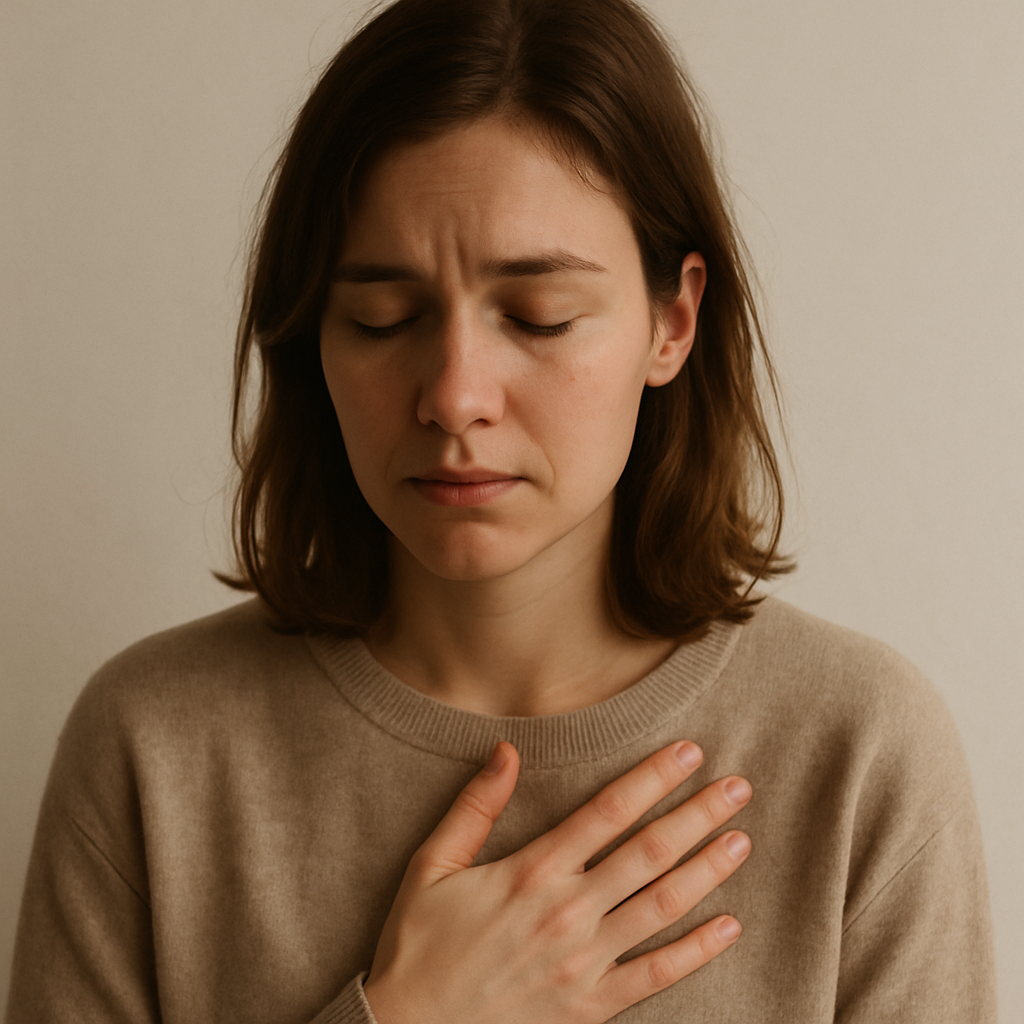
While meditation is generally considered safe for most individuals, there are certain circumstances where caution is advised. Individuals with severe mental health conditions, such as certain types of trauma or psychosis, should consult a qualified practitioner before engaging in meditation. Additionally, those who may experience heightened anxiety or discomfort during meditation may find it beneficial to seek guidance from a trained professional.
It is also important for individuals to listen to their bodies and minds during practice. If meditation leads to distressing thoughts or feelings, it may be prudent to pause and seek support.
Pairs Well With (within Mayan Medicine and across pillars)
Meditation in Mayan Medicine can complement various other modalities and practices, enriching the overall experience of healing and personal growth. Some practices that pair well with meditation include:
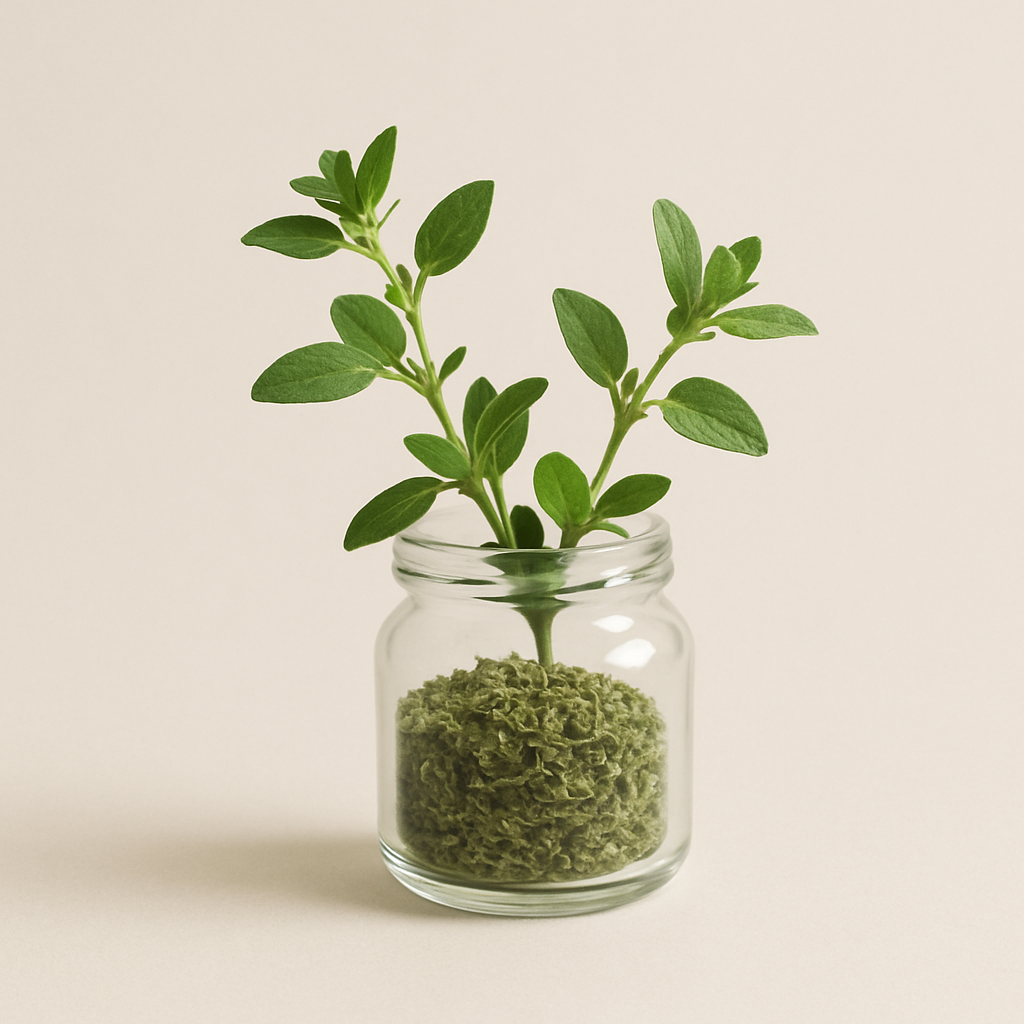
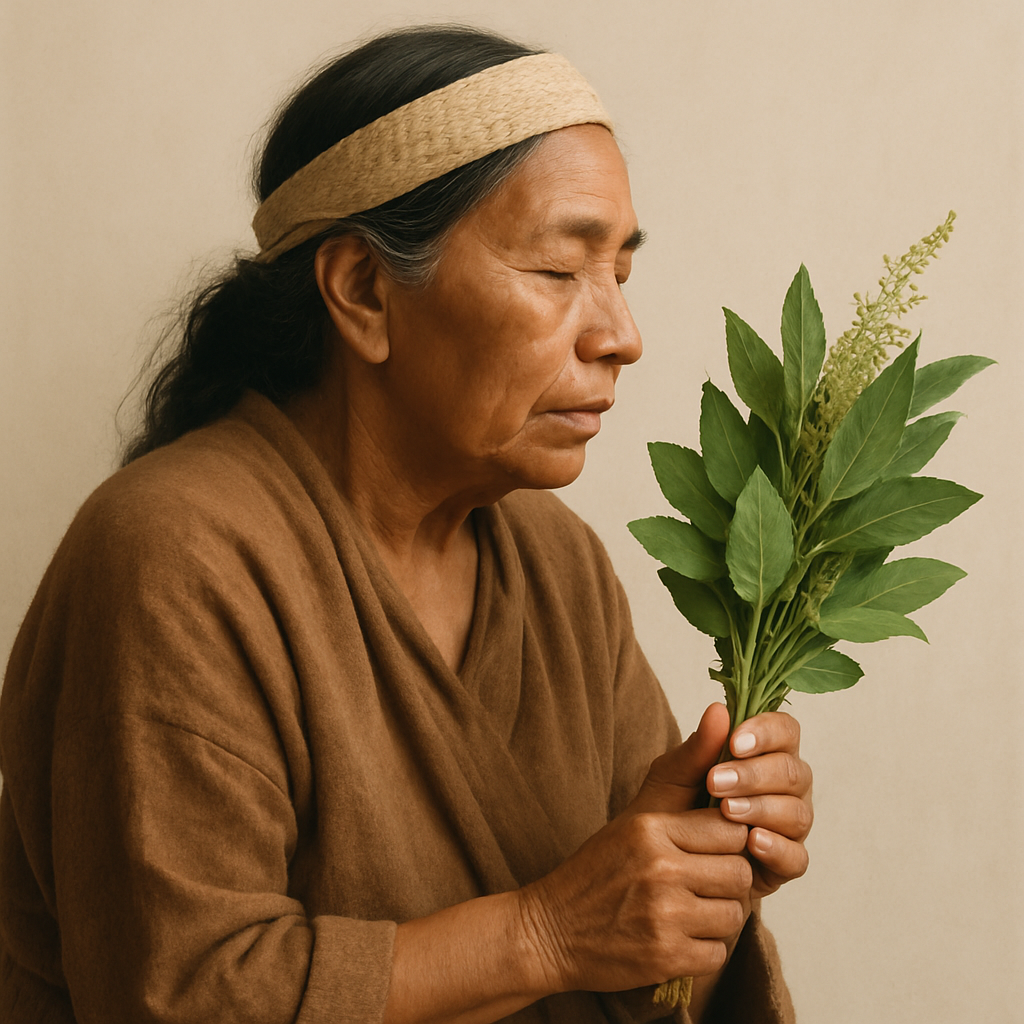
- Herbal Remedies: Utilizing traditional Mayan herbs to support mental and physical well-being.
- Rituals and Ceremonies: Engaging in community-based rituals that incorporate meditation and spiritual elements.
- Breathwork: Exploring breath control techniques to enhance meditative states.
- Massage and Bodywork: Integrating physical touch to release tension and promote relaxation.
- Dream Analysis: Utilizing dreams as a tool for insight and understanding during meditation.
How to Find a Qualified Practitioner
Finding a qualified practitioner in Mayan Medicine who specializes in meditation can be an enriching journey. Here are some steps to help you in your search:
- Research: Look for practitioners with a reputable background in Mayan Medicine and meditation.
- Seek Recommendations: Ask for referrals from individuals who have experienced similar practices.
- Attend Workshops: Participate in workshops or retreats focusing on Mayan Medicine and meditation to meet practitioners in person.
- Check Credentials: Ensure that the practitioner has appropriate training and experience in meditation and Mayan healing traditions.
- Trust Your Instincts: Choose a practitioner with whom you feel comfortable and aligned in your healing journey.
FAQs (5)
- What is the best time to practice meditation? Many find early morning or late evening to be ideal, as these times are often quieter and more peaceful.
- Do I need to have experience to start meditating? No, meditation can be practiced by anyone, regardless of experience level. Beginners are encouraged to start with short sessions.
- How long should I meditate for? Starting with 5-10 minutes is common, gradually increasing the duration as you become more comfortable.
- Can meditation be done anywhere? Yes, meditation can be practiced in various settings, as long as you can find a peaceful space.
- What if I find it hard to concentrate while meditating? It is normal for thoughts to arise. Gently redirect your focus back to your breath or intention without judgment.
Frequently asked
What is the best time to practice meditation?
Many find early morning or late evening to be ideal, as these times are often quieter and more peaceful.
Do I need to have experience to start meditating?
No, meditation can be practiced by anyone, regardless of experience level. Beginners are encouraged to start with short sessions.
How long should I meditate for?
Starting with 5-10 minutes is common, gradually increasing the duration as you become more comfortable.
Can meditation be done anywhere?
Yes, meditation can be practiced in various settings, as long as you can find a peaceful space.
What if I find it hard to concentrate while meditating?
It is normal for thoughts to arise. Gently redirect your focus back to your breath or intention without judgment.