Breathwork
Discover the ancient wisdom of Breathwork in Mayan Medicine, its historical roots, methods, and potential benefits.
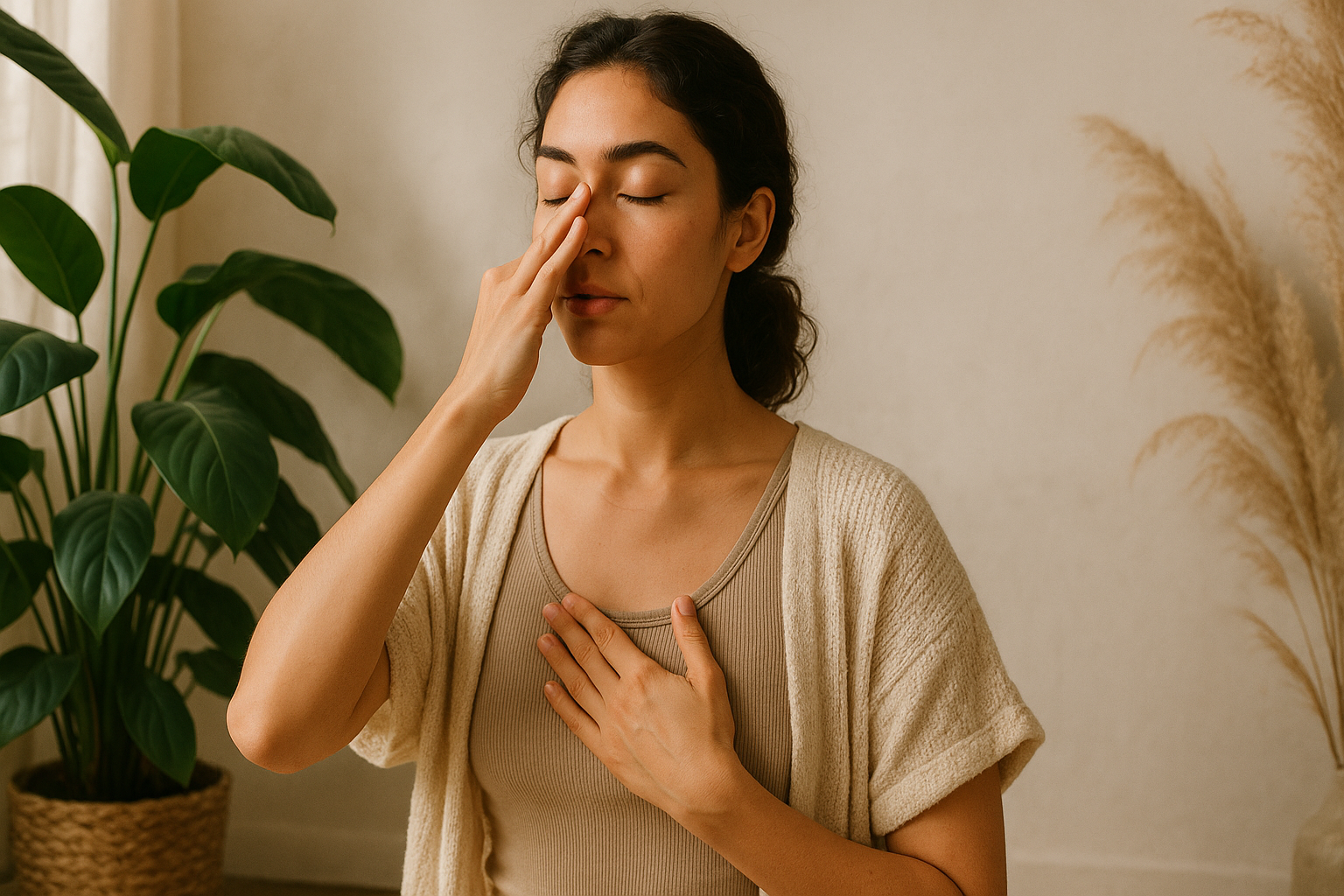
Explore the ancient practice of Breathwork within Mayan Medicine, its historical significance, methods, and potential benefits.
What It Is
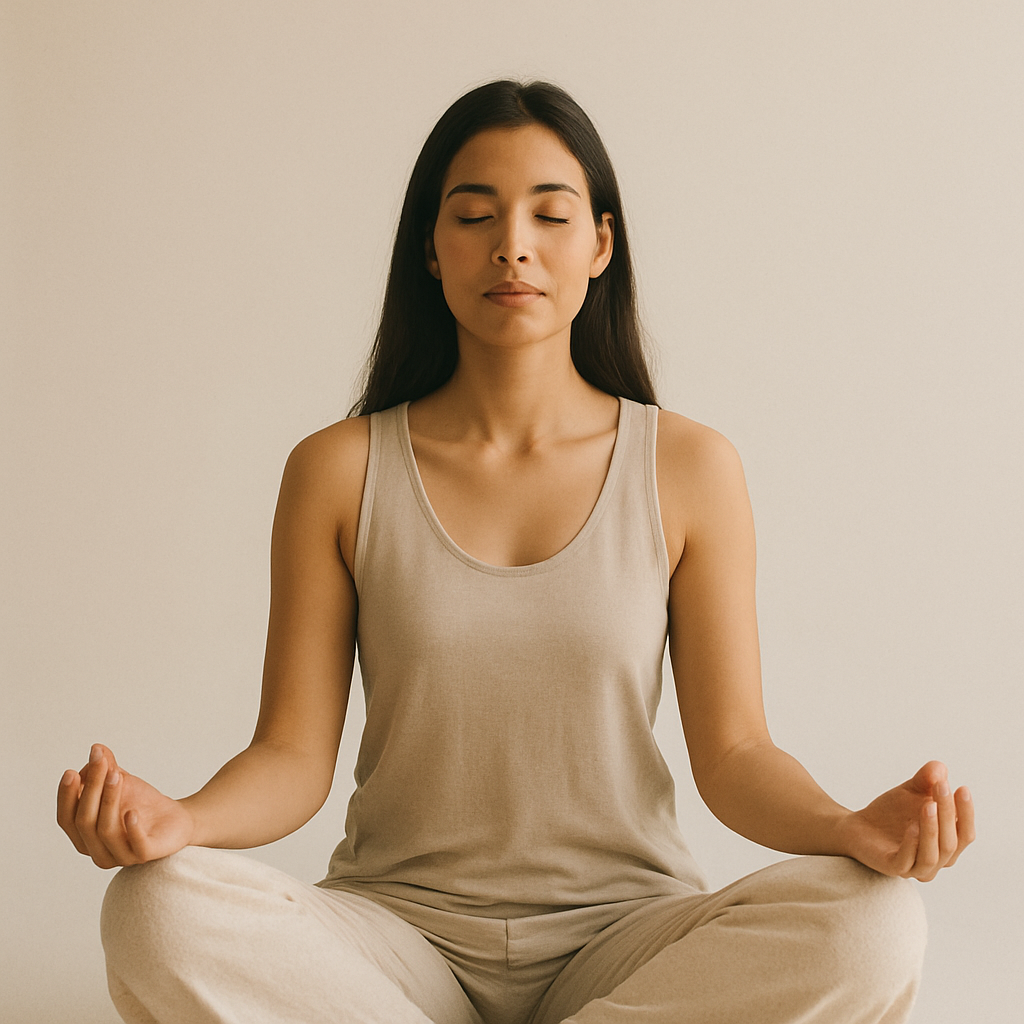
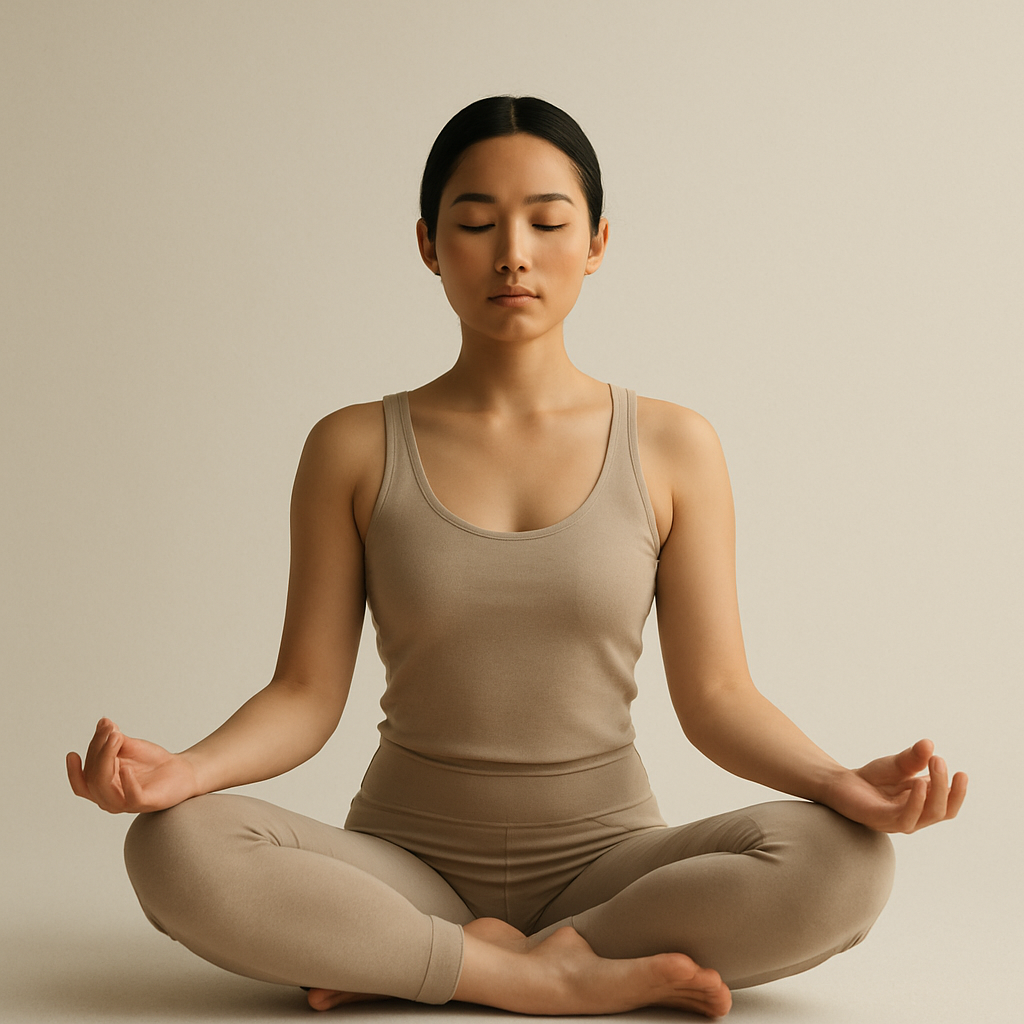
Breathwork is a term that encompasses various techniques and practices focused on the conscious control of breathing to enhance physical, emotional, and spiritual well-being. In the context of Mayan Medicine, breathwork is viewed as a vital component of holistic healing, integrating mind, body, and spirit. This practice emphasizes the importance of breath as a life force, connecting individuals to their inner selves and the universe.
Practitioners of Mayan Medicine believe that breath serves as a bridge between the physical and spiritual realms. Through intentional breathing techniques, individuals can cultivate awareness, release emotional blockages, and promote relaxation. Breathwork is often used in conjunction with other traditional healing practices, enhancing its effectiveness and deepening the healing experience.
Historical Context Within Mayan Medicine
Breathwork has been an integral aspect of Mayan Medicine for centuries, rooted in the ancient Maya civilization's understanding of the interconnectedness of life. The Mayans recognized the significance of breath not only as a physiological function but as a spiritual practice that connects them to their ancestors and the cosmos. This ancient lineage has preserved the art of breathwork through generations, with shamans and healers passing down knowledge and techniques.
Historically, breathwork was developed by Mayan healers who observed its effects on the body and mind. The practice is often intertwined with rituals, ceremonies, and offerings, making it a communal experience that fosters connection and healing. As the modern world continues to evolve, the wisdom of breathwork remains relevant, bridging ancient traditions with contemporary healing practices.
How It's Practiced
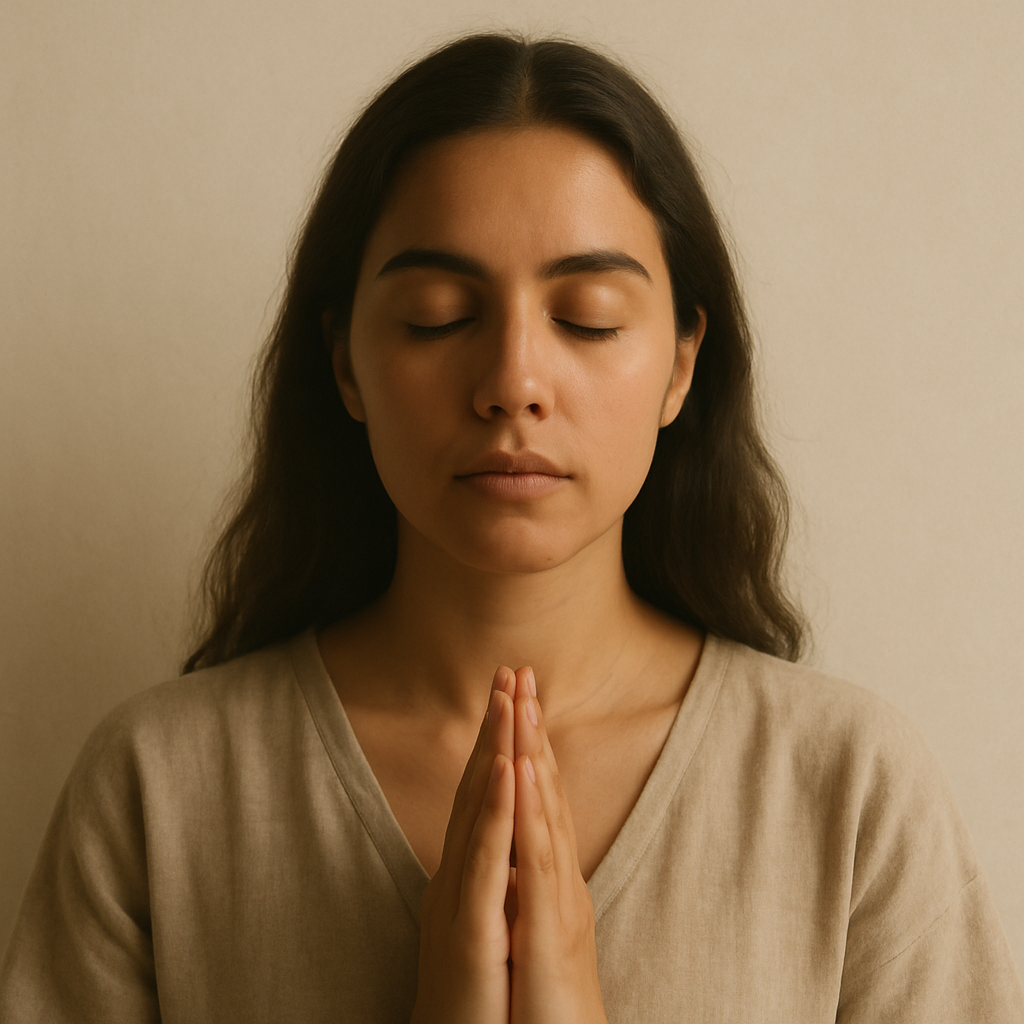
Breathwork in Mayan Medicine is typically guided by a skilled practitioner who creates a safe and supportive environment for participants. The practice may vary based on individual needs, but generally includes the following steps:
- Setting intentions: Participants are encouraged to state their goals or intentions for the session.
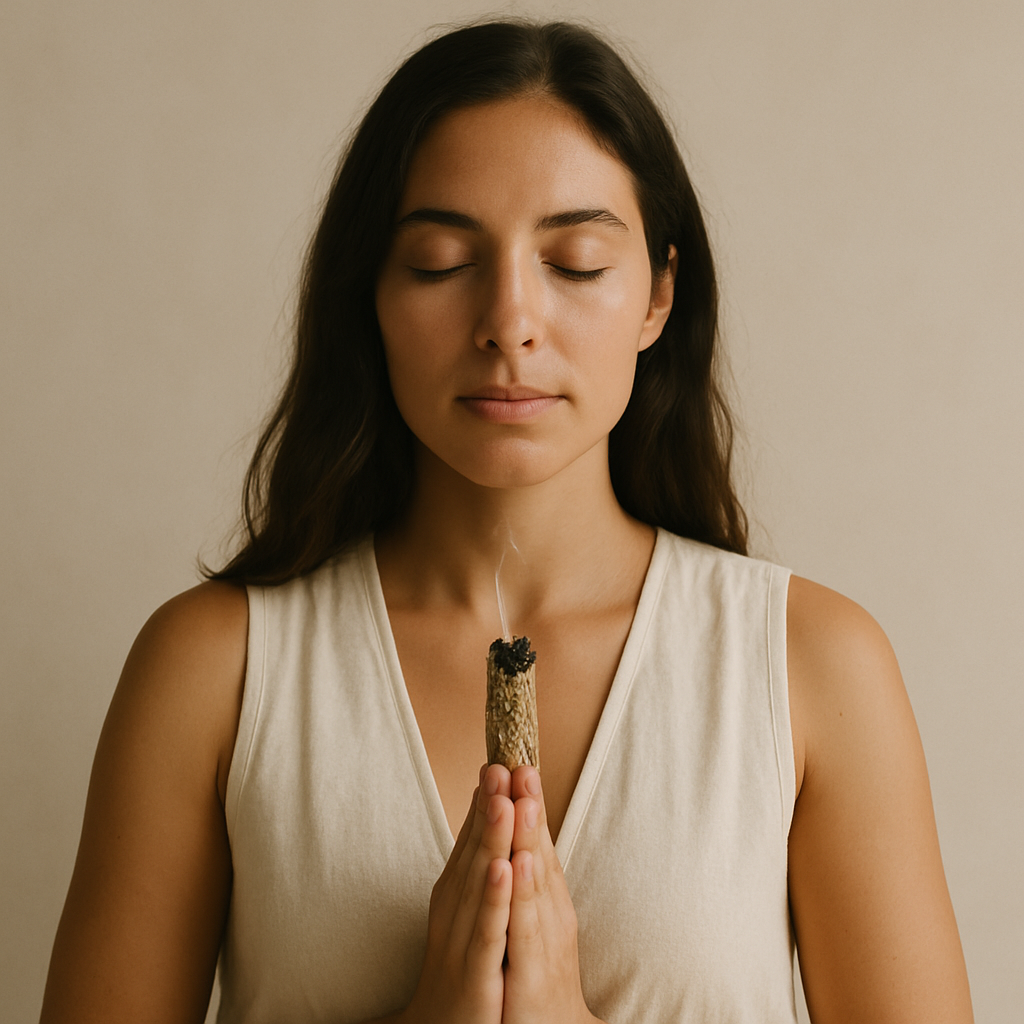
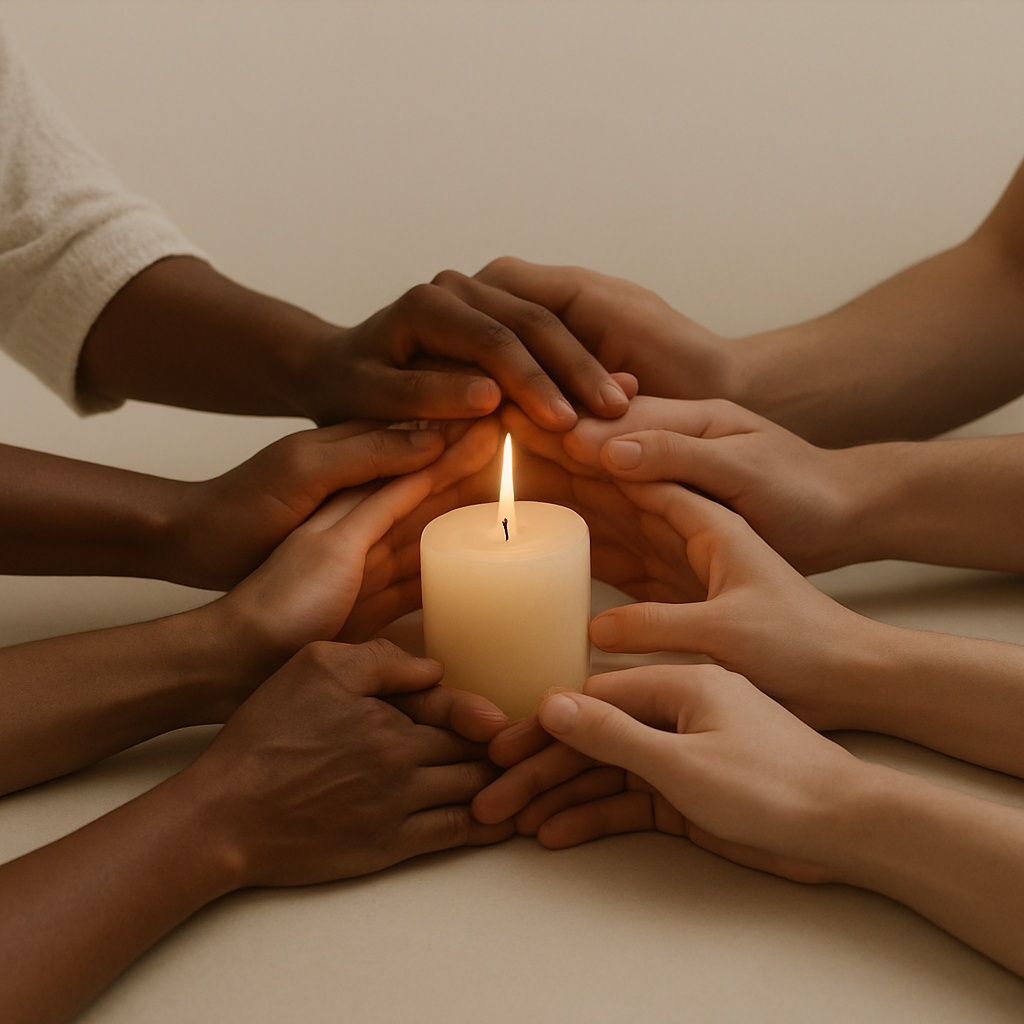
- Creating a sacred space: The practitioner may use elements such as candles, incense, or crystals to enhance the atmosphere.
- Breathing techniques: The session involves various breath patterns, often including deep, rhythmic breathing, to facilitate relaxation and release.
- Guided meditation: Practitioners may lead participants through visualizations or meditative prompts to deepen the experience.
- Integration: After the breathwork session, participants are given time to reflect on their experiences and share insights if desired.
What It Is Traditionally Explored For
In the realm of Mayan Medicine, breathwork is traditionally used for various purposes, including:
- Emotional release: Helping individuals process and release pent-up emotions.
- Stress reduction: Promoting relaxation and reducing anxiety through conscious breathing.
- Spiritual connection: Fostering a deeper connection to oneself and the universe.
- Physical healing: Supporting overall health and vitality by improving oxygen flow and circulation.
- Clarity and focus: Enhancing mental clarity and concentration through mindful breathing practices.
What Modern Research Suggests
While the practice of breathwork is rooted in ancient traditions, modern research has begun to explore its benefits in a more structured manner. Preliminary studies suggest that breathwork may have positive effects on mental health, including reductions in anxiety and depression symptoms. Research indicates that specific breathing techniques can stimulate the parasympathetic nervous system, promoting relaxation and lowering stress levels.
Additionally, clinical studies have shown that breathwork may improve respiratory function and increase overall well-being. However, more rigorous research is needed to fully understand its mechanisms and confirm its effectiveness across diverse populations. As the interest in breathwork continues to grow, it is essential to approach it with an open mind and a willingness to explore its potential benefits cautiously.
Safety, Contraindications & Who Should Skip
Breathwork is generally considered safe for most individuals; however, certain conditions may warrant caution or avoidance. Those with the following should consult a healthcare professional before engaging in breathwork:
- Severe respiratory issues (asthma, COPD, etc.)
- Cardiovascular concerns
- Severe anxiety or panic disorders
- Recent trauma or significant emotional distress
- Pregnancy (certain techniques may not be suitable)
It is crucial to listen to one's body and to work with a qualified practitioner who can tailor the experience to individual needs and limitations.
Pairs Well With (within Mayan Medicine and across pillars)
Breathwork can complement various modalities and practices within Mayan Medicine and beyond:
- Herbal medicine: Utilizing plant-based remedies to enhance healing.
- Meditation: Deepening mindfulness and spiritual connection.
- Energy healing: Balancing the body’s energy systems.
- Movement practices: Incorporating physical movement to release tension and enhance breath awareness.
- Sound healing: Using sound vibrations to facilitate relaxation and healing.
How to Find a Qualified Practitioner
Finding a qualified breathwork practitioner within the Mayan Medicine tradition can be a rewarding journey. Here are some tips to consider:
- Seek recommendations: Ask friends or community members for referrals.
- Research credentials: Look for practitioners with training in Mayan Medicine and breathwork techniques.
- Attend workshops: Participate in introductory classes or workshops to gauge the practitioner's style and approach.
- Trust your intuition: Choose someone with whom you feel comfortable and safe to explore your breathwork journey.
FAQs
- What is breathwork? Breathwork is a practice that involves conscious control of breathing to promote physical, emotional, and spiritual well-being.
- How does breathwork fit into Mayan Medicine? Breathwork is an integral part of Mayan Medicine, used for healing and connecting individuals to their inner selves and the universe.
- Is breathwork safe for everyone? While generally safe, individuals with certain health conditions should consult a professional before engaging in breathwork.
- What can I expect during a breathwork session? Participants can expect structured breathing techniques, guided meditation, and integration time to reflect on their experiences.
- How can I find a qualified practitioner? Seek recommendations, research credentials, and trust your intuition when selecting a practitioner for breathwork.
Frequently asked
What is breathwork?
Breathwork is a practice that involves conscious control of breathing to promote physical, emotional, and spiritual well-being.
How does breathwork fit into Mayan Medicine?
Breathwork is an integral part of Mayan Medicine, used for healing and connecting individuals to their inner selves and the universe.
Is breathwork safe for everyone?
While generally safe, individuals with certain health conditions should consult a professional before engaging in breathwork.
What can I expect during a breathwork session?
Participants can expect structured breathing techniques, guided meditation, and integration time to reflect on their experiences.
How can I find a qualified practitioner?
Seek recommendations, research credentials, and trust your intuition when selecting a practitioner for breathwork.