Traditional Blends
Traditional Blends in Kampo Medicine harness ancient wisdom for holistic health. Learn about its practices, historical context, and modern research.
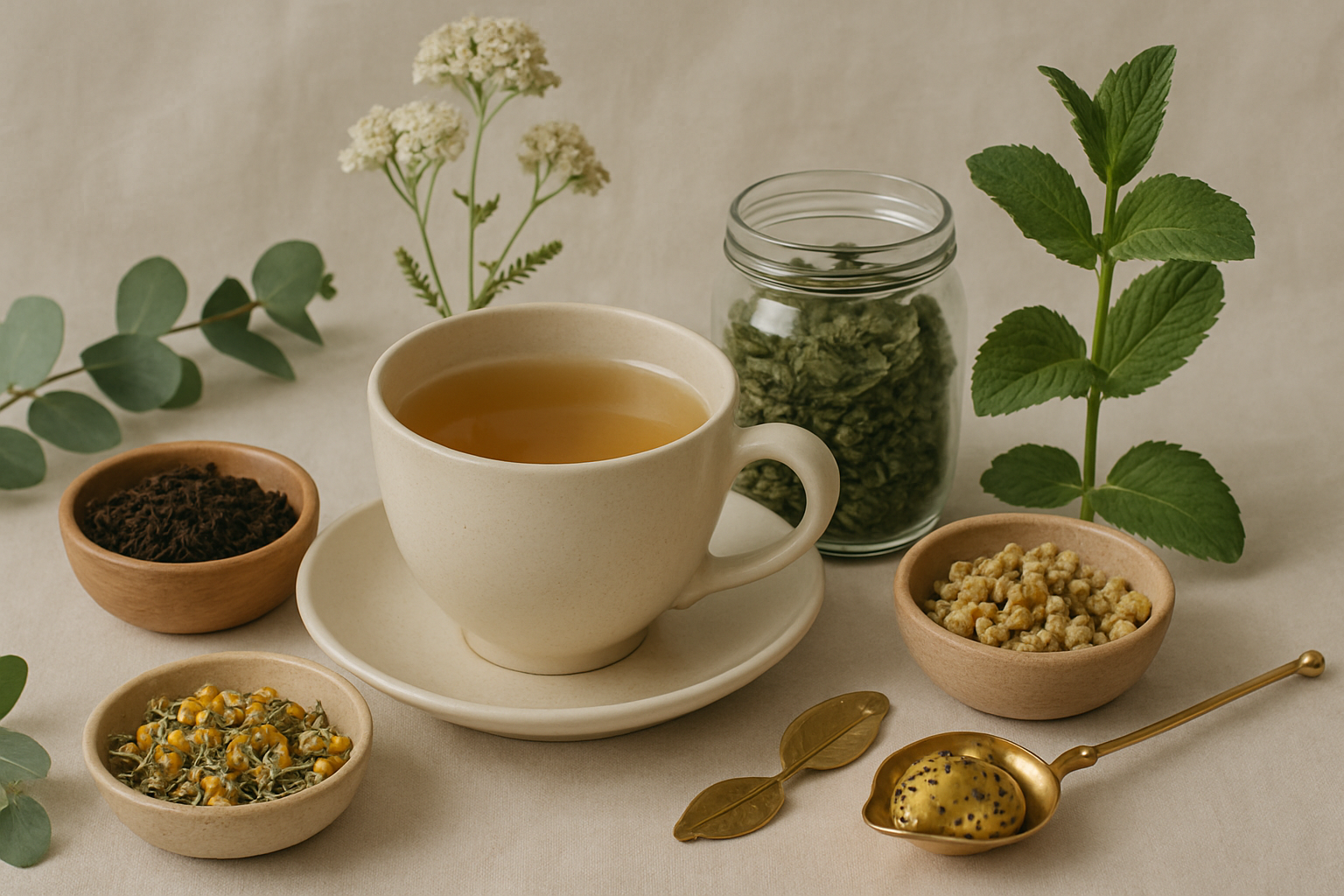
Explore the world of Traditional Blends in Kampo Medicine, an ancient practice rooted in holistic healing. Discover its historical context, how it is practiced, its traditional uses, and modern research findings.
What It Is
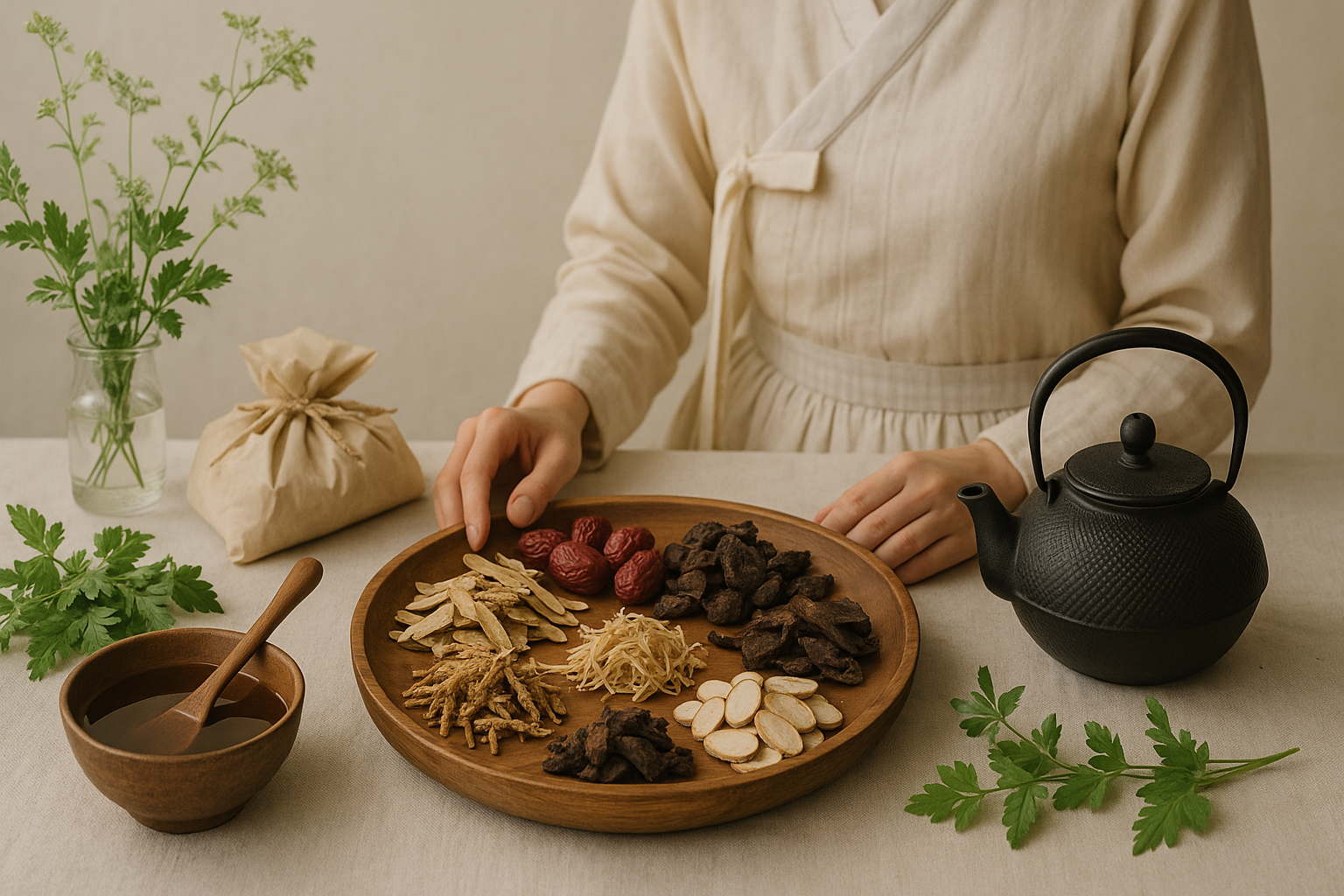
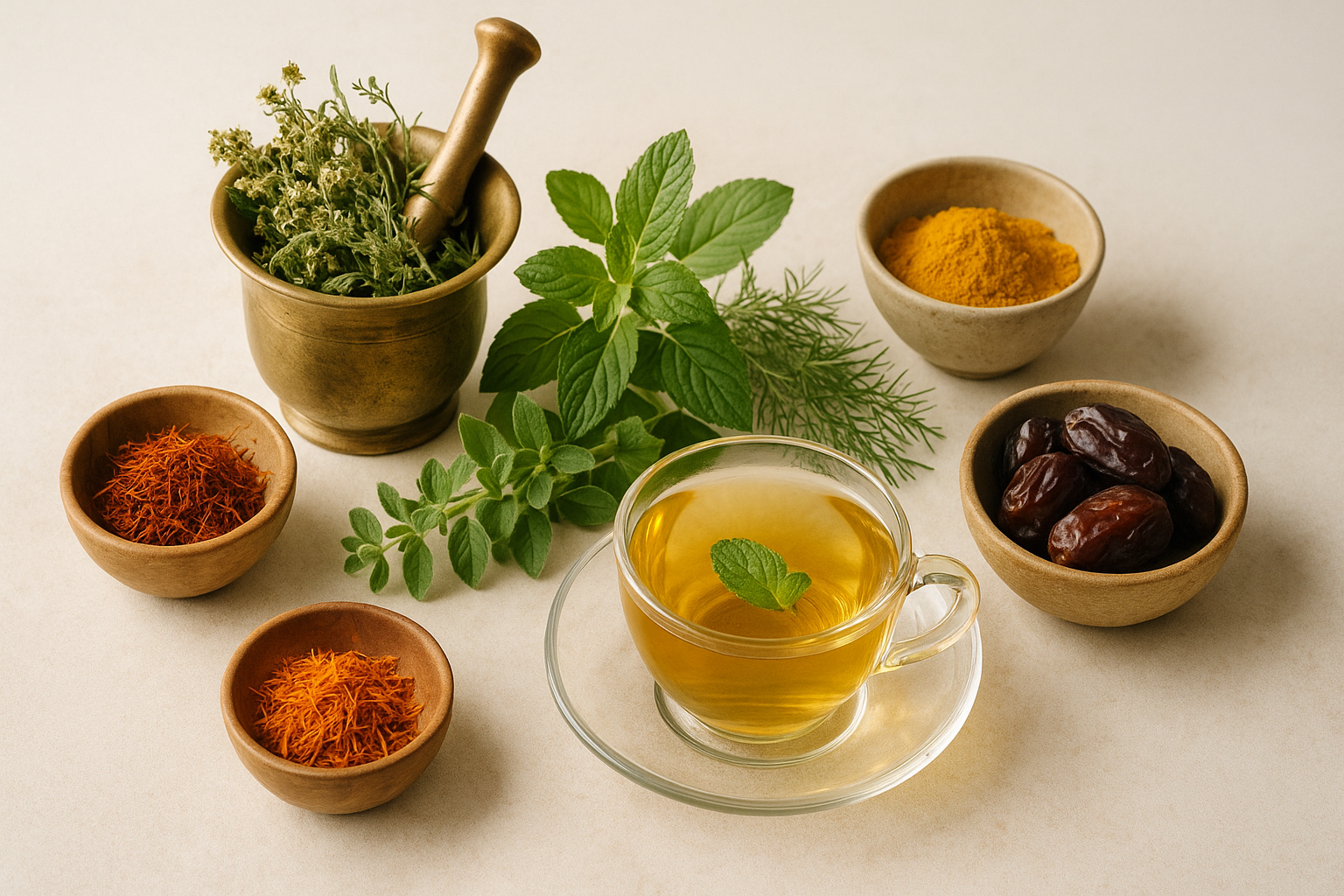
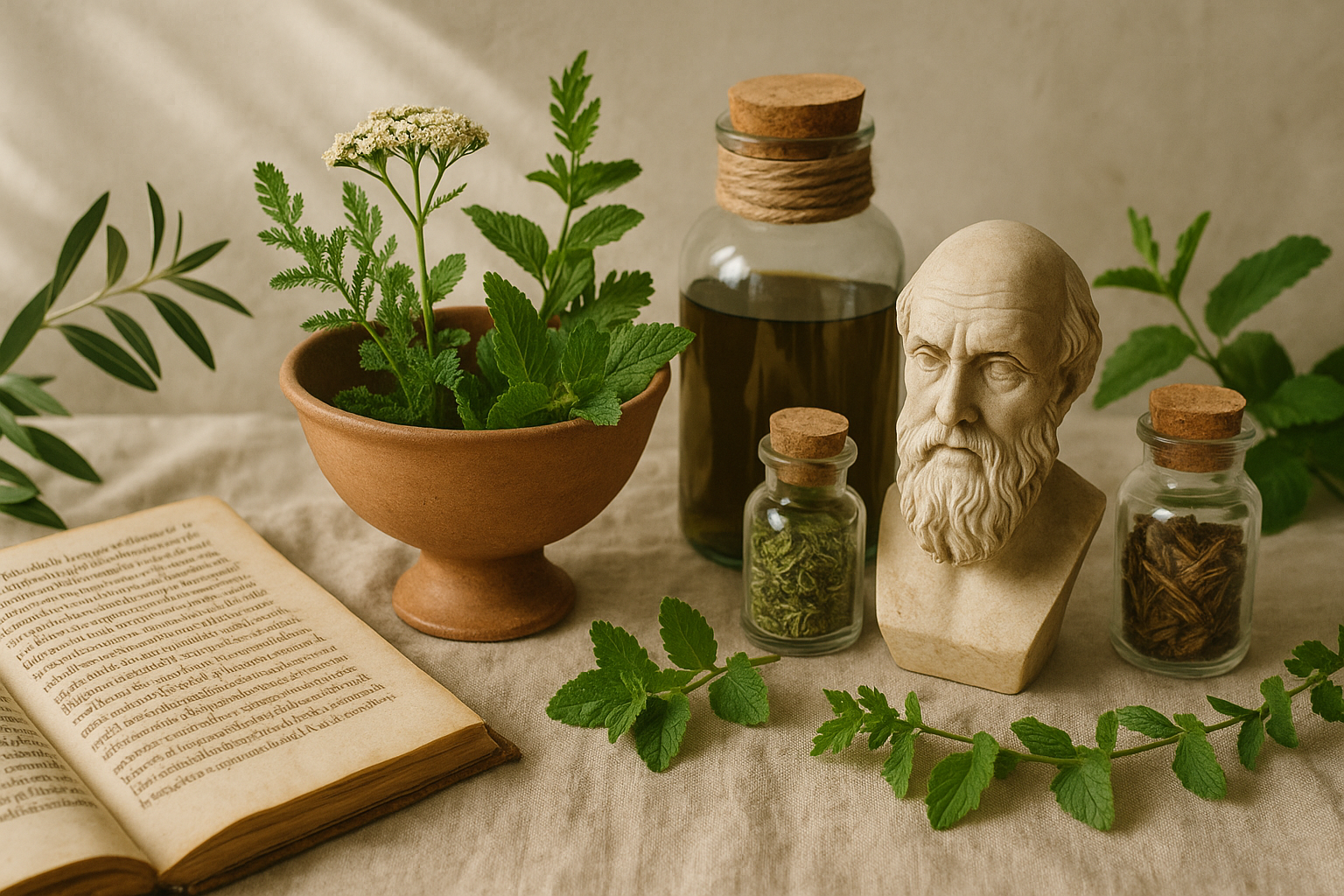
Traditional Blends in Kampo Medicine refer to the combination of various herbal ingredients formulated to restore balance and promote well-being. This practice is rooted in the principles of traditional Chinese medicine, which emphasizes the interconnectedness of the body, mind, and spirit. By carefully selecting herbs that complement one another, practitioners aim to address specific health concerns while supporting overall vitality.
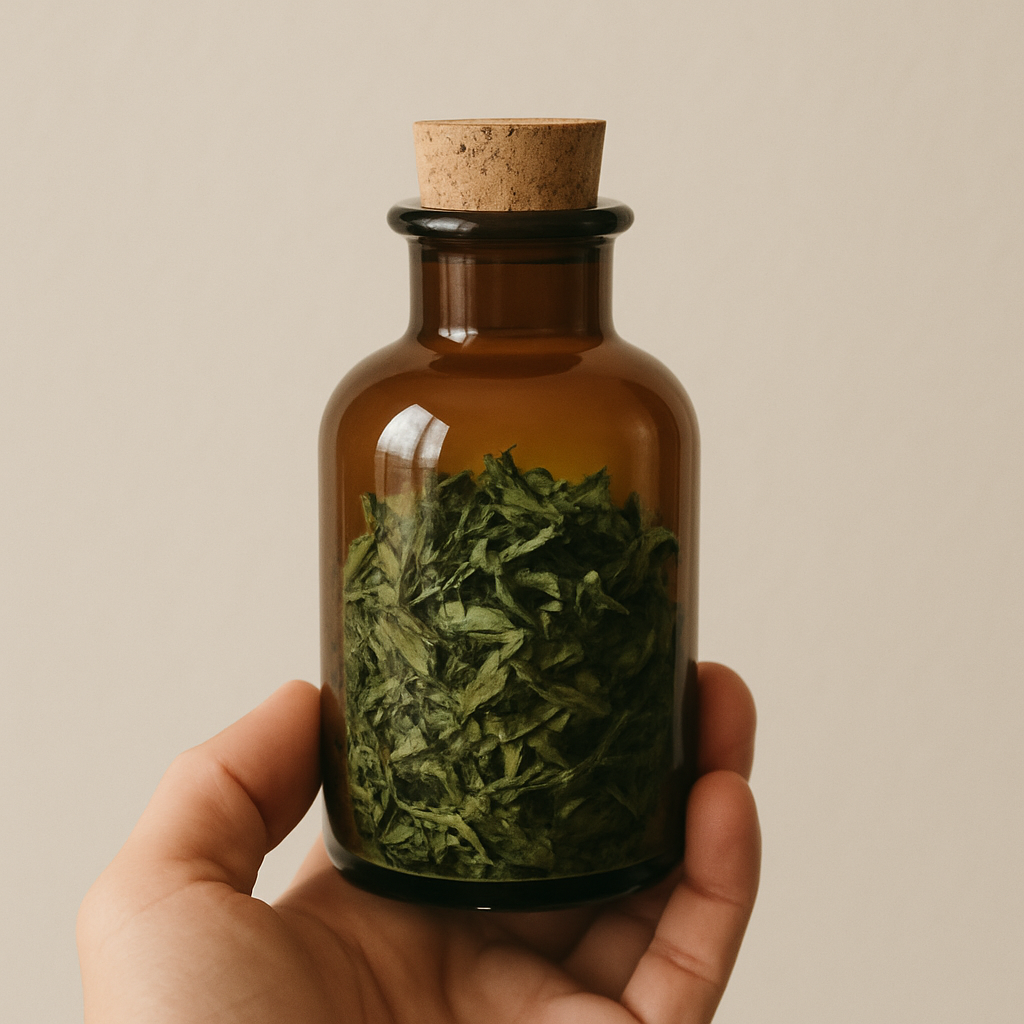
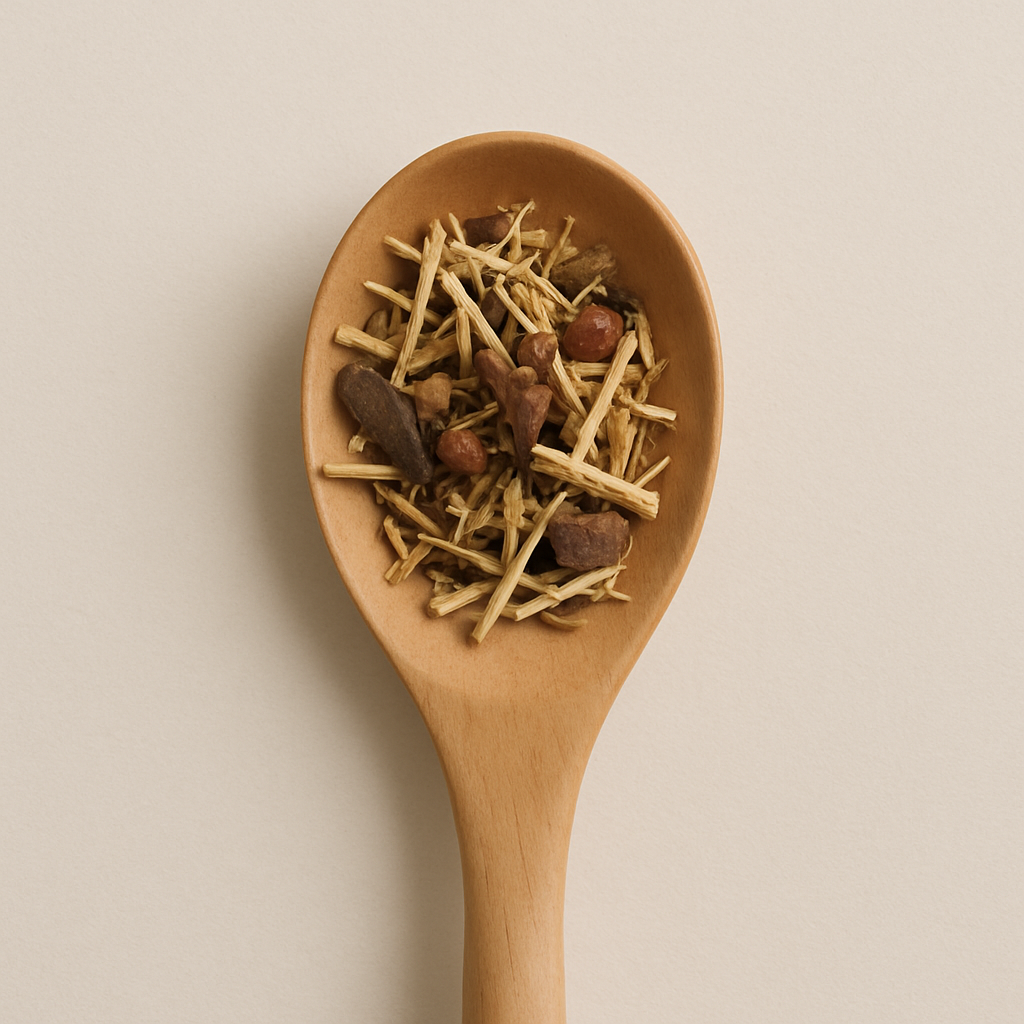
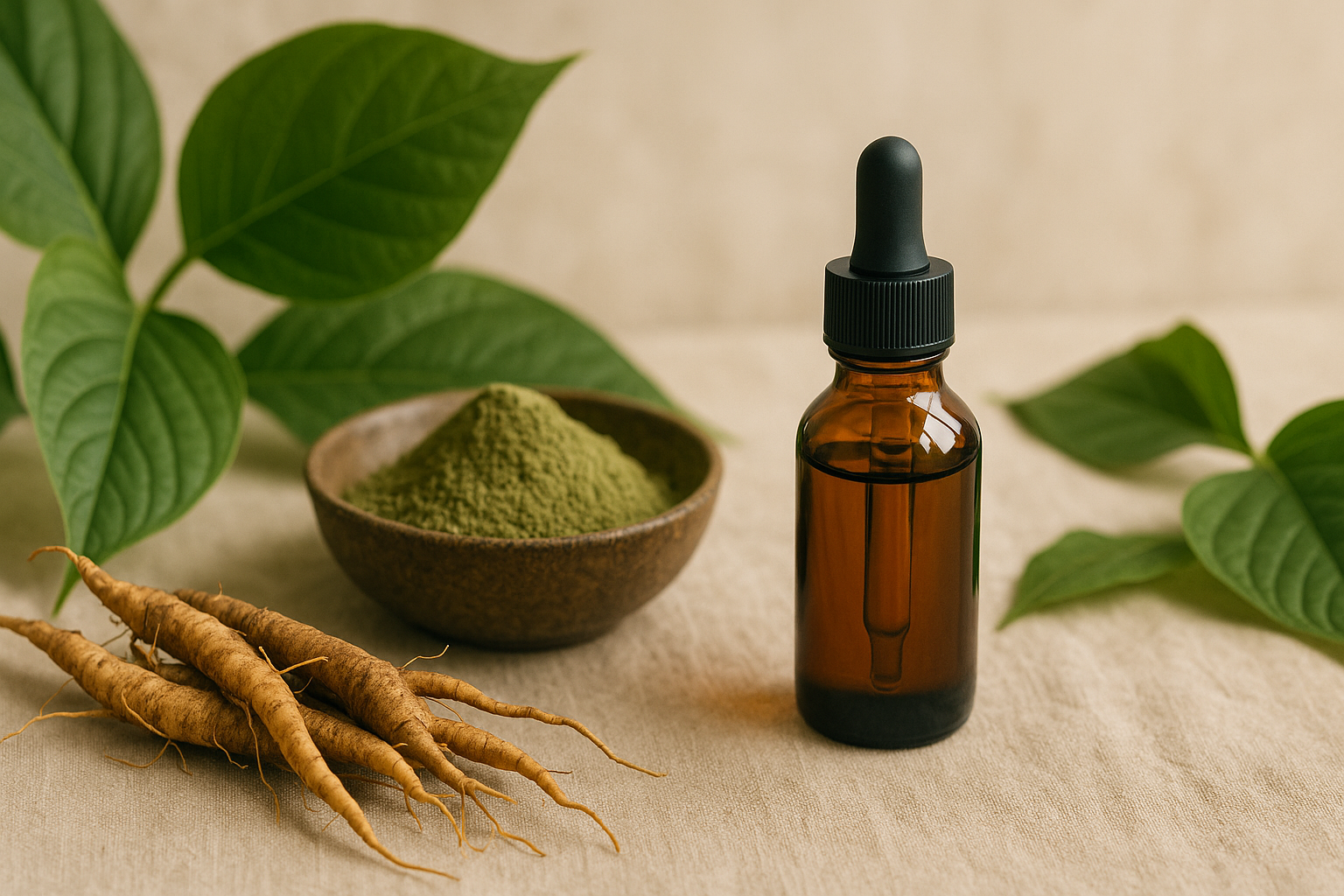
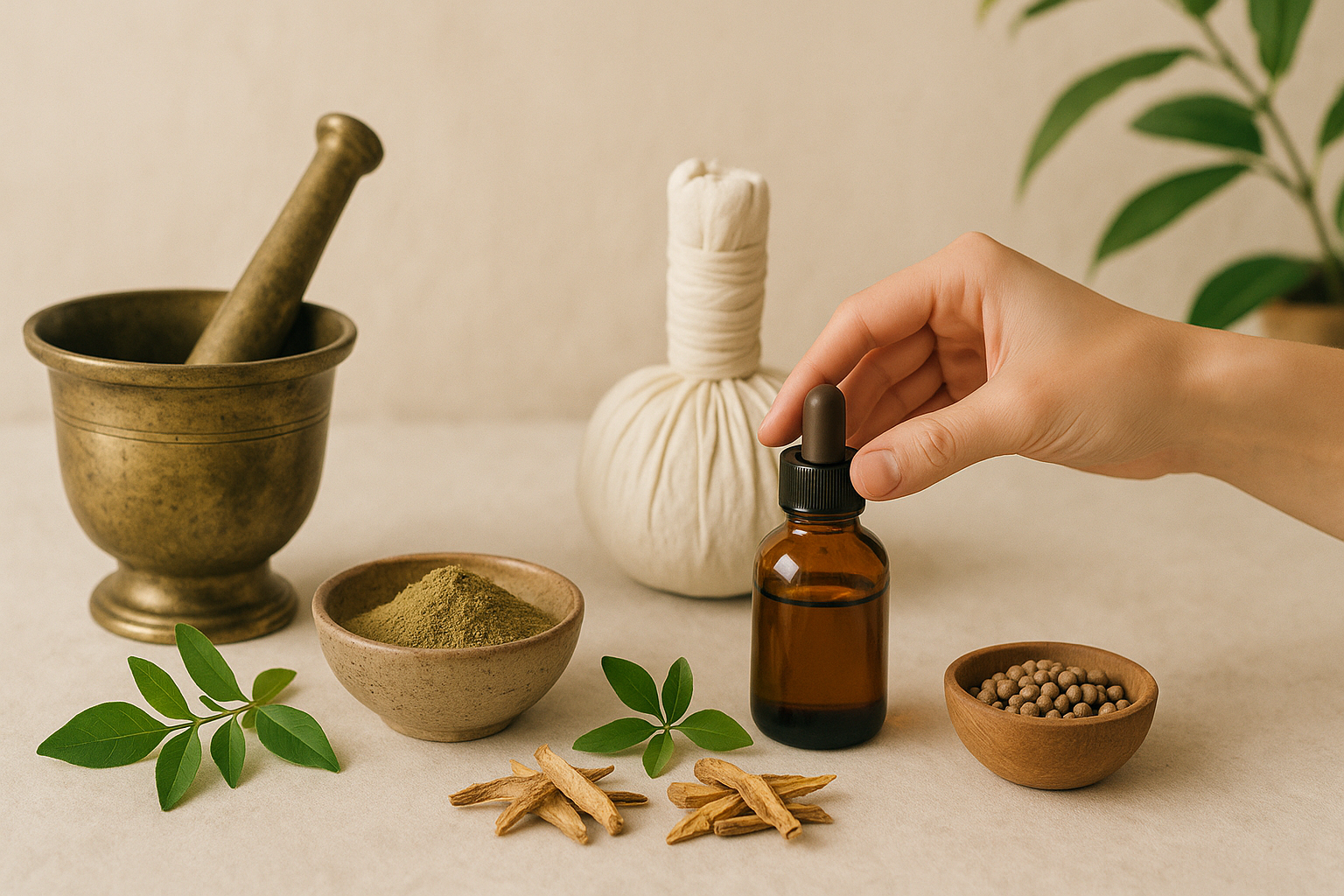
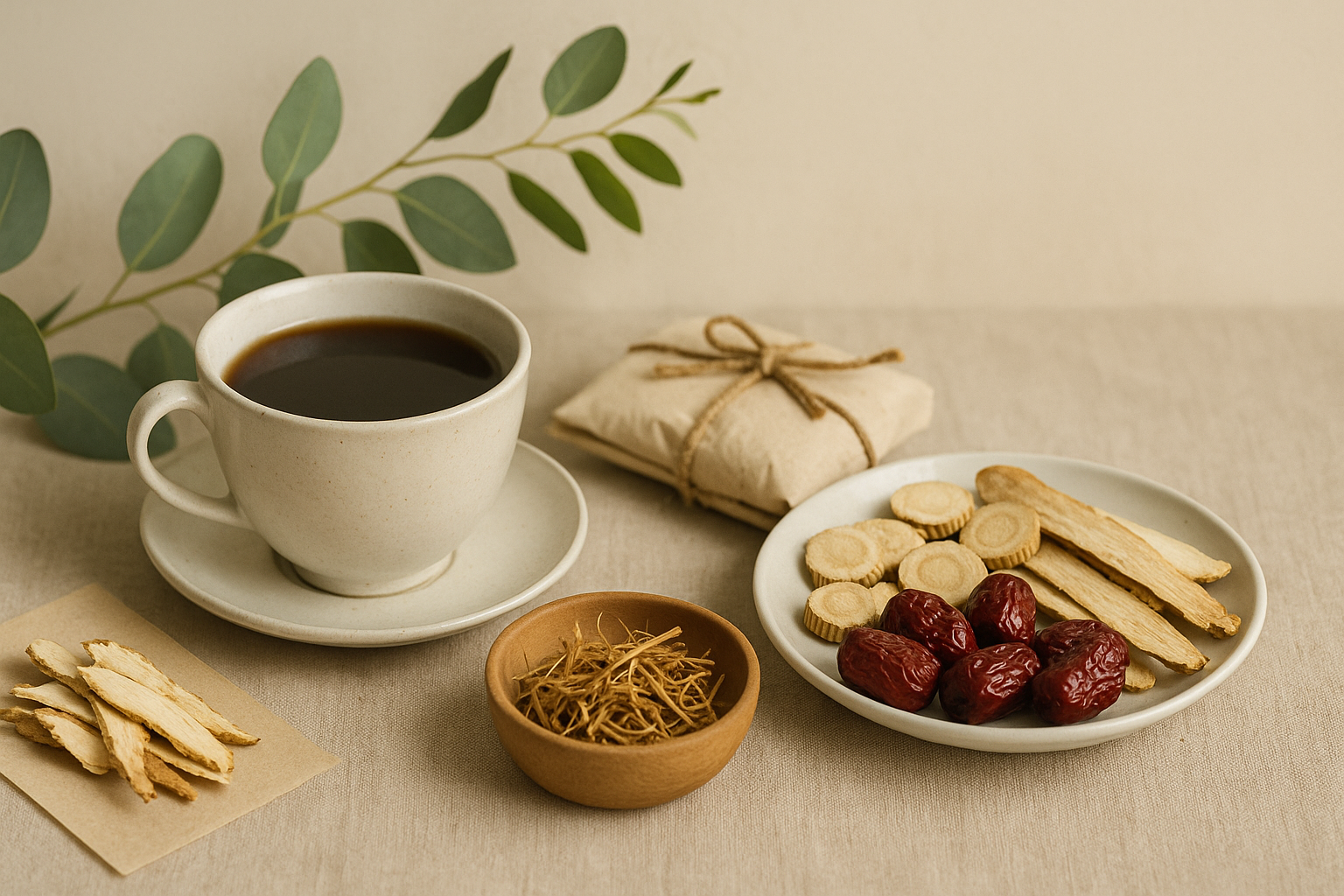
The formulation of these blends is often tailored to the individual’s constitution and needs. Each ingredient is chosen for its unique properties, and the synergy created through these combinations can enhance the therapeutic effects. Traditional Blends are typically administered in the form of decoctions, powders, or granules, making them accessible for various preferences.
Historical Context Within Kampo Medicine
Kampo Medicine, which translates to "the method of the Han Dynasty," emerged in Japan around the 6th century, with roots tracing back to ancient Chinese herbal practices. It was during this period that traditional blends began to take shape as practitioners sought to adapt Chinese herbal medicine to the unique needs of the Japanese population. Prominent figures, such as the physician and scholar Zhang Zhongjing, influenced the development of these formulations by documenting herbal combinations in texts that would later be integrated into Kampo.
Over the centuries, Traditional Blends evolved, incorporating indigenous Japanese herbs and refining techniques based on empirical observations. This historical context illustrates the dynamic nature of Kampo Medicine, where traditional knowledge is preserved while also adapting to new insights and practices.
How It's Practiced
The practice of creating Traditional Blends typically involves a series of steps undertaken by trained practitioners. Here is a general overview:
- Initial Consultation: The practitioner conducts a comprehensive assessment of the patient's health, including medical history, lifestyle, and specific concerns.
- Diagnosis: Using traditional methods such as pulse and tongue diagnosis, the practitioner identifies the underlying imbalances.
- Herb Selection: Based on the diagnosis, the practitioner selects appropriate herbs, considering their properties and how they interact.
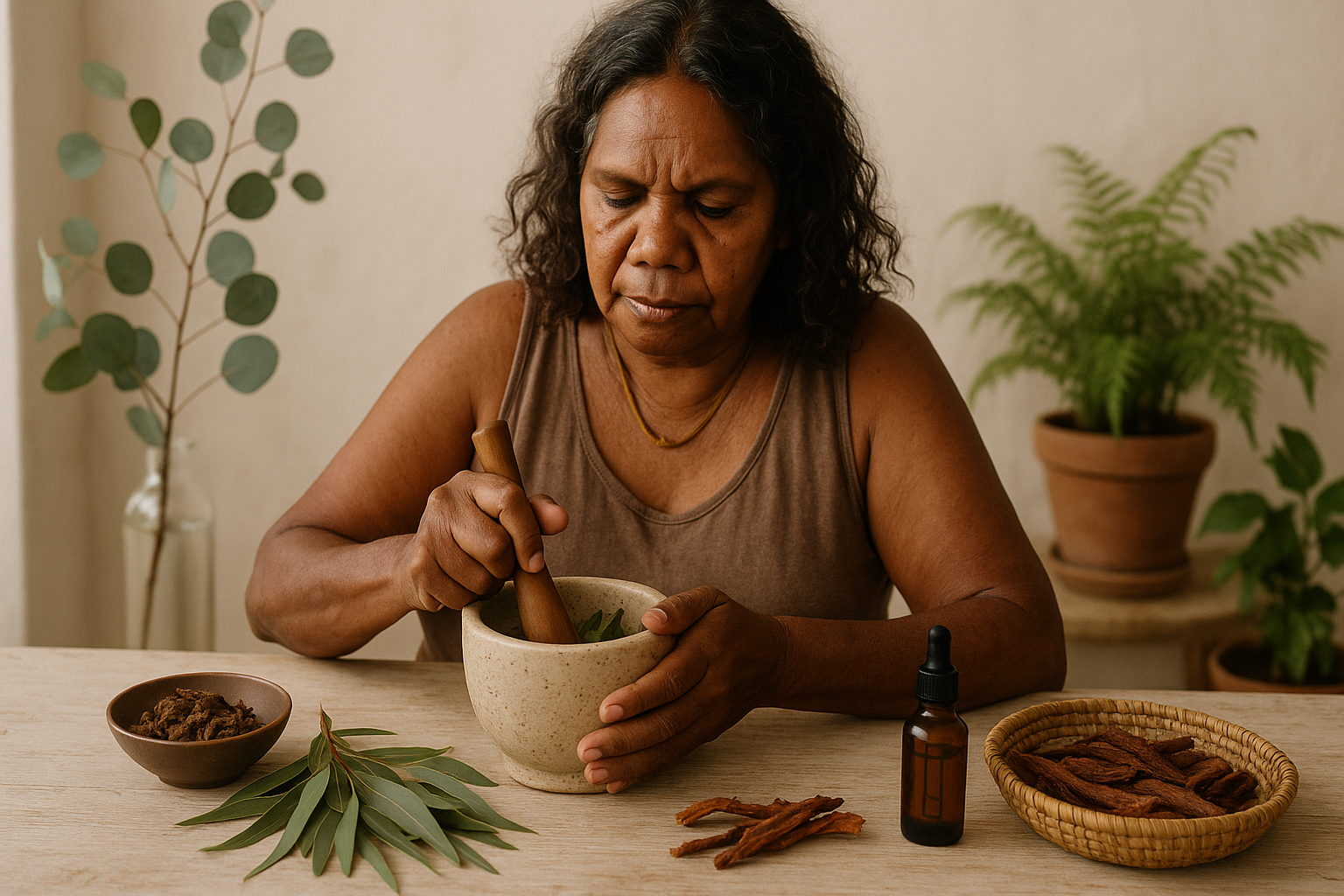
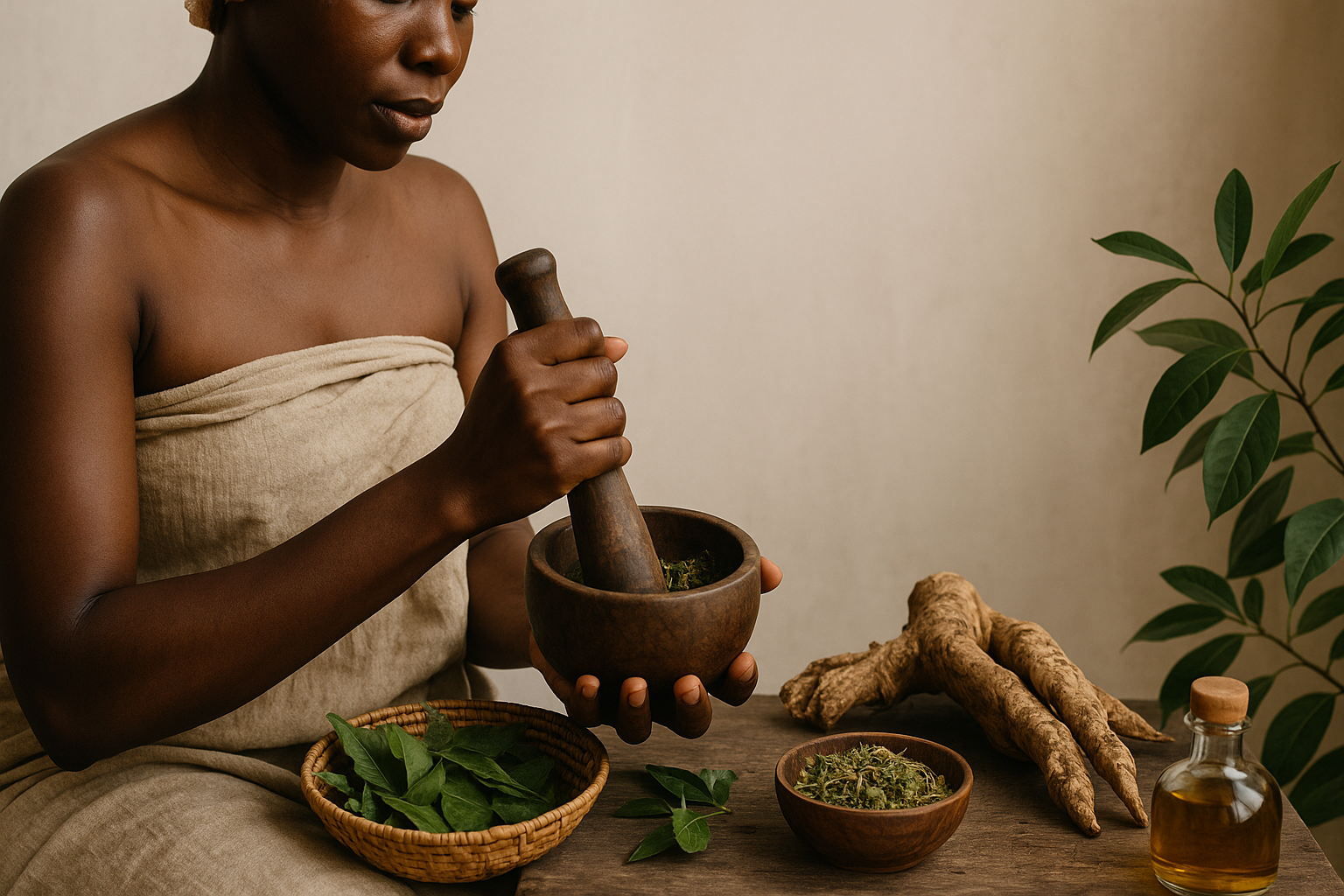
- Formulation: The selected herbs are combined into a blend, which may be prepared as a decoction, powder, or granule.
- Administration: The practitioner provides instructions on how to take the blend, including dosage and frequency.
- Follow-Up: Regular follow-up appointments are conducted to assess progress and make necessary adjustments to the blend.
What It Is Traditionally Explored For
Traditional Blends in Kampo Medicine are traditionally used for a variety of health concerns. Some common goals include:
- Supporting digestive health
- Enhancing immune function
- Promoting relaxation and reducing stress
- Balancing hormonal and emotional health
- Addressing seasonal allergies or respiratory issues
While these blends are tailored to individual needs, they often reflect a holistic approach to health, aiming to restore balance rather than merely alleviating symptoms.
What Modern Research Suggests
Modern research into the efficacy of Traditional Blends within Kampo Medicine is still emerging, with several preliminary studies suggesting potential benefits. For instance, some studies have indicated that specific herb combinations may help improve digestive function and reduce symptoms associated with stress and anxiety. However, the research is often limited by small sample sizes and the complexity of herbal mixtures.
While there is a growing interest in understanding the biochemical properties of these herbal blends, more rigorous clinical trials are necessary to draw definitive conclusions. It is essential for individuals to approach these findings with an open mind while recognizing the traditional wisdom behind these practices.
Safety, Contraindications & Who Should Skip
As with any form of herbal medicine, safety is a paramount concern when it comes to Traditional Blends. While many herbs are considered safe for general use, some individuals may experience adverse reactions or interactions with medications. It is advisable for the following groups to proceed with caution or consult a healthcare professional:
- Pregnant or breastfeeding individuals
- Those with chronic health conditions or on long-term medications
- Individuals with allergies to specific herbs
- People undergoing surgical procedures
Practitioners should always conduct thorough assessments to ensure that the chosen blends are appropriate for each individual.
Pairs Well With (within Kampo Medicine and across pillars)
Traditional Blends can be effectively combined with various modalities and ingredients to enhance their therapeutic effects. Some notable pairings include:
- Acupuncture: Used to stimulate energy flow and enhance the effects of herbal blends.
- Shiatsu: A form of massage that can complement the relaxation benefits of herbal treatments.
- Dietary adjustments: Incorporating specific foods that align with the principles of Kampo.
- Mindfulness practices: Techniques such as meditation can support the overall goals of the blends.
How to Find a Qualified Practitioner
Finding a qualified practitioner of Kampo Medicine who specializes in Traditional Blends involves a few essential steps:
- Research local practitioners who hold certifications in Kampo or traditional Chinese medicine.
- Check for credentials and experience, ensuring they have a solid understanding of herbal formulations.
- Read reviews or testimonials from previous patients to gauge their effectiveness and approach.
- Schedule a consultation to discuss your health goals and assess the practitioner's compatibility with your needs.
FAQs (5)
- What are Traditional Blends? Traditional Blends are combinations of herbs formulated in Kampo Medicine to promote health and balance.
- How are these blends created? They are created through a process involving patient assessment, diagnosis, herb selection, and formulation.
- What conditions are they used for? They are traditionally used for digestive issues, stress reduction, and overall wellness support, among other concerns.
- Is there scientific evidence supporting their use? Some preliminary studies suggest benefits, but more research is needed to confirm their efficacy.
- Are there any safety concerns? Yes, individuals with certain health conditions or those taking medications should consult a practitioner before use.
Frequently asked
What are Traditional Blends?
Traditional Blends are combinations of herbs formulated in Kampo Medicine to promote health and balance.
How are these blends created?
They are created through a process involving patient assessment, diagnosis, herb selection, and formulation.
What conditions are they used for?
They are traditionally used for digestive issues, stress reduction, and overall wellness support, among other concerns.
Is there scientific evidence supporting their use?
Some preliminary studies suggest benefits, but more research is needed to confirm their efficacy.
Are there any safety concerns?
Yes, individuals with certain health conditions or those taking medications should consult a practitioner before use.