Herbal Prescriptions
Learn about herbal prescriptions in Kampo Medicine, their historical context, traditional uses, and modern research insights.
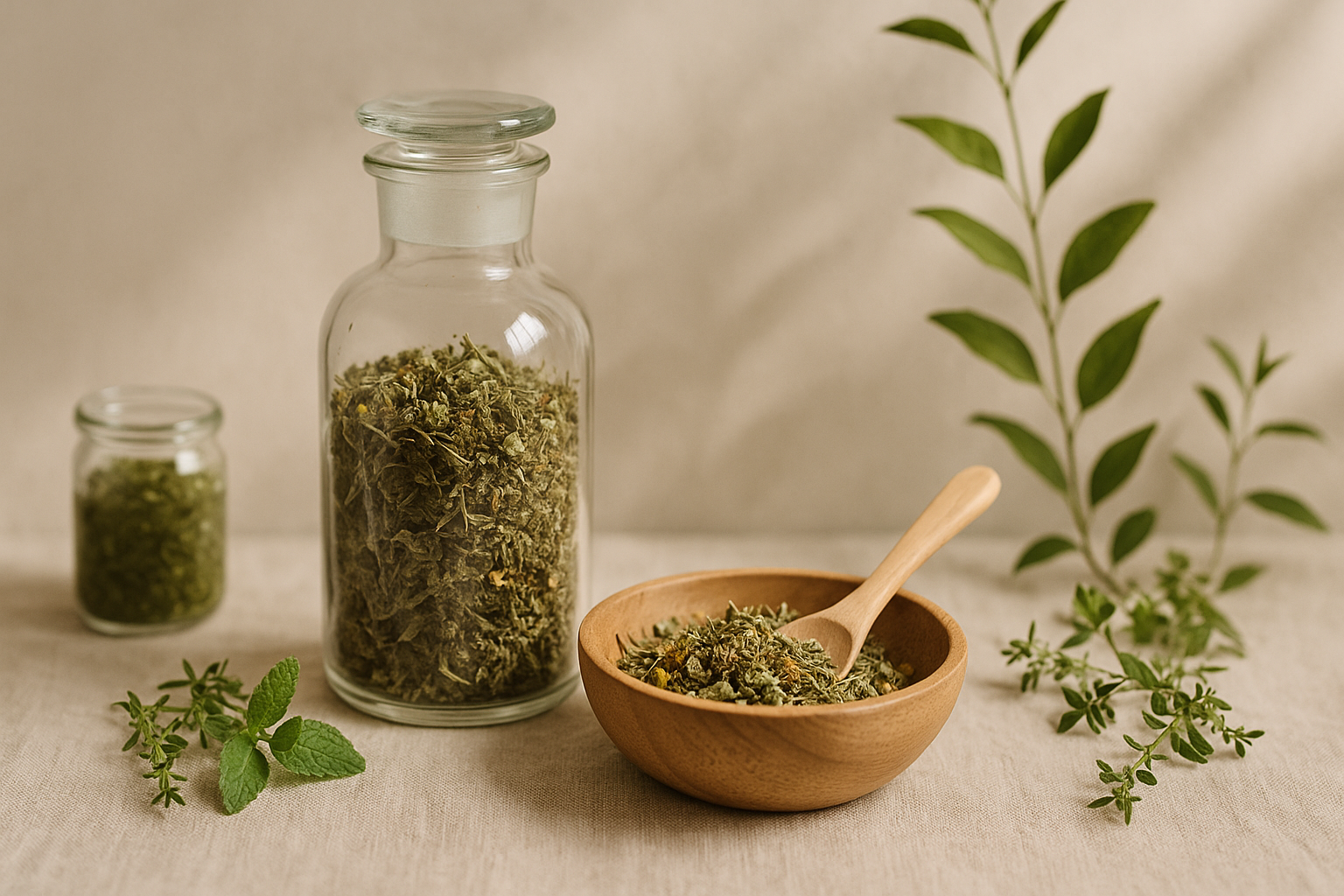
Explore the ancient practice of herbal prescriptions within Kampo Medicine, understanding its historical roots, modern applications, and safety considerations.
What It Is
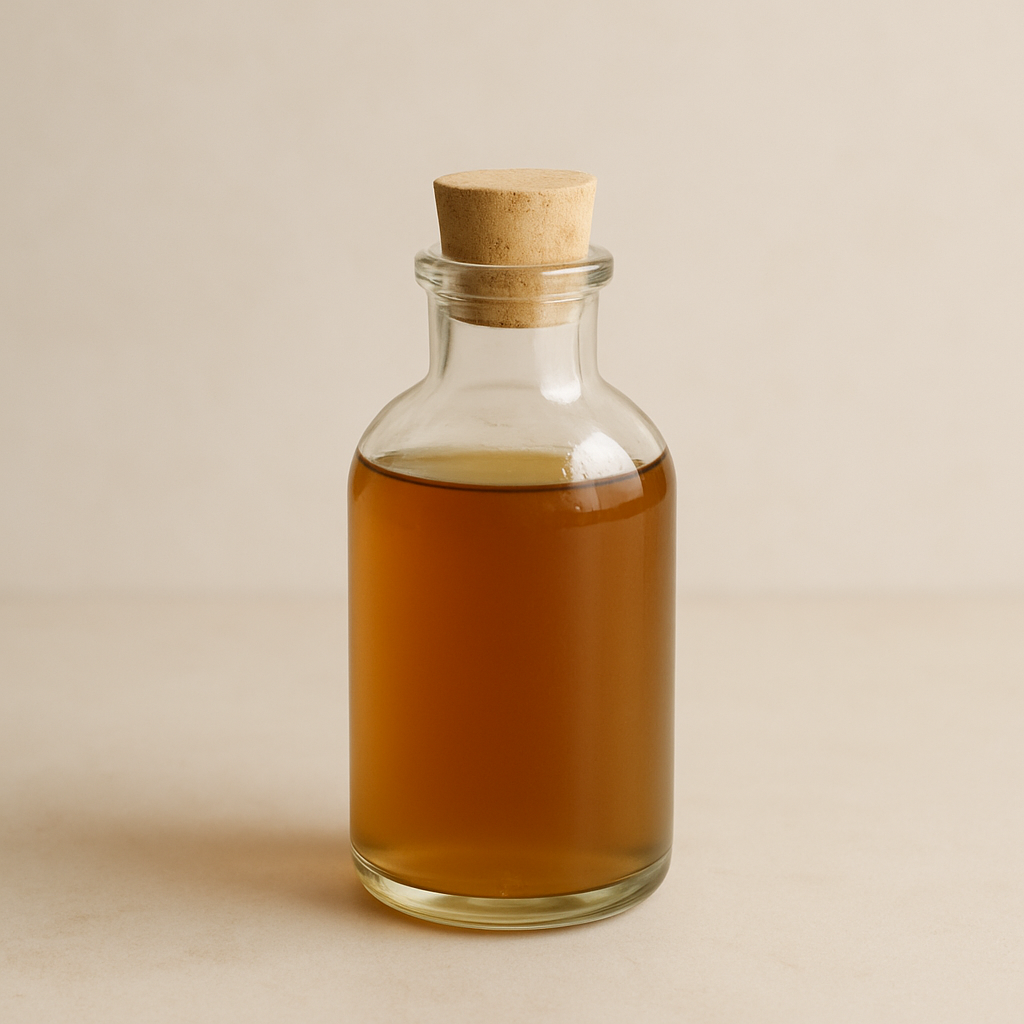
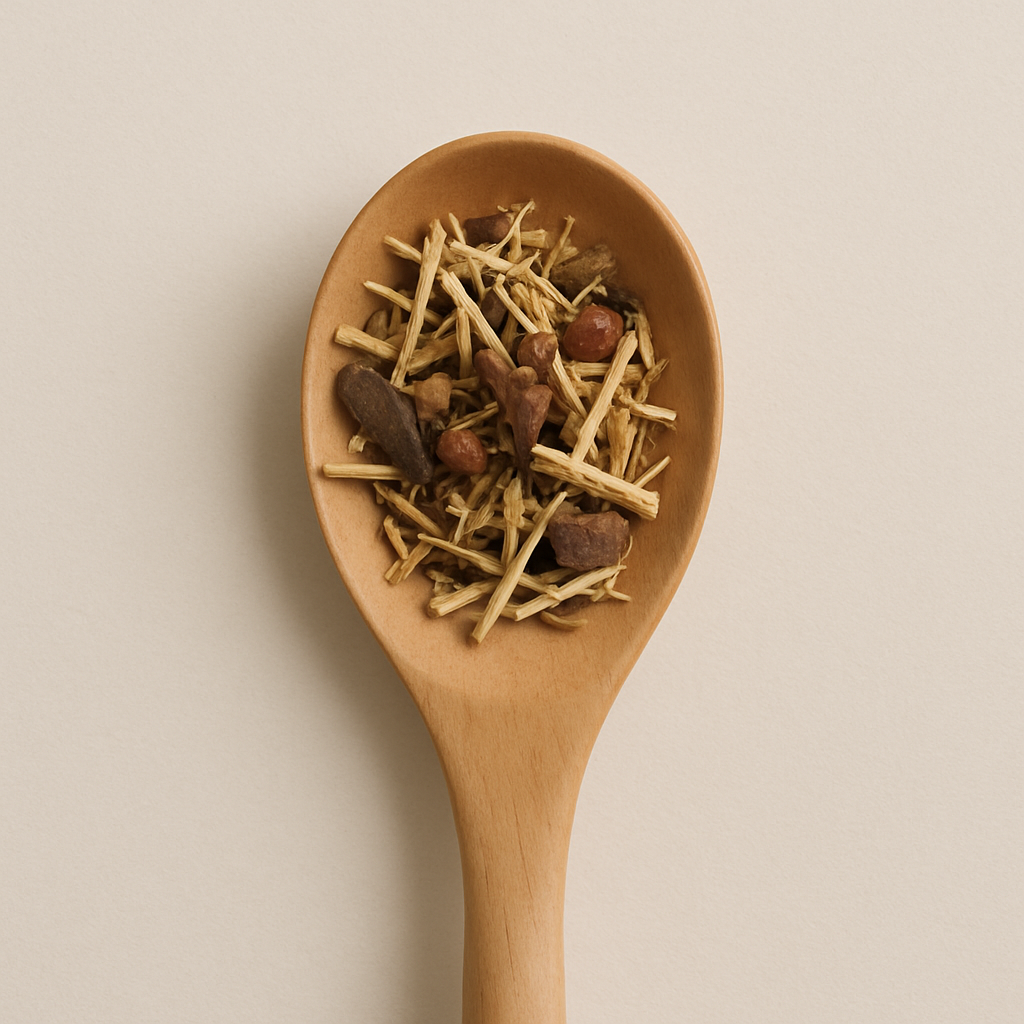
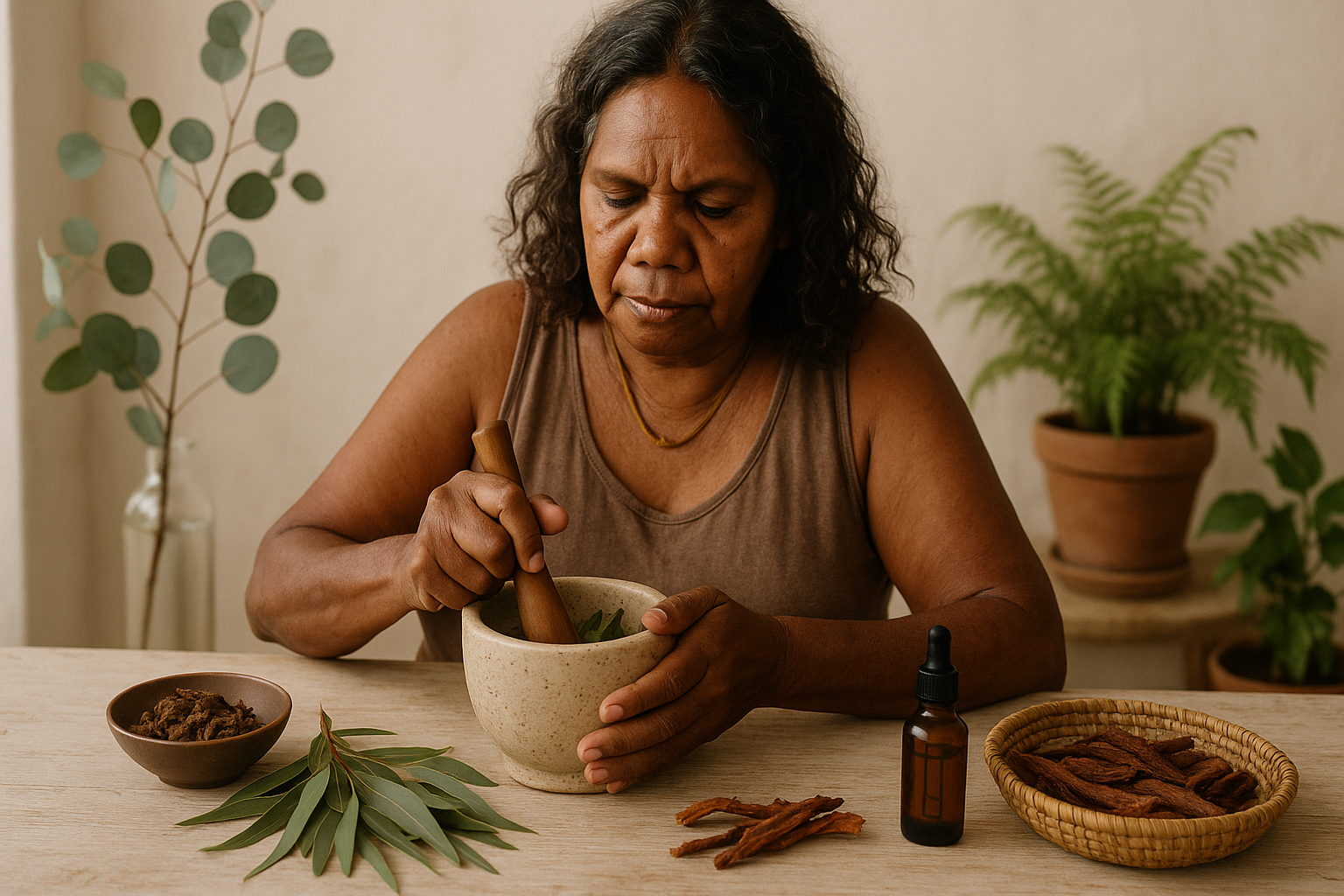
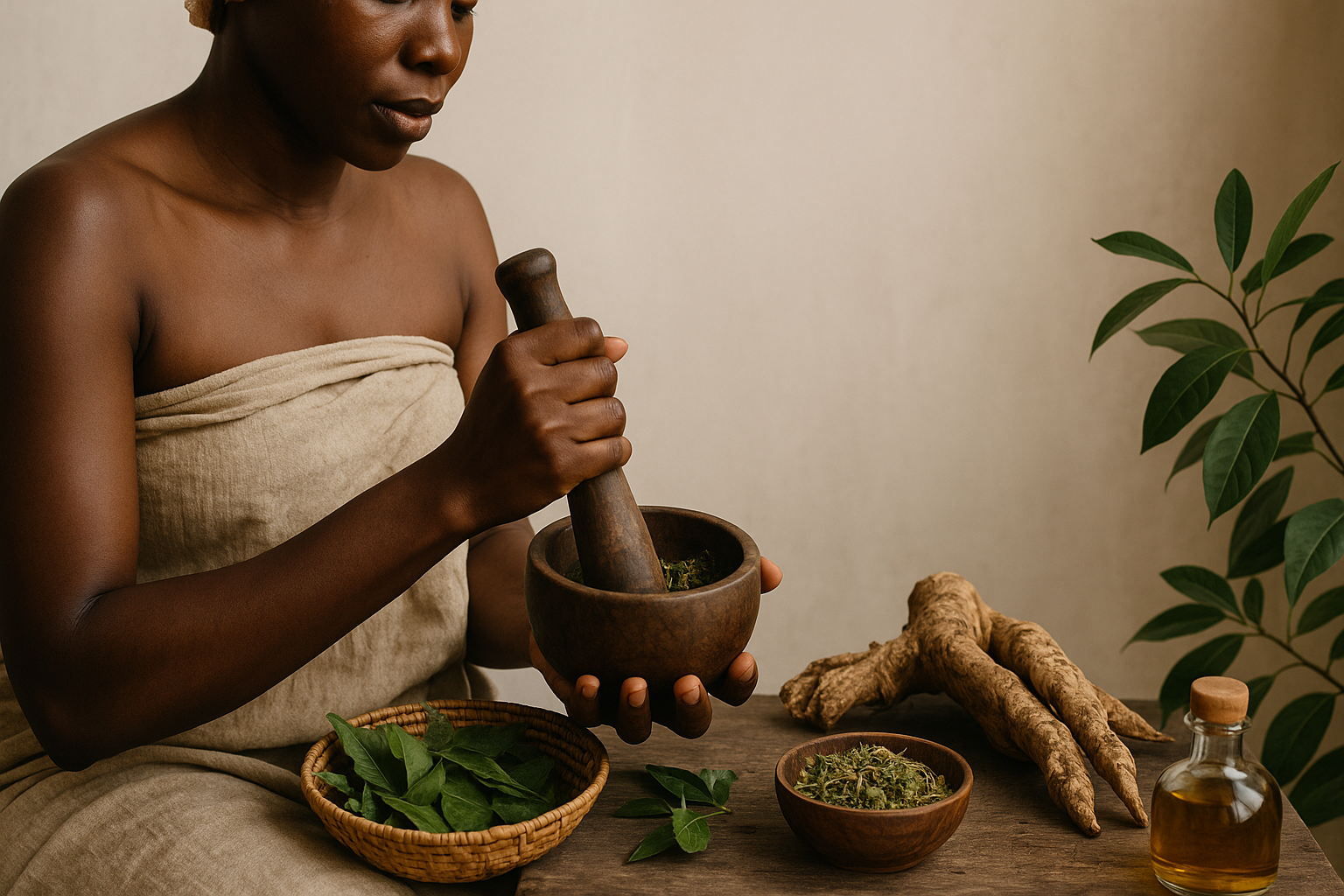
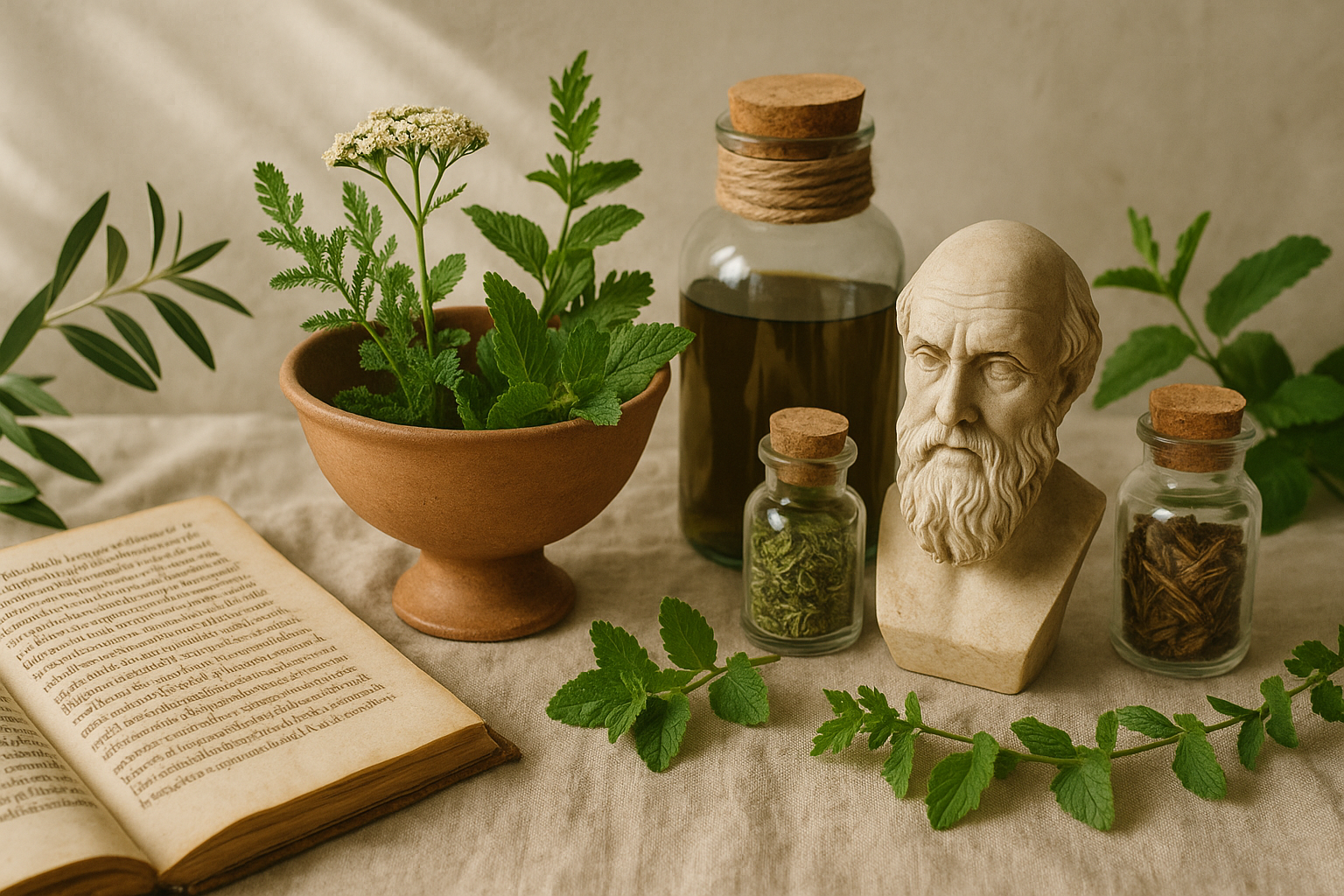
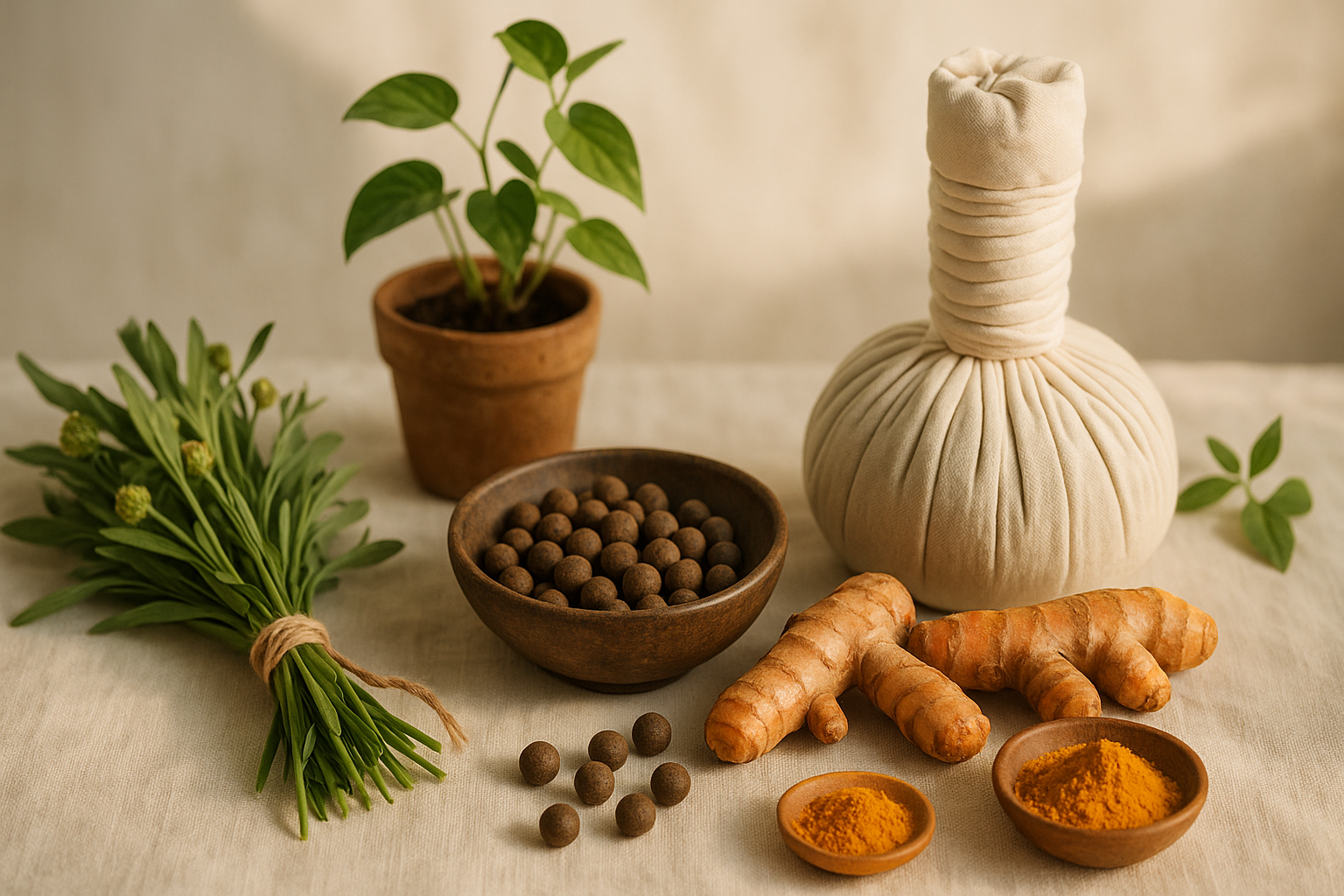
Herbal prescriptions in Kampo Medicine represent a time-honored approach to health and wellness, utilizing a variety of natural herbs and plants tailored to individual needs. This holistic practice emphasizes the balance of the body's energies, aiming to restore harmony through carefully selected herbal combinations.
Each herbal prescription is formulated based on traditional principles that consider the unique constitution and condition of the patient. The practice involves not only the selection of herbs but also the understanding of their synergistic effects, ensuring that the prescriptions target specific health concerns while promoting overall well-being.
Historical Context Within Kampo Medicine
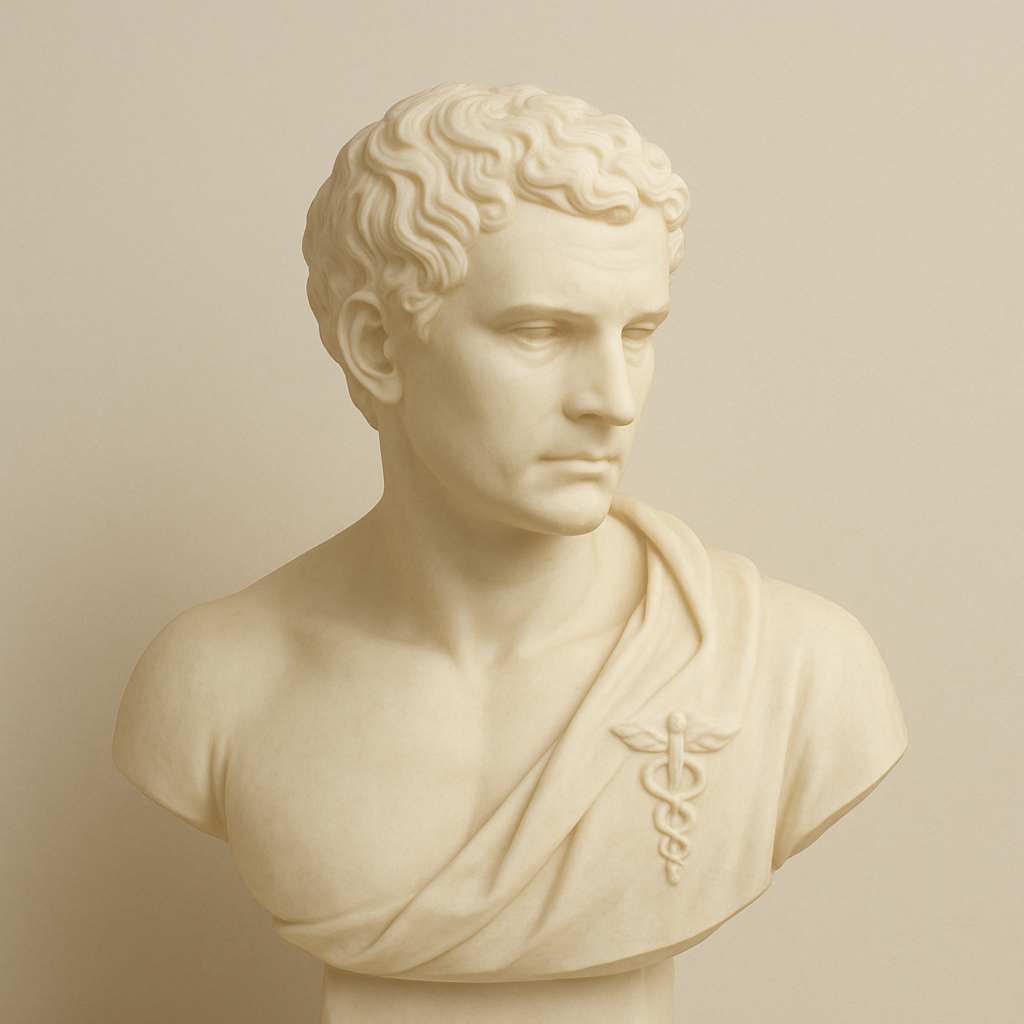
Kampo Medicine originated in Japan, evolving from Traditional Chinese Medicine (TCM) over a millennium ago. The practice began to take shape during the Nara period (710-794 AD), when Chinese medical texts began to be translated and studied by Japanese scholars. Notably, it was during the Heian period (794-1185 AD) that Kampo medicine began to establish its unique identity, integrating local herbs and practices.
Prominent figures in the development of Kampo include the physician Shizuto Masunaga, who contributed significantly to the refinement of herbal formulations. Over the centuries, Kampo has adapted to Japanese culture, emphasizing a personalized approach to health care that reflects the unique aspects of Japanese life and environment.
How It's Practiced
Practicing herbal prescriptions in Kampo Medicine typically involves the following steps:
- Initial Consultation: A practitioner conducts a thorough assessment of the patient, including medical history, lifestyle, and current health concerns.
- Diagnosis: Utilizing traditional diagnostic methods, such as pulse and tongue analysis, the practitioner identifies imbalances and formulates a treatment plan.
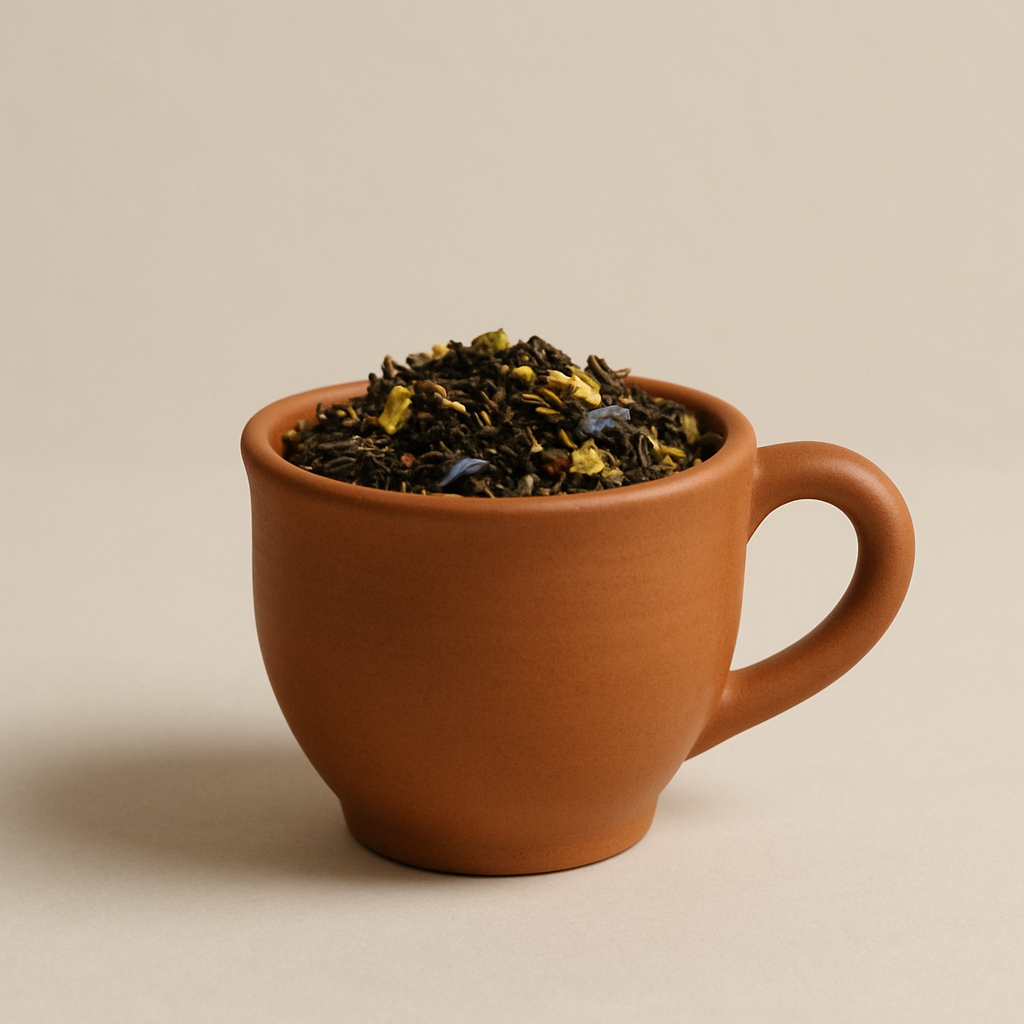
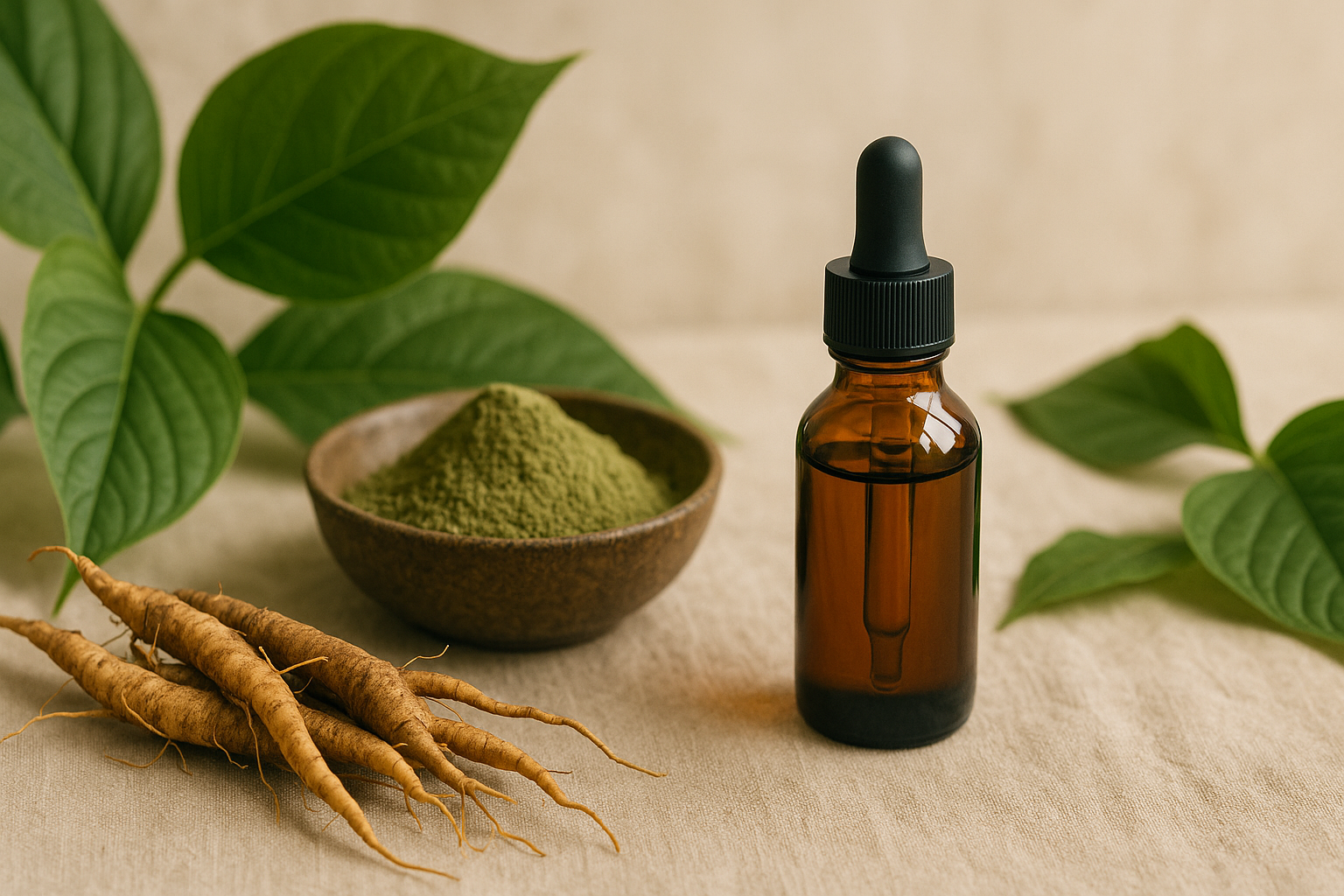
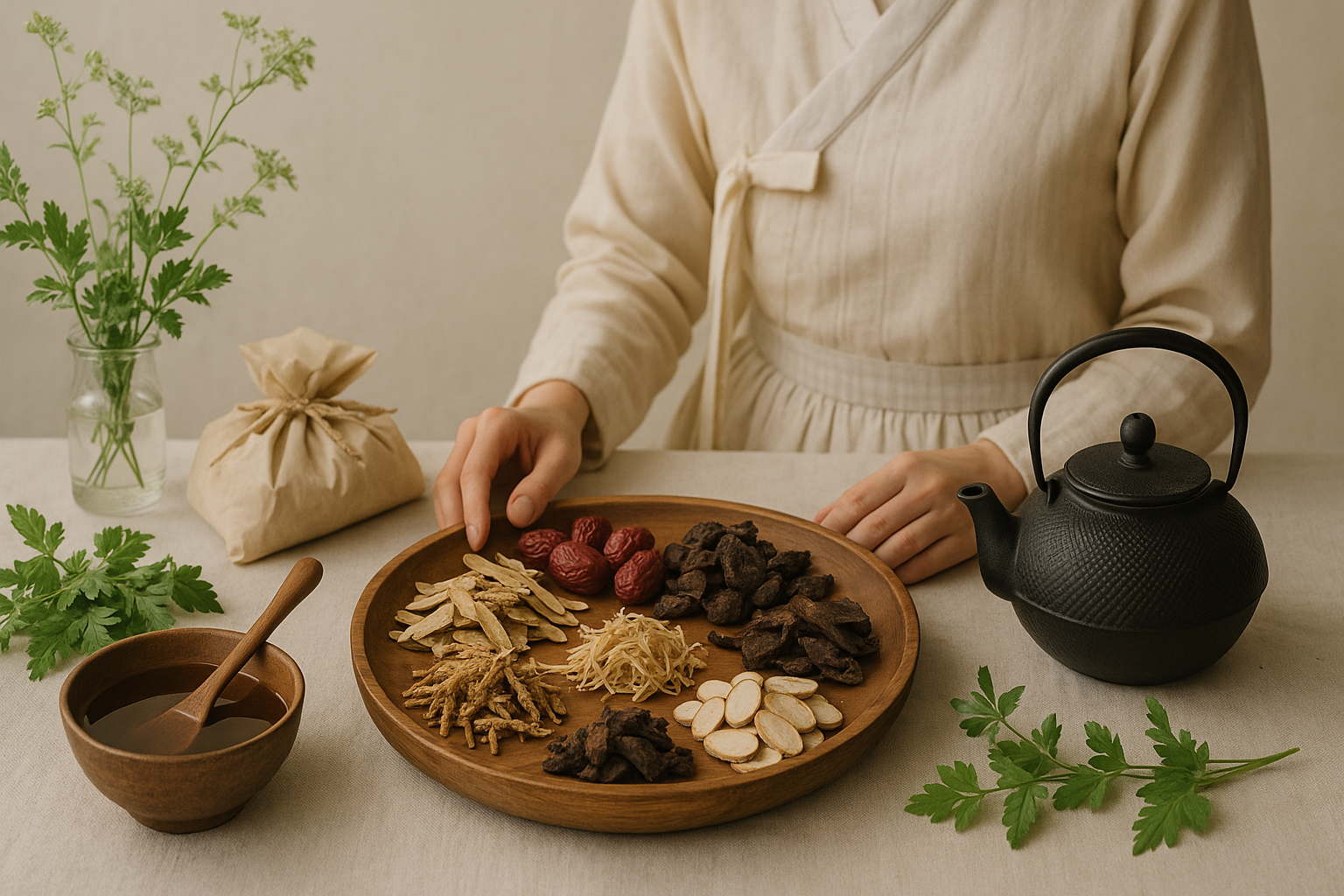
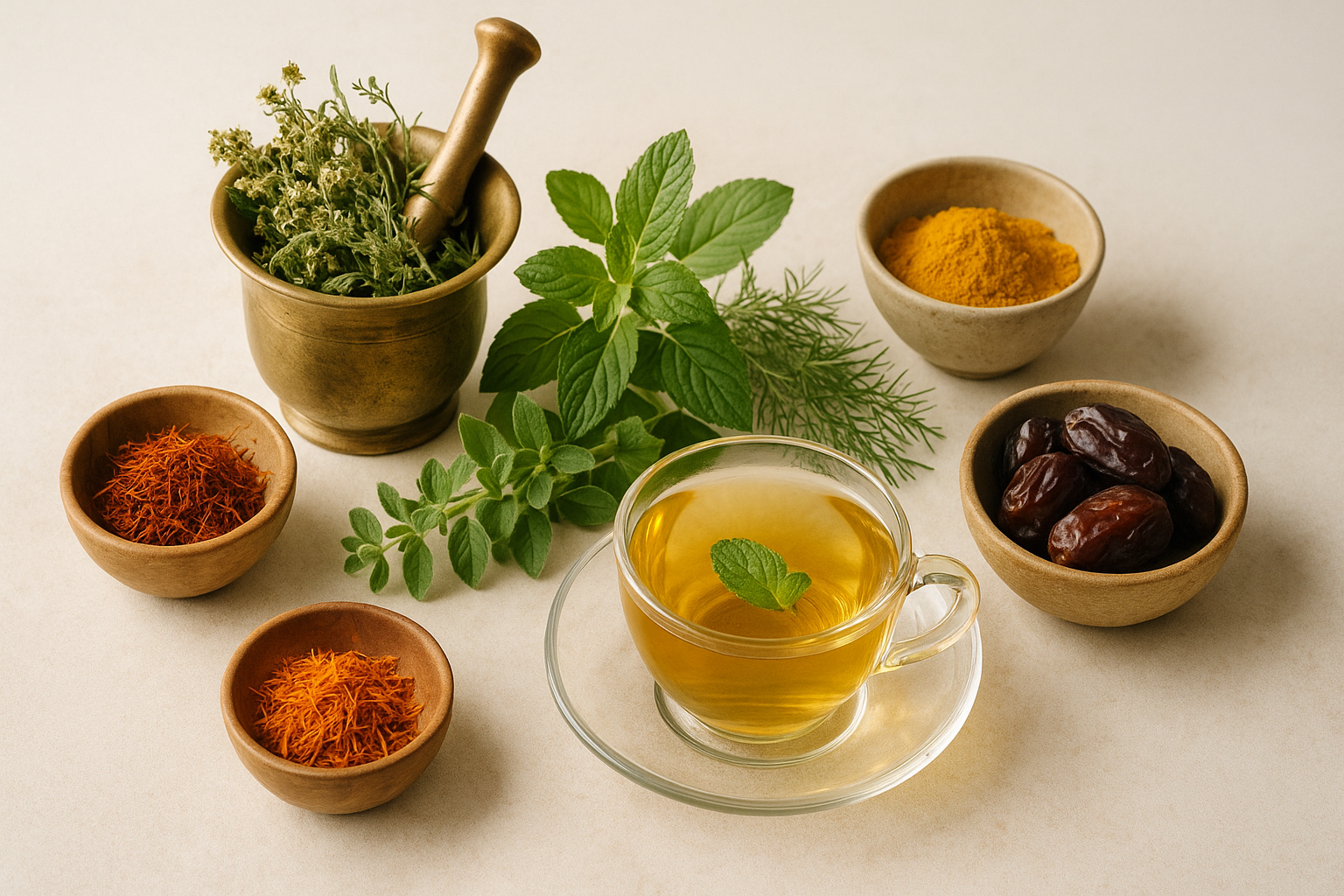
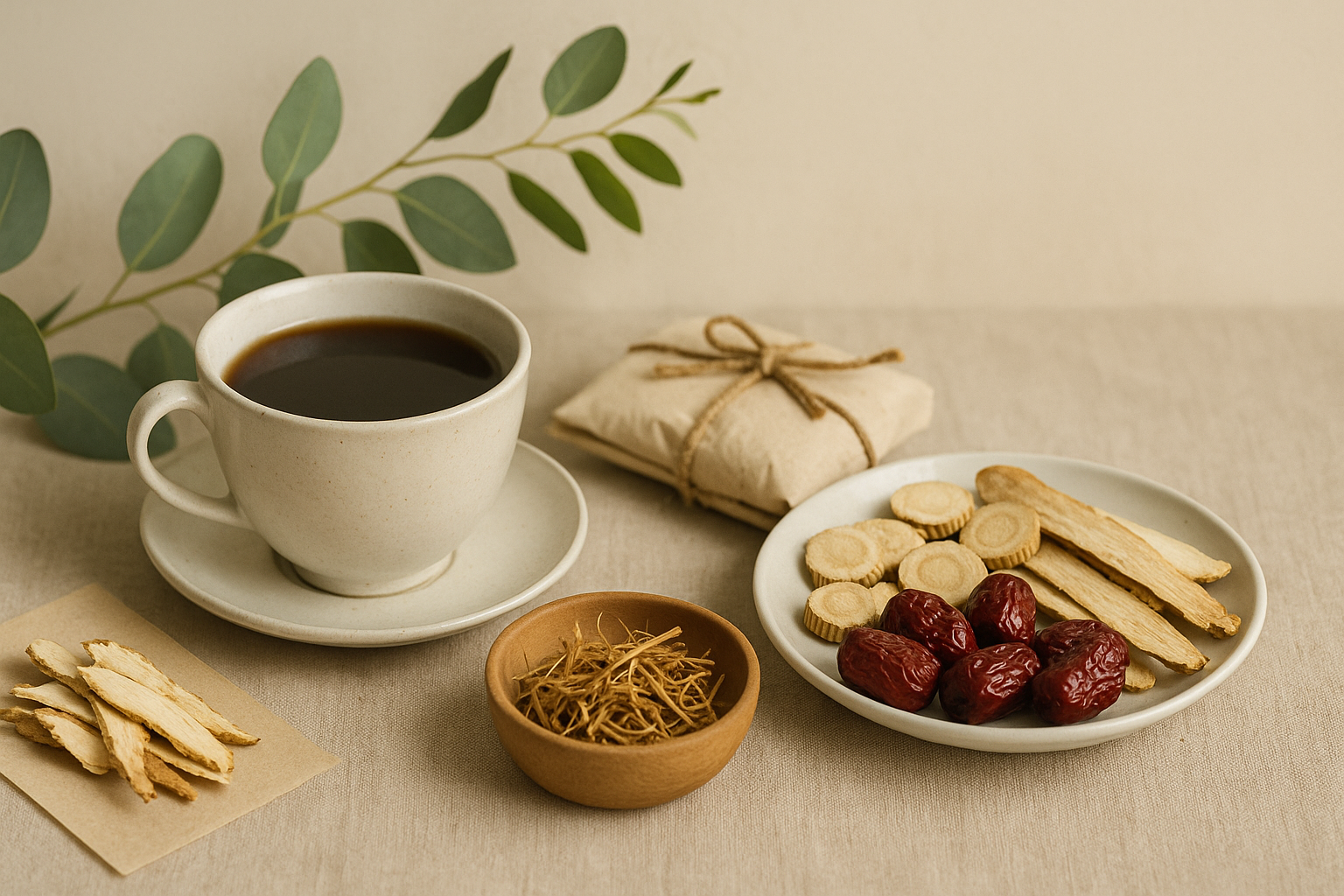
- Herb Selection: Based on the diagnosis, specific herbs are chosen for their properties and synergistic effects. This can include a mix of dried herbs, powders, or teas.
- Personalization: Each prescription is tailored to the individual, considering their unique constitution and health goals.
- Monitoring Progress: Follow-up consultations help assess the effectiveness of the prescription and make necessary adjustments.
What It Is Traditionally Explored For
Herbal prescriptions in Kampo Medicine are traditionally used for a variety of conditions, promoting balance and health. Some common goals include:
- Supporting digestive health
- Enhancing immune function
- Alleviating stress and promoting relaxation
- Addressing respiratory issues
- Supporting women's health, including menstrual irregularities
What Modern Research Suggests
Contemporary studies on herbal prescriptions in Kampo Medicine have begun to explore their efficacy and safety. Preliminary research suggests that certain Kampo formulations may have beneficial effects on conditions such as digestive disorders and stress-related symptoms. For example, a study indicated that a specific herbal blend could improve gastrointestinal function in patients with functional dyspepsia.
While more rigorous clinical trials are needed to substantiate these findings, the growing body of research highlights the potential of herbal prescriptions as a complementary approach to conventional treatments. However, it is essential to approach these studies with caution, as individual responses to herbal treatments can vary widely.
Safety, Contraindications & Who Should Skip
While herbal prescriptions in Kampo Medicine are generally considered safe when administered by qualified practitioners, certain precautions should be observed:
- Individuals with known allergies to specific herbs should avoid those ingredients.
- Pregnant or breastfeeding women should consult a healthcare provider before using herbal remedies.
- People with chronic health conditions or those taking prescription medications should discuss potential interactions with their healthcare provider.
It is essential to seek guidance from a qualified practitioner to ensure safe and appropriate use.
Pairs Well With (within Kampo Medicine and across pillars)
Herbal prescriptions can be complemented by various modalities within Kampo Medicine and other natural healing practices, including:
- Acupuncture: Enhancing overall wellness and addressing specific health issues.
- Moxibustion: Using heat from burning mugwort to complement herbal treatments.
- Dietary Adjustments: Tailoring nutrition to support the effects of herbal prescriptions.
- Mindfulness Practices: Such as meditation or yoga, to promote mental and emotional well-being.
How to Find a Qualified Practitioner
To find a qualified Kampo practitioner, consider the following steps:
- Seek recommendations from trusted health professionals or friends.
- Check for certifications from recognized organizations in Kampo Medicine.
- Look for practitioners with experience and positive reviews from patients.
- Schedule a consultation to discuss your health concerns and assess the practitioner's approach.
FAQs (5)
What is the difference between Kampo and Traditional Chinese Medicine?
Kampo Medicine is a Japanese adaptation of Traditional Chinese Medicine, focusing on personalized treatments and incorporating local herbs and practices.
Are herbal prescriptions safe for everyone?
While generally safe, individuals with allergies, pregnant women, and those with chronic conditions should consult a healthcare provider before use.
How long does it take to see results from herbal prescriptions?
Results can vary based on individual responses and health conditions, but many may notice improvements within a few weeks.
Can I use herbal prescriptions alongside conventional medicine?
Yes, but it is essential to consult with both your healthcare provider and Kampo practitioner to avoid potential interactions.
Where can I learn more about Kampo Medicine?
Books, online courses, and workshops offered by accredited institutions can provide more information on Kampo Medicine and herbal prescriptions.
Frequently asked
What is the difference between Kampo and Traditional Chinese Medicine?
Kampo Medicine is a Japanese adaptation of Traditional Chinese Medicine, focusing on personalized treatments and incorporating local herbs and practices.
Are herbal prescriptions safe for everyone?
While generally safe, individuals with allergies, pregnant women, and those with chronic conditions should consult a healthcare provider before use.
How long does it take to see results from herbal prescriptions?
Results can vary based on individual responses and health conditions, but many may notice improvements within a few weeks.
Can I use herbal prescriptions alongside conventional medicine?
Yes, but it is essential to consult with both your healthcare provider and Kampo practitioner to avoid potential interactions.
Where can I learn more about Kampo Medicine?
Books, online courses, and workshops offered by accredited institutions can provide more information on Kampo Medicine and herbal prescriptions.