Immune Support
Discover how Kampo medicine supports immune health through ancient wisdom, practices, and modern insights.
Explore the ancient practice of immune support in Kampo medicine, its historical context, traditional uses, modern research insights, safety considerations, and how to find qualified practitioners.
What It Is
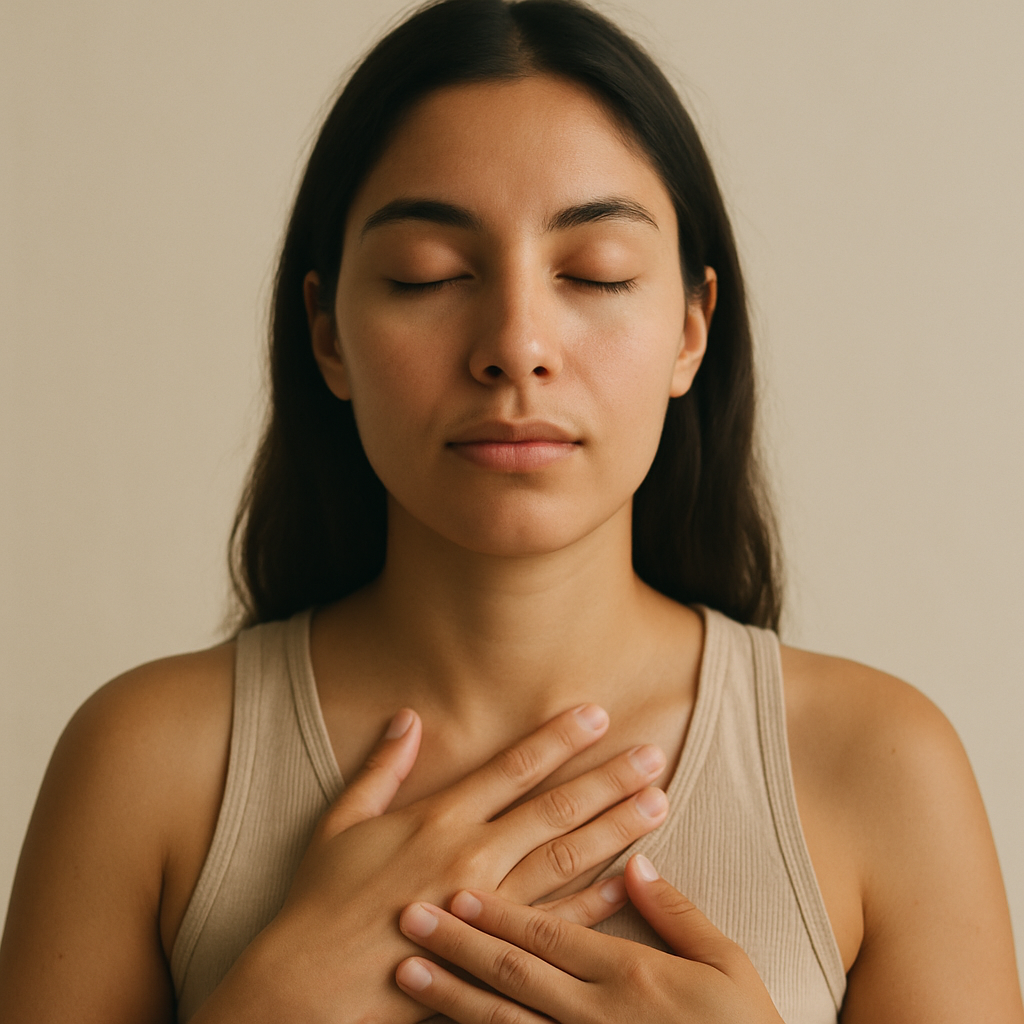
Kampo medicine, a traditional Japanese healing system, emphasizes the balance and harmony of the body's functions. Immune support in this context refers to the various techniques and herbal formulations used to bolster the body's natural defense mechanisms. These practices are rooted in the belief that maintaining a balanced internal environment is essential for optimal health and resilience against illness.
Immune support within Kampo medicine often involves the use of specific herbal combinations, dietary recommendations, and lifestyle adjustments designed to strengthen the body's immunity. Practitioners assess individual conditions and constitutions, tailoring treatments to enhance vitality and protect against pathogens.
Historical Context Within Kampo Medicine
The origins of Kampo medicine can be traced back to ancient Chinese medical texts that were introduced to Japan over a thousand years ago. As it evolved, Kampo incorporated local knowledge and practices, adapting to the unique cultural context of Japan. The concept of immune support emerged as practitioners recognized the need to strengthen the body's defenses against environmental factors and diseases.
During the Edo period (1603-1868), Kampo gained significant recognition, and many classical texts were compiled, further detailing the use of herbal medicine for enhancing immune function. Renowned figures in the development of Kampo, such as the physician and scholar Shoen Ishizuka, contributed to the understanding and formulation of treatments aimed at supporting immunity.
How It's Practiced
Practicing immune support in Kampo medicine typically follows a structured approach. Here is a general walk-through of how a practitioner might conduct a session:
- Initial Consultation: The practitioner gathers comprehensive information about the patient's health history, symptoms, and lifestyle.
- Diagnosis: Using traditional methods such as pulse diagnosis and tongue examination, the practitioner assesses the individual's constitution and any imbalances.
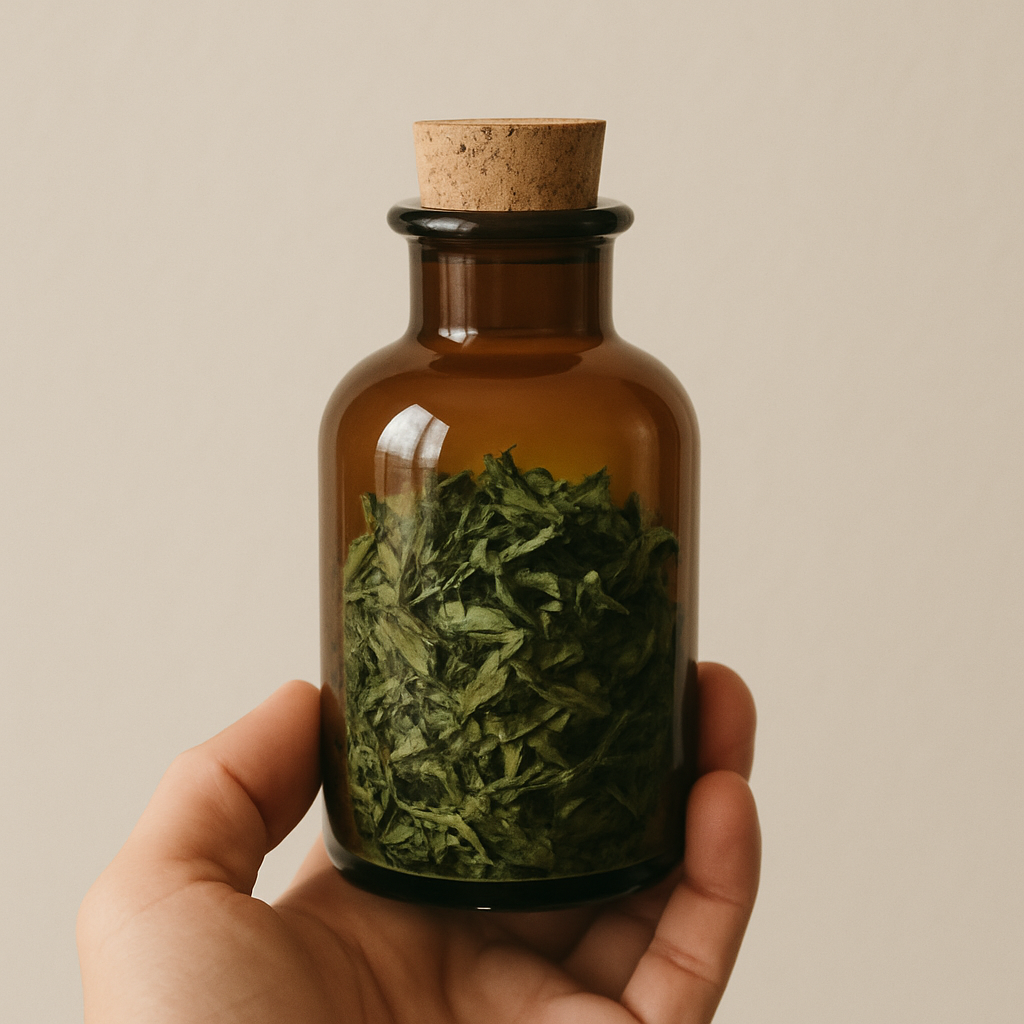
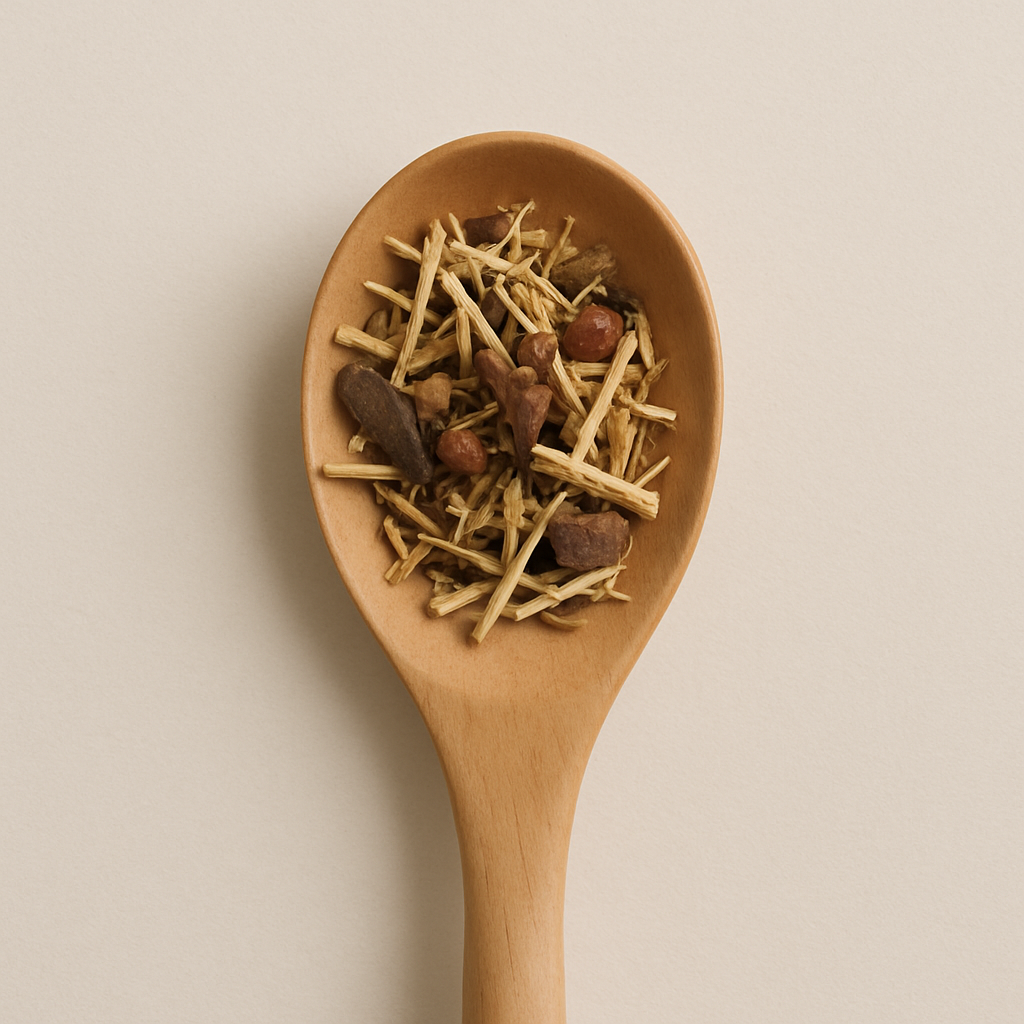
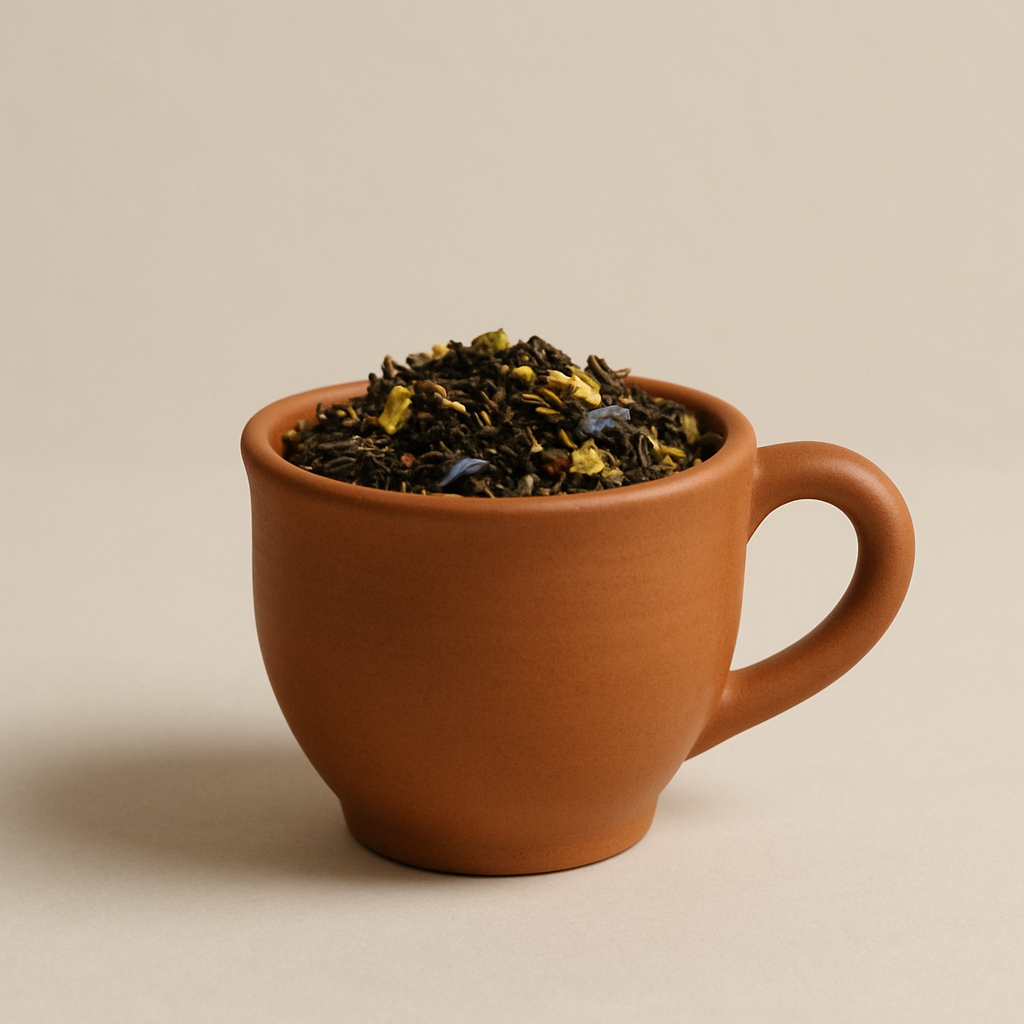
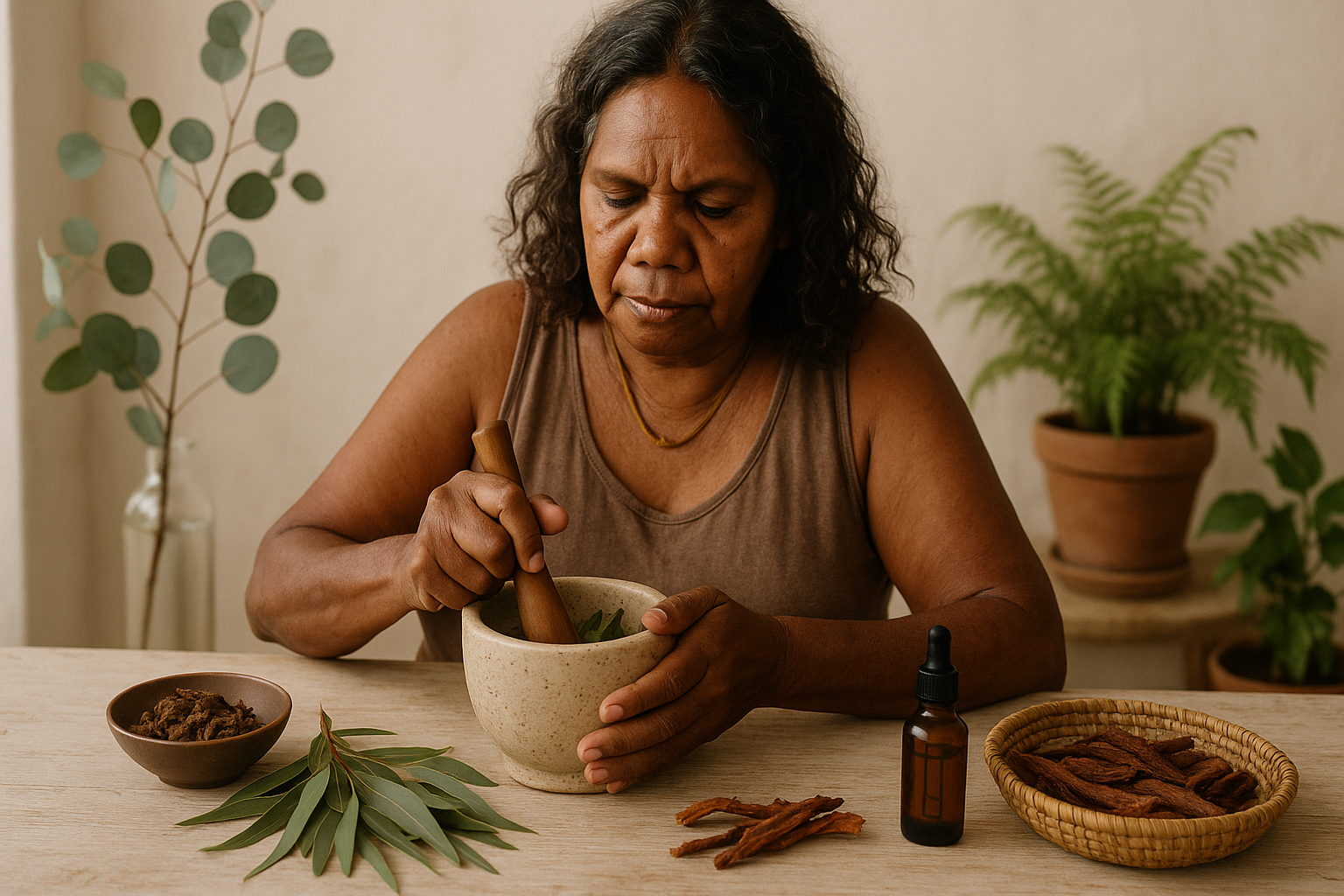
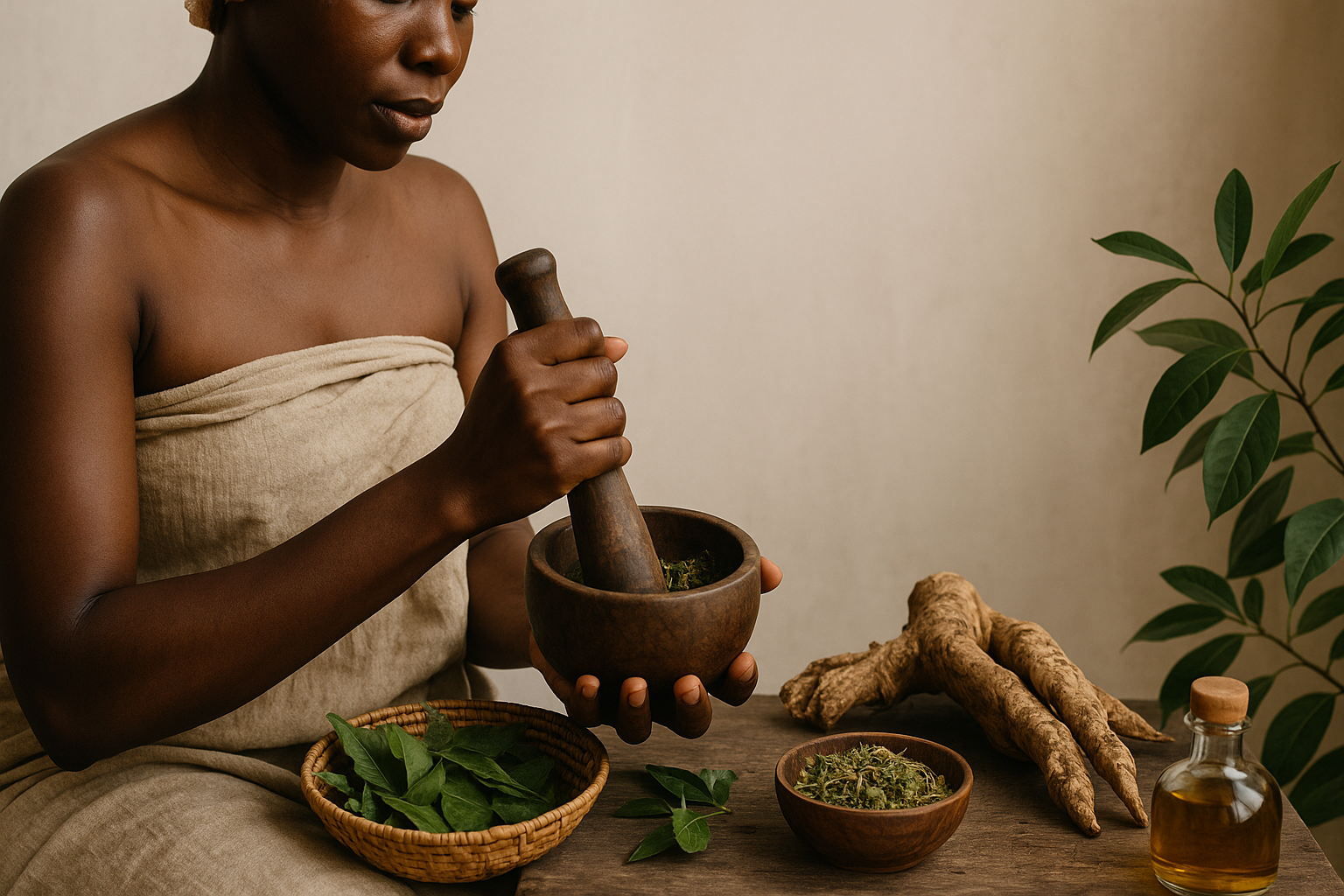
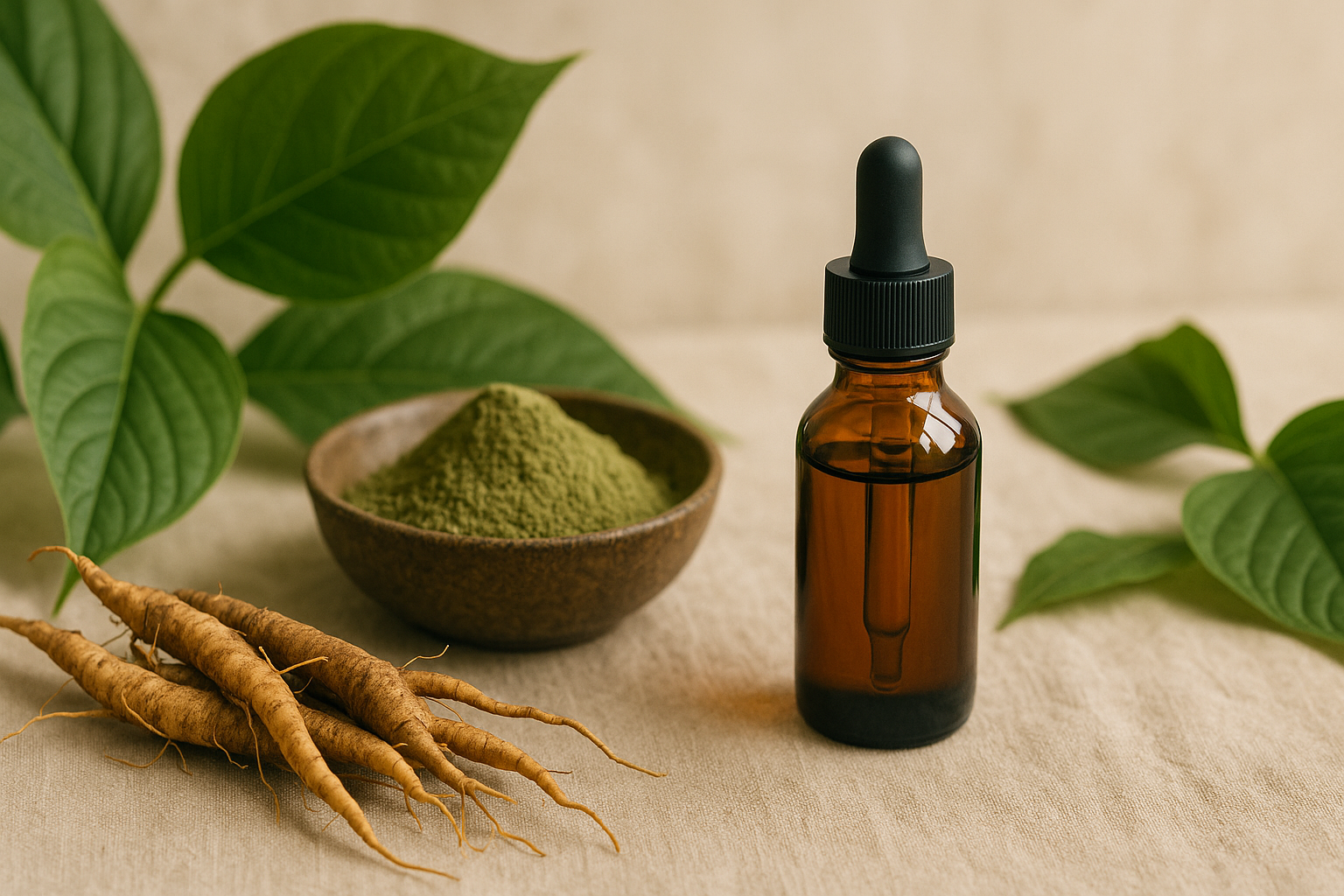
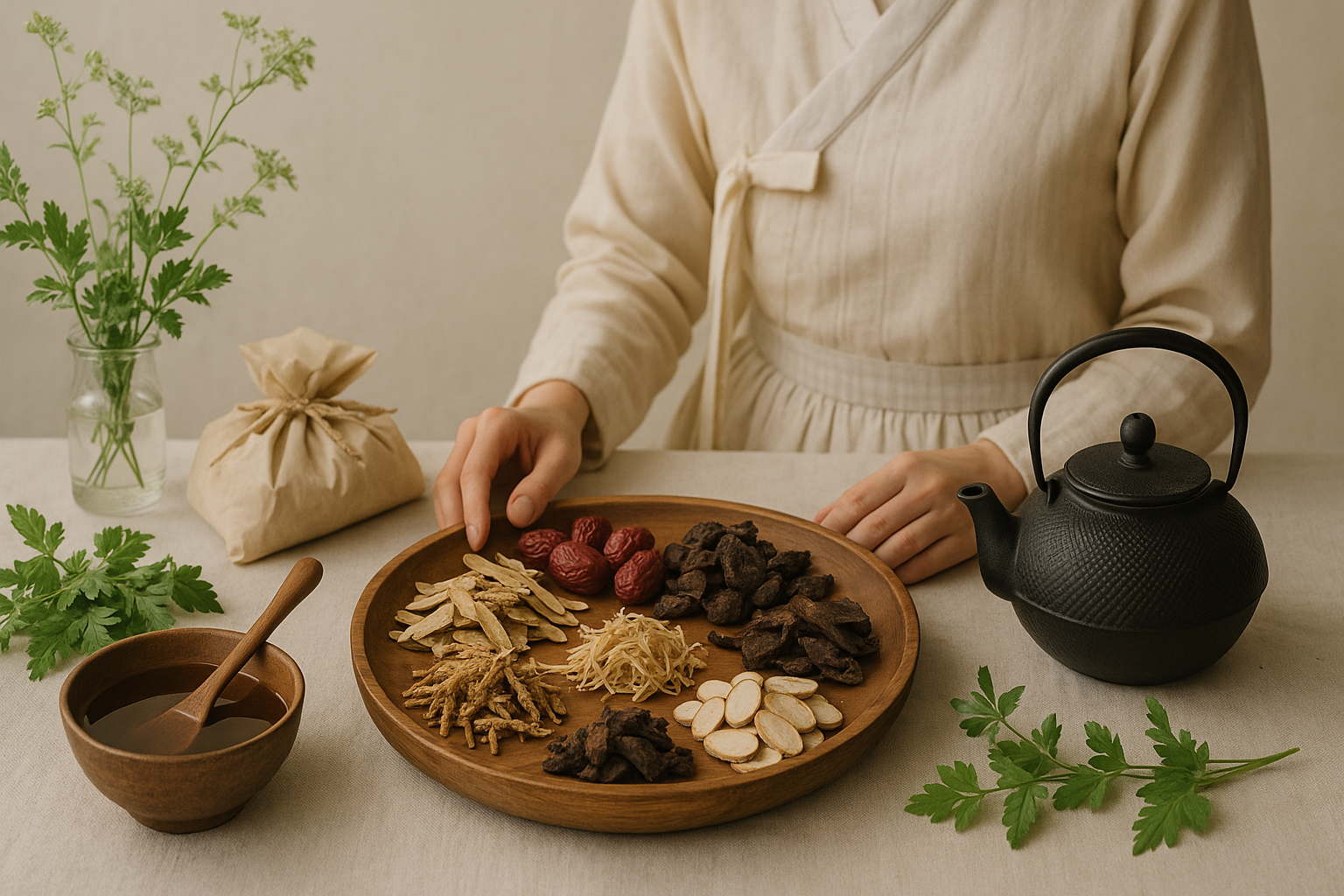
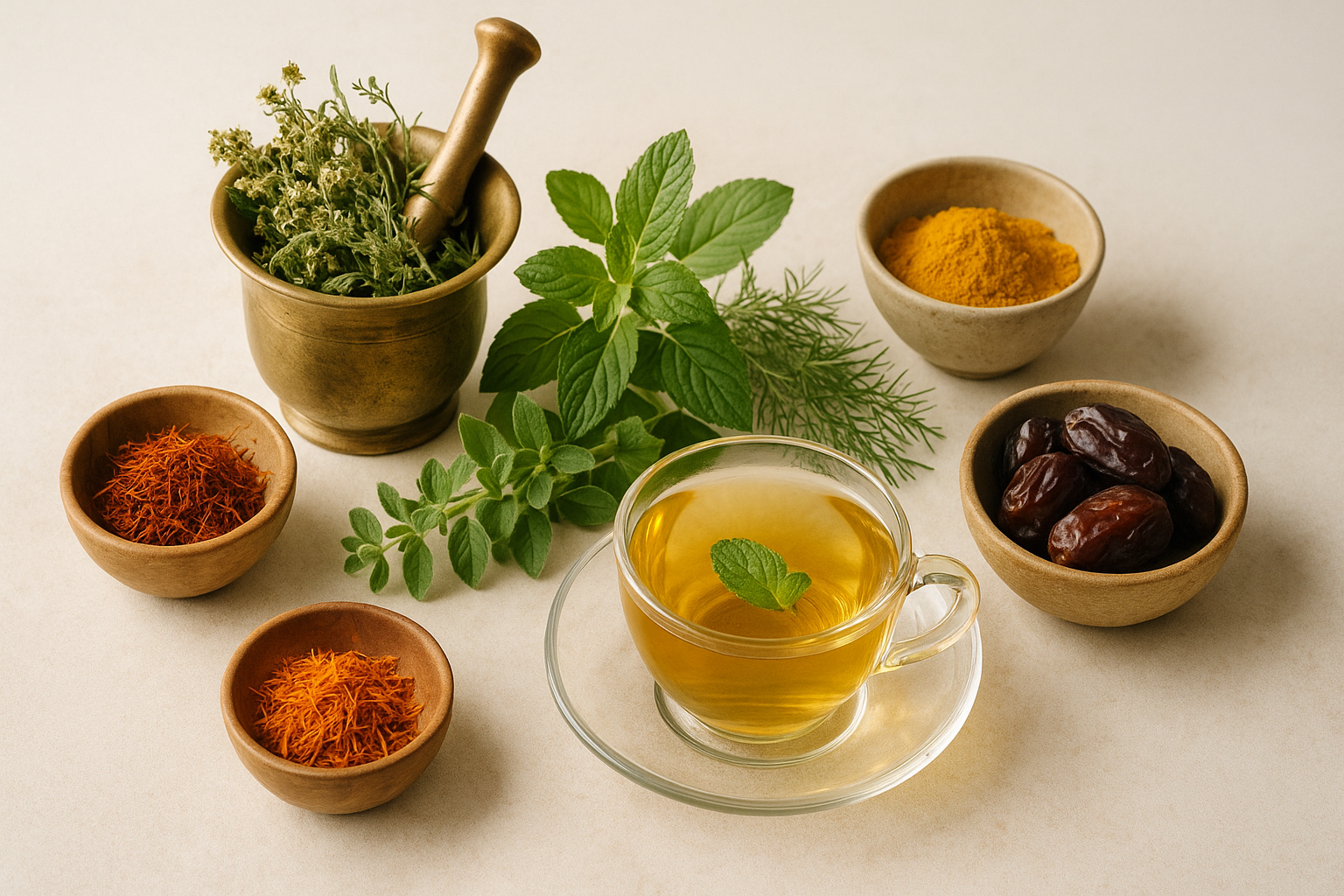
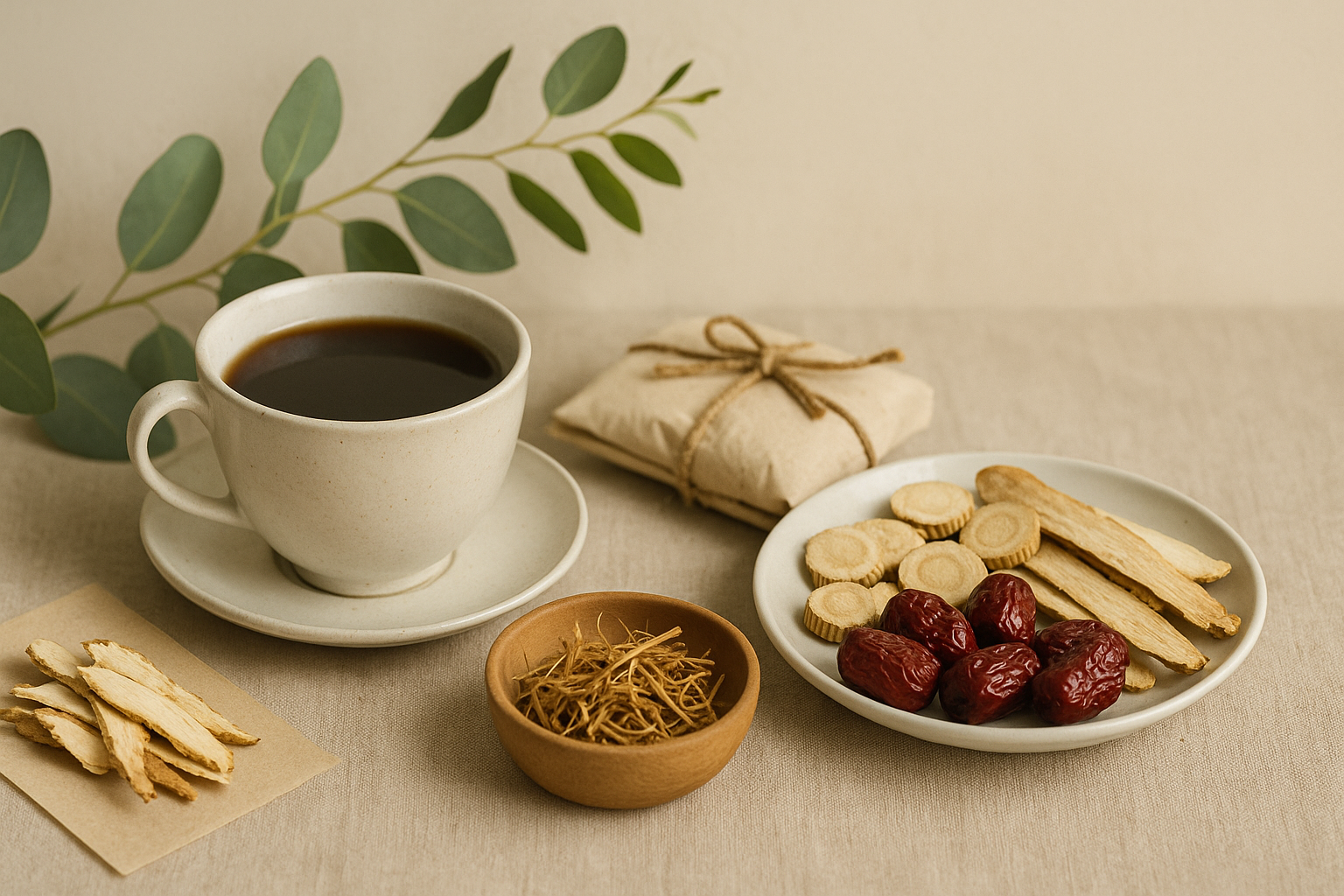
- Formulation: Based on the diagnosis, the practitioner selects appropriate herbal formulas, which may include combinations of roots, leaves, and other plant materials known for their immune-supporting properties.
- Lifestyle Recommendations: Guidance on dietary choices, exercise, and stress management may be provided to enhance the overall effectiveness of the treatment.
- Follow-Up: Regular follow-up appointments help monitor progress and make necessary adjustments to the treatment plan.
What It Is Traditionally Explored For
Kampo medicine has traditionally been used for various health concerns, particularly those related to immune function. While individual experiences may vary, immune support is often explored for:
- Enhancing overall vitality and energy levels.
- Reducing susceptibility to common colds and infections.
- Improving recovery time from illness.
- Managing symptoms associated with allergies.
- Supporting the body's response to environmental stressors.
What Modern Research Suggests
Modern research into Kampo medicine and its effects on immune support is still in its early stages, but some preliminary studies suggest promising outcomes. For example, certain Kampo formulas have been found to exhibit immunomodulatory effects, potentially enhancing the body's ability to respond to infections.
Additionally, clinical trials have explored the use of specific Kampo herbs in conjunction with conventional treatments, showing improved immune responses in patients with chronic conditions. However, more comprehensive studies are needed to fully understand the mechanisms and efficacy of these treatments in modern medical contexts.
Safety, Contraindications & Who Should Skip
While Kampo medicine is generally considered safe when practiced by a qualified practitioner, certain individuals should exercise caution. This includes:
- Pregnant or breastfeeding women should consult healthcare professionals before starting any herbal treatments.
- Individuals with known allergies to specific herbs or plant materials.
- Those on prescription medications should discuss potential interactions with their healthcare provider.
- Individuals with serious health conditions should seek the advice of a qualified healthcare professional before engaging in any alternative therapies.
Pairs Well With (within Kampo Medicine and across pillars)
Immune support in Kampo medicine can complement various other modalities and ingredients. Some that pair well include:
- Shakuyaku-kanzo-to: A traditional formula known for its soothing properties and immune support.
- Baizhu (Atractylodes): An herb often used to enhance digestion and energy, indirectly supporting immune function.
- Acupuncture: This practice can enhance overall health and may further support immune resilience.
- Dietary Therapy: Incorporating local, seasonal foods that are believed to bolster health and immunity.
How to Find a Qualified Practitioner
Finding a qualified Kampo practitioner involves careful consideration. Here are some steps to help you in your search:
- Look for practitioners with formal training in Kampo medicine and relevant certifications.
- Check for memberships in professional organizations related to traditional medicine.
- Seek referrals from healthcare providers or individuals who have experience with Kampo treatments.
- Consider scheduling an initial consultation to discuss your health concerns and assess the practitioner's approach.
FAQs
- Q: How long does it take to see results from Kampo immune support?
A: Results may vary based on individual conditions, but many people notice improvements within a few weeks of starting treatment. - Q: Can I use Kampo medicine alongside conventional treatments?
A: It is advisable to discuss with both your Kampo practitioner and conventional healthcare provider to ensure safe and coordinated care. - Q: Are there any side effects associated with Kampo herbs?
A: While generally safe, some individuals may experience mild side effects. It's important to communicate any reactions to your practitioner. - Q: How often should I visit a Kampo practitioner for immune support?
A: The frequency of visits will depend on your health needs and the practitioner's recommendations. - Q: Is Kampo medicine suitable for children?
A: Kampo treatments can be adapted for children, but it is essential to consult a qualified practitioner experienced in pediatric care.
Frequently asked
How long does it take to see results from Kampo immune support?
Results may vary based on individual conditions, but many people notice improvements within a few weeks of starting treatment.
Can I use Kampo medicine alongside conventional treatments?
It is advisable to discuss with both your Kampo practitioner and conventional healthcare provider to ensure safe and coordinated care.
Are there any side effects associated with Kampo herbs?
While generally safe, some individuals may experience mild side effects. It's important to communicate any reactions to your practitioner.
How often should I visit a Kampo practitioner for immune support?
The frequency of visits will depend on your health needs and the practitioner's recommendations.
Is Kampo medicine suitable for children?
Kampo treatments can be adapted for children, but it is essential to consult a qualified practitioner experienced in pediatric care.