Preventive Care
Explore the principles of preventive care in Kampo Medicine, its history, practices, and safety considerations.

Preventive care in Kampo Medicine is a holistic approach aimed at maintaining health and preventing illness, rooted in ancient wisdom and practices.
What It Is
Preventive care in Kampo Medicine focuses on maintaining health and preventing disease before it manifests. This approach recognizes the importance of balance within the body and the interconnectedness of various bodily functions. By addressing potential health issues proactively, practitioners aim to enhance overall well-being and longevity.
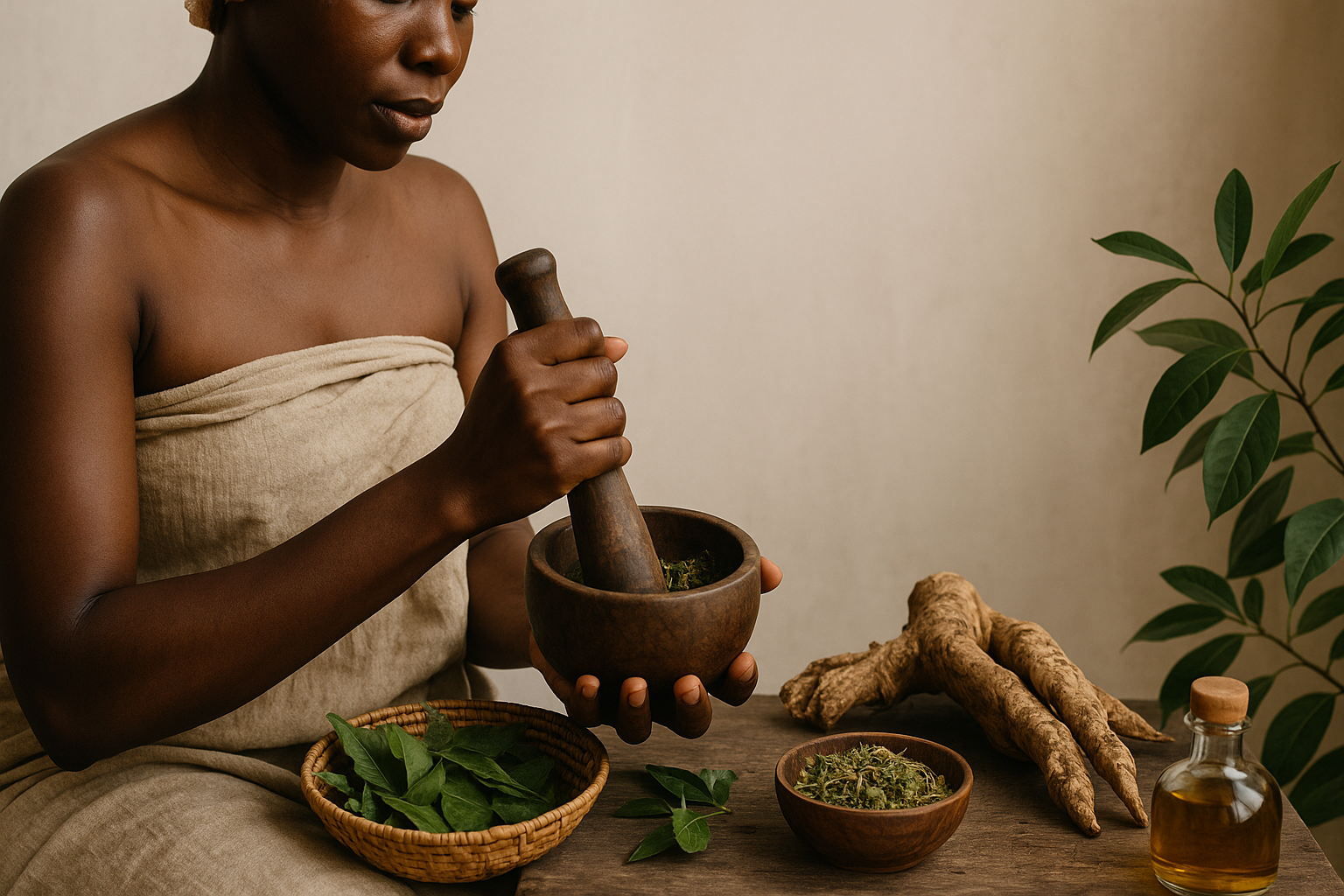
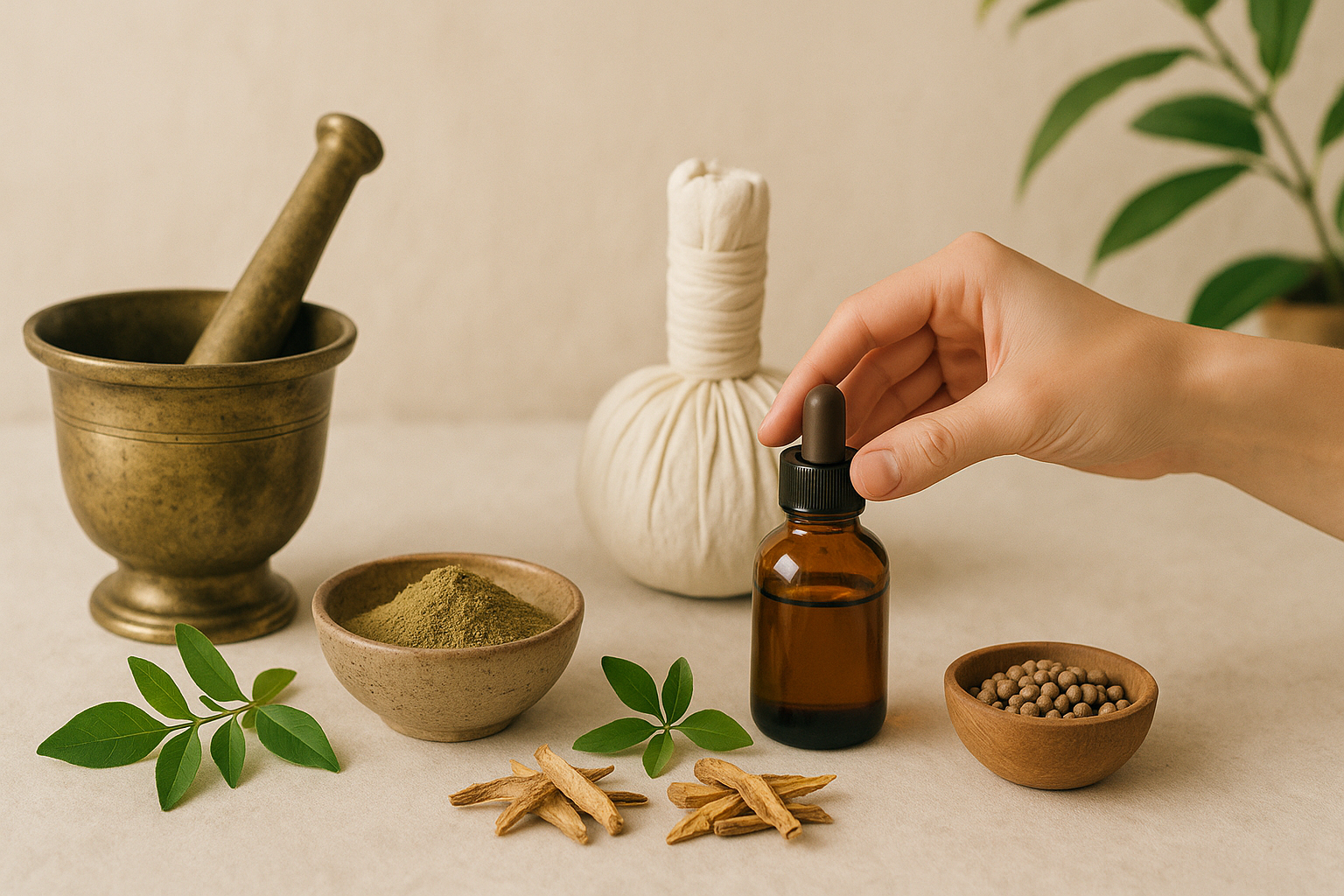
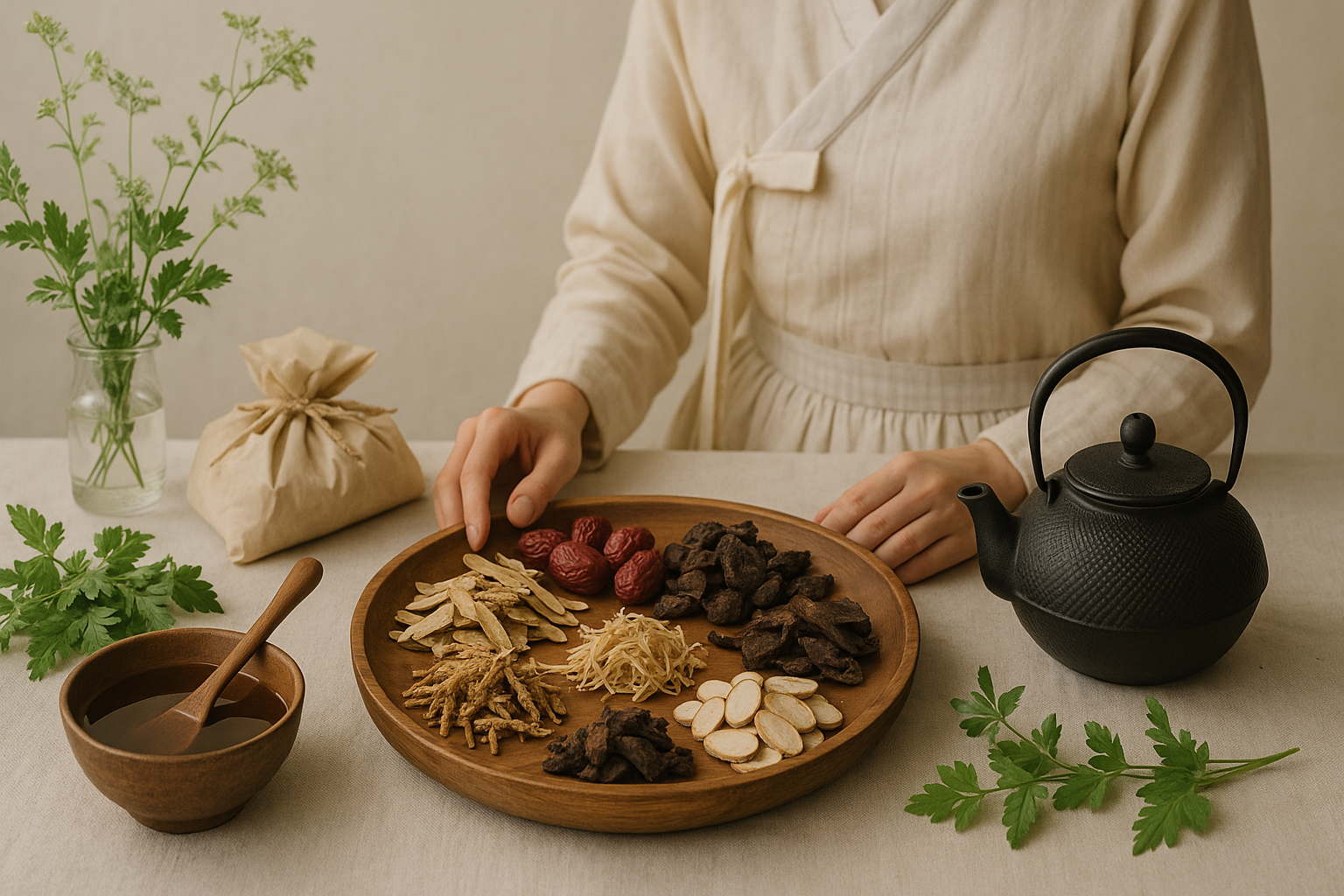
This modality emphasizes lifestyle adjustments, dietary recommendations, and the use of herbal formulas tailored to individual needs. The core philosophy is that by nurturing the body and mind, one can create a robust foundation for health, thereby minimizing the risk of illness.
Historical Context Within Kampo Medicine
Kampo Medicine, a traditional Japanese form of medicine, evolved from ancient Chinese medicine and has been practiced for centuries. The roots of preventive care within this tradition can be traced back to the early development of Kampo in the 7th century, when Chinese medical texts began to be studied and adapted in Japan.
Prominent figures such as Sugita Genpaku and his contemporaries significantly influenced the integration of preventive care into Kampo. They emphasized the importance of understanding the individual constitution and the role of environmental factors in health, laying the groundwork for a more personalized approach to wellness.
How It's Practiced
Practitioners of Kampo Medicine typically follow a structured approach when providing preventive care. Here are the common steps involved:
- Initial Consultation: A thorough assessment of the patient's health history, lifestyle, and dietary habits.
- Constitutional Diagnosis: Identifying the individual's body type and any imbalances that may exist.
- Personalized Treatment Plan: Developing a tailored plan that may include dietary adjustments, herbal remedies, and lifestyle recommendations.
- Regular Follow-up: Scheduling periodic check-ins to monitor progress and adjust the treatment plan as needed.
- Educational Support: Providing guidance on self-care practices and preventive measures to be integrated into daily life.
What It Is Traditionally Explored For
Preventive care in Kampo Medicine is traditionally used for a variety of health goals, including:
- Enhancing immune function
- Improving digestion
- Balancing emotional well-being
- Promoting healthy aging
- Addressing seasonal health concerns
While these practices are rooted in tradition, it is important to approach them with an understanding that individual responses may vary.
What Modern Research Suggests
Contemporary studies on Kampo Medicine and its preventive practices have begun to explore the efficacy of herbal formulations and lifestyle interventions. Some preliminary research indicates that certain Kampo herbs may possess anti-inflammatory and immune-modulating properties, supporting the claims made by traditional practitioners.
However, it is crucial to note that while some studies show promise, more rigorous clinical trials are needed to fully understand the effectiveness and safety of these practices. As always, individuals should consult healthcare professionals before starting any new treatment.
Safety, Contraindications & Who Should Skip
Preventive care in Kampo Medicine is generally considered safe; however, certain individuals may need to exercise caution:
- Pregnant or breastfeeding women should consult a healthcare provider before starting any herbal remedies.
- Individuals with serious medical conditions or those on medication should discuss their plans with a qualified practitioner.
- People with known allergies to specific herbs should avoid those ingredients.
As with any health practice, it is essential to listen to your body and seek guidance when necessary.
Pairs Well With (within Kampo Medicine and across pillars)
Preventive care in Kampo Medicine pairs well with various modalities and ingredients, including:
- Acupuncture
- Shiatsu massage
- Dietary therapy
- Qi Gong and Tai Chi
- Herbal formulations such as Shakuyaku-kanzo-to and Saiko-keishi-to
How to Find a Qualified Practitioner
Finding a qualified Kampo practitioner can be crucial for receiving effective preventive care. Here are some tips:
- Look for practitioners with formal training in Kampo Medicine or a related field.
- Check for certifications and memberships in reputable organizations.
- Seek recommendations from trusted sources or health professionals.
- Schedule an initial consultation to discuss your health goals and assess compatibility.
FAQs
- What is the main focus of preventive care in Kampo Medicine? It emphasizes maintaining health and preventing illness through personalized approaches.
- How can I find a Kampo practitioner? Look for qualified practitioners with formal training and certifications.
- Is Kampo Medicine safe for everyone? While generally safe, certain individuals may need to exercise caution.
- What are some common practices in preventive care? Practices include dietary adjustments, herbal remedies, and lifestyle recommendations.
- What does modern research say about Kampo Medicine? Preliminary studies suggest potential benefits, but more research is needed for conclusive evidence.
Frequently asked
What is the main focus of preventive care in Kampo Medicine?
It emphasizes maintaining health and preventing illness through personalized approaches.
How can I find a Kampo practitioner?
Look for qualified practitioners with formal training and certifications.
Is Kampo Medicine safe for everyone?
While generally safe, certain individuals may need to exercise caution.
What are some common practices in preventive care?
Practices include dietary adjustments, herbal remedies, and lifestyle recommendations.
What does modern research say about Kampo Medicine?
Preliminary studies suggest potential benefits, but more research is needed for conclusive evidence.