Holistic Therapy
Explore the principles and practices of Holistic Therapy within Kampo Medicine, including its historical roots, modern applications, and safety considerations.
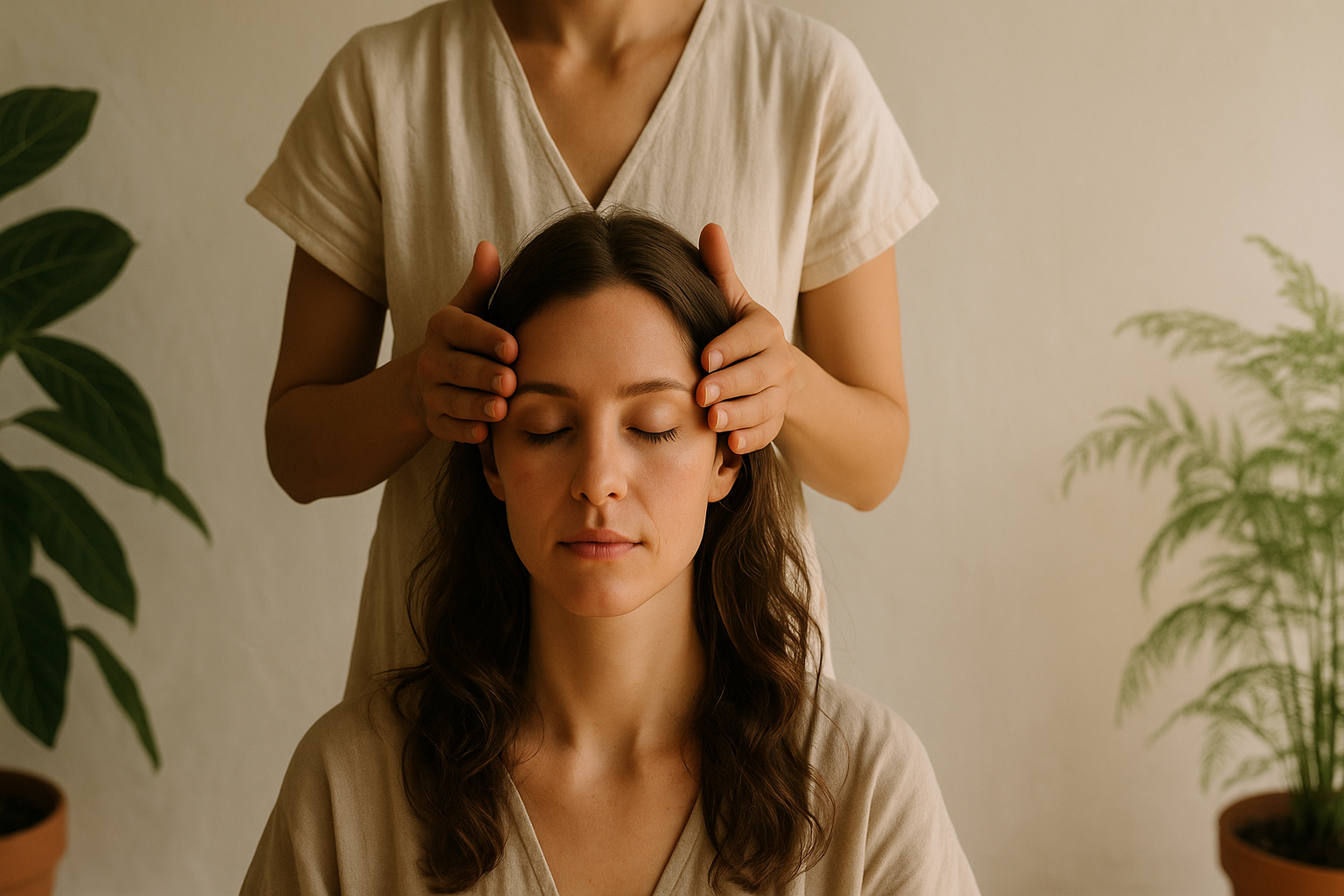
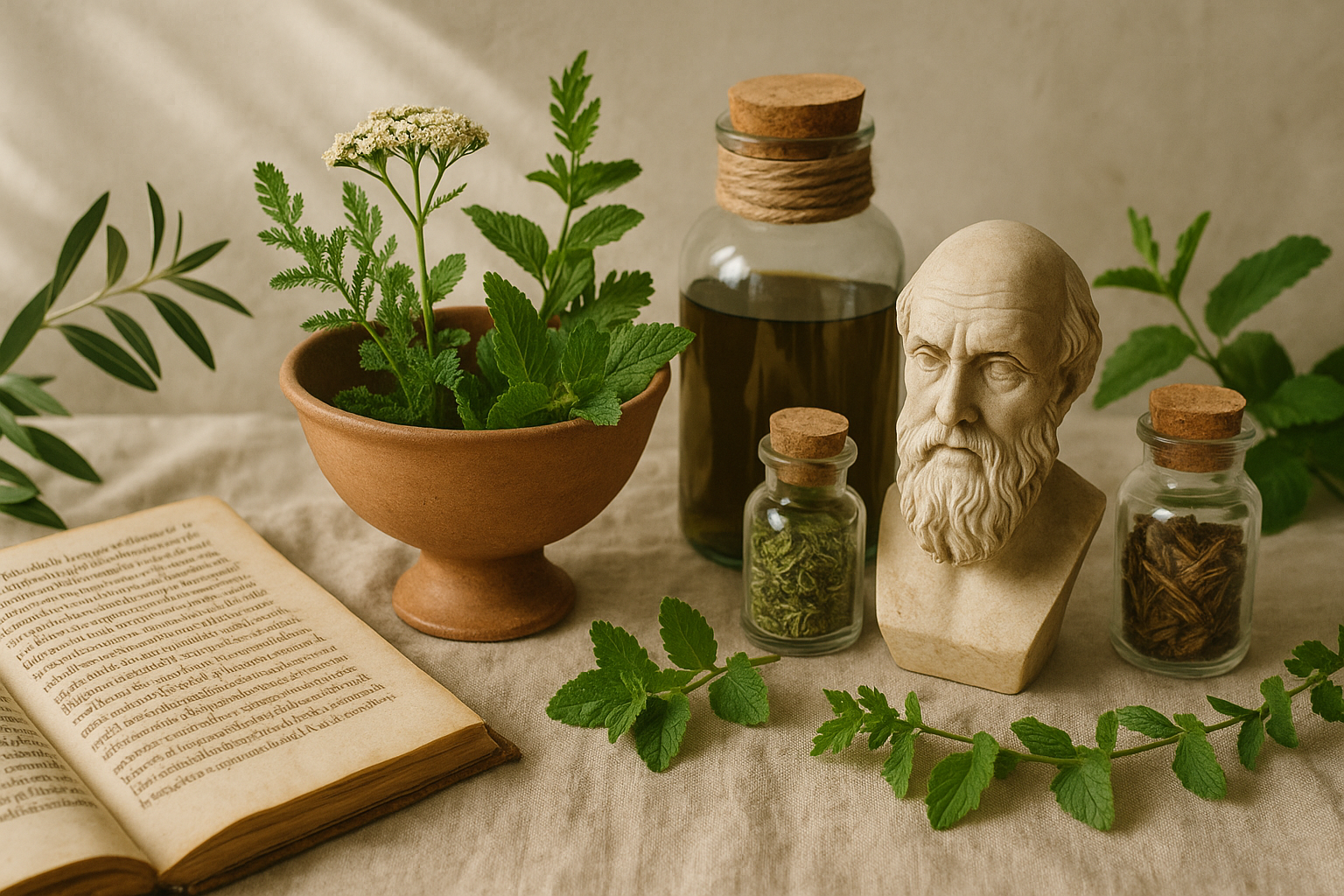
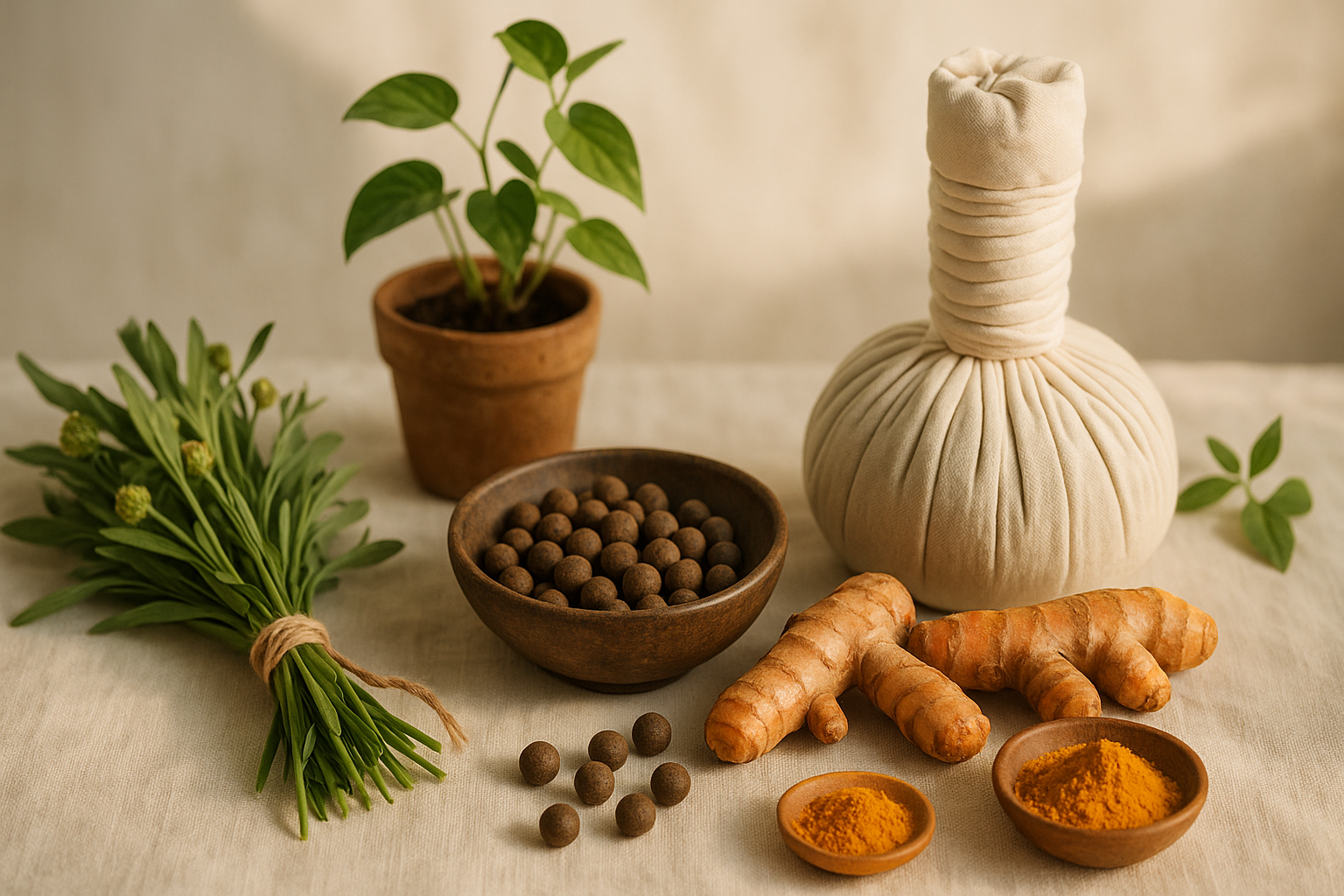
Holistic therapy within Kampo medicine emphasizes a comprehensive approach to health, integrating body, mind, and spirit. This ancient practice, rooted in traditional Japanese medicine, utilizes natural remedies and lifestyle adjustments to promote balance and well-being.
What It Is
Holistic therapy is a comprehensive approach that considers the whole person—body, mind, and spirit—in the pursuit of health and well-being. Within the context of Kampo medicine, a traditional Japanese medicinal system, holistic therapy aims to restore balance and harmony by addressing the underlying causes of ailments, rather than merely alleviating symptoms.
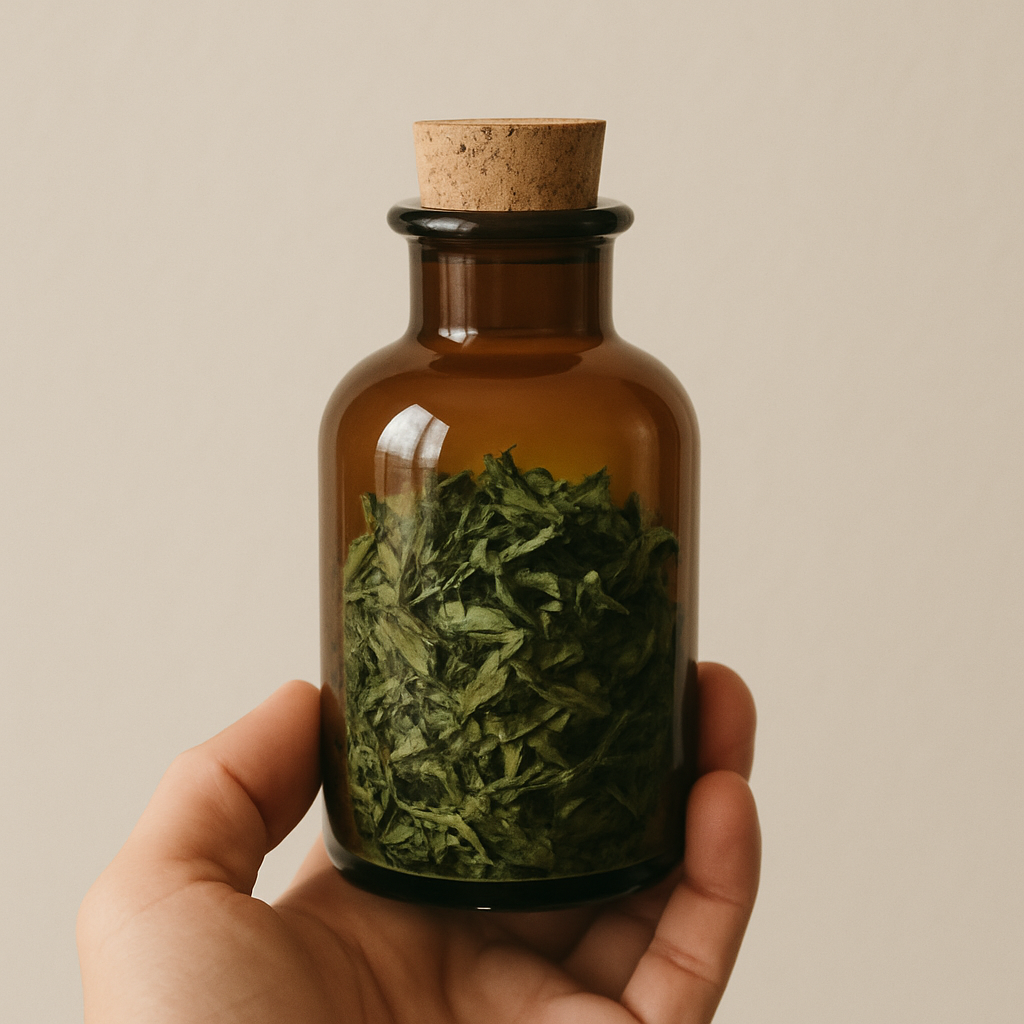
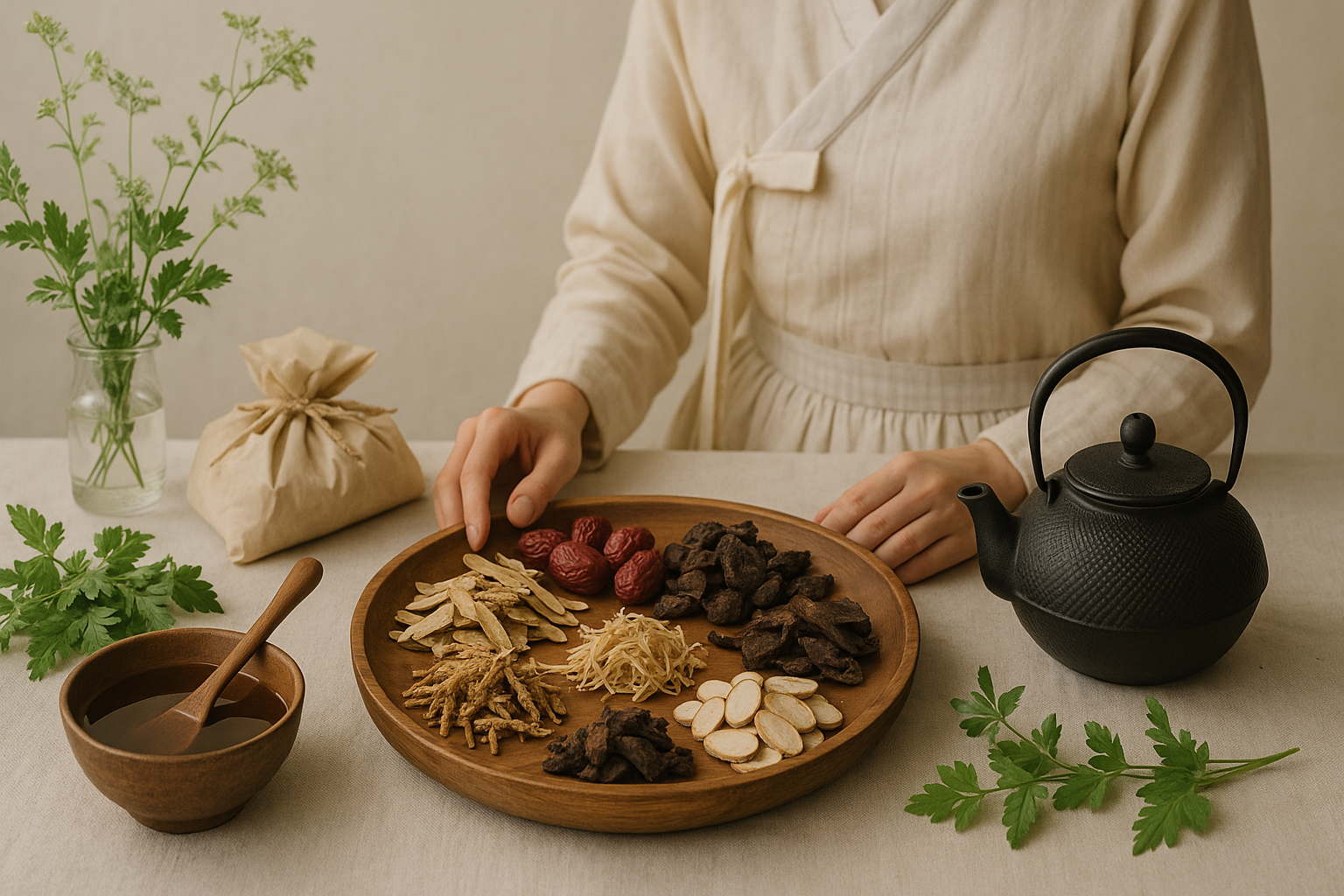
This modality integrates various healing practices, including herbal medicine, dietary adjustments, and lifestyle recommendations. By focusing on the interconnectedness of physical and emotional health, holistic therapy seeks to empower individuals to take charge of their health journey.
Historical Context Within Kampo Medicine
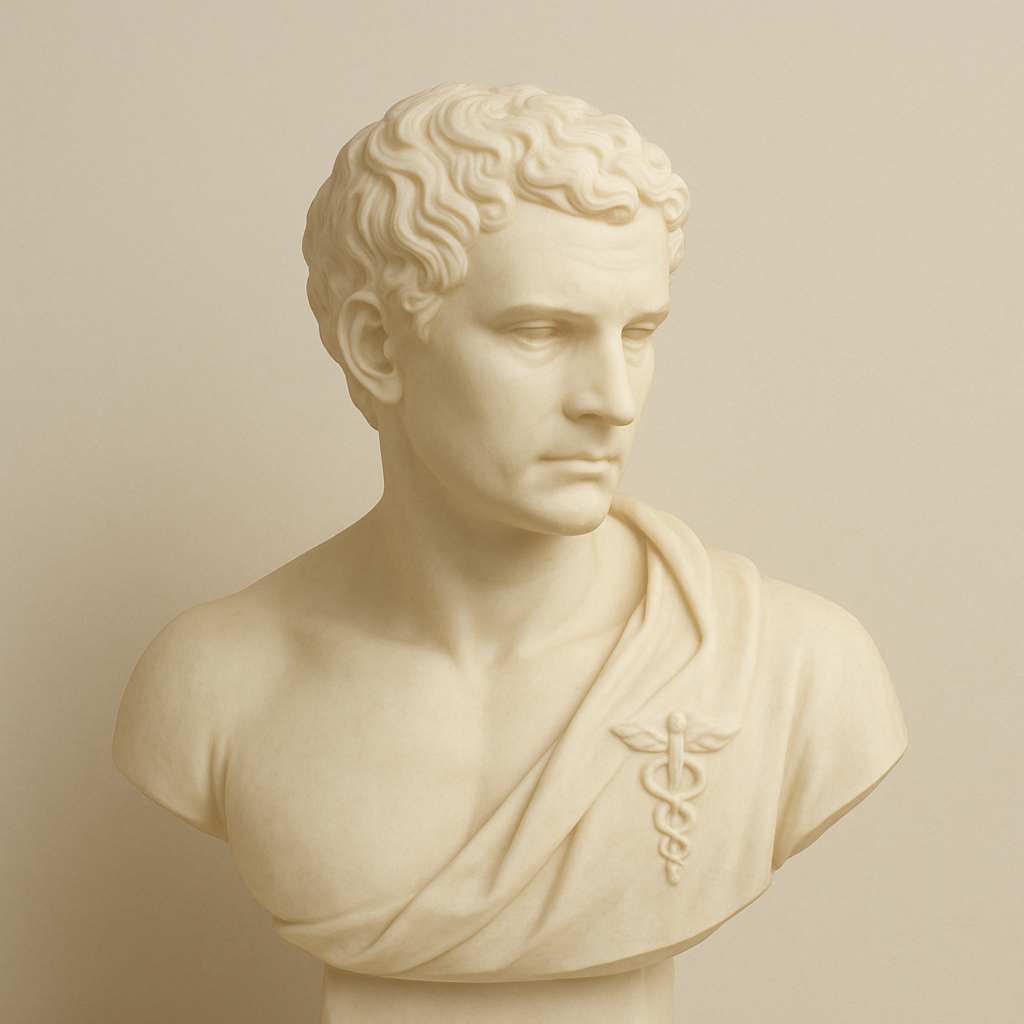
Holistic therapy emerged as a fundamental aspect of Kampo medicine, which itself is rooted in ancient Chinese medicine. The practice began to take shape in Japan over a thousand years ago, as practitioners adapted Chinese medical texts and philosophies to fit the unique cultural and environmental context of Japan.
Influential figures such as the physician and scholar, Sho Nen Kyo, played a significant role in developing these practices. Over time, Kampo medicine evolved, integrating local herbs and treatments, ultimately leading to the holistic approach seen today.
How It's Practiced
Practitioners of holistic therapy within the Kampo tradition typically follow a structured process to assess and is traditionally explored for their clients. This may include the following steps:
- Initial Consultation: A detailed discussion of the client’s health history, lifestyle, and concerns.
- Assessment: Evaluation may involve pulse diagnosis, tongue examination, and observation of physical and emotional symptoms.
- Personalized Treatment Plan: Based on the assessment, a tailored plan is developed, incorporating herbal remedies, dietary suggestions, and lifestyle changes.
- Ongoing Support: Regular follow-ups to monitor progress and make necessary adjustments to the treatment plan.
What It Is Traditionally Explored For
Holistic therapy within Kampo medicine is traditionally used for a variety of health concerns, focusing on restoring balance and promoting overall well-being. Common goals include:
- Enhancing digestive health
- Supporting immune function
- Managing stress and emotional health
- Addressing chronic pain and inflammation
- Improving sleep quality
What Modern Research Suggests
Preliminary studies on holistic therapy, particularly as practiced in Kampo medicine, suggest potential benefits for various health conditions. Research has indicated that certain Kampo herbal formulations may aid in managing stress and anxiety, as well as improving digestive health.
However, it is essential to note that while some studies show promising results, more rigorous clinical trials are needed to fully understand the efficacy and mechanisms of holistic therapy within the context of Kampo medicine. As always, individuals should consult healthcare professionals before starting any new treatment regimen.
Safety, Contraindications & Who Should Skip
While holistic therapy is generally considered safe, it is crucial for individuals to be aware of certain contraindications. Those with specific health conditions or who are pregnant should consult with their healthcare provider before engaging in holistic therapy. Additionally, some herbs used in Kampo practices may interact with medications, so a thorough discussion with a qualified practitioner is advised.
Pairs Well With (within Kampo Medicine and across pillars)
Holistic therapy can complement various other practices and modalities both within Kampo medicine and across other healing traditions. Some related modalities include:
- Herbal Medicine
- Acupuncture
- Dietary Therapy
- Shiatsu Massage
- Moxibustion
How to Find a Qualified Practitioner
Finding a qualified practitioner in holistic therapy within the Kampo tradition involves several steps:
- Seek recommendations from trusted healthcare providers or holistic health networks.
- Check credentials, ensuring the practitioner has relevant training and experience in Kampo medicine.
- Look for practitioners who emphasize a holistic approach and are open to discussing their methods and treatment plans.
- Consider scheduling an initial consultation to assess comfort and compatibility with the practitioner.
FAQs
- What is the difference between holistic therapy and conventional medicine? Holistic therapy focuses on treating the whole person and addressing underlying causes, while conventional medicine often emphasizes symptom management.
- How long does a typical holistic therapy session last? Sessions can vary in length but typically last between 60 to 90 minutes.
- Are there any side effects associated with herbal remedies used in holistic therapy? While many herbal remedies are well-tolerated, some may cause side effects or interact with medications; consultation with a qualified practitioner is essential.
- Can holistic therapy be used alongside conventional treatments? Yes, many individuals choose to integrate holistic therapy with conventional treatments for a more comprehensive approach to health.
- How soon can I expect to see results from holistic therapy? Results vary by individual and condition, but many people report improvements within a few weeks of starting treatment.
Frequently asked
What is the difference between holistic therapy and conventional medicine?
Holistic therapy focuses on treating the whole person and addressing underlying causes, while conventional medicine often emphasizes symptom management.
How long does a typical holistic therapy session last?
Sessions can vary in length but typically last between 60 to 90 minutes.
Are there any side effects associated with herbal remedies used in holistic therapy?
While many herbal remedies are well-tolerated, some may cause side effects or interact with medications; consultation with a qualified practitioner is essential.
Can holistic therapy be used alongside conventional treatments?
Yes, many individuals choose to integrate holistic therapy with conventional treatments for a more comprehensive approach to health.
How soon can I expect to see results from holistic therapy?
Results vary by individual and condition, but many people report improvements within a few weeks of starting treatment.