Metabolic Detox
Delve into the world of metabolic detox, its natural remedies, and how it can support your body’s cleansing processes.
Explore the details of metabolic detox, its natural compounds, historical uses, modern research, and safety considerations. Learn how to support your body’s detoxification processes effectively.
What It Is
Metabolic detox refers to the process by which the body may help with toxins and waste products through various biochemical pathways. This natural process is essential for maintaining health and preventing disease. The liver, kidneys, lungs, and skin play vital roles in detoxification. Through metabolic detox, the body transforms harmful substances into less harmful compounds, which are then excreted through urine, bile, or sweat.
Key Active Compounds & Mechanisms
Several natural compounds are known to support metabolic detoxification, including:
- Glutathione: A powerful antioxidant that helps neutralize free radicals and detoxifies heavy metals.
- Curcumin: The active compound in turmeric (Curcuma longa), known for its anti-inflammatory properties and ability to enhance detoxification enzymes.
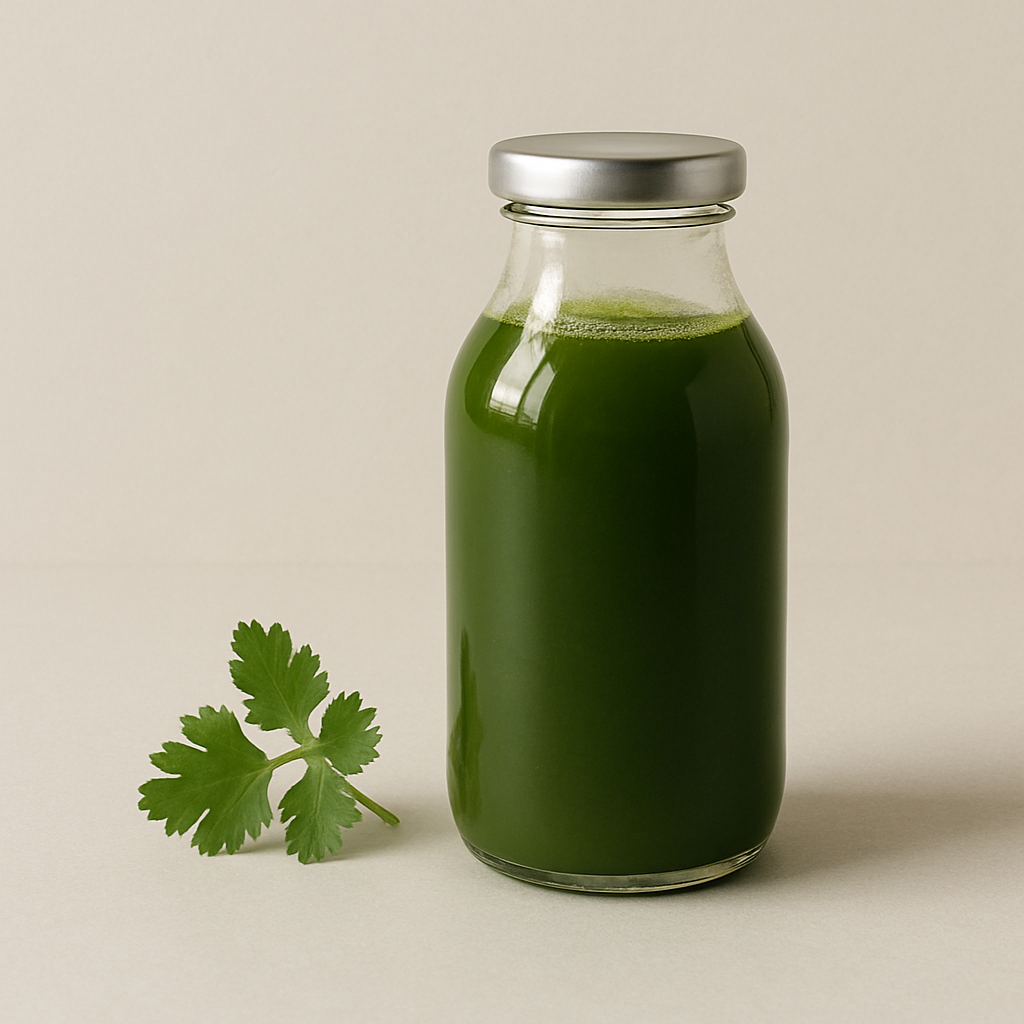
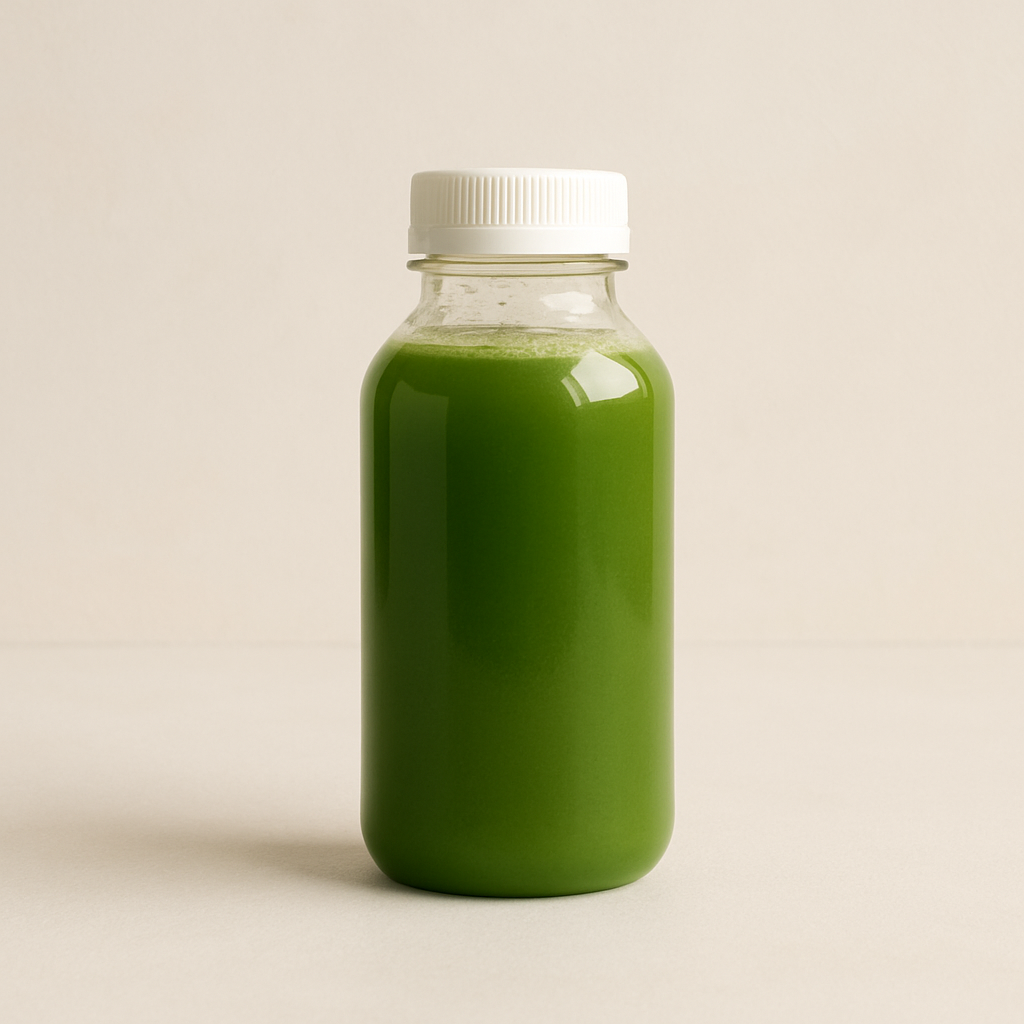
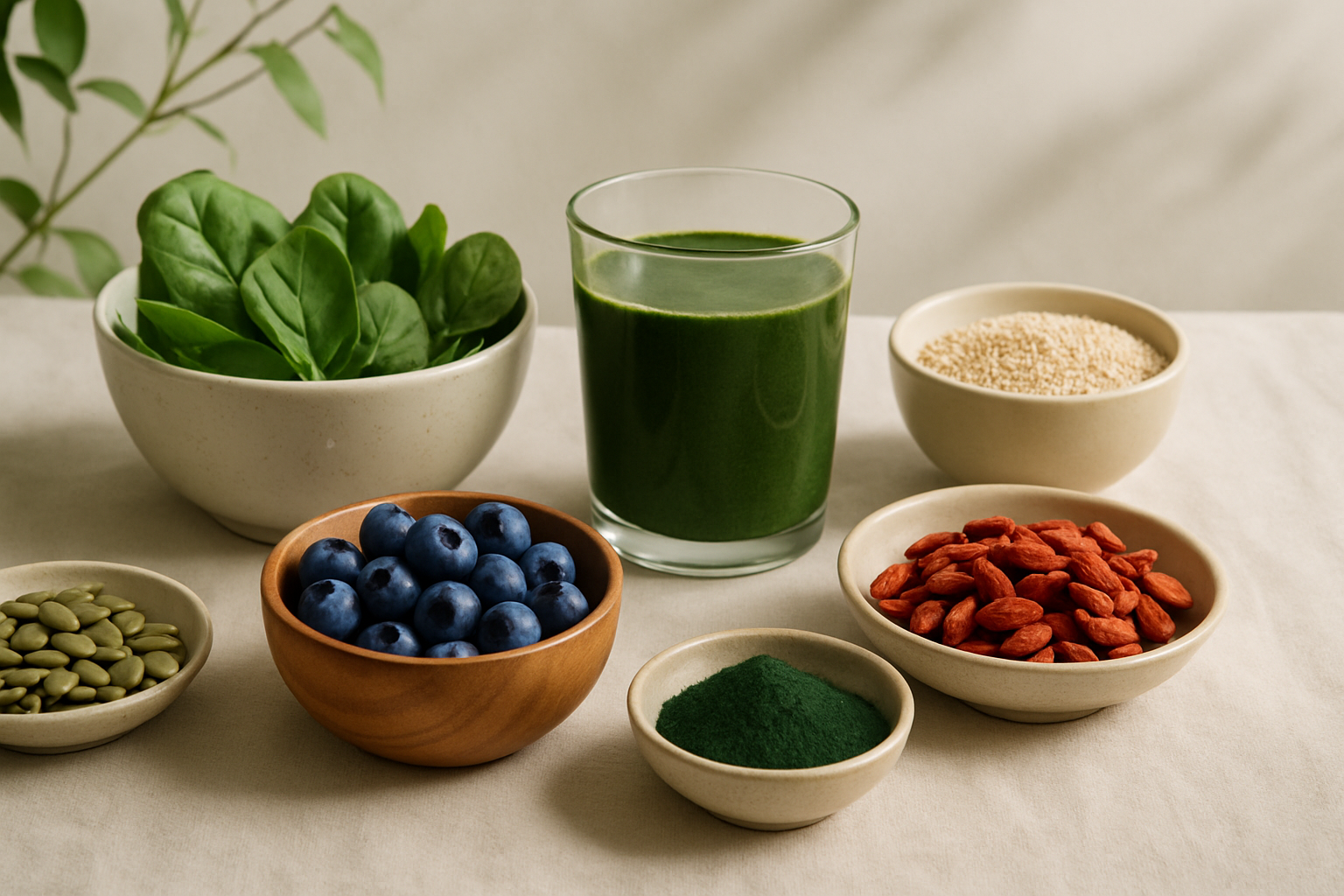
- Chlorella: A green algae rich in chlorophyll, which can bind to heavy metals and facilitate their elimination.
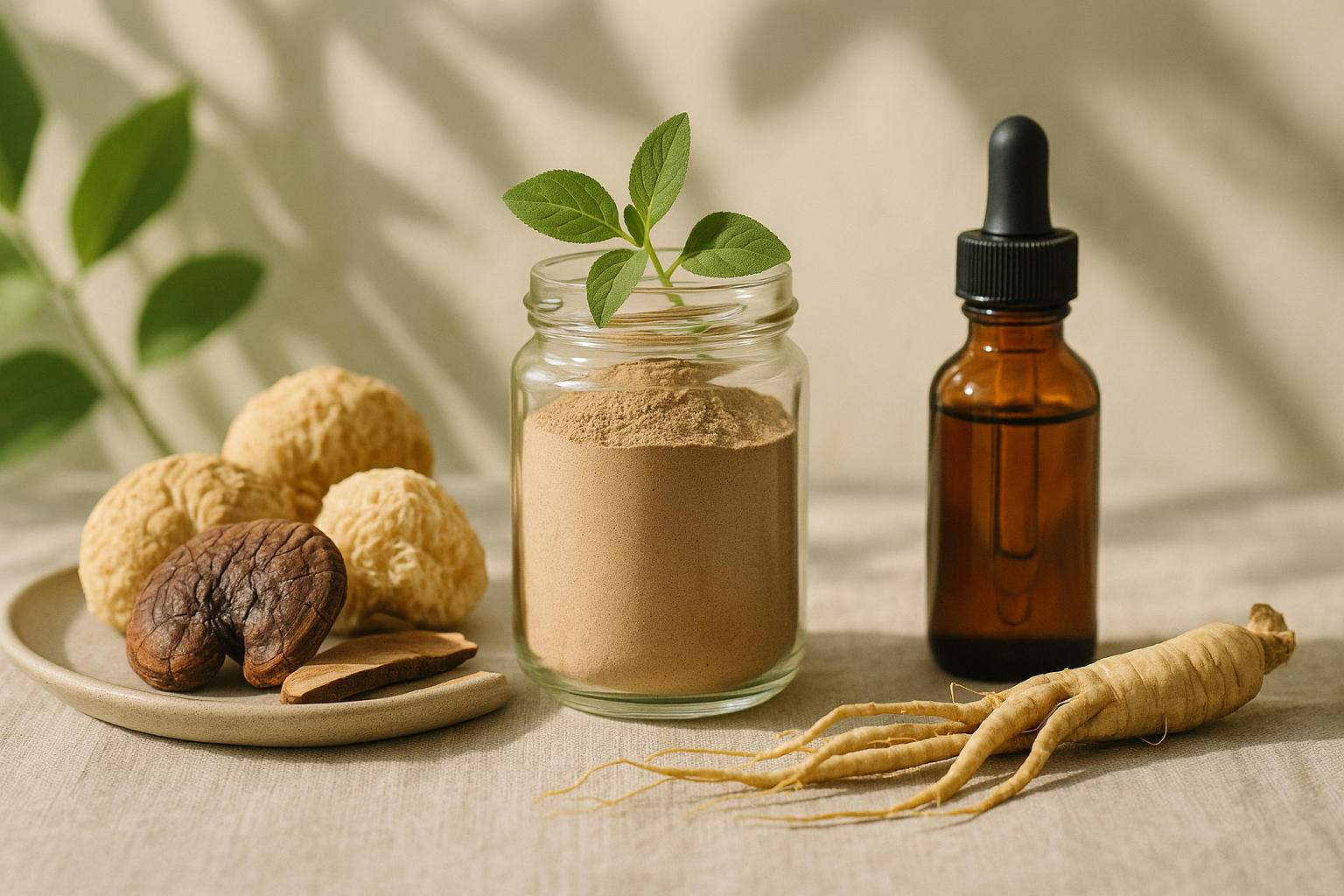
- Milk Thistle: Contains silymarin, which supports liver function and may protect against liver damage.
Traditional Uses
Historically, various cultures have recognized the importance of detoxification. For instance:
- In Traditional Chinese Medicine, herbs such as chrysanthemum and dandelion have been used to cleanse the liver and promote digestive health.
- Ayurveda emphasizes the use of cleansing herbs like triphala to balance the body’s doshas and support detoxification.
- Many Indigenous cultures have incorporated plants like burdock root and red clover in their detoxification practices.
What Modern Research Suggests
Modern research is beginning to validate some traditional practices. Studies have shown that compounds like curcumin and milk thistle may enhance liver detoxification pathways and reduce oxidative stress. However, further clinical trials are necessary to establish definitive effects and appropriate dosages for various populations.
Functional Actions
Metabolic detox has several functional actions that contribute to overall health:
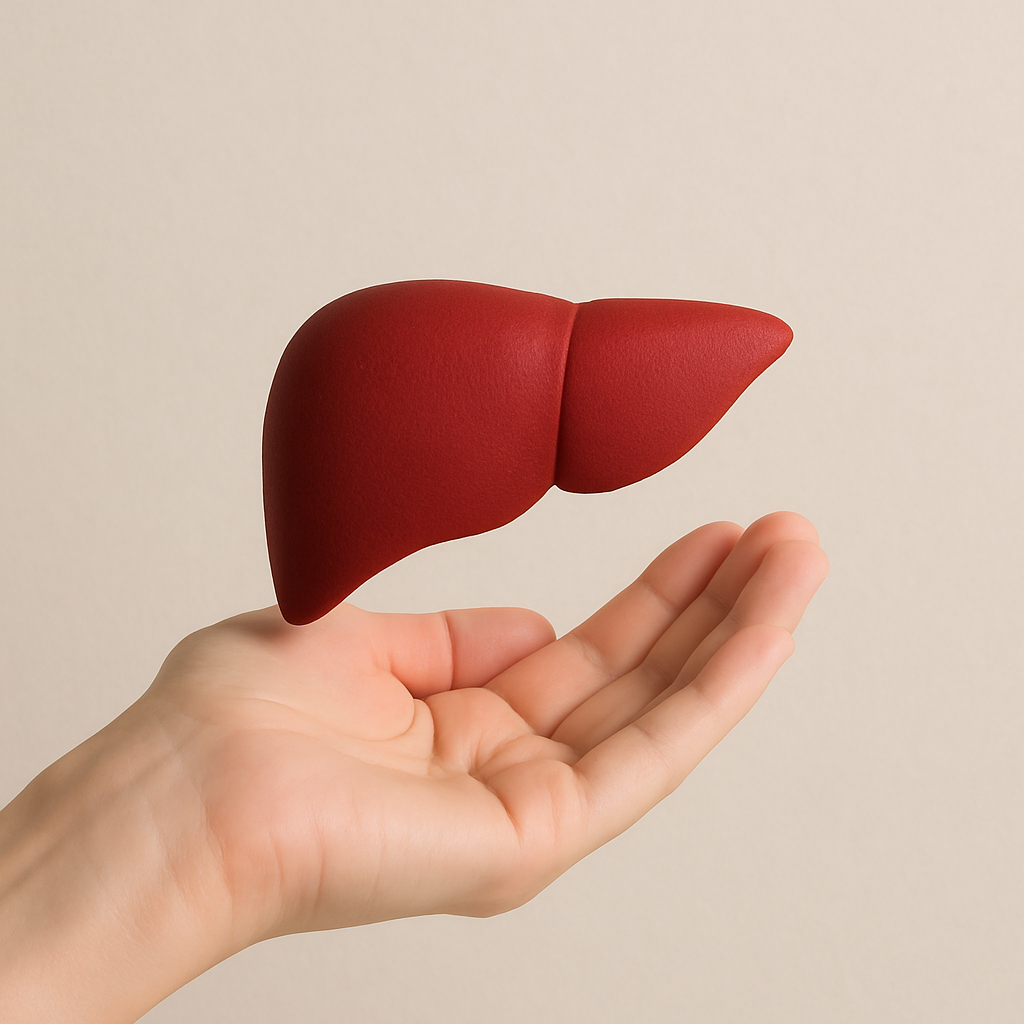
- Enhances liver function and promotes the metabolism of toxins.
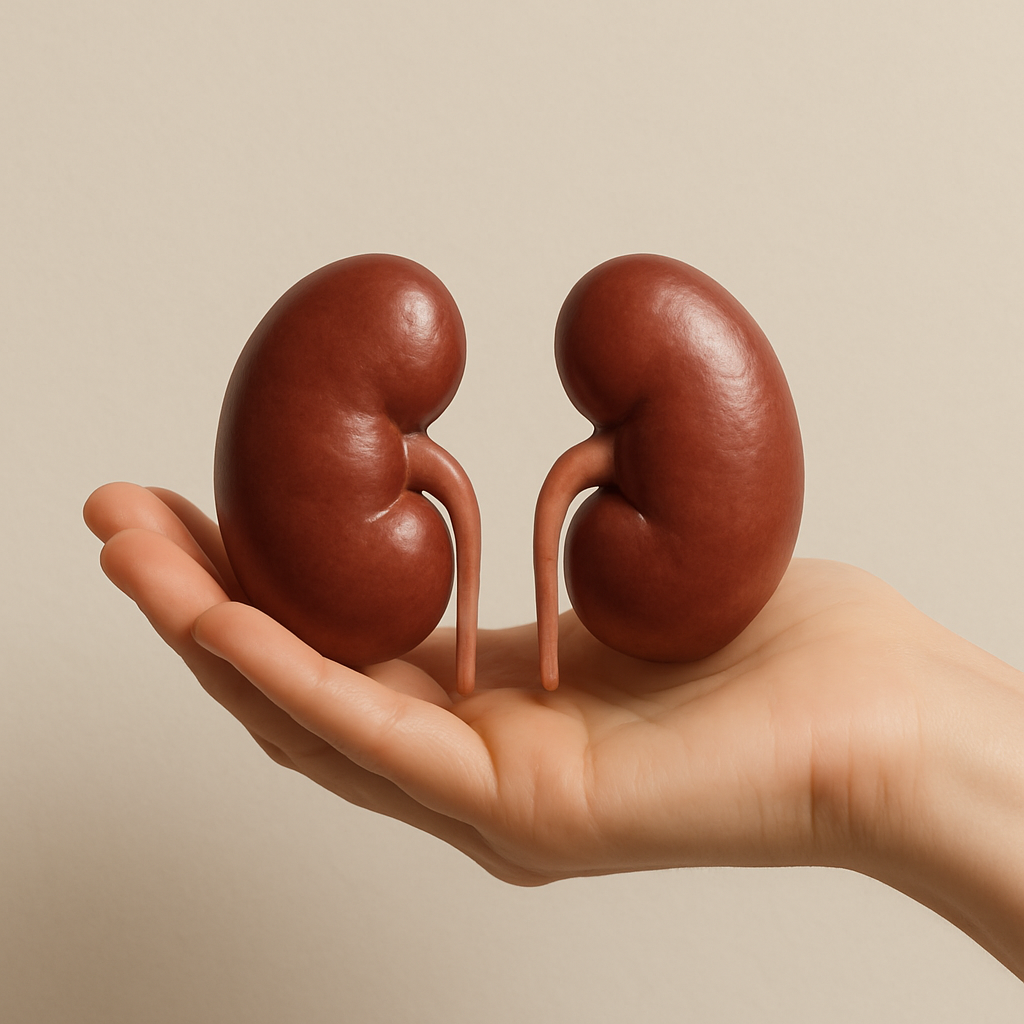
- Supports kidney health by aiding in the filtration and excretion of waste products.
- Boosts antioxidant defenses, reducing cellular damage.
- Improves digestive health, facilitating the elimination of toxins through the gastrointestinal tract.
Body Systems Supported
Metabolic detoxification primarily supports:
- The liver, which is crucial for processing and eliminating toxins.
- The kidneys, which filter waste from the blood.
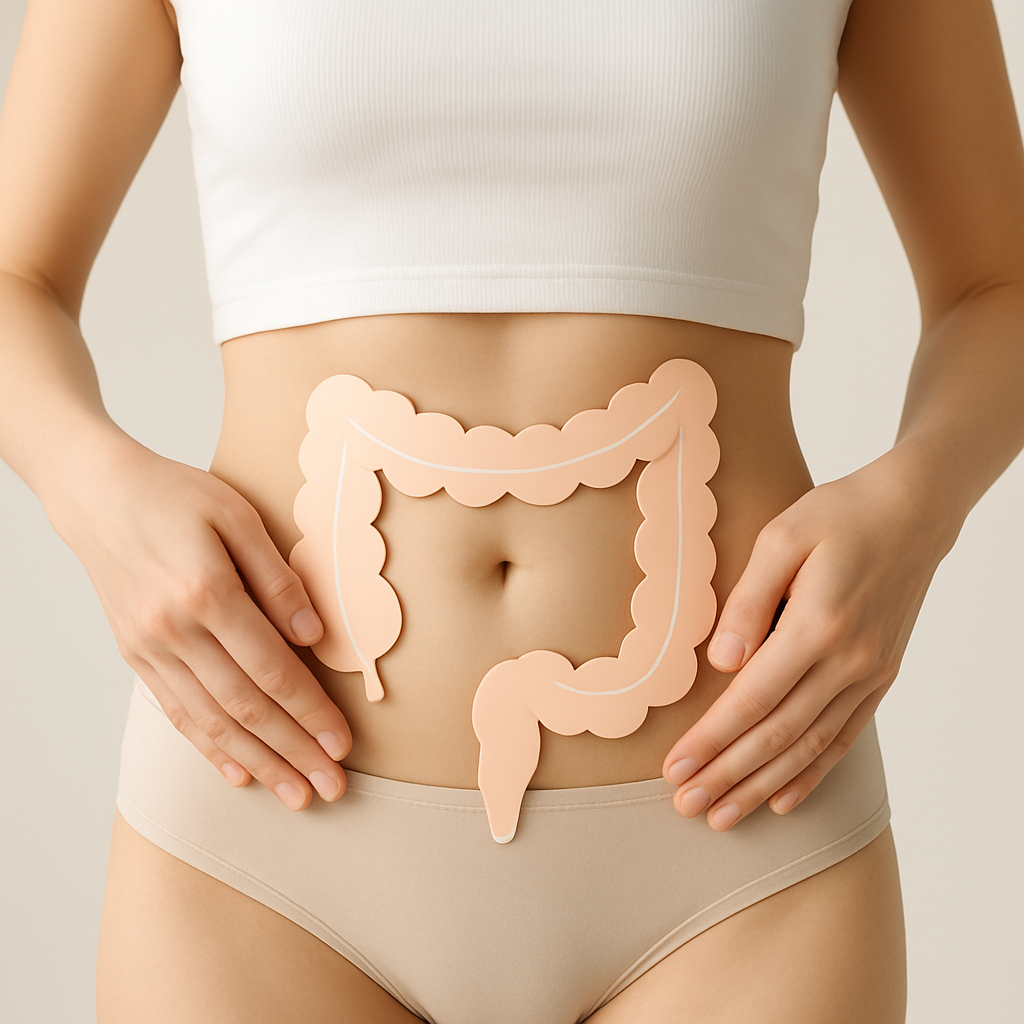
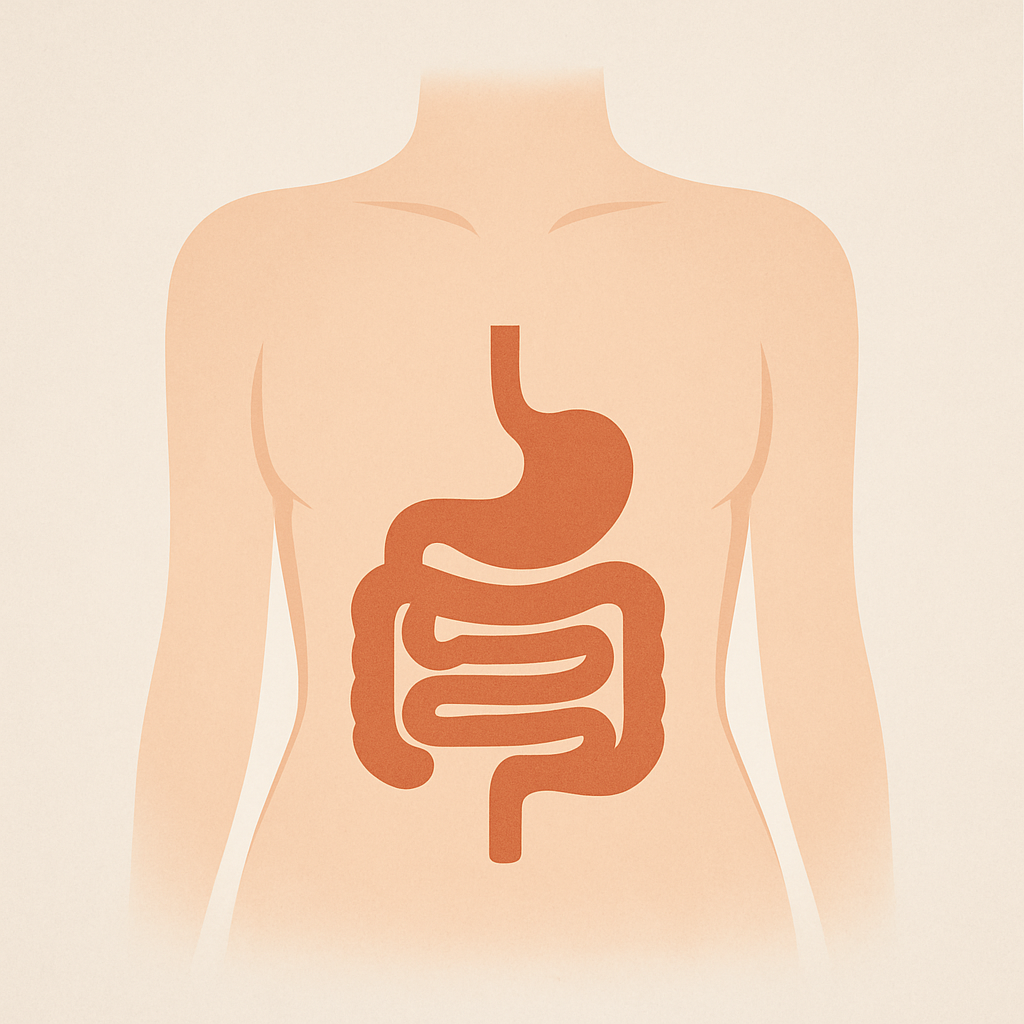
- The gastrointestinal tract, which plays a significant role in the detoxification process.
- The skin, which can excrete toxins through sweat.
Common Forms & Educational Dosing Ranges
Metabolic detox compounds can be found in various forms, including:
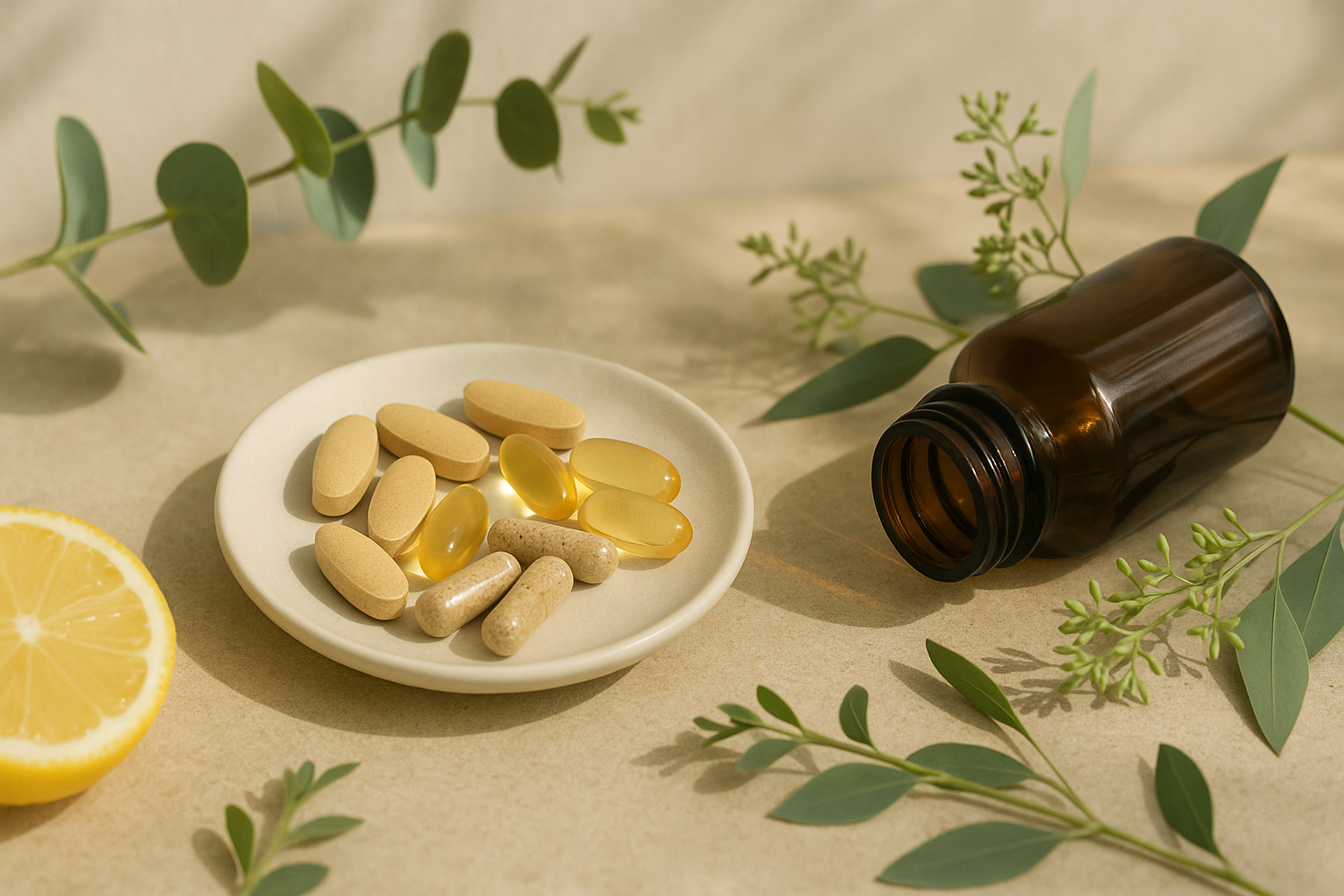
- Capsules: Common for herbs like milk thistle and curcumin.
- Powders: Often used for chlorella and spirulina, which can be added to smoothies.
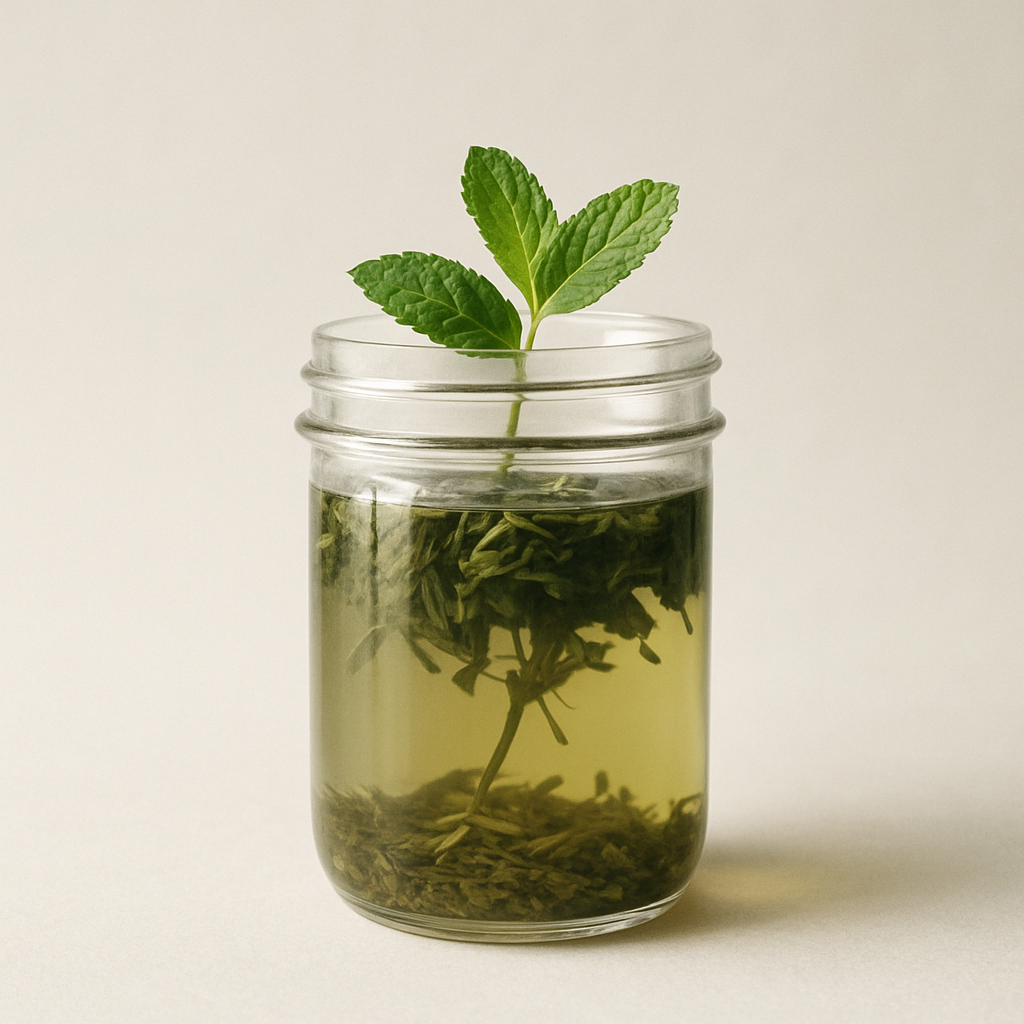
- Teas: Herbal teas made from dandelion or burdock root can support detoxification.
Educational dosing ranges vary widely based on the compound and individual needs. Always consult with a healthcare professional for personalized recommendations.
Safety, Contraindications & Interactions
While many natural detoxifiers are safe, certain precautions should be taken:
- Glutathione: Generally safe but may interact with certain medications such as chemotherapy agents.
- Curcumin: High doses can affect blood clotting and interact with blood thinners like warfarin.
- Chlorella: Can cause gastrointestinal discomfort in some individuals and may interact with immunosuppressive drugs.
- Milk Thistle: Generally safe, but those allergic to plants in the Asteraceae family should avoid it.
Pairs Well With
To enhance metabolic detox, consider combining these compounds:
- Vitamin C-rich foods like citrus fruits to support antioxidant defenses.
- High-fiber foods such as fruits, vegetables, and whole grains to aid digestive health.
- Hydrating fluids, including water and herbal teas, to facilitate toxin elimination.
FAQs (5)
- What is metabolic detox?
Metabolic detox is the body’s natural process of eliminating toxins through various organs, primarily the liver and kidneys. - How can I support my body’s detoxification processes?
Consuming foods rich in antioxidants, staying hydrated, and incorporating herbs known for their detoxifying properties can help. - Are there any risks associated with detoxing?
While many detox methods are safe, some can interact with medications or cause side effects. It is essential to consult a healthcare professional. - How long should a detox last?
Detox durations vary, but short periods of a few days to a week are common. Longer detoxes should be supervised by a healthcare provider. - Can I detox while taking medication?
It is crucial to consult with a healthcare professional before beginning any detox regimen if you are on medication.
Frequently asked
What is metabolic detox?
Metabolic detox is the body’s natural process of eliminating toxins through various organs, primarily the liver and kidneys.
How can I support my body’s detoxification processes?
Consuming foods rich in antioxidants, staying hydrated, and incorporating herbs known for their detoxifying properties can help.
Are there any risks associated with detoxing?
While many detox methods are safe, some can interact with medications or cause side effects. It is essential to consult a healthcare professional.
How long should a detox last?
Detox durations vary, but short periods of a few days to a week are common. Longer detoxes should be supervised by a healthcare provider.
Can I detox while taking medication?
It is crucial to consult with a healthcare professional before beginning any detox regimen if you are on medication.