Digestive Cleansing

What It Is
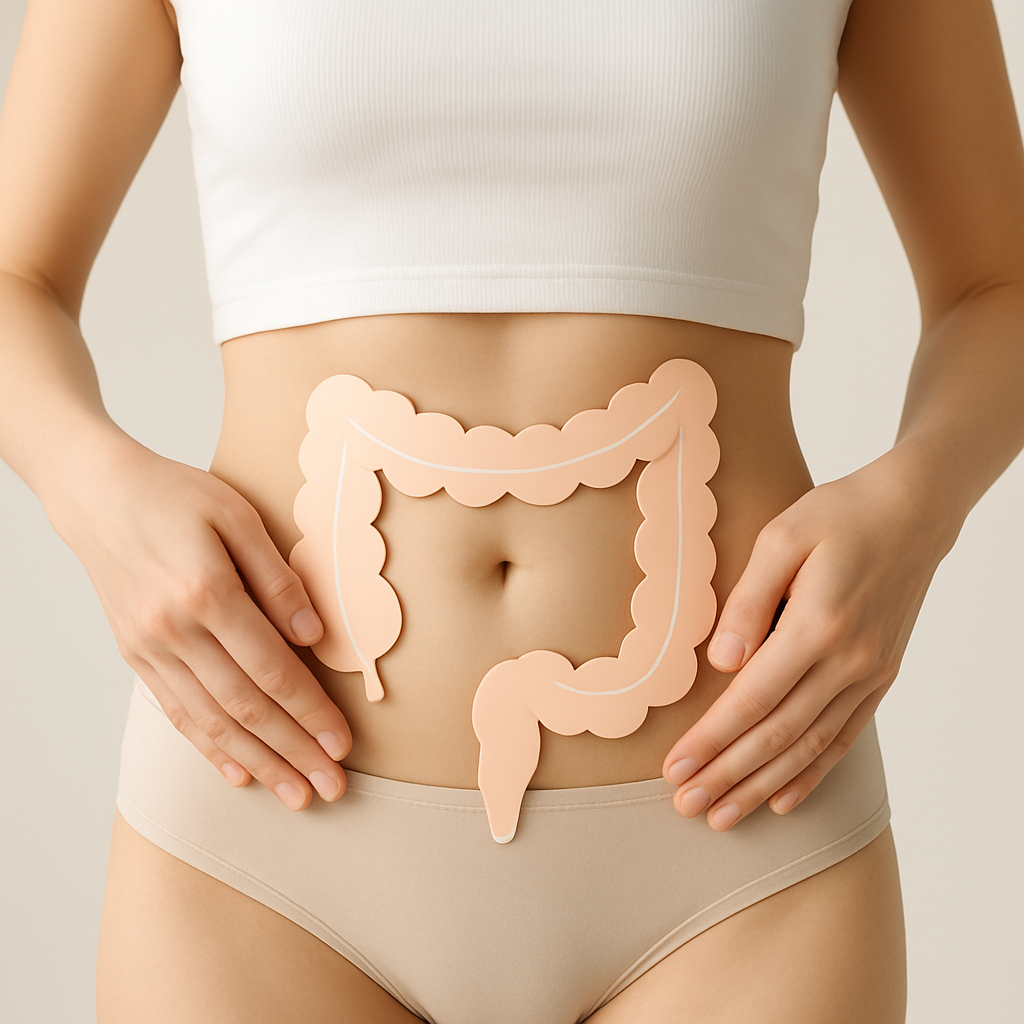
Digestive cleansing refers to a range of practices and natural remedies aimed at promoting the health and function of the digestive system. This can involve the use of specific foods, herbs, and supplements that support detoxification and enhance the body’s ability to may help with waste. The goal of digestive cleansing is to remove toxins, reduce inflammation, and improve overall digestive health.
Key Active Compounds & Mechanisms
Several key active compounds play a vital role in digestive cleansing. These include:
- Fiber: Found in fruits, vegetables, and whole grains, fiber aids in digestion by promoting regular bowel movements and preventing constipation.
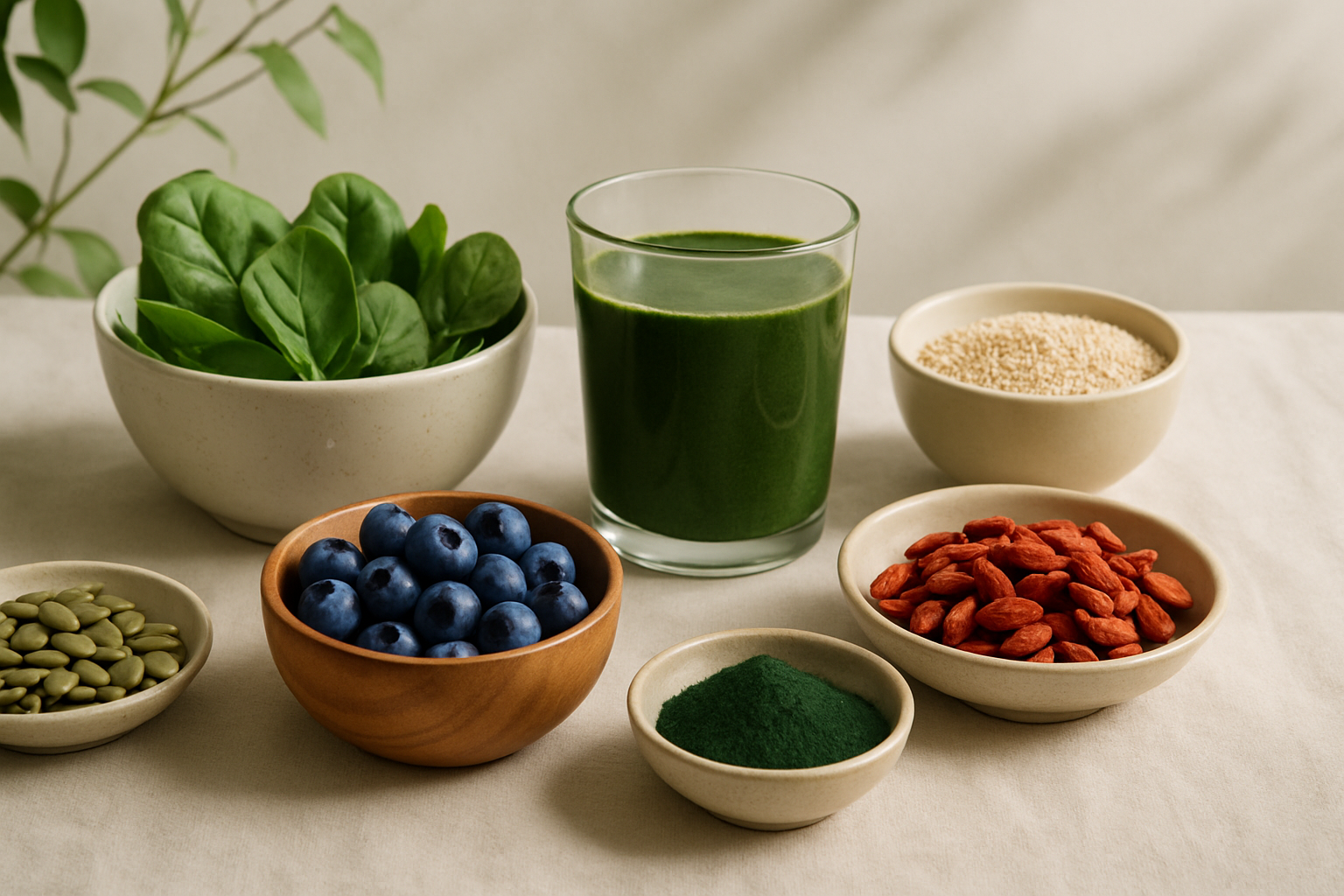
- Chlorophyll: Present in green vegetables like spinach (Spinacia oleracea) and kale (Brassica oleracea), chlorophyll is believed to help detoxify the liver and support the digestive tract.
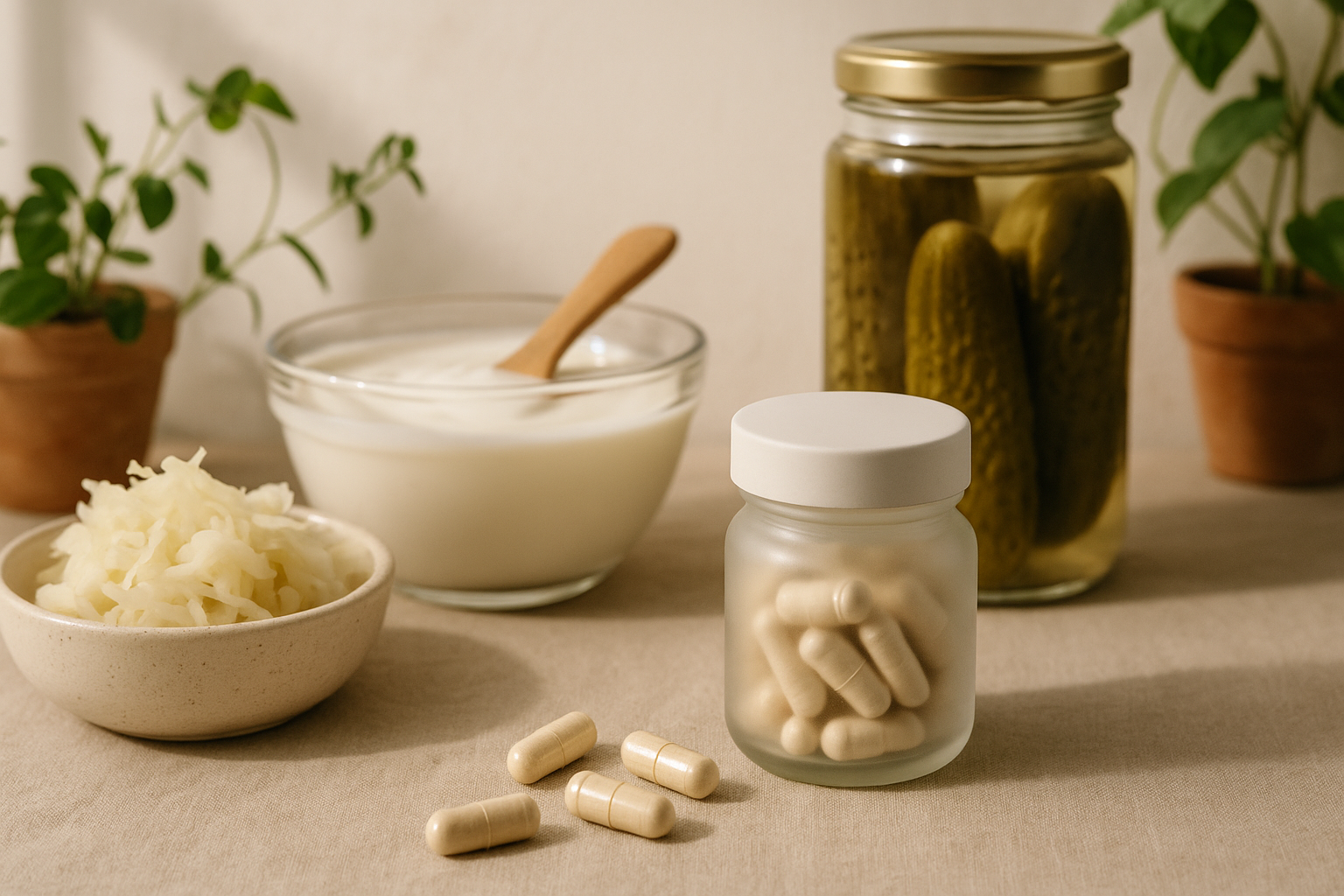
- Probiotics: Live bacteria found in fermented foods such as yogurt and kefir, probiotics support gut health by balancing the gut microbiota and aiding in digestion.
- Enzymes: Natural enzymes from sources like pineapple (Ananas comosus) and papaya (Carica papaya) can assist in breaking down food and enhancing nutrient absorption.
Traditional Uses
Throughout history, various cultures have utilized natural remedies for digestive cleansing. For instance, traditional Chinese medicine often emphasizes the importance of maintaining a balanced digestive system through herbal formulas, such as ginger (Zingiber officinale) and dandelion (Taraxacum officinale). Similarly, Ayurvedic practices from India advocate for detoxification through the use of specific herbs, dietary adjustments, and cleansing rituals like Panchakarma.
What Modern Research Suggests
Modern research is beginning to uncover the benefits of digestive cleansing practices. Studies indicate that dietary fiber can significantly improve gut health by promoting regular bowel movements and reducing the risk of gastrointestinal disorders. Additionally, probiotics have been shown to support digestive health and enhance the gut microbiome. While research is still developing, the preliminary findings suggest that incorporating specific natural remedies may provide beneficial effects on digestion.
Functional Actions
Digestive cleansing practices primarily focus on:
- Enhancing nutrient absorption
- Promoting regular bowel movements
- Reducing inflammation in the digestive tract
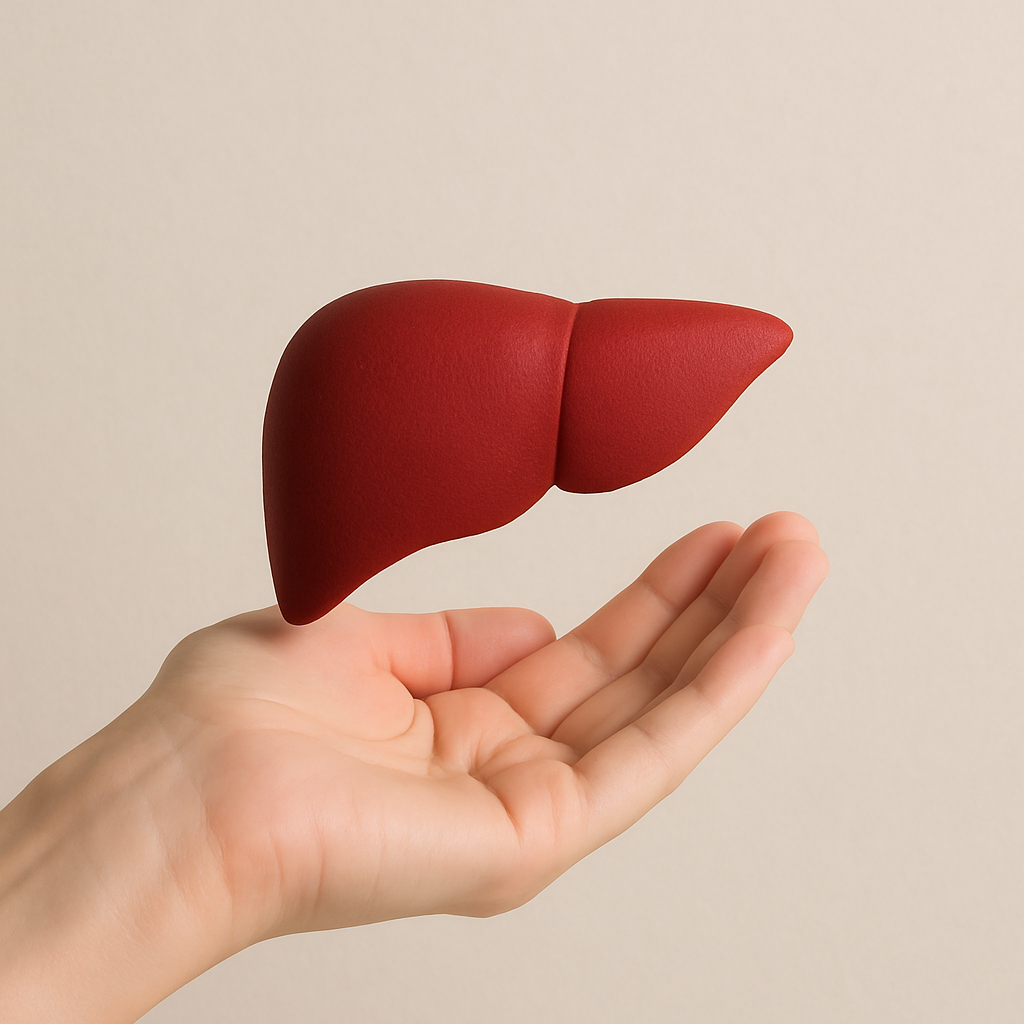
- Supporting liver function and detoxification
- Balancing gut microbiota
Body Systems Supported
Digestive cleansing primarily supports the following body systems:
- Gastrointestinal System: Helps maintain healthy digestion and gut health.
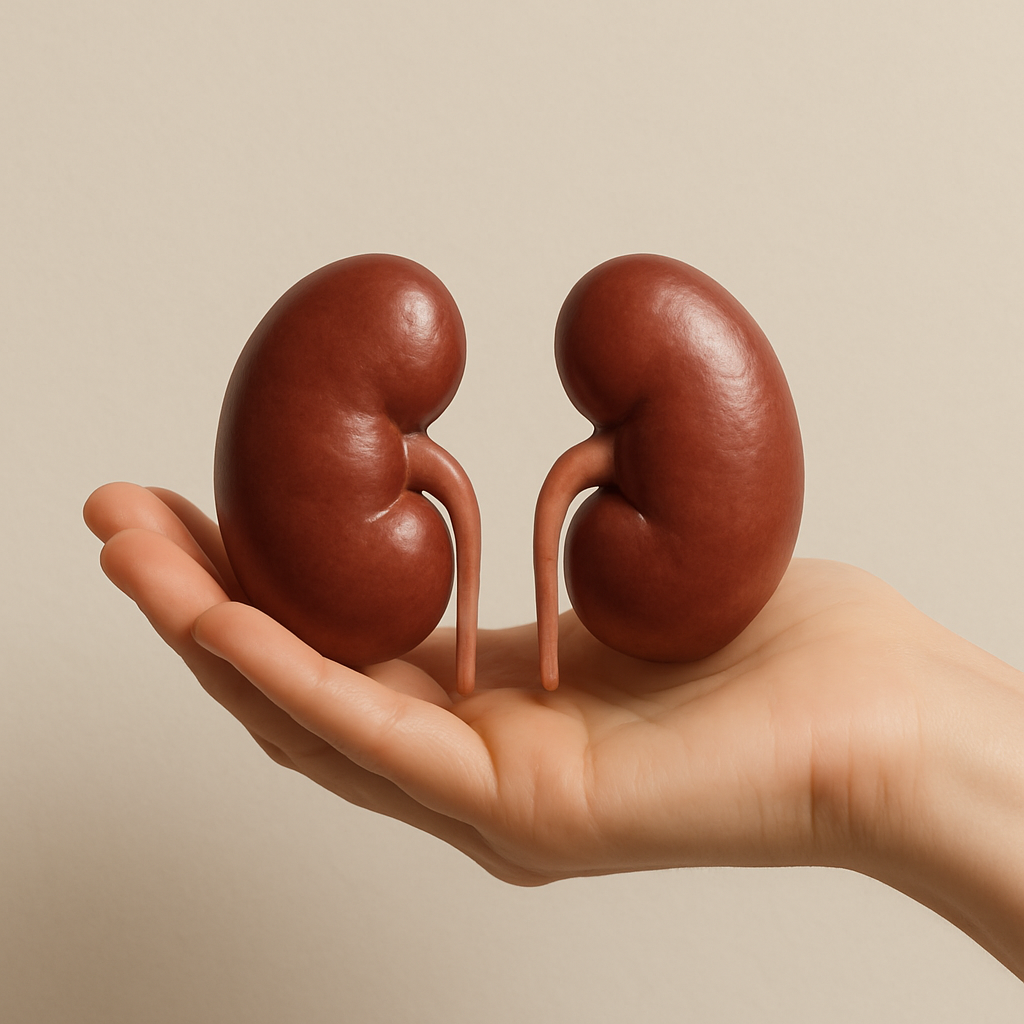
- Liver: Aids in detoxification processes.
- Immune System: Supports gut health, which is closely linked to immune function.
Common Forms & Educational Dosing Ranges
Digestive cleansing can be achieved through various forms, including:
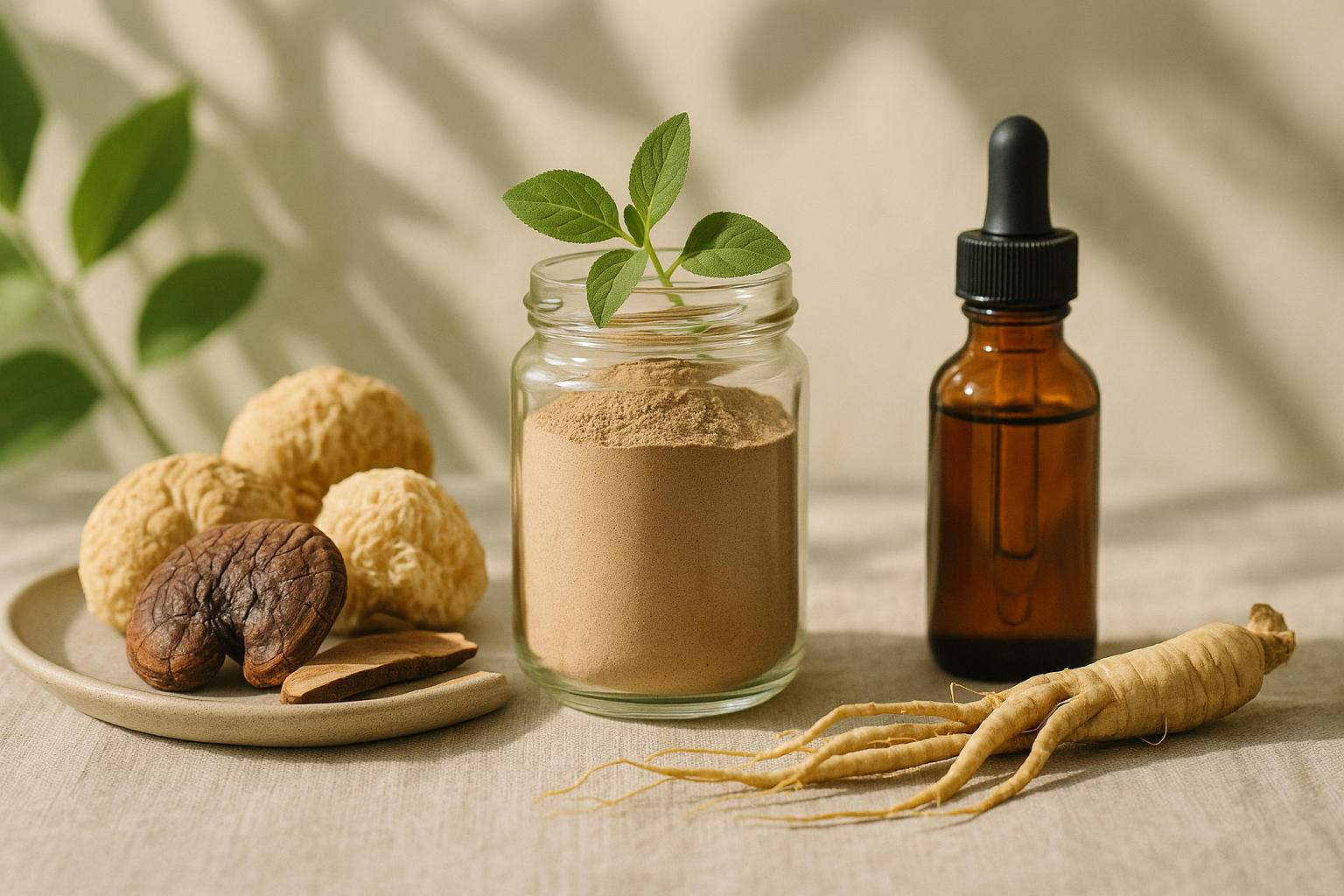
- Herbal Teas: Commonly consumed to support digestion. Recommended doses vary by herb.
- Fiber Supplements: Such as psyllium husk (Plantago ovata), typically taken in doses of 5–10 grams per day.
- Probiotic Supplements: Often recommended at doses ranging from 1 to 10 billion CFUs (colony-forming units) daily.
- Fresh Juices: Juices made from fruits and vegetables can be consumed daily for digestive support.
Safety, Contraindications & Interactions
While digestive cleansing is generally safe for most people, there are some precautions to consider:
- People with gastrointestinal disorders, such as Crohn's disease or ulcerative colitis, should consult a healthcare provider before starting any cleansing regimen.
- Fiber supplements may interfere with the absorption of certain medications, including some antidepressants and cholesterol-lowering drugs.
- Probiotics may not be suitable for individuals with compromised immune systems.
Pairs Well With
Digestive cleansing practices can be enhanced when paired with:
- Hydration: Drinking plenty of water supports digestion and detoxification.
- Regular Exercise: Physical activity promotes healthy digestion and metabolism.
- Balanced Diet: A diet rich in whole foods, fruits, and vegetables complements cleansing practices.
FAQs (5)
- What is digestive cleansing?
Digestive cleansing involves practices and remedies aimed at improving digestive health and eliminating toxins. - How often should I do a digestive cleanse?
The frequency of cleansing can vary; it is often recommended to do a cleanse once or twice a year, depending on individual needs. - Are there any side effects of digestive cleansing?
Some individuals may experience temporary discomfort, such as bloating or gas, especially when increasing fiber intake. - Can I use digestive cleansing for weight loss?
While digestive cleansing may support weight loss indirectly by improving digestion, it should not be the sole method for achieving weight loss. - Is it safe for everyone?
Digestive cleansing is generally safe, but individuals with certain health conditions should consult a healthcare provider before starting.
Frequently asked
What is digestive cleansing?
Digestive cleansing involves practices and remedies aimed at improving digestive health and eliminating toxins.
How often should I do a digestive cleanse?
The frequency of cleansing can vary; it is often recommended to do a cleanse once or twice a year, depending on individual needs.
Are there any side effects of digestive cleansing?
Some individuals may experience temporary discomfort, such as bloating or gas, especially when increasing fiber intake.
Can I use digestive cleansing for weight loss?
While digestive cleansing may support weight loss indirectly by improving digestion, it should not be the sole method for achieving weight loss.
Is it safe for everyone?
Digestive cleansing is generally safe, but individuals with certain health conditions should consult a healthcare provider before starting.