Colon Cleansing
What It Is
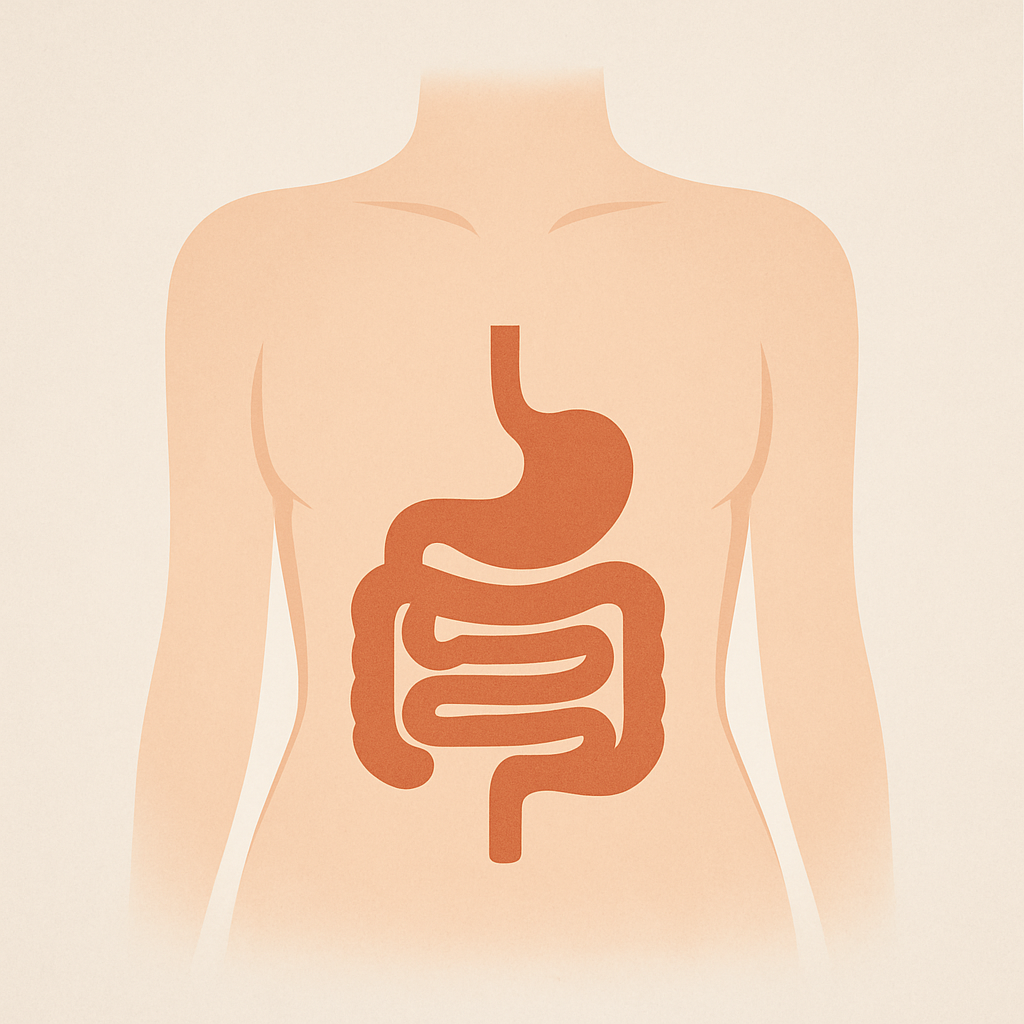
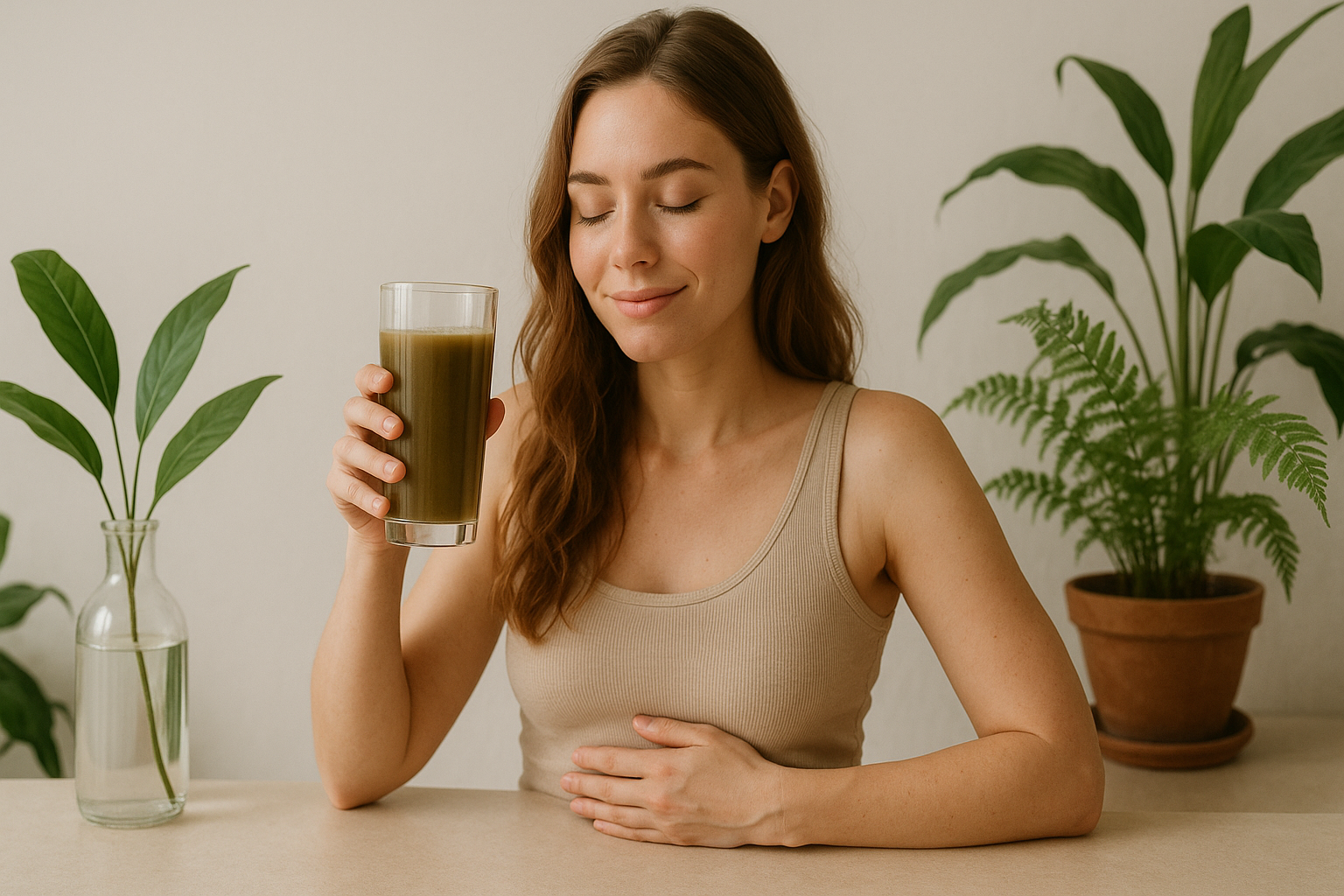
Colon cleansing is a practice aimed at removing accumulated waste and toxins from the colon (large intestine). This process is believed to promote overall digestive health and enhance the body's ability to absorb nutrients. Various methods are employed for colon cleansing, including dietary changes, herbal supplements, and colon irrigation.
Key Active Compounds & Mechanisms
Several natural substances are commonly used in colon cleansing, each with unique active compounds:
- Senna (Senna alexandrina): Contains sennosides, which stimulate bowel movements.
- Psyllium husk (Plantago ovata): A soluble fiber that adds bulk to stool and promotes regularity.
- Activated charcoal: Known for its adsorptive properties, it may help bind toxins and facilitate their removal.
- Milk thistle (Silybum marianum): Contains silymarin, which supports liver health, indirectly aiding in detoxification.
- Aloe vera (Aloe barbadensis miller): Contains compounds that may help soothe the digestive tract.
Traditional Uses
Colon cleansing has roots in various ancient cultures. In Traditional Chinese Medicine, it was believed that a clean colon is essential for overall health, and practitioners utilized herbal remedies for detoxification. Similarly, ancient Egyptians used specific plants to promote bowel health and prevent gastrointestinal discomfort. The concept of maintaining a clean colon has endured through various holistic practices, linking back to the idea of balance and wellness in the body.
What Modern Research Suggests
While traditional practices have long endorsed colon cleansing, modern research is still exploring its benefits and risks. Some studies suggest potential benefits in terms of improving bowel regularity and alleviating symptoms of constipation. However, the scientific community remains cautious, as overuse of cleansing methods may disrupt natural gut flora and lead to dehydration or electrolyte imbalances. More research is needed to establish definitive conclusions.
Functional Actions
The functional actions of colon cleansing are primarily geared towards:
- Enhancing bowel regularity
- Reducing bloating and discomfort
- Promoting nutrient absorption
- Detoxifying the digestive system
Body Systems Supported
Colon cleansing primarily supports the following body systems:
- Digestive System: Helps maintain a healthy digestive environment.
- Excretory System: Aids in the removal of waste products from the body.
- Immune System: A healthy gut is crucial for a strong immune response.
Common Forms & Educational Dosing Ranges
Colon cleansing can be achieved through various forms:
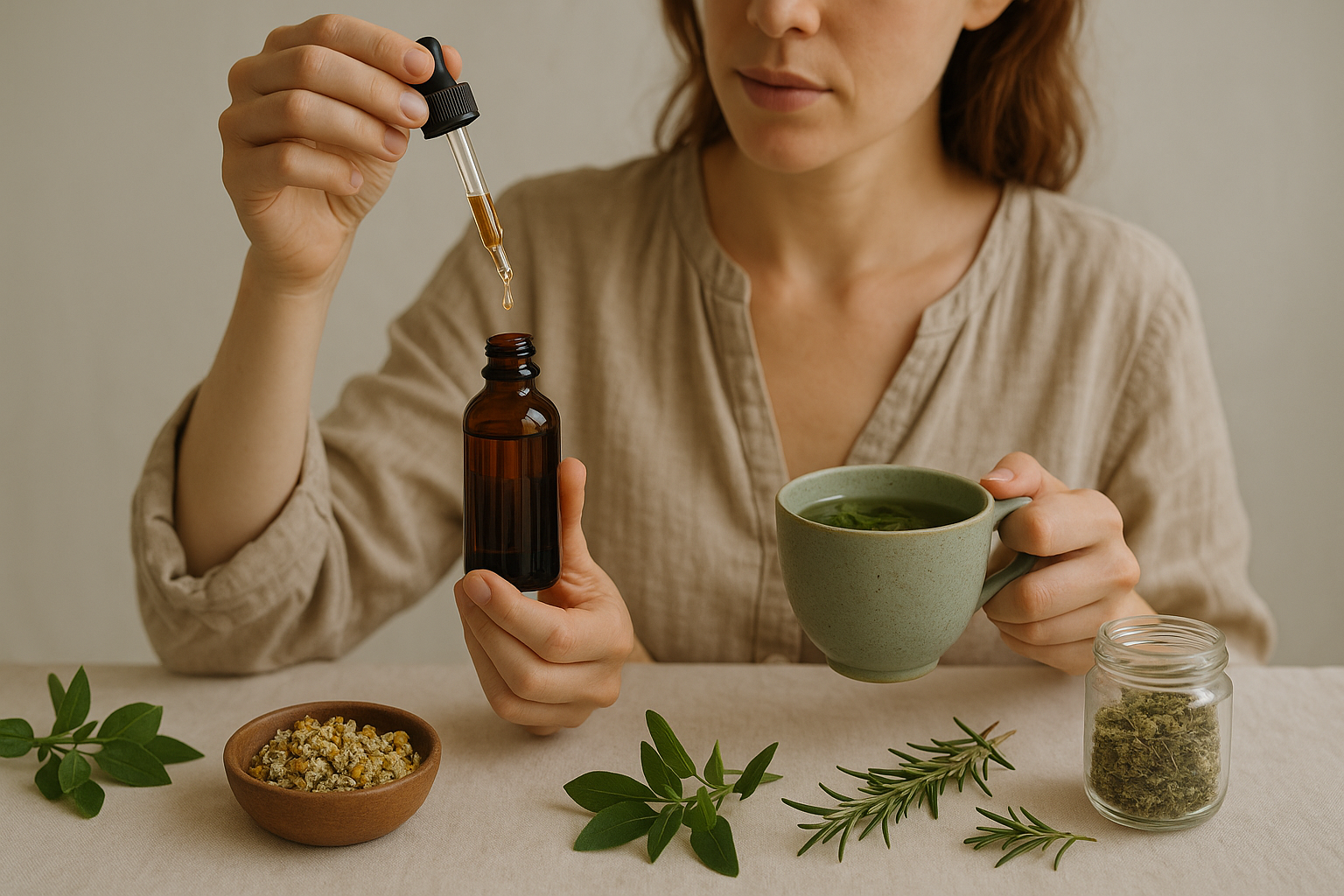
- Herbal Teas: Often contain senna or other laxative herbs; typical dosage varies based on product.
- Psyllium Husk Powder: Usually taken in doses of 5-10 grams mixed with water or juice.
- Colon Hydrotherapy: Involves the use of water to flush the colon; sessions generally last 30-60 minutes.
- Activated Charcoal Capsules: Commonly taken at doses of 500-1000 mg before meals.
Safety, Contraindications & Interactions
While colon cleansing can be beneficial, certain individuals should proceed with caution:
- People with gastrointestinal disorders (e.g., Crohn's disease, ulcerative colitis) should avoid cleansing.
- Pregnant or breastfeeding women should consult a healthcare provider before engaging in colon cleansing.
- Those on diuretics, anticoagulants, or medications affecting electrolyte balance should be cautious, as colon cleansing can exacerbate these conditions.
- Excessive use of laxatives can lead to dependency and negatively impact gut health.
Pairs Well With
For enhanced effects, colon cleansing may be combined with:
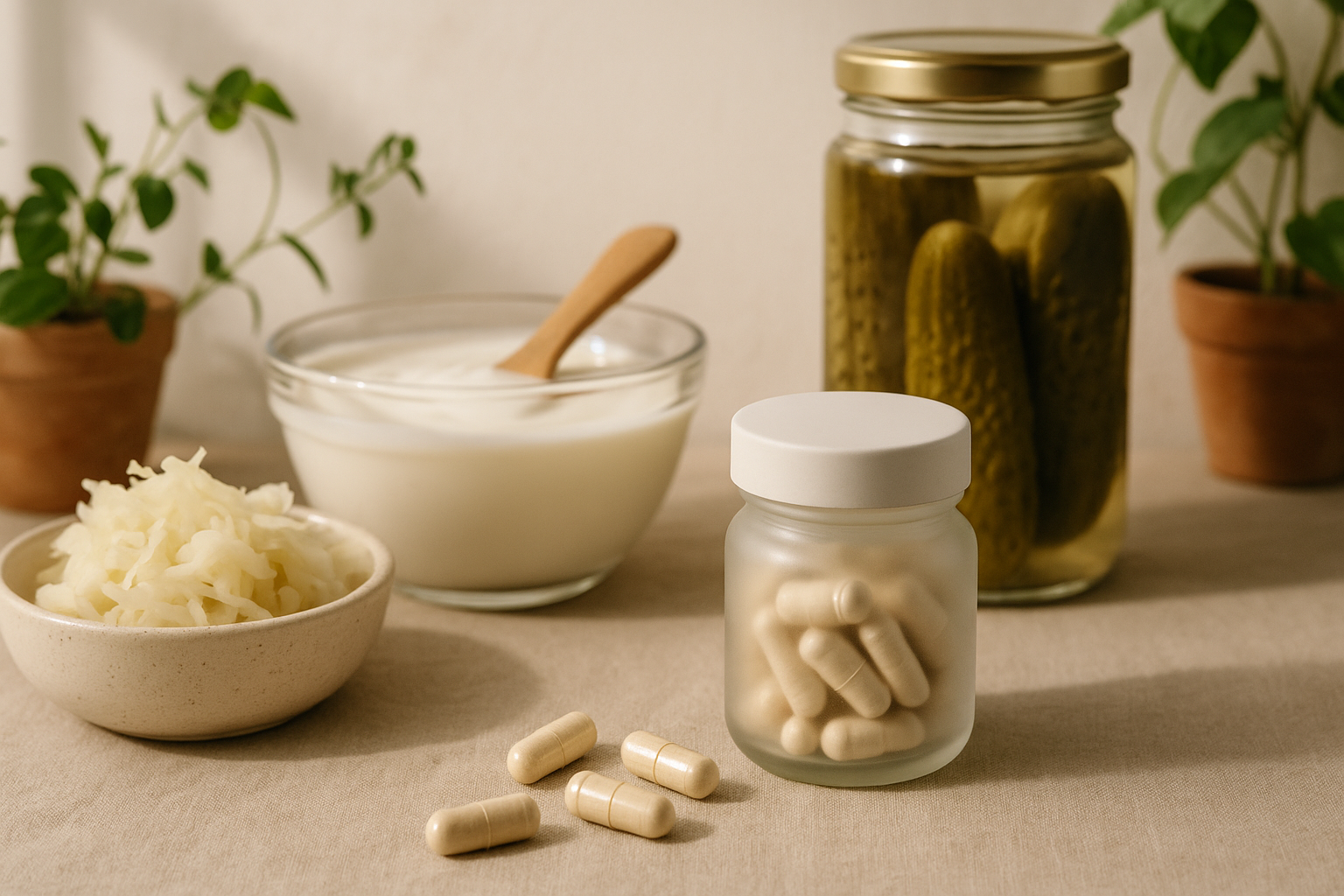
- Probiotics: To restore healthy gut flora post-cleansing.
- Hydration: Drinking plenty of water supports natural detoxification.
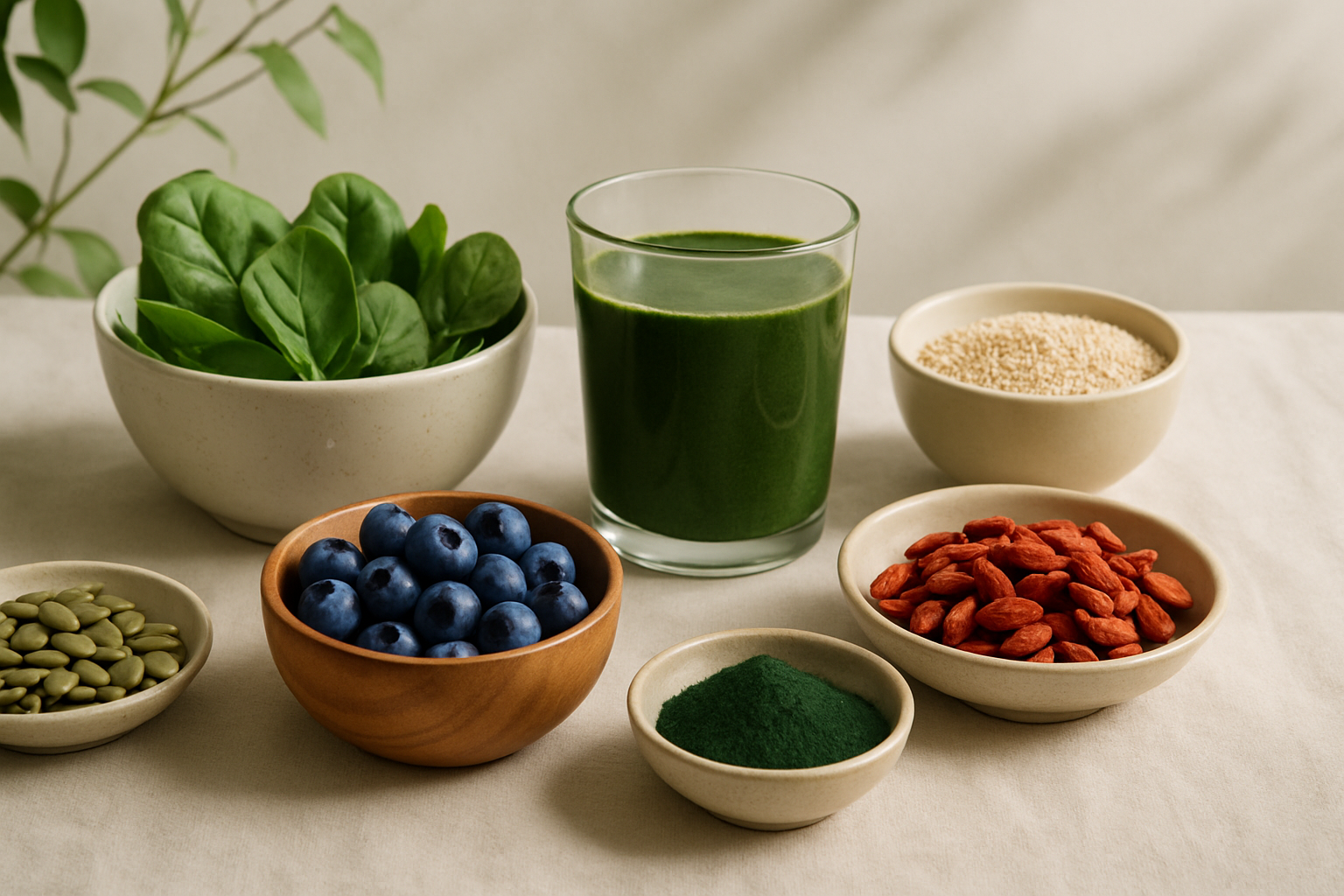
- High-Fiber Foods: To maintain regular bowel movements and improve digestive health.
FAQs (5)
- Is colon cleansing safe? It can be safe for healthy individuals when done occasionally; however, those with certain health conditions should consult with a healthcare professional.
- How often should I do a colon cleanse? Frequency varies; some suggest once a season, while others may benefit from occasional cleanses based on individual needs.
- Can I perform colon cleansing at home? Yes, many methods are available for home use, including herbal supplements and dietary changes.
- What are the side effects of colon cleansing? Possible side effects include dehydration, electrolyte imbalance, and digestive discomfort if done excessively.
- Will colon cleansing help with weight loss? While some may experience temporary weight loss due to water loss and waste elimination, it is not a sustainable weight loss method.
Frequently asked
Is colon cleansing safe?
It can be safe for healthy individuals when done occasionally; however, those with certain health conditions should consult with a healthcare professional.
How often should I do a colon cleanse?
Frequency varies; some suggest once a season, while others may benefit from occasional cleanses based on individual needs.
Can I perform colon cleansing at home?
Yes, many methods are available for home use, including herbal supplements and dietary changes.
What are the side effects of colon cleansing?
Possible side effects include dehydration, electrolyte imbalance, and digestive discomfort if done excessively.
Will colon cleansing help with weight loss?
While some may experience temporary weight loss due to water loss and waste elimination, it is not a sustainable weight loss method.